The Internet Keeps Inventing New Ceremonies
Online fandoms have their own folklore and sacred, unquestionable rules. The funny part is how quickly it can swing from joking around to taking something deadly seriously, sometimes in the same thread, sometimes in the same sentence. None of this is new in the big-picture sense, because humans have always built little worlds around the things they love, but the internet makes those habits far more extreme. Scroll long enough and you’ll see patterns repeat with the reliability of a holiday. Here are twenty fandom practices that feel perfectly normal on the inside and slightly alarming once you step back.

1. The Midnight Refresh Vigil
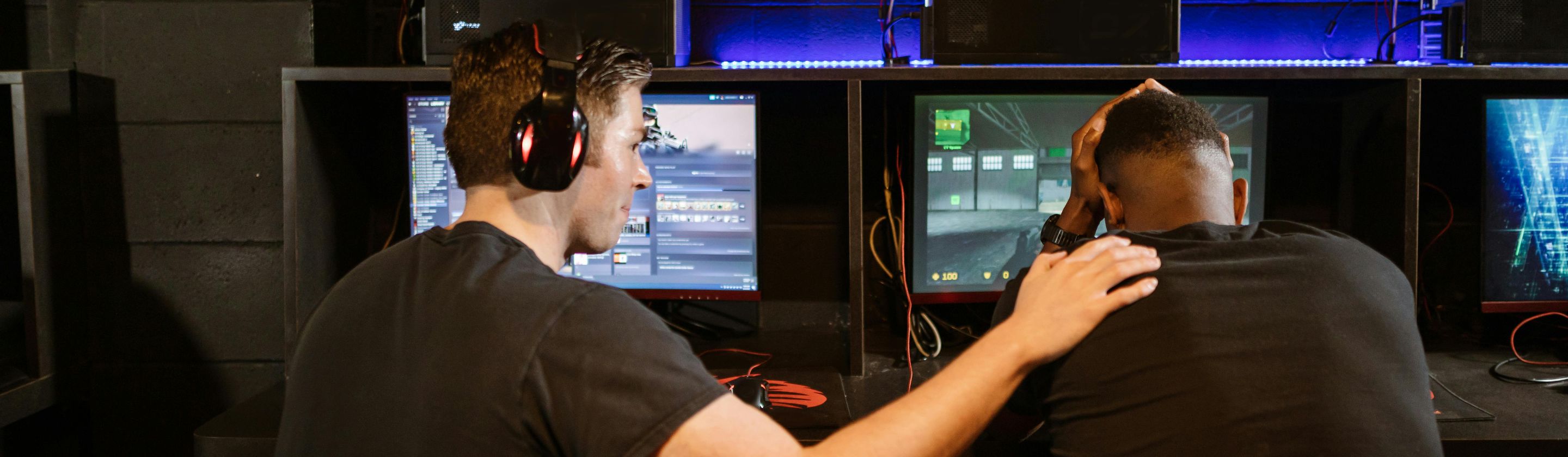
Release nights turn into this weird little group ritual where everyone’s refreshing the same page over and over, pretending it’s normal. The group chat turns into constant micro-updates, and someone always ends up yelling that their stream is buffering, like the internet decided to ruin their night personally.

2. The Sacred Spoiler Tag Dance
Spoiler rules seem simple right up until they aren’t, and then everyone starts making up new standards on the fly. Someone drops a “subtle” emoji that’s obviously not subtle to anyone paying attention, somebody else gets mad anyway, and the fandom spends the next day fighting over whether a thumbnail, a reaction face, or a single word counts as giving it away.

3. The Weekly Episode Autopsy Thread
One episode drops and suddenly it’s treated like evidence in a case, with timestamps, screenshots, and people debating what a character’s expression meant for half a second. Even if the show is supposed to be fun, the analysis gets intense fast, and everyone goes along with it like this is a perfectly reasonable Tuesday night activity.

4. The Canon Versus Fanon Court Case
There’s always a moment when fan opinions stop being opinions and start getting treated like official rules. People pull out interviews, deleted scenes, and old tweets like they’re doing courtroom research, and anyone who disagrees gets accused of not paying attention to what the story is clearly saying.
5. The Shipping War Mobilization
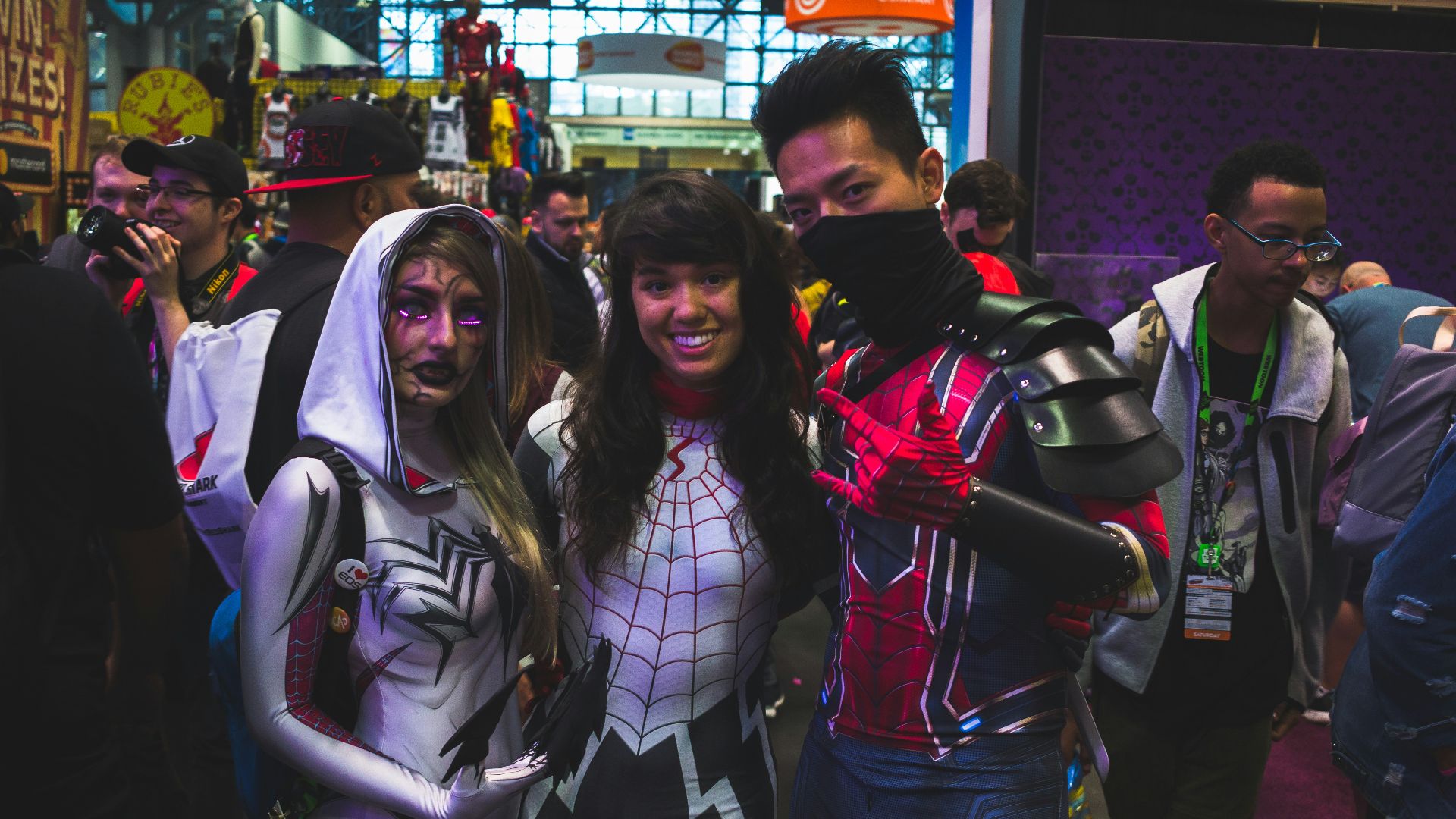
Fans stop treating favorite couples as a personal preference and start treating them like rival teams, which is when things get intense. Suddenly people pick sides, coordinate with friends, and post indirect jabs, plus long essays arguing that one pairing is healthy and the other is somehow dangerous or embarrassing for society.

6. The Slow Motion Trailer Frame Harvest
A two-minute trailer can keep people busy for weeks because everyone starts combing through it frame by frame. Someone zooms in on a random object in the background, someone else digs up a similar shot from three seasons ago, and suddenly the whole fandom is acting like the entire plot has been cracked.
7. The Merch Drop Alarm System
When limited merch drops, fans act like they’re running an operation, not buying a hoodie. People set alarms, trade checkout tricks, and then post their order confirmation screenshots like they just made it out alive.

8. The Meme That Becomes An Icon
A joke image gets repeated so much it turns into fandom shorthand, the kind you can drop without explaining yourself. People post it when they’re excited, when they’re irritated, or when they’re trying to be cute, and the meaning changes depending on what just happened and who’s using it.
9. The Official Account Summoning
Someone tags the creator or the official brand account like they’re summoning an authority figure. Sometimes it’s a real question, sometimes it’s a not-so-subtle attempt to pressure them, and everyone waits to see whether the account replies or goes completely silent.

10. The Fan Edit Premiere
Edits drop like mini film festivals, with teasers, countdowns, and audience reactions timed to the second. The comments fill with emotional screaming in text form, and the editor gets treated like a celebrity for forty-eight hours.

11. The Unboxing As A Public Performance
Opening a box becomes content, and the community watches for the same cues every time. People want the moment the tissue paper lifts, the first glimpse of the item, and the dramatic pause before the review verdict.

12. The Annual Rewatch Migration
A date on the calendar triggers a mass return to the same episodes, as if everyone is reporting to a holiday gathering. People post the same lines, the same screenshots, and the same emotional breakdown, and newcomers learn the schedule fast.

13. The Fanfic Tag Literacy Test
Within minutes, fans can read a wall of tags and understand the entire situation. A missing tag can cause real anger, because the community treats tags as consent, warning labels, and social contracts all at once.
14. The Headcanon Adoption Ceremony
A casual idea gets repeated enough that it becomes accepted community truth. Someone calls it headcanon, yet everyone starts referencing it like it’s confirmed, and anyone who missed the memo feels like they walked into the wrong meeting.

15. The Screenshot Offering
Fans collect screenshots like keepsakes and then present them back to the group as gifts. It’s never just a random frame, it’s a precise facial expression or background detail that proves someone’s point or revives a shared joke.

16. The Character Defense Brigade
A fictional person does something messy, and fans react like their real friend is being slandered. People write long threads about context, trauma, and intention, and it becomes clear the character has been promoted to personal symbol.

17. The Petition That Everyone Knows Will Fail
Fans start petitions to renew a show or change a casting decision, fully aware it’s a long shot. Signing still functions as a ritual of solidarity, and the signature count becomes a scoreboard for shared outrage.

18. The Convention Line Endurance Trial
Standing in line for hours becomes a badge of honor, and everyone posts updates like it’s a pilgrimage. Photos of wristbands and blurry stage screens show up like proof that the experience was real and earned.
19. The Group Grieving After A Finale
When a story ends, the fandom goes into a collective emotional phase that looks like mourning. People post reaction videos, write letters to fictional characters, and talk about feeling unmoored, because a weekly routine just disappeared.

20. The Purity Spiral
A community slowly shifts from sharing enthusiasm to policing who counts as acceptable. Old posts get dug up, minor wording becomes evidence, and people start performing correctness as a survival strategy instead of enjoying the thing they supposedly love.