Skills Nobody Taught, Everyone Learned Anyway
Nobody handed millennials a manual for the early internet. You figured it out through trial and error, usually while your family's one shared computer sat in a corner of the living room where everyone could see the screen. There was no support line for a crashed AIM client or a MySpace page gone visually wrong, just forums full of strangers and a lot of stubborn clicking around. Here's 20 things an entire generation had to teach itself, one clunky website at a time.

1. Picking an AIM Screen Name
Your first screen name usually involved a birth year, a favorite band, or some combination that felt clever at thirteen and mortifying by sixteen. Changing it meant rebuilding your entire buddy list from scratch, so most people just lived with the embarrassment. Somehow that string of letters and numbers became a real piece of your identity.

2. Crafting the Perfect Away Message
An away message wasn't just a notice that you'd stepped out; it was a curated mood board of song lyrics, inside jokes, and vague emotional hints aimed at exactly one person. People read into every word choice like it was a diplomatic cable. Getting the reference just obscure enough took real effort.
 Anastassia Anufrieva on Unsplash
3. Sharing One Phone Line for Dial-Up
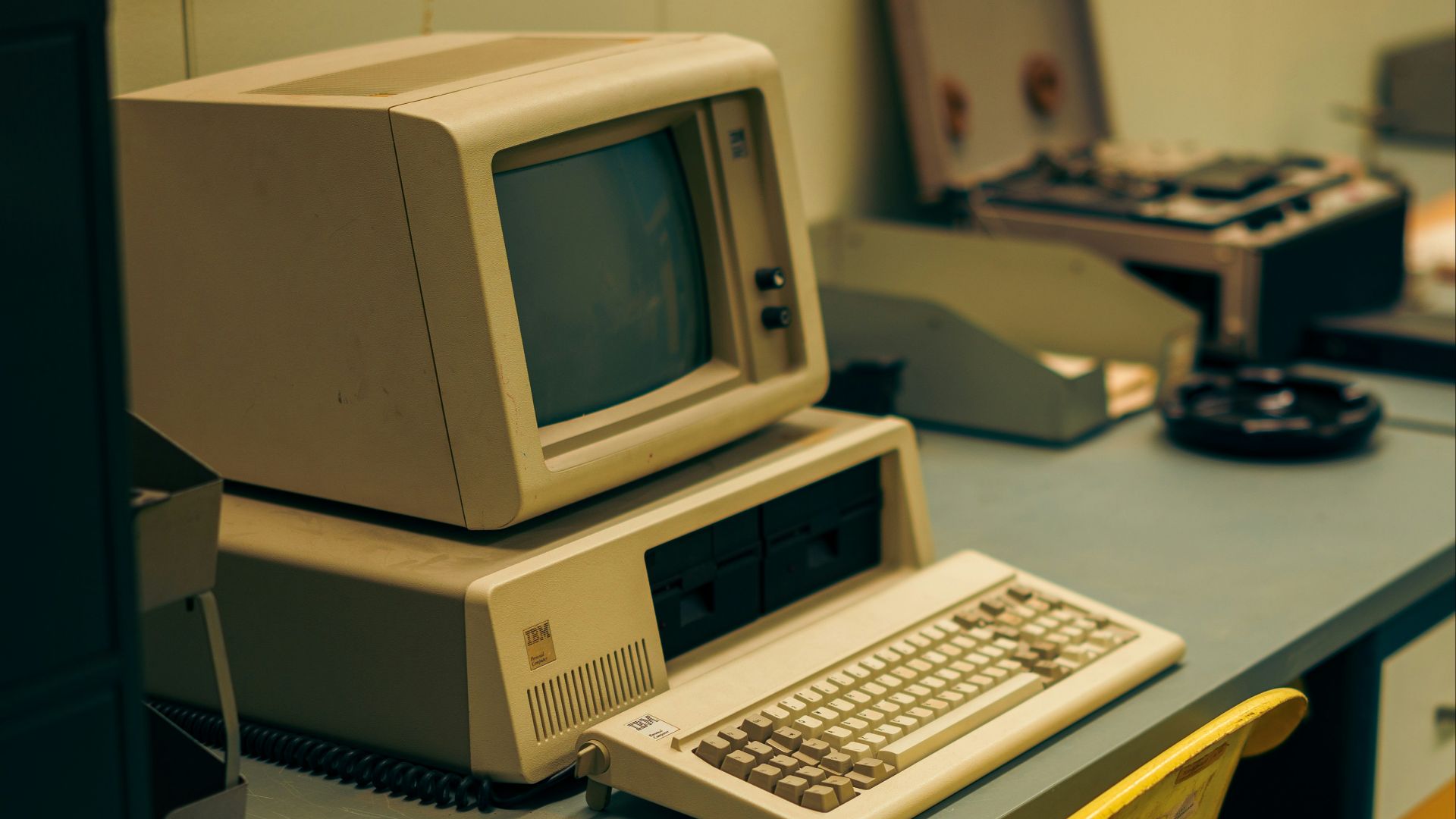
Getting online meant negotiating with everyone else in the house who might need to make a call, since the internet and telephone couldn't run at the same time. That screeching, warbling connection sound became oddly comforting because it meant you'd made it online. A parent picking up the phone mid-session could knock you offline instantly.
4. Finding Music Through Napster and LimeWire
Before streaming existed, tracking down a specific song meant searching file-sharing programs and gambling on whether the download was actually the right track. Half the files were mislabeled, corrupted, or hiding something far worse than bad audio. Everyone had a story about a file that turned out to be nothing close to what the title promised.

5. Customizing a MySpace Profile With Raw HTML
There was no drag-and-drop editor, so making your page look decent meant pasting blocks of HTML and CSS you barely understood into a tiny text box and hoping nothing broke. Autoplay music, glittery backgrounds, and layouts copied from a stranger's profile all came from that same trial and error. A single misplaced tag could turn your whole page unreadable.

6. Ranking Friends in the MySpace Top 8
Choosing who made your Top 8, and in what order, carried real social weight, and rearranging it could genuinely damage a friendship. People noticed immediately if they got bumped for someone new. It was one of the first times a website turned friendship into a public ranking.

7. Learning HTML by Viewing Source
Long before coding bootcamps existed, curious kids right-clicked on other people's Geocities or Angelfire pages, hit "View Source," and copied whatever looked interesting. Nobody explained what a div tag was; you just experimented until your blinking text or scrolling marquee worked. That messy process taught more real troubleshooting than most formal lessons could.

8. Burning a Mix CD in the Right Order
Getting the track order right on a burned CD took real thought, since the sequence had to build and flow like a real mixtape. One accidental extra click could ruin the whole disc and waste it entirely. Labeling it with a Sharpie afterward felt like signing your own work.

9. Dodging Viruses Hidden in Free Downloads
Every "free" screensaver, game, or music file carried a real risk of dragging along a virus, a browser hijacker, or a wave of pop-ups that took over the whole computer. Learning to spot a sketchy download became a genuine survival skill. Plenty of families lost a computer to something that looked harmless at first click.

10. Decoding Early Internet Slang
Abbreviations like lol, brb, and ttyl weren't universal from day one; you picked them up by context, guessing at meaning until it clicked. Getting one wrong in a chat room was a fast way to feel out of the loop. The shorthand spread person to person long before anyone wrote it down as a rule.

11. Managing a Neopets Account
Keeping a Neopet fed, entertained, and financially stable meant learning an in-game economy, complete with its own inflation and trading scams. Missing a few days could mean coming back to a starving pet and a guilt trip from a cartoon website. Plenty of kids learned their first budgeting lessons from a virtual pig with wings.
12. Winning an eBay Auction in the Final Seconds
Auctions came down to split-second timing, bidders refreshing the page and typing frantically as the clock ran out. Getting sniped in the last ten seconds by someone with a faster connection felt like a personal insult. Winning felt like an accomplishment instead of just a purchase.

13. Tracking Down Pirated Software and Movies
Finding a working crack, keygen, or download link usually meant wading through sketchy forums, fake download buttons, and file names that promised more than they delivered. Half the skill was recognizing which links were scams before you clicked. Everyone developed a sixth sense for spotting a bad download page.

14. Waiting for a YouTube Video to Buffer
Before decent broadband was standard, watching even a short clip meant staring at a loading bar and hoping it would finish before playback caught up and stalled again. Pausing a video the moment it opened, just to let it buffer ahead, became second nature.

15. Running a Blog on Xanga or LiveJournal
Keeping an online journal meant writing for an audience of maybe a dozen people who left comments in a running conversation. Customizing the layout, picking a mood icon, and choosing exactly the right song to embed all took real care. It was oversharing long before anyone called it that.
16. Downloading a Ringtone Over Text
Getting a custom ringtone on an early cell phone often meant texting a short code to a service and hoping the charge on the bill wasn't a nasty surprise later. Plenty of people learned about hidden subscription fees the hard way after signing up for one ringtone. It felt like a real upgrade, glitchy MIDI tones and all.

17. Filtering Out Pop-Ups and Rogue Toolbars
A single sketchy click could bury your browser under a dozen extra toolbars and an endless stream of pop-up windows. Learning to close them without accidentally clicking "yes" to something worse took real trial and error. Cleaning up a hijacked browser became its own rite of passage.
 Priscilla Du Preez 🇨🇦 on Unsplash
18. Actually Using a Search Engine Well
Before search got intuitive, finding useful results for a school report meant learning to phrase a query so the engine understood what you actually wanted. Early tools like Ask Jeeves and Yahoo rewarded oddly specific phrasing in ways Google eventually made unnecessary. Getting good at it felt like a real skill, not just typing a few words.

19. Deciding Whether to Forward a Chain Email
Chain emails promised bad luck or granted wishes if you broke the forward chain, and ignoring them felt riskier than it should have. Everyone had that one relative who forwarded every single one without fail. Deleting them without reading became its own small act of rebellion.

20. Texting on a T9 Keypad
Before smartphones, typing a message meant pressing the same number key multiple times to cycle through letters, all while racing the phone's character limit. Regular texters developed genuine muscle memory and could type without even looking at the screen. It's a skill that aged out almost overnight once real keyboards showed up.