
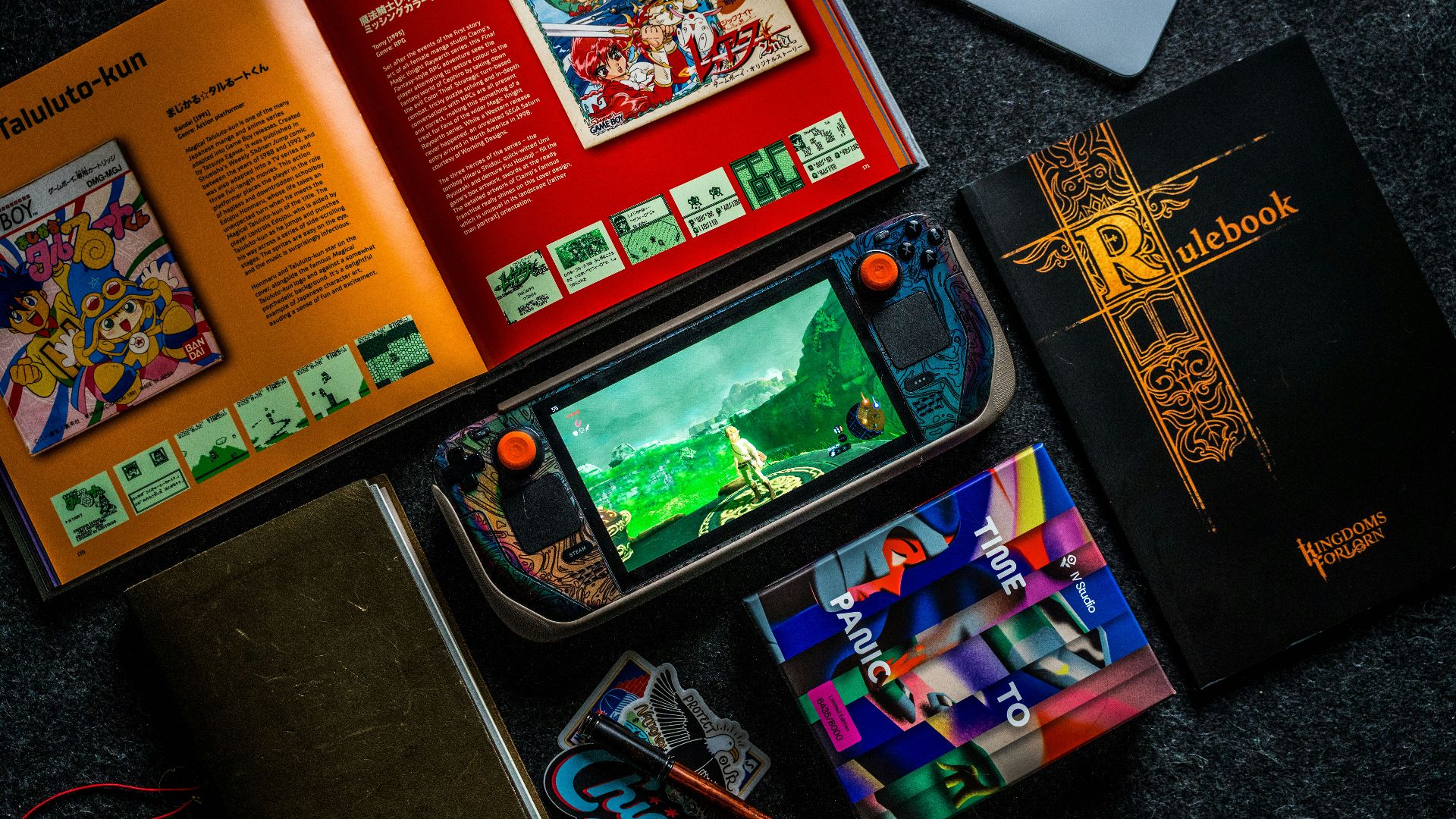
Early role-playing games often delivered their stories through text boxes, simple character portraits, and carefully written descriptions. Limited storage and processing power left little room for lengthy recorded dialogue or detailed facial animation, so writers depended on language, music, and the player’s imagination. These restrictions didn’t prevent meaningful storytelling, but they shaped stories that were usually presented through reading, exploration, and strategic choices.
As technology improved, developers gained the tools to create expressive characters, believable environments, and scenes performed by professional actors. The genre retained its focus on exploration and decision-making while adopting techniques associated with film, theater, and television production. Unlike a movie audience, however, players could influence conversations, relationships, and sometimes the direction of the entire plot. That combination explains how storytelling in RPGs became cinema-level art.
Player Choice Turned Stories Into Personal Experiences
Traditional films present events in a fixed order, while role-playing games can ask players to decide how their character responds. Dialogue trees allow a conversation to change according to personality, skills, previous actions, or relationships developed throughout the adventure. A diplomatic character may avoid a fight that another player encounters immediately, creating two different versions of the same situation. The story becomes more personal because the player participates in shaping it.
Choice also gains meaning through consequences that appear later rather than providing an immediate reward or punishment. A seemingly minor decision can affect which characters offer assistance, how a community develops, or whether an important relationship survives. Writers must anticipate several possible responses while keeping each branch consistent with the wider narrative. This requires careful planning because every option should feel believable rather than included merely to create the appearance of freedom.
Modern narrative teams use specialized tools to organize dialogue, conditions, character reactions, and alternate outcomes. These systems help writers track whether the player has completed a task, learned specific information, or made a decision many hours earlier. The resulting complexity can support stories that respond convincingly without becoming impossible to follow.
Performance Technology Gave Characters Greater Depth
Recorded dialogue changed how role-playing characters could express humor, hesitation, anger, and affection. A skilled actor can communicate uncertainty through a pause or altered tone even when the written sentence appears straightforward. Voice direction therefore became an essential part of narrative production rather than a final technical step.
Motion capture and performance capture expanded that emotional range by recording physical movement and, in some productions, facial expressions. Actors could perform scenes together, allowing their timing and body language to influence the finished sequence. Animators then refined the captured material so that it fit the digital characters and their surroundings. Subtle gestures, changing posture, and eye movement gave conversations a level of visual detail once associated mainly with live-action drama.
Cinematic presentation also improved through lighting, camera placement, editing, sound design, and original music. A difficult revelation can be supported by silence and restrained framing, while a major confrontation may use faster cuts and a more forceful score. These methods don’t automatically make a story effective because spectacle can’t replace thoughtful writing. Used with care, however, they allow emotional scenes to reach players without removing the interactive qualities that define the genre.
World Design Made Narrative Part of Exploration

Some of the genre’s strongest stories aren’t delivered through formal conversations or lengthy cinematic sequences. Abandoned buildings, personal letters, damaged equipment, memorials, and changes in the landscape can reveal what happened before the player arrived. This environmental storytelling rewards observation and lets players uncover information at their own pace. The setting becomes an active narrative source rather than decorative scenery between major events.
Companion characters add another layer because they can react to locations, moral choices, and the player’s treatment of other people. Their approval or disagreement gives decisions a human consequence beyond points, rewards, or altered statistics. Well-written companions may challenge the player’s assumptions, reveal private fears, or gradually change their opinions.
Side stories have also become more emotionally ambitious, sometimes examining grief, prejudice, political conflict, family responsibility, or the cost of survival. These subjects can be explored through optional encounters that don’t interrupt the central plot but deepen the world surrounding it. Players may remember a quiet conversation with an ordinary resident as clearly as a large battle or dramatic finale.
Role-playing games reached cinematic levels of storytelling by borrowing useful production techniques without simply becoming interactive movies. Branching decisions made stories responsive, performance technology gave characters emotional detail, and environmental design turned exploration into another form of narration. The genre’s greatest advantage remains the player’s involvement because watching a difficult choice is different from making one yourself. Cinema-level artistry emerged when developers combined polished presentation with the responsibility, freedom, and personal investment that only interactive stories can provide.