Before Grandma Got TikTok
The creativity of younger generations is the reason the internet is the way it is today. When kids started getting access to this vast online world, they spent their time coding, networking, and socializing with friends. By the early 2000s, teens lived two lives: the one online and the one in real life. While it was the adults who built the equipment, it was the kids who made it fun. Here are 20 ways kids used technology for much more than its basic purpose.
1. Drawing With Logo
Logo was made to help children learn programming, often by having them guide a digital turtle across the screen. A few commands could create geometric shapes, so ideas that might’ve felt abstract became easy to see. It gave kids an early way to use code as a creative tool.

2. Typing In BASIC Programs
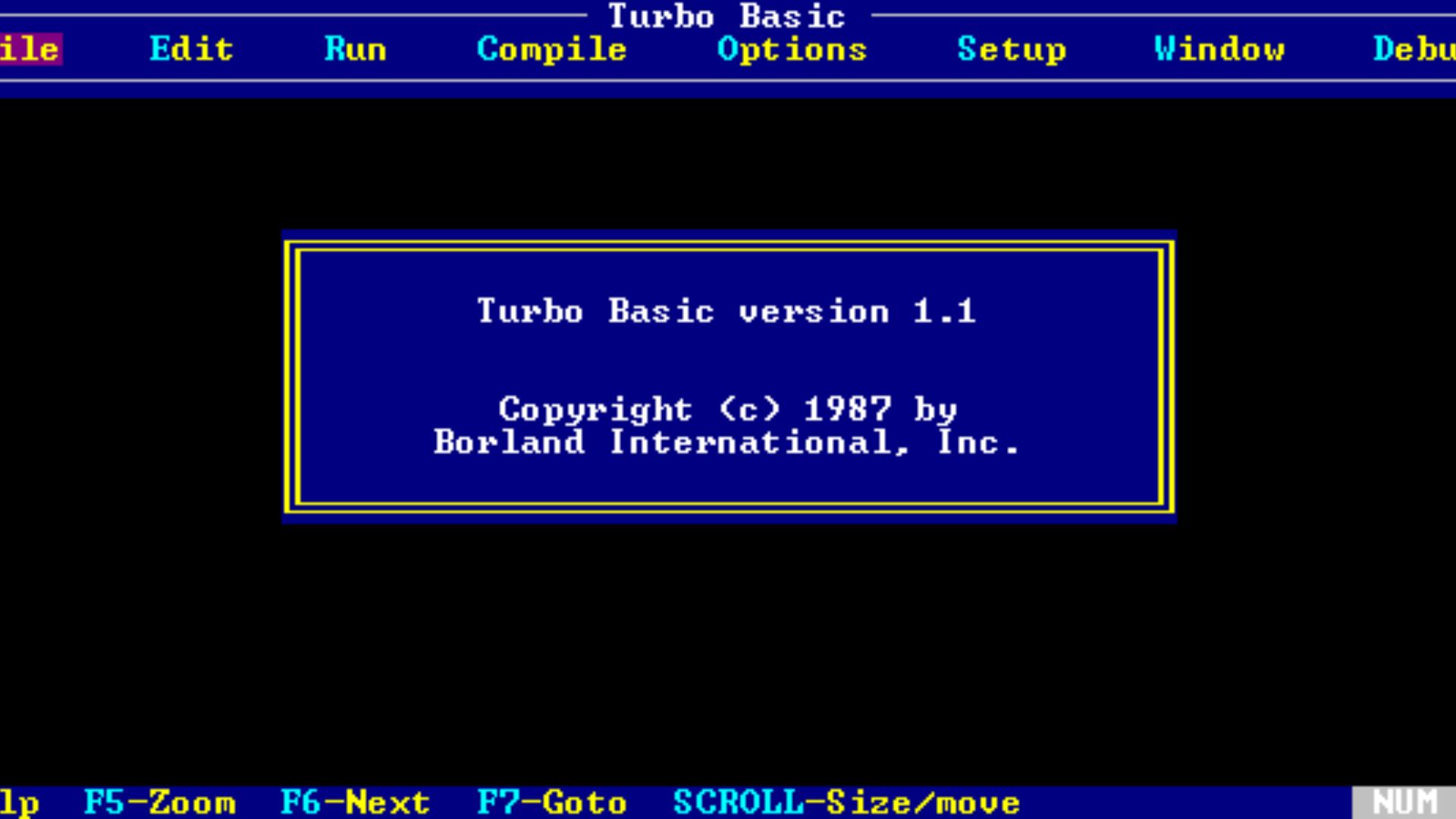
Home-computer magazines regularly printed program listings that users could enter into BASIC interpreters. It took patience, but when it finally worked, that home computer could become a small game, a quiz, or a simple animation.
3. Calling Bulletin Board Systems
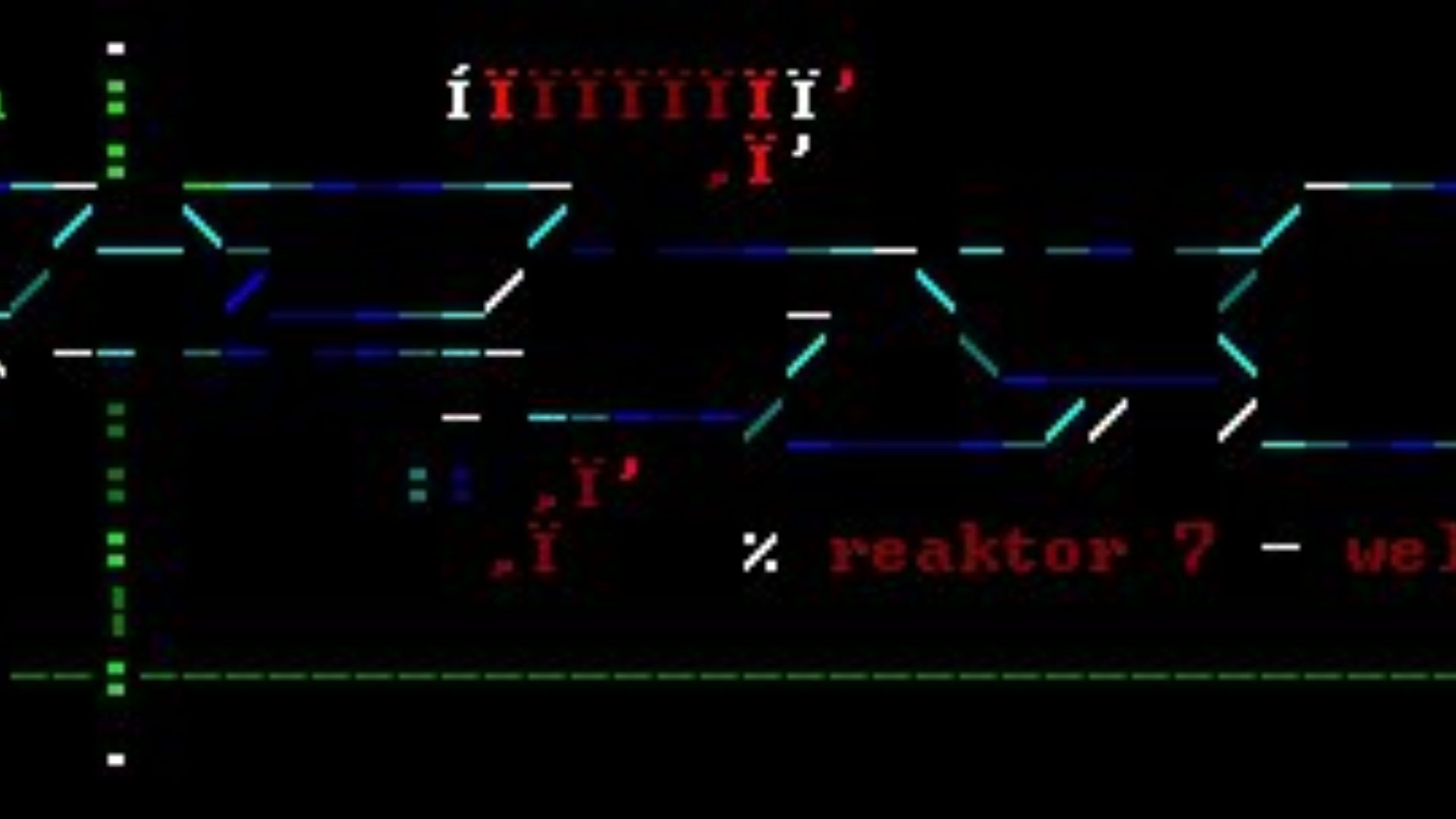
Bulletin board systems let people dial into another computer with a telephone line, read messages, exchange files, and join online discussions. Those communities had their own society well before those features became common on social platforms. The connection was slow and tied up the household phone, though kids still had plenty of reasons to log on.
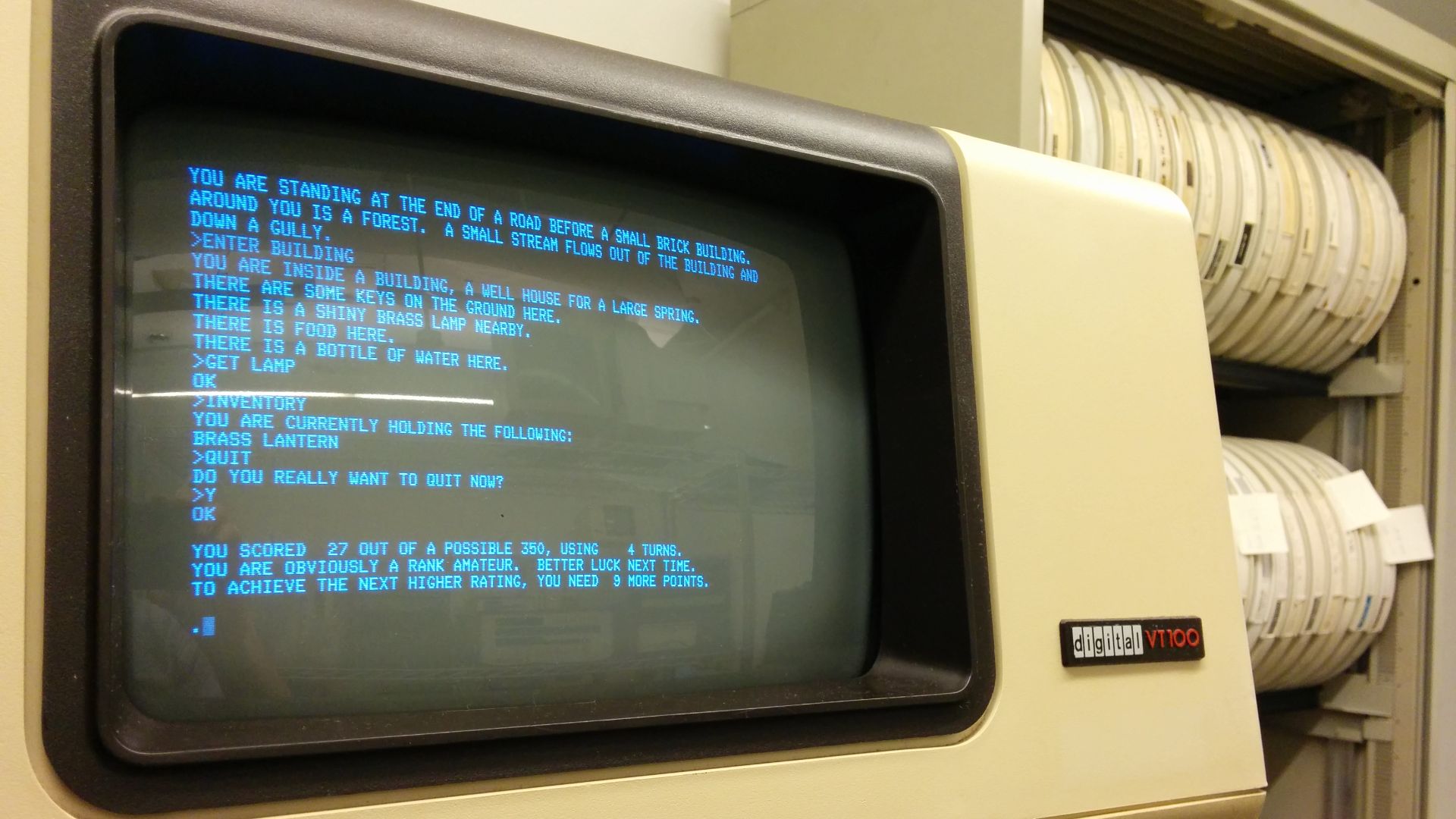
4. Exploring Text-Based Worlds
MUDs and MOOs were shared online spaces built from written descriptions instead of graphics. Players could explore, chat, role-play, and, in some systems, help create parts of the environment. Words did most of the work, and users could help shape the place as it grew.
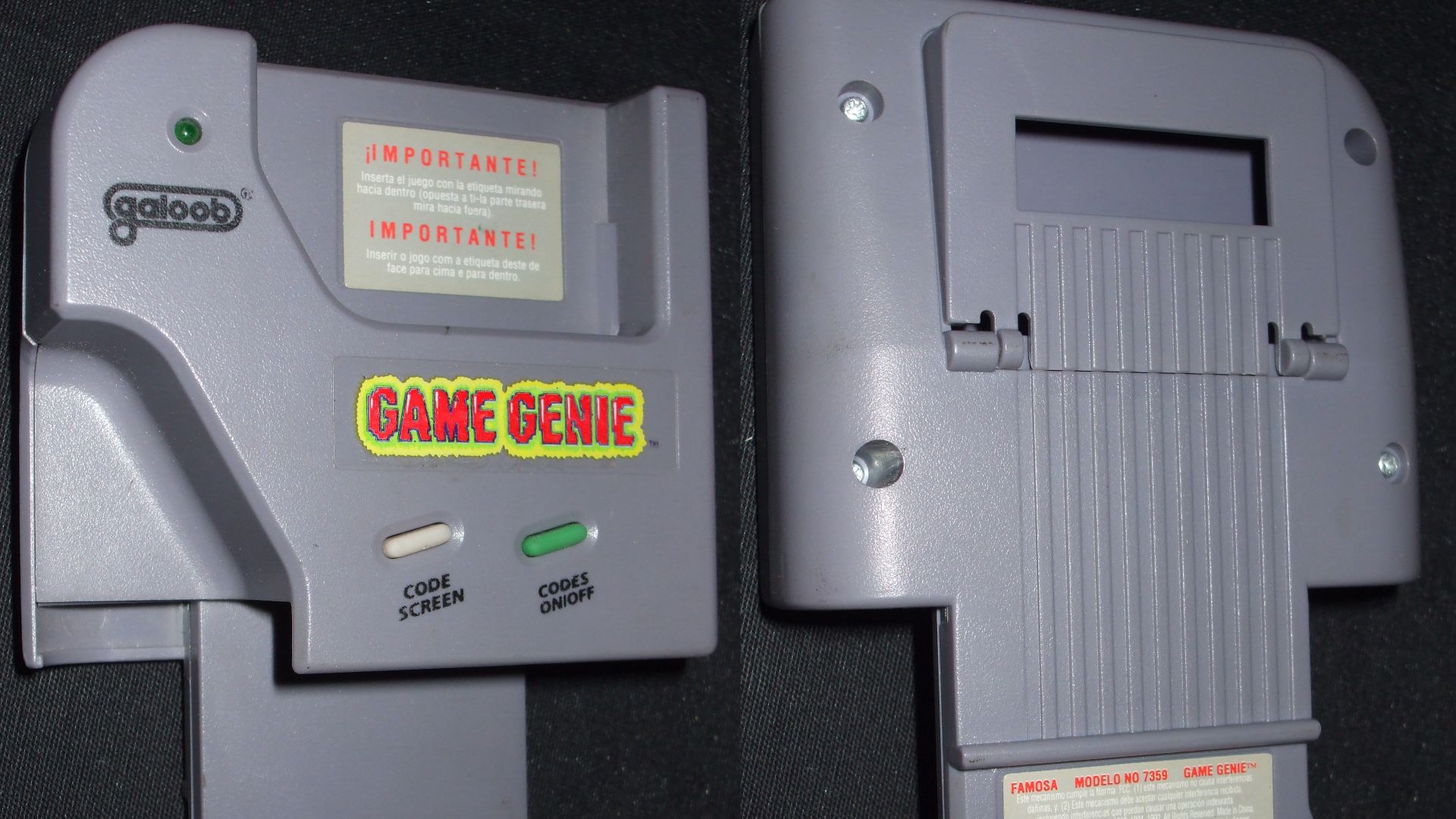
5. Changing Games With Cheat Cartridges
The Game Genie changed code passed between a game cartridge and a console, letting players alter certain in-game conditions. That could mean extra lives, different starting abilities, or other unusual effects. It showed players that a cartridge’s rules weren’t completely locked in, even without rewriting the game.
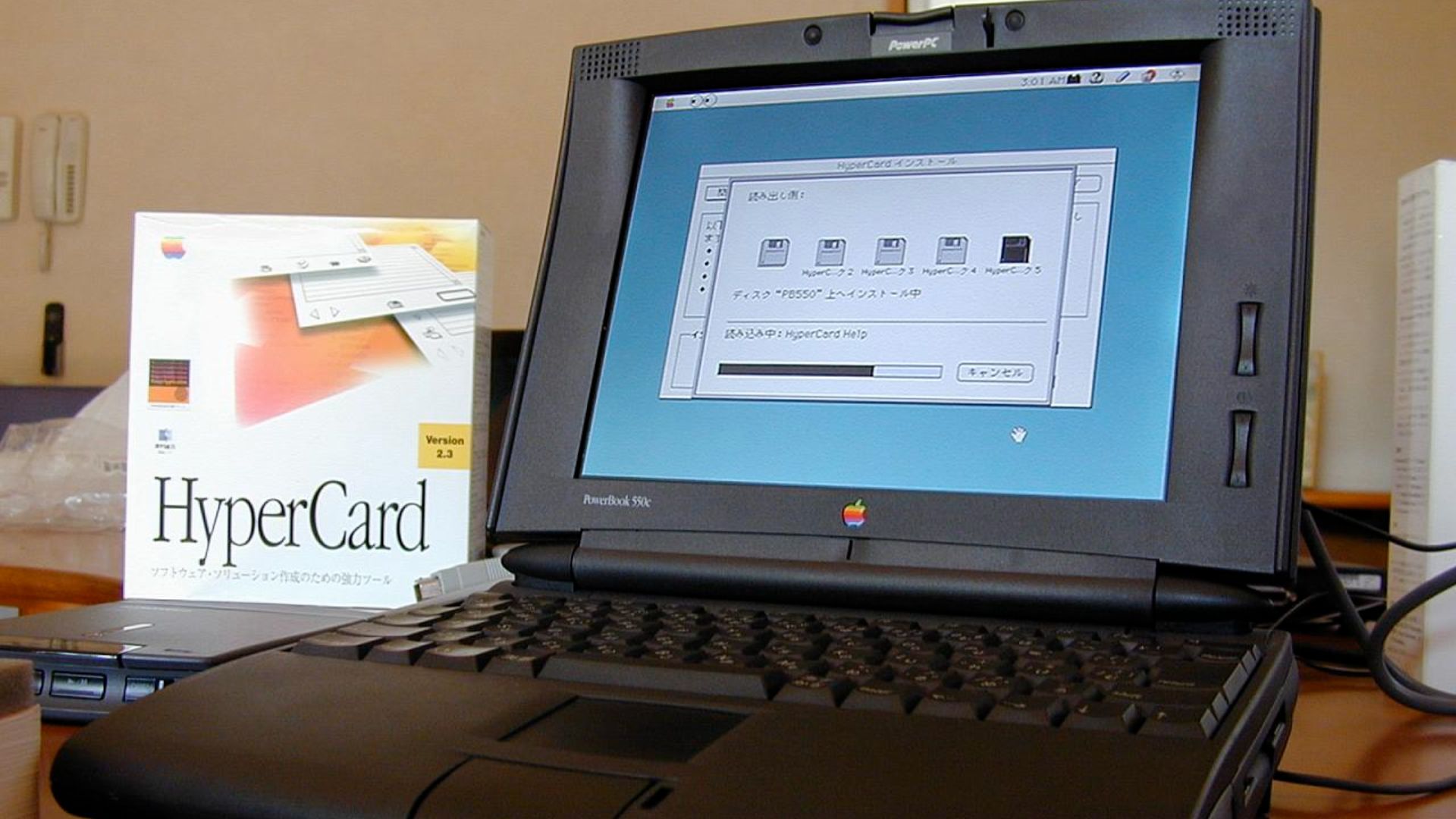
6. Making HyperCard Stacks
HyperCard, released in 1987, gave non-programmers a way to make interactive applications. Its stacks could include cards with text, images, buttons, sound, and scripts. Users could make simple information collections, games, and educational material from a few basic pieces.
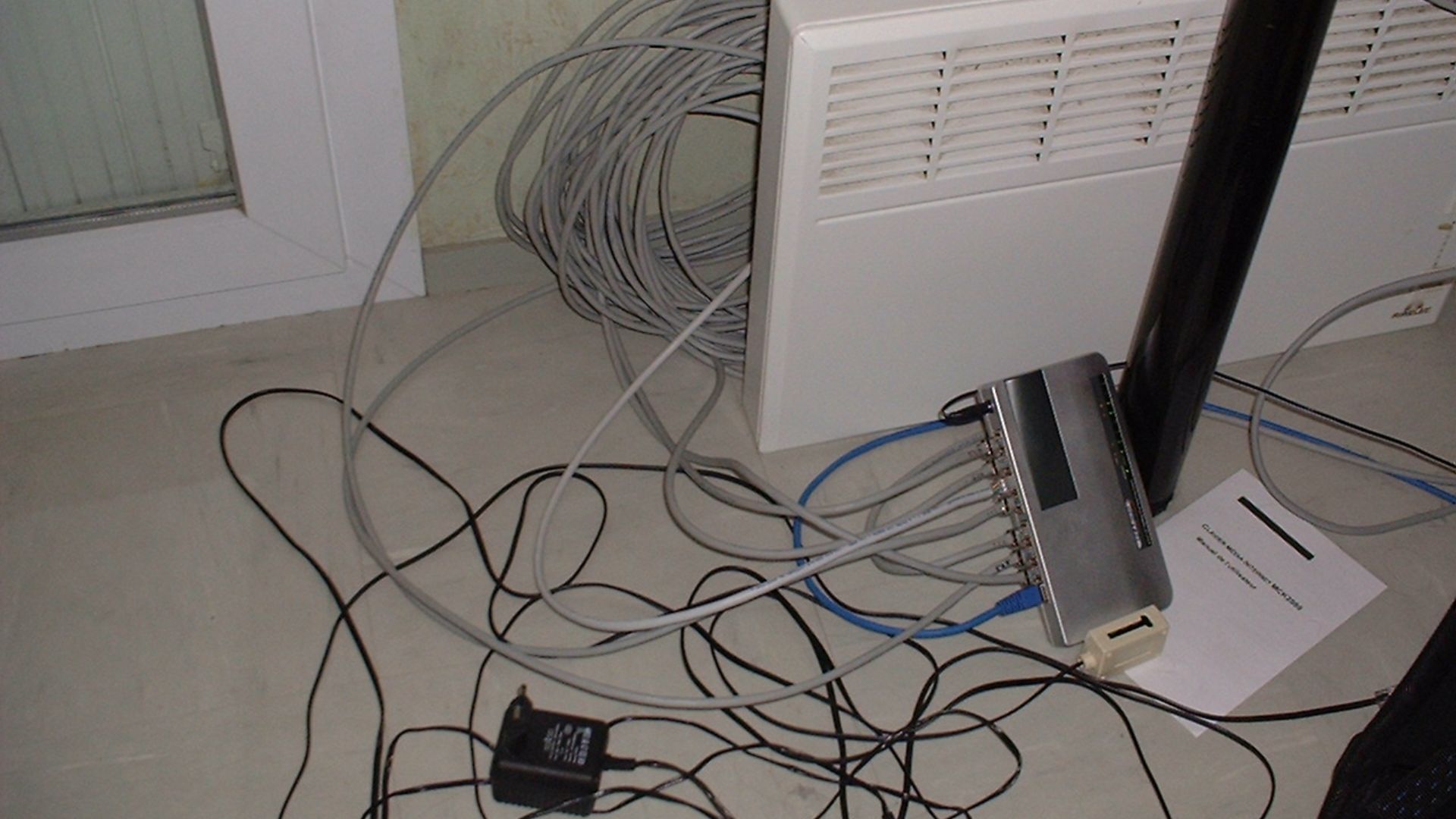
7. Connecting Computers Locally
Local area networks connected computers that were close together in the same physical space. As personal computers and local networks became more common, they made direct multiplayer gaming possible. A few machines, cables, and a game could turn a regular get-together into something new and exciting.
8. Building Custom Doom Levels
Doom’s long-running community produced a huge number of WADs, which were files used for custom levels and modifications. These projects ranged from single maps to larger conversions with new assets and challenges. Players didn’t have to stick with only the levels that came in the box.
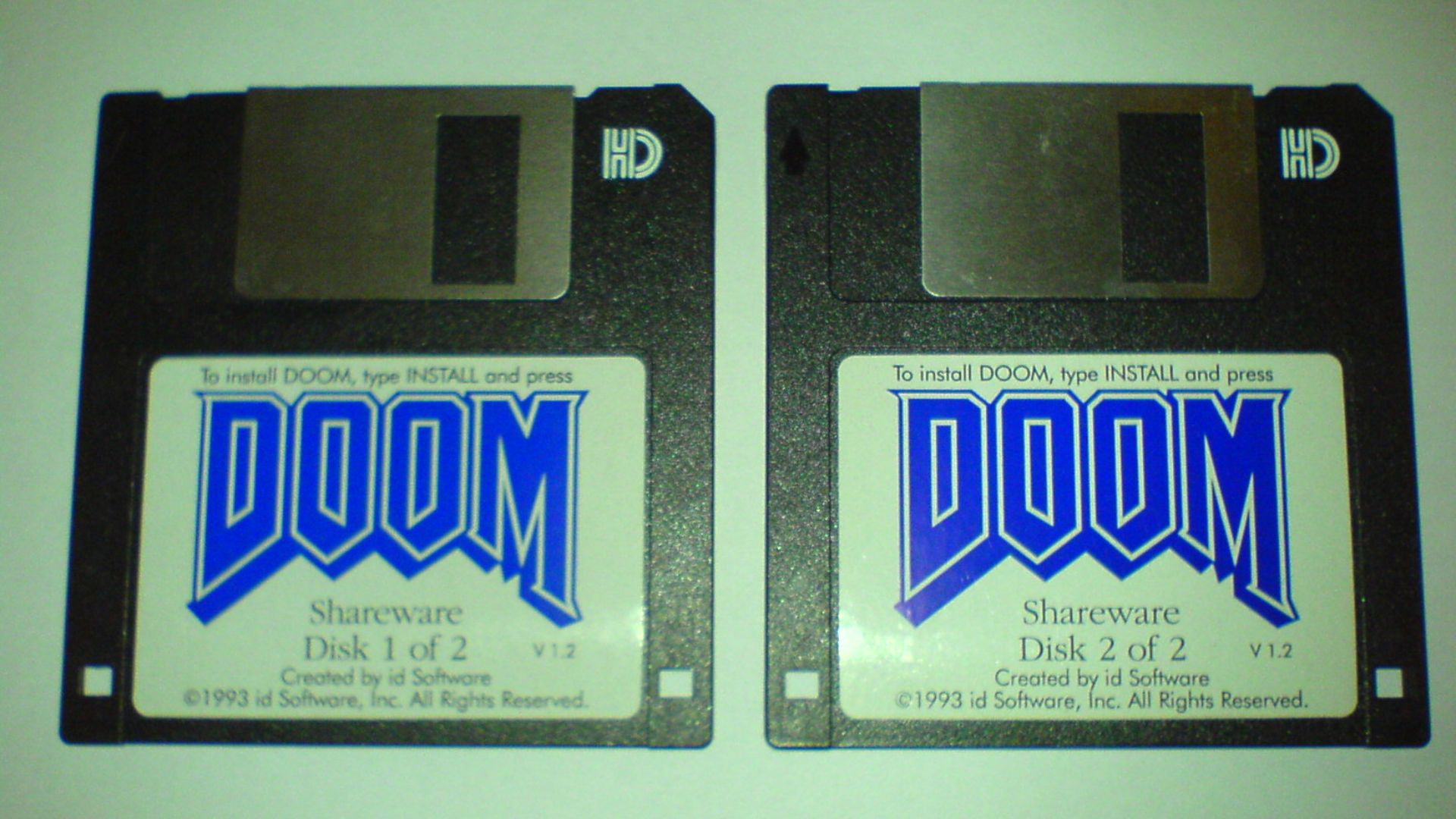 Pelle Wessman from Malmö, Sweden on Wikimedia
9. Creating Personal Web Pages
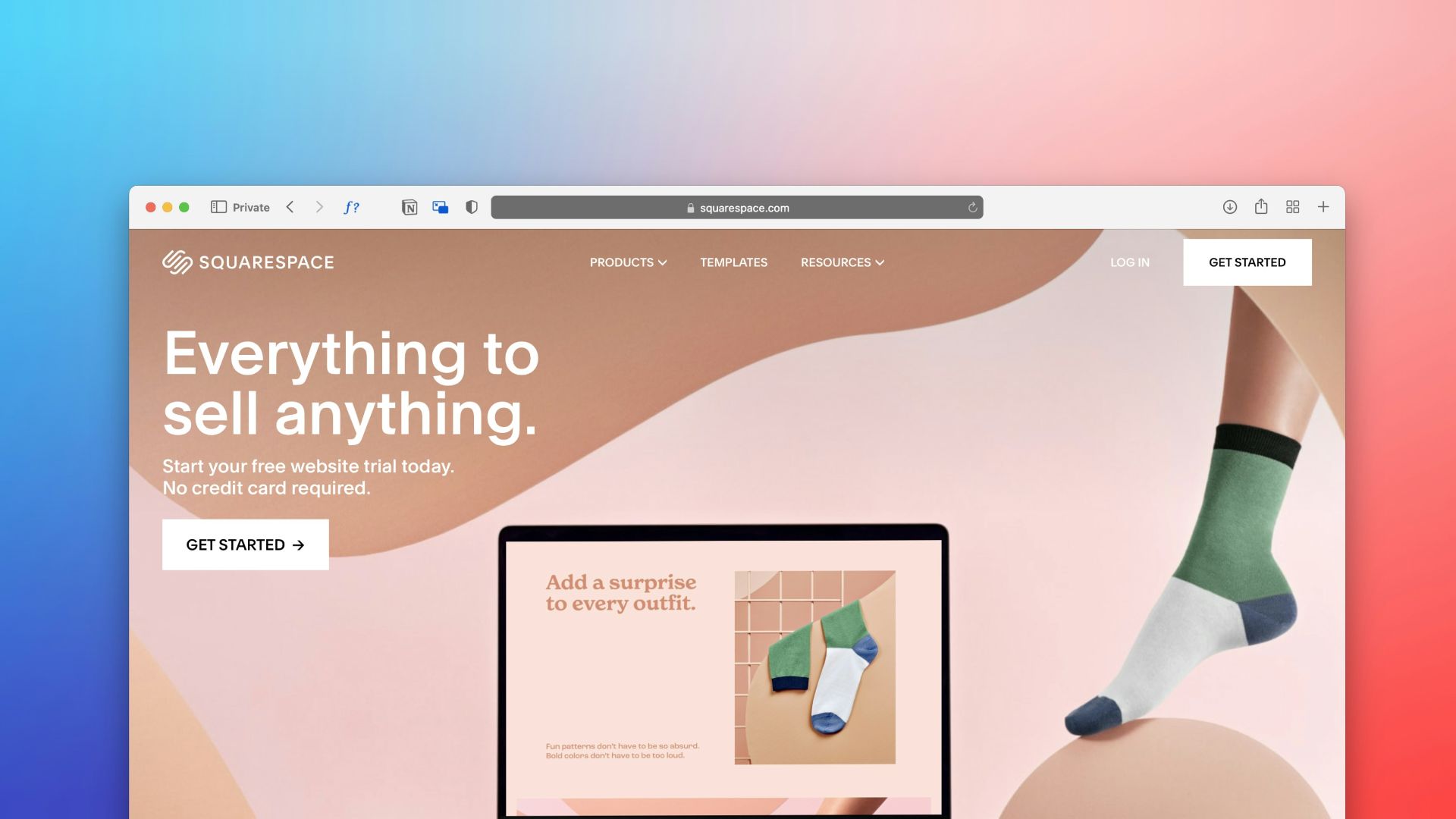
By 2001, 24% of online teens had created their own web pages. Personal sites gave users room for favorite links, music interests, graphics, and anything else they wanted to post. The early web gave people space to build a small corner of their own.
10. Using More Than One Screen Name
In 2001, 56% of online teens had more than one email address or screen name. Different handles could separate school friends, online friends, and less public conversations. Teens were already managing their digital identities long before internet safety became a hot-button issue.
 Mariia Shalabaieva on Unsplash
11. Keeping a Handle Private
Among teens who used multiple email addresses or screen names, nearly one-quarter had one that was secret from friends. That made an old screen name more than a throwaway nickname. It could also give someone a practical way to control who had access to a conversation.
12. Making Instant Messaging an After-School Space
In 2001, 74% of online teens used instant messaging, compared with 44% of online adults. IM sessions typically lasted more than half an hour and involved three or more friends. Once the school day was over, the desktop computer had become another place to spend time together.
13. Sharing Passwords With Friends
Some early online habits sound like obvious security mistakes now. In 2001, 22% of teen IM and email users had shared a password with a friend. Trust online could feel as immediate as it did in a hallway conversation, even when that choice came with some serious risks.

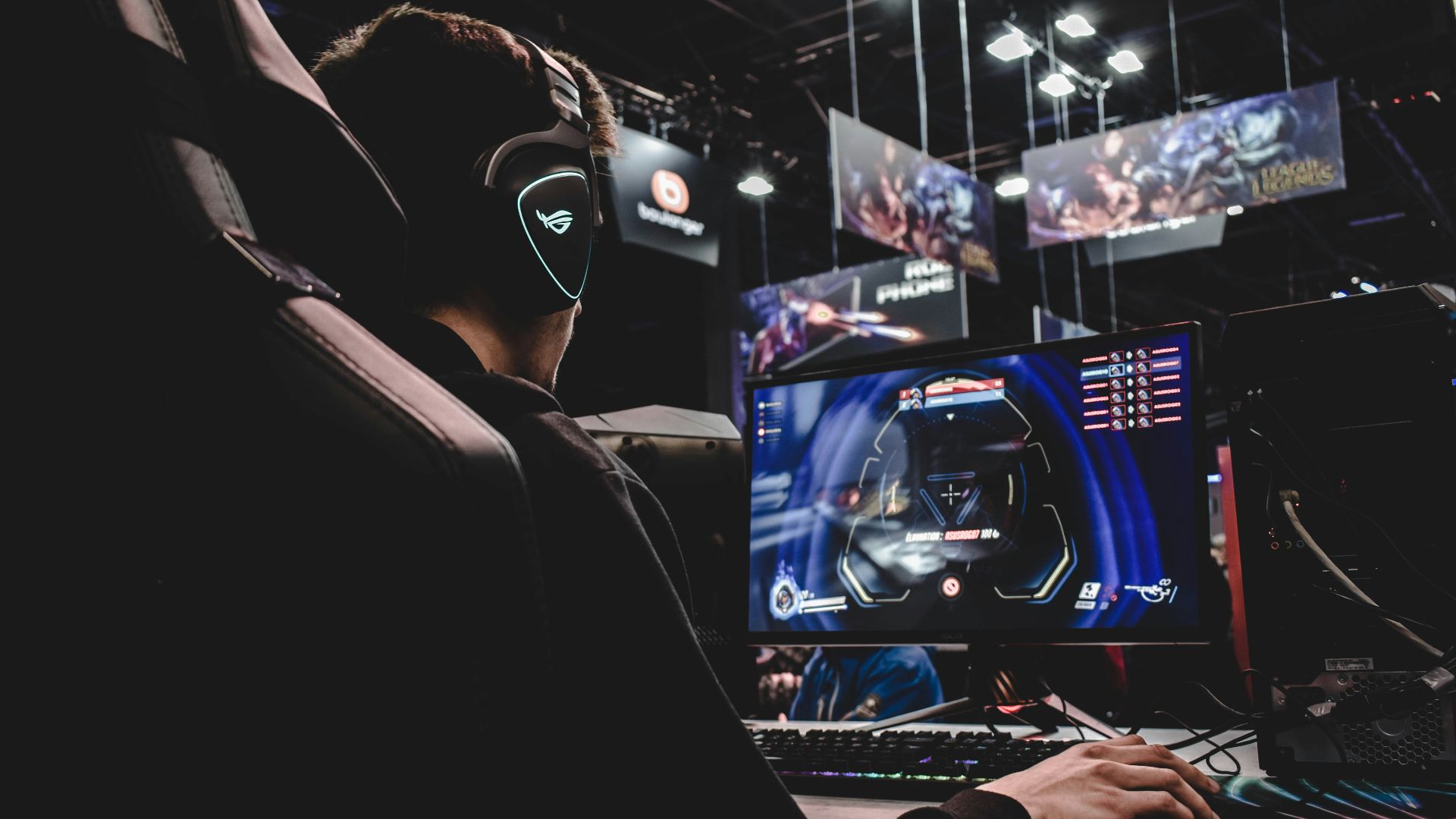
14. Playing Games Online
By 2005, 81% of online teens played games online, compared with 32% of online adults. Gaming was already a major part of teen internet use. The gap also shows how quickly younger users made online play part of their normal routines.
15. Using the Internet for Schoolwork
In 2001, 94% of online teens had used the internet to look up information for schoolwork. Most had also relied mainly on online sources for their most recent big project. The web became a homework tool well before search engines felt like a standard part of every assignment.
16. Passing Along Interesting Links
Instant messaging wasn’t only for talking. Half of teen IM users in 2005 had sent a link to an interesting or funny article or website. Sending something along because a friend might like it was already a regular part of chat, much like it is in group conversations now.

17. Sending Photos and Documents
In 2005, 45% of teen IM users had sent photos or documents through instant messaging. The chat window was becoming a useful place to swap schoolwork, snapshots, and other files. That mix of social and practical made the technology hard to separate from everyday life.

18. Sharing Music and Video Files
Nearly one-third of teen IM users in 2005 had sent music or video files through instant messaging. File-sharing tools let a conversation include more than text and links. That same urge shows up in chats filled with clips, songs, and screenshots today.

19. Building Social Network Profiles
In 2007, 55% of online teens had an online profile. Most of those profiles weren’t visible to everyone online, showing that privacy settings mattered early in the social-network era. Profiles gave teens a place to socialize while deciding what they wanted to keep limited to friends.

20. Filling Profiles With Media
Teen profile creators in 2007 commonly posted photos of themselves and friends, while some also added audio, blog links, or video. A profile was already more than a name and a photo. It was a small, customizable space for sharing media, interests, and connectionsn
 Fred Thompson presidential campaign, 2008 on Wikimedia