Hindsight Is 20/20
In the moment, a gaming controversy can feel like the end of the world. A game gets blamed for something way bigger than itself, a publisher rolls out an idea nobody asked for, or a launch goes so badly that a title seems doomed forever. Then a few years pass, the dust settles, and the story looks different. Sometimes the outraged players were right all along. Sometimes the "scandal" looks almost quaint next to what's considered normal today. Either way, these 20 moments show just how fast gaming can rewrite its own history.
1. Mortal Kombat
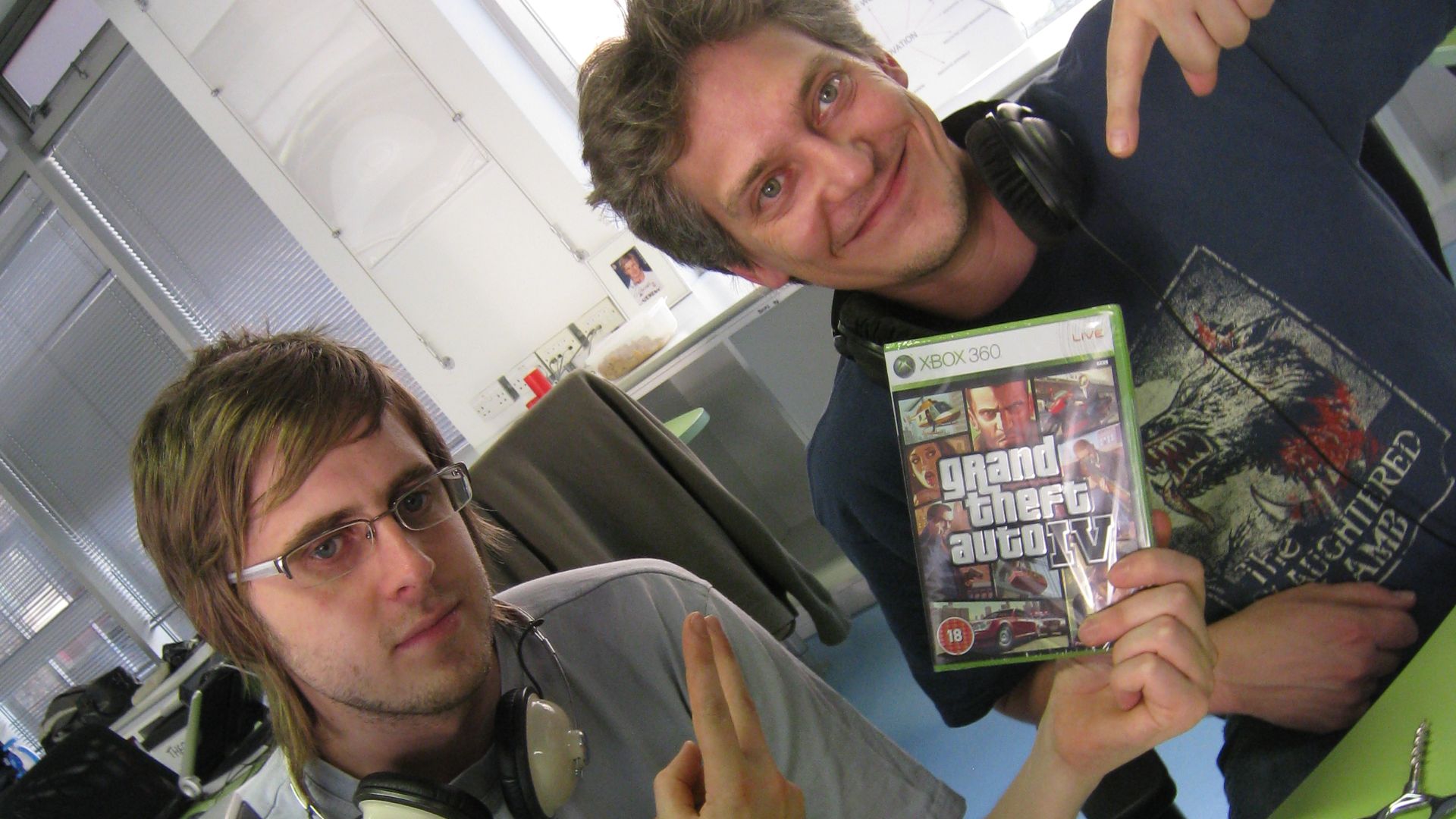
Back in 1993, Mortal Kombat found itself dragged in front of Congress during hearings about violence and adult content in video games. It was a genuinely tense moment for an industry that had never faced that kind of scrutiny before. The upside? The pressure helped push gaming toward a standardized age-rating system.
2. Doom And The Violence Debate
After the tragedy at Columbine in 1999, Doom got pulled into a national conversation that was way bigger than any single game could carry. Politicians and pundits reached for a simple explanation for something horrifically complicated, and a shooter with sprite-based demons became an easy target.
 Bethesda, Copyright Microsoft on Wikimedia
3. Grand Theft Auto's "Hot Coffee"
The Hot Coffee scandal exploded when players discovered sexual content buried in San Andreas's files, content that was never meant to be accessible during normal gameplay. The game was rerated as a result, and the story kicked off a much bigger conversation about what developers owe players in terms of disclosure when unused, unfinished, or hidden material still ships inside a finished product.
4. Oblivion's Horse Armor
When The Elder Scrolls IV: Oblivion started selling purely cosmetic horse armor as paid DLC in 2006, the internet had a field day. Fast forward to today's world of paid skins, mounts, outfits, weapon wraps, and emotes, and Horse Armor doesn't look ridiculous anymore.
5. Mass Effect's Romance Panic
Mass Effect got swept into an overheated television segment over its romance scenes, with claims that made the game sound more explicit than it actually was. One of the pundits involved later admitted, after actually watching the footage, that she'd misspoken. In hindsight, those scenes are practically tame compared to what routinely shows up in modern games.
6. Spore's DRM Backlash
Spore launched wrapped in restrictive digital rights management that capped how many times players could activate the game they'd already paid for. Customers were, understandably, furious about buying a product that came with an invisible leash attached. The specific technology feels ancient now, but the underlying issue never went away.
 Barry Mulling from Los Angeles, USA on Wikimedia
7. Manhunt 2's Adults-Only Rating
Manhunt 2 originally received an Adults Only rating, which was a much bigger deal than it sounds, since major console makers simply refused to carry AO-rated games at all. After edits were made, the console versions got bumped down to Mature.
8. Six Days In Fallujah
Six Days in Fallujah got dropped by its original publisher back in 2009 after intense backlash over turning an Iraq War battle into a playable video game. The timing made it especially raw. When the game finally resurfaced years later, it included documentary footage, testimony from service members, and perspectives from Iraqi civilians, a sign that games had matured enough to handle heavy recent history with more care.
9. Modern Warfare 2's "No Russian"
Few missions in gaming history are as infamous as "No Russian," which placed players inside a terrorist attack on civilians in an airport. It instantly became one of Call of Duty's most talked-about, most argued-over sequences ever made.
 http://www.gamingxp.com/pictures/uploads/August_09/modern_warfare_2_logo.jpg on Wikimedia
10. Diablo III's Auction House
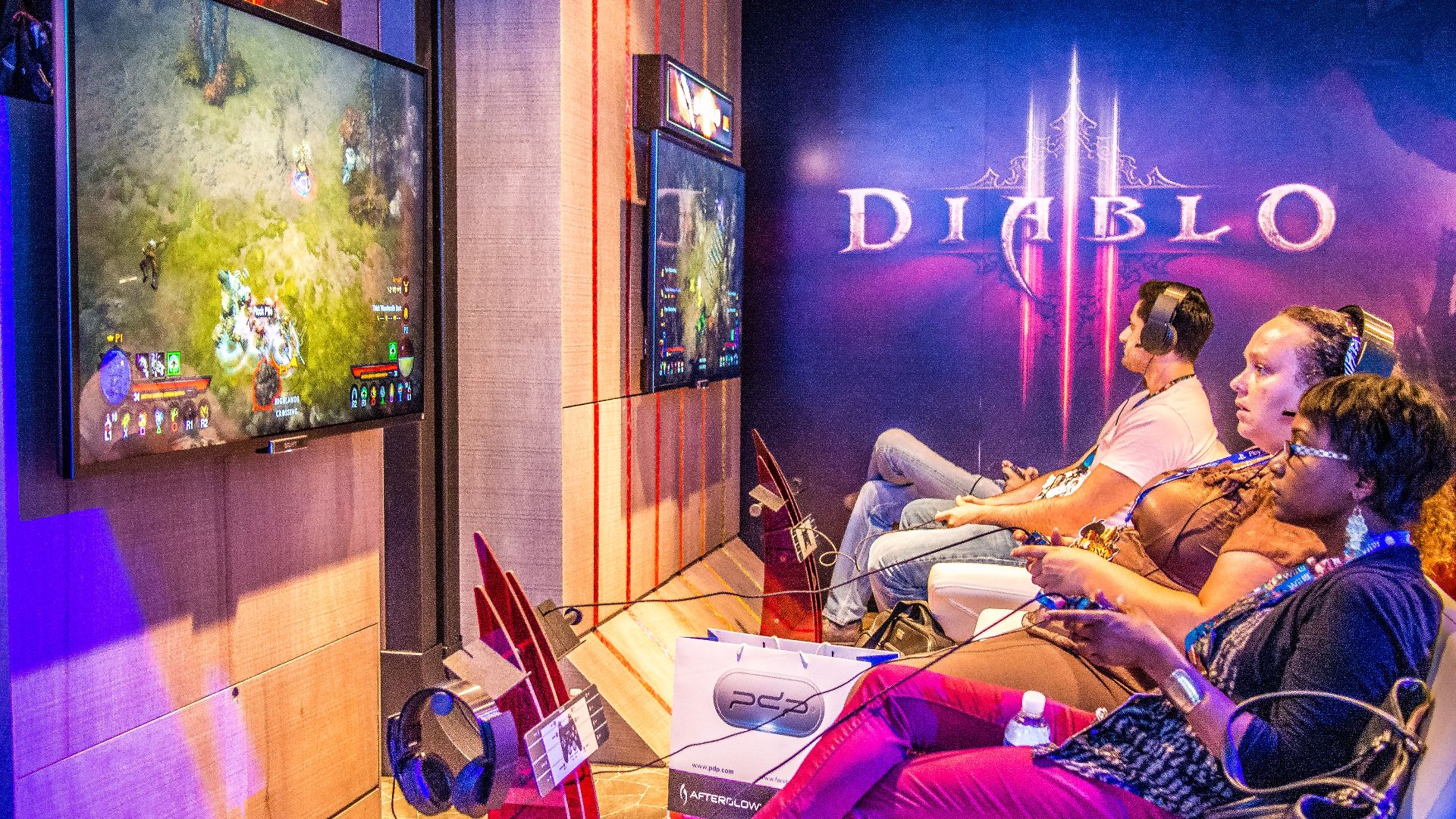
Diablo III shipped with an auction house system that let players buy and sell gear, including a version that ran on real-world money. The problem wasn't the concept so much as what it did to the game underneath it. It poisoned the core loop of killing monsters and hunting for better loot, since the best gear was often just a credit card swipe away.
 Sergey Galyonkin from Raleigh, USA on Wikimedia
11. SimCity's Always-Online Requirement
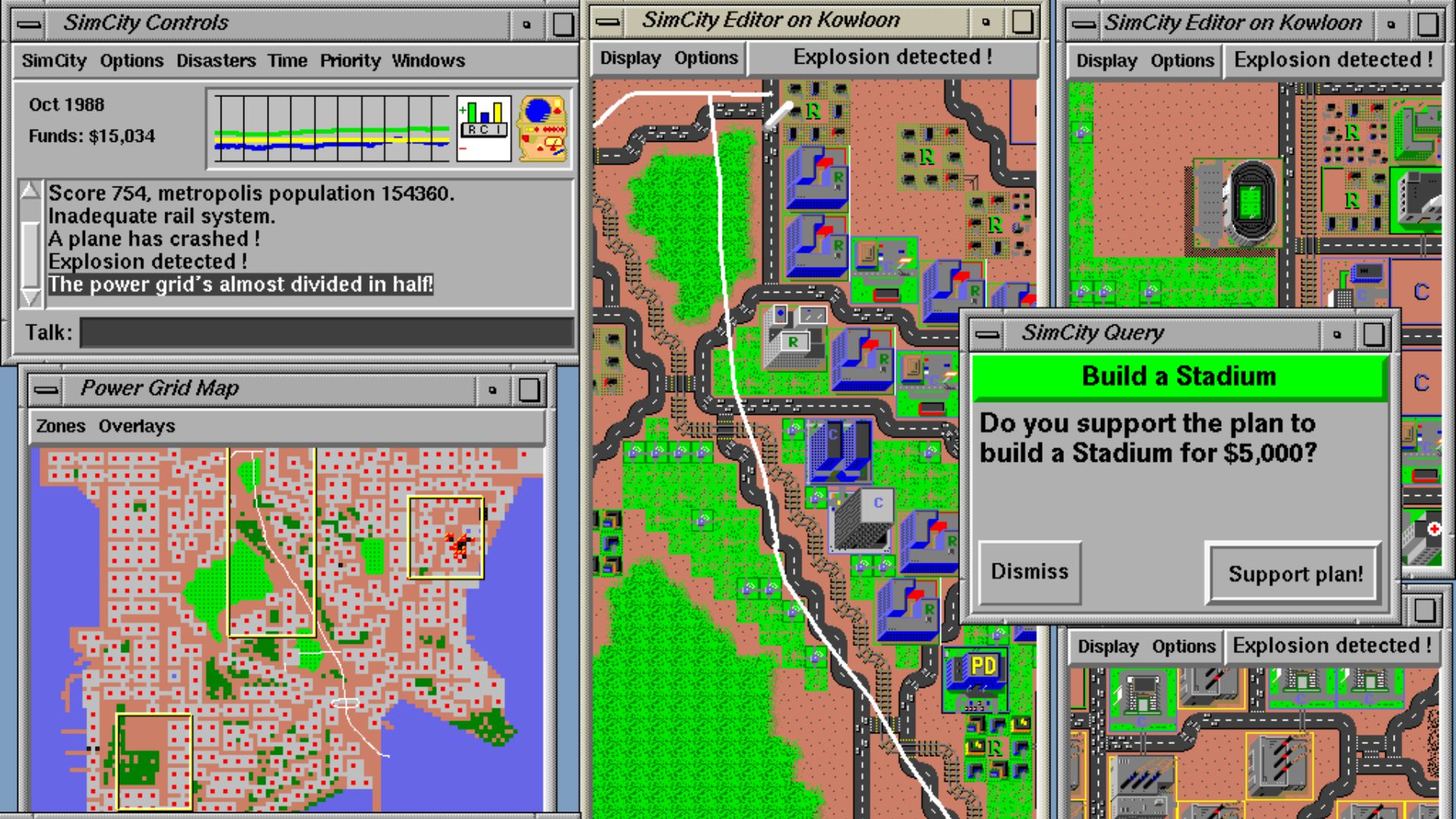
SimCity's 2013 reboot demanded a constant internet connection, and when the servers buckled at launch, plenty of players who'd already paid full price simply couldn't get in. The always-online design was defended as essential to the game's new connected-region features, but an offline single-player mode showed up the very next year.
 Xardox at en.wikipedia on Wikimedia
12. Xbox One's Original DRM Plans
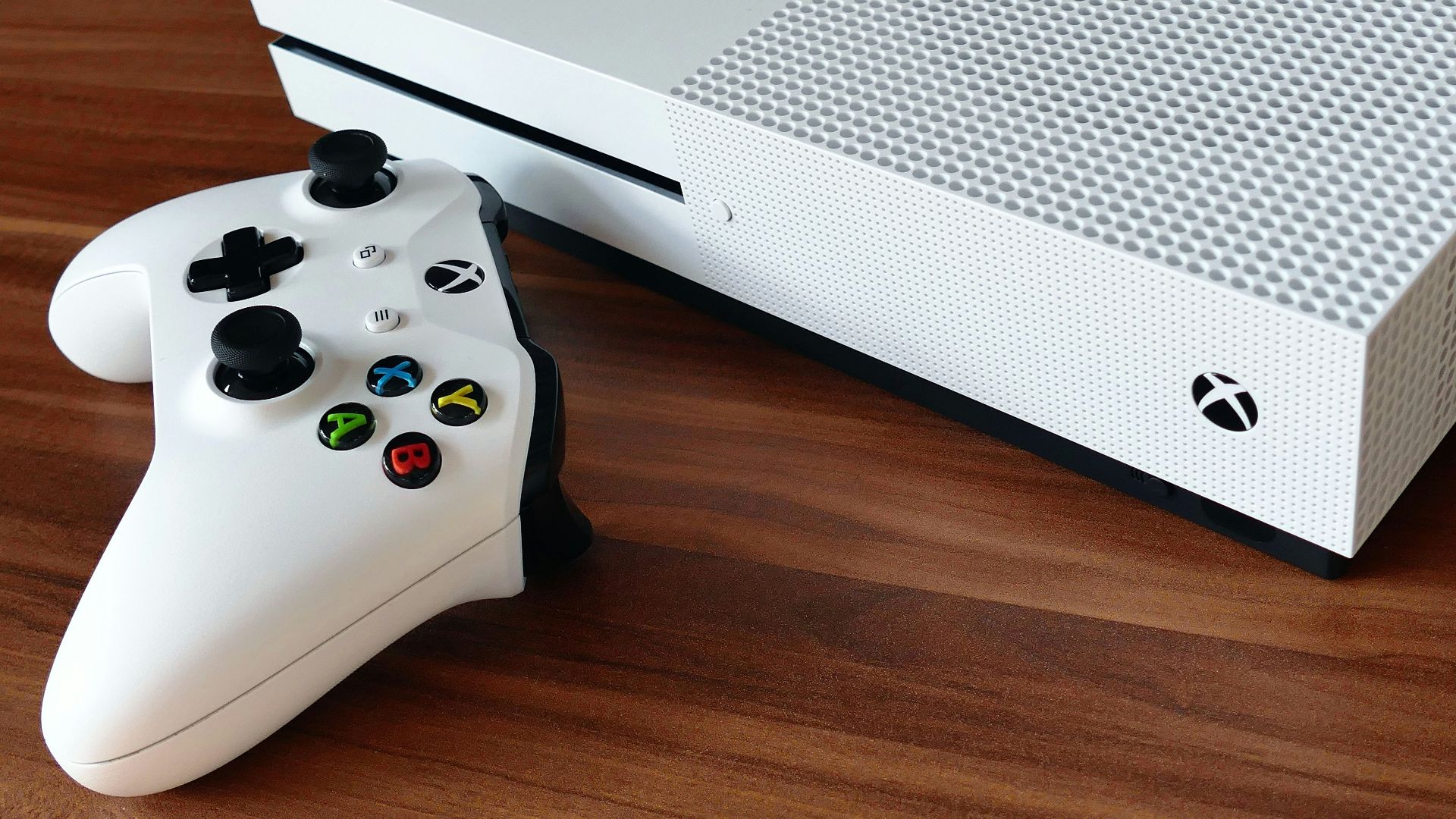
Before the Xbox One even launched, Microsoft floated plans for a mandatory 24-hour online check-in along with strict new limits on lending, sharing, or reselling physical games. Players revolted at the idea of losing control over discs they were used to treating as fully their own. Microsoft eventually walked back the most unpopular pieces before launch day.
13. Hatred's Attempt To Shock Everyone
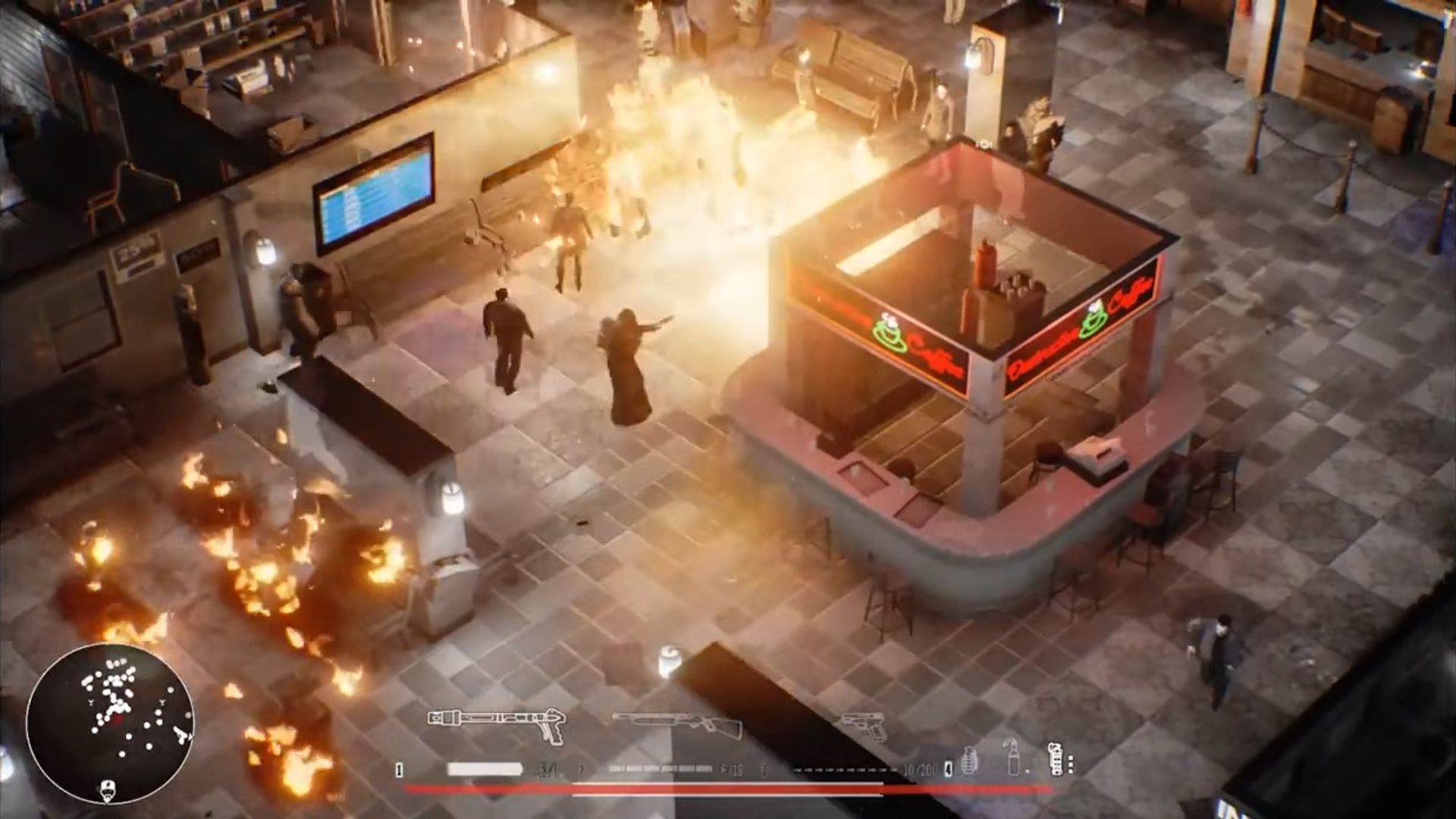
Hatred was built from the ground up to shock people, casting players as a mass murderer hunting down civilians with zero pretense of nuance. It got briefly yanked from Steam Greenlight before being reinstated, and that back-and-forth only fed the attention machine further.
 Destructive Creations on Wikimedia
14. No Man's Sky's Rocky Launch
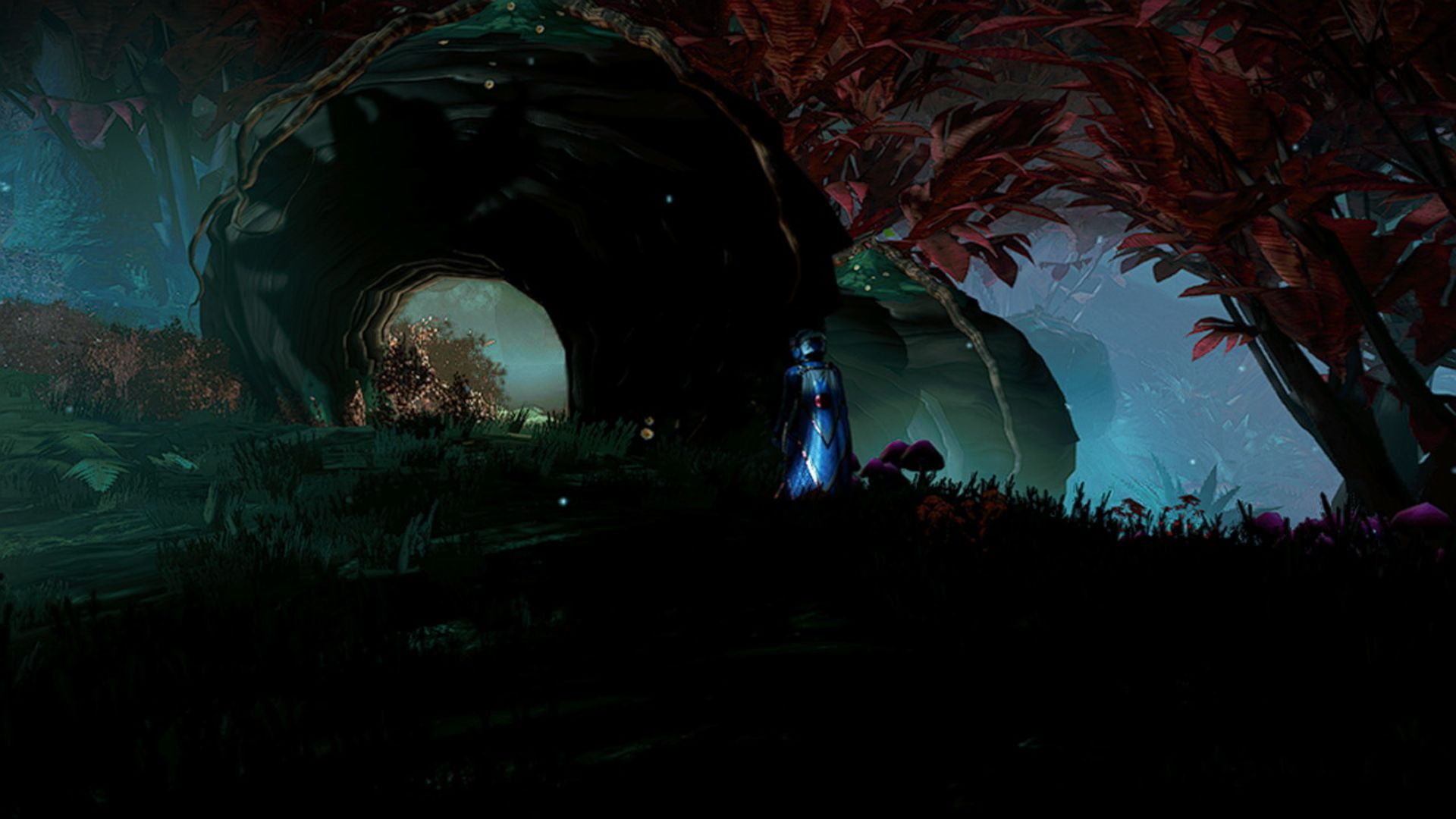
No Man's Sky arrived with a wave of frustration from players who felt the finished product fell short of the sky-high expectations built up before release. With anticipation running at an almost unprecedented level, the letdown became one of the defining gaming stories of 2016.
15. Battlefront II's Loot Boxes
Star Wars Battlefront II got hammered for a progression system built around purchasable currency, with critics arguing that spending real money could hand players a gameplay advantage. EA pulled the microtransactions just before launch as public pressure hit a breaking point.
16. Diablo Immortal's Awkward Reveal
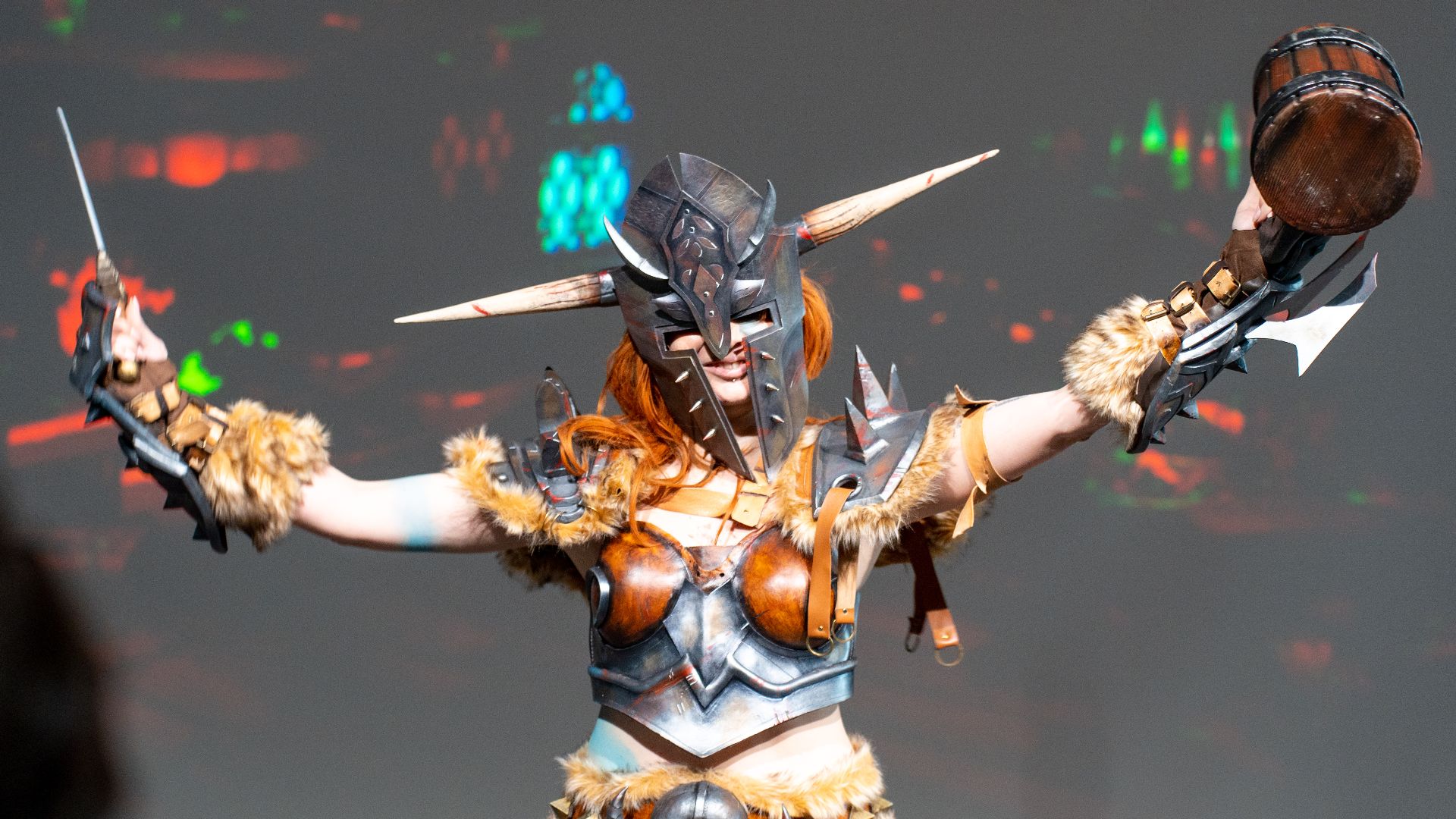
Diablo Immortal's mobile-focused reveal landed with an audible thud in front of a convention crowd desperately hoping for a big new PC-centered Diablo announcement. The now-infamous "don't you guys have phones?" moment took over the internet conversation almost instantly.
 Stéphane Gallay from Laconnex, Switzerland on Wikimedia
17. Fallout 76's Broken Beginning
Fallout 76 launched buried in technical problems and, by deliberate design, without a single traditional human NPC anywhere in its world. For fans used to meeting unforgettable characters throughout earlier Fallout games, the whole setting felt strangely hollow and lifeless.
 Bethesda Softworks LLC, a ZeniMax Media company on Wikimedia
18. Cyberpunk 2077's Comeback
Cyberpunk 2077 launched drowning in technical issues, especially brutal on older console hardware, and was even temporarily pulled from storefronts. Years of patches, the sweeping 2.0 overhaul, and the Phantom Liberty expansion transformed the experience dramatically, rebuilding much of the game's reputation.
19. Unity's Runtime Fee
Unity set off a massive developer revolt in 2023 when it unveiled a pricing plan that tied fees partly to how many times a game got installed. The company eventually walked the plan back and formally canceled the Runtime Fee in 2024 before it ever went into effect.

20. Helldivers 2's Account Backlash
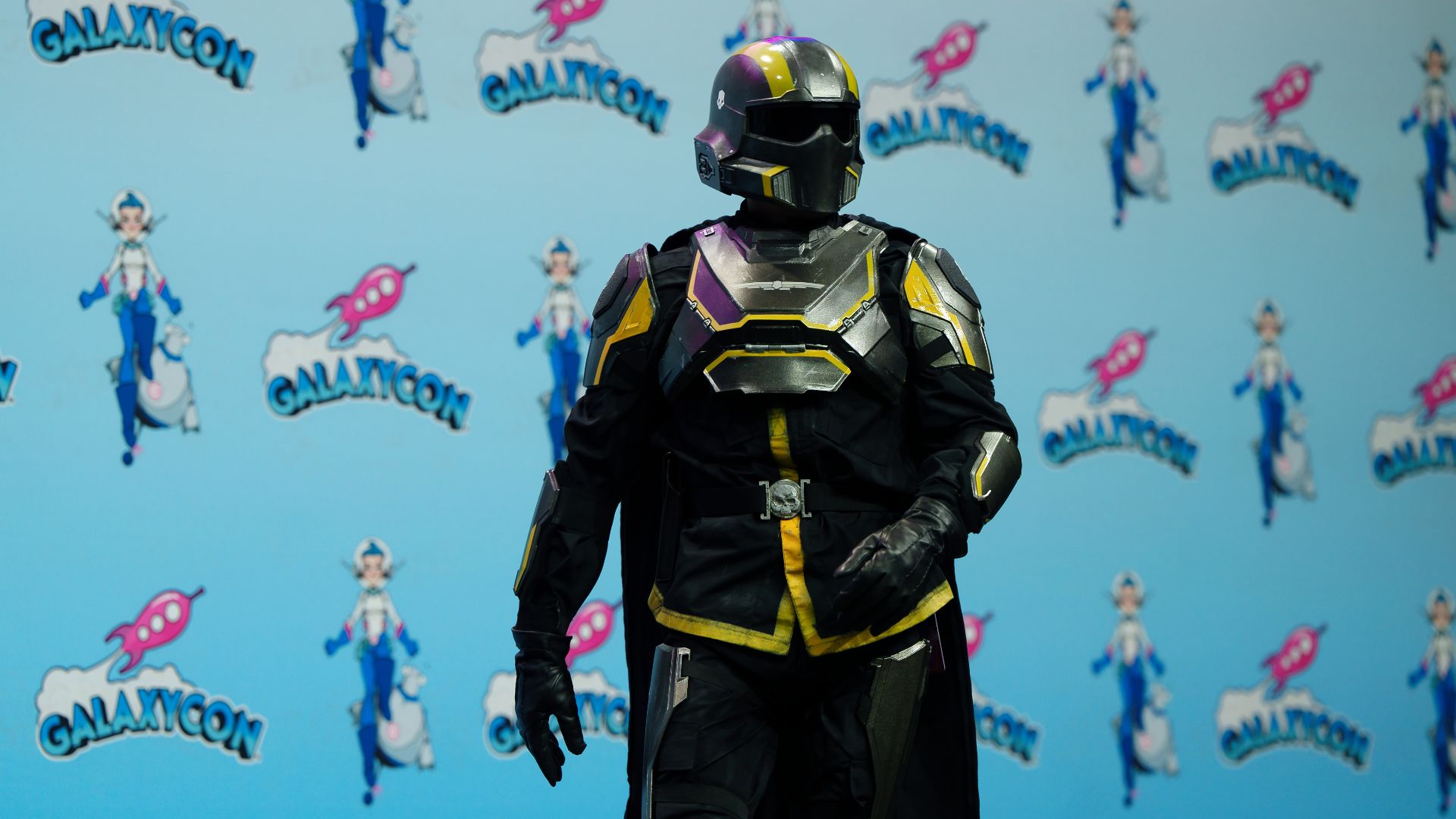
Helldivers 2 briefly let PC players skip linking a PlayStation Network account at launch after technical problems got in the way. Months later, when Sony announced it would start enforcing that requirement anyway, the backlash was immediate and fierce. The policy got reversed within days, making it one of the clearest, fastest examples in recent memory of a gaming community forcing a major company to change course almost overnight.