Cloud gaming has spent years sounding like a technology that was always about to become mainstream. The idea is straightforward: instead of running demanding software on expensive local hardware, a remote data center does most of the work and streams the result to your screen. Faster broadband, better compression, stronger servers, and broader device support have gradually turned that promise into something far more practical.
By 2026, major cloud-gaming platforms can run across combinations of computers, phones, tablets, televisions, streaming devices, consoles, and dedicated handheld hardware. Some services even offer high resolutions and frame rates that would have seemed ambitious for streaming only a few years ago. Cloud gaming is clearly more capable than it used to be, although being technically impressive doesn't mean every remaining obstacle has disappeared.
The Technology Has Become Much More Convincing
Perhaps the biggest improvement is that cloud gaming no longer automatically feels like a compromised version of traditional play. NVIDIA currently supports streaming options reaching 4K and high frame rates on compatible hardware and membership tiers, demonstrating how far image quality has advanced. Players with strong connections can now receive a considerably sharper and smoother experience than early cloud platforms generally offered.
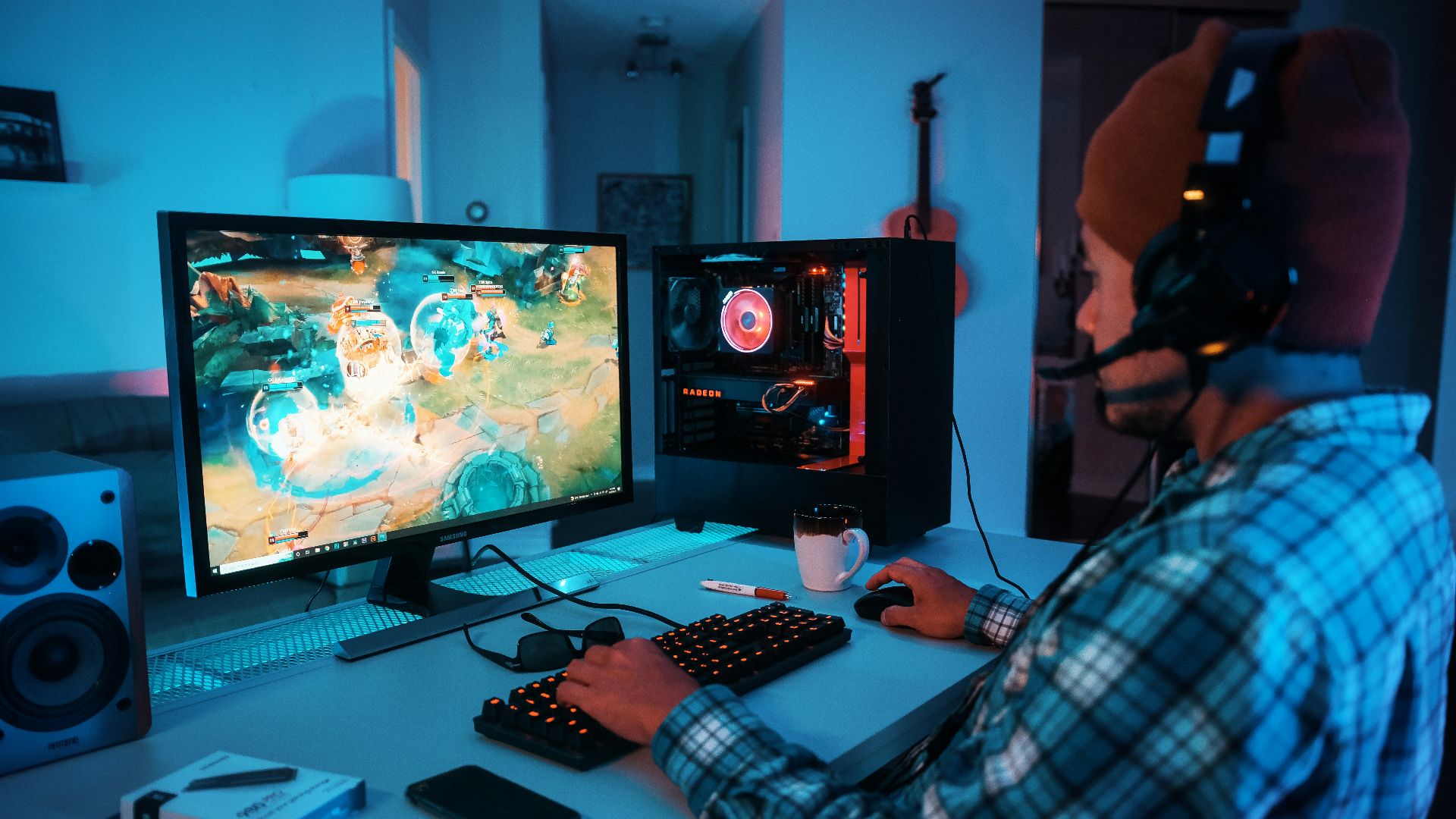
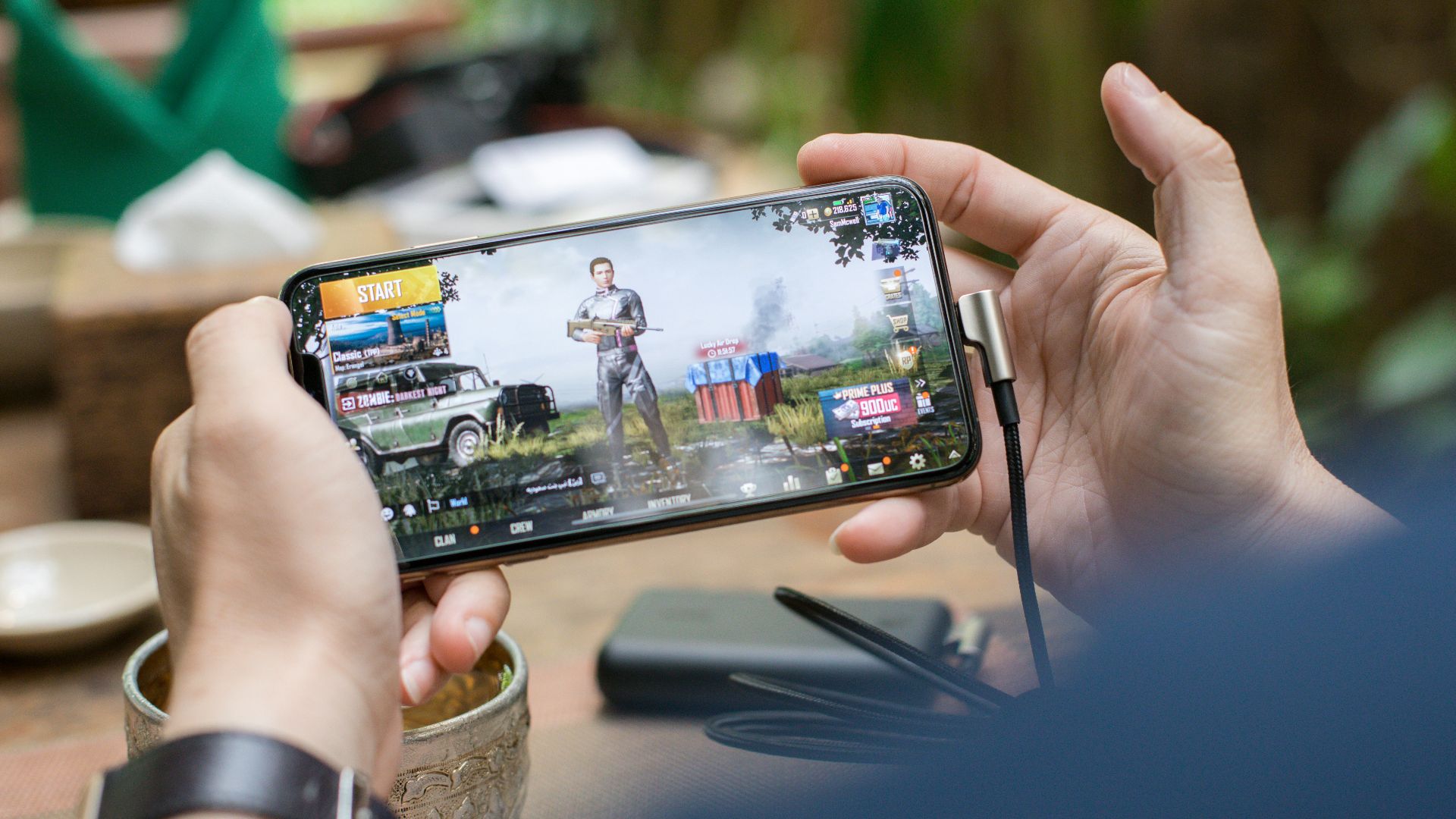
Device support has expanded just as dramatically. Xbox Cloud Gaming currently works across supported computers, phones, tablets, consoles, selected smart televisions, streaming devices, and virtual-reality headsets, while other services offer similarly flexible approaches. That variety makes it possible to access demanding software without keeping a high-powered machine connected to every screen in the house.
Convenience might ultimately be cloud gaming's strongest argument. PlayStation's cloud-streaming service lets eligible subscribers begin supported software without first downloading and installing it, which can save both time and local storage space. For anyone familiar with waiting through enormous installations before using newly available content, pressing a button and starting almost immediately is an appealing alternative.
Your Internet Connection Still Has the Final Say
The problem is that cloud gaming can't escape basic network conditions. Unlike ordinary video streaming, interactive software has to respond quickly to a player's commands, meaning latency matters alongside download speed. NVIDIA recommends latency below 80 milliseconds from one of its data centers and lists different bandwidth requirements depending on the resolution and frame rate being streamed.
A connection that looks excellent on paper may not perform perfectly throughout an entire session either. Wi-Fi congestion, distance from the router, network traffic, and inconsistent internet service can contribute to temporary quality reductions or responsiveness problems. Traditional local hardware doesn't completely avoid online issues, but it can run installed single-player software without requiring every button press to make a round trip through a remote server.
That dependence also means cloud gaming experiences can differ sharply between households. Someone with fast, stable broadband near appropriate server infrastructure may wonder why anyone remains skeptical, while another player can encounter enough delay or visual instability to make the same service frustrating. PlayStation, for example, lists minimum connection speeds for its streaming features, reinforcing that suitable internet access remains a basic requirement rather than an optional advantage.
Cloud Gaming Is Becoming an Option Rather Than a Replacement
The strongest evidence for cloud gaming's maturity may be how deeply it has become integrated into existing gaming ecosystems. Microsoft offers streaming as part of its broader subscription experience, Sony includes cloud capabilities within its premium membership, NVIDIA connects with supported digital storefronts, and Amazon continues operating its own cloud platform. Streaming increasingly sits alongside downloads and local hardware rather than demanding that consumers choose only one method.
There are signs that people are becoming more comfortable with that arrangement. Sony reported in March 2026 that monthly users of cloud streaming through its handheld platform had grown substantially year over year, suggesting that streaming becomes more attractive once it fits naturally into hardware people already use. That doesn't establish that cloud gaming has overtaken traditional play, but it does show that the technology can support meaningful everyday usage rather than remaining a demonstration of what might eventually be possible.
Still, ownership models, subscriptions, library availability, network requirements, and service-specific restrictions complicate the experience. Depending on the platform, players may need a particular membership, compatible hardware, supported regions, or access through approved digital storefronts. Anyone expecting cloud gaming to eliminate every inconvenience of traditional hardware may therefore discover that it introduces a different set of considerations instead.
So, is cloud gaming finally ready for the spotlight? For many people with reliable broadband, supported devices, and realistic expectations, the answer is increasingly yes, particularly as a convenient additional way to play rather than a complete replacement for local hardware. The technology has reached a point where its biggest questions are less about whether streaming can work at all and more about connection quality, access, pricing, and how comfortably it fits into the way people already play.