The Hardware That Won Attention and the Systems Left Behind
Video game history isn't shaped by technical specifications alone, because timing, price, design, marketing, developer support, and changing consumer habits can all determine whether a console becomes central to its era or struggles to find an audience. These 10 consoles that defined generations and 10 that struggled to compete show just how differently ambitious hardware can perform once it reaches consumers.
 Oskar Carrieri, Adam Ginalski on Wikimedia
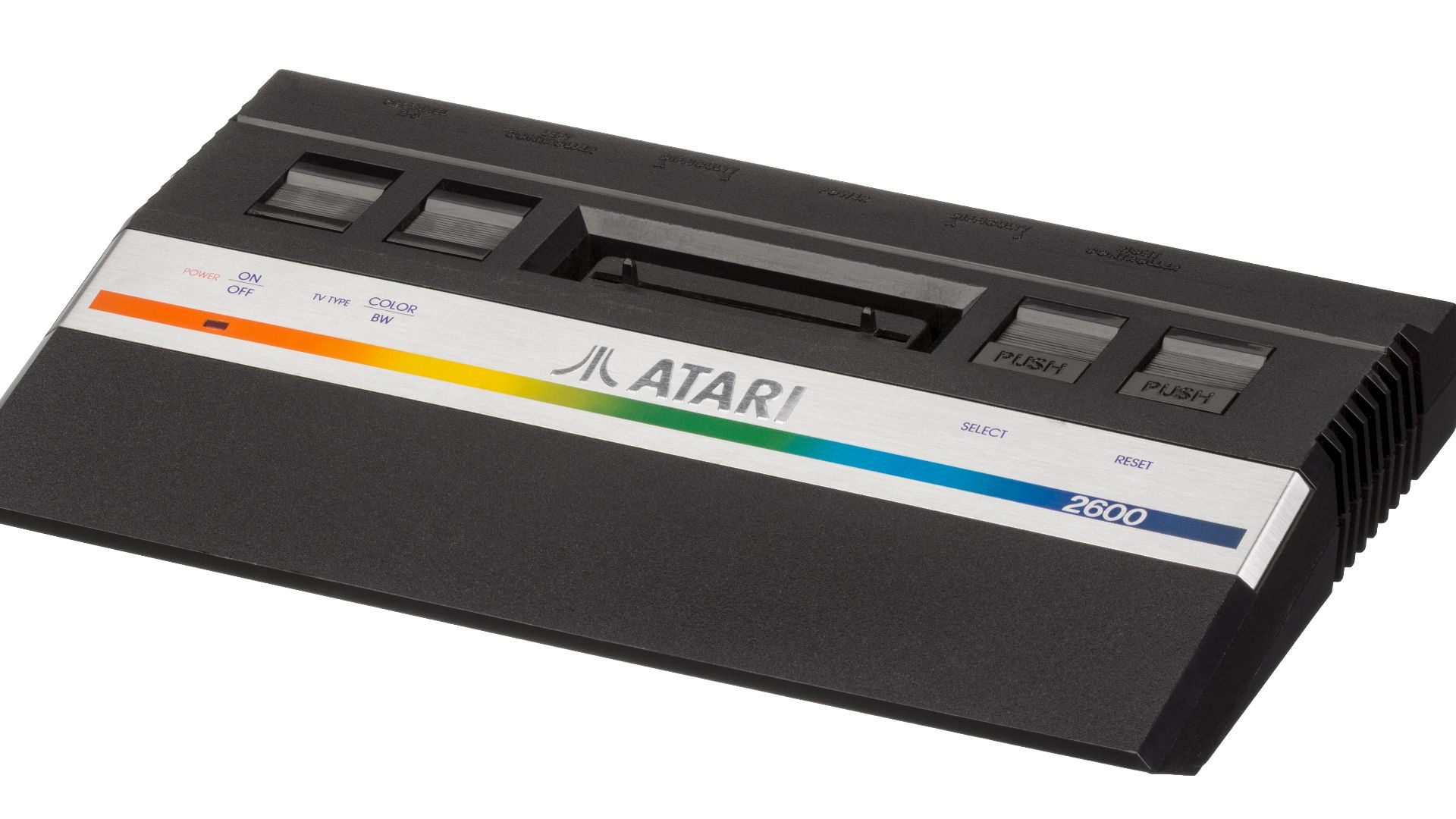
1. Atari 2600
The Atari 2600 helped establish interchangeable cartridges as a central feature of home video game consoles in the late 1970s and early 1980s. Instead of buying hardware built around a small selection of experiences, consumers could steadily expand what their machine could do.
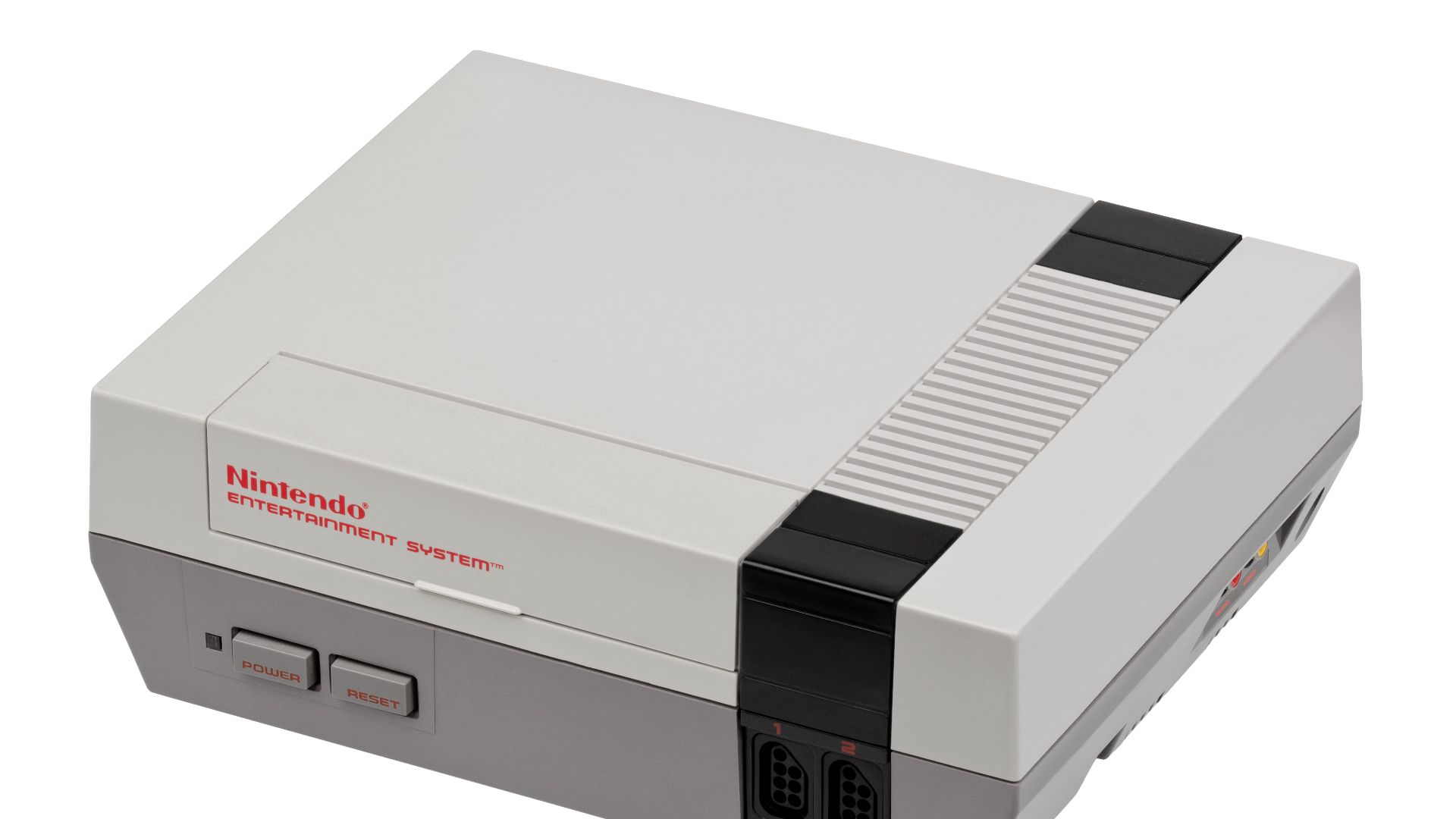
2. Nintendo Entertainment System
The Nintendo Entertainment System became a crucial part of the North American console industry's recovery during the 1980s. Nintendo tightly controlled licensing and presented the machine as a carefully managed entertainment platform rather than another interchangeable piece of electronics.
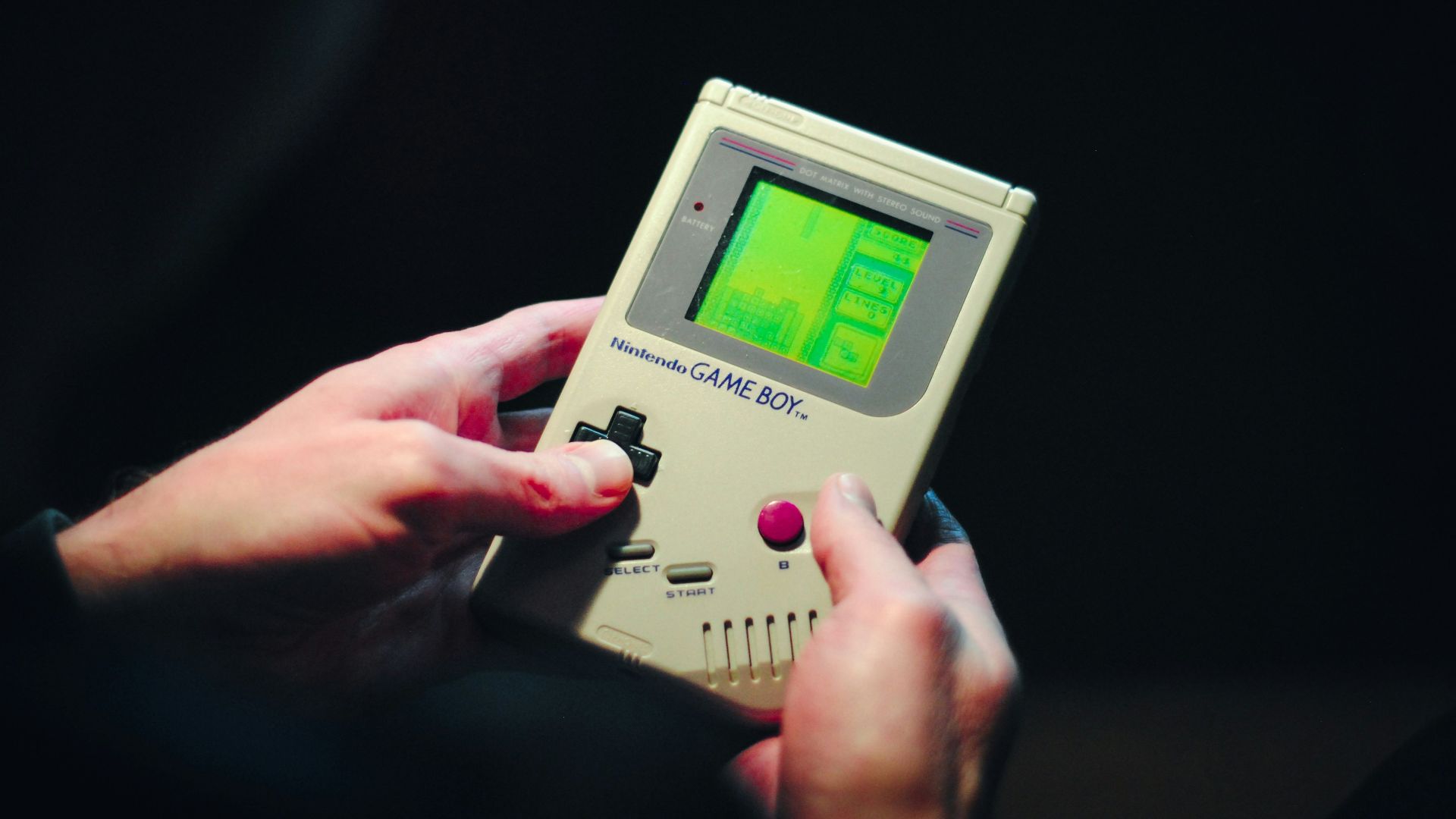
3. Game Boy
Nintendo's Game Boy proved that portable hardware didn't need cutting-edge graphics to achieve extraordinary longevity. Its relatively simple technology contributed to practical battery life, while its compact format made gaming genuinely convenient away from a television. The system helped make handheld consoles a major branch of the industry rather than a secondary curiosity.
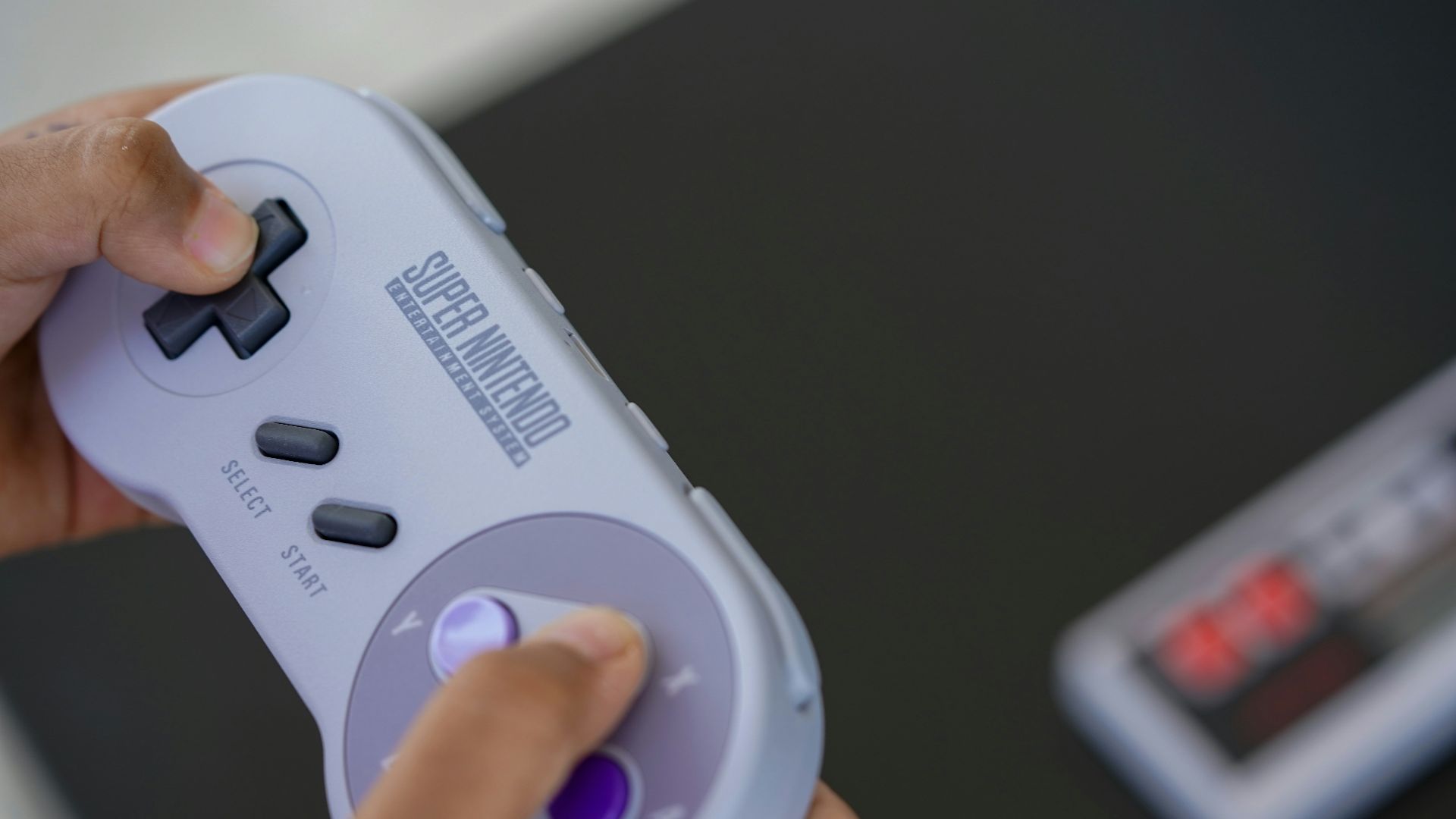
4. Super Nintendo Entertainment System
The Super Nintendo Entertainment System represented a substantial technical advancement over Nintendo's earlier home hardware while maintaining a familiar approach to console gaming. Its improved audio and visual capabilities gave developers considerably more flexibility during the 16-bit era.
5. PlayStation
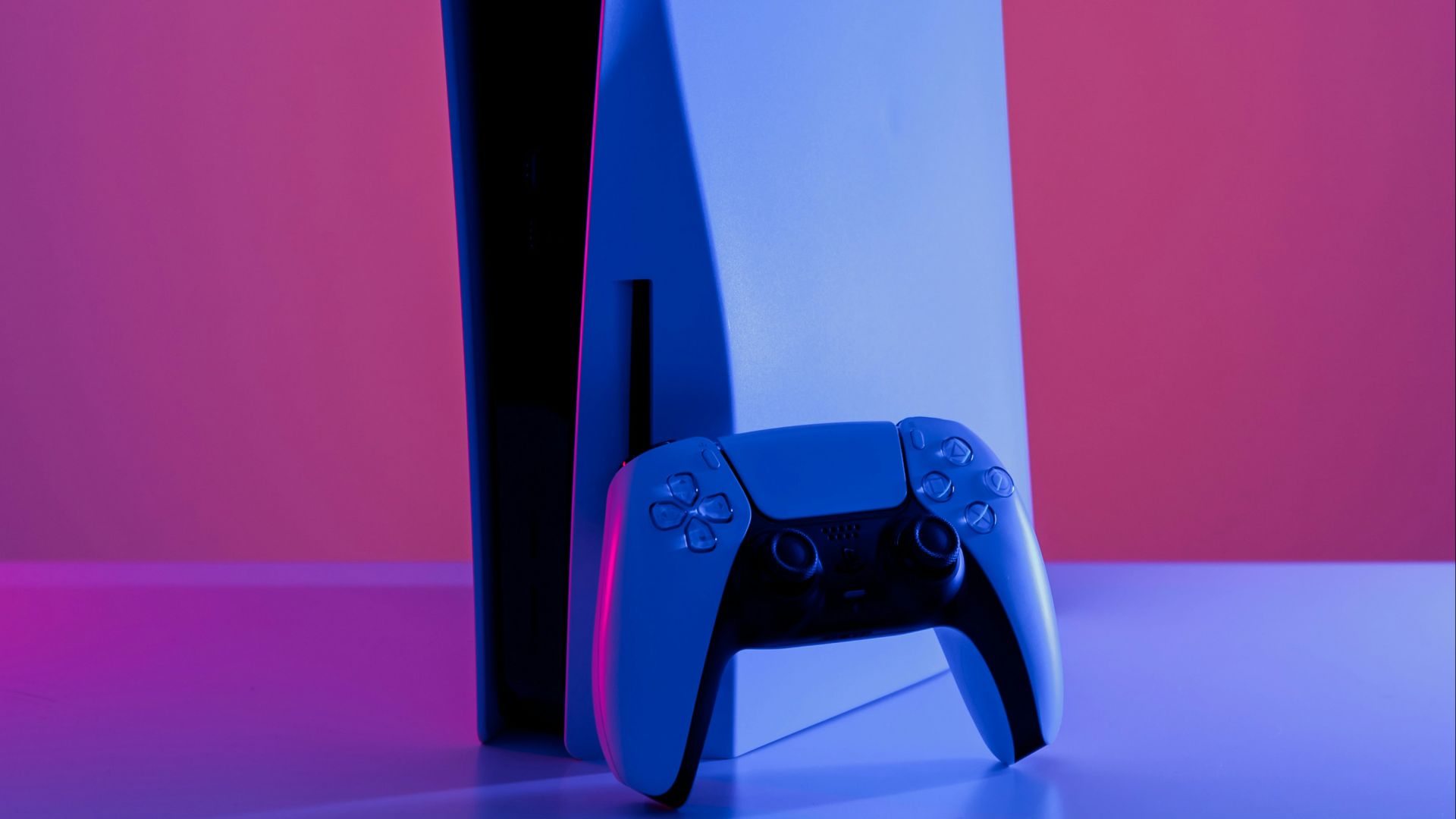
Sony's original PlayStation helped accelerate the industry's transition toward disc-based software and 3D-focused console development. Its appeal extended beyond children, with marketing that treated gaming as entertainment for teenagers and adults as well.
6. Nintendo 64
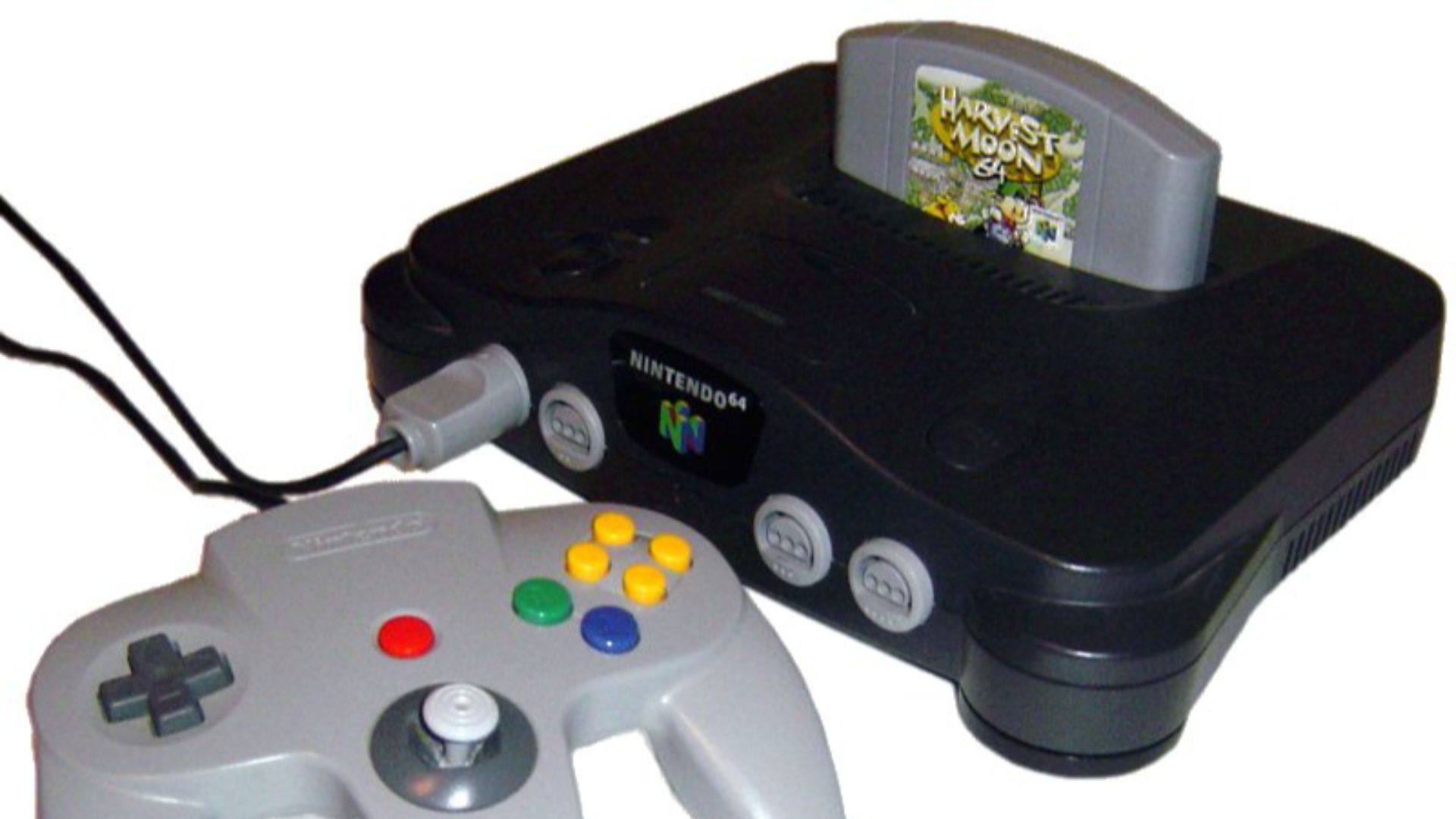
The Nintendo 64 arrived during a period when three-dimensional movement was reshaping how console software was designed. Its controller introduced an analog stick as a prominent feature, helping normalize more precise directional control for 3D environments.
7. PlayStation 2
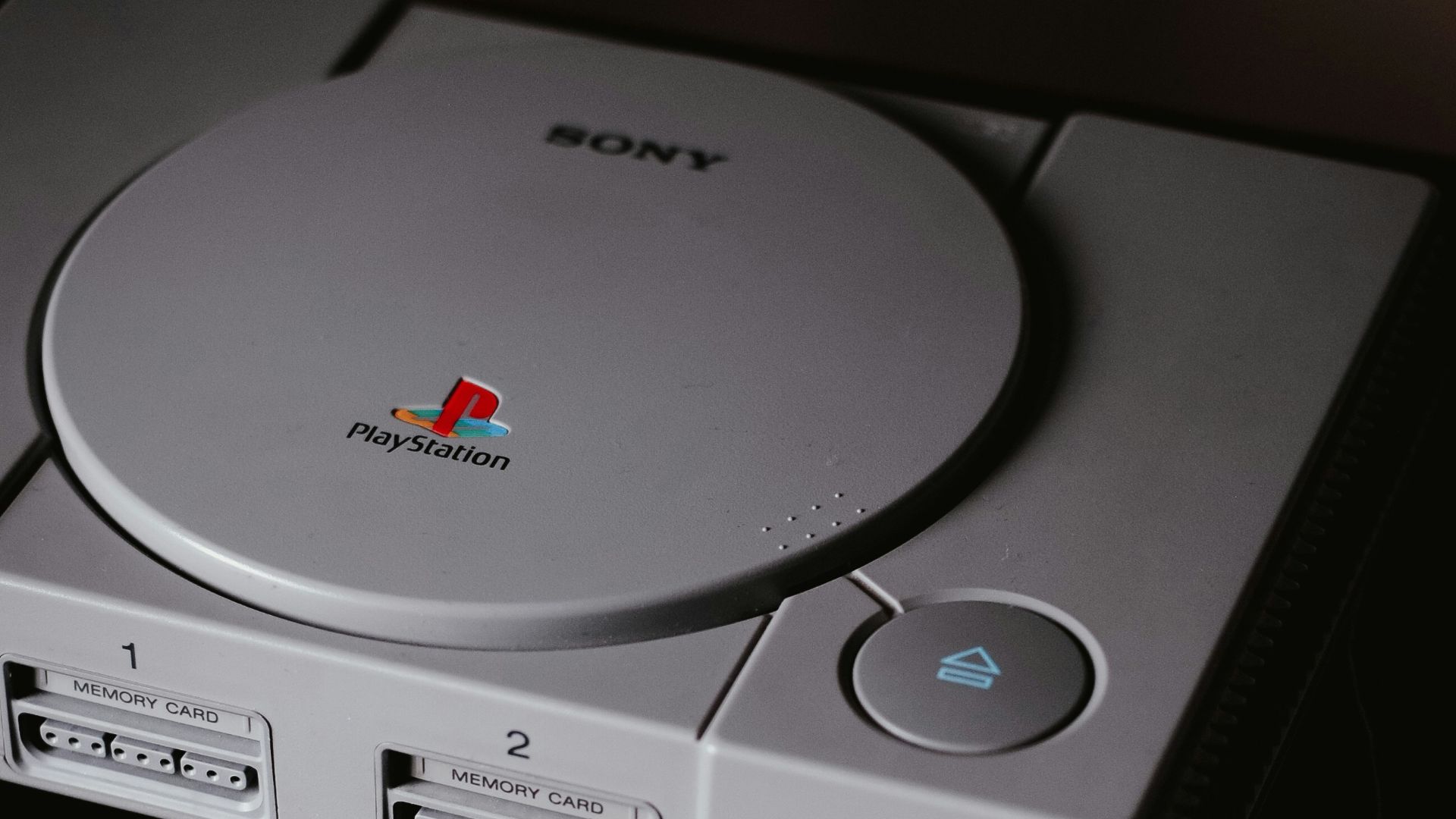
The PlayStation 2 expanded Sony's position dramatically and ultimately became the company's most successful home console. Its ability to play DVDs added practical appeal at a time when the format was rapidly becoming a household standard.
8. Xbox 360
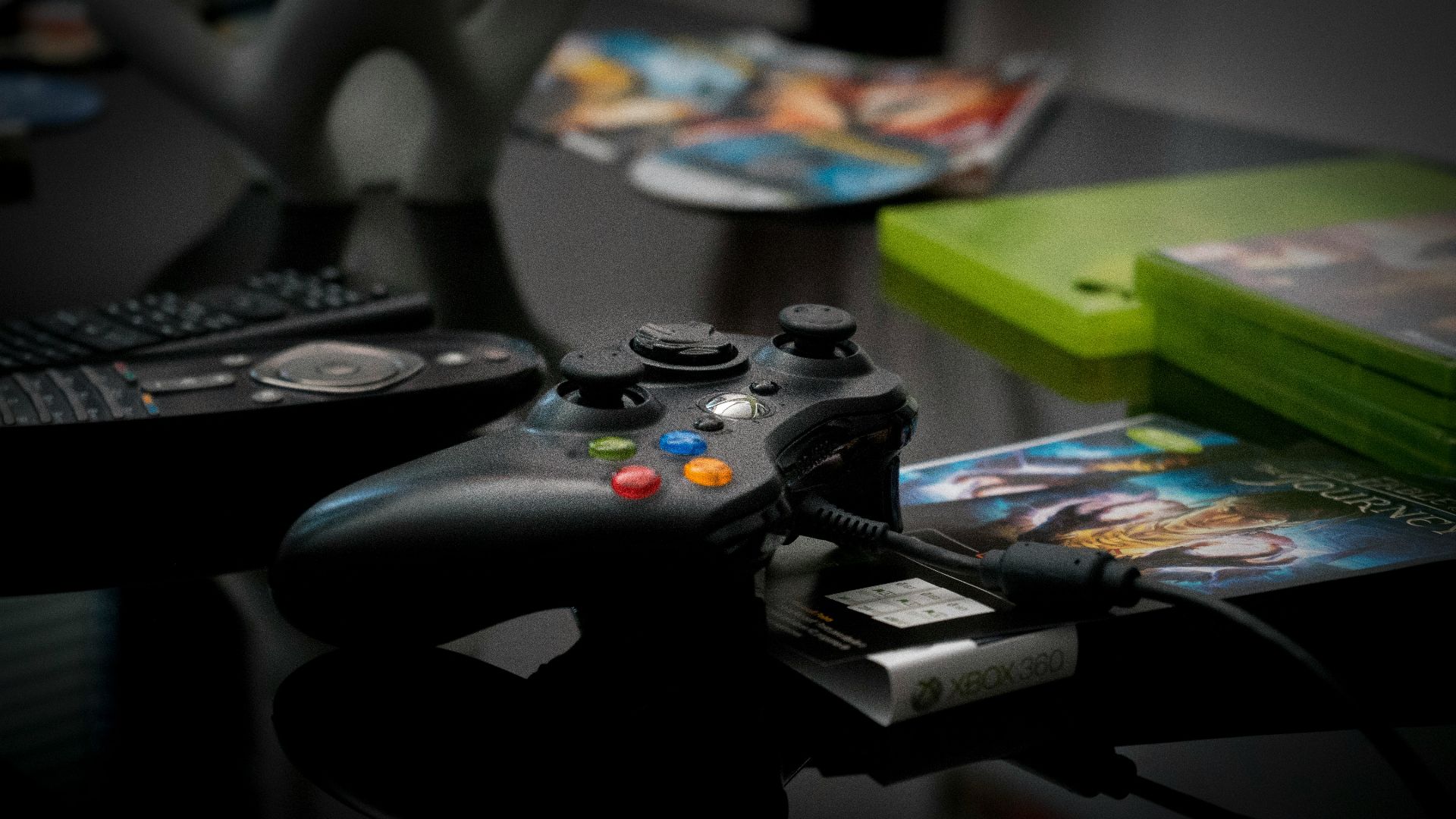
Microsoft's Xbox 360 helped make connected console gaming a routine part of the home experience. Online accounts, digital purchases, achievements, communication features, and downloadable content became increasingly integrated into how consumers used the system.
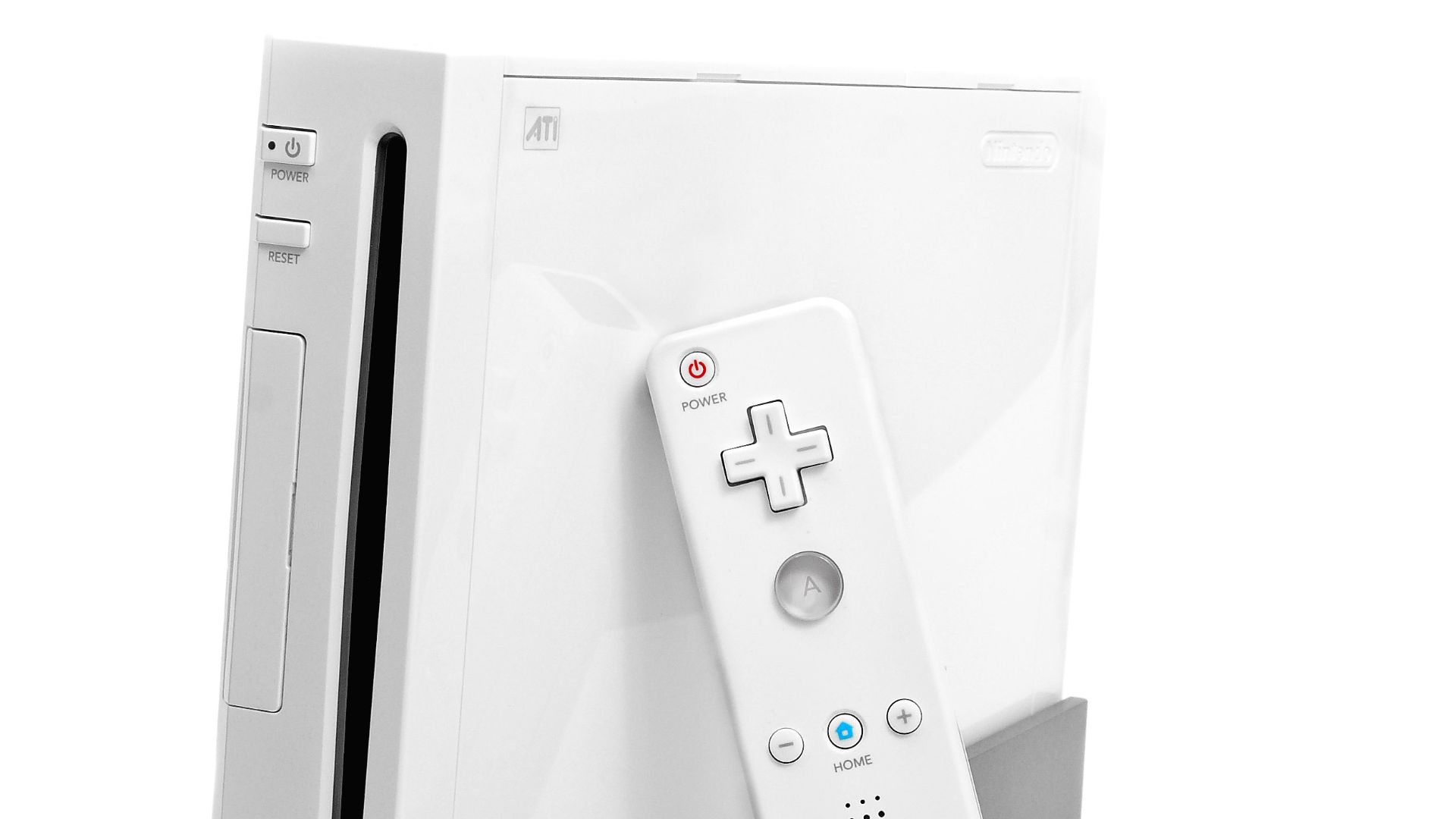
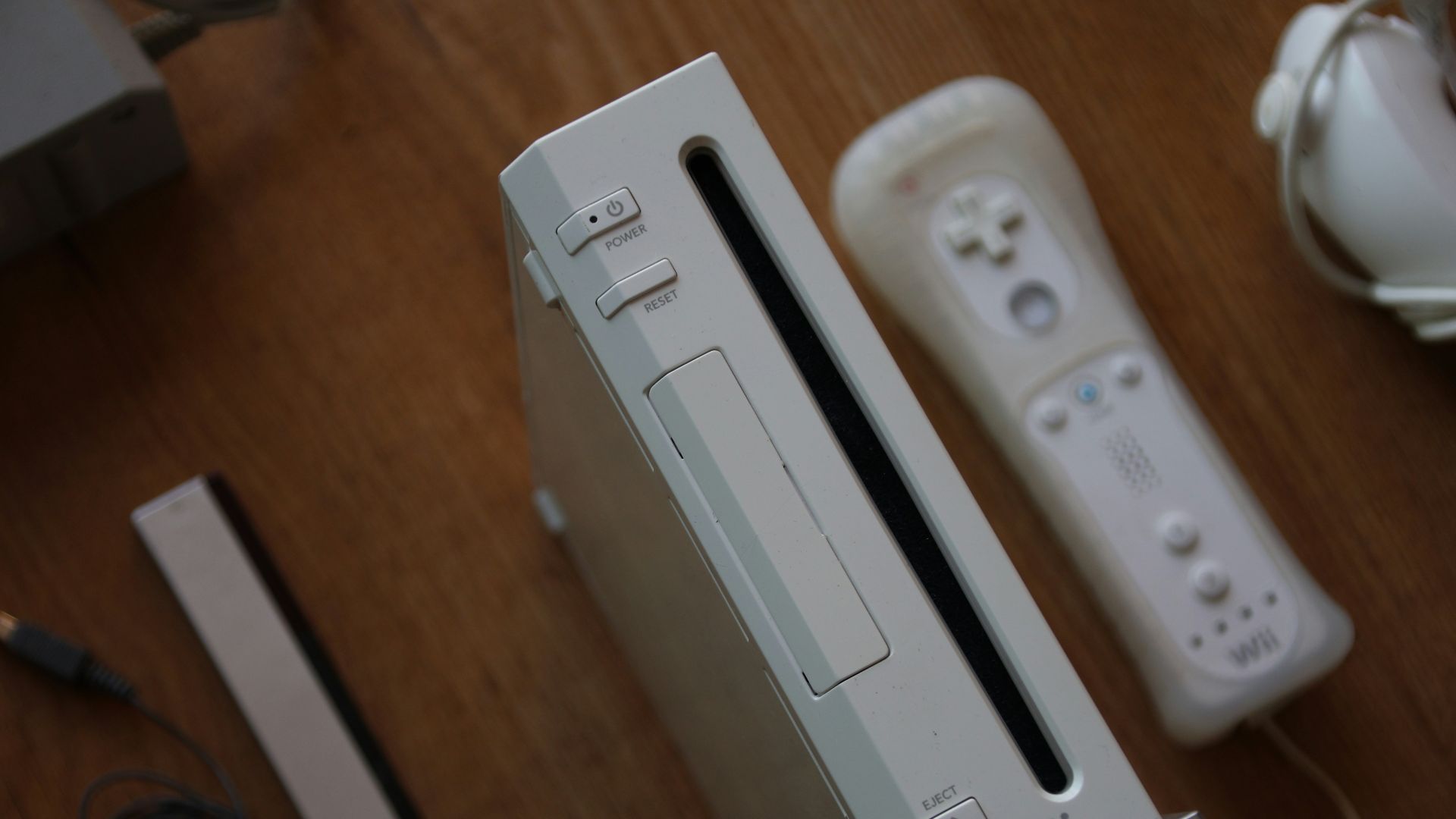
9. Nintendo Wii
Rather than directly competing through processing power, the Wii emphasized accessible motion controls and straightforward interaction. That approach attracted many consumers who hadn't previously considered themselves regular console players.
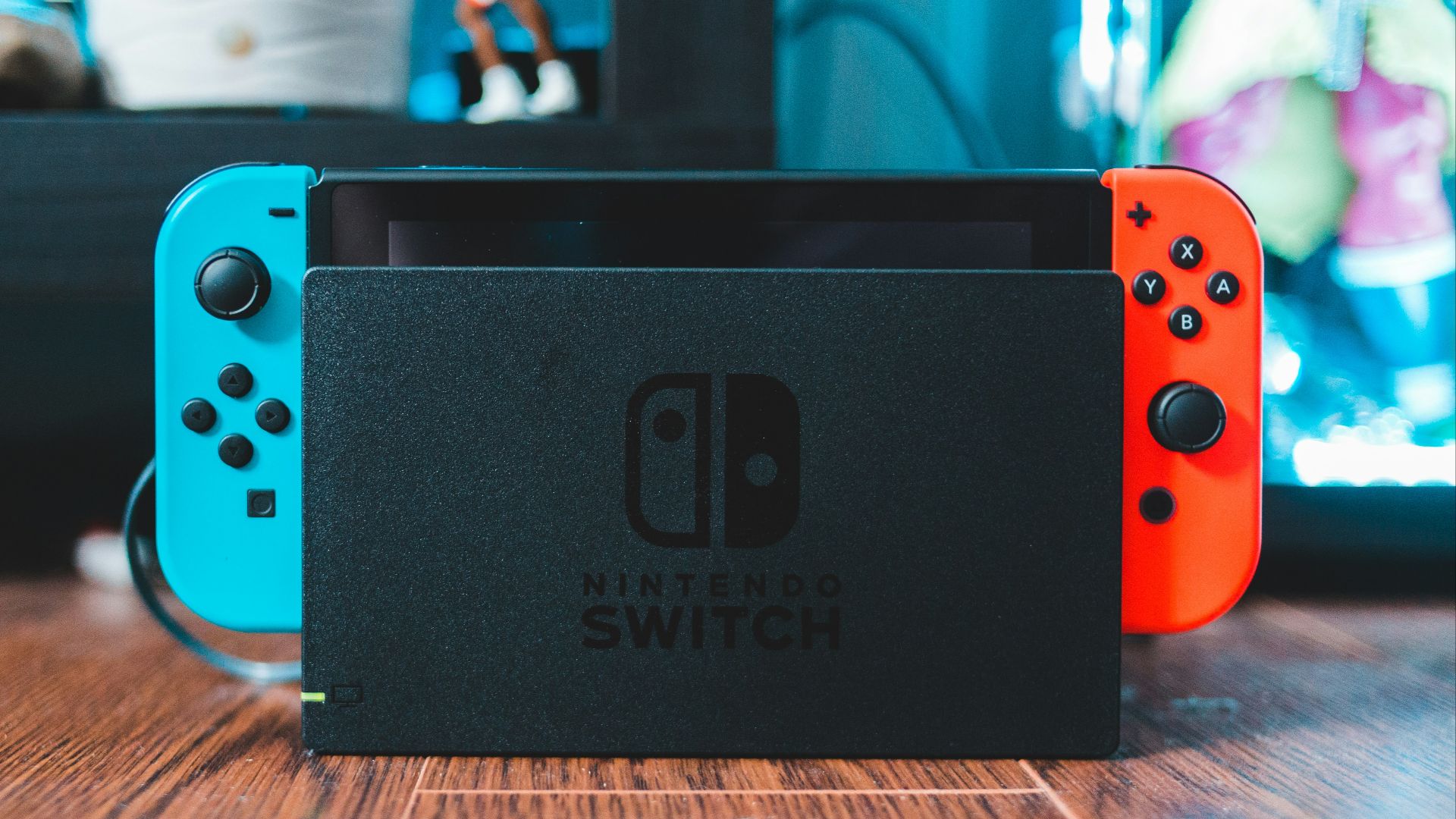
10. Nintendo Switch
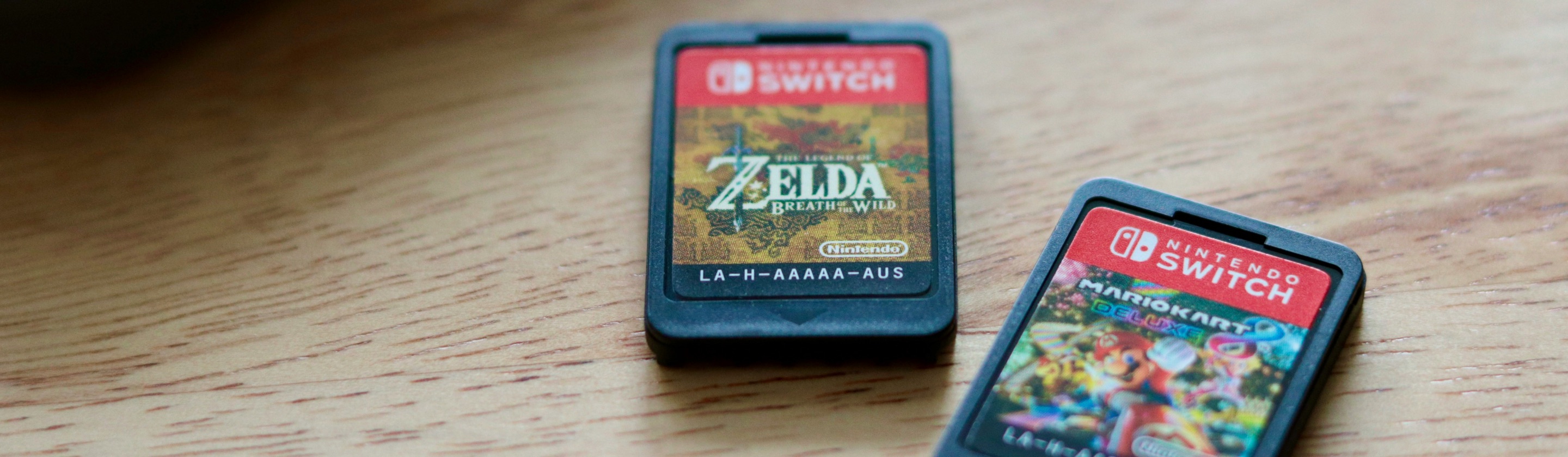
The Nintendo Switch blurred the traditional boundary between portable and home consoles by allowing the same device to work in both roles. Players could move between a television and handheld use without needing separate hardware or software libraries.
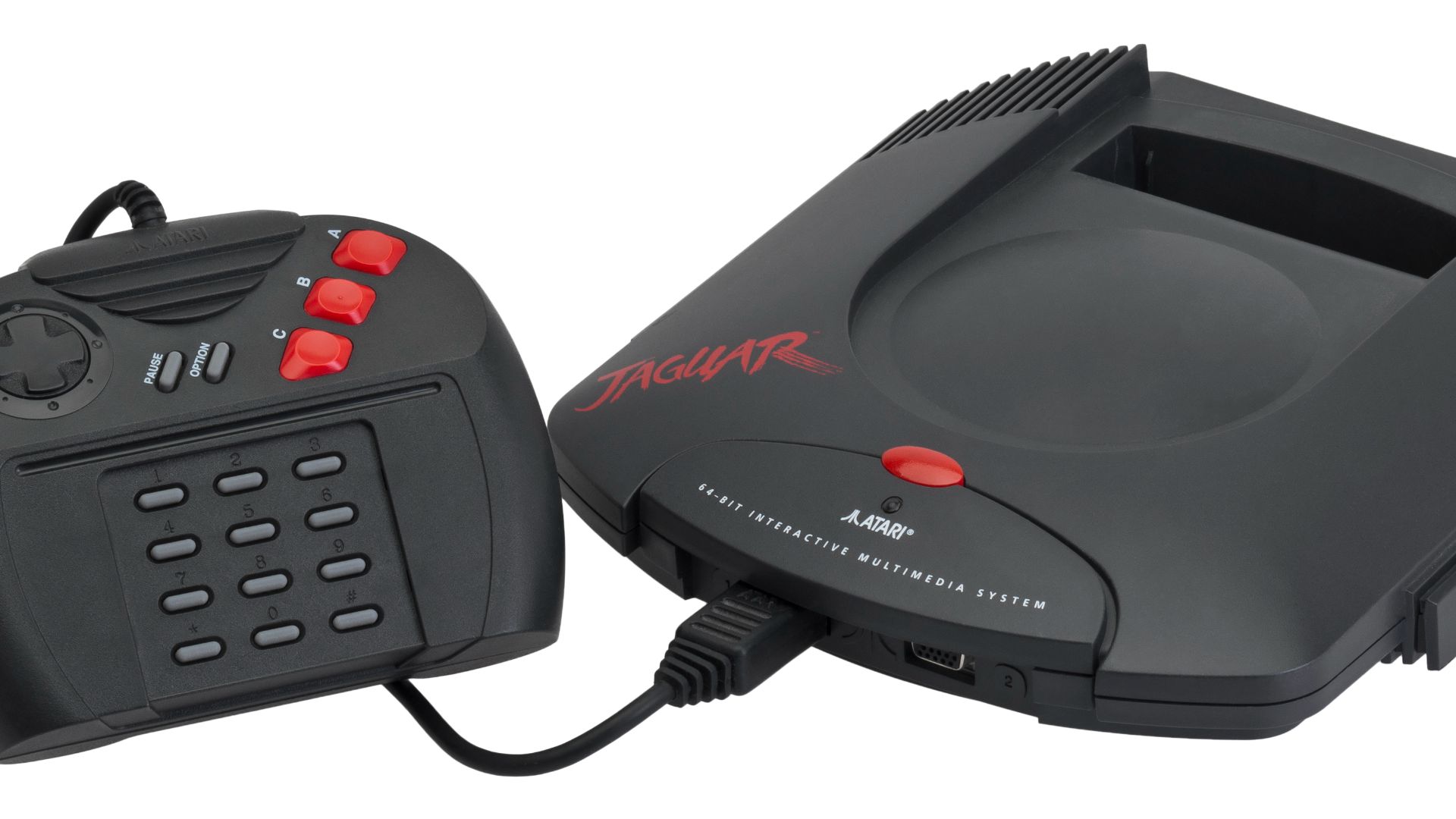
1. Atari Jaguar
Atari marketed the Jaguar aggressively as advanced hardware, but complicated architecture and increasingly strong competition made its position difficult. Developer support remained limited compared with the major platforms it faced during the 1990s. Weak sales ultimately prevented the system from restoring Atari to its former importance in the home-console business.
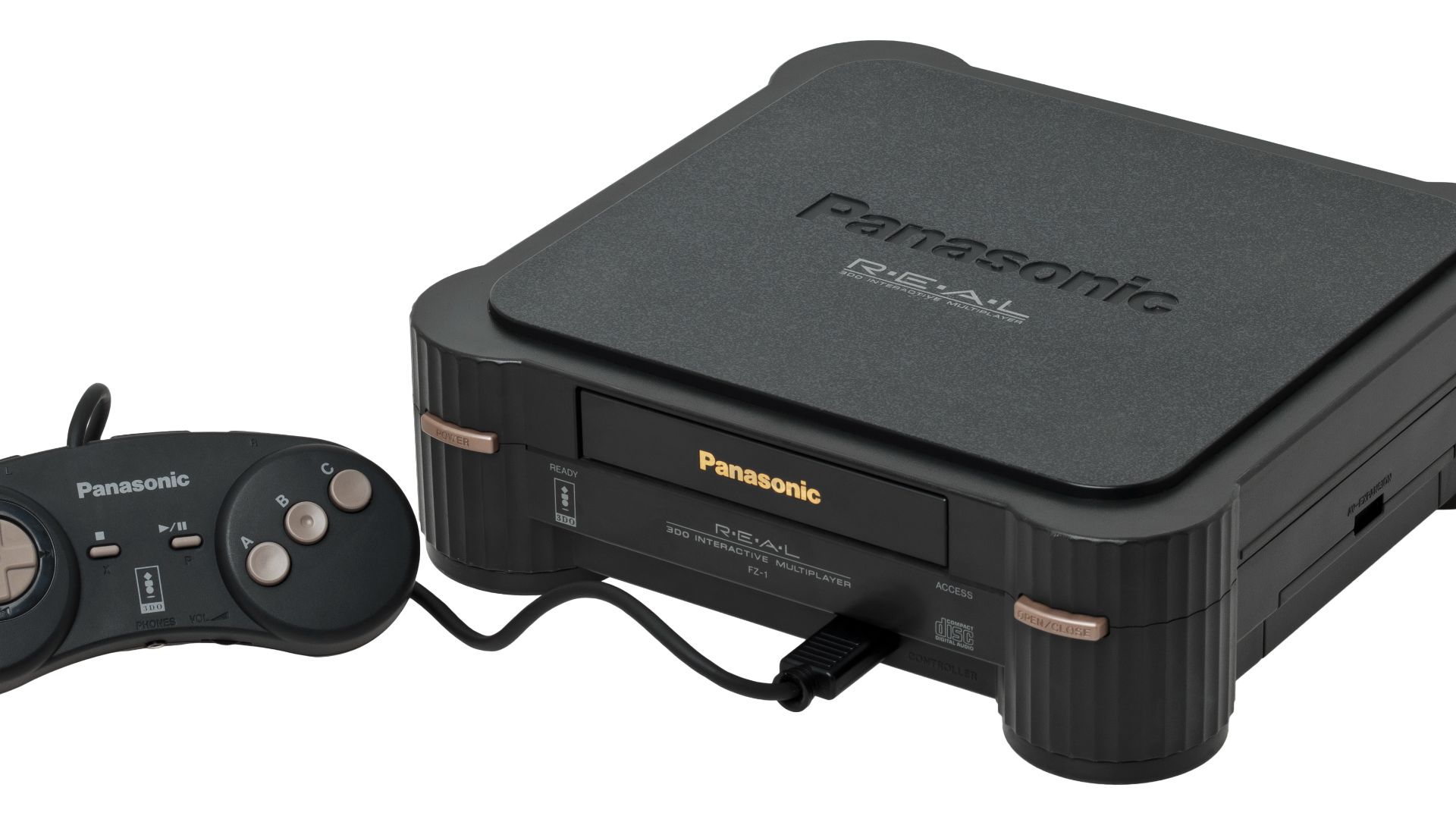
2. 3DO Interactive Multiplayer
The 3DO offered ambitious multimedia technology, but its unusual business model meant multiple manufacturers could produce compatible hardware. High launch pricing made the platform difficult to justify for many consumers at a time when less expensive alternatives were available.
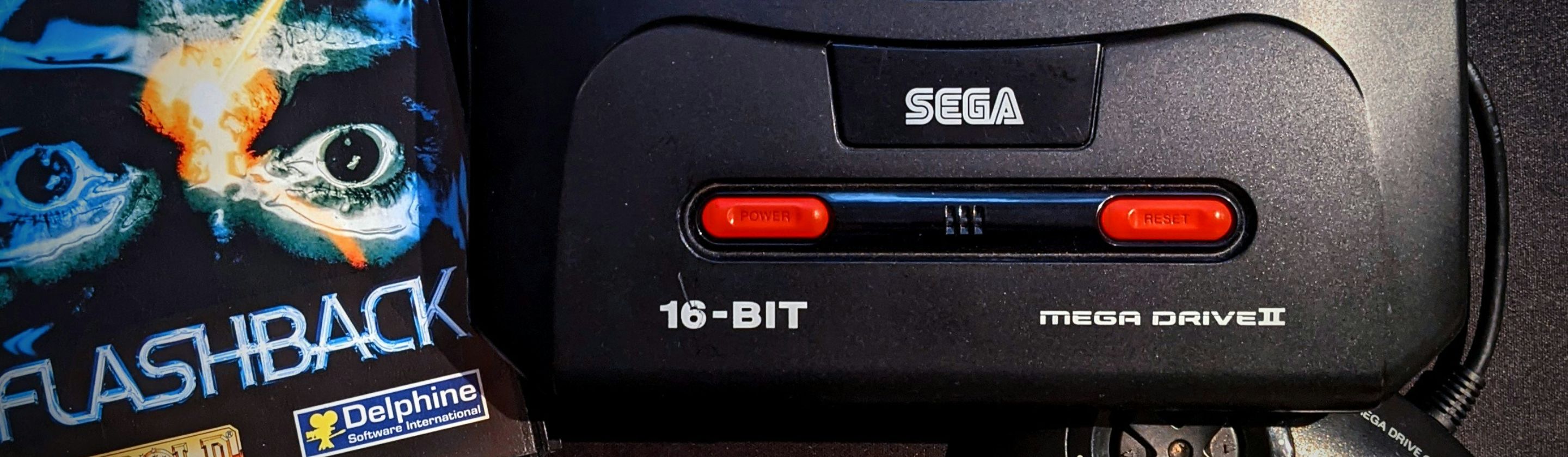
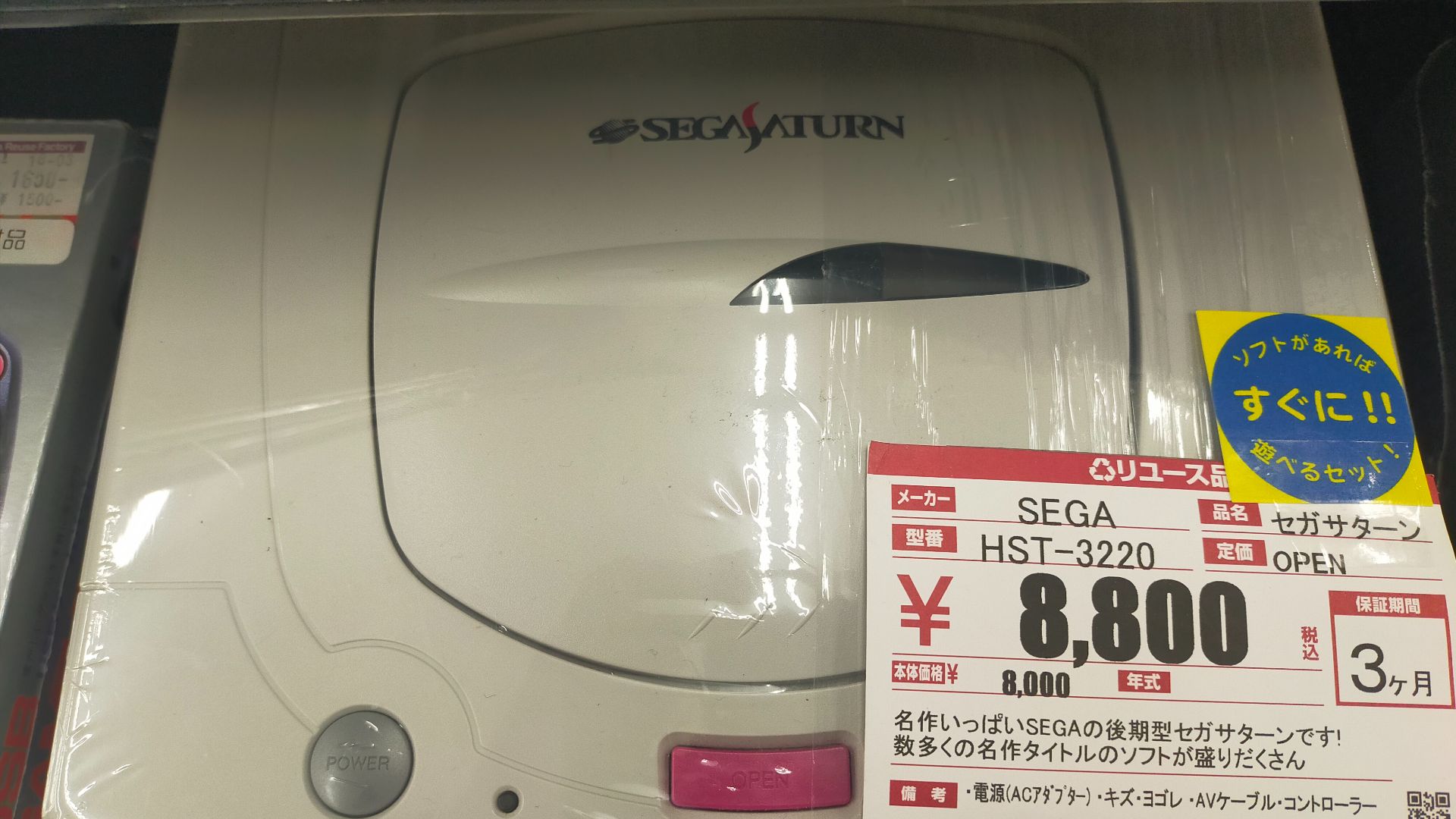
3. Sega Saturn
The Saturn performed better in Japan than in some overseas markets, but Sega faced particularly serious challenges in North America. Its complicated internal architecture could make development demanding, while Sega's surprise American launch frustrated parts of the retail and publishing community. Strong competition soon made gaining additional market share considerably harder.
4. Virtual Boy
Nintendo's Virtual Boy attempted to provide a distinctive stereoscopic experience, but its tabletop design and limited display presentation restricted its broader appeal. The machine also arrived in an awkward position between portable and conventional home hardware.

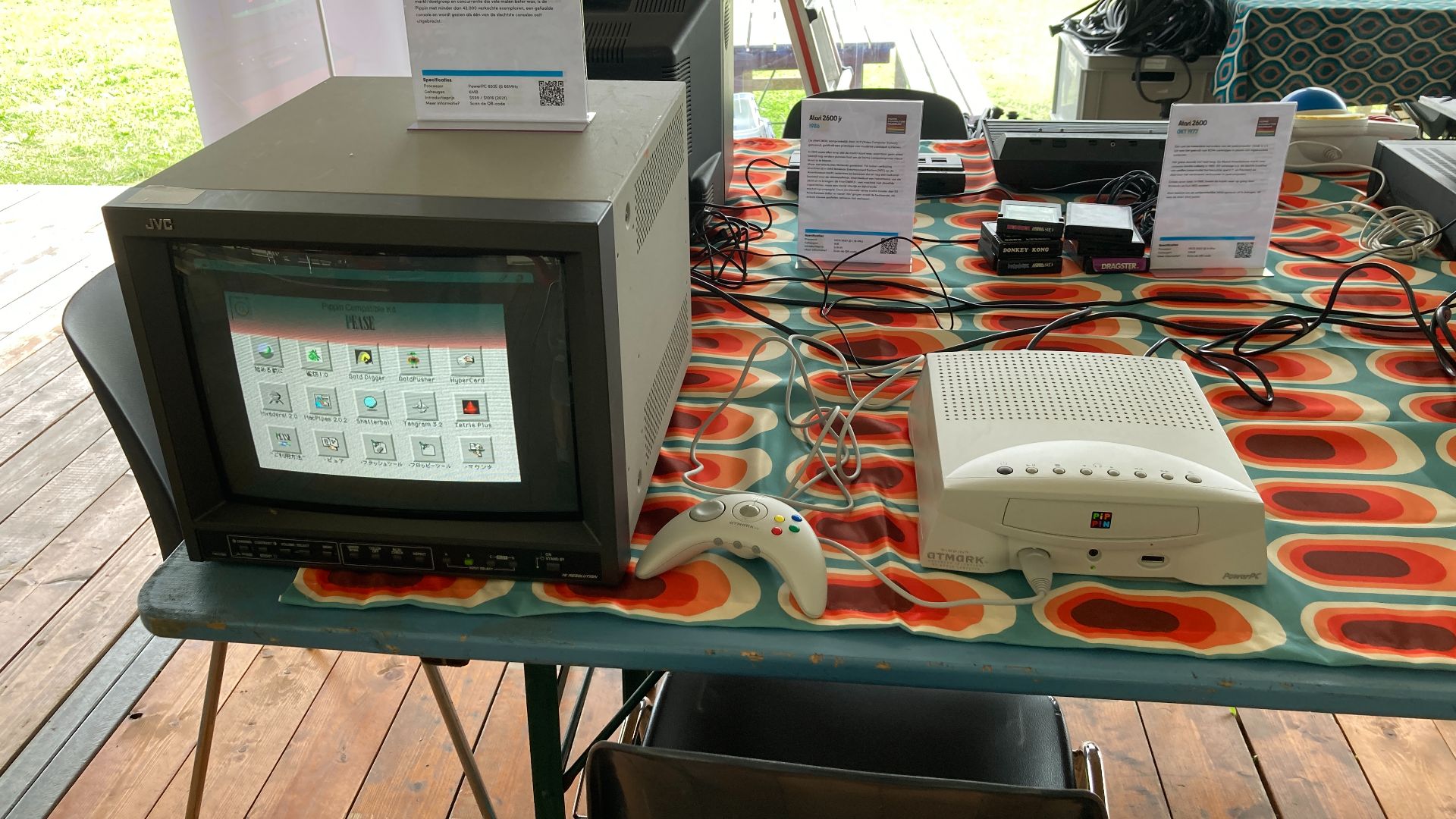
5. Apple Bandai Pippin
The Pippin was designed around Apple's Macintosh technology and licensed to manufacturers including Bandai, combining computing and multimedia ambitions with console-style entertainment. Limited consumer adoption meant the platform disappeared without developing a lasting place in Apple's product strategy.
6. Sega Dreamcast
The Dreamcast introduced several forward-looking ideas and initially generated considerable enthusiasm, but Sega entered the generation from a financially weakened position. Sega discontinued production in 2001 and subsequently left the business of manufacturing home consoles.

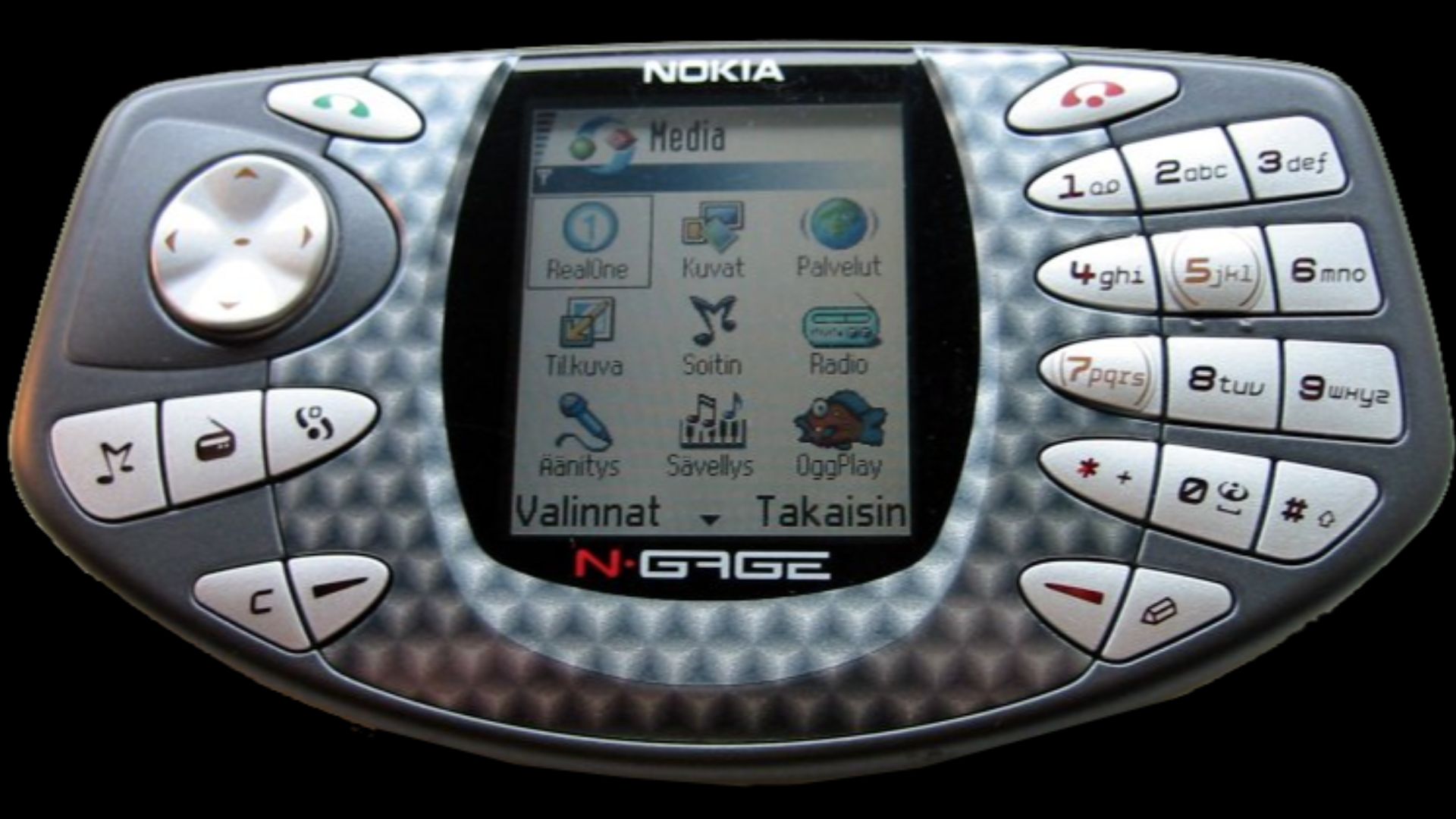
7. Nokia N-Gage
Nokia attempted to combine a mobile phone and portable gaming system in the N-Gage, years before smartphones would make multifunction devices ordinary. Revised hardware addressed some complaints, but the platform never became a serious challenger to established handheld systems.
8. Nintendo Wii U
The Wii U followed one of Nintendo's biggest hardware successes, but its identity proved difficult to communicate clearly to consumers. Nintendo's own sales figures show a relatively modest lifetime hardware total before the company shifted its attention to a new approach.
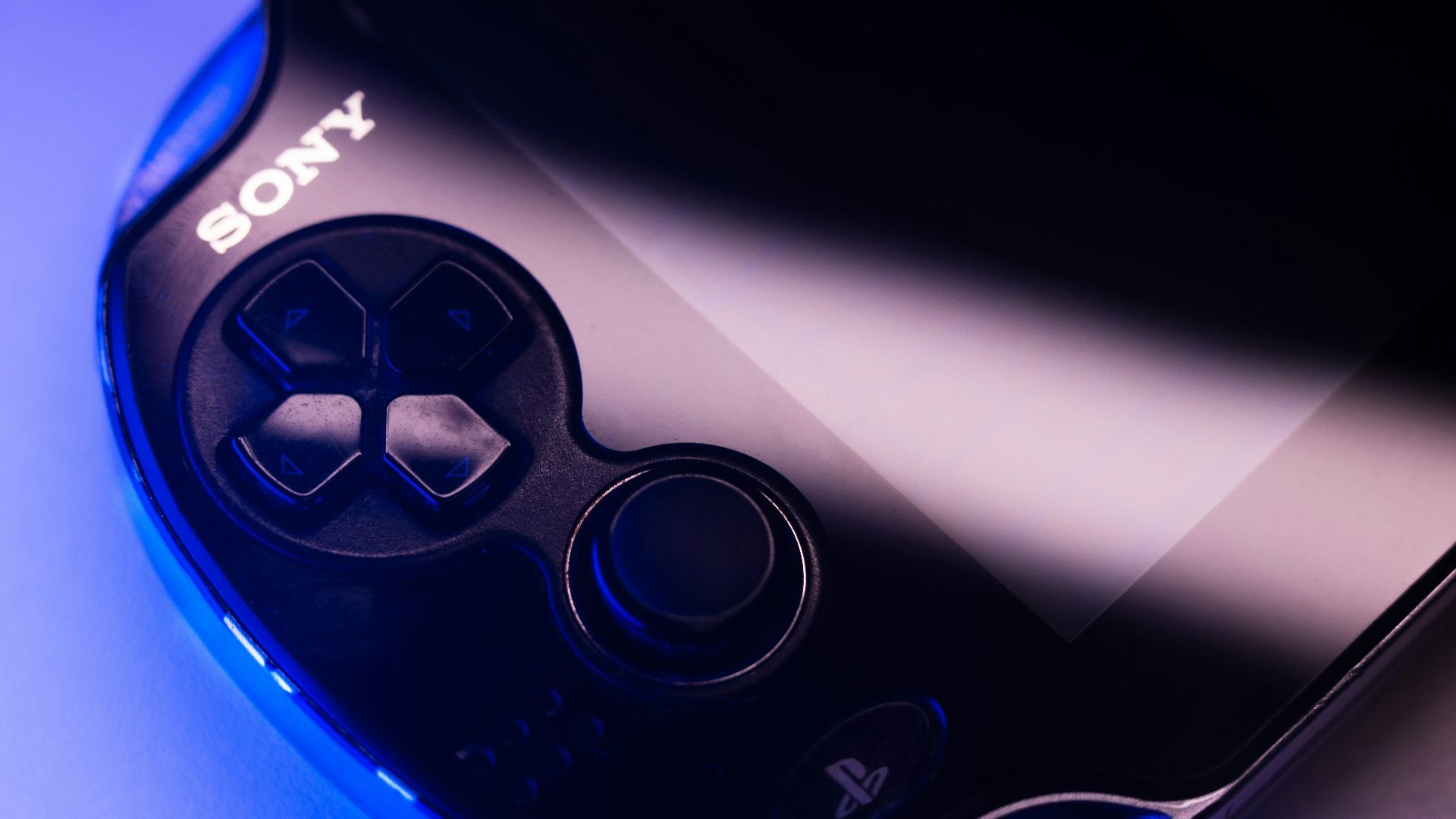
9. PlayStation Vita
Sony's PlayStation Vita offered sophisticated portable hardware, but it entered a market being transformed by smartphones and faced strong competition from Nintendo. Sony eventually stopped producing the handheld, and unlike its home consoles, the company doesn't publicly disclose final Vita sales in its current business data.
10. Ouya
Ouya attracted enormous early attention by promising an inexpensive Android-based console built around an open approach to development. The company's assets were eventually acquired by Razer, and the console was discontinued in 2015.