The New Normal Is Already Loading
Artificial intelligence isn’t just changing the world—it’s quietly rewriting how we live, work, and think in ways we’re only beginning to understand. Over the next ten years, AI will leave conference rooms and research labs behind to land squarely in your kitchen, your job, and probably your weekend plans. The idea isn’t to fear it but to embrace it, because the same tools that look futuristic now will soon feel as ordinary as the smartphone in your hand. Here’s a look at twenty ways AI is about to transform everyday life—in fascinating, frustrating, and sometimes funny ways.

1. Personalized Health
AI-driven health apps will learn your patterns better than your doctor could after a single visit. Instead of yearly checkups, your smartwatch might spot problems weeks before they surface. It’s preventive medicine with a digital brain.

2. Traffic That Finally Makes Sense
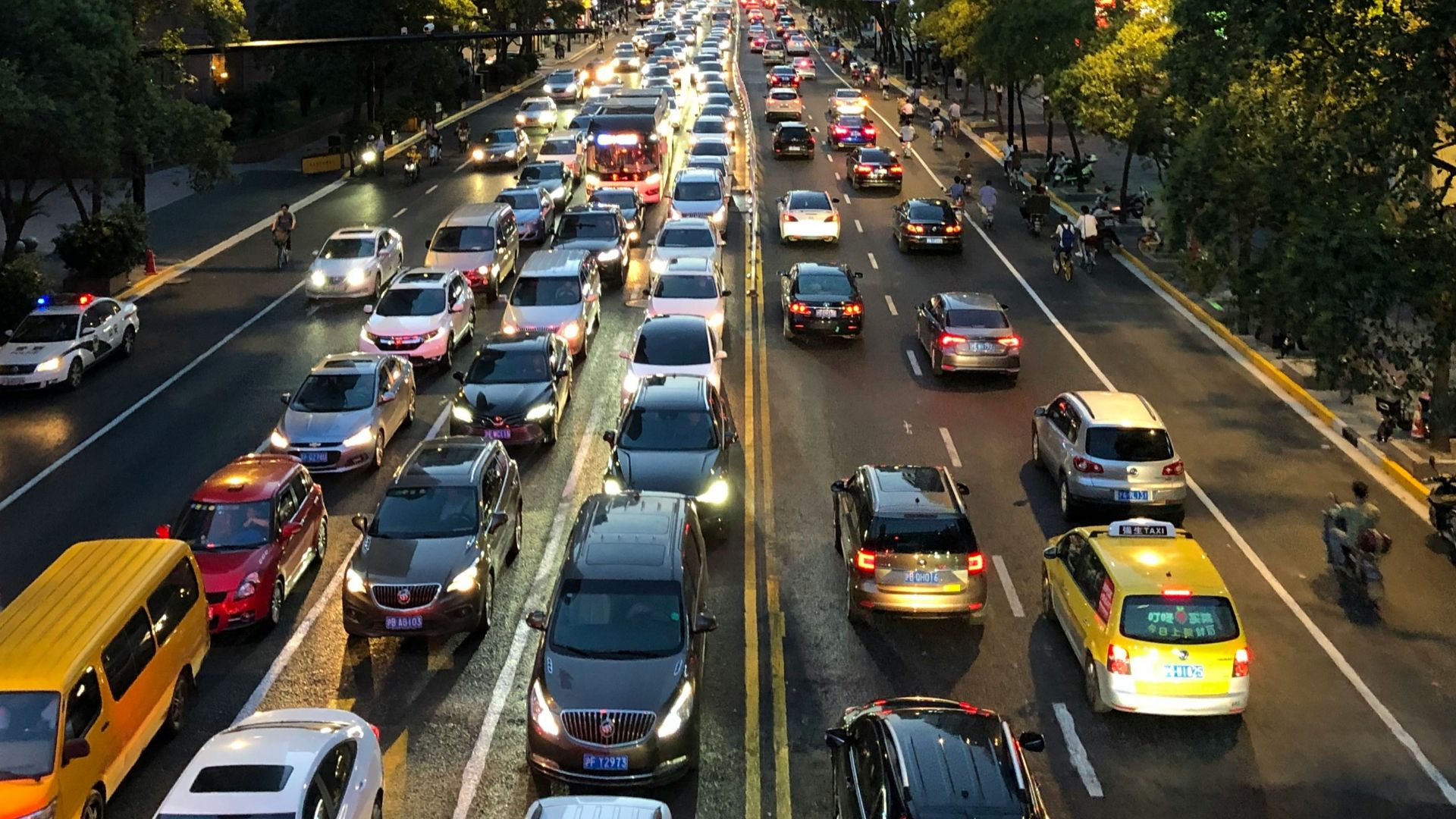
No one will mourn sitting through a red light as self-learning traffic systems take over city grids. Algorithms will predict rush hours and shift signals like skilled conductors. The result will be fewer horns, faster commutes, and less road rage.
3. Smarter Stores with Zero Waiting
The line at the grocery store might become history soon. AI-powered checkout and inventory systems will track what you pick up and automatically charge your account. Shopping will soon feel like magic when your bag’s already paid for.
4. Virtual Teachers for Every Student
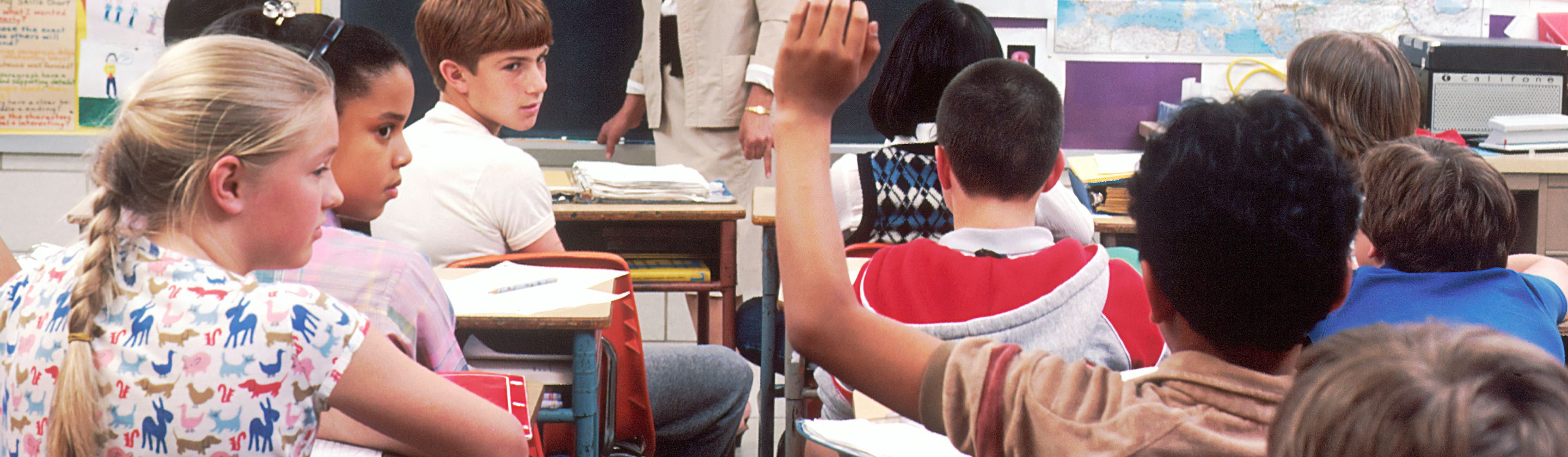
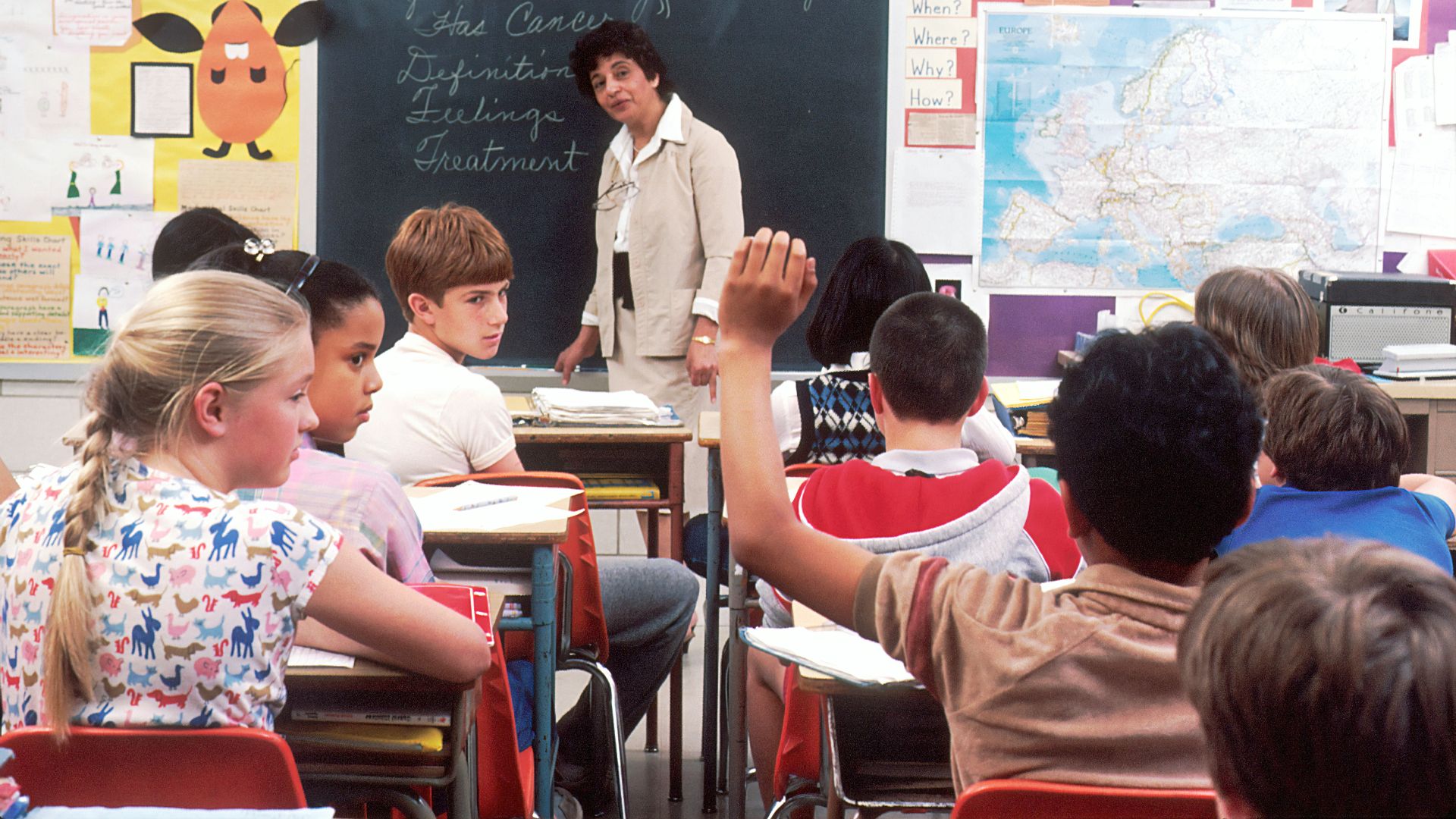
AI tutors will adapt to a student’s pace, personality, and mood, giving everyone a personalized education. Whether it’s algebra or art history, you’ll never fall behind waiting for the rest of the class. Teachers will focus more on mentoring than grading endless worksheets.
 National Cancer Institute on Unsplash
5. Jobs That Transform Instead of Disappear
While AI automates repetitive tasks, it will also create new roles in oversight, design, and creativity. You’ll probably be working with an AI, not being replaced by one.
6. Enhancement of Creative Work
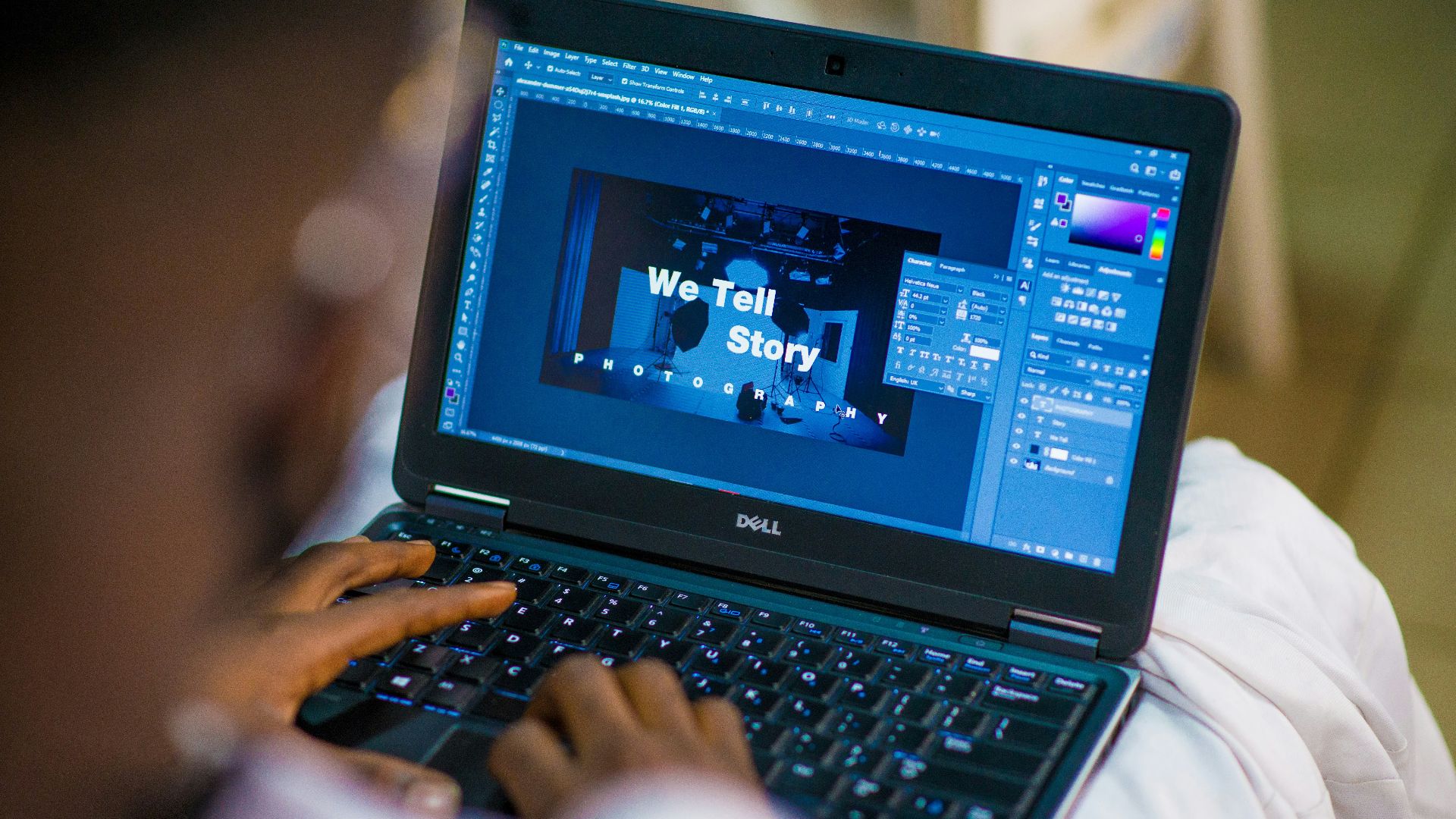
Writers, designers, musicians—everyone will have digital collaborators that boost imagination and output rather than stifle it. Think of AI as your endlessly patient co-creator who never sleeps and always has fresh ideas. The key skill of the decade might be knowing when to stop listening to the algorithm.
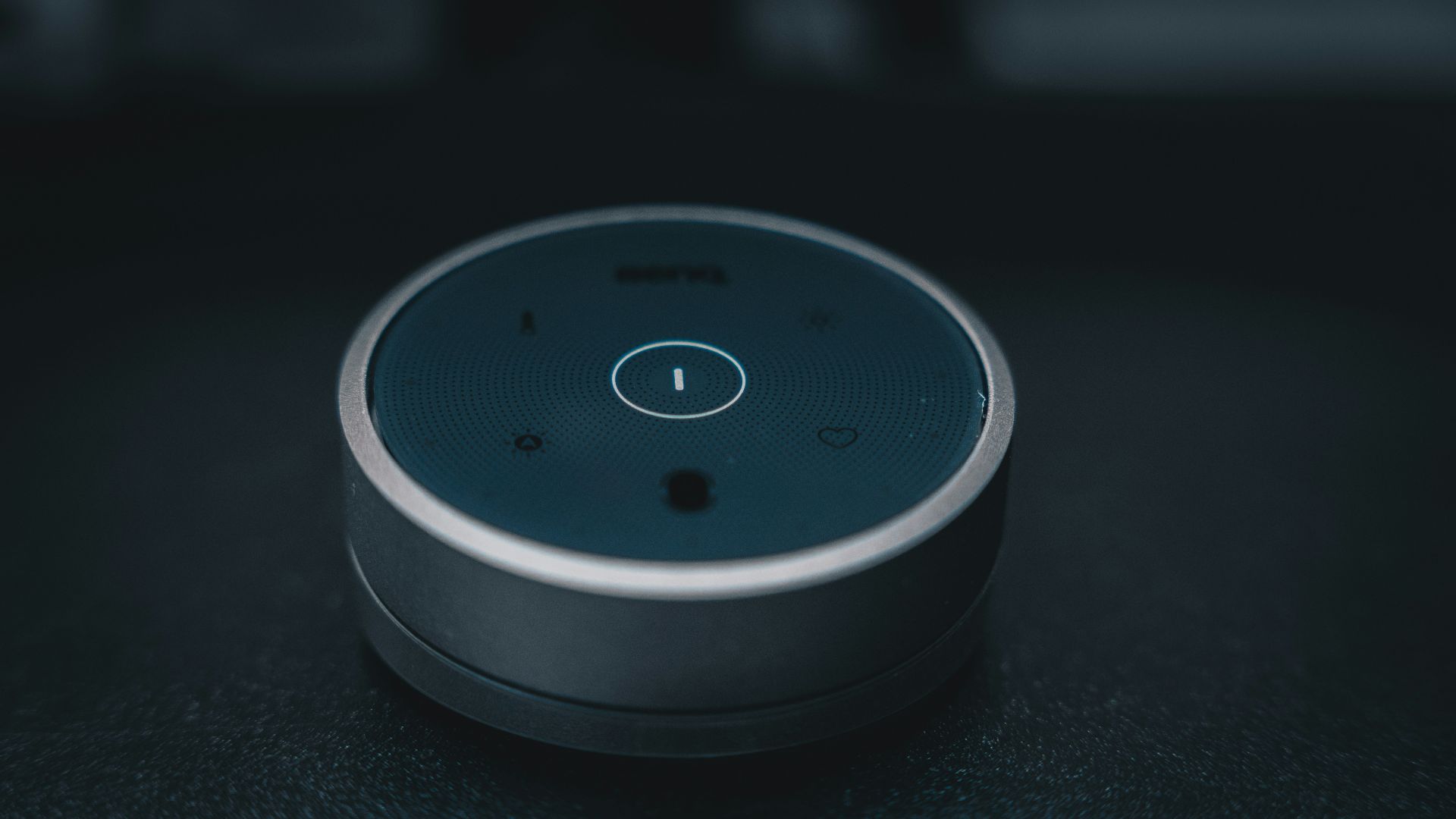
7. Smarter, More Helpful Homes
Smart homes will stop being smart in name only. Instead of just turning off lights, they’ll learn your habits, anticipate your moods, and subtly adjust comfort levels before you even ask. A little eerie? Maybe. But you’ll love it on a cold morning.
 Hoi An and Da Nang Photographer on Unsplash
8. Virtual Companions That Don’t Feel Virtual
AI chatbots will evolve far beyond scheduling assistants. Loneliness might drop as people form genuine emotional connections with adaptive, empathetic virtual companions. They won’t replace real relationships, but they could fill the quiet spaces between them.
9. Entertainment That Adapts Instantly
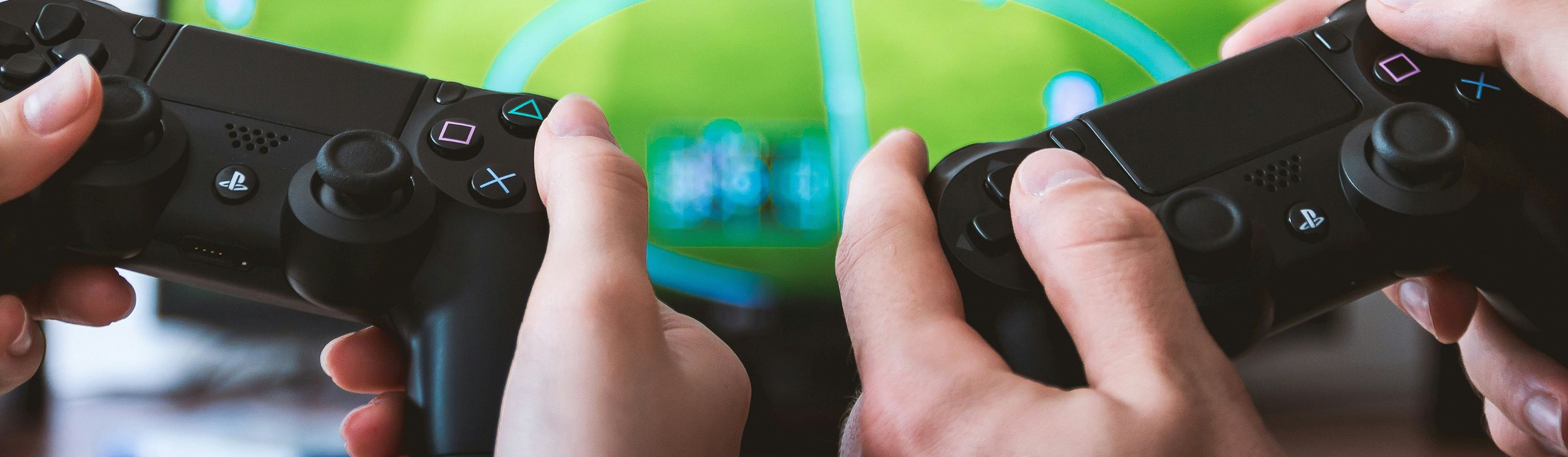
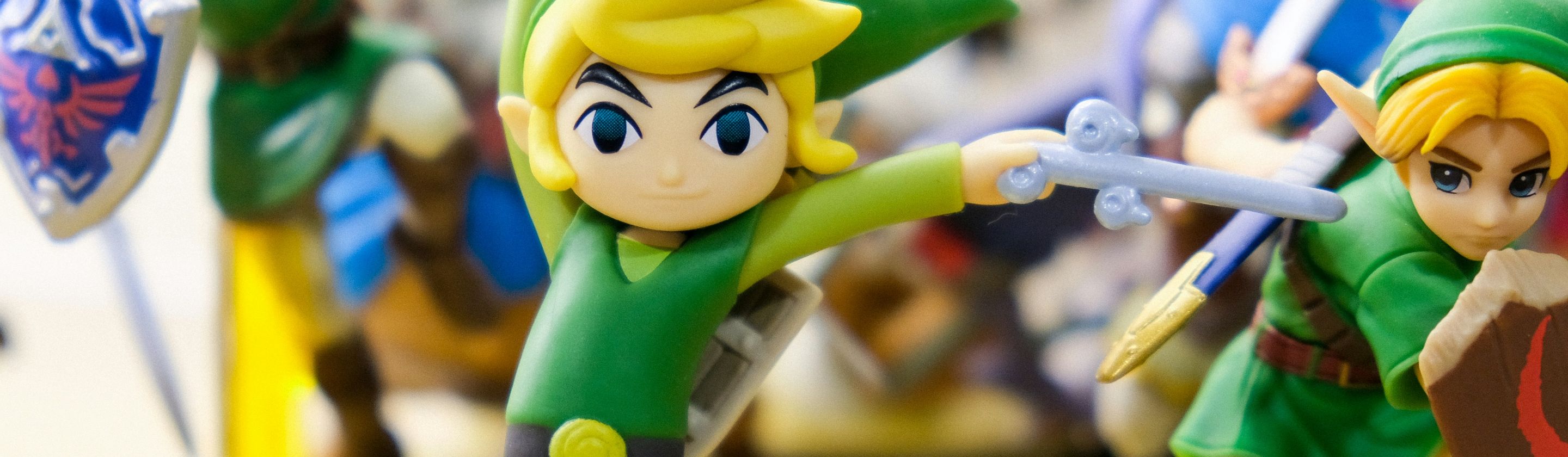
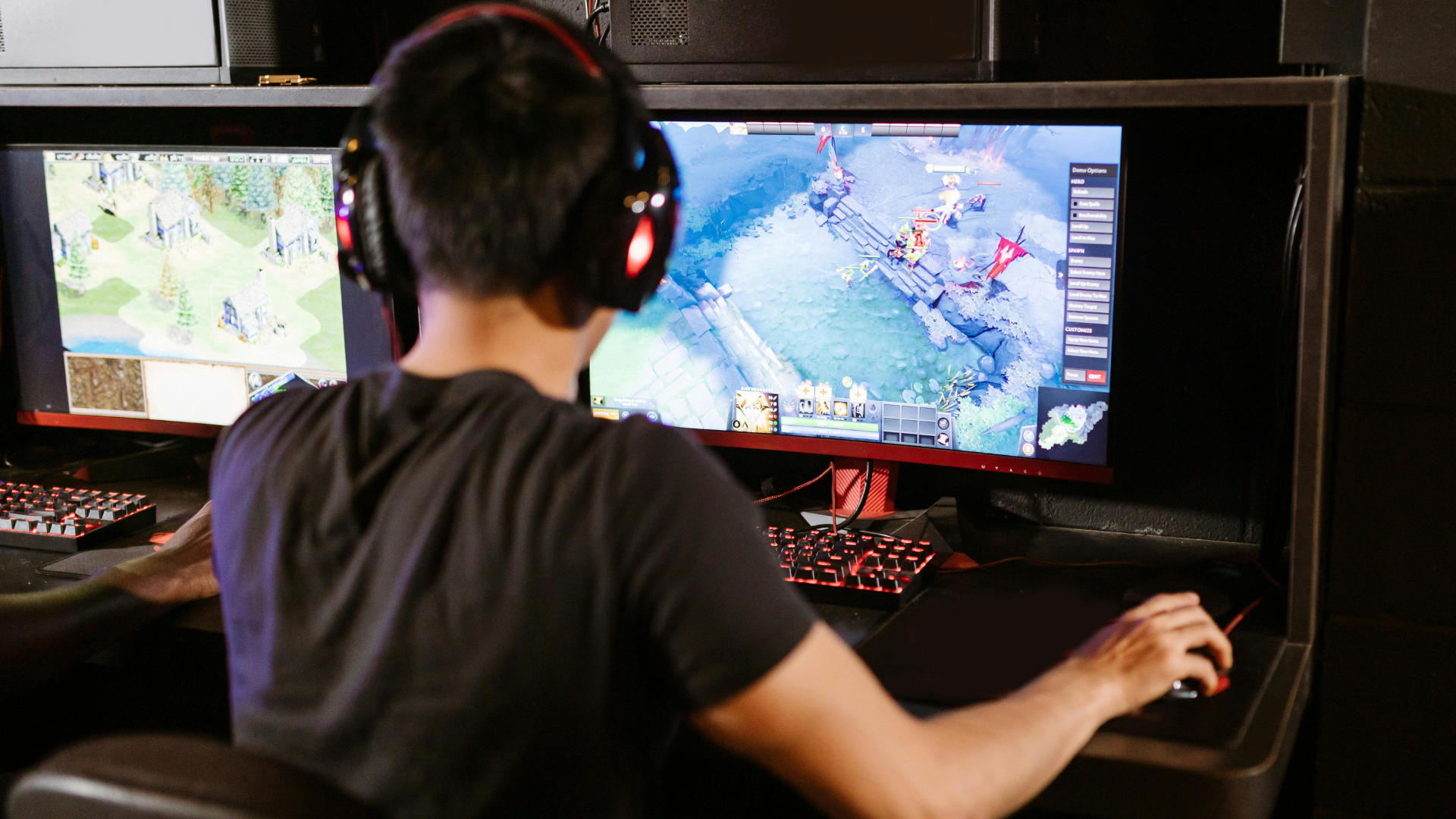
Movies and games will reshape while you play or watch. Imagine The Legend of Zelda reacting to your style of play, or a romantic comedy that changes its ending based on your mood or preference.

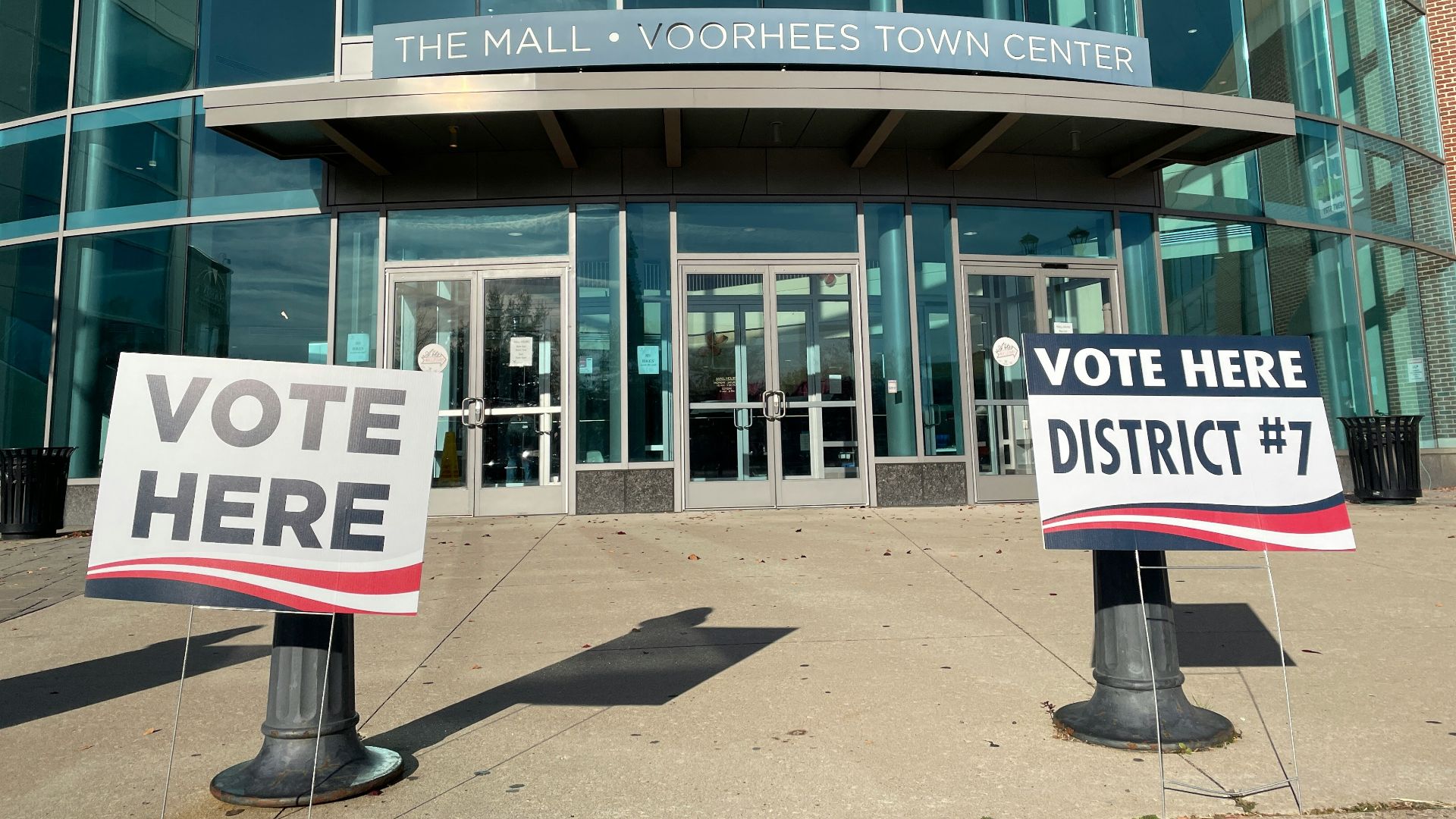
10. Politics Based on Prediction
Political campaigns will rely on sophisticated AI models to gauge voter sentiment before polls even open. Expect hyper-targeted messages that shift daily based on online chatter. It’ll make politics feel a bit too tailored for most people's comfort.
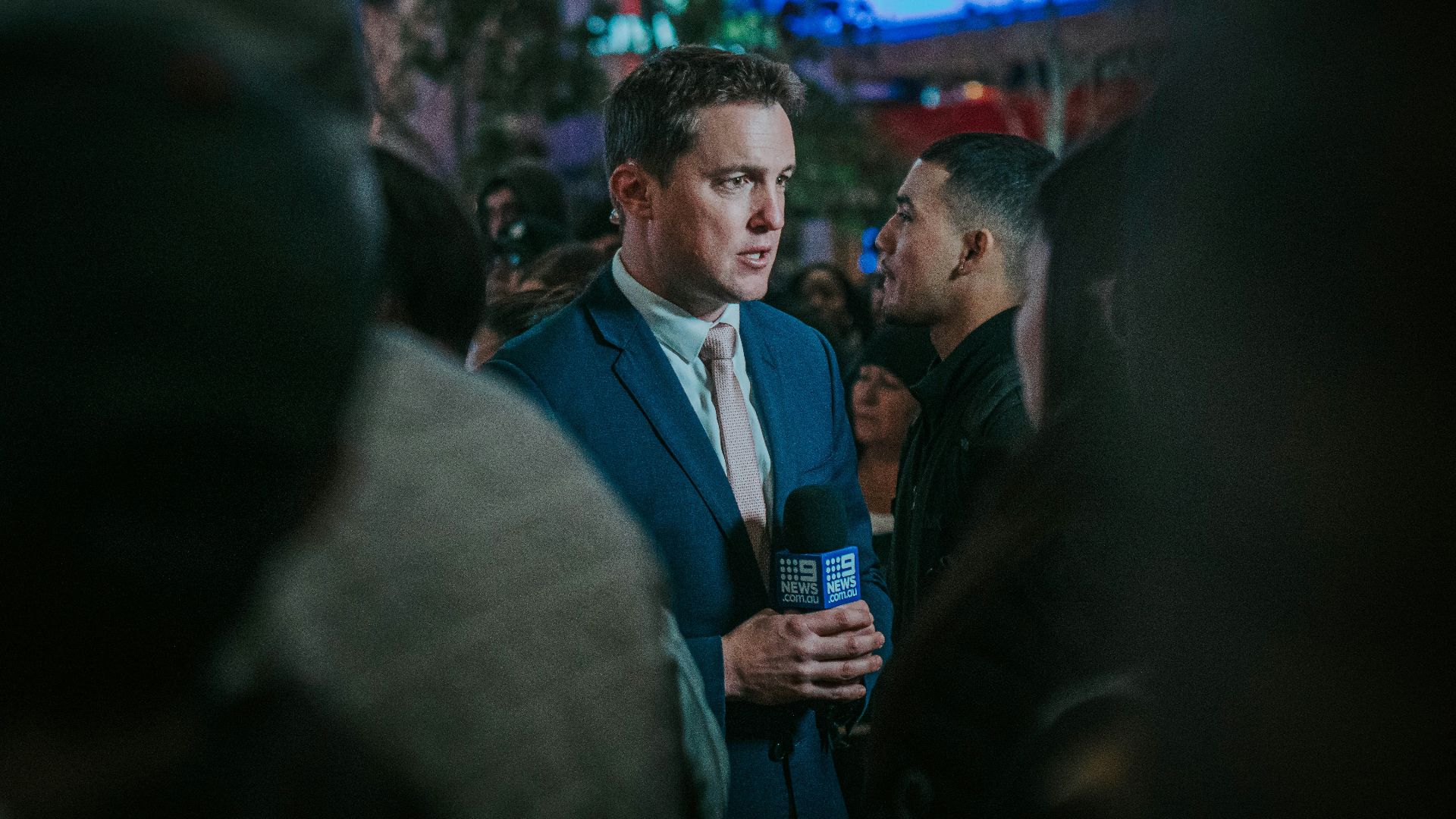
11. News That’s Better and Trickier
AI will help journalists analyze massive data sets to find hidden stories faster. But it’ll also generate fake ones that sound perfectly real, which means digital literacy will become an even greater responsibility.
12. Personalized Travel Planning
Your next vacation might be plotted out entirely by AI, down to coffee stops and scenic detours. It’ll know whether you’re the type to linger in museums or seek out taco trucks. Spontaneity will still exist, but your AI will make sure it’s the good kind.

13. Language Barriers Will Shrink Fast
Real-time translation will get so natural you’ll forget it’s happening. Whether you’re in a Tokyo café or chatting online with someone in Africa, the world will sound like it’s speaking your native tongue. That global village we keep talking about will finally feel real.
14. Fashion Designed by Algorithms
AI will predict style shifts before influencers even post them. You’ll receive clothing suggestions that suit your body type, budget, and even mood. The hard part might be pretending you “discovered” the outfit yourself.

15. Home-Cooked Meals Will Be Reimagined
Picture an AI-powered kitchen that knows what’s in your fridge, your dietary needs, and your cooking ability. It’ll recommend dinner, guide your hands, and even adjust flavors on the fly. You might never ruin a simple pasta again.

16. Healthcare Robots
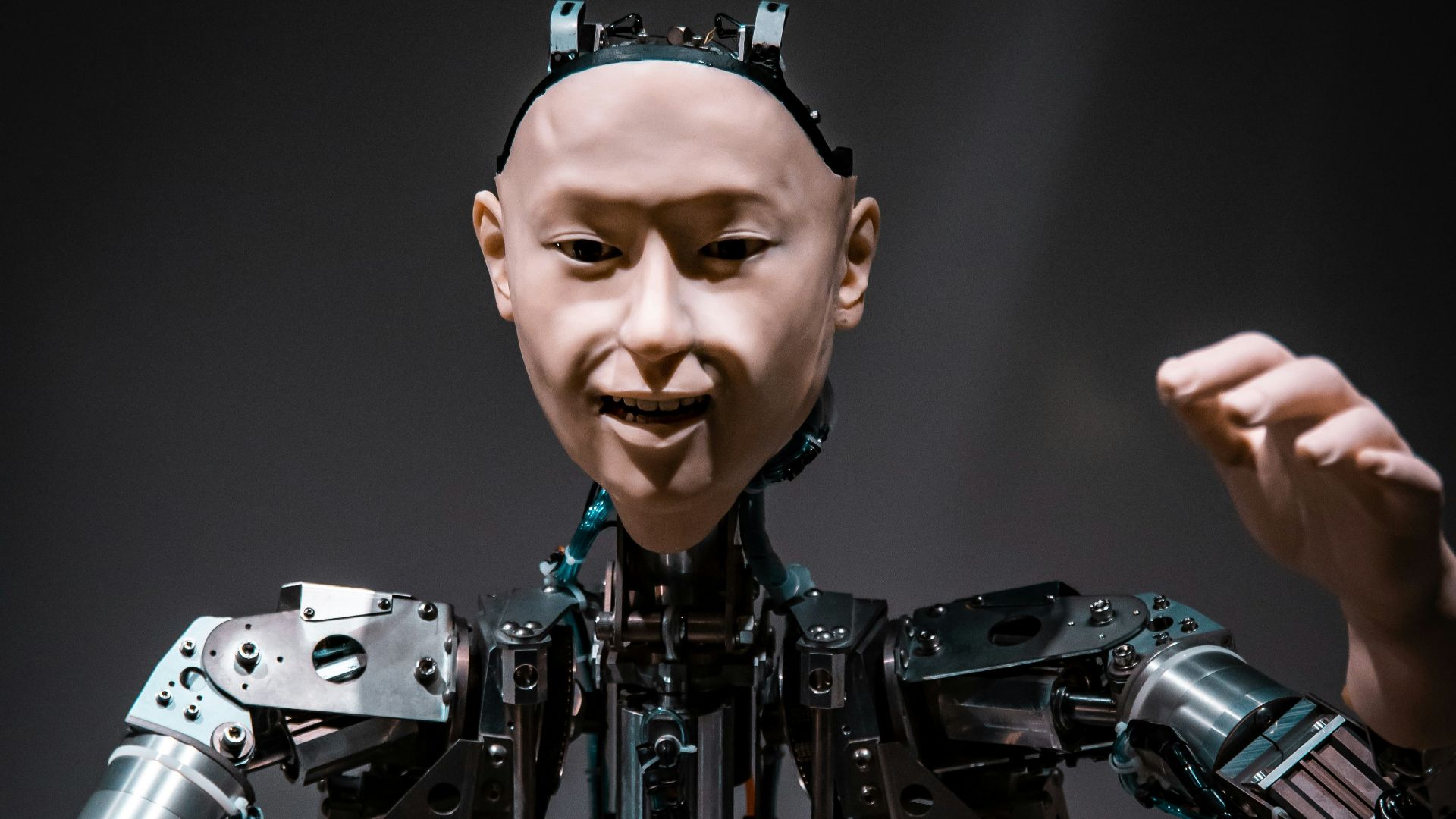
In hospitals and homes alike, AI-driven robots will handle routine tasks like medication delivery or mobility assistance. Doctors will spend more time with patients instead of paperwork. Care will feel more human, even if part of it comes from a machine.
 National Cancer Institute on Unsplash
17. No More Poor Customer Service
You’ll no longer sit on hold for half an hour listening to bad music. AI customer support will fix your problem in minutes, with empathy sophisticated enough to sound genuine. Finally, a machine you might actually enjoy talking to.

18. Financial Advisors That Never Sleep
AI financial platforms will monitor your spending and investments in real time. Instead of yearly check-ins, you’ll get constant smart nudges guiding your choices. It’ll be like having a money manager who knows your habits better than you do.

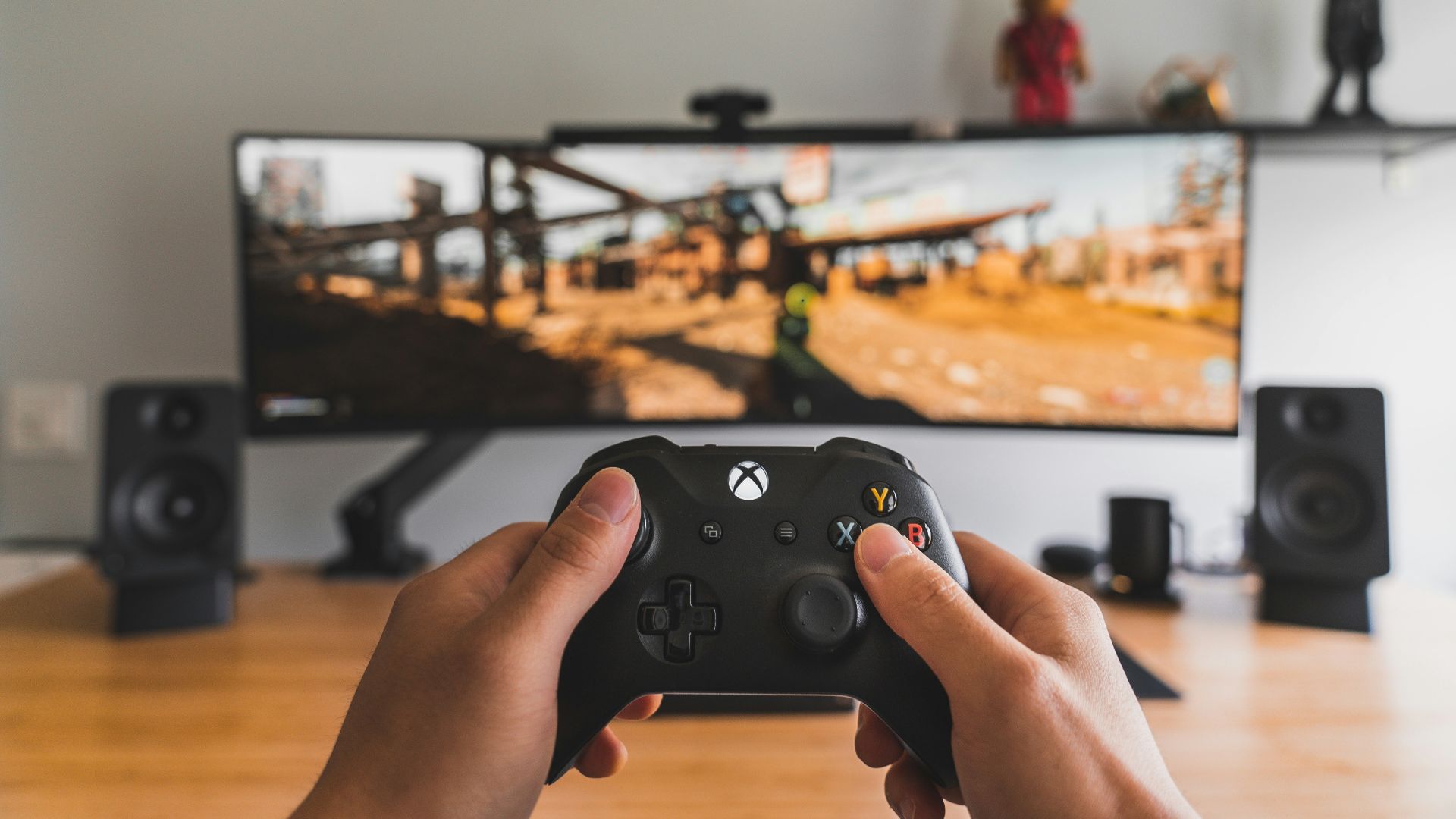
19. Gaming Worlds That Feel Alive
AI will turn games into ecosystems that evolve on their own. In titles like Grand Theft Auto or Skyrim, non-playable characters won’t just repeat the same lines—they’ll remember you, adapt, and even present a surprise or two.
20. A New Ethics
As AI touches everything from relationships to healthcare, society will need new rules for fairness, privacy, and accountability. We'll debate ownership of art, rights of intelligent systems, and what counts as true creativity. The biggest shift of all might be learning how to stay human in a world where machines finally understand us.