Before Everything Became a Screen
In today’s world, technology hasn’t just evolved—it has completely reshaped how people live and entertain themselves. But before we basically had the world in the palm of our hands, we had to make do with giant boomboxes before we went home and checked our answering machines. Don’t know what we’re talking about? We thought not, and that’s why we’re here to break down a few devices younger generations wouldn’t recognize if they rang in their faces!
1. Rotary Telephone
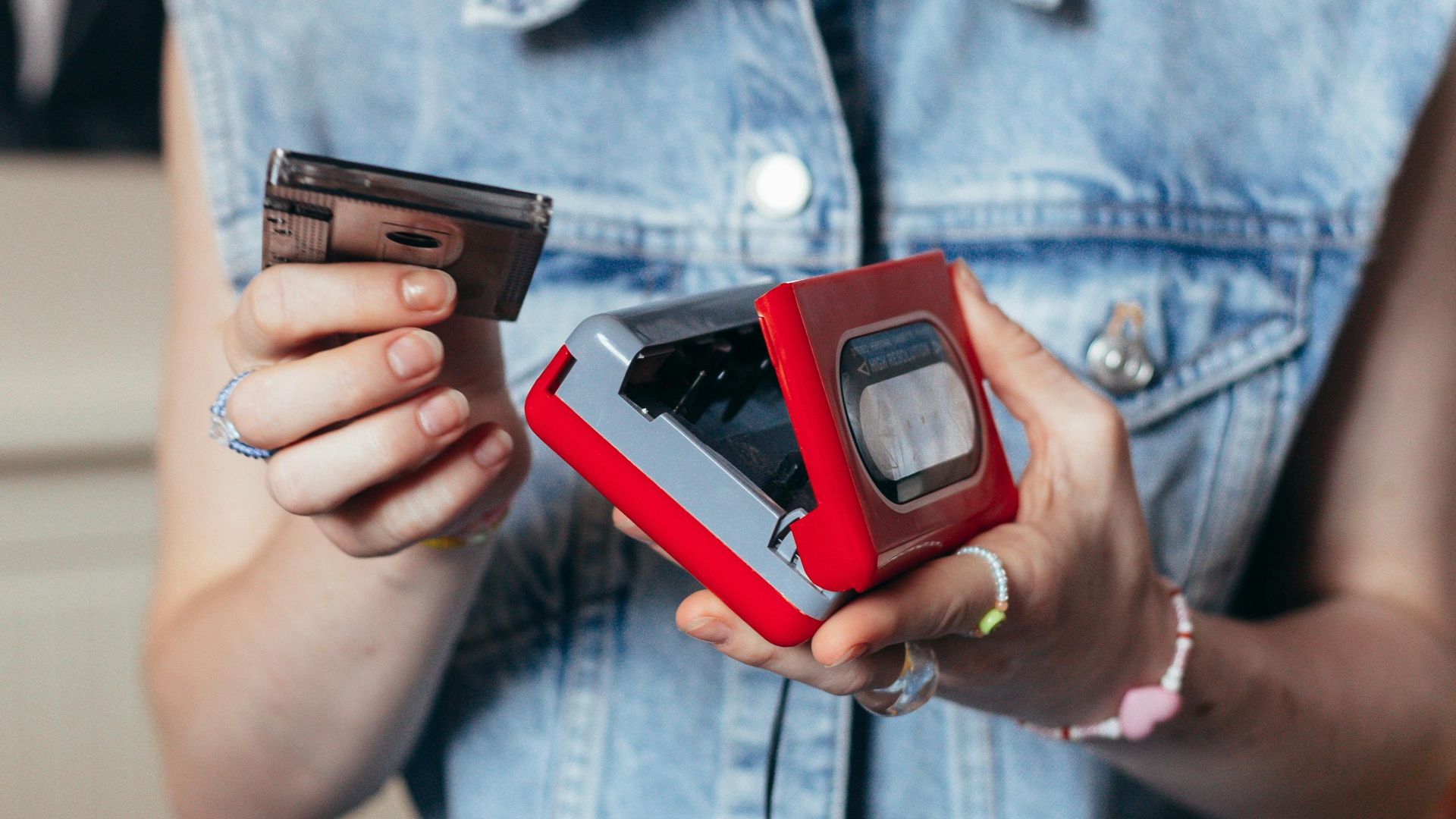
Oh, sure, you might have seen a rotary phone before…but could you use it? It’s okay if not; it was one of the most annoying phones of all time, requiring you to place your finger into a numbered hole and rotate the dial for each number you wanted to call. The dial would slowly spin back into place before you could enter the next digit, which meant dialing a full number took time, too.
2. Typewriter
A typewriter seems intuitive enough, but it actually requires a little finesse to use! It allowed people to create documents by pressing mechanical keys that stamped ink onto paper. There was no screen to preview your work, either, so every word you typed was permanent unless you used correction tools or started over.

3. VHS Tape
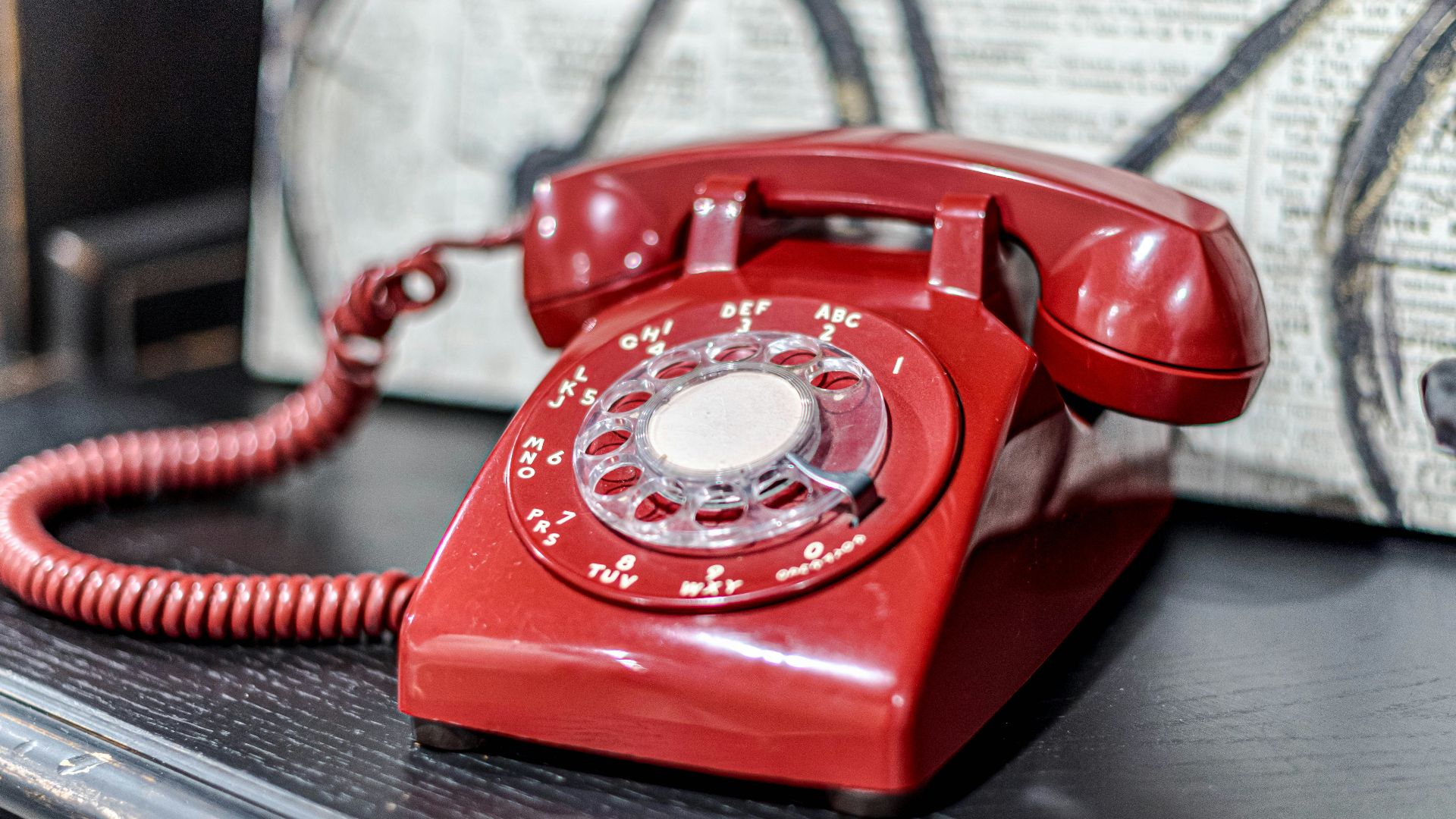
Kids today don’t even recognize DVDs, let alone VHS tapes! We can’t blame them; they were basically big, honking plastic cartridges that stored movies and shows. After watching, you had to rewind the tape so it would be ready for the next person, especially if it was rented—and that needed its own machine, too.
4. Cassette Player
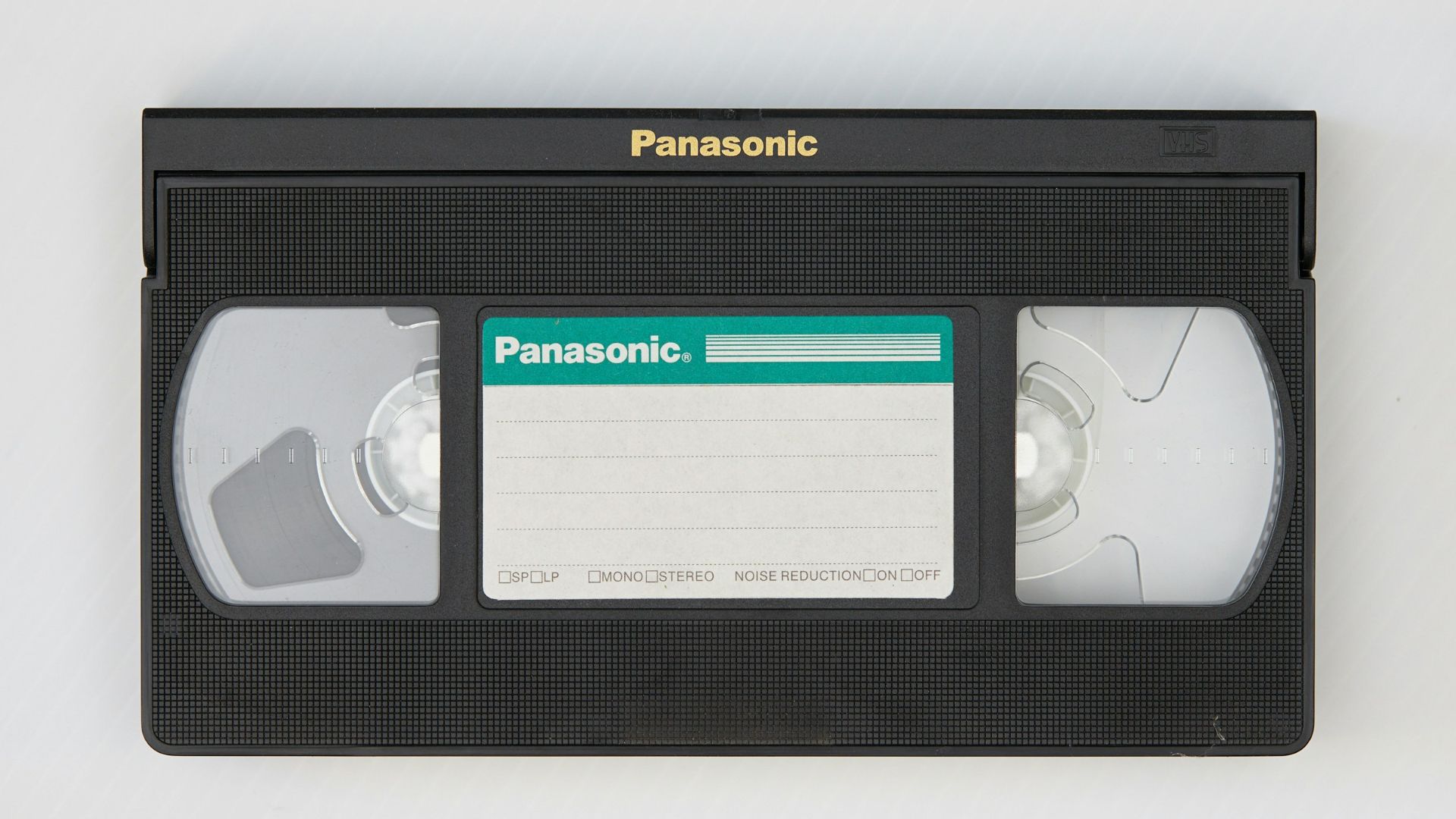
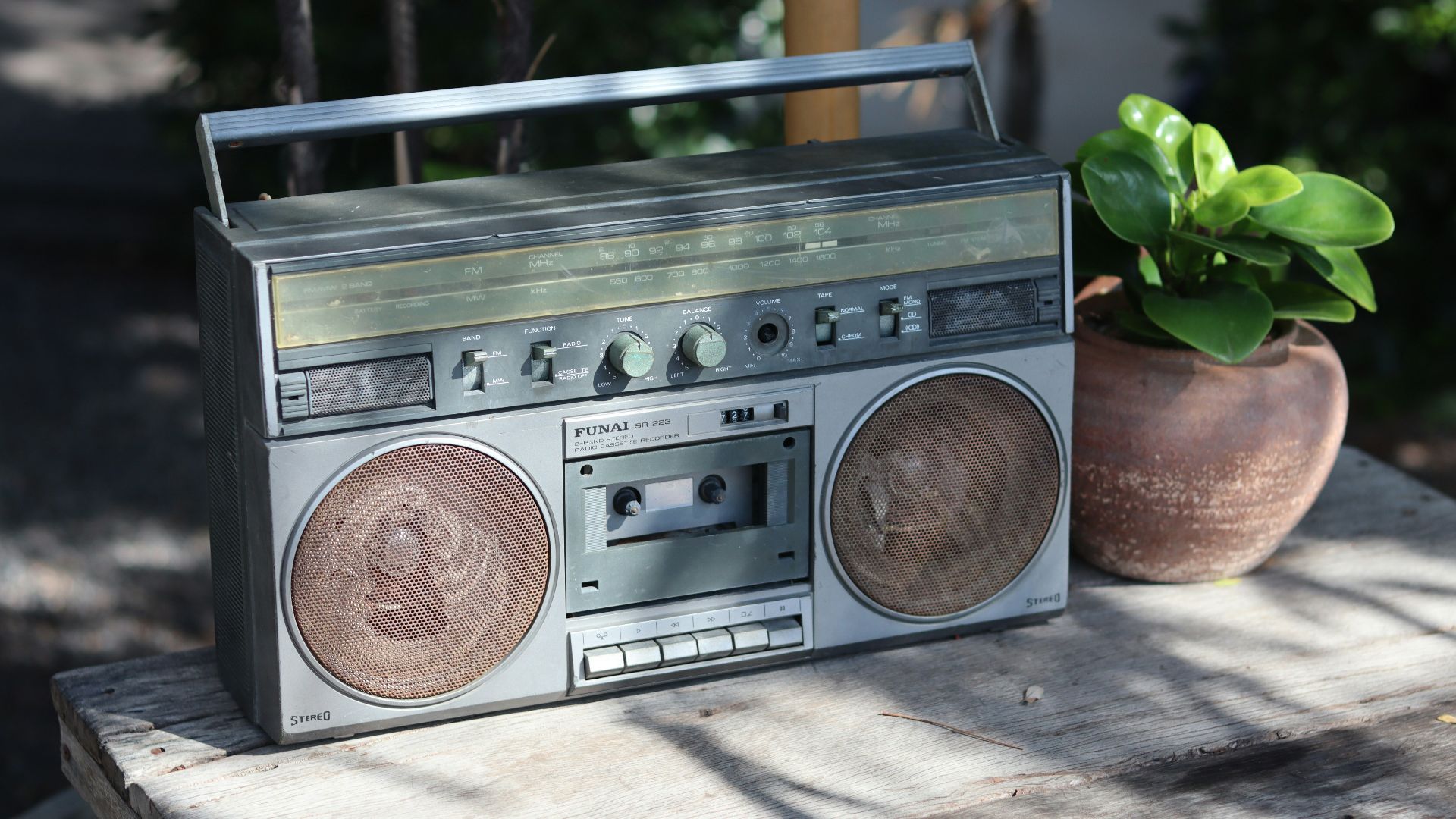
Cassette players were the coolest things at the time, so don’t judge us! You inserted a small tape and pressed physical buttons to play, stop, rewind, or fast-forward your music, which was probably burned off the radio. If the tape got damaged or tangled, though, you had to fix it manually.
5. Floppy Disk
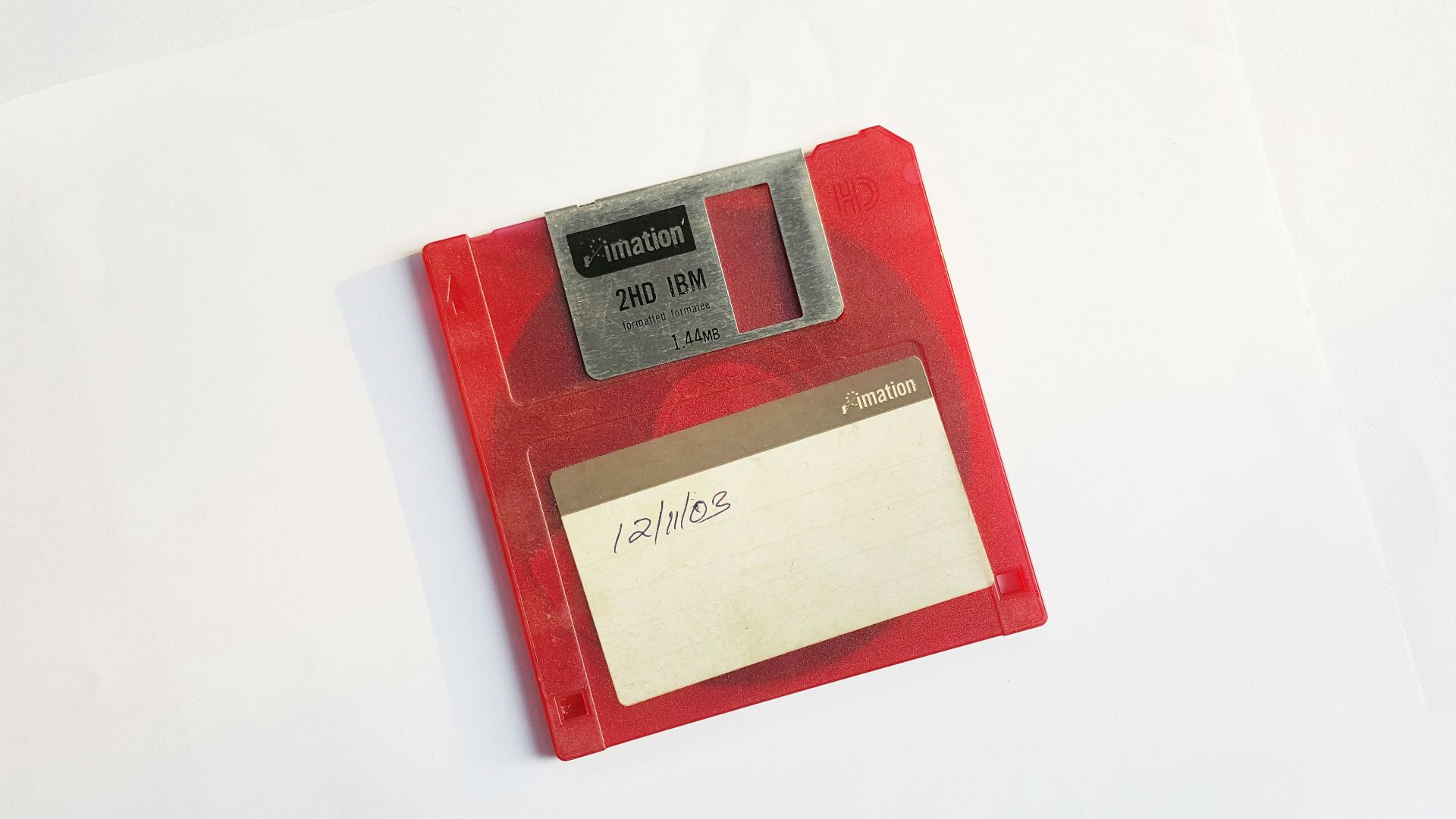
Floppy disks were used to store and transfer small amounts of data between computers, and you’ll never see them today. Hilariously, they were surprisingly fragile and could be damaged by magnets, dust, or even simple wear over time. Compared to modern storage devices, their capacity was extremely limited as well.
6. Pager
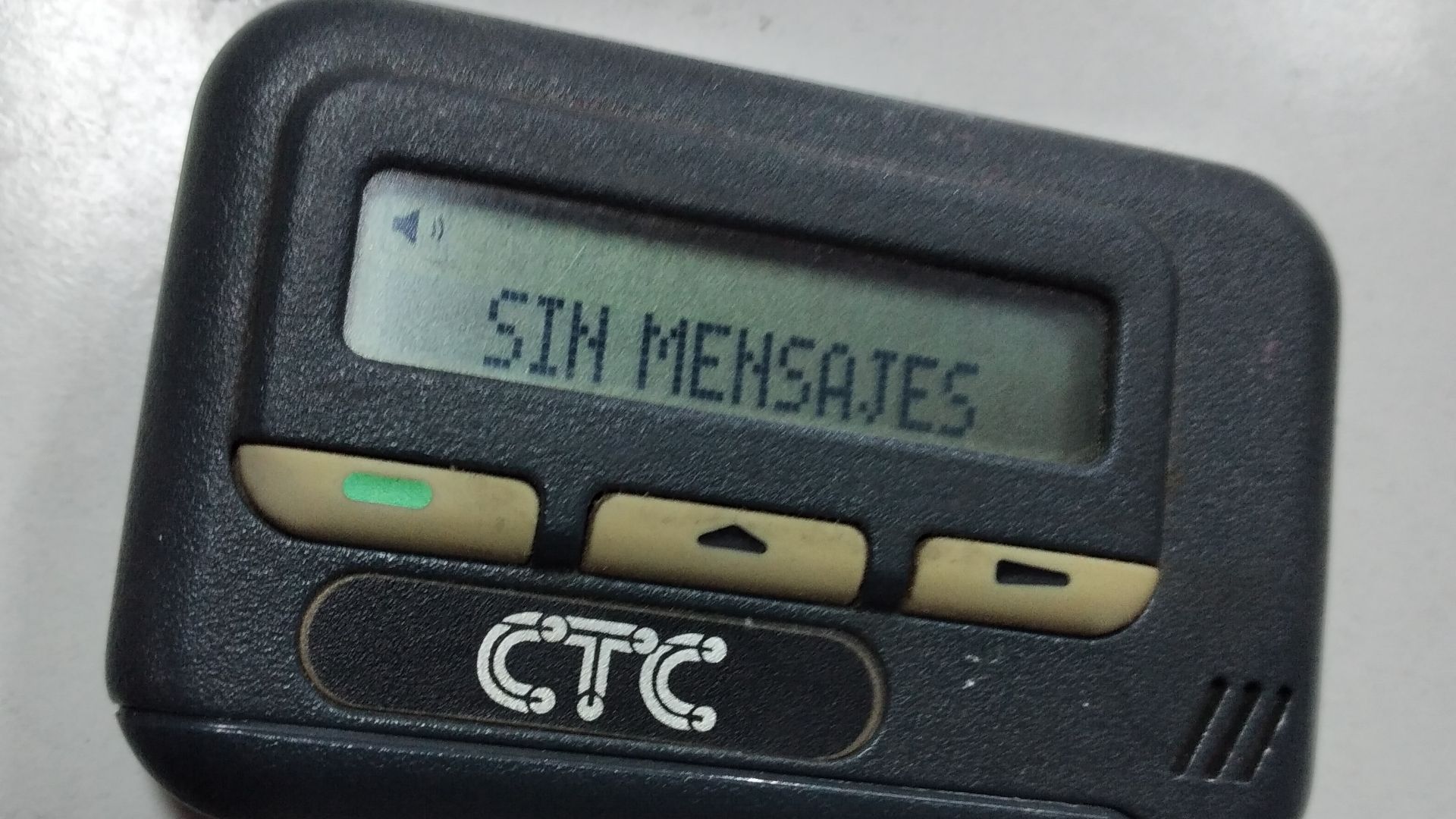
Oh, sorry, everyone. We have a call coming—better check the pager! It was a small device that alerted you when someone wanted to reach you, and instead of receiving a full message, you usually saw a phone number and had to find a landline to respond. (We don’t expect you to know what landlines are, either.)
7. Fax Machine
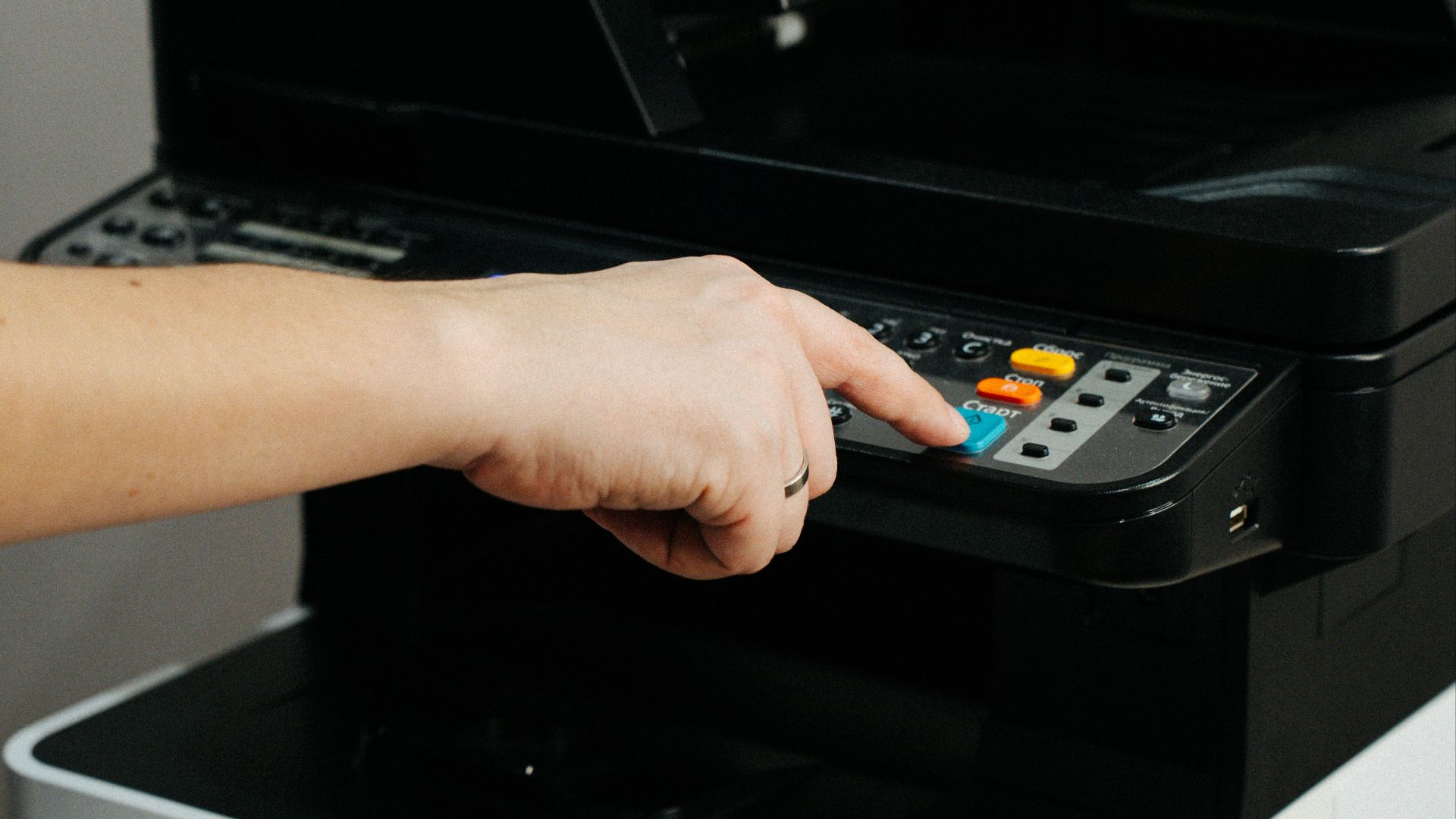
A fax machine transmitted documents through telephone lines by scanning and recreating them on another machine. The whole process also produced a series of creepy sounds that became familiar in offices everywhere. While it was once an essential tool for sending documents quickly, it’s been replaced by email.
 Stanislav Staritsyn on Unsplash
8. Film Camera
Hey, hey, hey—there was a time when we needed to actually develop our photos! Film cameras captured them on rolls of film instead of digital memory cards, which meant you couldn’t immediately see the pictures you took. It also meant you had to wait until the film was developed.
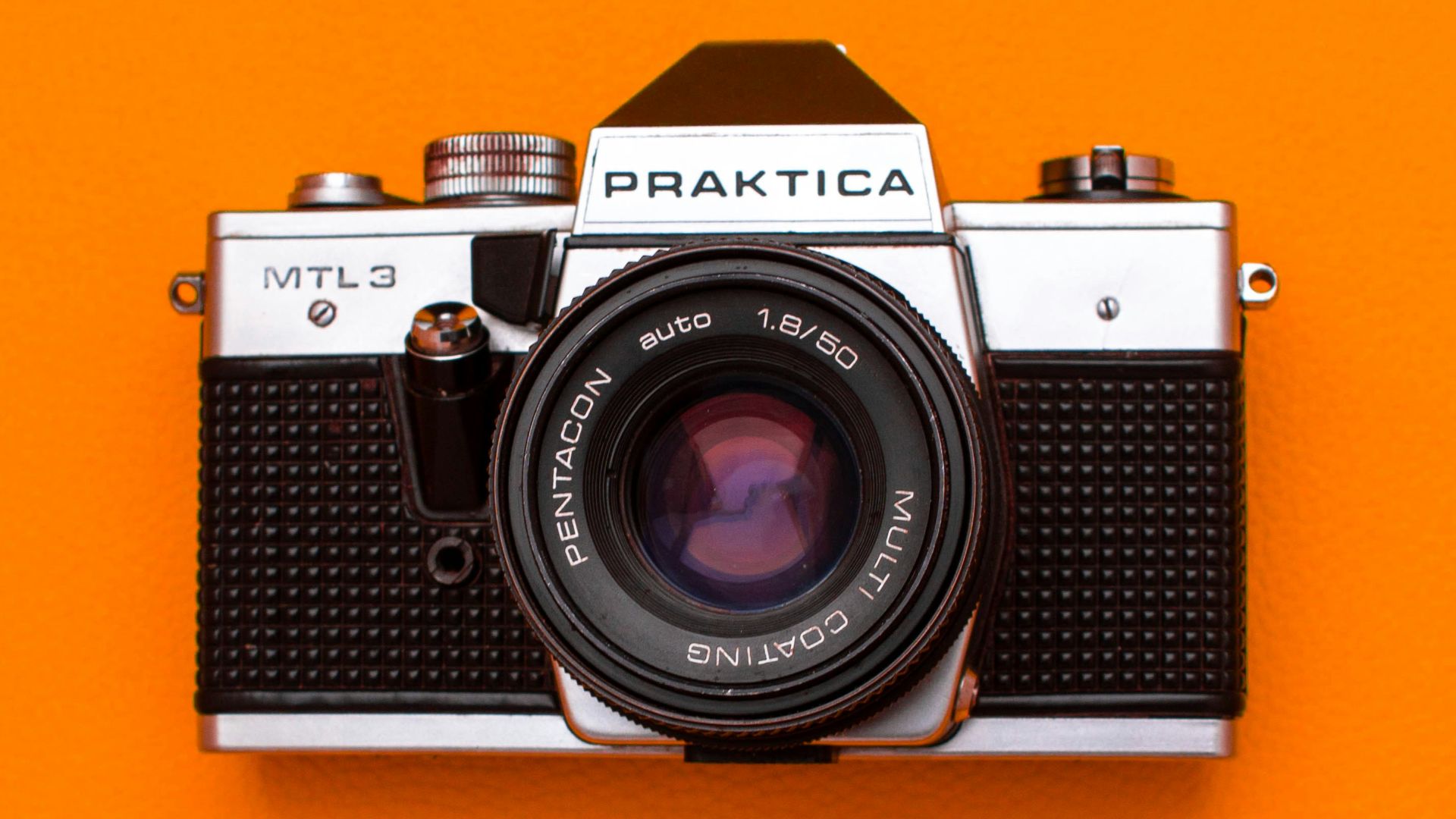 Aoumeur Abderrahmen on Unsplash
9. Answering Machine
Someone can’t reach you at home? Don’t worry; there’s a clunky machine for that. It recorded voice messages when you weren’t available to answer a call and displayed a blinking light to signal new messages. It also made incessant noises until you checked the messages.
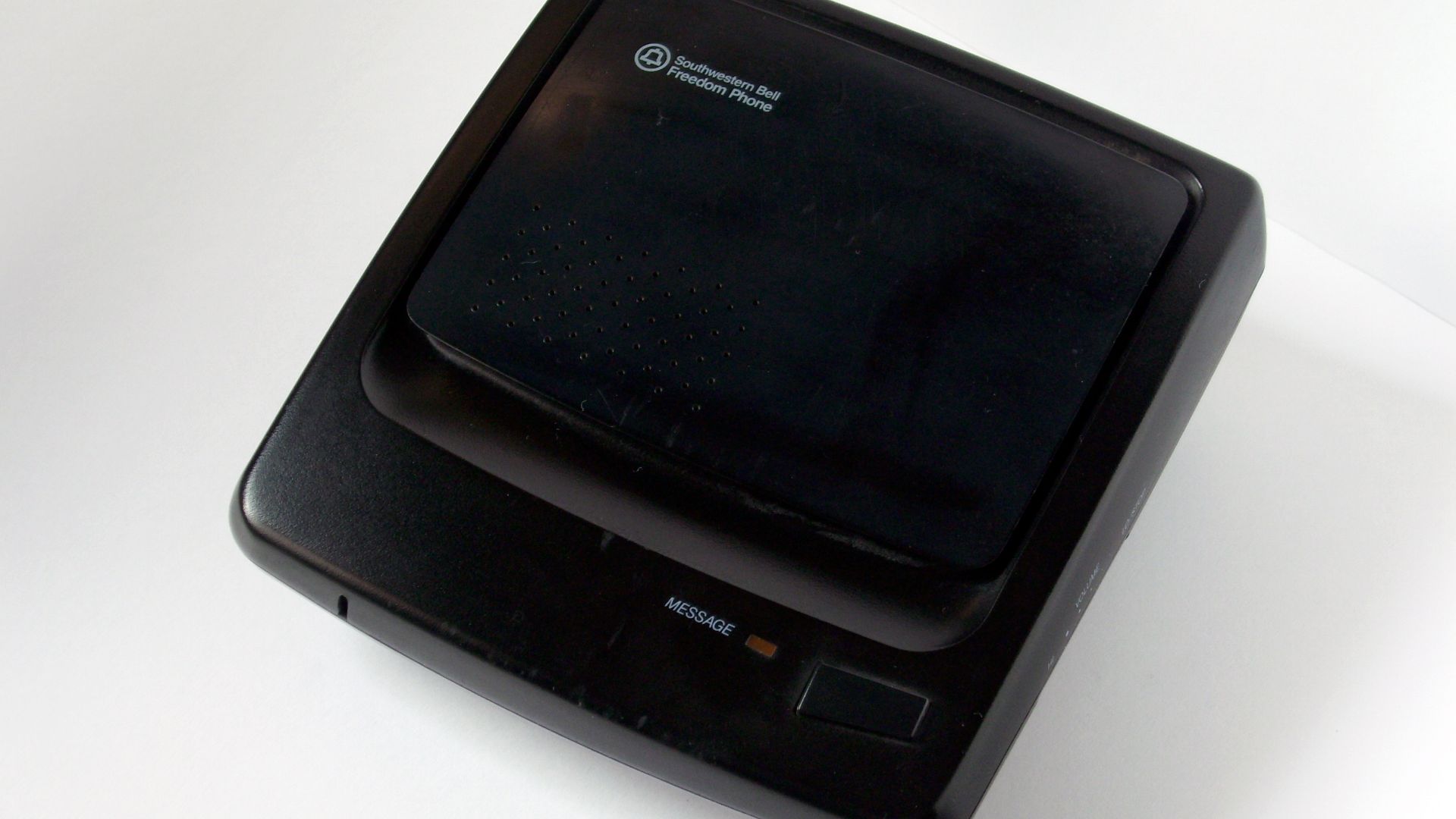 Jorge Barrios Riquelme on Wikimedia
10. Slide Projector
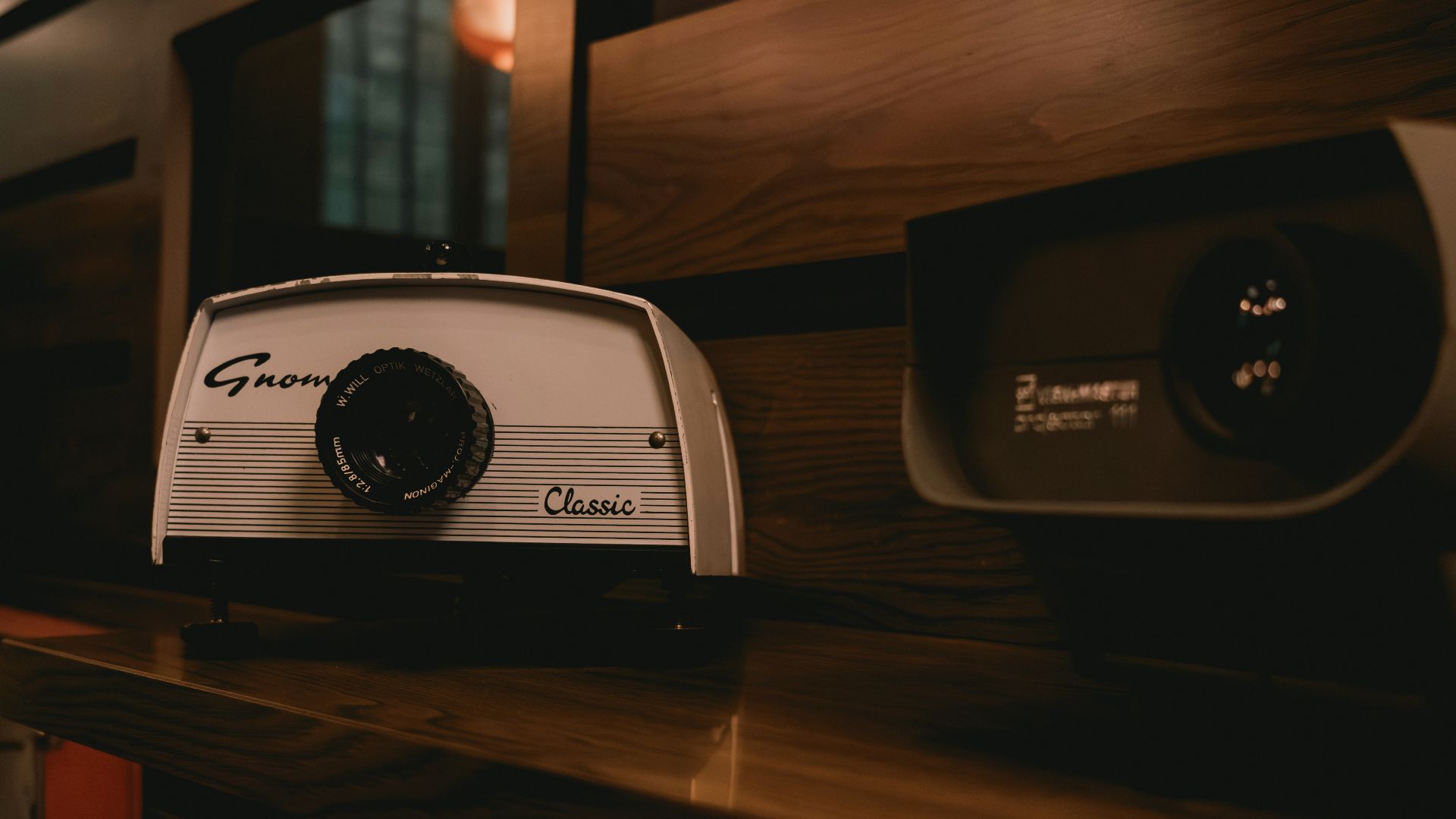
Slide projectors were pretty simple; they displayed photographic slides onto a wall or screen. The thing is, each slide had to be loaded manually or with a remote control, which made presentations and family photo viewings a giant pain.
11. Betamax Player
For those who don’t know, the Betamax player was an early video playback system that competed with VHS technology (a big deal, we know). Although it offered certain technical advantages, it actually lost the format battle due to broader market adoption of VHS.
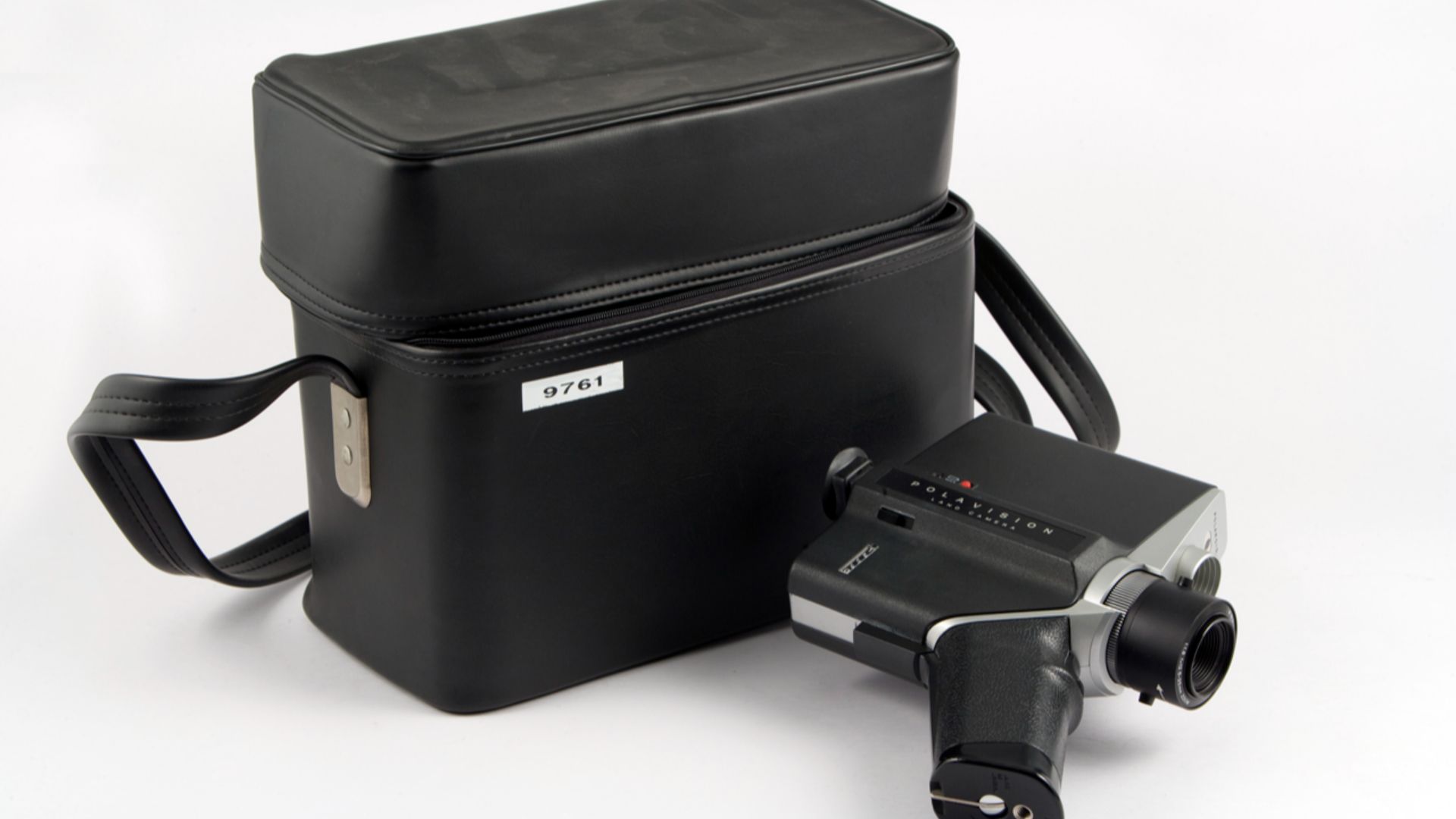 Polaroid Corporation (progettista) on Wikimedia
12. 8-Track Player
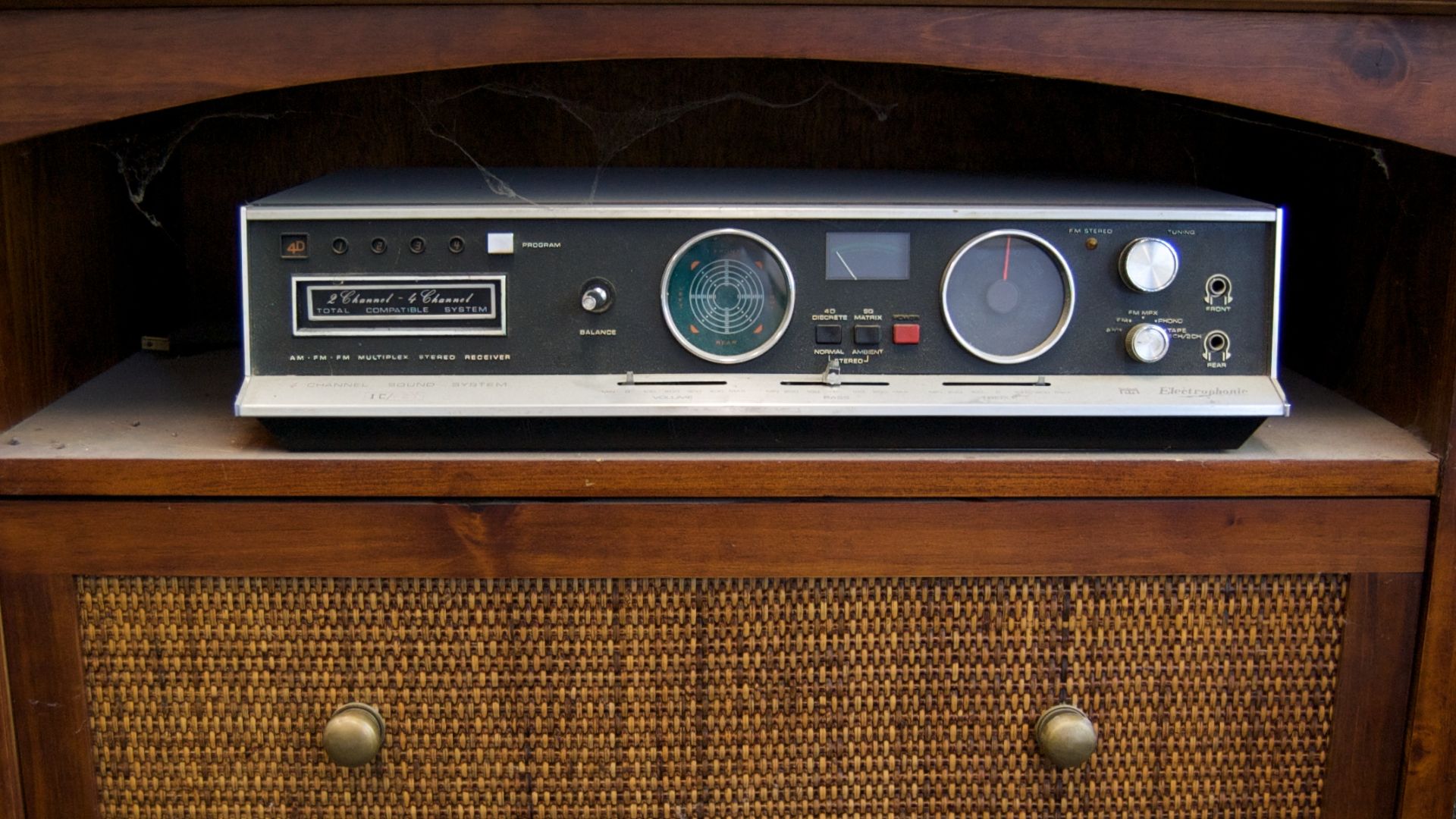
No car was complete without an 8-track player, which used huge cartridges to play music. Songs were divided into sections, and the device would switch between tracks automatically. As you can imagine, it also just interrupted the flow of music, but it was still popular!
 Casey Fleser from Nashville, TN on Wikimedia
13. Overhead Projector
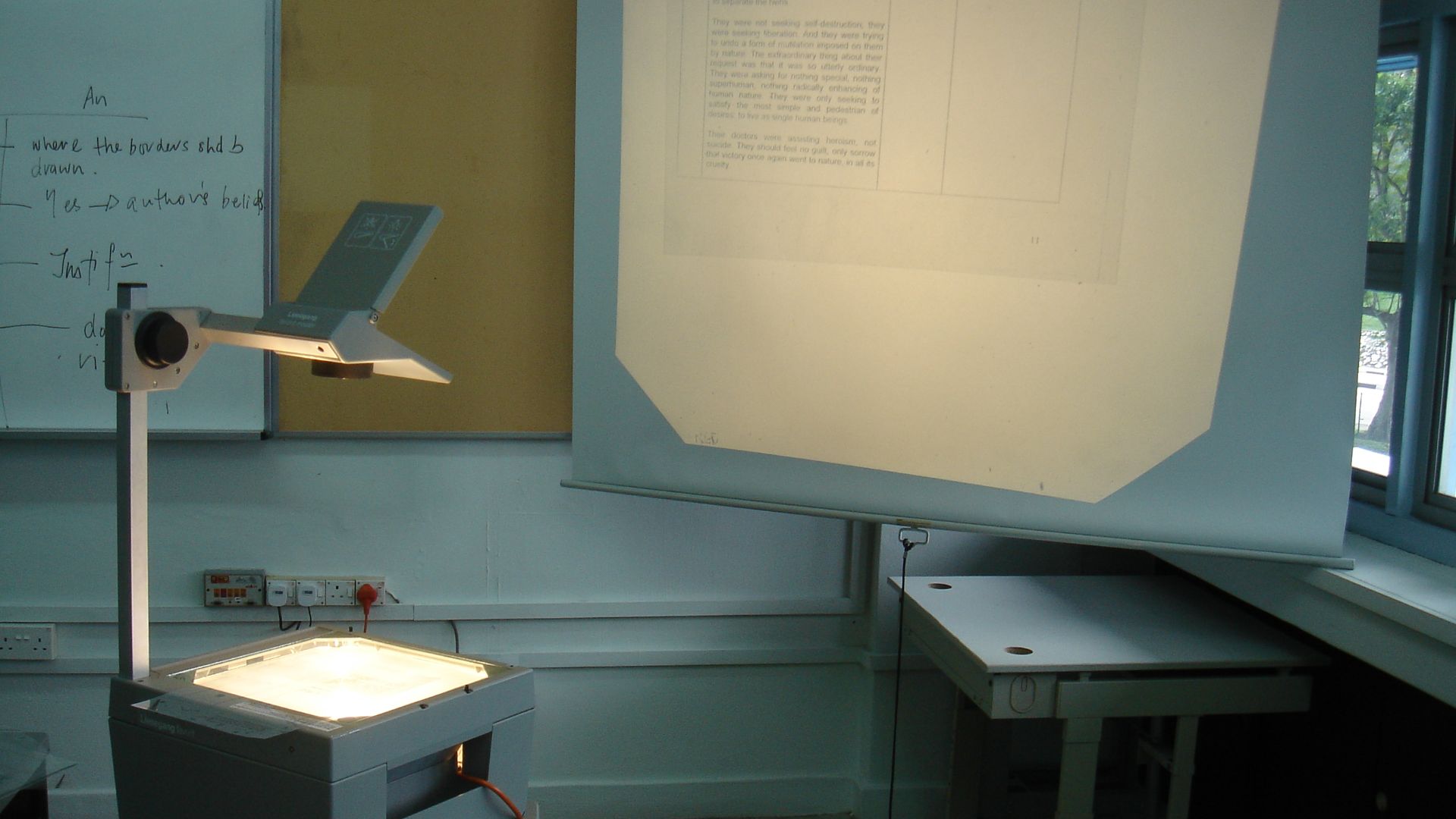
Does anyone here remember the overhead projector? If not, we have you covered! It used transparent sheets placed on a flat surface to display content on a screen. Teachers could write directly on these sheets, too, which was just about the coolest thing to happen in school.
14. Walkman
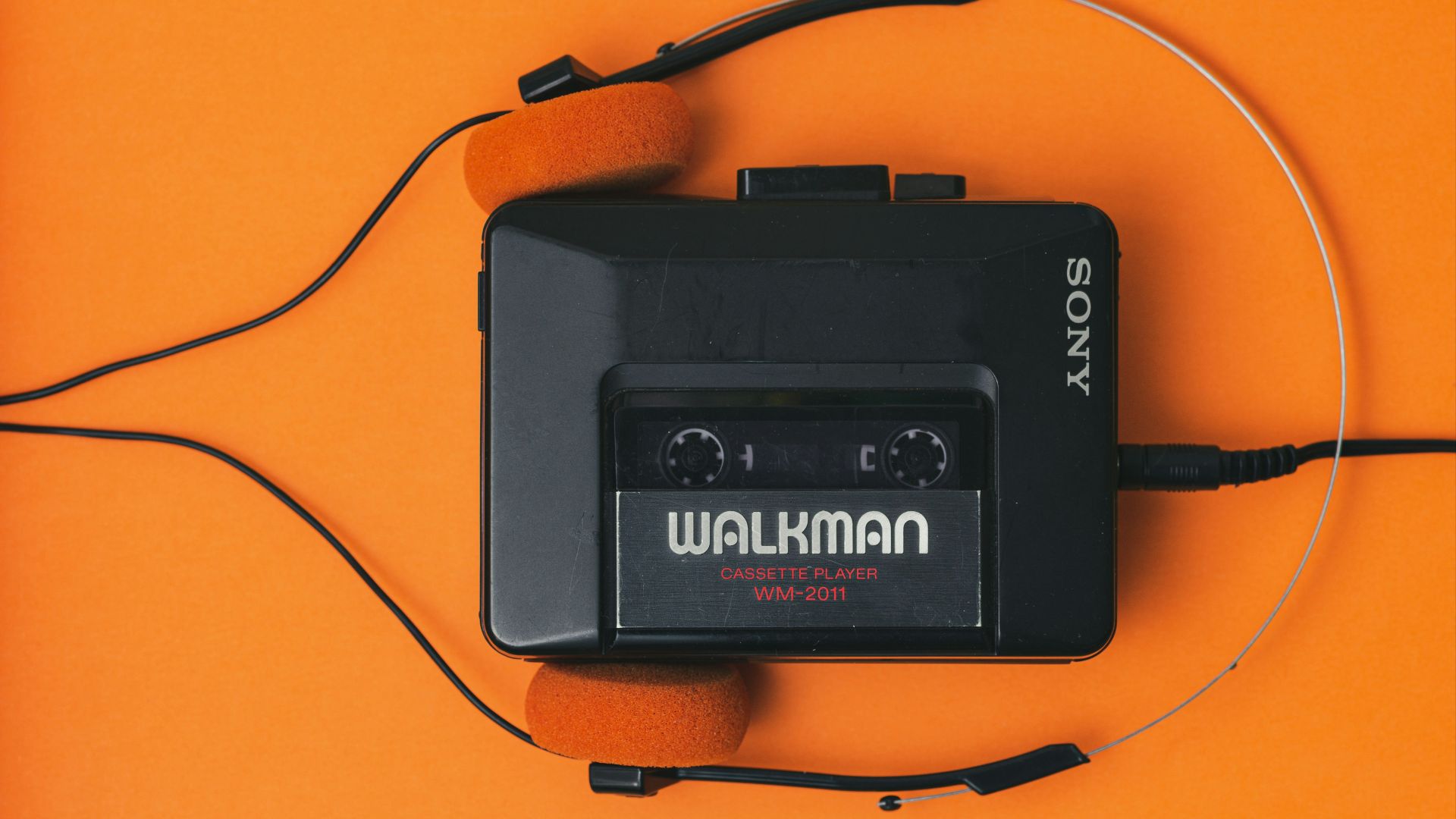
Ah, the Walkman. Now we’re talking about technological advances! It was sort of like an iPod, only way more inconvenient. That said, it was compact for its time, even if you had to carry cassette tapes for variety.
15. Dot Matrix Printer
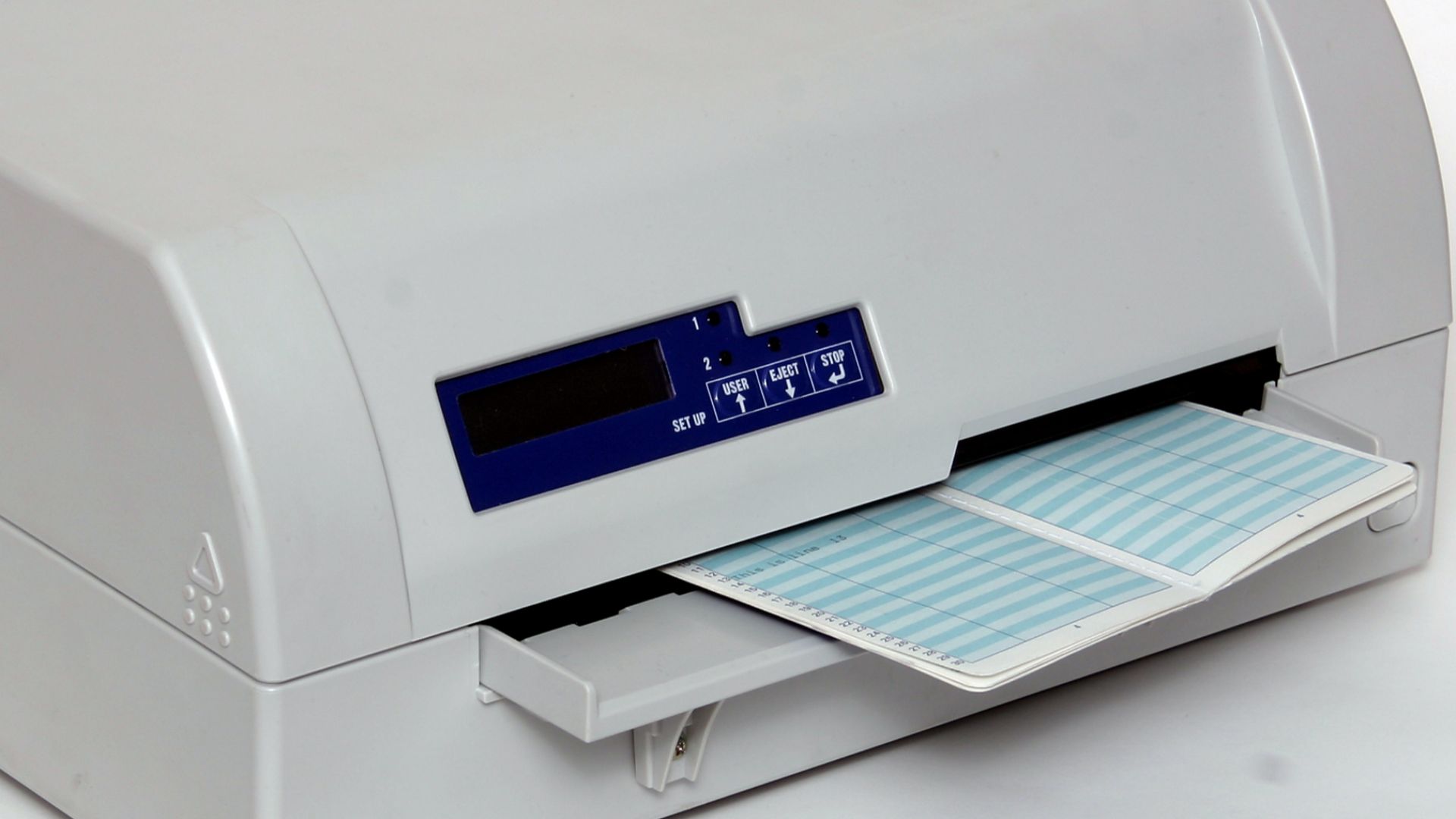
A dot matrix printer created text and images by striking an ink ribbon with small pins. The output quality was pretty basic, but it was reliable for stuff like printing receipts or forms. We’d have a softer spot for it if it didn’t produce a distinct, loud noise while printing.
16. Rolodex
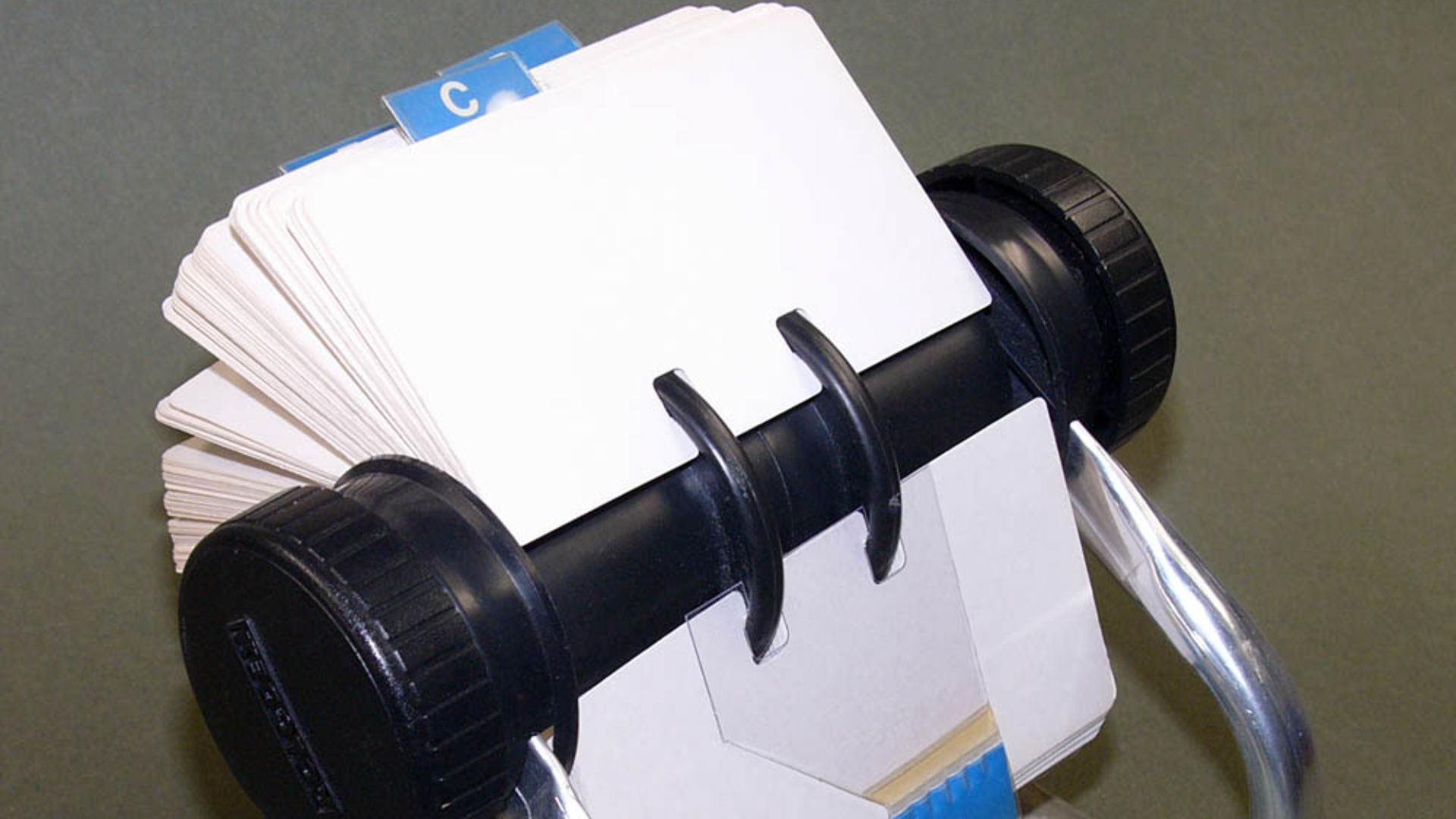
Okay, yes, we know that a Rolodex wasn’t technically technology, but it might as well have been! It was a rotating file system used to organize contact information on individual cards, allowing you to flip through them to find names, phone numbers, or addresses.
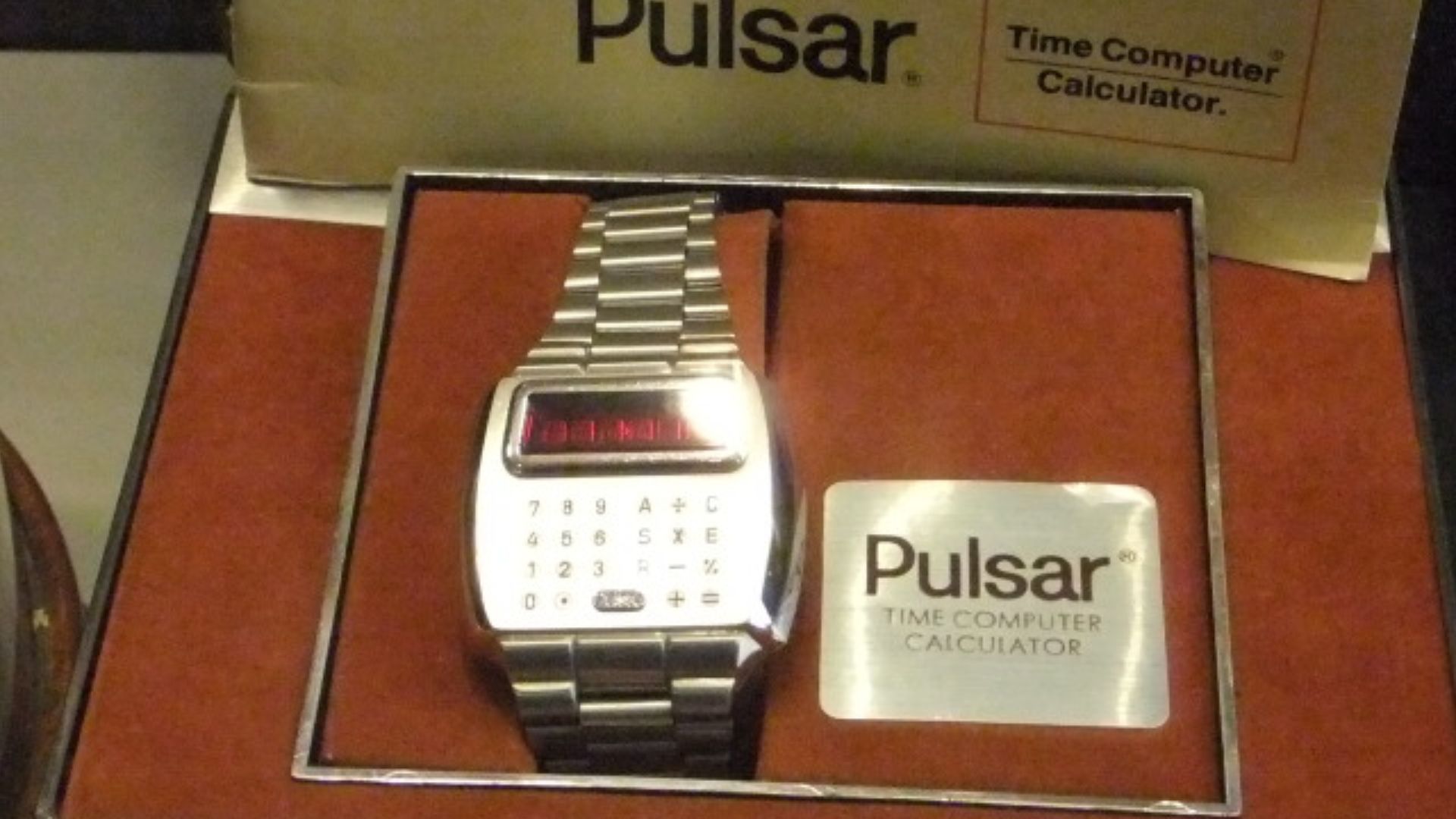
17. Pocket Calculator Watch
The symbol of nerds everywhere, a calculator watch combined a digital watch with a miniature keypad for basic calculations. The buttons were terribly small, though, so using them meant serious precision and patience.
 Reptonix free Creative Commons licensed photos on Wikimedia
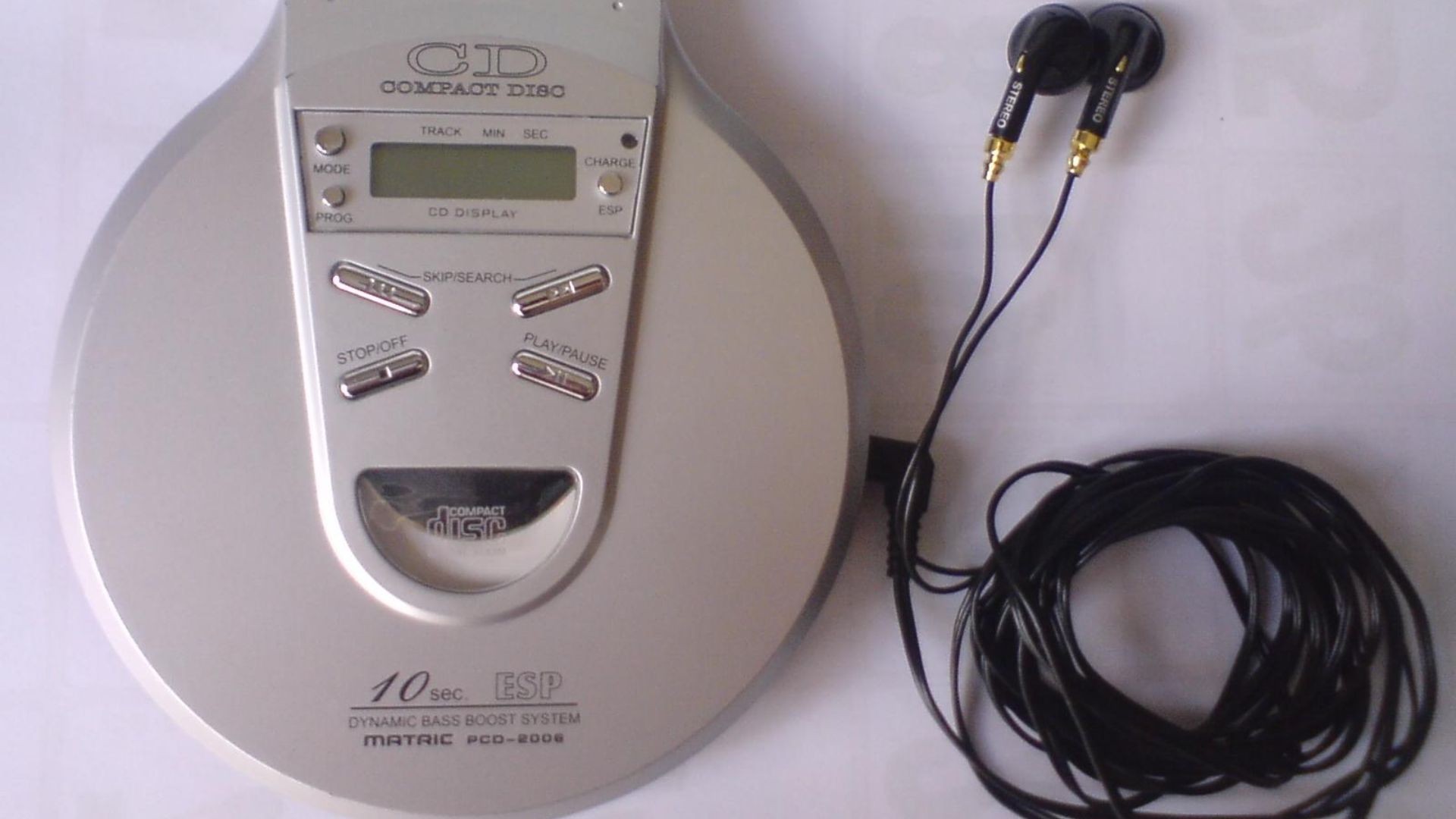
18. Portable CD Player
Portable CD players to the rescue! These awesome guys let you listen to music while traveling, and if you were lucky, some of them even played the radio. The biggest issue was that they were sensitive to movement, which could cause the music to skip if you weren’t careful.
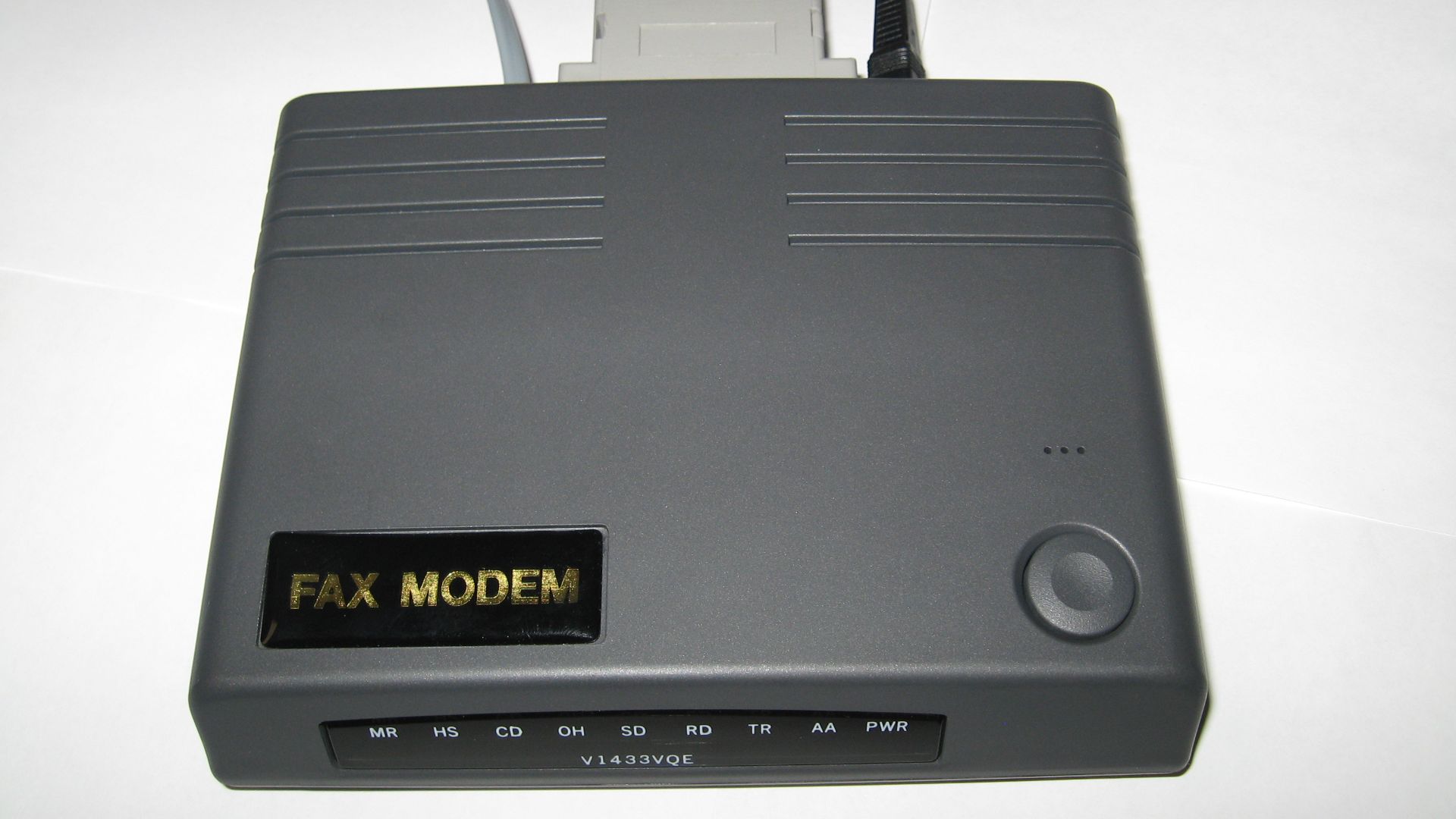
19. Dial-Up Modem
You’ve likely heard the loud, terrifying sound of a dial-up modem, but allow us to tell you what it actually did. Basically, it connected a computer to the internet using a telephone line. It sounds good until you realize that while connected, the phone line couldn’t be used for calls, so you had to fight for usage.
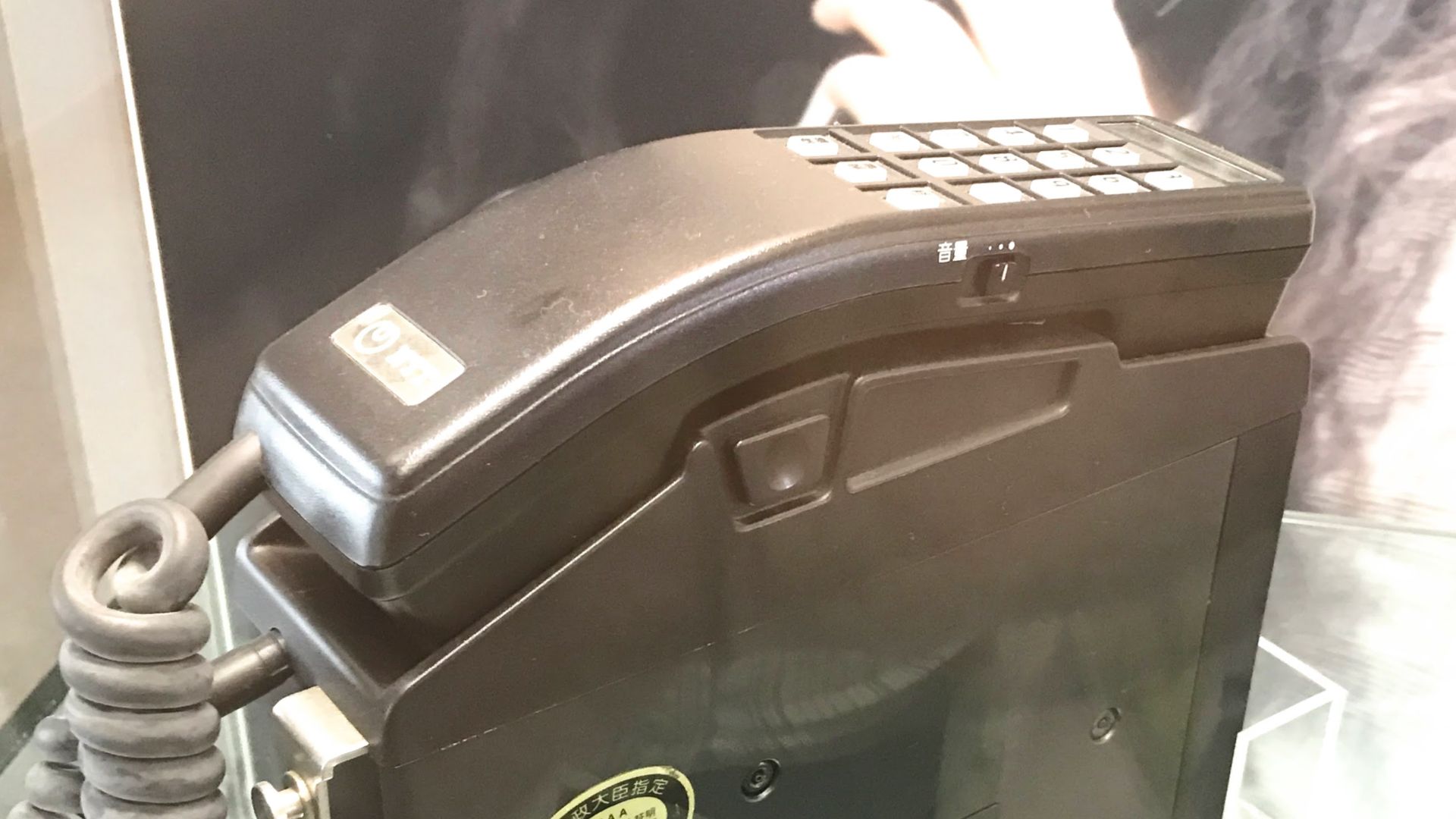
20. Car Phone
No, we don’t mean the AUX cord! Car phones were installed directly into vehicles and allowed drivers to make calls on the road. Kids everywhere lost their minds, even though they were large, expensive, and not designed to be portable outside the car.