
Does Human Value Still Matter?
Though frightening to think about, artificial intelligence is no longer a distant concept from science fiction; it's reshaping industries, automating tasks, and changing the way we work and create at an overwhelming pace. Whether you're a writer, designer, entrepreneur, or just someone trying to keep up, it's easy to wonder if human value still matters and where you fit in when machines can churn out content, code, art, music, ideas, and strategies in mere seconds. If you want to stay original and relevant in a world where it feels like AI is taking over, though, the key isn't competing with machines but learning to lean further into the things that make you distinctly human. Here are 20 ways to hold your ground and keep your edge.

1. Keep Sharpening Your Critical Thinking
AI can generate answers quickly, but it can't always tell you whether those answers are actually right, wrong, ethical, or appropriate for your specific situation. Critical thinking—the ability to question, evaluate, and reason through complex problems—is a skill that's becoming more valuable, not less, as AI-generated content floods every industry. Take time to practice it intentionally, whether that's through reading diverse perspectives, debating ideas, or simply asking "why" before you accept information at face value.

2. Invest in Your Emotional Intelligence
Machines can process data, but they don't feel empathy, read a room, or understand the nuanced dynamics of human relationships. Emotional intelligence, which includes self-awareness, empathy, and the ability to navigate social situations with care, is one of the hardest things to automate. Strengthening this skill makes you a better communicator, collaborator, and leader in ways no AI model can replicate.

3. Develop a Niche Area of Expertise
Broad, general knowledge is increasingly something AI can provide on demand, so your real value lies in going deep rather than wide. Pick a subject, industry, or skill set and become the person that others turn to when they need a true expert rather than a quick summary. That kind of deep, lived expertise, built through years of practice and real-world experience, carries a weight that AI tools and generated overviews simply don't.

4. Stay Curious and Keep Learning
One of the fastest ways to become irrelevant is to stop picking up new skills and knowledge once you feel comfortable in your role. The world is changing constantly, and the people who stay ahead are the ones who treat learning as an ongoing habit rather than something they finished in school. Take courses, attend workshops, read widely, and make it a point to understand emerging trends in your field before they become unavoidable.

5. Build Genuine Human Connections
Networking has always mattered, but it takes on a new dimension when so much of our communication is becoming automated or AI-assisted. Taking the time to build real, meaningful relationships sets you apart in a landscape that's increasingly impersonal. People still do business with, hire, and collaborate with people they trust and like.
 Priscilla Du Preez 🇨🇦 on Unsplash
6. Prioritize Original Creative Thinking
AI can remix and recombine existing ideas efficiently, but the spark of a truly original concept still comes from human experience, intuition, and perspective. Practice brainstorming without relying on AI tools as your starting point; let your own instincts and imagination lead first, then use technology to refine or execute. The more you exercise your creativity independently, the more distinct and valuable your ideas become.
 Startup Stock Photos on Pexels
7. Voice a Clear and Consistent Point of View
Anyone can present information, but having a strong perspective or way of looking at the world is something that takes human thought and experience to develop. Whether it's in your professional work, your content, or your conversations, sharing your actual opinion (not just a balanced, hedge-everything summary) makes you more memorable and more trusted.

8. Master the Art of Asking Better Questions
AI is only as useful as the prompts and problems you give it, which means your ability to ask sharp, well-framed questions is increasingly a core skill. The people who will get the most out of AI tools are those who can define problems precisely, identify what's missing from an answer, and push further rather than accepting the first response. Work on framing better questions in your daily work and conversations, and you'll naturally start thinking more strategically overall.

9. Embrace Collaboration Across Disciplines
Some of the most interesting and durable work comes from people who are willing to bring together ideas from completely different fields. Actively seek out collaborators who think differently from you, whether that's someone from a different industry, cultural background, or academic discipline. The ability to bridge different worlds and synthesize ideas from multiple sources is a deeply human capability that AI can't replicate the same way.

10. Protect and Practice Your Adaptability
The people who are thriving right now aren't necessarily the ones with the most credentials; they're often the ones who can pivot quickly when something isn't working. Adaptability means staying open to change, being willing to let go of outdated approaches, and finding ways to stay useful when the ground shifts beneath you. You can build this quality by regularly stepping outside your comfort zone and taking on challenges that force you to figure things out on the fly.

11. Be Transparent About Your Process
In a world where it's increasingly hard to tell what's been made by a human versus generated by a machine, being open about how you work builds trust in a way that's hard to manufacture. Share your thinking, show your drafts, and let people see the effort and intention behind your output rather than just the pretty, polished final product.

12. Lean Into Lived Experience
There's no database of what it actually feels like to have gone through something yourself, which means your personal experiences are a creative and professional resource that no AI has access to. Whether you're writing, speaking, advising, or designing, drawing from what you've actually lived through adds a layer of specificity and honesty that stands out. Don't underestimate how much your unique history and perspective bring to the table.

13. Take Your Digital Presence Seriously
How you show up online matters more than ever when so much of professional life happens through screens and searches. Invest time in making sure your portfolio, social media presence, or professional profiles reflect who you actually are and what you're capable of, not just a generic list of skills. A strong, well-maintained digital presence tells people something about your professionalism and how seriously you take your work.
14. Contribute to Your Community
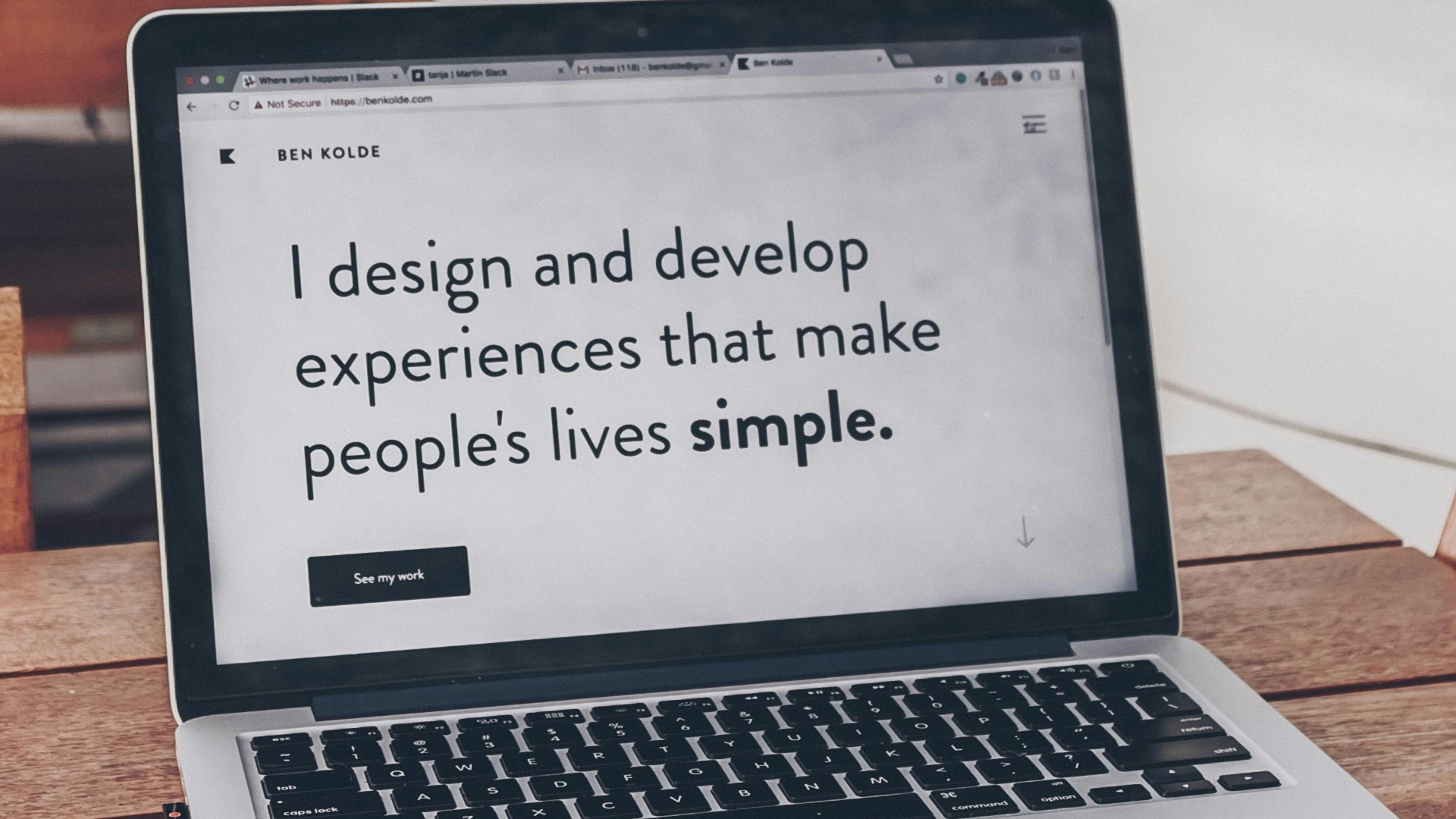
Being active in professional or local communities keeps you visible, connected, and informed in ways that no amount of online browsing can fully replace. Attend industry events, contribute to forums, mentor others, or volunteer your skills where they can make a difference. These kinds of contributions build your reputation organically and keep you plugged into conversations and opportunities that you'd otherwise miss entirely.
15. Practice Ethical Decision-Making
As AI starts making its way into more decisions that affect people's lives, the humans overseeing those systems will need to be especially thoughtful about fairness, accountability, and impact. Developing a strong ethical framework positions you as someone who can be trusted in high-stakes situations. That credibility takes time to build, but it's one of the most durable professional assets you can have.

16. Develop a Strong Understanding of Technology
You don't need to become a software engineer, but having at least a working understanding of how AI and other emerging technologies function puts you in a much stronger position than those who treat it all as a black box. Understanding the basics helps you use tools more effectively, spot their limitations, and participate meaningfully in decisions about how they're implemented.

17. Cultivate a Strong Work Ethic
It's tempting to hand everything off to AI tools and call it done, but the people who are building lasting reputations are still the ones who care deeply about the quality of their work. Paying close attention to accuracy, craft, and follow-through, even when shortcuts are available, signals a standard that others notice and respect. The willingness to do the harder, slower version of something when it matters most is still a quality that sets people apart.

18. Stay Informed About AI's Role in Your Industry
Every field is being touched by AI in different ways, and the worst thing you can do is ignore what's happening in yours until it's too late to adapt. Make it a point to regularly read about how AI is being adopted in your specific profession, who it's displacing, and where new opportunities are opening up as a result. That kind of awareness lets you position yourself proactively rather than scrambling to catch up after the fact.

19. Own Your Mistakes and Keep Improving
AI can't self-reflect, but you can. You're not a machine that needs more training data to be fed into it; you're someone who knows how to learn and adapt and understand what to do to improve. Take advantage of that capability and use it to leverage yourself within your industry or niche instead of relying on tools that can't do half of what the human mind can.
20. Remember That Being Human Is Still an Advantage
Empathy, judgment, humor, restraint, social awareness, and emotional timing still matter more than many people admit. After all, it's those qualities that influence leadership, creativity, communication, and trust in ways that automated systems still can't fully reproduce. Instead of trying to compete with machines, it's more valuable to develop and hone traits that technological tools can't so easily replicate. Just being human already gives you an edge.