10 Reasons Star Wars Fans Hate The Prequels & 10 Reasons They’re Finally Coming Around
10 Reasons Star Wars Fans Hate The Prequels & 10 Reasons They’re Finally Coming Around
How Time Changed The Conversation
The Star Wars prequels landed with a weight no movies could realistically carry. They were asked to explain a cultural myth, satisfy decades of imagination, and live up to films that had already rewired popular storytelling. What fans got instead felt unfamiliar, overly polished, and emotionally distant, especially to those who grew up with the original trilogy on VHS. For years, disappointment hardened into consensus, reinforced by memes, edits, and endless debates about what went wrong. What follows are ten reasons the prequels earned that backlash, and ten reasons that same audience is slowly rethinking them.

1. The Dialogue Felt Stiff And Unnatural
Lines about sand and destiny became shorthand for everything people disliked. Conversations often sounded formal or flat, even during emotional moments. Fans used to the looser rhythm of Han Solo struggled with this tone.
 Agnieszka Stankiewicz on Unsplash
2. Characters Were Emotionally Distant
Anakin, Padmé, and the Jedi Council often felt reserved to the point of detachment. Emotional beats landed intellectually rather than viscerally. This made it harder to connect, especially during pivotal turns.
3. Overuse Of CGI
The prequels arrived at the dawn of digital filmmaking excess. Sets, creatures, and environments leaned heavily on green screens. Many fans missed the tactile feel of models and real locations from the original trilogy.
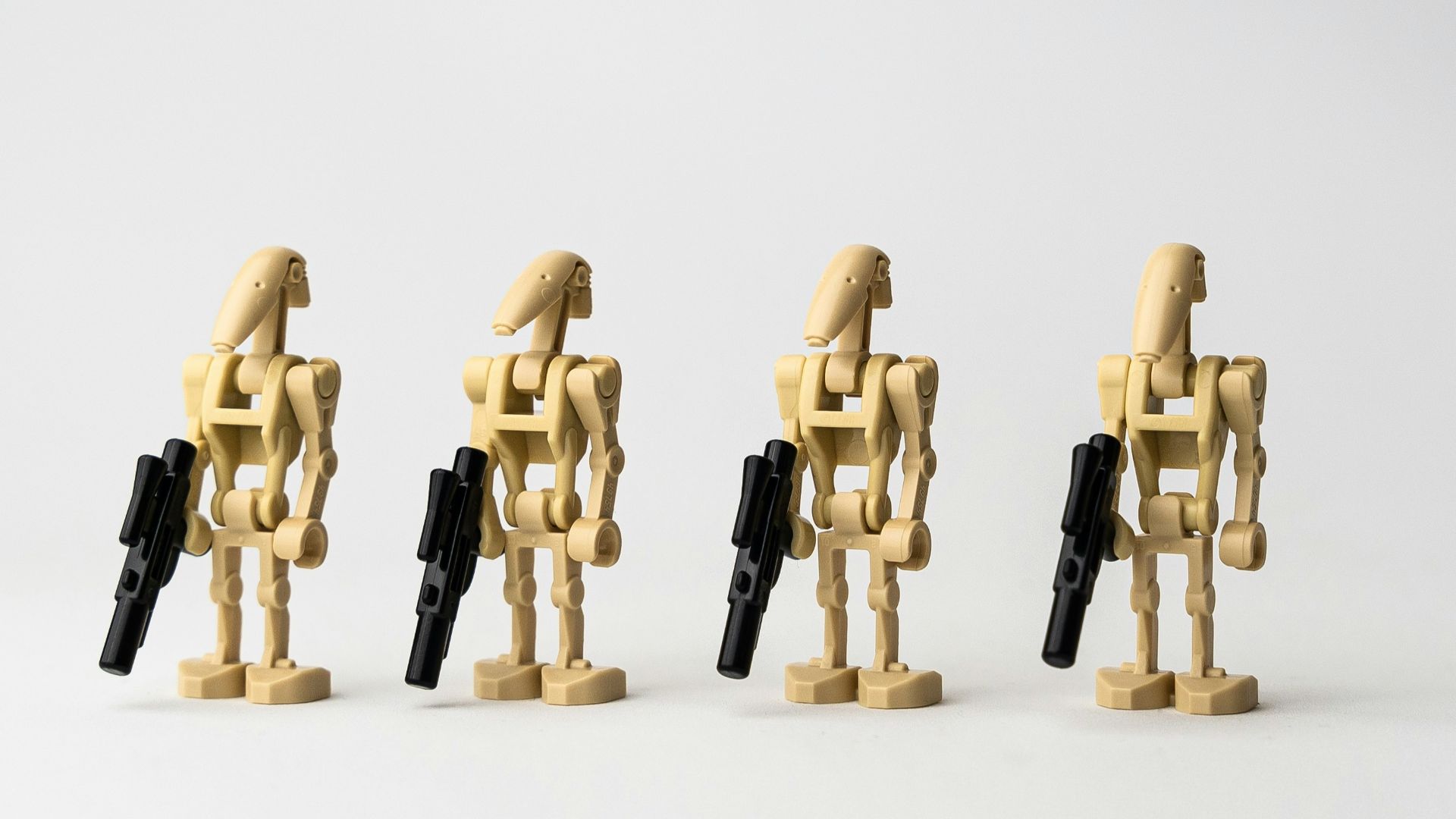
4. Anakin’s Arc Felt Rushed
The fall of Anakin Skywalker was supposed to be tragic and inevitable. Instead, it often felt abrupt, especially in Revenge of the Sith. The emotional groundwork seemed thinner than the story demanded.
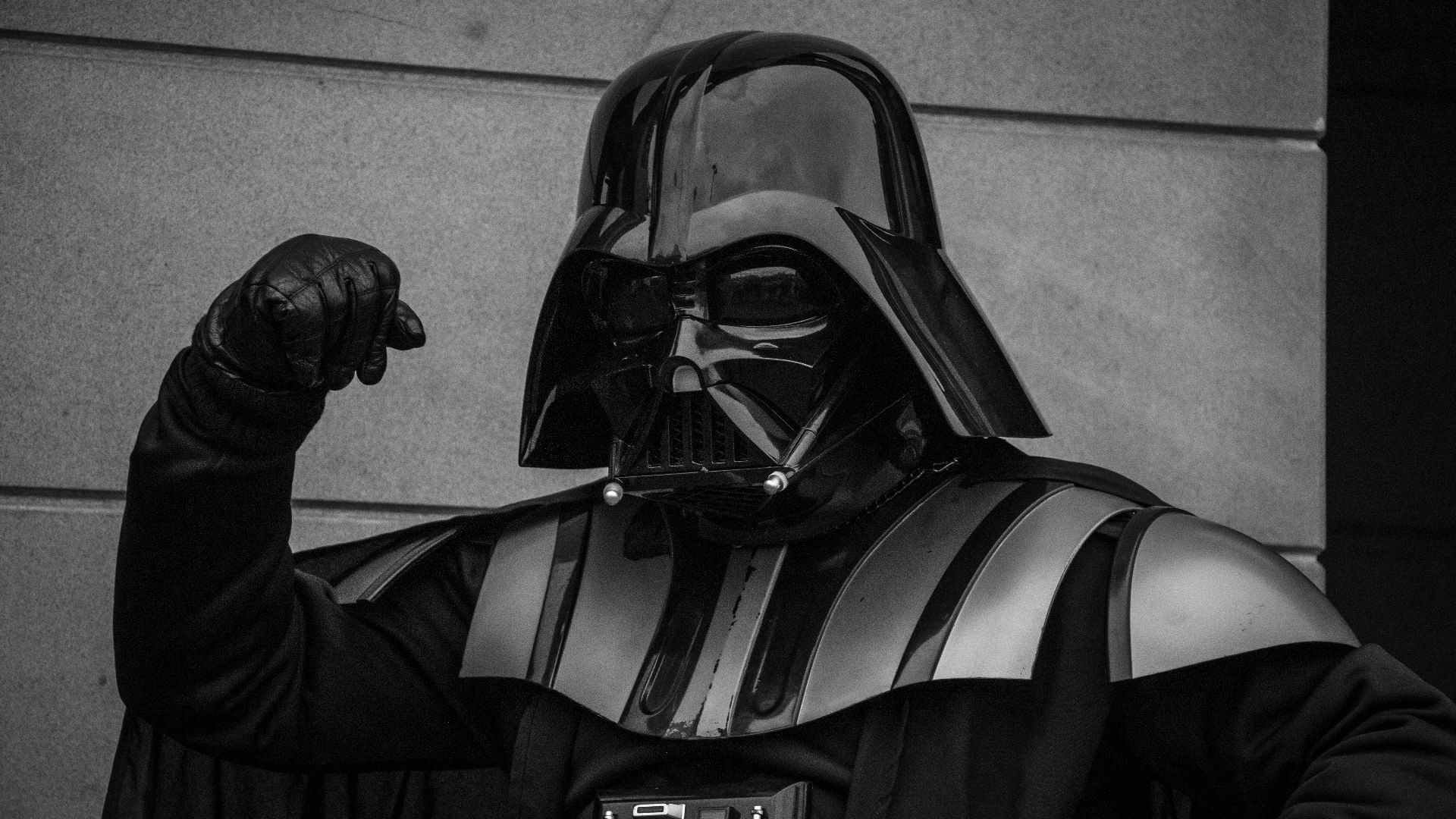
5. Jar Jar Binks Became A Flashpoint
Jar Jar was designed as comic relief but quickly became divisive. His slapstick style clashed with the saga’s darker themes. For many viewers, he symbolized tonal confusion.
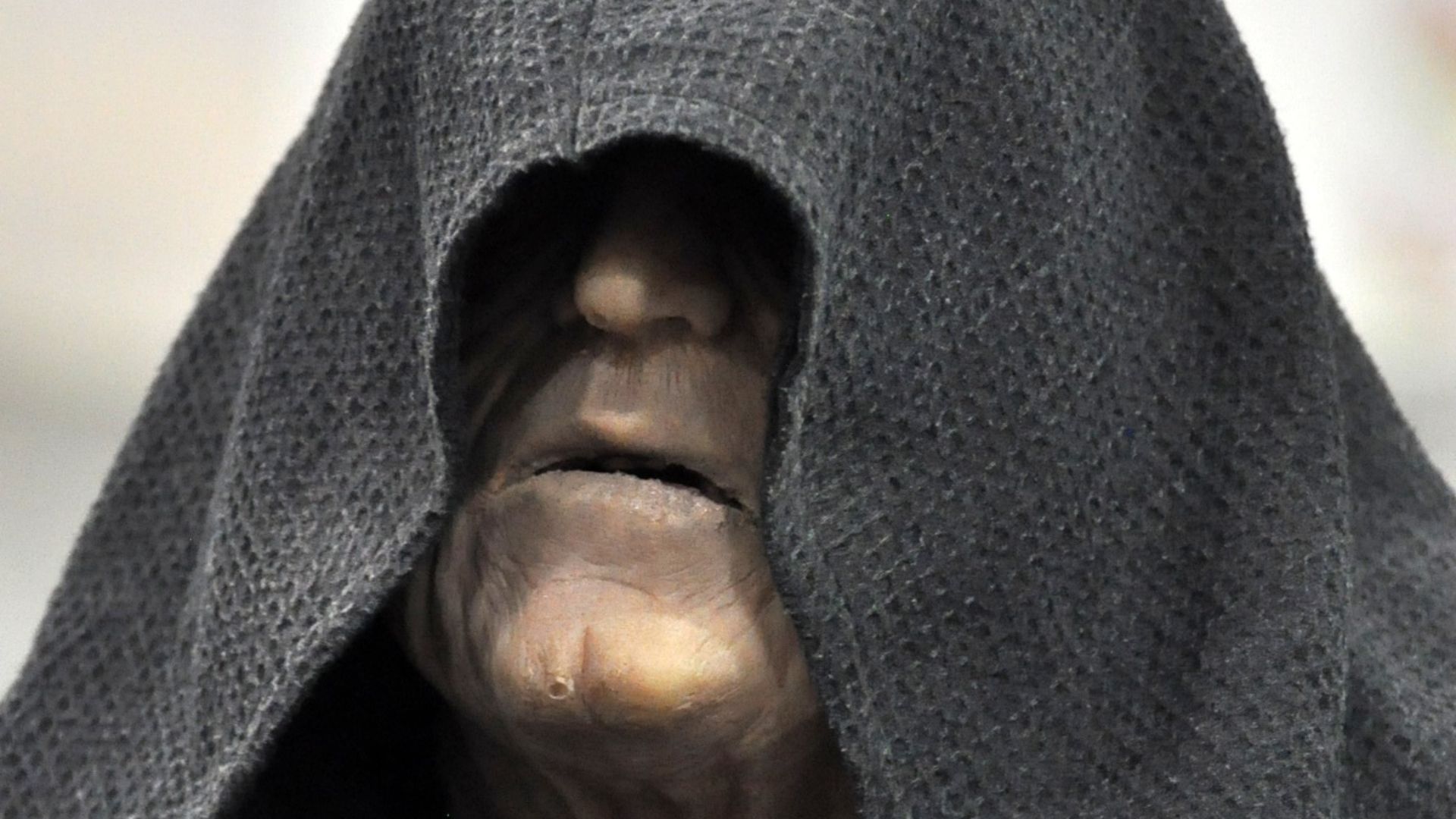
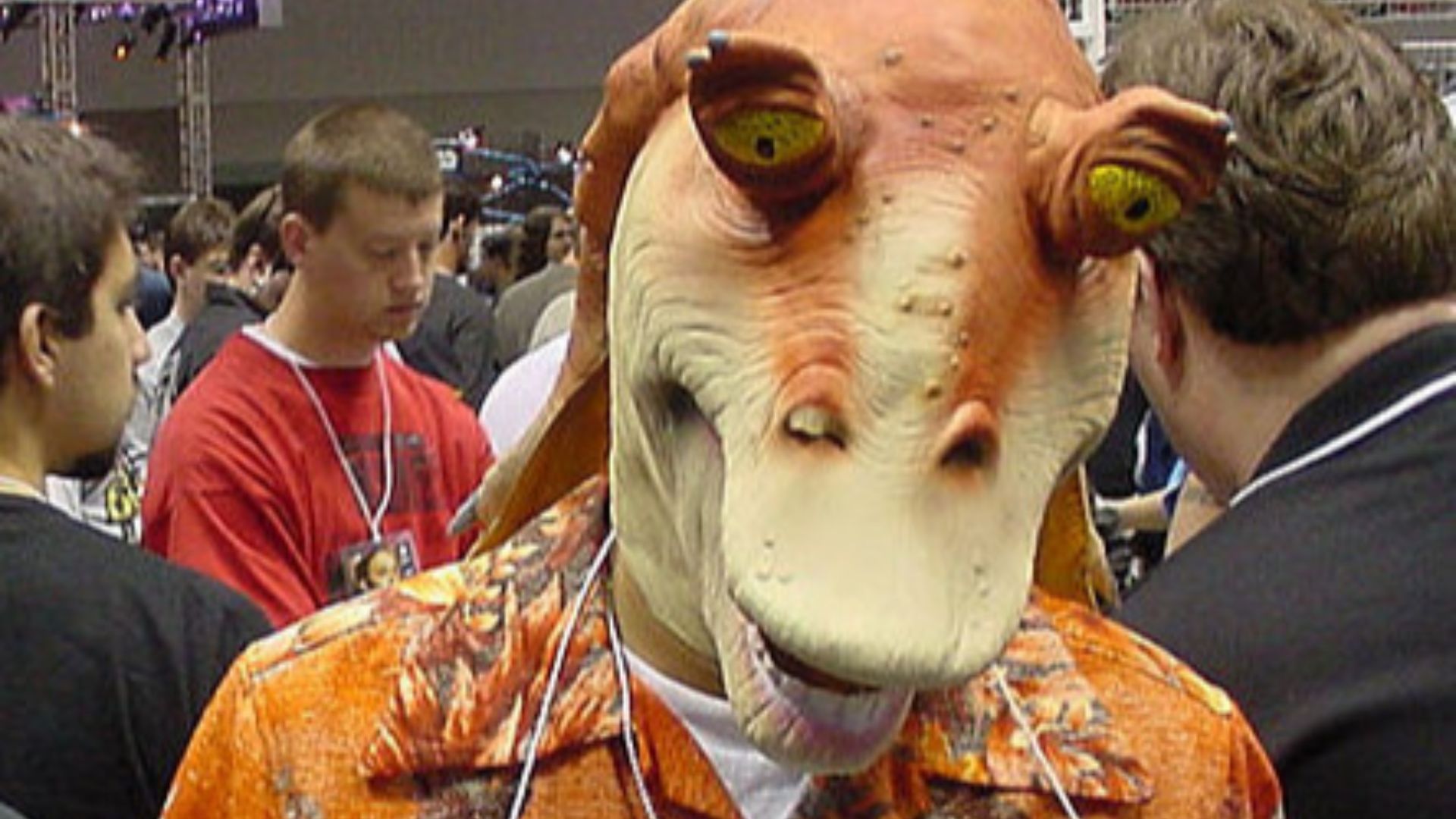 The Conmunity - Pop Culture Geek from Los Angeles, CA, USA on Wikimedia
6. The Politics Were Dense
Trade disputes and senate procedures dominated large portions of the story. Younger audiences found it dull, and older fans found it heavy-handed. The mythic simplicity of rebels versus empire felt lost.
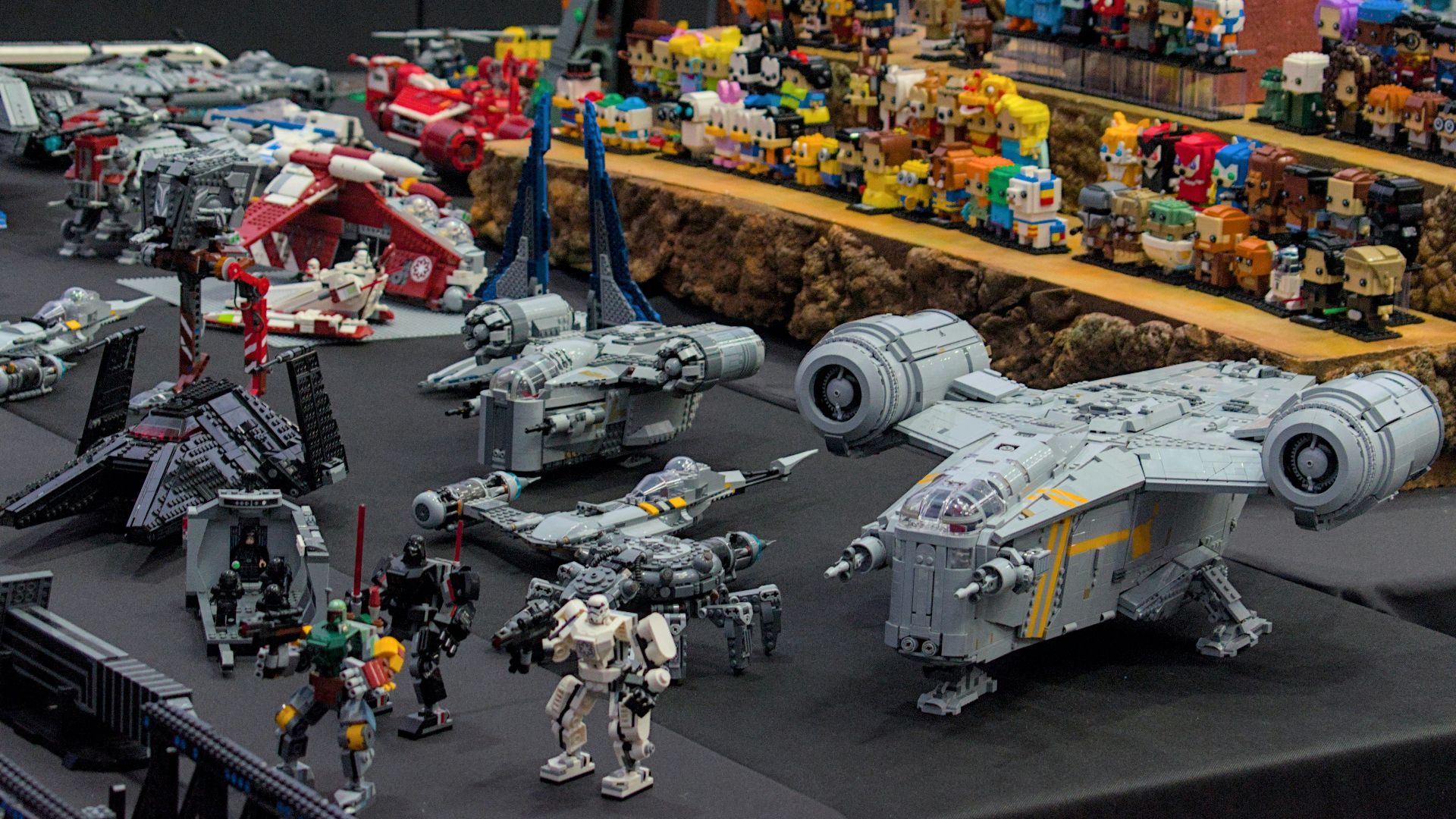
7. The Jedi Were Portrayed As Ineffective
Fans expected wise guardians of peace. Instead, the Jedi appeared bureaucratic and shortsighted. This portrayal challenged long-held assumptions in uncomfortable ways.
8. Pacing Issues
The films alternated between long exposition and sudden action. Emotional momentum often stalled. Viewers felt the movies struggled to find a consistent rhythm.
9. Expectations Were Unrealistically High
Years of speculation filled in gaps with personal headcanon. No single vision could satisfy all of it. Disappointment was baked in before opening night.
10. They Followed Beloved Classics
The original trilogy benefited from novelty and timing. The prequels were measured against nostalgia rather than contemporaries. That comparison rarely felt fair.
Years later, something unexpected started happening as distance softened edges and context filled gaps.
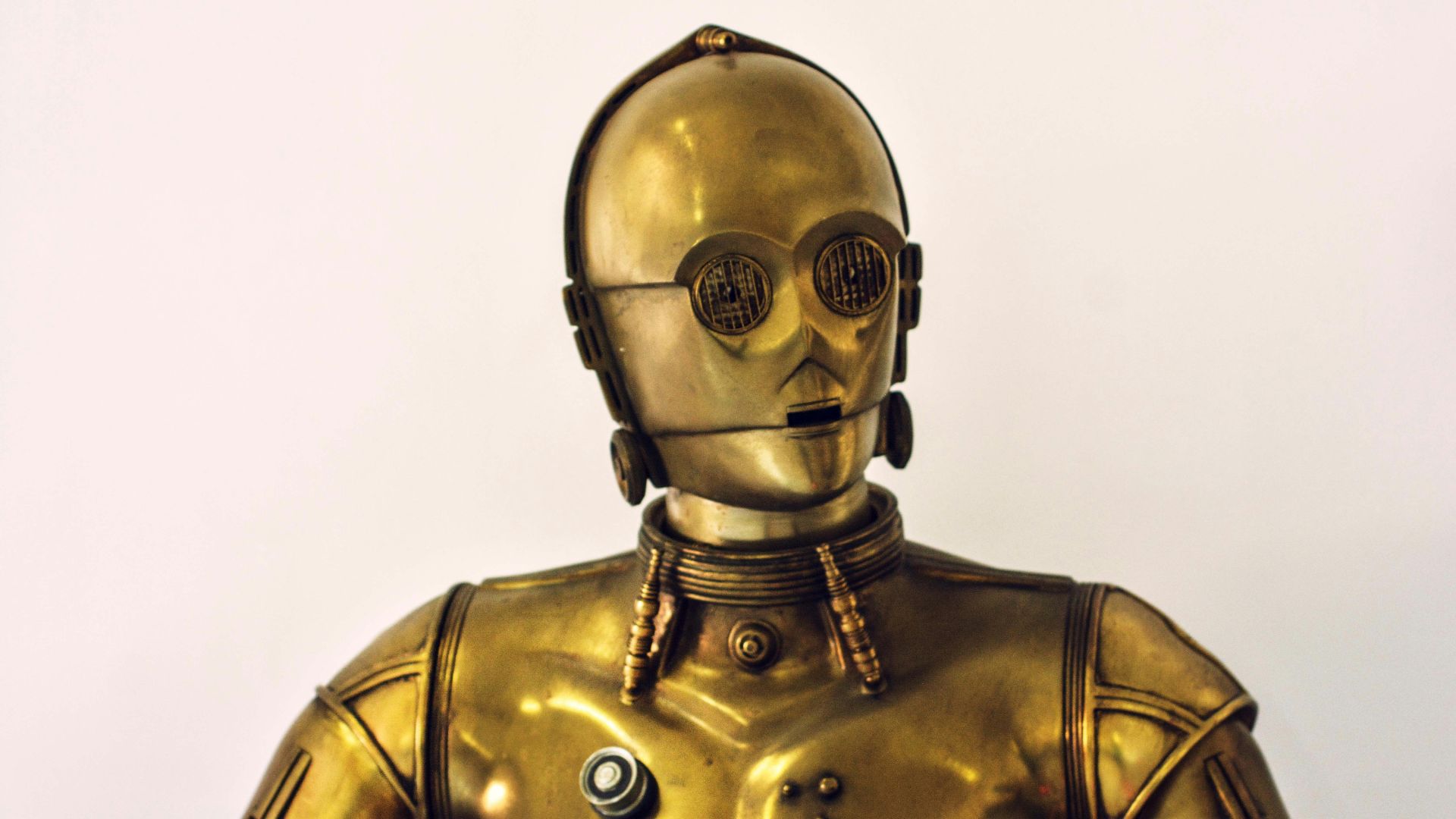
1. The World-Building Holds Up
The prequels expanded the galaxy in meaningful ways. Planets like Coruscant and Naboo felt distinct and lived-in. This depth influenced decades of expanded media.
 Lyman Hansel Gerona on Unsplash
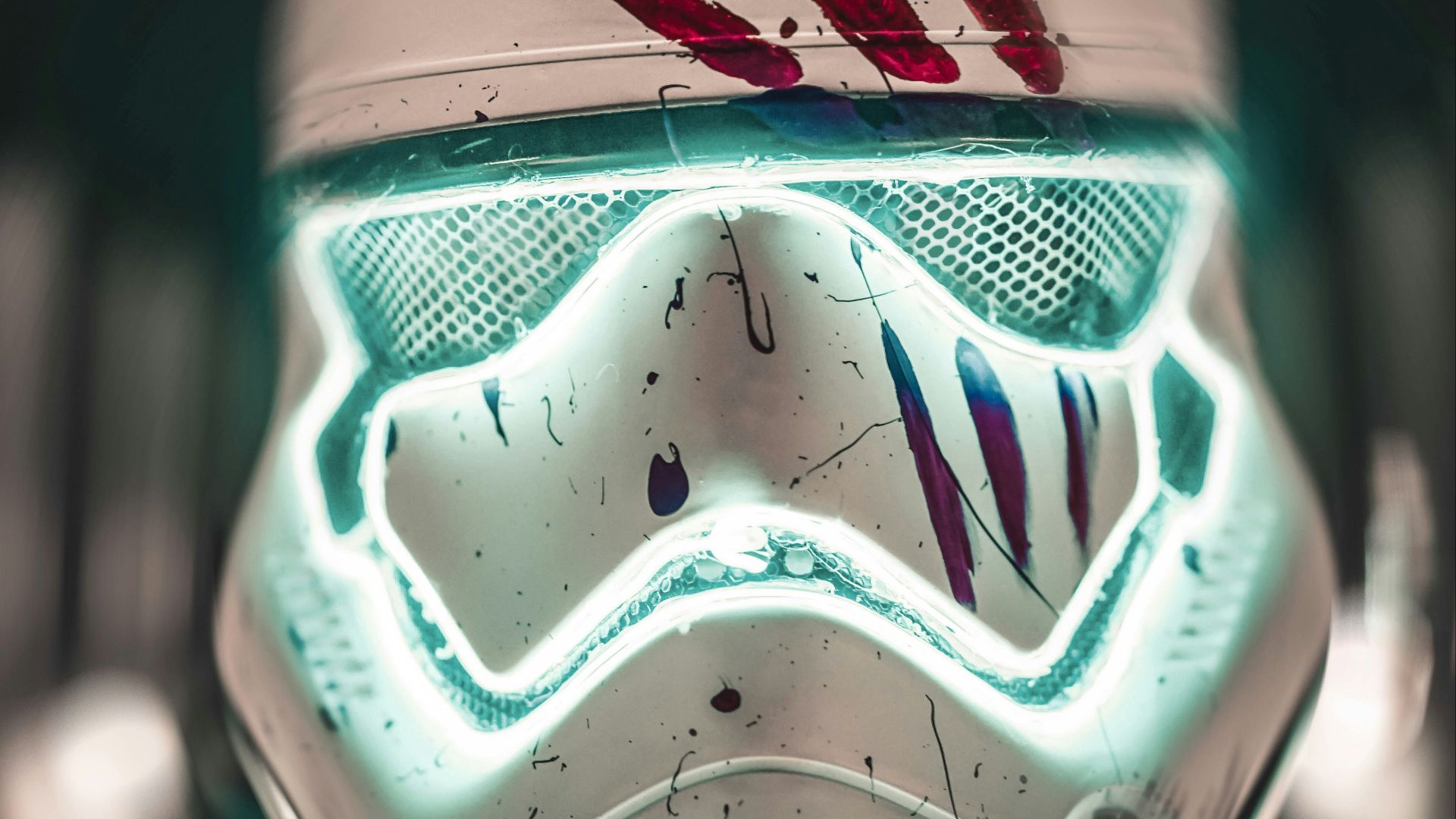
2. Themes Feel Clearer With Time
The story of institutional decay and fear-driven politics resonates more now. George Lucas drew heavily from historical republics sliding into authoritarianism. That allegory feels less abstract with age.
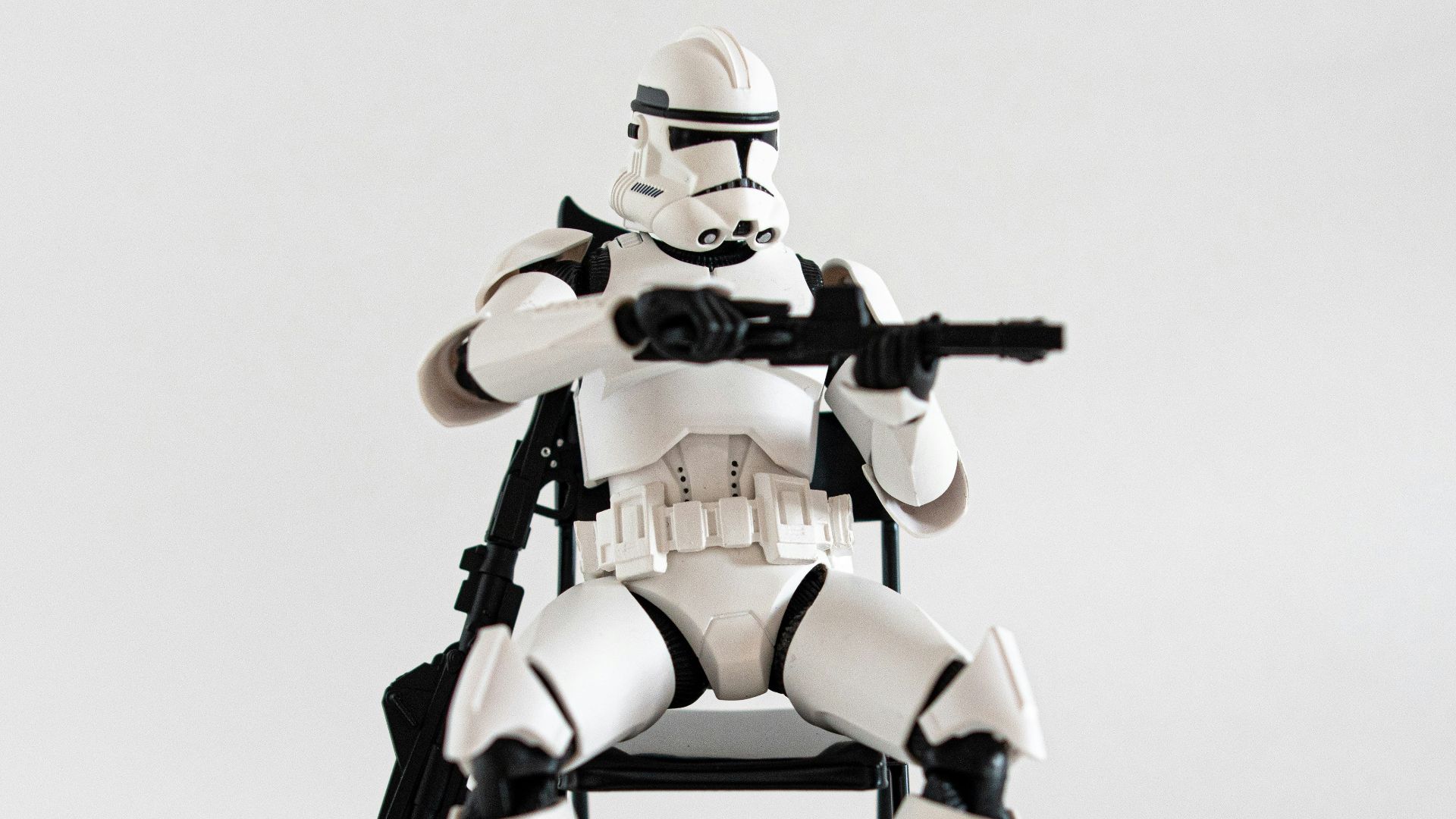
3. The Clone Wars Reframed Everything
The animated series added emotional weight and nuance. Characters gained depth, especially Anakin and the Jedi Order. Many fans credit it with retroactively strengthening the films.
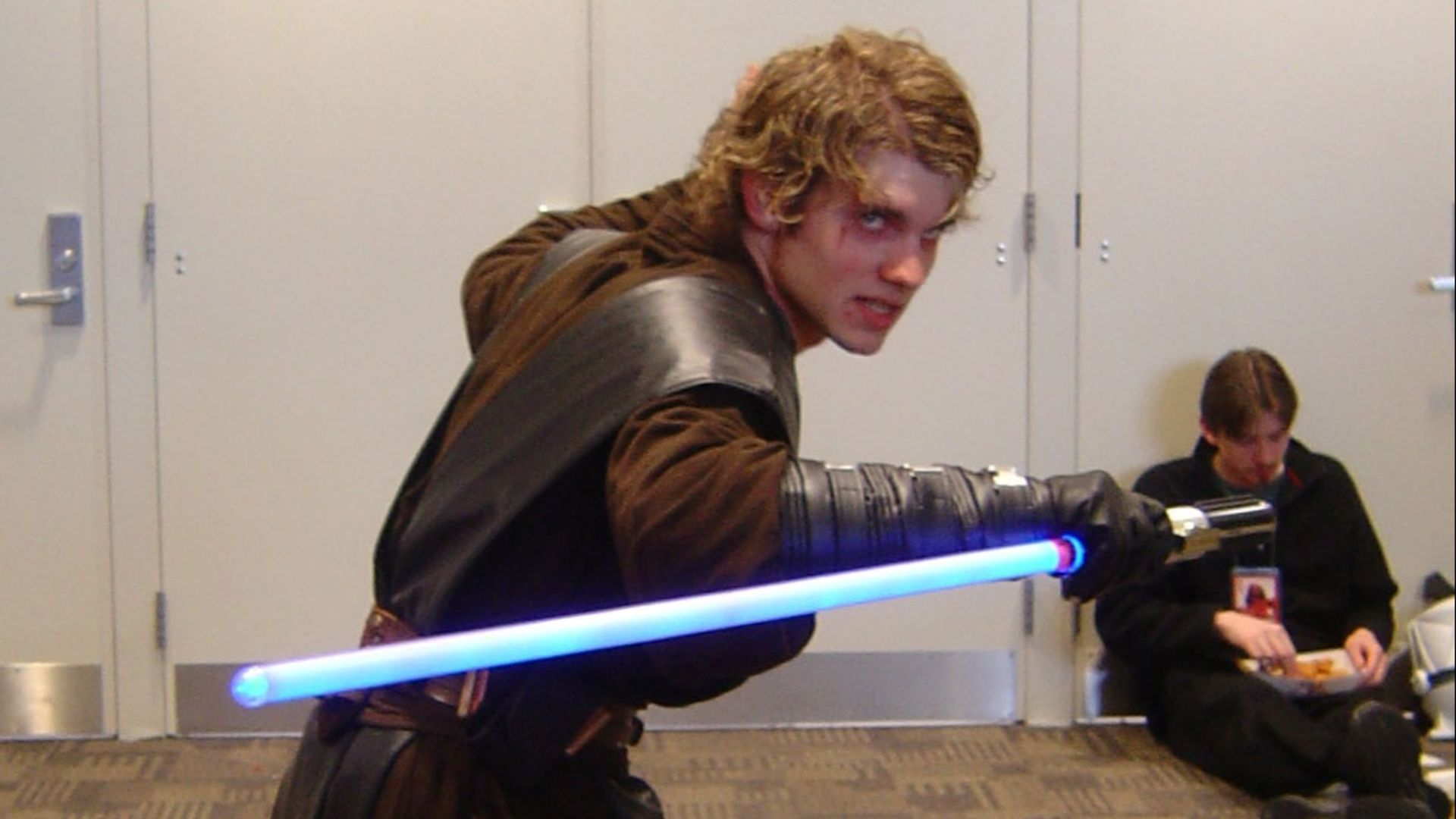
4. The Tragedy Lands Better In Retrospect
Knowing where the story ends changes how it plays. Anakin’s stiffness reads as repression rather than poor writing to some viewers. The inevitability becomes part of the point.
 popculturegeek.com from Los Angeles, CA, USA on Wikimedia
5. Visual Ambition Aged Better Than Expected
While early CGI dates the films, their imagination remains bold. Designs influenced modern sci-fi aesthetics across film and television. The ambition feels sincere rather than cynical.
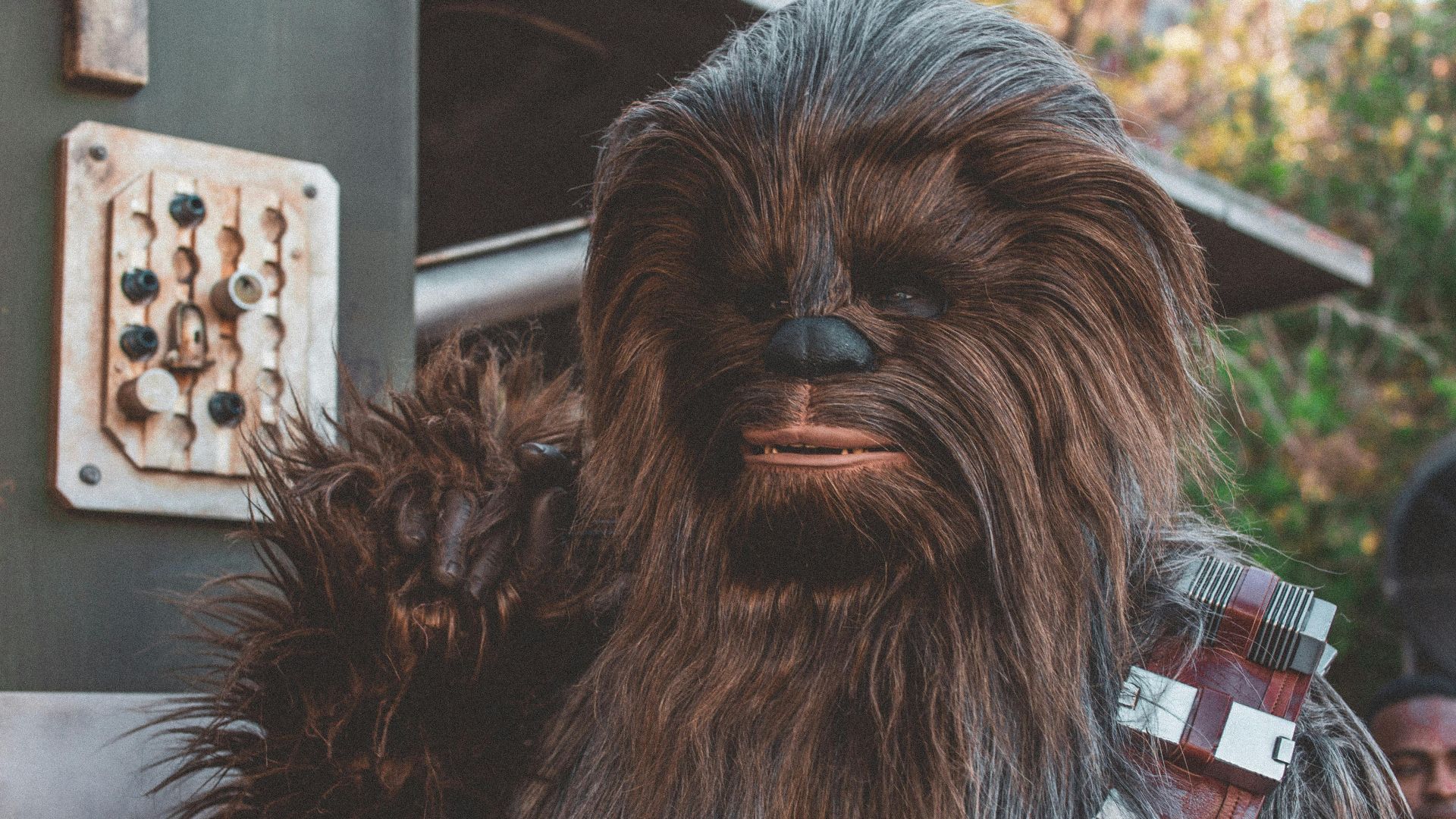
6. Performances Are Reconsidered
Actors like Hayden Christensen faced intense criticism. Over time, many fans recognize the constraints they worked under. Later projects helped recontextualize those performances.
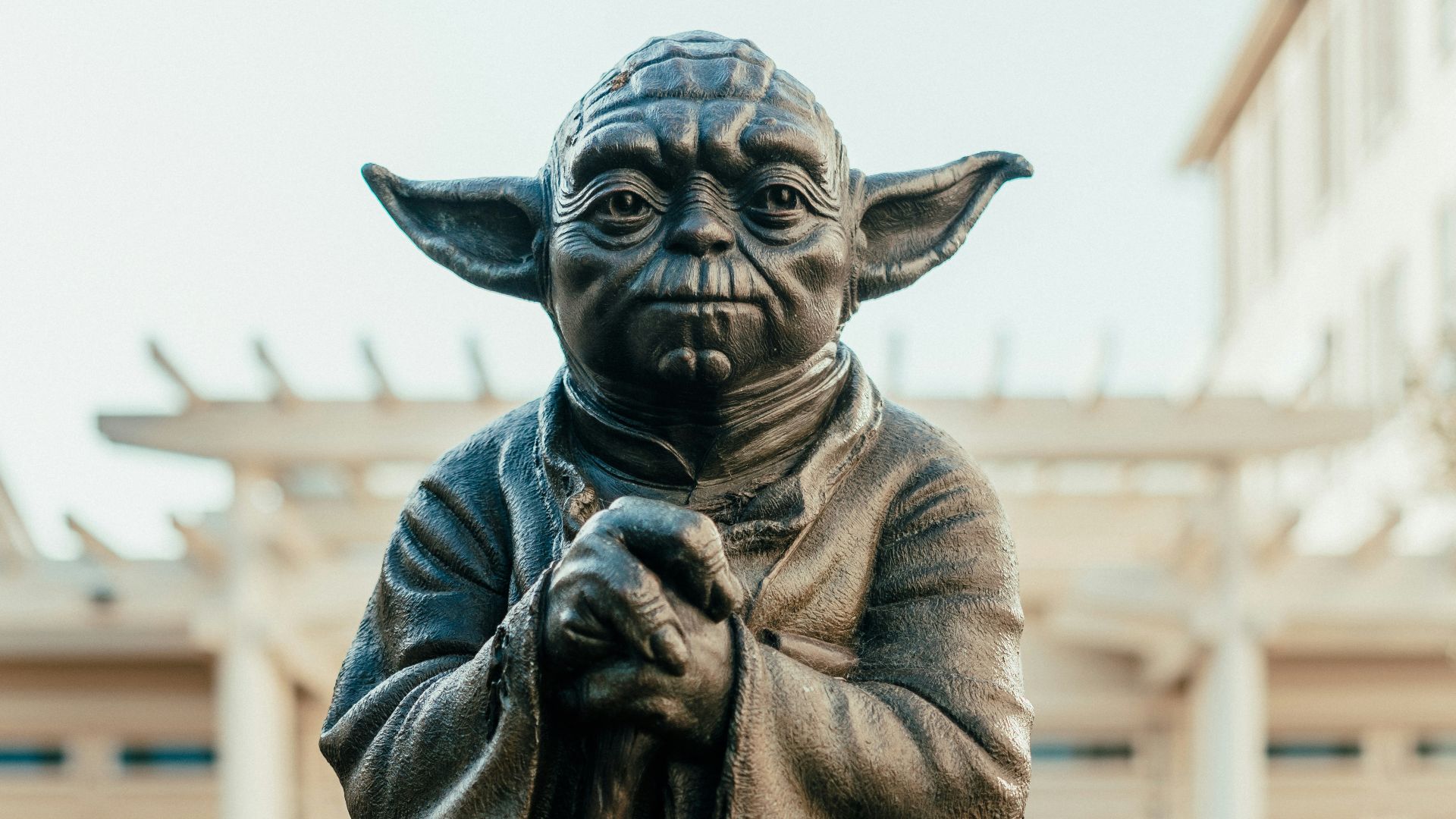
7. They Feel Authored
The prequels reflect a singular creative vision. That consistency stands out compared to more fragmented franchises. Fans now value that coherence more than polish.
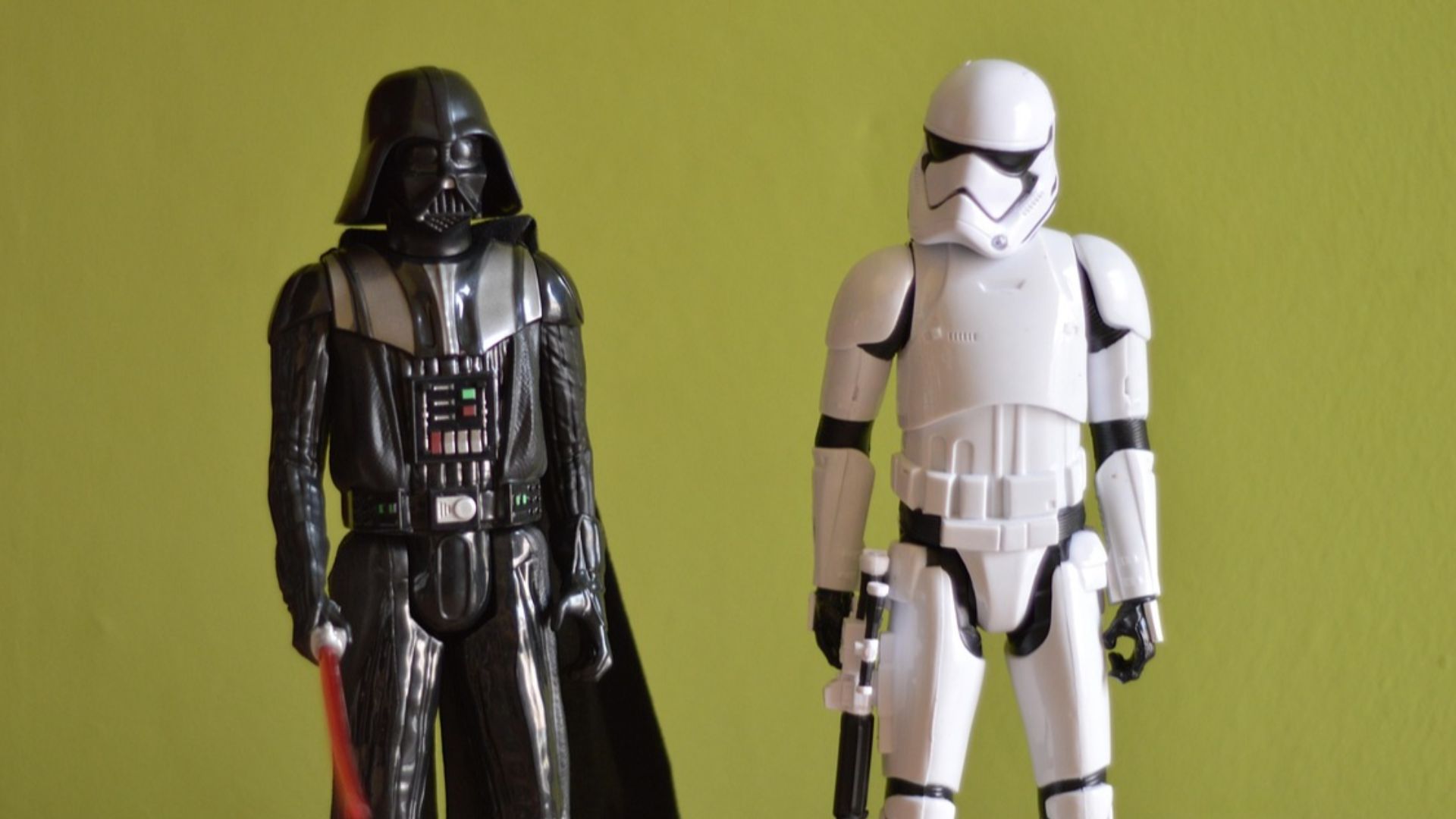
8. Memes Turned Into Affection
What was once mockery evolved into communal humor. Quotes became shared language rather than punchlines. Irony softened into appreciation.
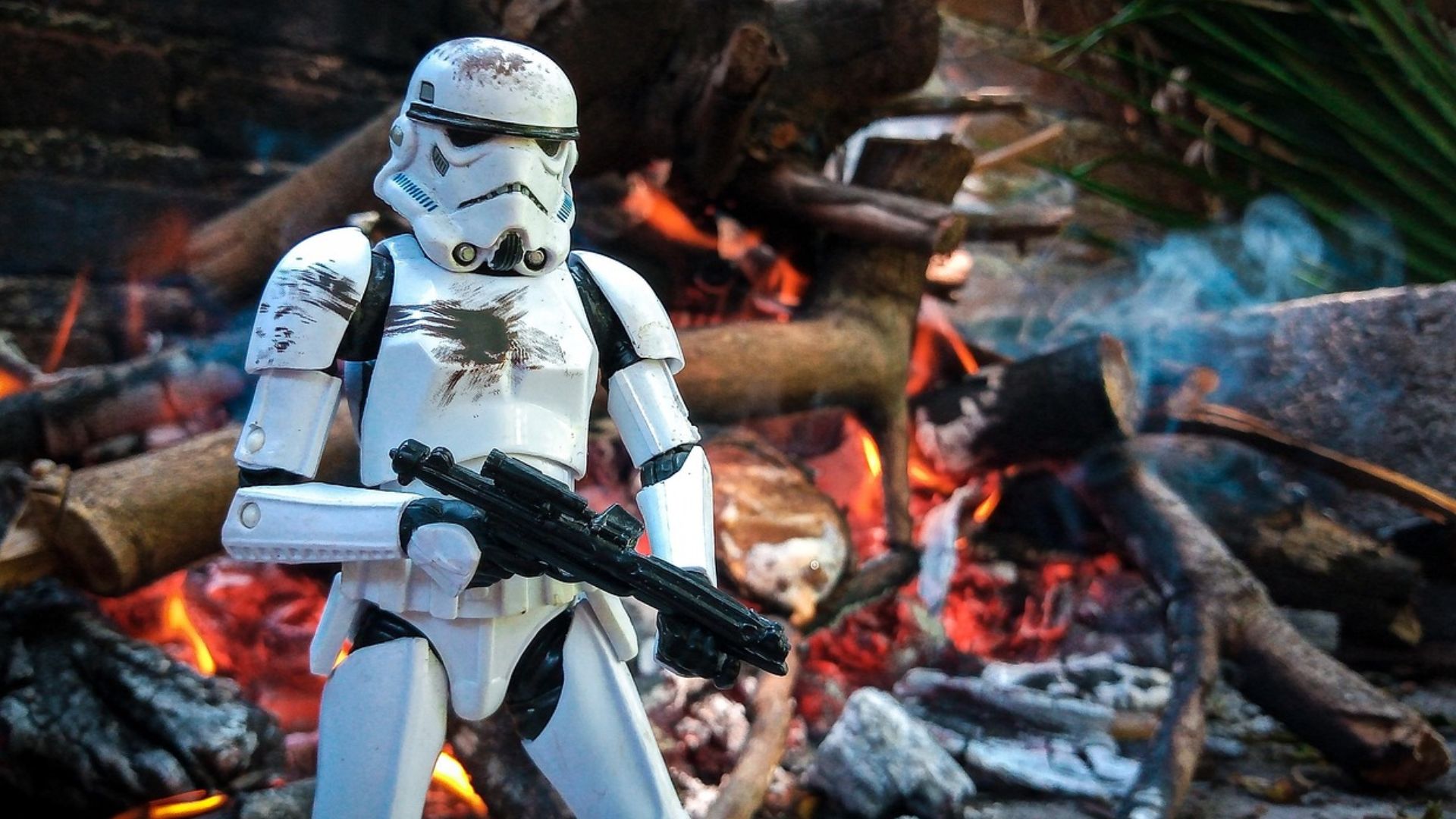
9. A New Generation Grew Up With Them
For many viewers, the prequels were their Star Wars. Nostalgia works in cycles, and this one came due. Emotional attachment reframed critical distance.
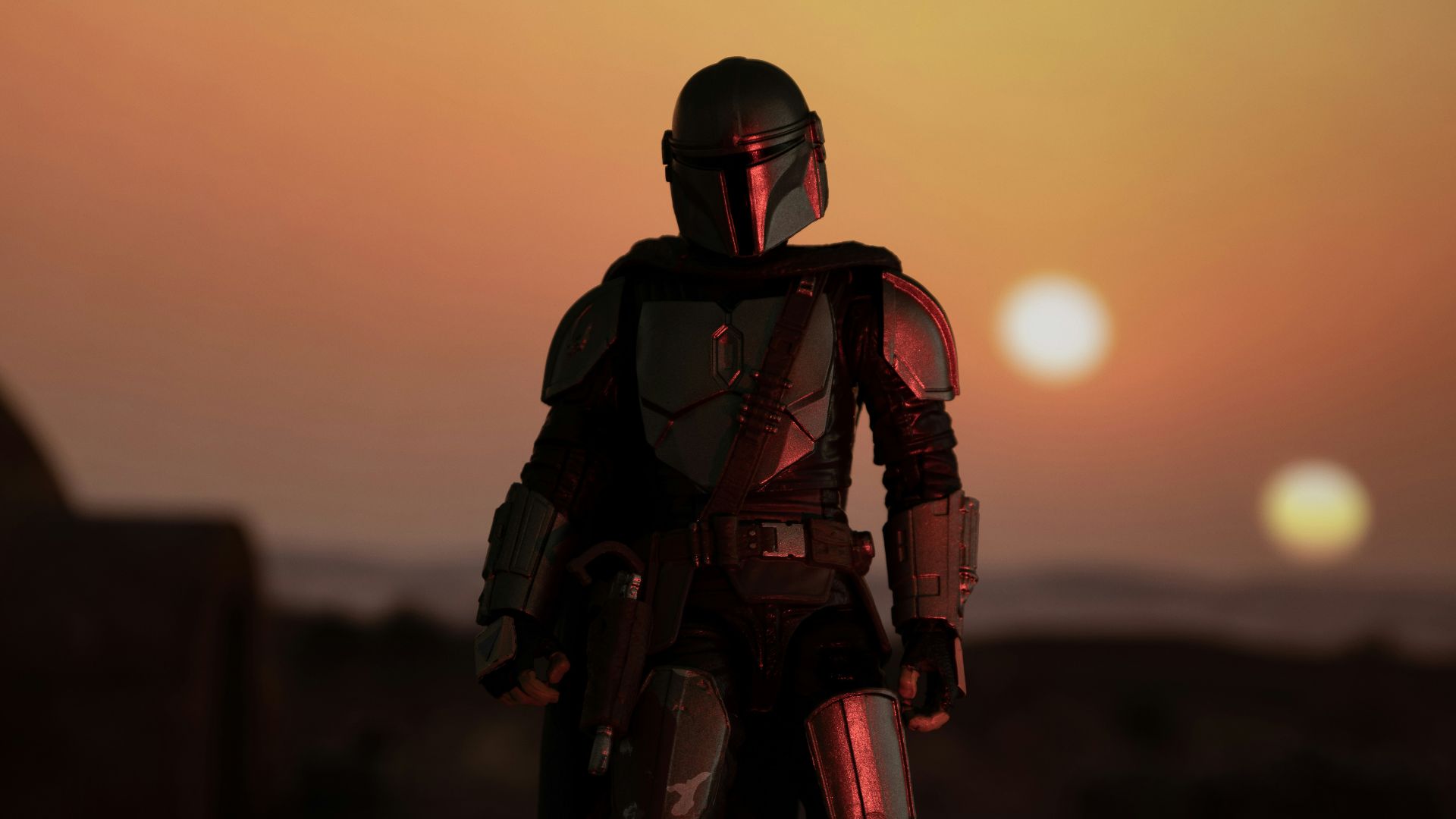
10. Later Films Shifted The Baseline
The sequel trilogy reignited debates about planning and vision. In comparison, the prequels felt more cohesive. Time changed the reference point.