
Leveling Up Your Mind
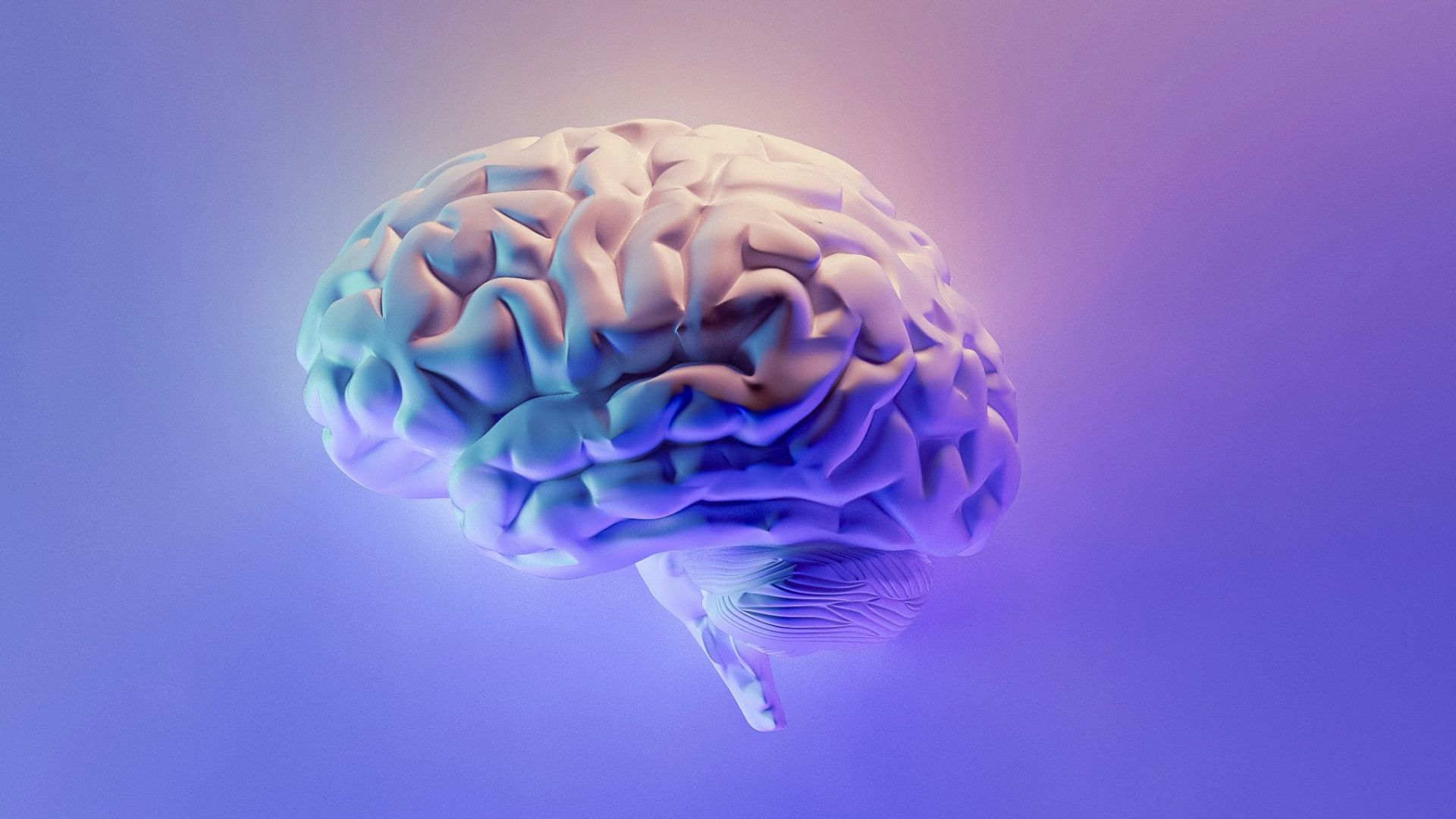
For decades, people worried that staring at a screen for hours would turn their brains into mush. In reality, it turns out that gaming is a high-intensity workout for your mind that can physically alter the structure of your neural pathways. With that in mind, here are 20 interesting ways gaming impacts your brain and cognitive health.

1. Boosting Spatial Navigation Skills
Whether it's Grand Theft Auto V or Skyrim, open-world games will have you exploring massive environments. Since there's no Google Maps to rely on, you'll learn to remember where everything is located through trial and error. Your brain's hippocampus grows since you are frequently using your "physical" navigation skills.
2. Enhancing Fine Motor Control
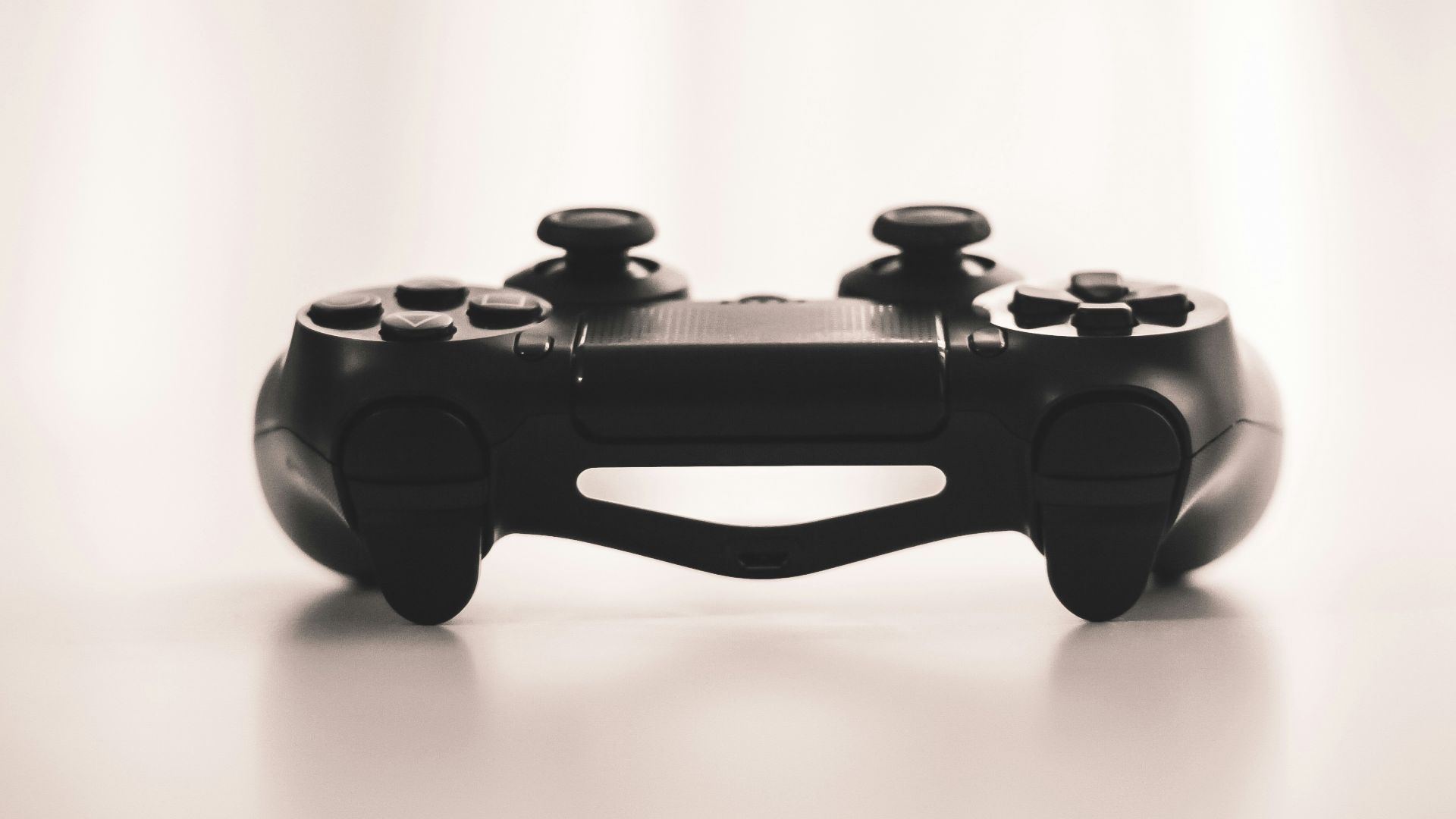
Perfecting your craft in games will teach your fingers how to properly react based on what your eyes are seeing. Your motor cortex develops since your brain is making micro-corrections each time you play. Surgeons actually play games to improve their hand-eye coordination before performing crucial surgeries.
3. Improving Selective Attention
Whether you're searching for prey in Hunt: Showdown or looking for enemies in battle royale games, scanning your environment is key. Learning to lock onto that one target requires intense focus and a keen eye for detail. Action games help you tune out distractions and apply 100% of your concentration to the task at hand.
 Stefano Bucciarelli on Unsplash
4. Increasing Gray Matter Density
Your brain actually becomes thicker by learning new skills and keeping your mind active. Multiple studies have shown that gaming improves the gray matter found in your cerebral cortex. Think of it this way: your brain is growing because you're teaching it new tricks.
5. Speeding Up Decision-Making
There's no room for error when enemies are in every corner. Whether you're downing your opponent in Call of Duty or catching up to that Ferrari in Need for Speed, reflexes are everything. You learn to make split-second decisions based on very little information since games often require millisecond reactions.

6. Sharpening Multitasking Abilities
Strategy games often require you to manage resources, track enemy movements, and build structures all at the exact same time. This high-level management switches your brain's "executive function" into overdrive, teaching it how to jump between different tasks without losing track of the big picture. Your brain will learn to switch tasks quickly without losing focus.
 Nikita Kachanovsky on Unsplash
7. Expanding Visual Acuity
Whether you're hunting Vikings in Hunt: Showdown or searching for treasure in Tomb Raider, you learn to spot any little anomaly. Games can actually improve your vision by strengthening the connections between your brain and eyes. Your brain becomes quick at processing visual details around you.
8. Developing Better Problem-Solving Logic
The moment you start playing games that don't instantly solve your problems for you, your brain expands. Whether you're playing through a crate puzzle in The Legend of Zelda or surviving horror games like Amnesia, you learn to think tactically to survive. Your prefrontal cortex creates new workarounds every time you're faced with a challenge.
9. Strengthening Working Memory
Keeping track of a complex storyline, various character stats, and your current quest objectives is a massive workout for your short-term memory. Your brain will learn to adapt to storing bits of information and retrieve them when necessary. The more you play, the better your memory will become at organizing data for future use.

10. Managing Stress Responses
Have you ever finished a fight scene in a game feeling relaxed? That's because your brain is trained to release adrenaline and cortisol while under "stress." Gaming teaches you to keep your cool when things get tough, which translates to your everyday life.
11. Fostering Social Cognition
MMOs and online games can help you understand other human beings. You have to pay close attention to what your teammates are saying via headsets and chat boxes to complete tasks. You'll learn how to sympathize and work with all different kinds of people to achieve victory.

12. Slowing Down Brain Aging
Games like crossword puzzles give your brain a workout that can prevent age-related mental decline. The more you learn in-game rules, the more your mind will continue to adapt to new information. You could be playing yourself a huge favor that keeps your mind sharp as you age.
13. Encouraging Persistence and Resilience
Video games are one of the few places where "failure" is just a normal part of the learning process. Your brain gets used to not giving up when you're having fun, so you'll do the same in real life. Whether you want to learn a new sport or play an instrument, perseverance will help you succeed.
14. Improving Reading Speed
Someone who plays a lot of video games is used to scanning through text boxes and subtitles. Your brain will pick up on words fast, so you don't miss important details during gameplay. Kids and foreign-language learners can benefit greatly from gaming in their spare time.

15. Boosting Creativity
People who play Minecraft can unleash their creative side by building literally anything they can imagine. Gaming allows your brain to visualize things that don't exist in the real world. Who knows? You might come up with the next big idea while designing your dream house.
16. Tuning Temporal Processing
Gaming can help kids and adults keep a steady beat. Your brain will learn to process time faster, so you can meet the speed of the game. This improved sense of "time" can help with everything from learning a musical instrument to having a better flow in your speech.
17. Reducing Impulsivity
Instead of just rushing in and starting a fight blindly, some games teach you to be patient. Your brain will learn not to be so impulsive by rewarding you if you wait for the perfect time to strike. You learn to think tactically about your actions instead of just hoping for the best.
18. Enhancing Pattern Recognition
Learning how to dodge opponents' attacks or examining your environment for clues are all examples of pattern recognition. Your brain will become quite skilled at noticing specific patterns and designing strategies around them. Whether you intend to be a programmer or just casually play games, pattern recognition can benefit you.
19. Regulating Mood and Dopamine
Finishing a game or winning a battle grants you a sense of accomplishment. Your brain releases dopamine, which makes you feel happy and more likely to play another round. Playing video games can teach your brain to regulate dopamine levels.
20. Promoting Lifelong Learning
You never stop gaining new experiences when you play video games. Your brain is always in a learning state when you play, which can help you stay young-minded. Never stop playing games, and your brain will treat you kindly for the rest of your life.