10 Fantasy Creatures The Author Totally Made Up & 10 That Have Ancient Origins
From Modern Minds to Timeless Myths
Fantasy creatures come from two very different places: a modern author’s imagination or as part of humanity’s oldest stories. Some writers invent entirely new beings to fit their worlds, while others borrow creatures that have already survived centuries of retelling. Here are 10 creatures that came straight out of the writer's imagination and 10 that go way back.
 Álvaro Fernández G on Wikimedia
1. Dementors
J.K. Rowling created Dementors specifically for the Harry Potter series. Their ability to drain happiness and hope was inspired by Rowling's own struggle with mental health. You won’t find them lurking in old folklore.
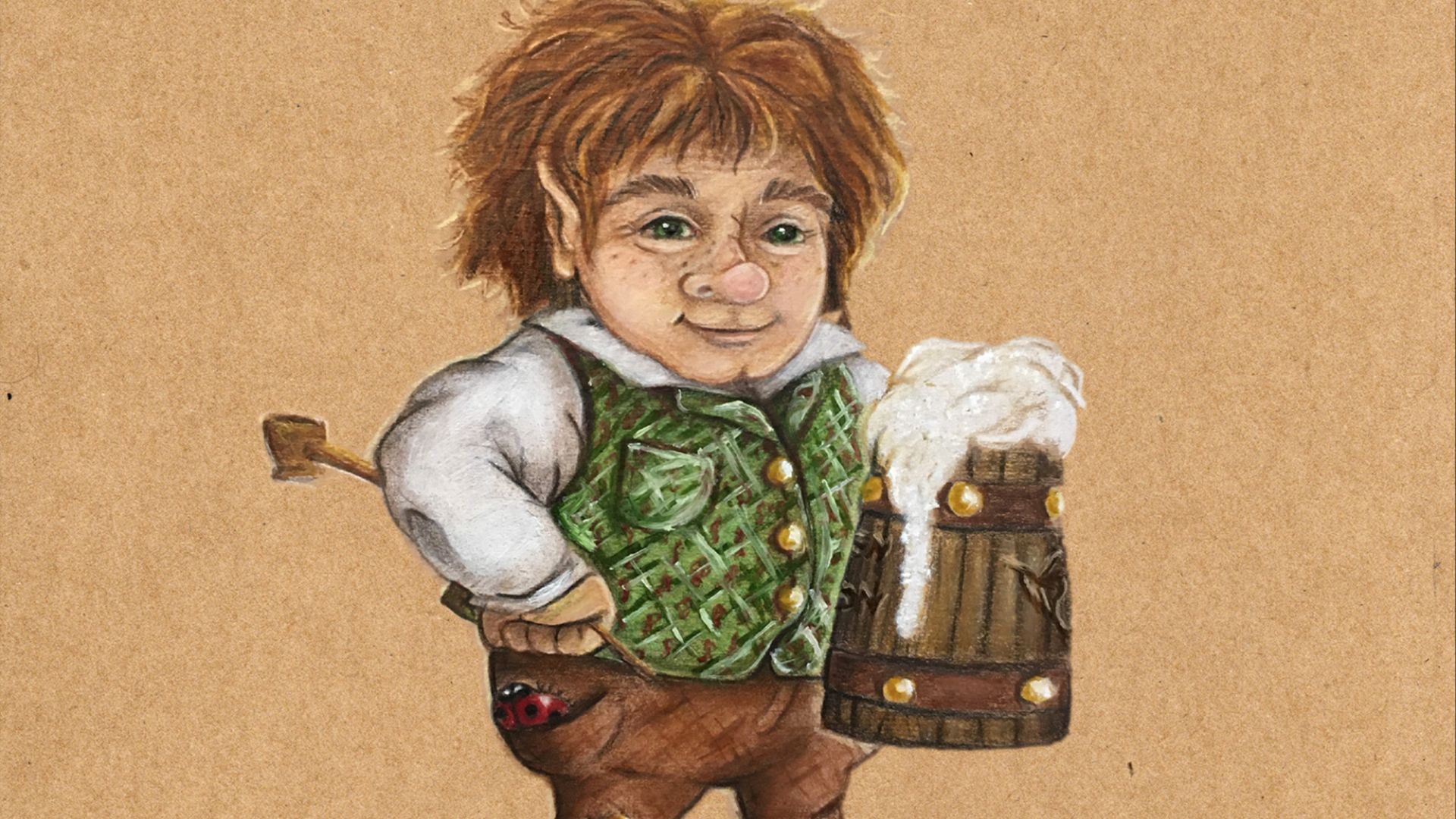
2. Hobbits
Hobbits were entirely invented by J.R.R. Tolkien for The Lord of the Rings. Their love of comfort, food, pipes, and simple pleasures makes them charmingly unique. No ancient culture ever told stories about barefoot folk living in hills like this.
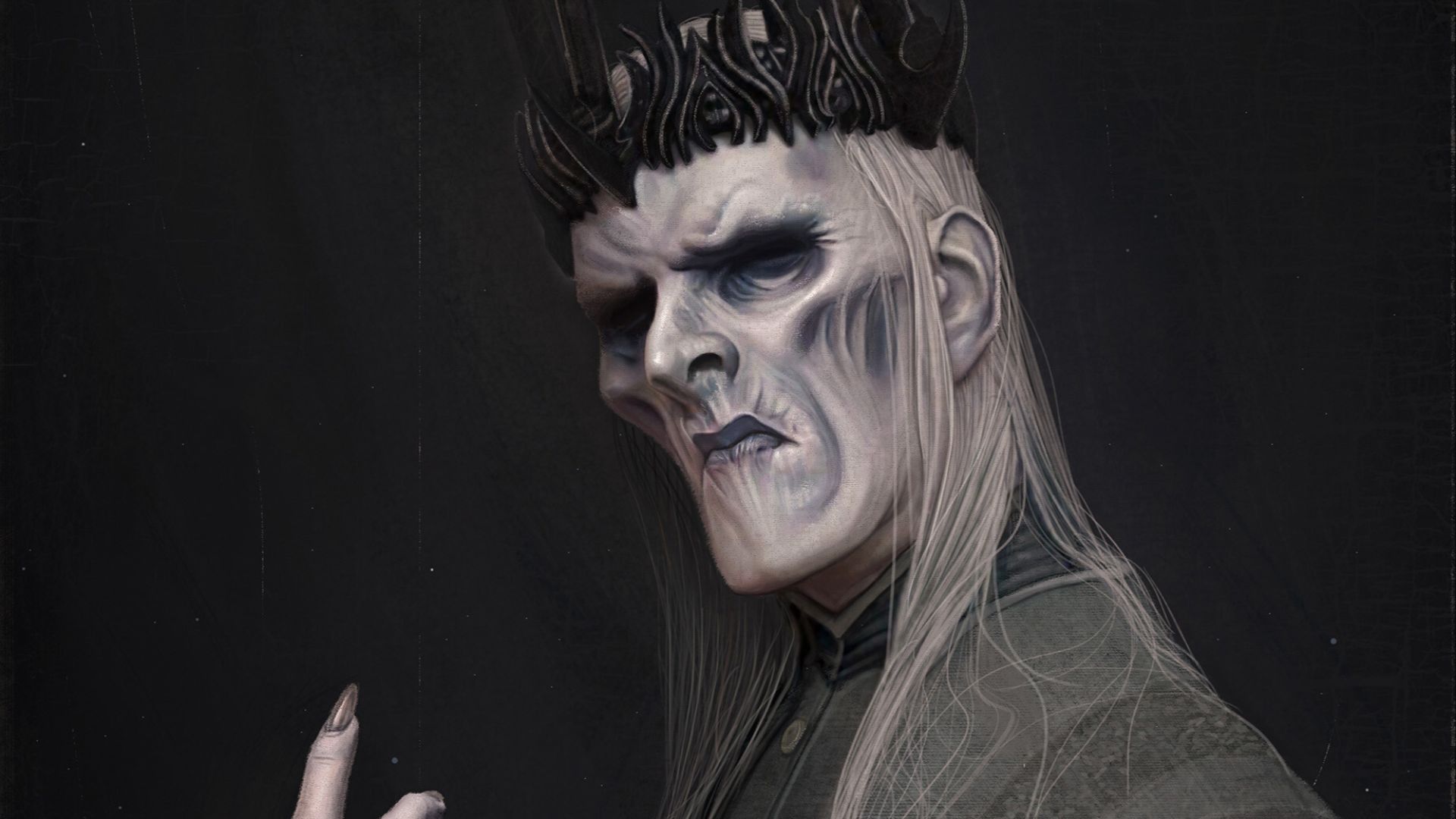
3. Nazgûl
You can thank Tolkien for haunting your nightmares with the Nazgûl, also known as Ringwraiths. Their existence is tied closely to the corrupting power of the One Ring. They may feel ancient, but they’re actually very modern inventions.
 Álvaro Fernández G on Wikimedia
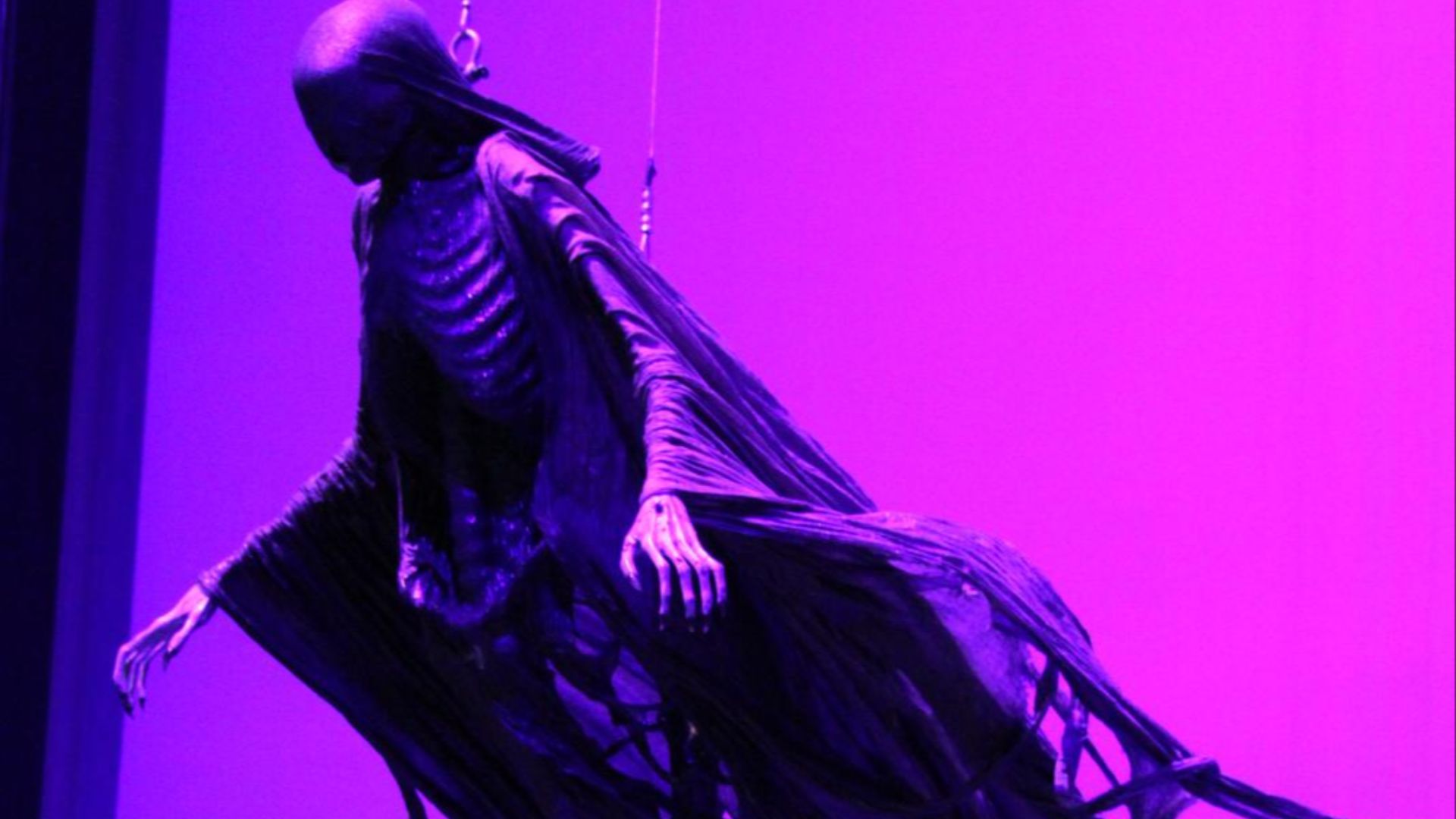
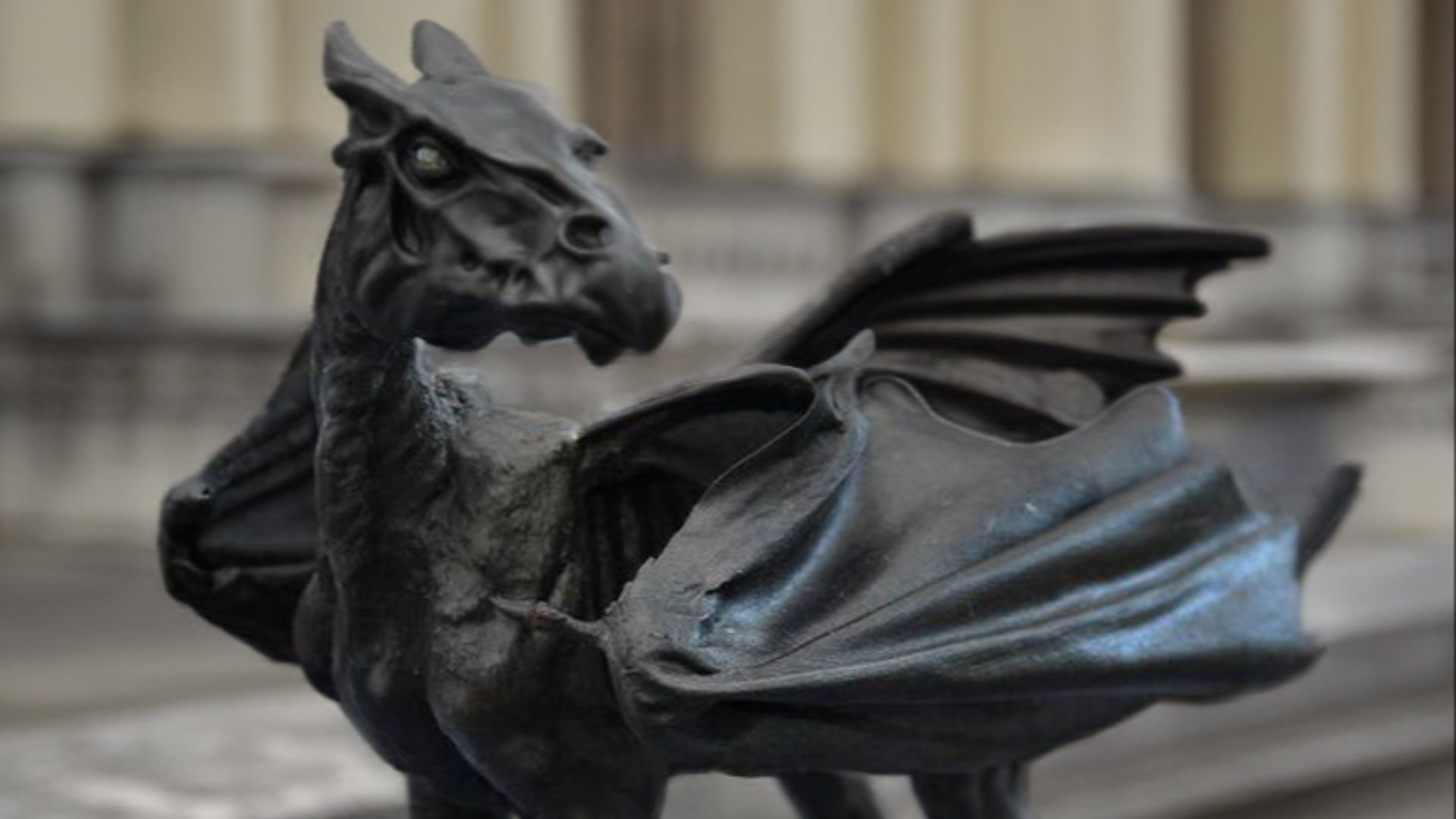
4. Thestrals
Thestrals appear only to those who’ve witnessed death in the Harry Potter books. Rowling designed them to reflect grief and understanding.
5. White Walkers
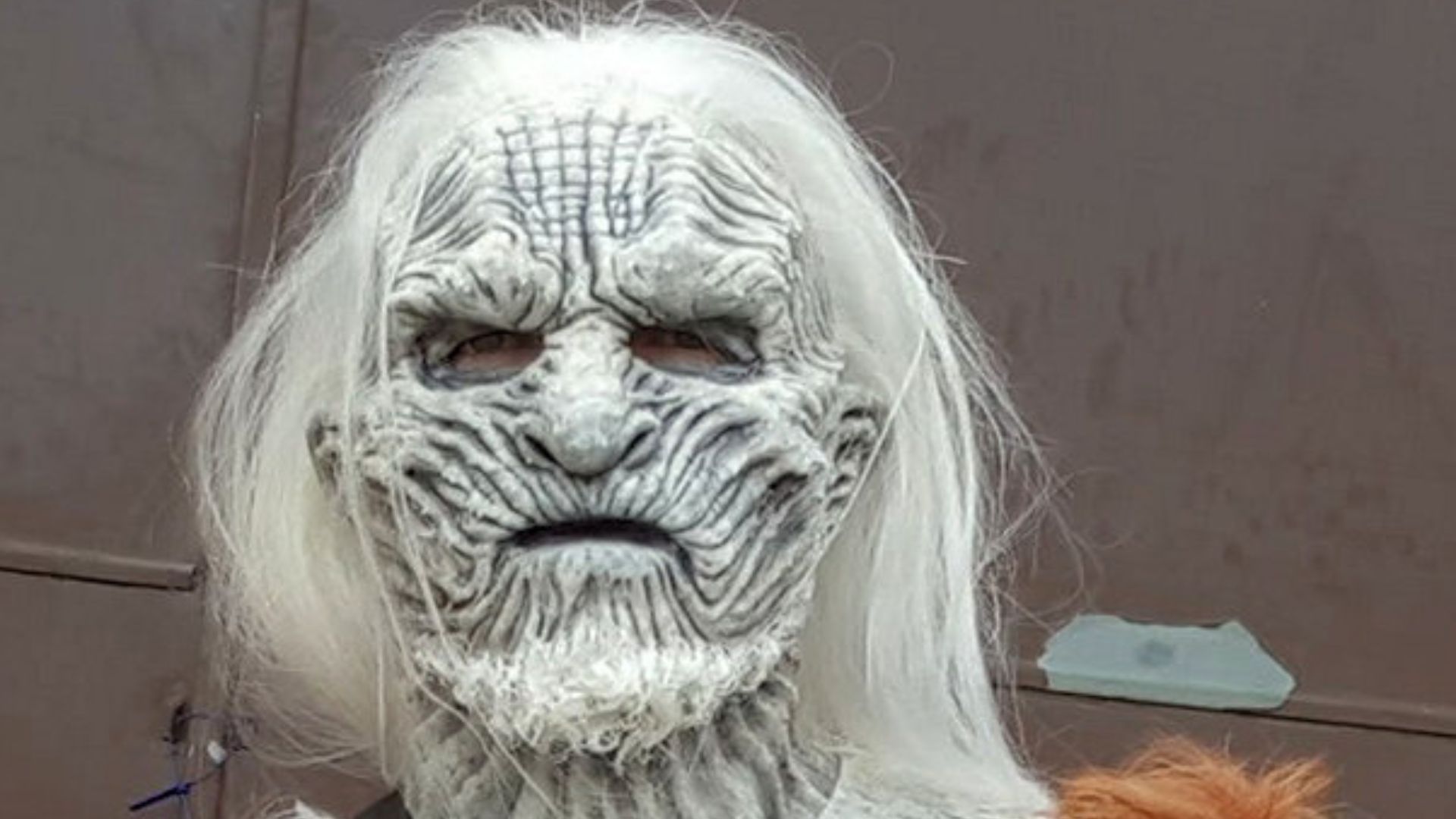
George R.R. Martin invented the White Walkers for A Song of Ice and Fire. While they resemble undead creatures, their culture and purpose are original. They embody a creeping, existential threat.
6. Snarks and Boojums
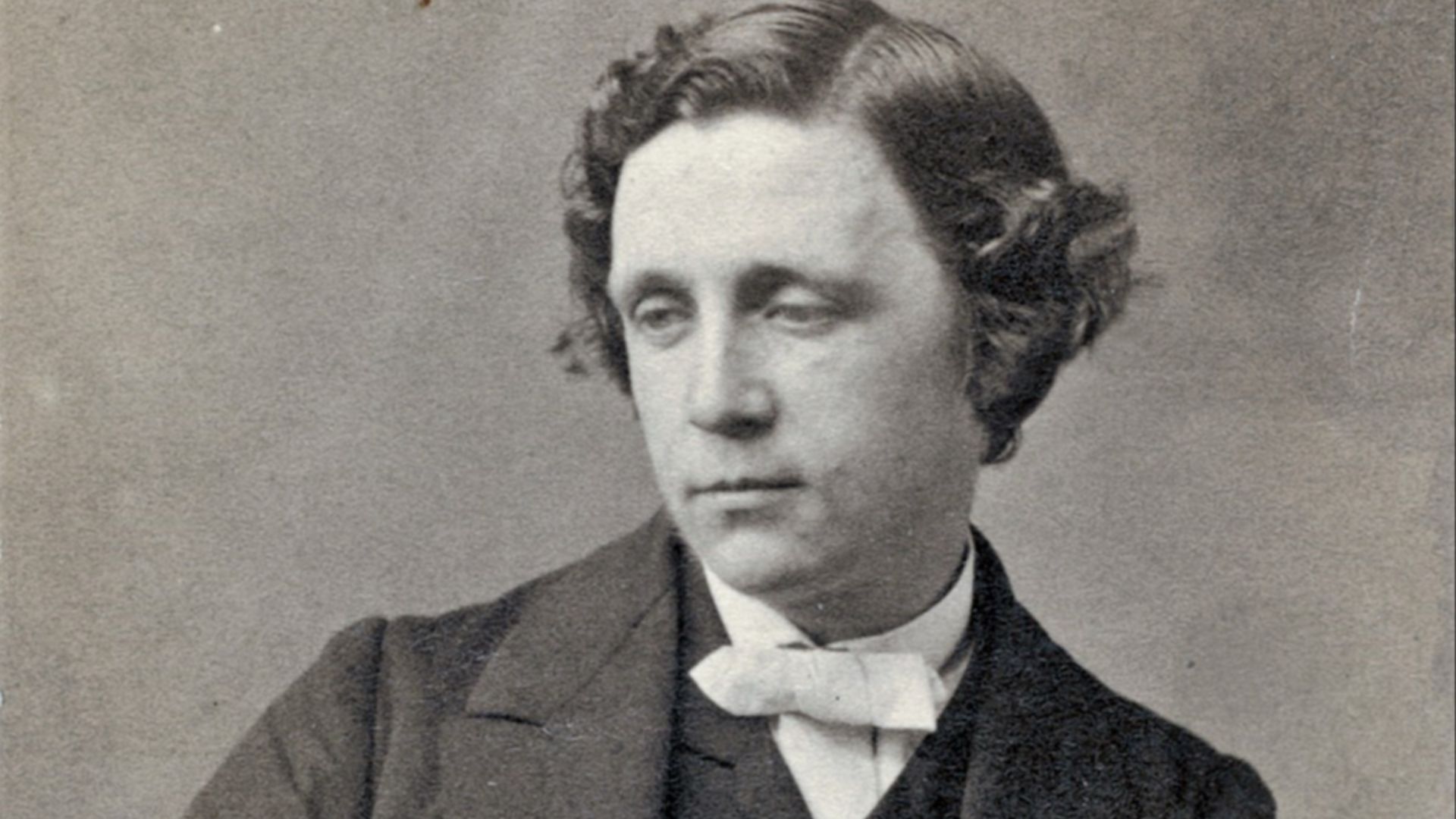
Lewis Carroll invented Snarks and Boojums for his poem The Hunting of the Snark. These strange, elusive creatures blur the line between nonsense and menace in a very intentional way.
 Oscar Gustave Rejlander on Wikimedia
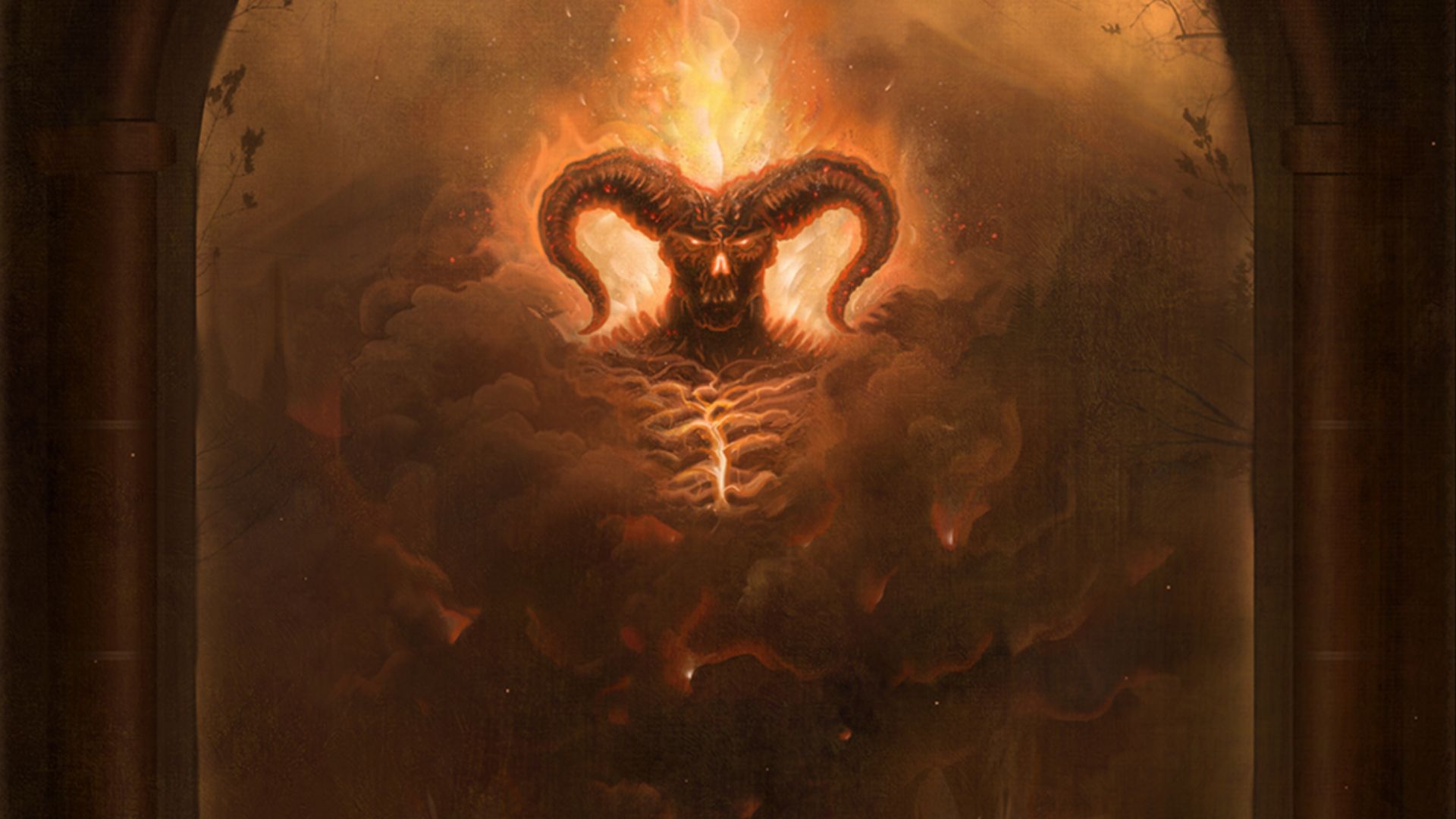
7. Balrogs
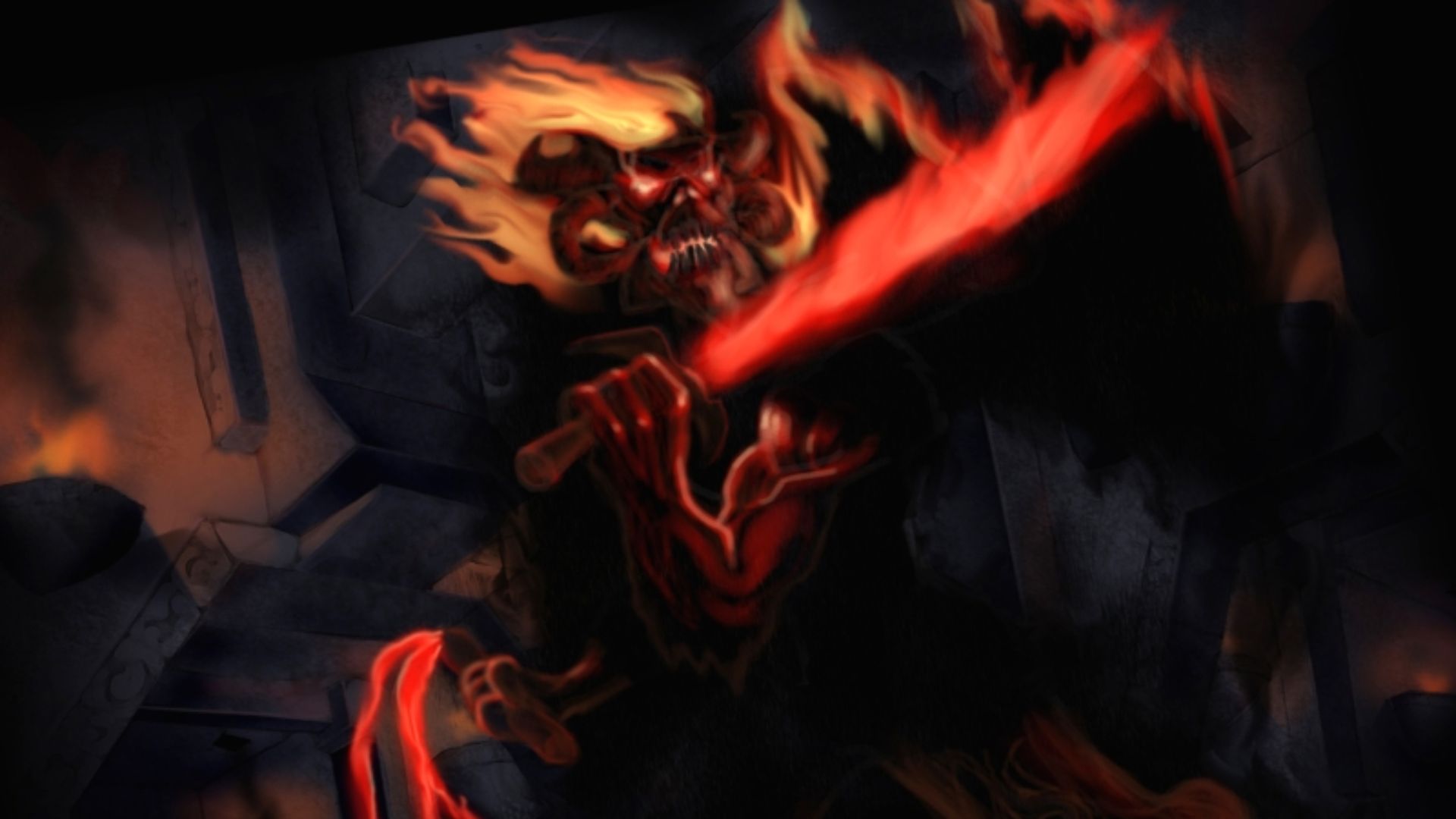
Although inspired by general ideas of demons, Balrogs are Tolkien’s own creation. Their fiery, shadowy form fits his mythological world perfectly. You won’t find Balrogs named in ancient texts.
8. Mimics
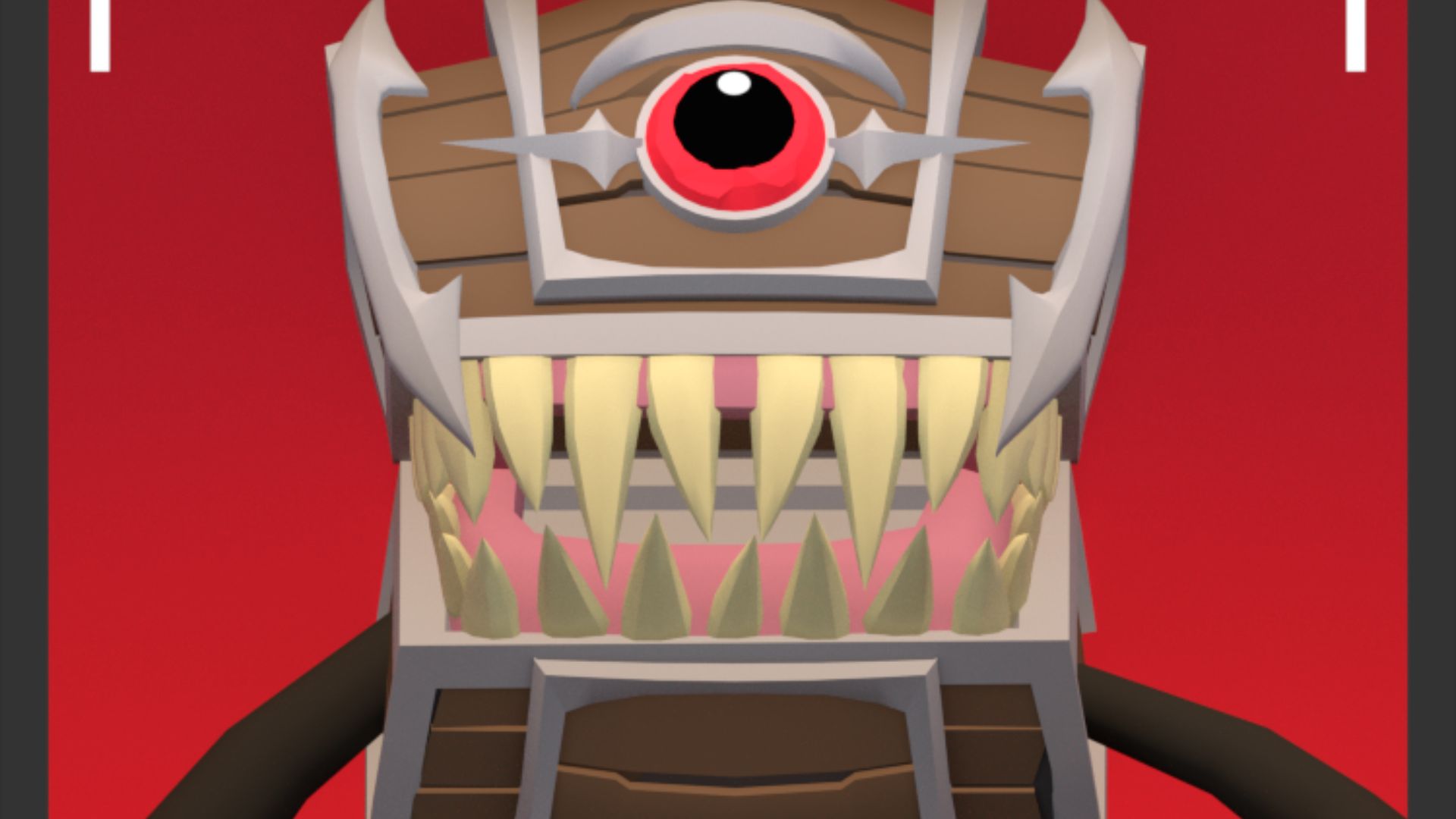
Mimics were invented for the tabletop role-playing game, especially Dungeons & Dragons, by the game's creators, Gary Gygax and Dave Arneson. Their ability to disguise themselves as treasure chests plays with player expectations. That clever twist marks them as a modern creation.
9. The Nothing
Michael Ende created The Nothing in the 1970s fantasy novel The NeverEnding Story. It represents emptiness and loss rather than a physical monster. That abstract threat feels very contemporary, and it is.
 PSO Productions, Inc. on Wikimedia
10. Clickers
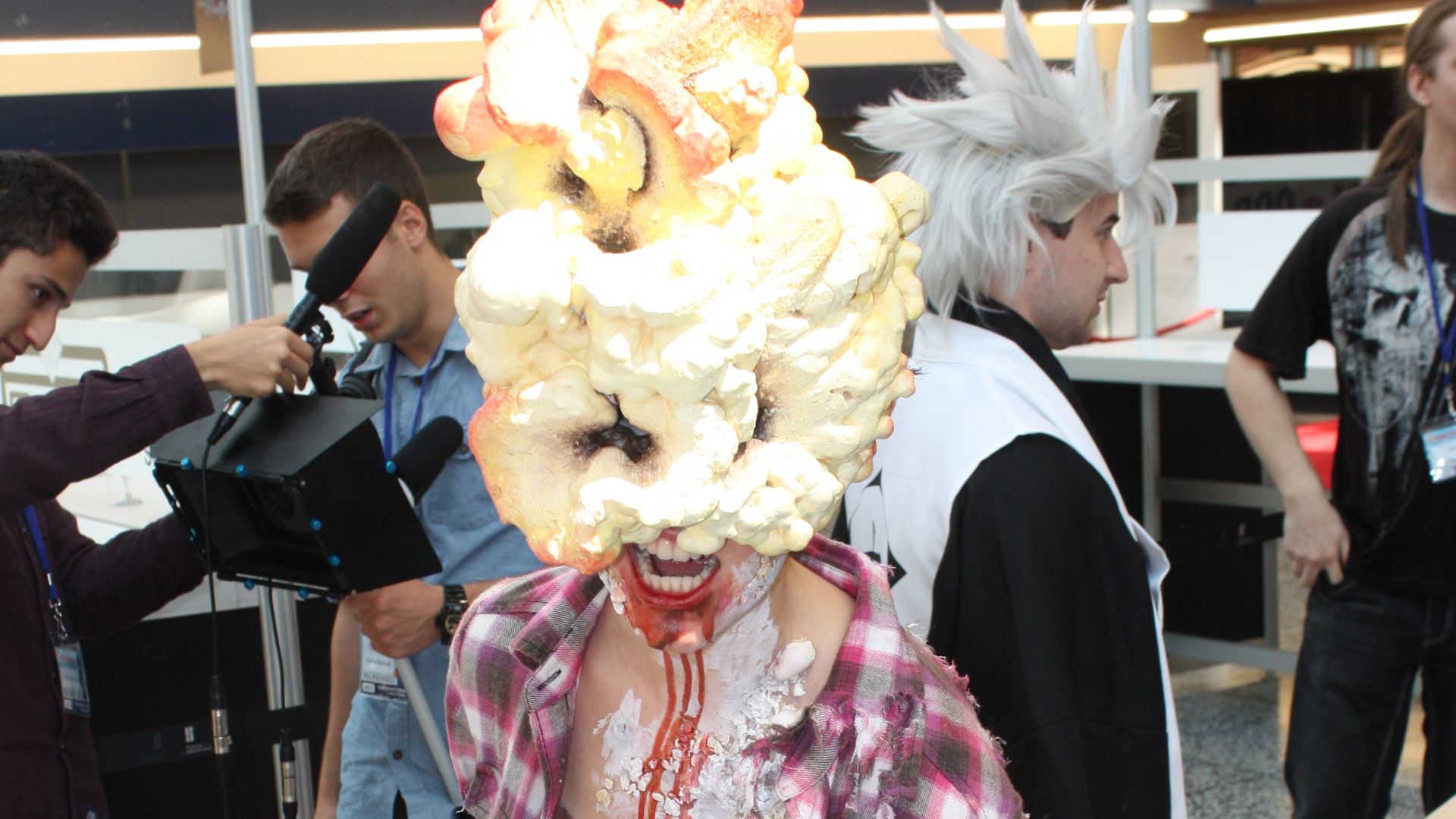
Clickers were invented for The Last of Us. Their echolocation-based behavior sets them apart from classic zombies. They’re firmly rooted in modern storytelling.
 Pikawil from Laval, Canada on Wikimedia
Now that we've covered ten brilliant creatures that were entirely made up by a modern author, let's talk about the ones that have ancient origins, though many modern interpretations.
1. Dragons
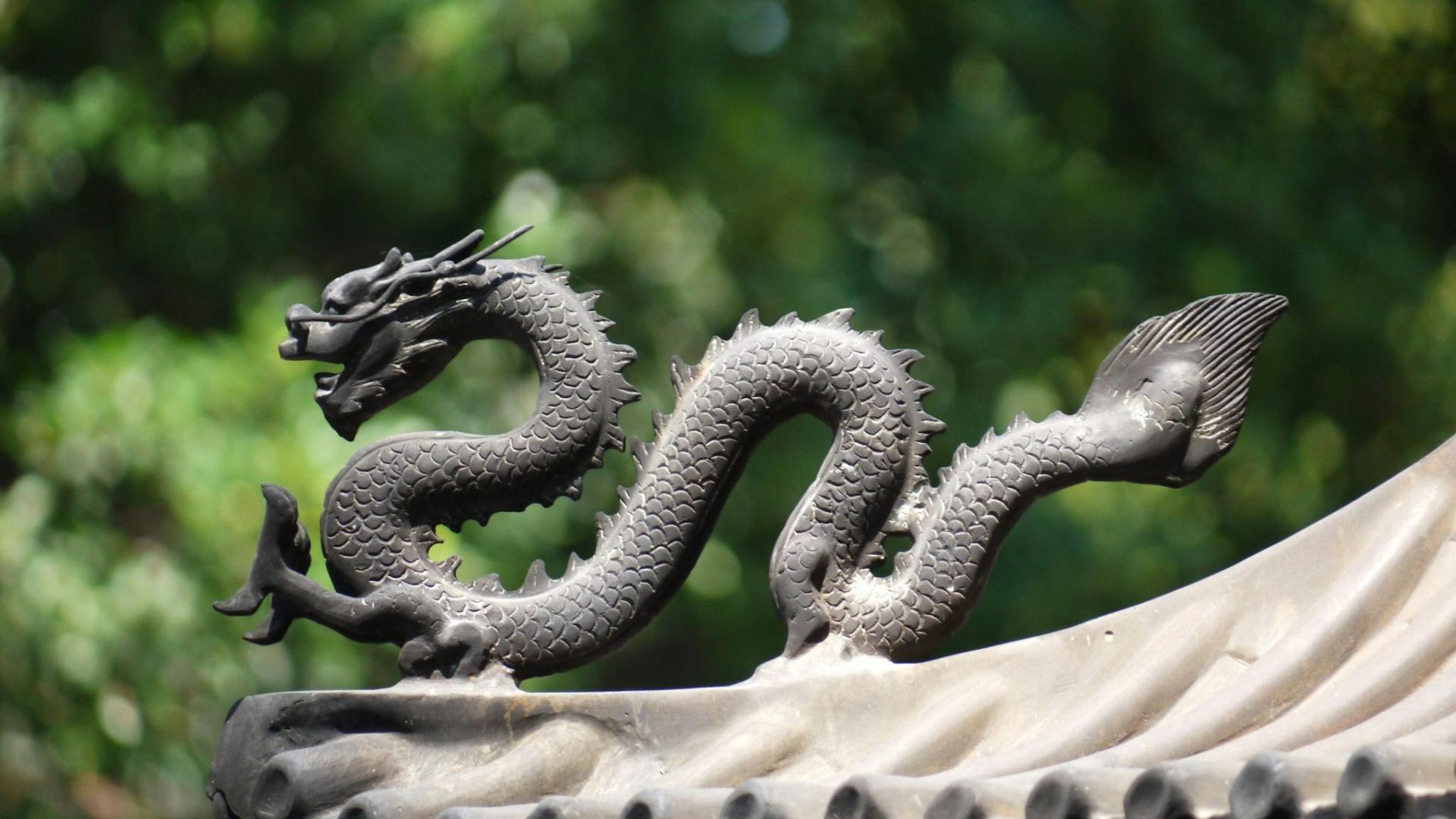
Dragons appear in ancient stories from China, Europe, and the Middle East. It's believed that they were an embodiment of harsh storms. That longevity proves how deeply they’re rooted in human imagination.
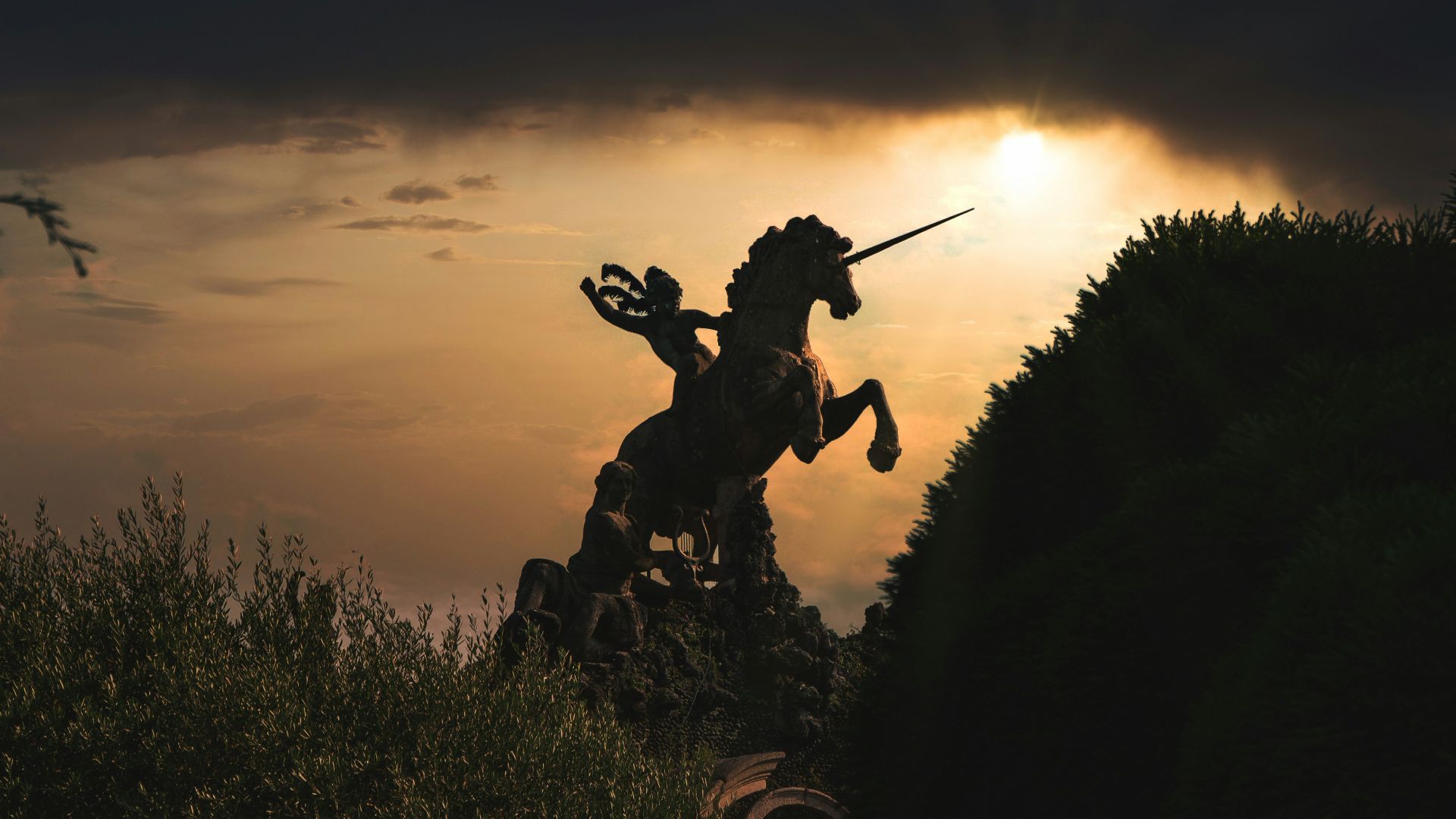
2. Unicorns
Unicorns are present in modern-day Kids' TV shows and Harry Potter, but they go way back. Unicorn-like creatures were described by ancient writers such as Ctesias. These early accounts likely stemmed from misunderstood animals.
3. Mermaids
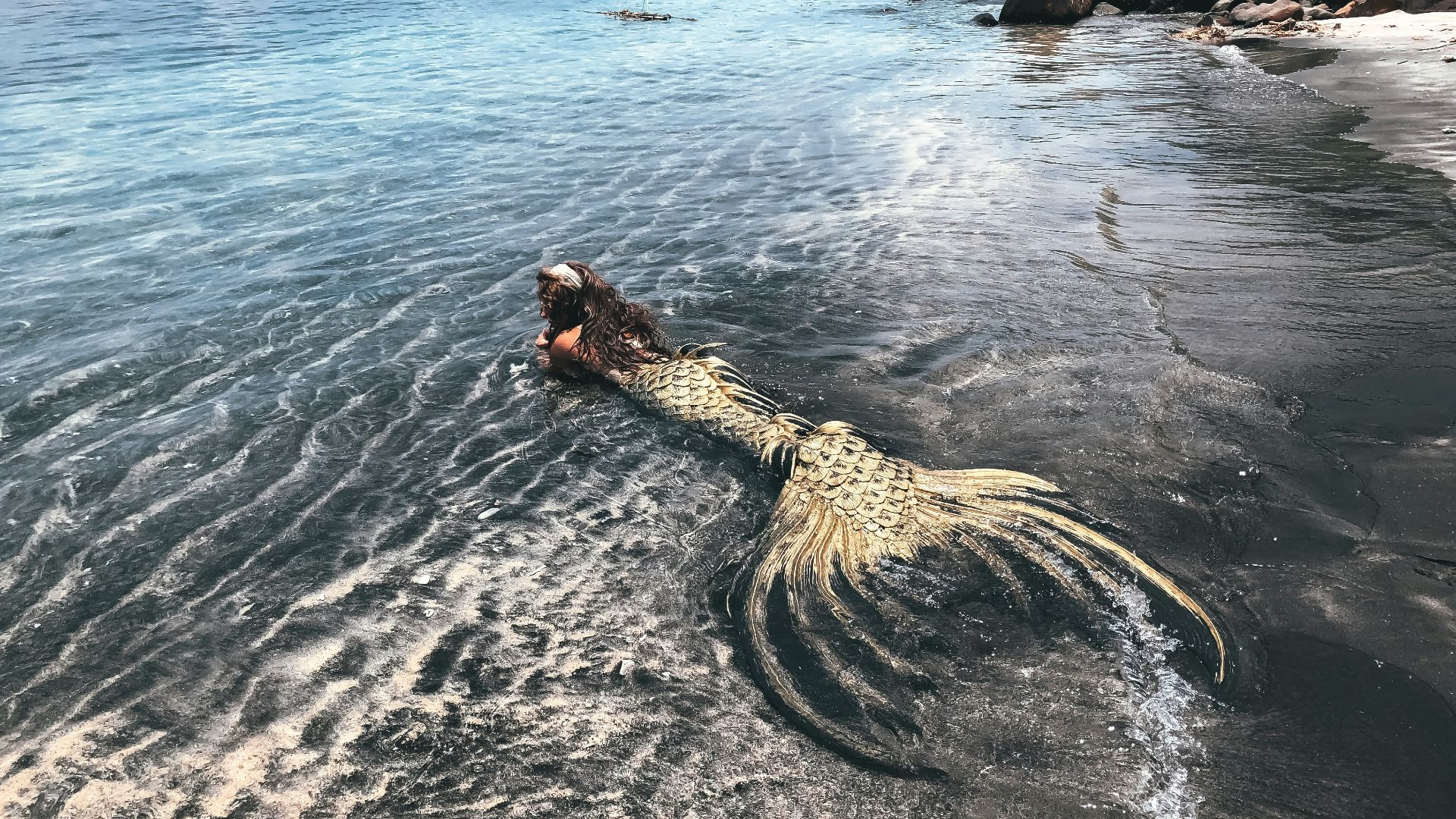
Before they were what every little girl dreamed of being, mermaids appeared in ancient Assyrian and Greek mythology. The earliest versions appear with the Assyrian goddess Atargatis, associated with fertility and water, who took on a fish's lower body out of shame. In ancient Greece, they were dangerous, bird-bodied sirens who lured sailors to their deaths.
 Naja Bertolt Jensen on Unsplash
4. Centaurs
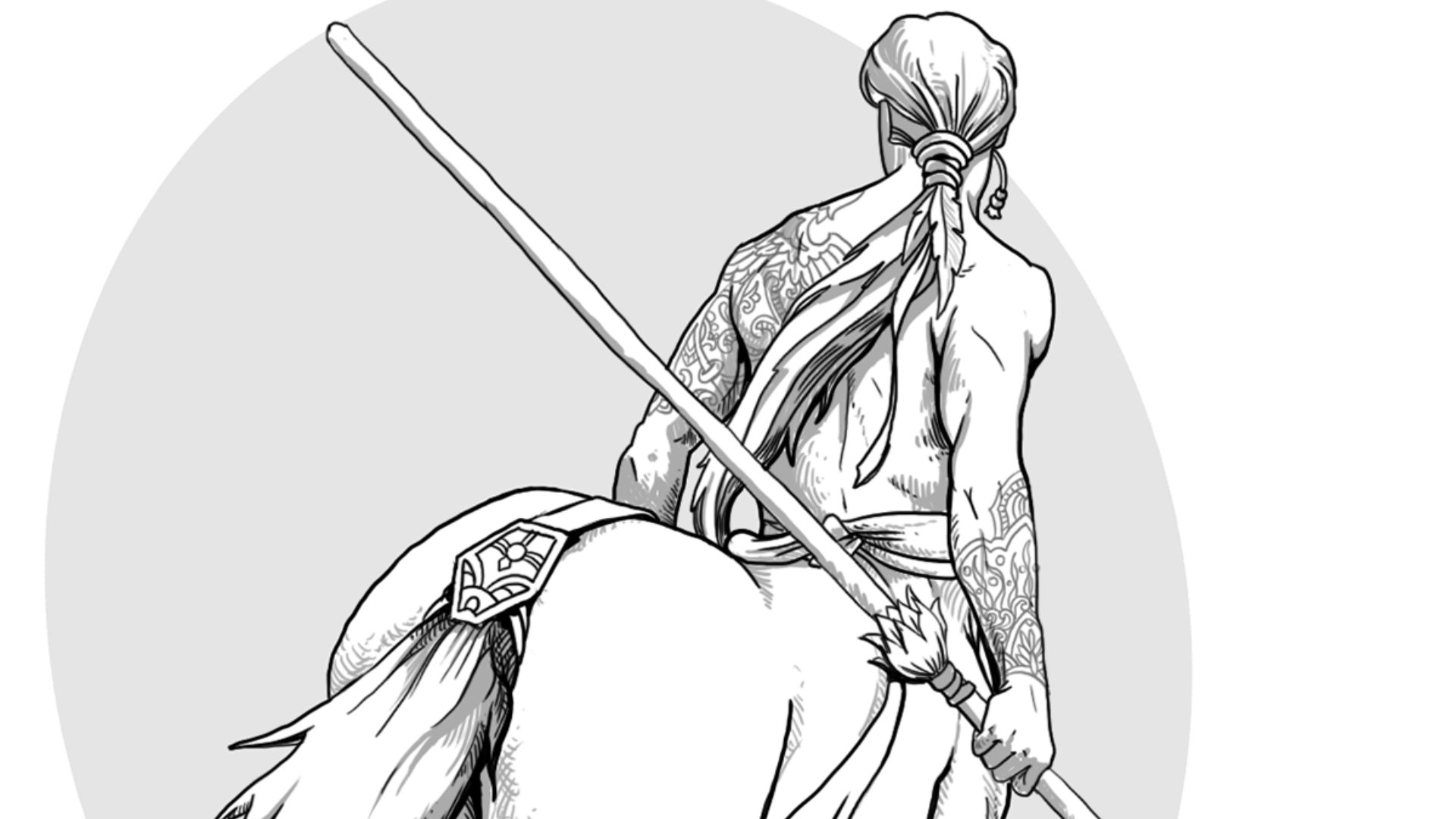
Centaurs are the half-man, half-horse creatures in Harry Potter, but they originated in ancient Greece as wild and unruly beings. They symbolized the struggle between reason and instinct. That conflict still resonates today.
5. Griffins
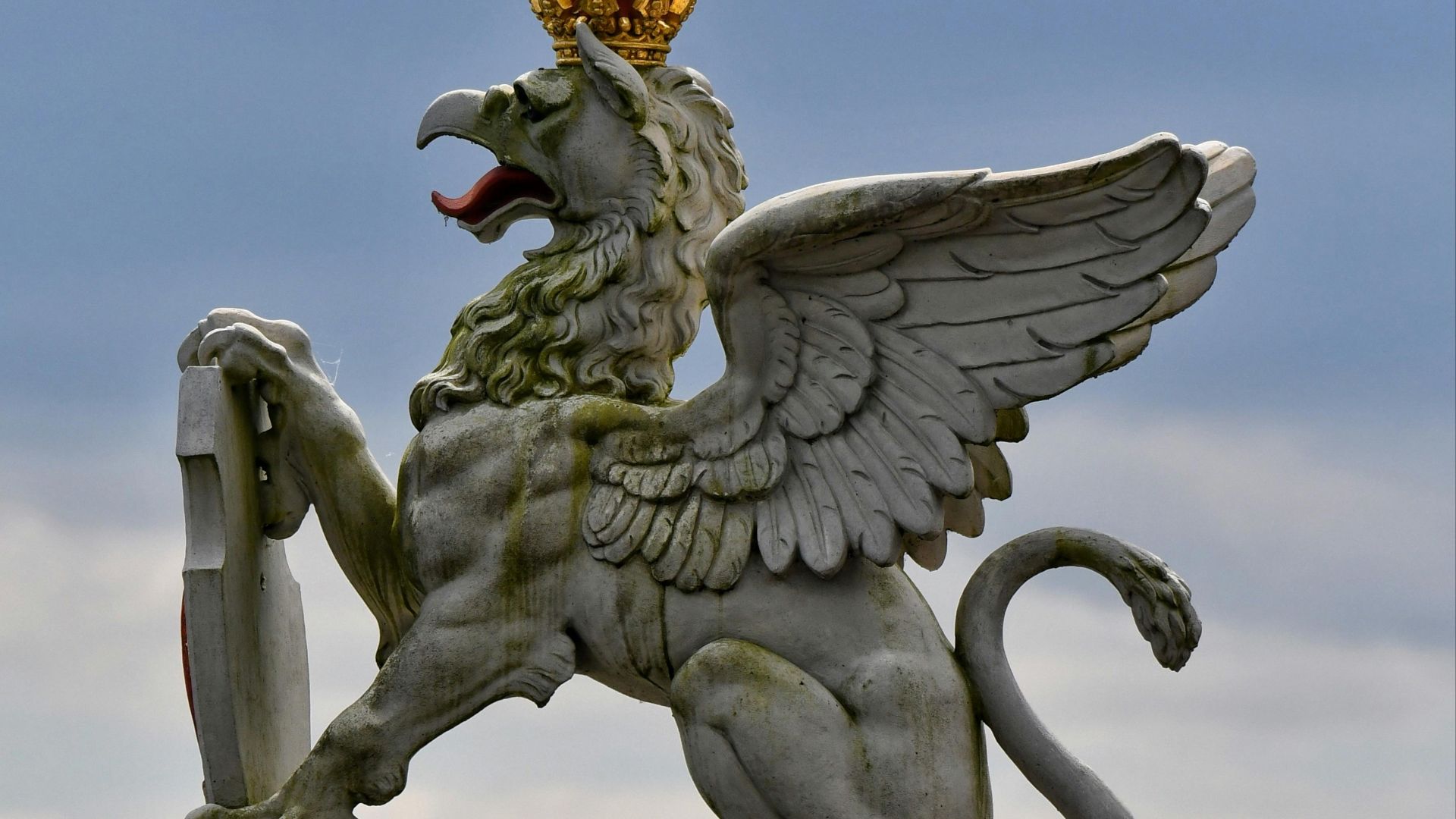
Griffins, creatures with the body and hind legs of a lion, and the head, wings, and front talons of an eagle, can be traced back to ancient Persian and Near Eastern art. They guarded treasures and sacred spaces. They symbolize power, majesty, and divine protection.
 Peter Steiner 🇨🇭 1973 on Pexels
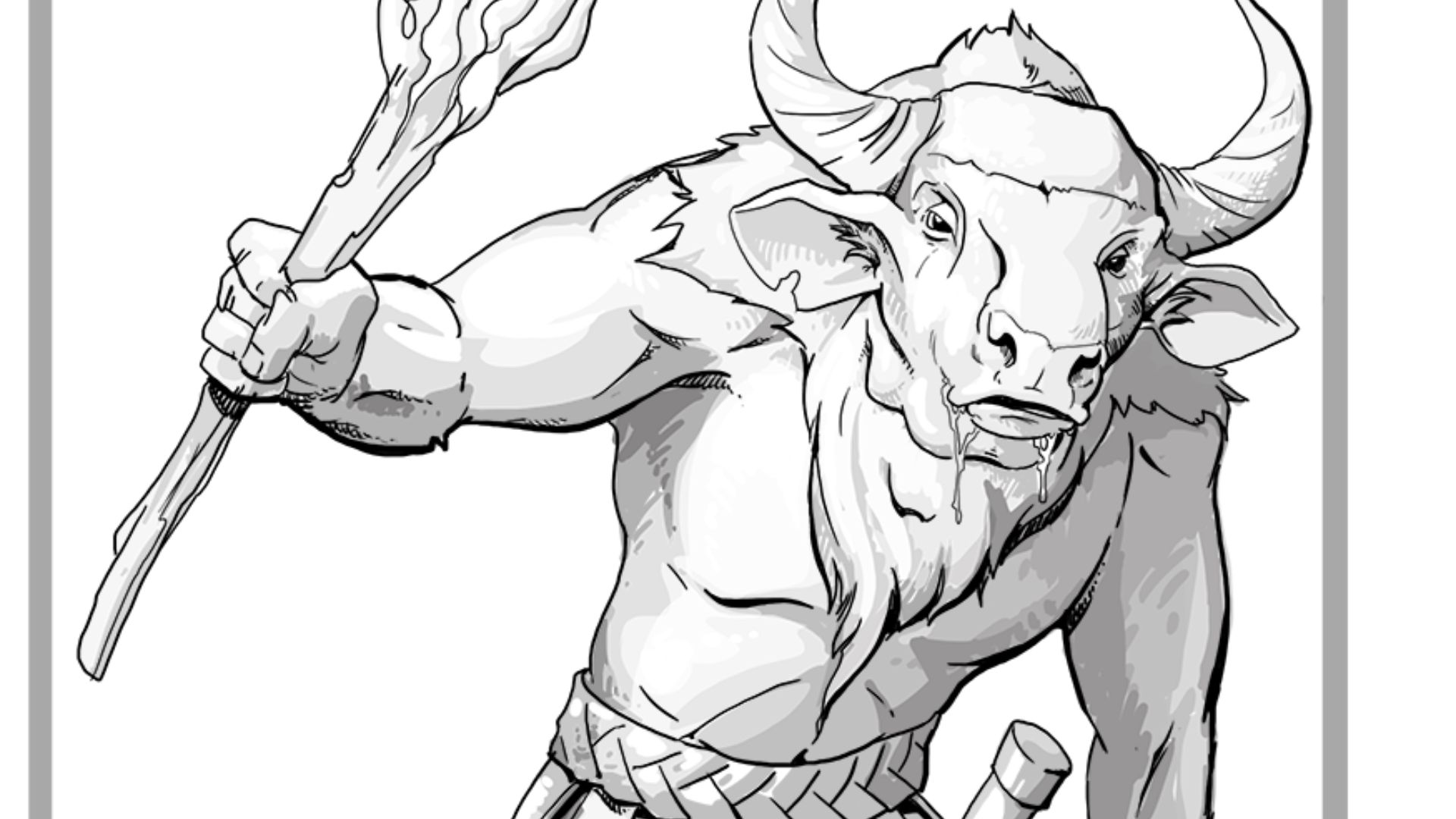
6. Minotaurs
The Minotaur, a beast with the head and tail of a bull and the body of a man, comes from the Greek myth of King Minos. Trapped in a labyrinth, it represented chaos contained. That image has lasted for thousands of years.
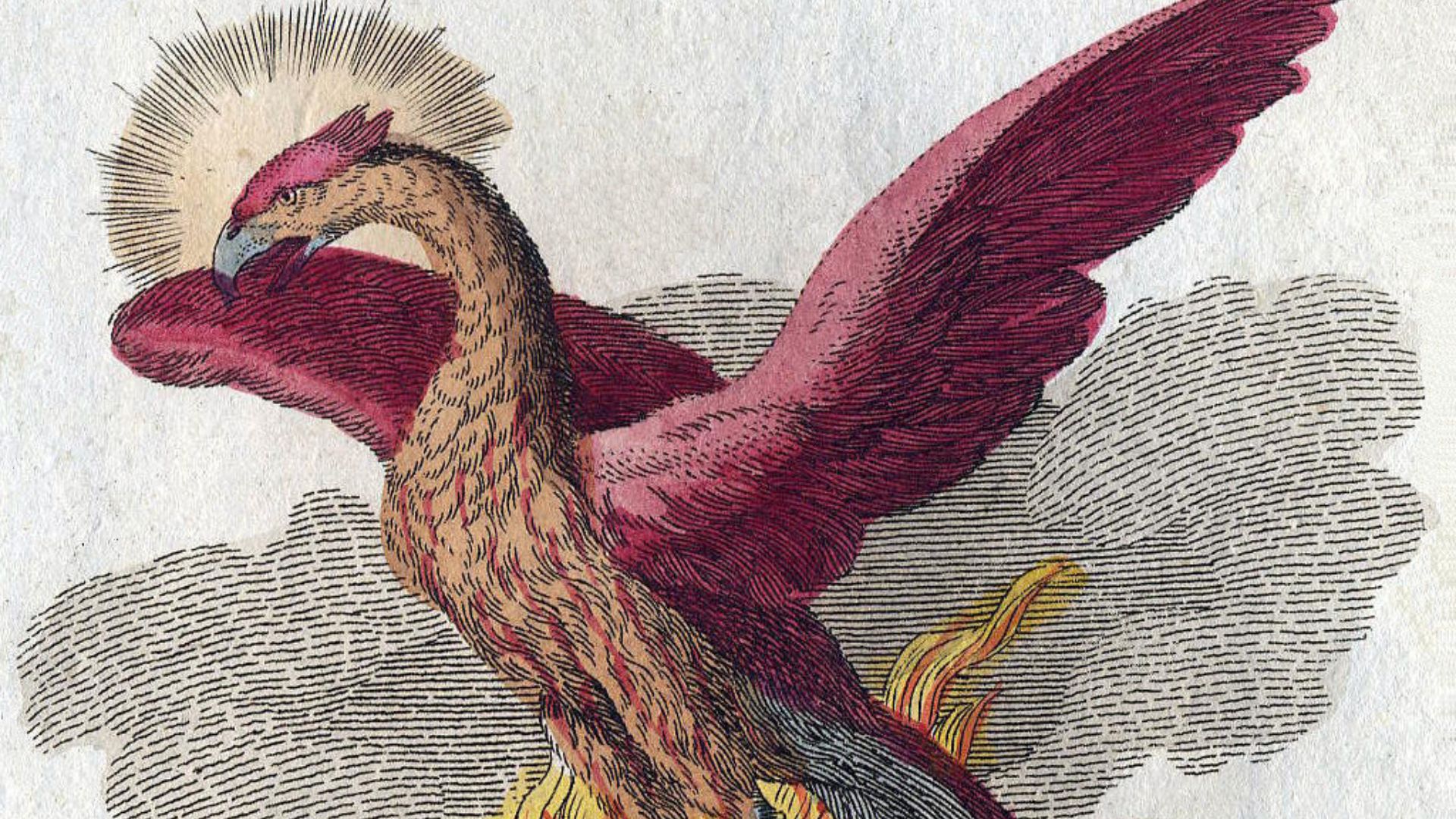
7. Phoenixes
Phoenix legends date back to ancient Egypt before spreading to Greece. The bird’s cycle of death and rebirth fascinated early cultures. "The phoenix rising from the flame" remains a powerful symbol of renewal.
 Friedrich Johann Justin Bertuch on Wikimedia
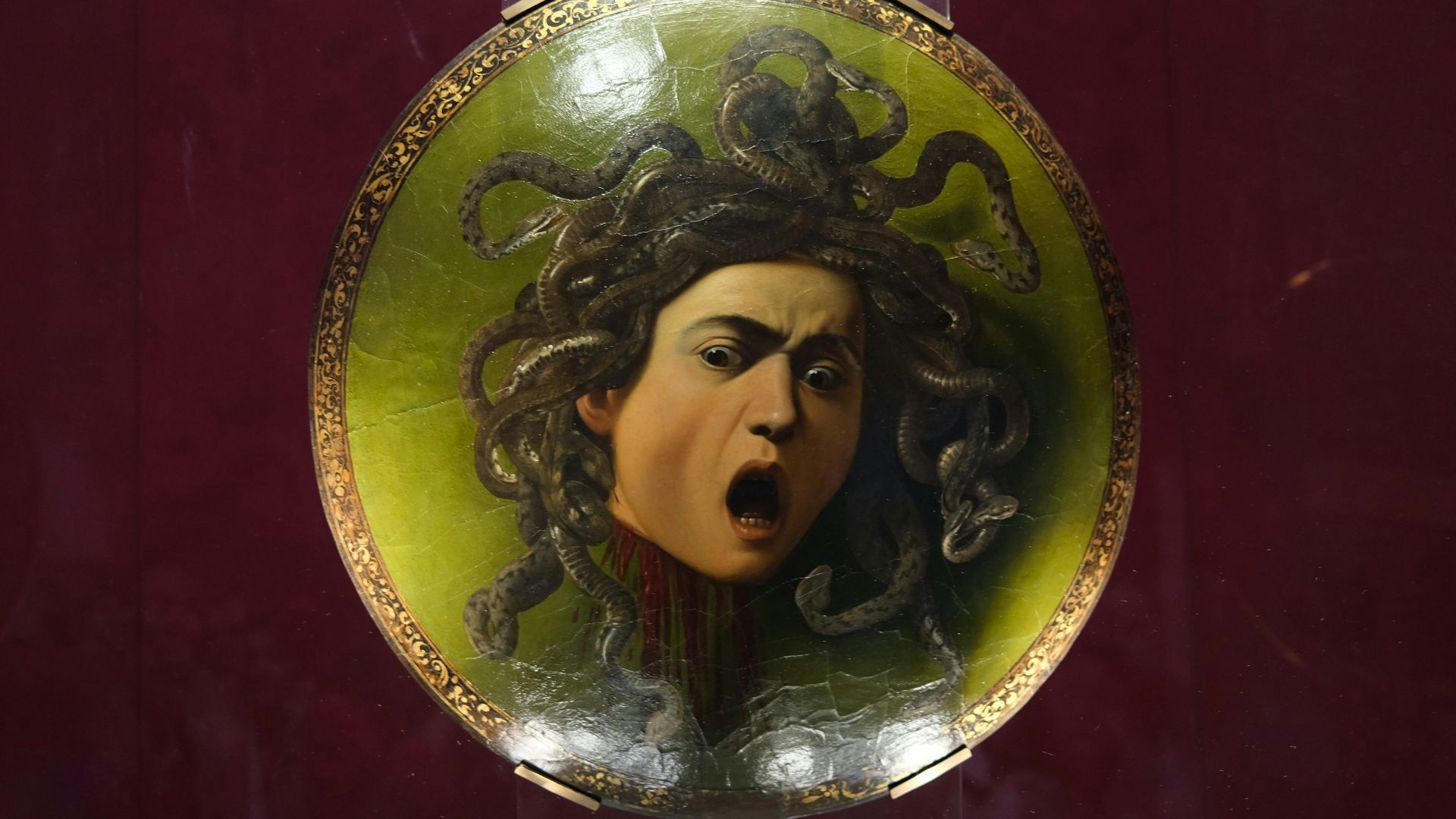
8. Gorgons
Gorgons like Medusa appear in early Greek mythology. Their terrifying gaze served as both punishment and protection. Fear helped cement their legacy.
 Kseniia Zapiatkina on Unsplash
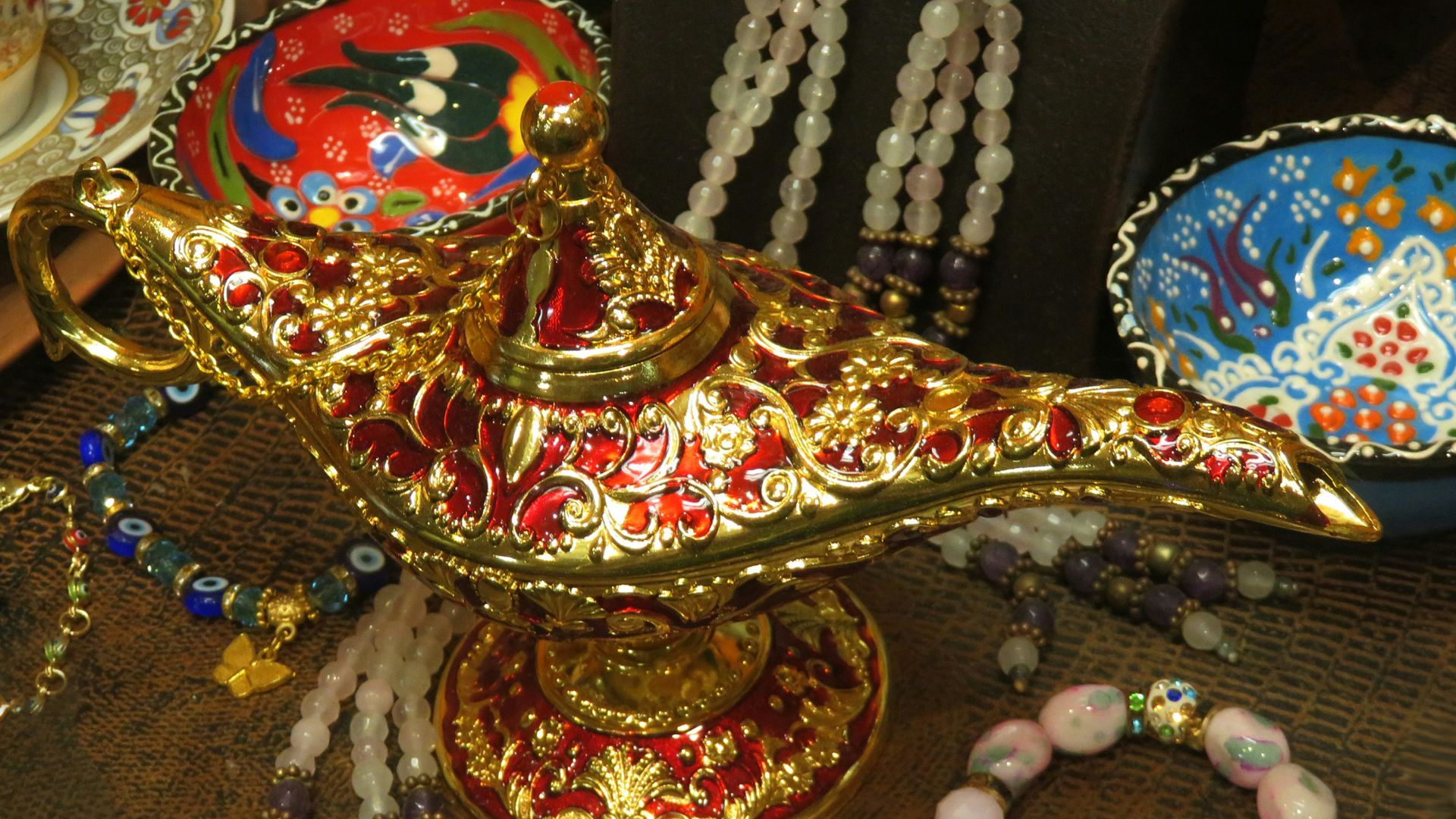
9. Djinn
Djinn, a genie-like creature, existed in stories long before Islam. They were powerful beings with free will and complex motivations. They could be good or evil, had the power to shapeshift, and influence the world.
10. Basilisks
The basilisk appears in Harry Potter as a giant, terrifying serpent who can turn you to stone with a glance, but it was once believed to be real in medieval Europe. Its lethal stare made it infamous.