Big Swings Miss, Great Ones Stick
Comics are built for bold decisions, which is why they’re addictive and why they can be exhausting. A writer gets the keys, a universe gets rearranged, a beloved character gets “reimagined,” and readers either feel the spark or feel the air go out of the room. Some storylines fall flat because the twist is louder than the emotion, or because the continuity math starts showing through the seams. Other storylines become legend for the opposite reason: they respect the people on the page, and they leave a mark that later creators keep circling back to. Here are 10 comic storylines that disappointed a lot of readers, followed by 10 that fans still celebrate years later.
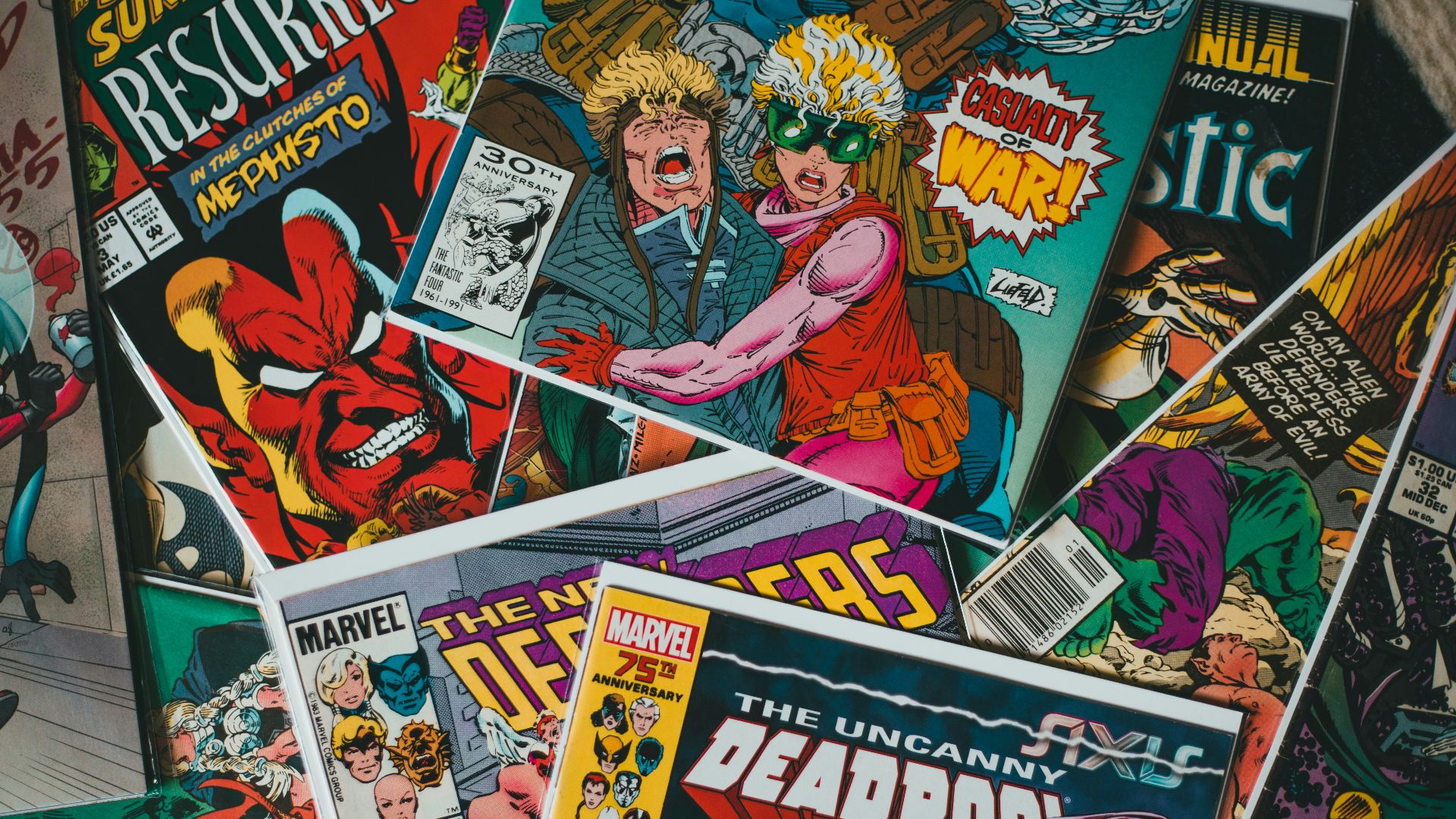
1. One More Day (Spider-Man)
This storyline is remembered less as a daring reset and more as a gut punch, because it rewired Peter Parker’s life through a supernatural bargain that didn’t feel earned. The fallout also made the emotional cost feel abstract, like character growth got traded for editorial convenience.
2. Avengers: The Crossing
The premise tried to be huge, betrayal, time travel, corrupted heroes, yet it landed messy and hard to follow, even by ‘90s crossover standards. It’s the kind of event people remember as a headache first and a story second.
3. Heroes In Crisis
The idea of a superhero trauma sanctuary had real potential, yet the execution frustrated readers who wanted care and nuance instead of shock and mystery-box plotting. For a lot of fans, it felt like pain was being used as set dressing rather than explored with empathy.
4. Identity Crisis
This story swung for mature, unsettling stakes, and that’s exactly why it split readers. Many fans disliked how it handled assault and character decisions, and it left a stain on the DC Universe that felt less like drama and more like damage.
5. Ultimatum
The Ultimate line was known for risk, but Ultimatum’s body count and mean-spirited tone made it feel more like demolition than storytelling. It’s notorious for the sense that the shock was the point, not the characters.
6. Sin’s Past (Spider-Man)
This storyline is infamous because it tried to retrofit Spider-Man history with a revelation that many readers found off-putting and unnecessary. It turned a beloved era into something sour, which is a hard thing to forgive in a long-running mythos.
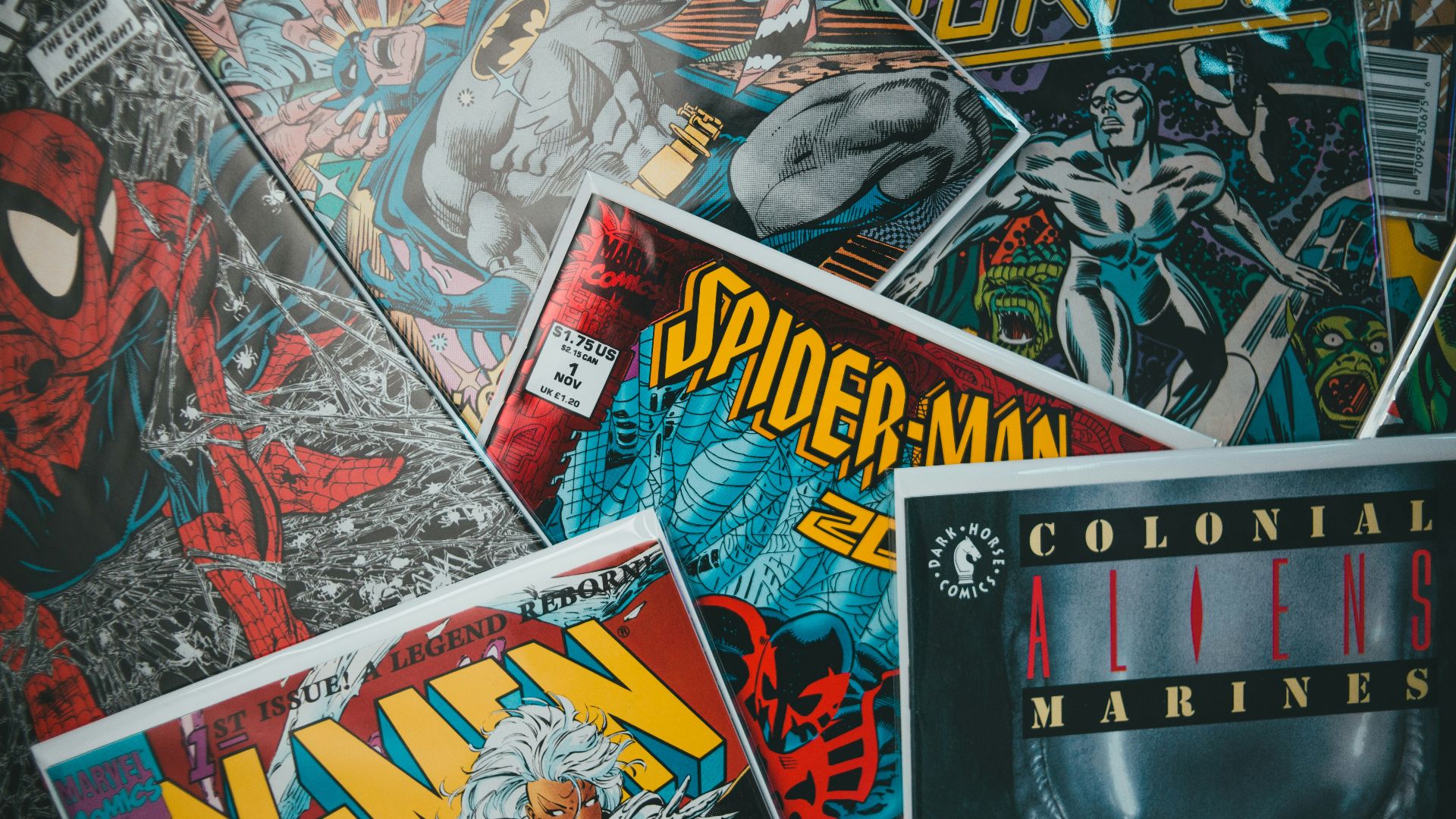
7. Countdown To Final Crisis
As a weekly series meant to lead into a major event, it often felt like noise instead of momentum. Readers complained about uneven focus and contradictions, like the comic was sprinting in place.
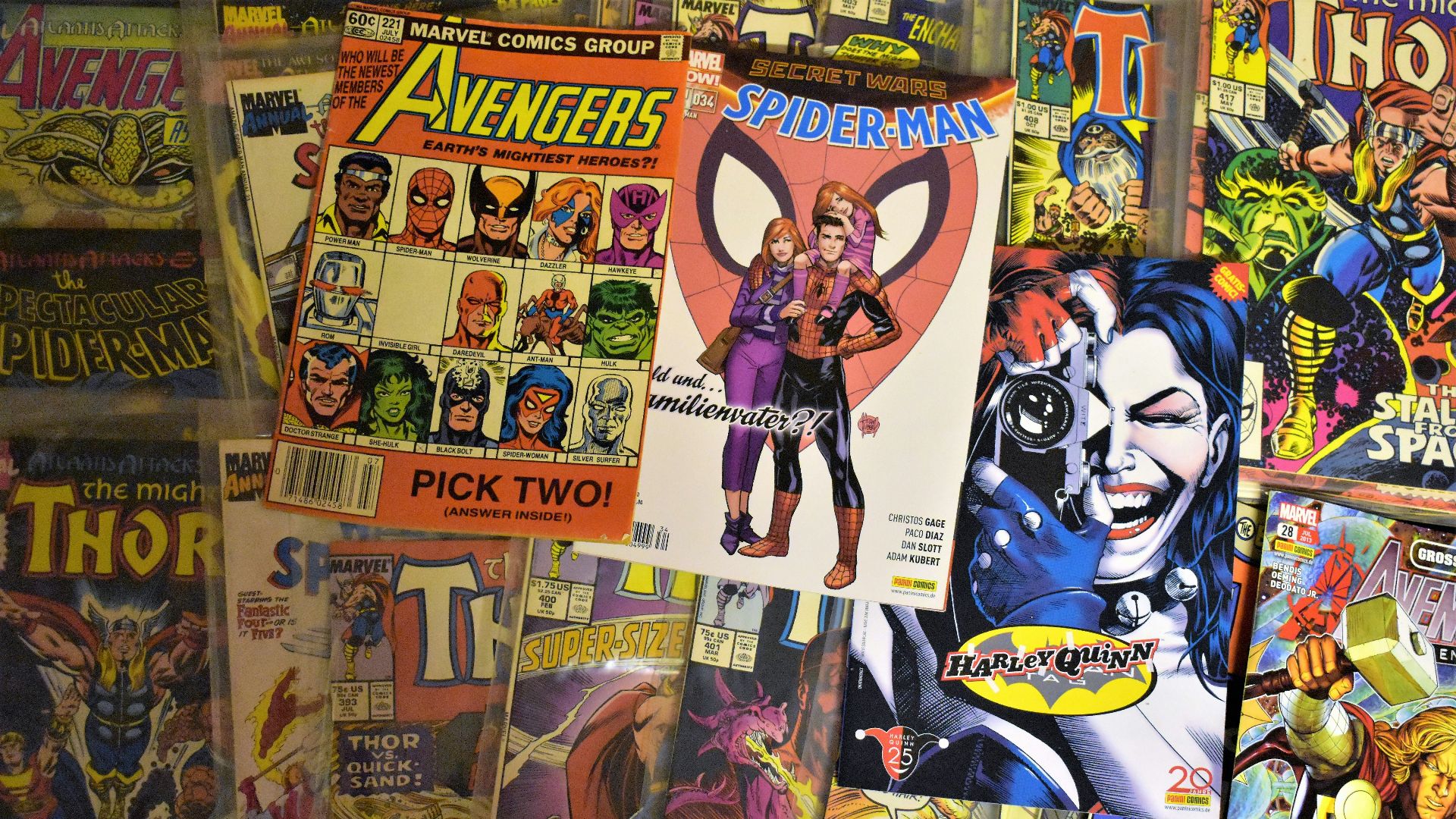
8. Civil War II
The first Civil War already showed how hard it is to make heroes fight without making them unrecognizable, and the sequel ran into the same problem. The concept leaned on prediction and pre-crime, yet many fans felt the character choices were forced to keep the conflict burning.
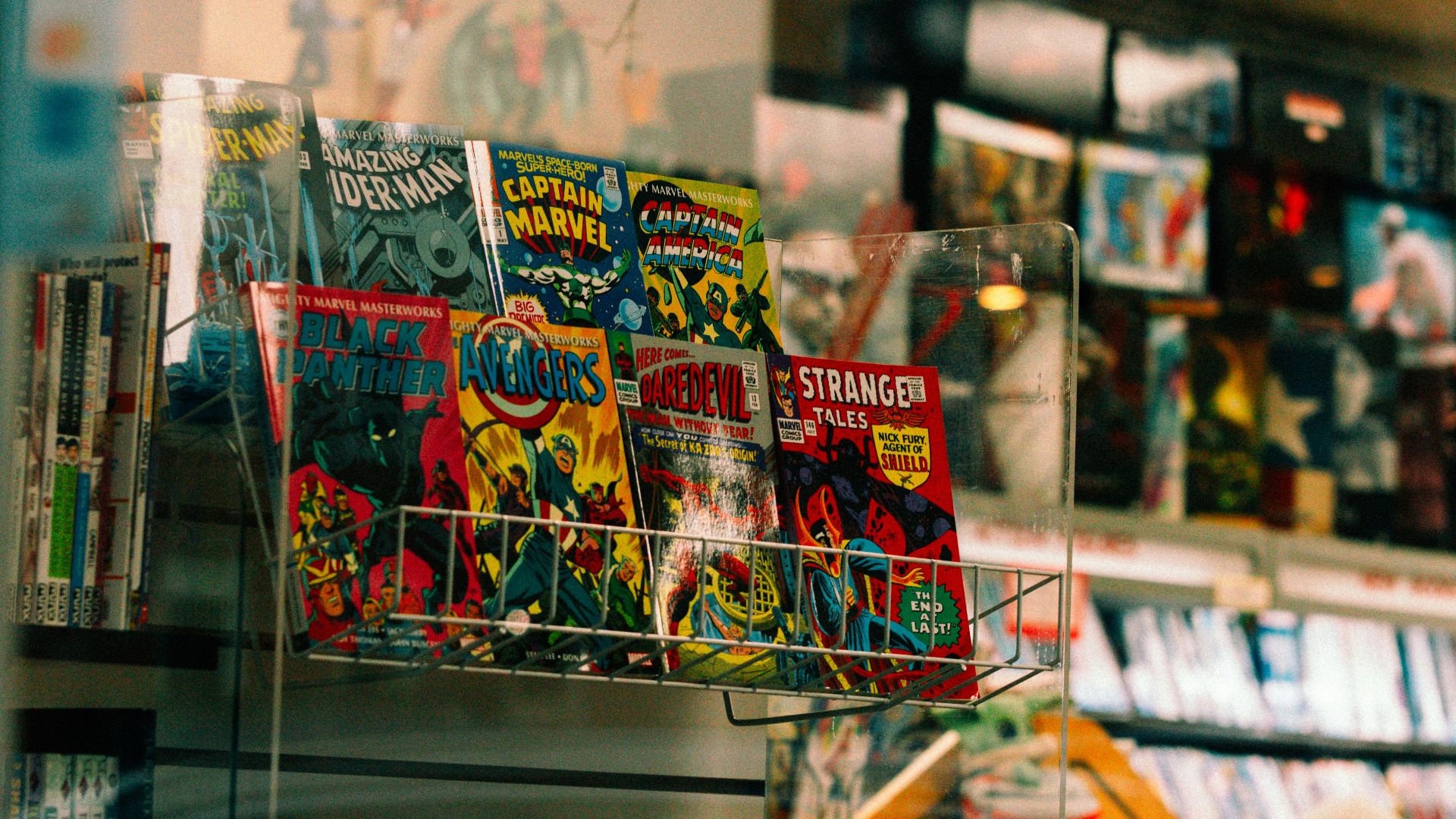
9. Clone Saga (Spider-Man)
The Clone Saga has defenders, but it’s still a shorthand for bloat, delays, and a story that seemed to change direction every time the wind shifted. It went on long enough that even people who liked parts of it got tired.
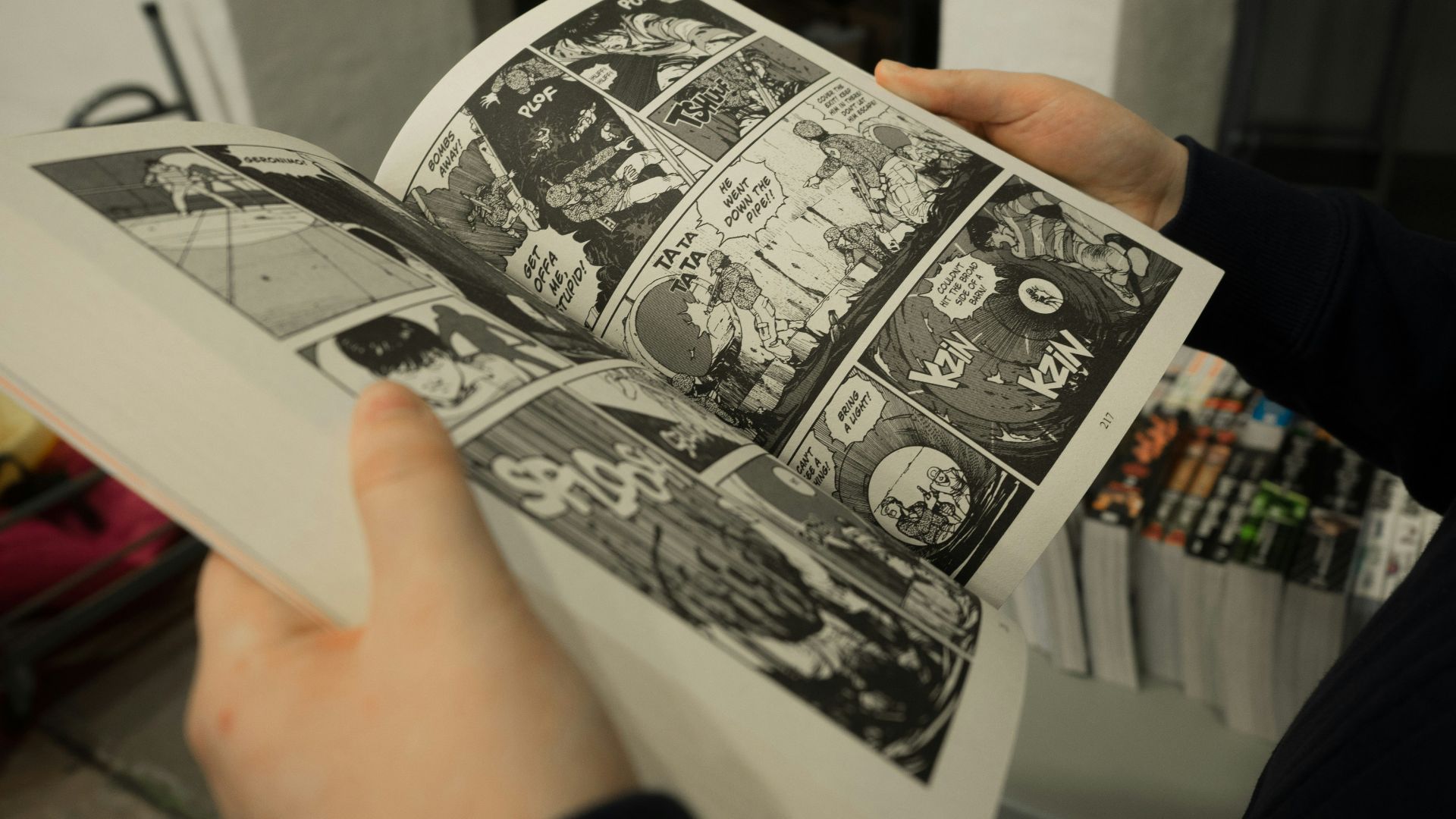
10. All-Star Batman And Robin, The Boy Wonder
This book is remembered for extremes: tone, characterization, and a version of Batman that felt more cruel than compelling. Plenty of readers bounced off because it didn’t feel like a fresh take, it felt like a dare.
A lot of the best-loved stories don’t win because they’re “perfect,” they win because they feel true, and they give you something you can carry into the next era. Here are ten that did just that.
1. The Dark Phoenix Saga (X-Men)
This storyline still holds up because it’s grand and personal at the same time, letting character and tragedy grow together rather than flipping a switch. Jean Grey’s rise and fall became a template for how superhero comics can do opera without losing the human center.
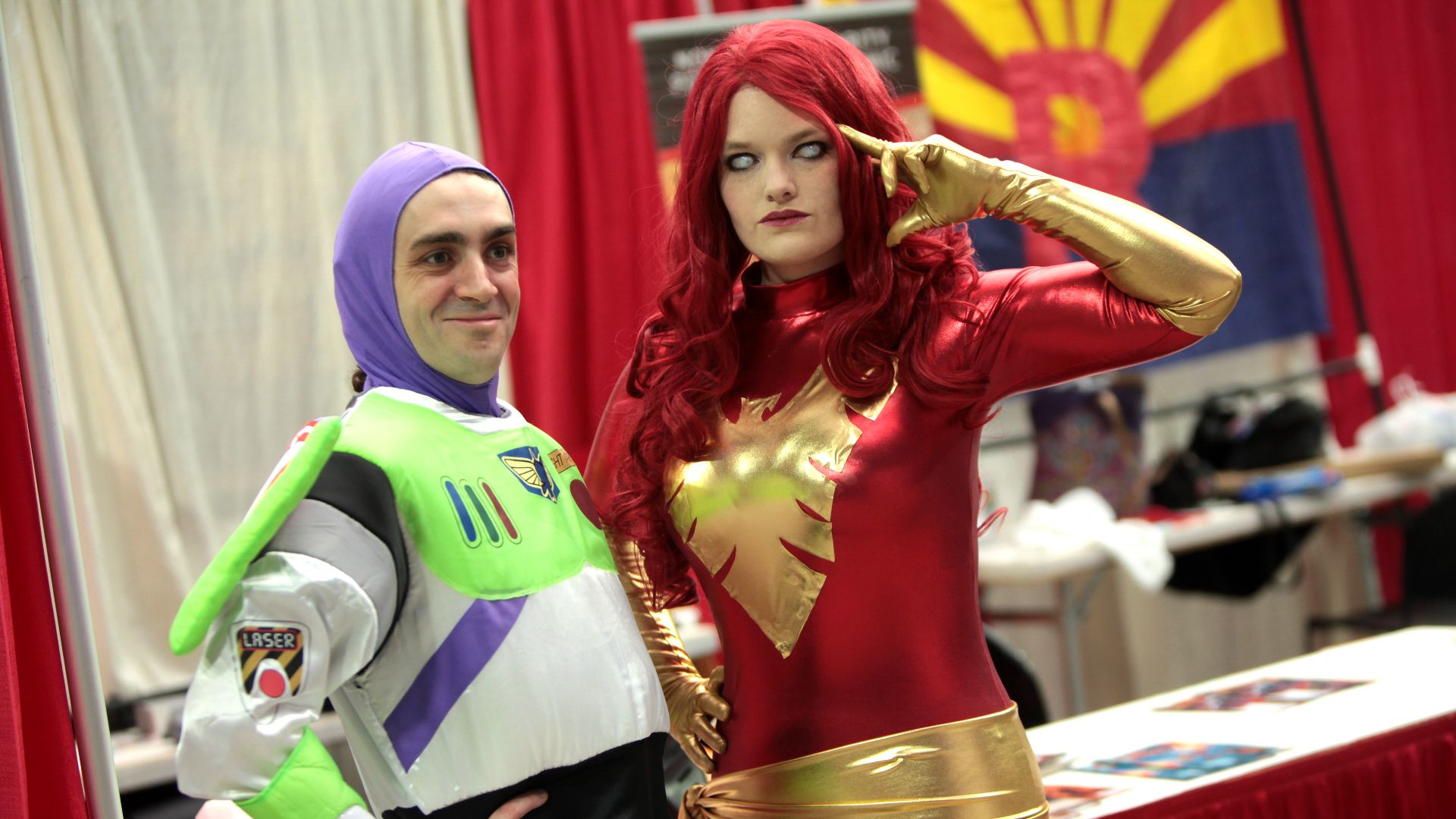 Gage Skidmore from Peoria, AZ, United States of America on Wikimedia
2. Watchmen
Watchmen is still celebrated because it changed what mainstream readers expected comics could do, from structure to theme to moral discomfort. It’s meticulous without feeling cold, and every reread reveals another gear turning.

3. The Killing Joke (Batman)
It’s controversial, yet it remains deeply influential because it distills Batman and the Joker into a tense psychological chamber piece. The art, the pacing, and the uneasy ambiguity made it a story creators kept responding to for decades.
4. Born Again (Daredevil)
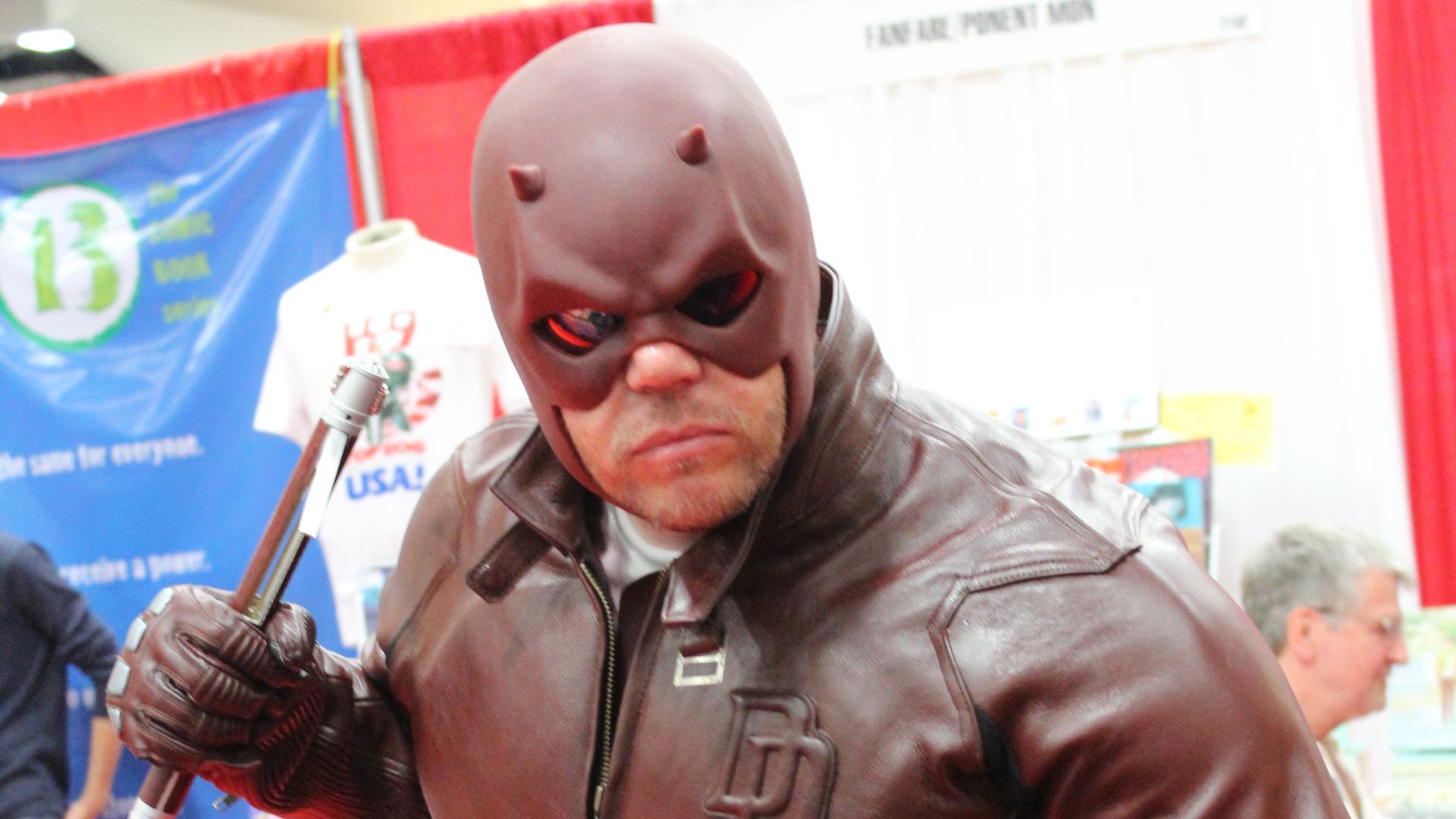
This arc is beloved because it takes Matt Murdock apart and rebuilds him without losing his core. The story hurts, yet it’s ultimately about resilience, and it shows how street-level stakes can feel epic.
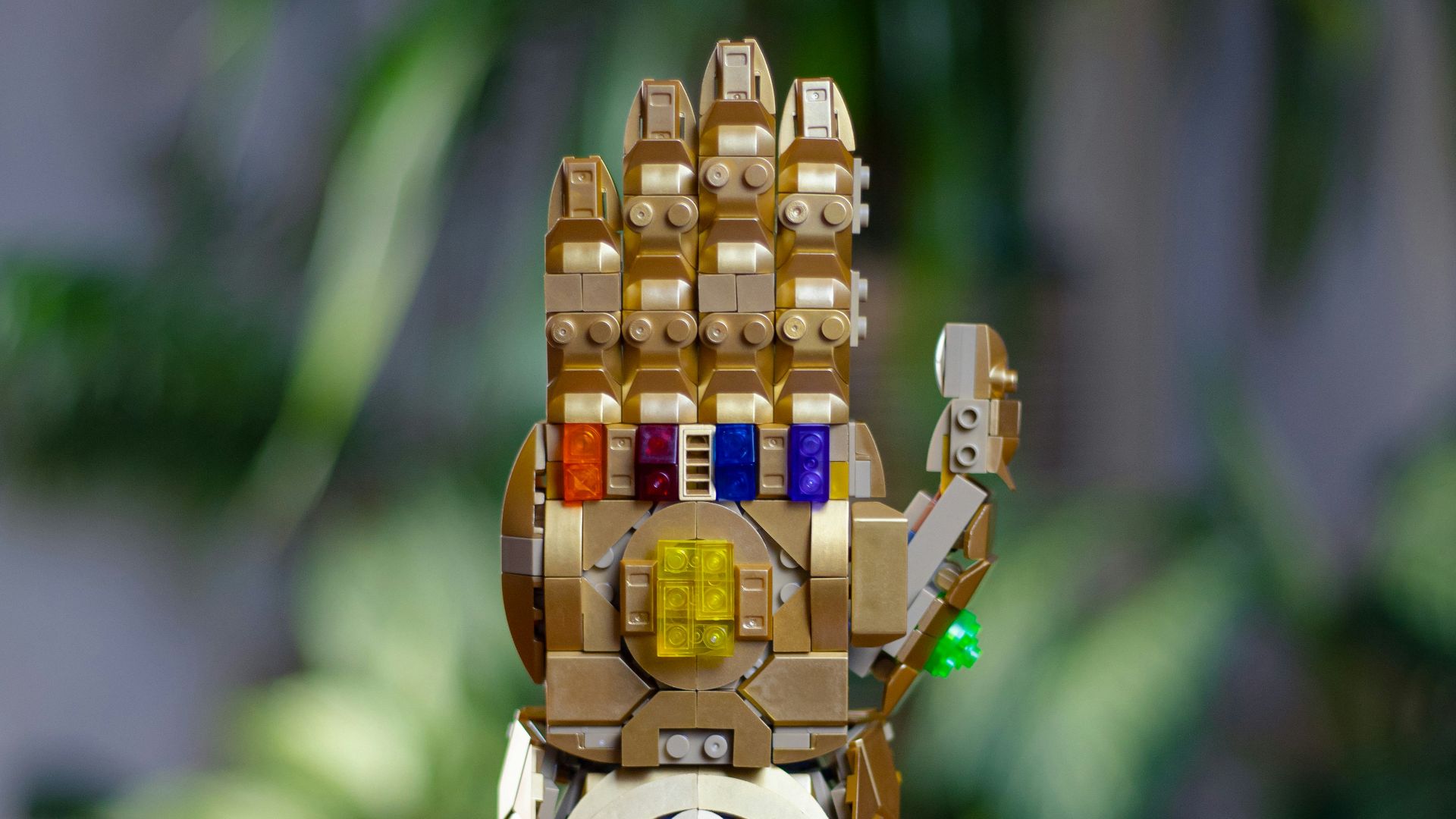
5. The Infinity Gauntlet
Fans still celebrate it because it’s cosmic spectacle with clear emotional lines: love, obsession, arrogance, and consequences. Thanos feels mythic, yet the narrative stays readable, which is half the battle in big event comics.
6. The Death Of Superman
Even people who roll their eyes at the hype remember how it felt to live through it, because it was a genuine pop-culture moment. The story is simple, almost primal, and the aftermath opened space for grief, legacy, and weird new contenders.
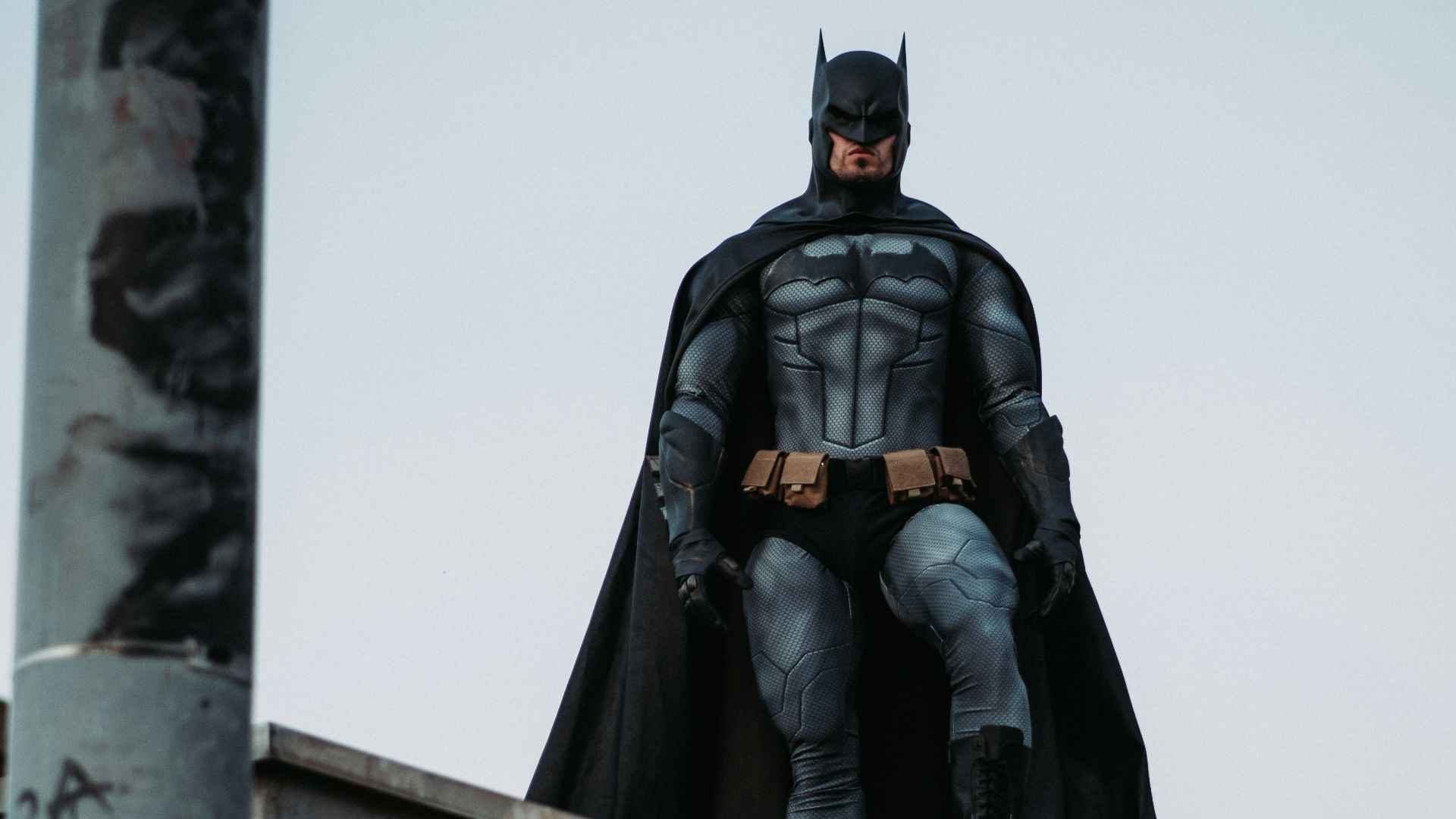
7. Batman: Year One
Year One is a favorite because it’s grounded and clean, with Gotham feeling like a place you can smell. It’s a tight origin that respects detective work and moral pressure more than gadget spectacle.
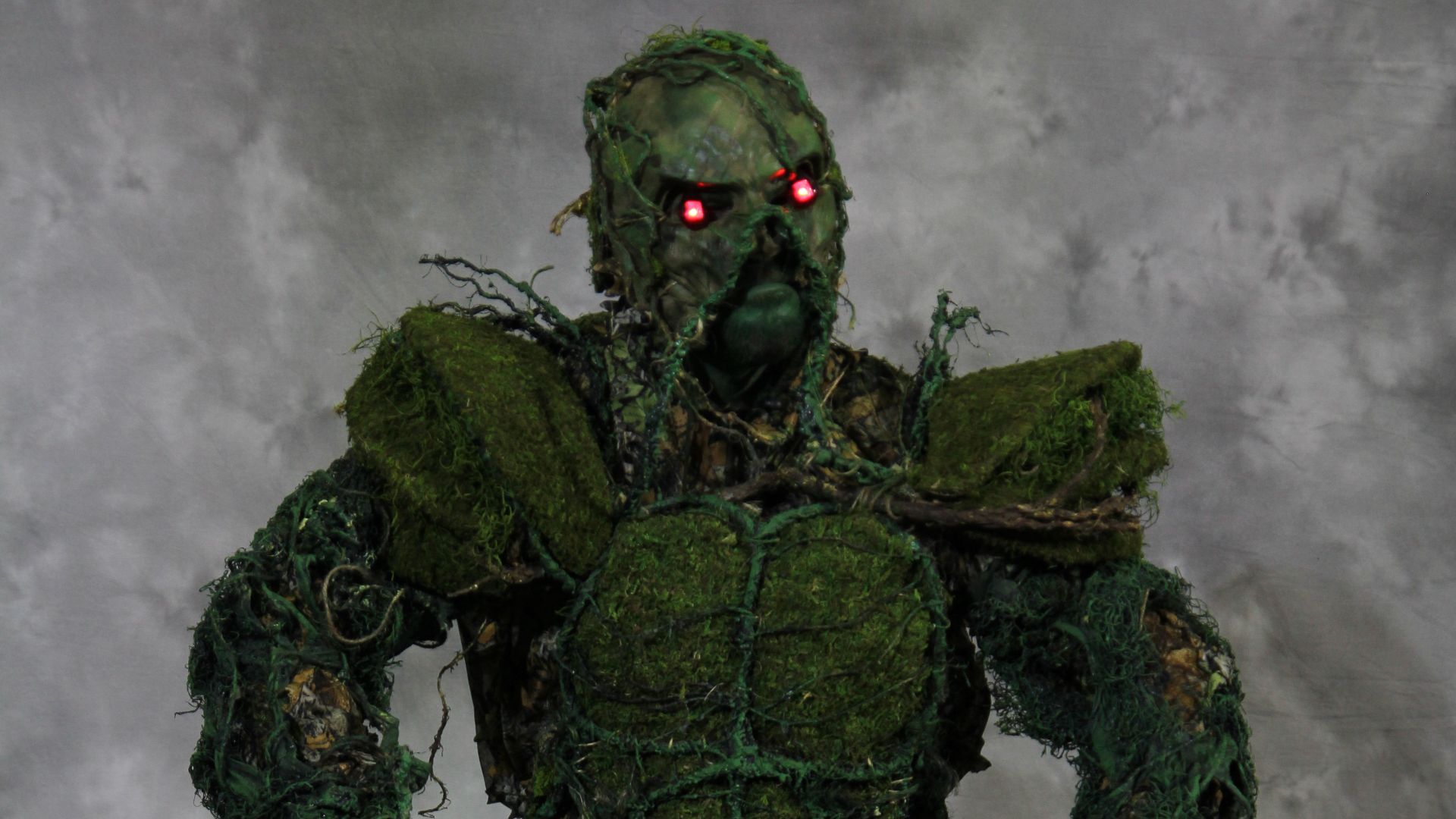
8. Saga Of The Swamp Thing (Alan Moore’s Run)
This run is celebrated because it turned horror, ecology, and romance into something poetic without losing the pulp roots. It made Swamp Thing feel enormous and intimate at the same time, which is not easy.
9. Kraven’s Last Hunt (Spider-Man)
This story is still talked about because it’s dark without feeling empty, and because it understands Spider-Man’s heart even while dragging him through the mud. It’s a villain story and a hero story, and it lands because it takes both seriously.
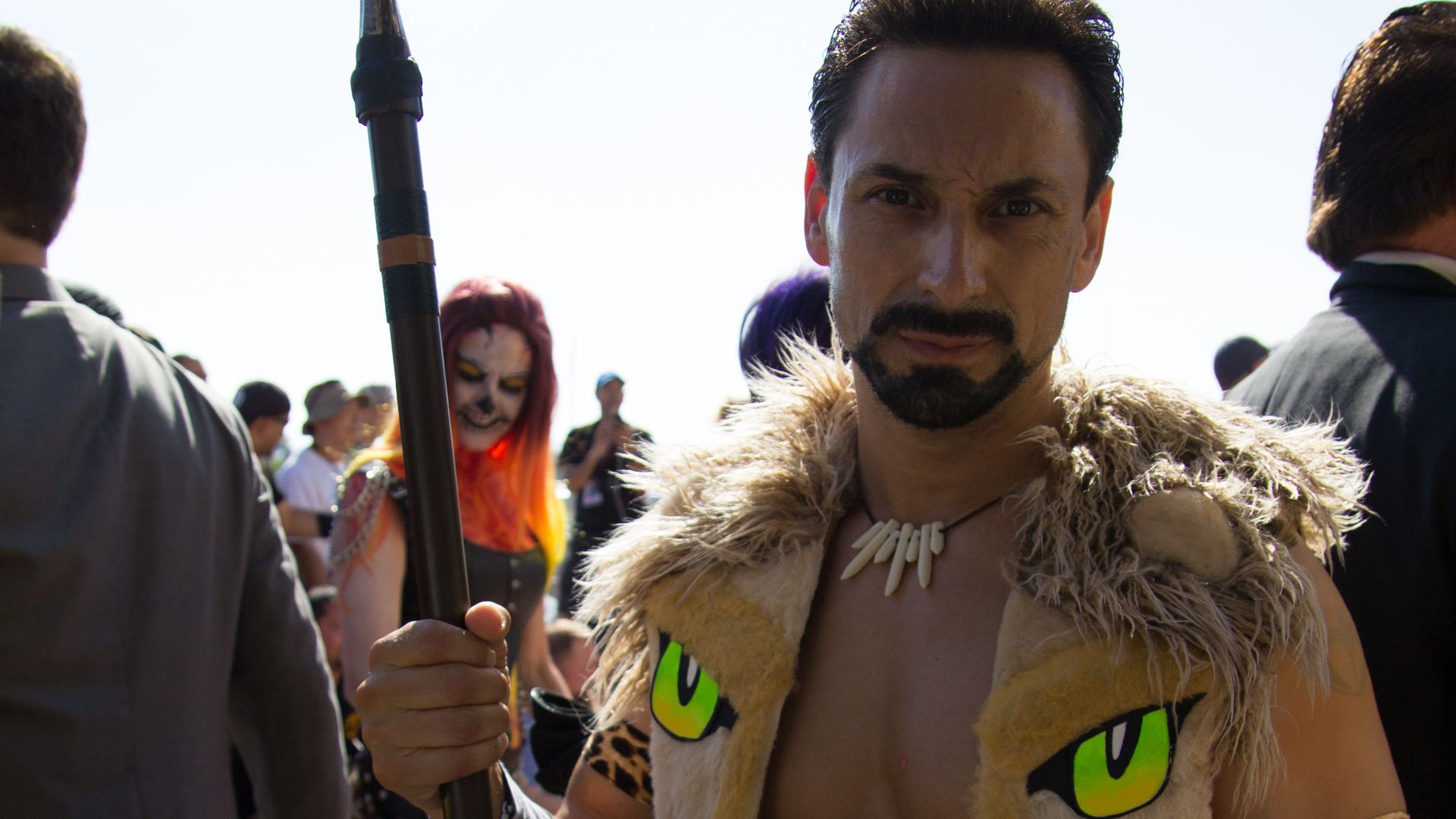 William Tung from USA on Wikimedia
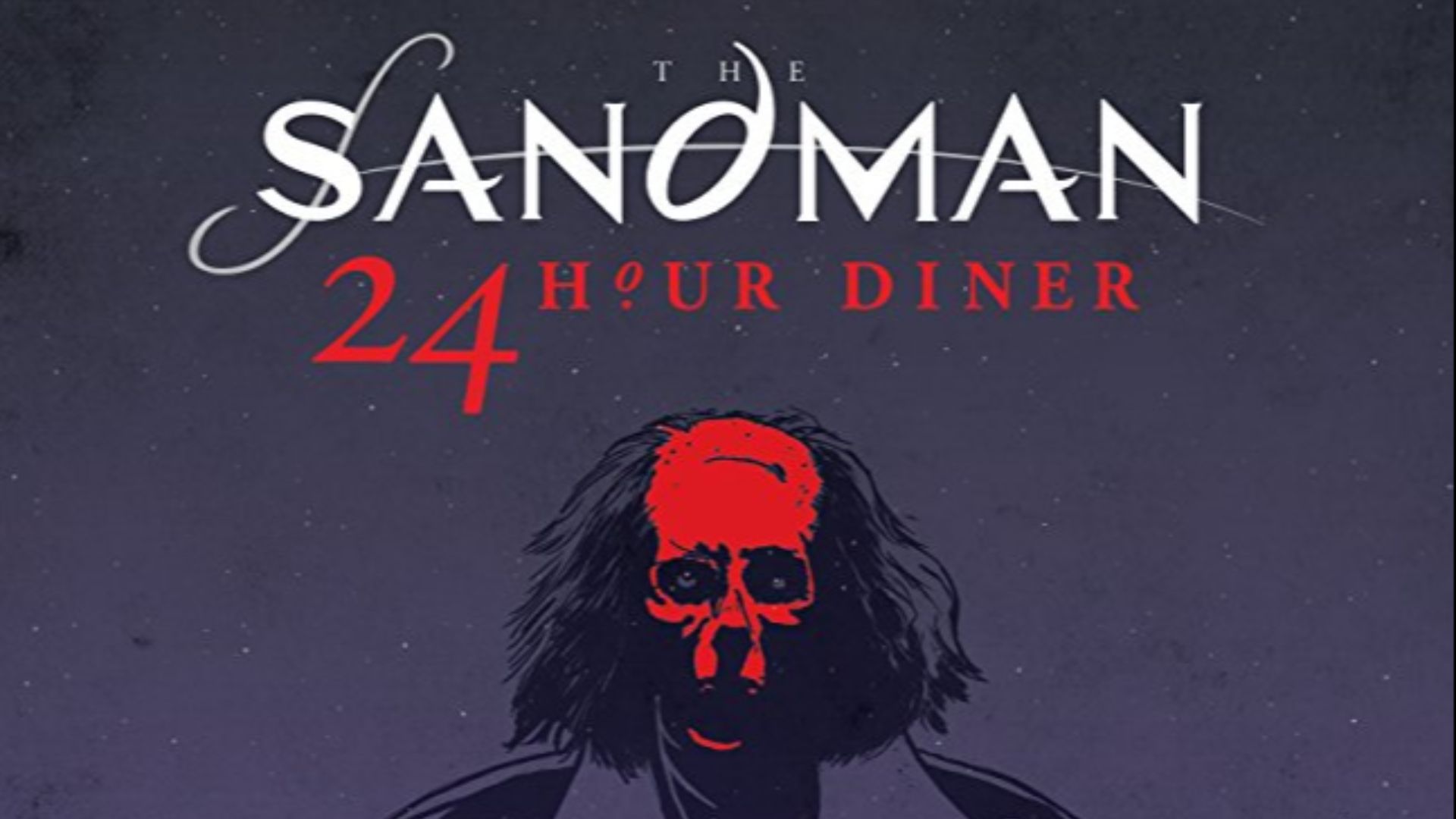
10. The Sandman (Season Of Mists And Beyond)
The Sandman remains a fan touchstone because it treats myth like something alive, not museum-dusty. The stories feel dreamlike, yet the emotions are sharp, which is why people keep handing these books to friends like they’re sharing a secret.