Remember These?
Video games are generational, but certain defining ones have slipped through the cracks of many players’ memories over the years. Iconic arcade titles to early online RPGs, these games were the best of their time with classic gameplay, graphics, and addictive mechanics. Some were the first of their kind, inspiring major successes, or even genres of games, while others may have set the table for what would become big franchises. So with that in mind, here are 20 nostalgic games you should remember.
 Robert Nelson from Tarpon Springs, Florida, USA on Wikimedia
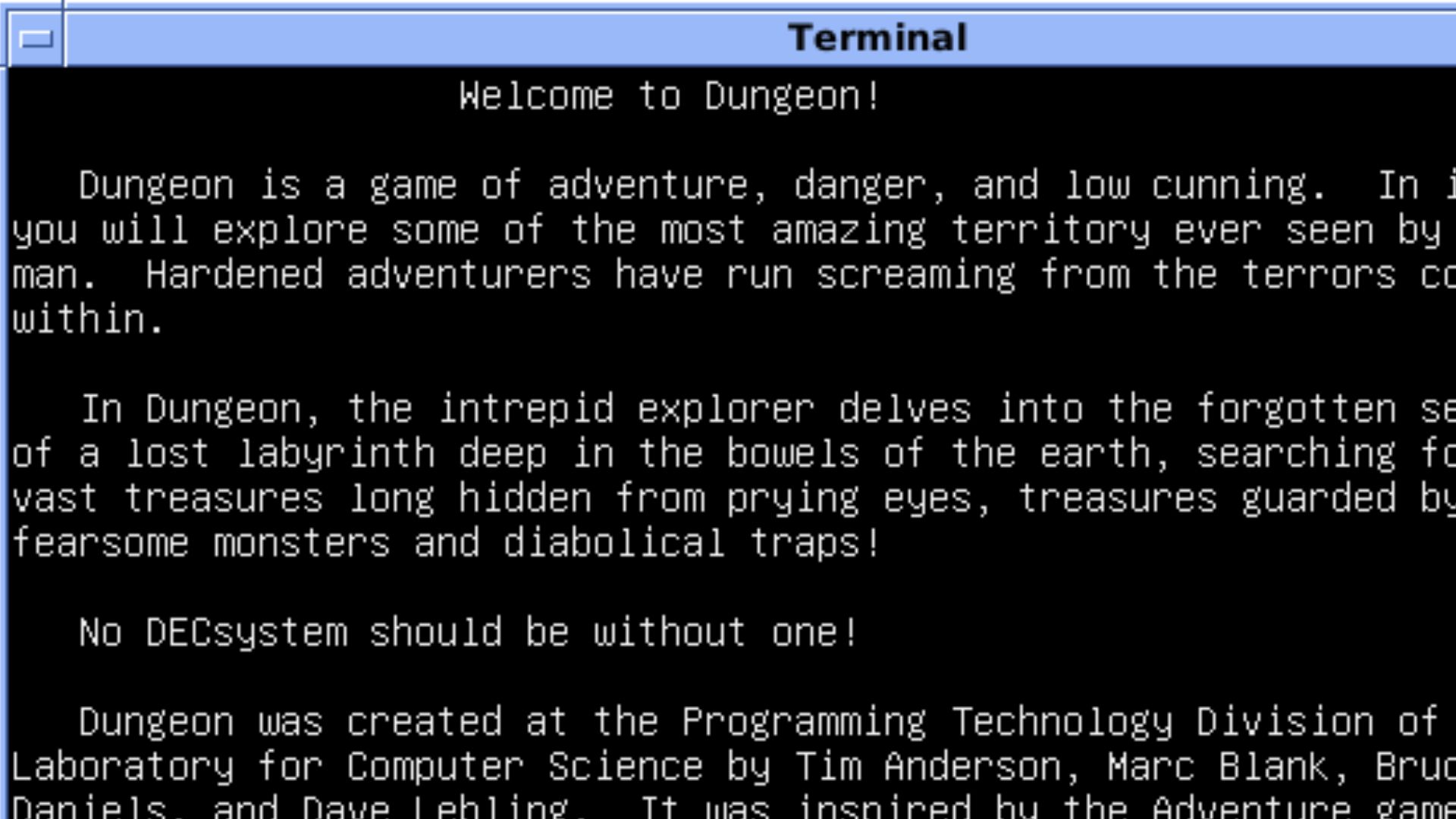
1. Zork (1977)
Zork is a classic text adventure game where players explore a virtual world using textual commands. The game focused on exploration, puzzle-solving, and interactive storytelling in a rich fantasy environment. Zork was one of the first interactive fiction and adventure games to be released on mainframe computers. It set a standard for creativity and design in the gaming industry. It was a game where players used their imaginations as the controller.
2. Webkinz
Webkinz let players take care of stuffed toys with codes to play online. Players dressed up their pets, played games, and tended to their simulated needs. Having a collection of plush pets to "own" was both rewarding and addictive to kids. Children could dress and take care of their pets both offline and online. The stakes were low, and gameplay resembled other virtual pet simulations like Neopets. Webkinz is an archetypal example of early interactive online play.

3. Primal Rage (1994)
Primal Rage was a vicious dinosaur brawler in which players took control of prehistoric titans to fight for supremacy. Capitalizing on the dinosaur trend of the 90s, thanks to the success of Jurassic Park, the game was an instant hit. The game was different from many others in the genre by offering over-the-top gore and a roster of unique characters. However, it didn't develop the staying power of many similar games in its genre, partially due to Atari's financial difficulties and a planned sequel that was ultimately canned.

4. The Neverhood (1996)
The Neverhood was a point-and-click adventure that was unique in that it was fully rendered in stop-motion claymation. It featured Klaymen adventuring through a bizarre landscape filled with puzzles and oddball characters. Graphically, the game was unsurpassed by any other, creating a tactile and timeless atmosphere. While the puzzles were not as demanding as the graphics warranted, it found a small but loyal cult following.
5. Barbie MP3 Player Virtual World
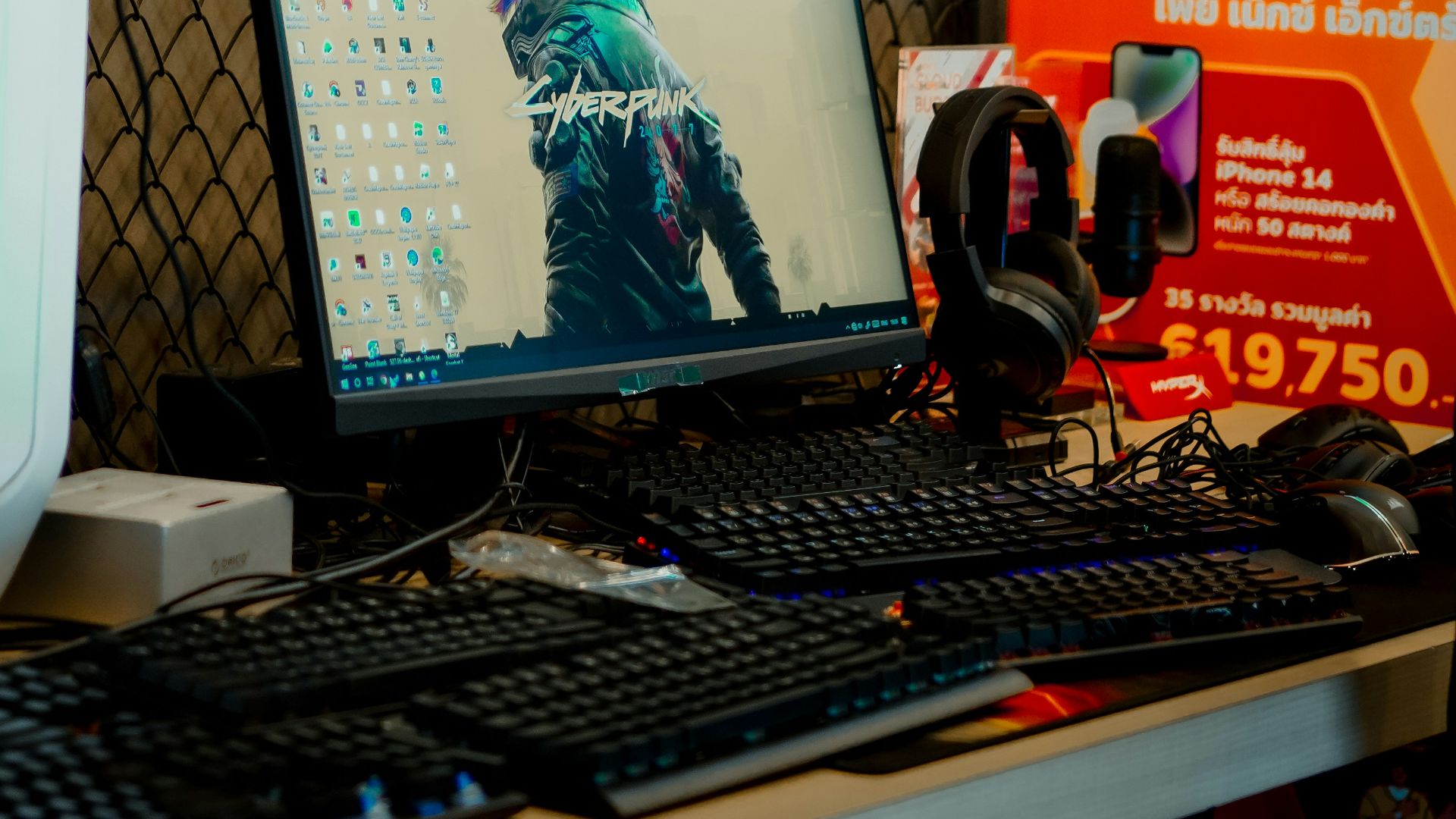
The Barbie MP3 player was also a doll and a virtual world game. Barbie as a character came to life in a digital world that you could play through. Users could get a sense of "living" as Barbie and explore her world while going on quests and talking to characters. This unique feature made the MP3 player an extremely popular gift for children. Kids could play pretend while enjoying all the features of a new technological toy.

6. Aliens: The Computer Game (1986)
A prototype for the C64/Spectrum game, which had very limited movement controls, players would have to aim and tactically move the avatar. This game was an FPS and took on the movie characters in very frightening missions on the colony. This game, despite its movement limitations, could still be quite suspenseful and very terrifying at times due to its limitations of movement.
7. Oregon Trail (1971 / 1985)
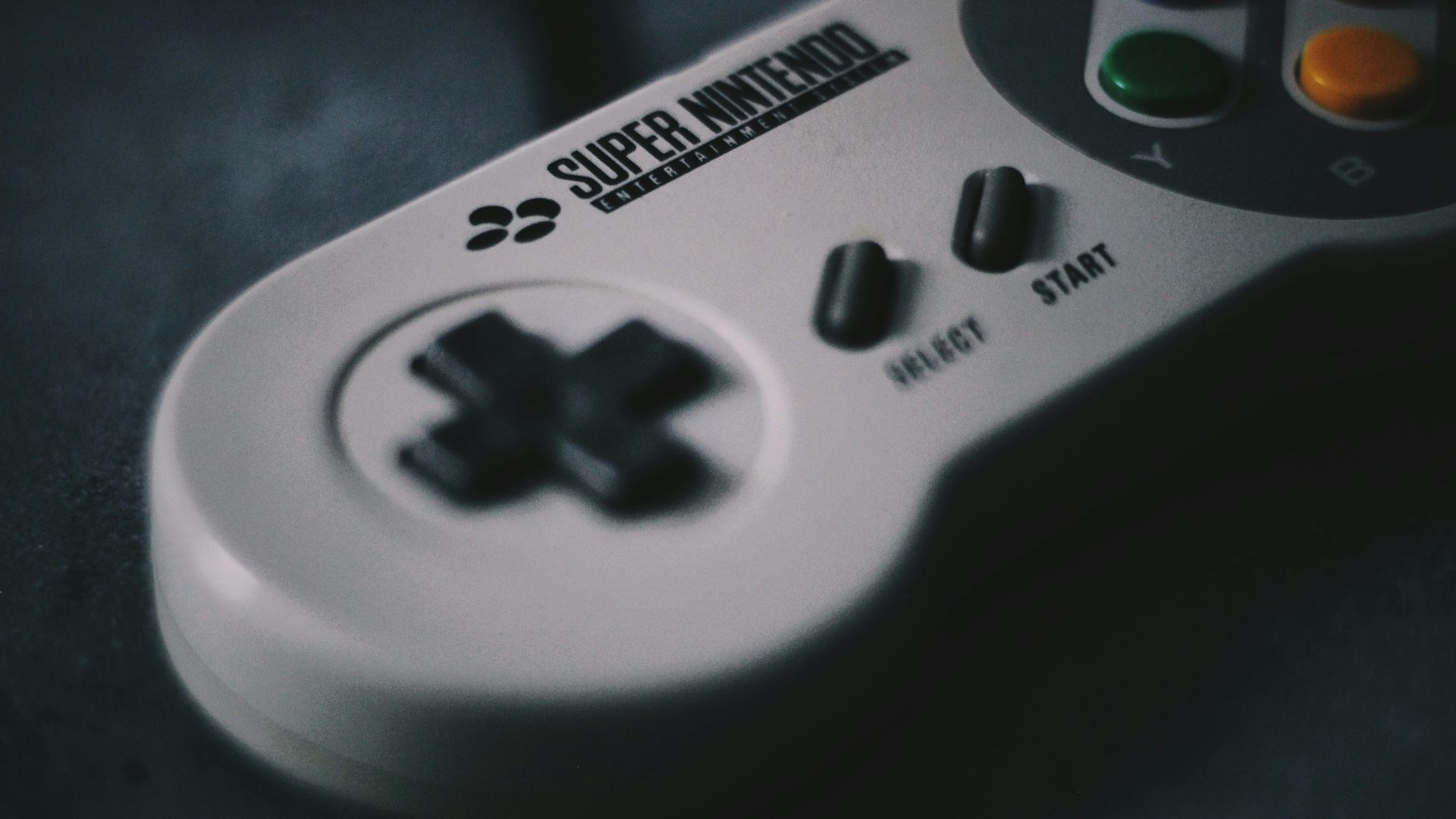
Oregon Trail was the first introduction to strategy, survival, and gaming loss for many players. What started as a class tool became a cultural icon, teaching generation after generation about resource management, risk, and frontier brutality. The brutal randomness of disease, accidents, and starvation made every journey gripping and memorable.

8. Clockwork Knight (1995)
Clockwork Knight was a cute Sega Saturn platform game featuring Sir Pepper, a wind-up toy knight trying to save Princess Chelsea. Levels were creative, reimagining common household rooms as playgrounds. Digitized character sprites over 3D environments were visually impressive. Gameplay was simple, but the charm and detail of the game made it memorable. It's often overlooked now due to the Saturn's limited success.

9. Shogo: Mobile Armor Division (1998)
Shogo: Mobile Armor Division combined FPS elements with giant mechs, based on Japanese anime. The game introduced customizable critical hit mechanics where players could heal their health. It was plagued with low sales and a rocky development, and yet has one of the coolest games for the genre during its time. It was also one of the most ambitious and enjoyable shooters from that era. Fans remember it as a unique hybrid of mech gameplay and first-person shooters.

10. Disney Virtual World
Disney's virtual world games brought the magic of their theme parks to the digital realm. Players could virtually visit attractions, collecting virtual items and completing mini-games. These games often included small in-game purchases, teaching early virtual economy management. Fans unable to visit the parks could explore and create in these expansive worlds. Today, these games are remembered for their immersive, magical experiences.

11. Alter Ego (1986)
Alter Ego is a life simulation game. It used a system of critical junctures in the player's life to guide the player from birth to death as a result of the player's actions and choices. Its author, psychologist Peter Favaro, wanted to create a game that could be useful as well as realistic. The game was very heavy on text for its time, unusual, but very engaging. It didn't sell well, but is considered the first of a whole new genre of life simulations that includes the successful The Sims franchise.

12. Myst (1993)
Myst changed the way video games could look and feel, replacing twitch reflexes with tranquil discovery and mind-bending puzzles. The game placed you in a deserted but beautiful world and left you to discover its secrets without much help at all. The often-frustrating but hypnotic gameplay was accompanied by a revolutionary use of pre-rendered graphics and helped establish CD-ROM gaming as a mainstream medium.
13. Blackthorne (1994)
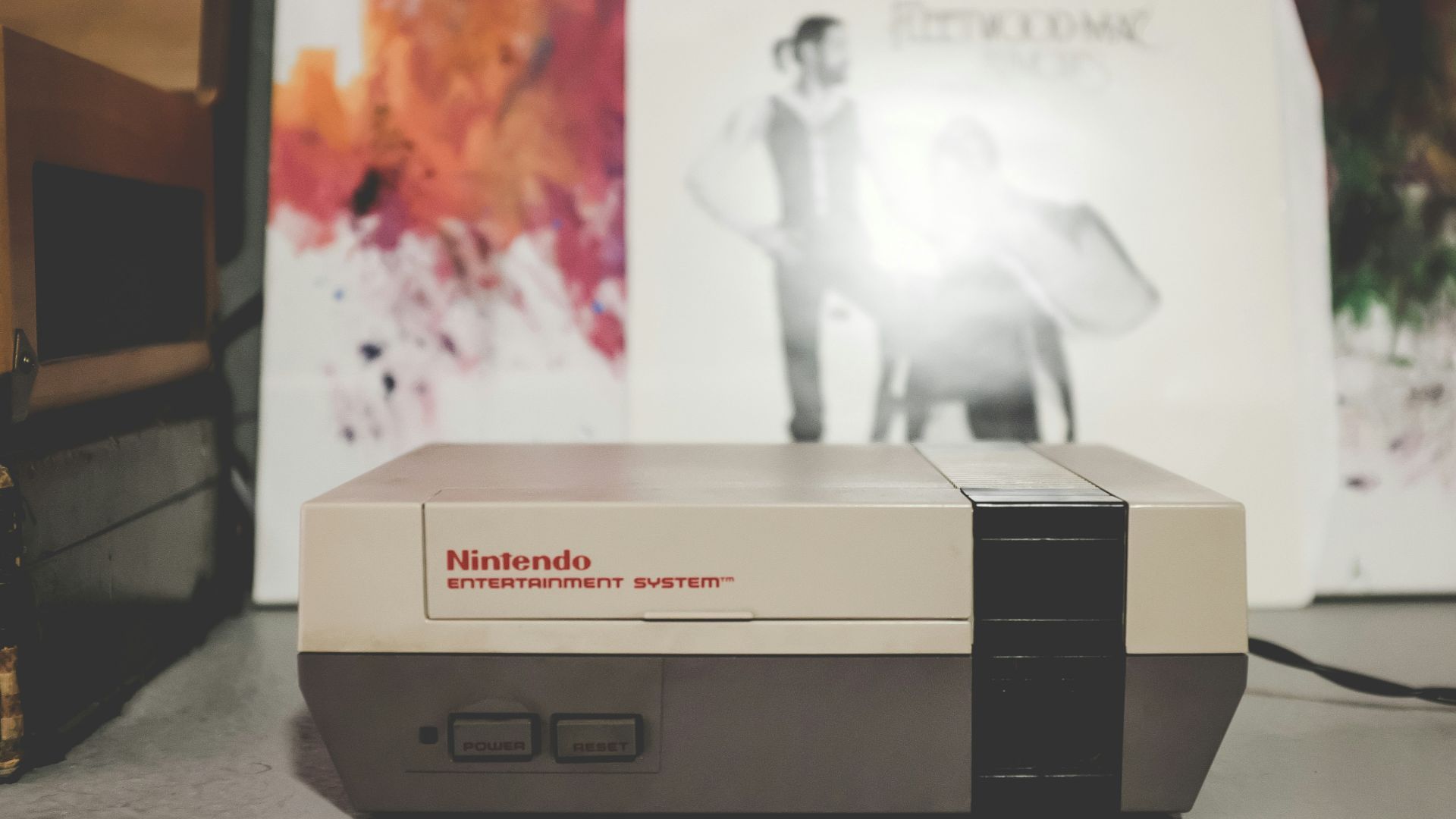
Blizzard's Blackthorne was a cinematic platformer about a humanoid alien fighting for the survival and justice of his race. The game blended smooth character animations with dark, brooding levels and intense gunplay. Released for the SNES, PC, and Sega 32X, it was a sign of Blizzard's early play in the industry before they hit it big with their Warcraft, Diablo, and StarCraft franchises.
14. Secret of Evermore (1995)
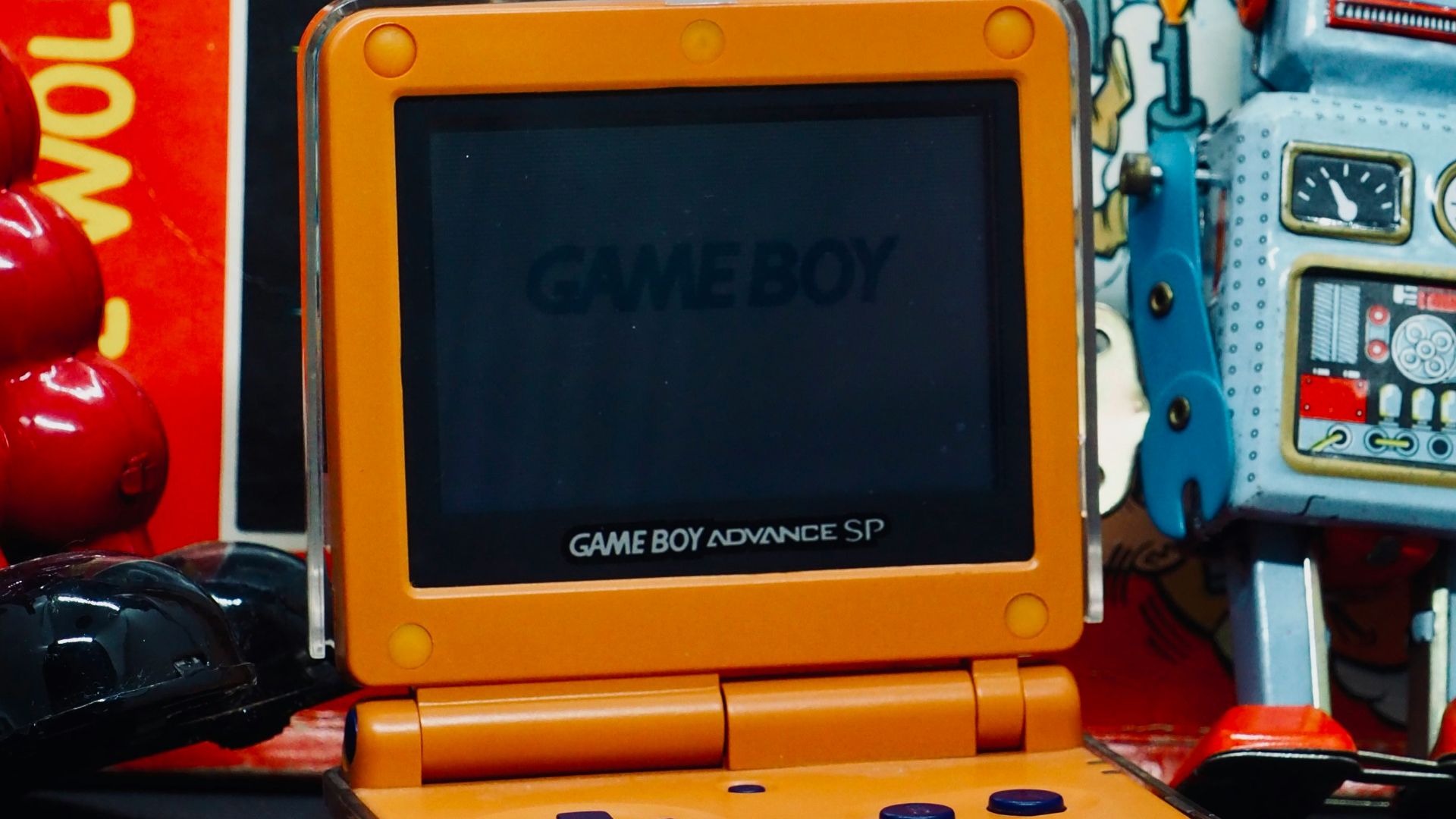
Secret of Evermore was often unfairly overshadowed by Square’s Secret of Mana. Players still had an in-depth RPG adventure to look forward to as they traversed a fantasy world with a boy and his dog. Combat, music, and worldbuilding were all fun, though it followed similar mechanics to its predecessor.
15. Runescape
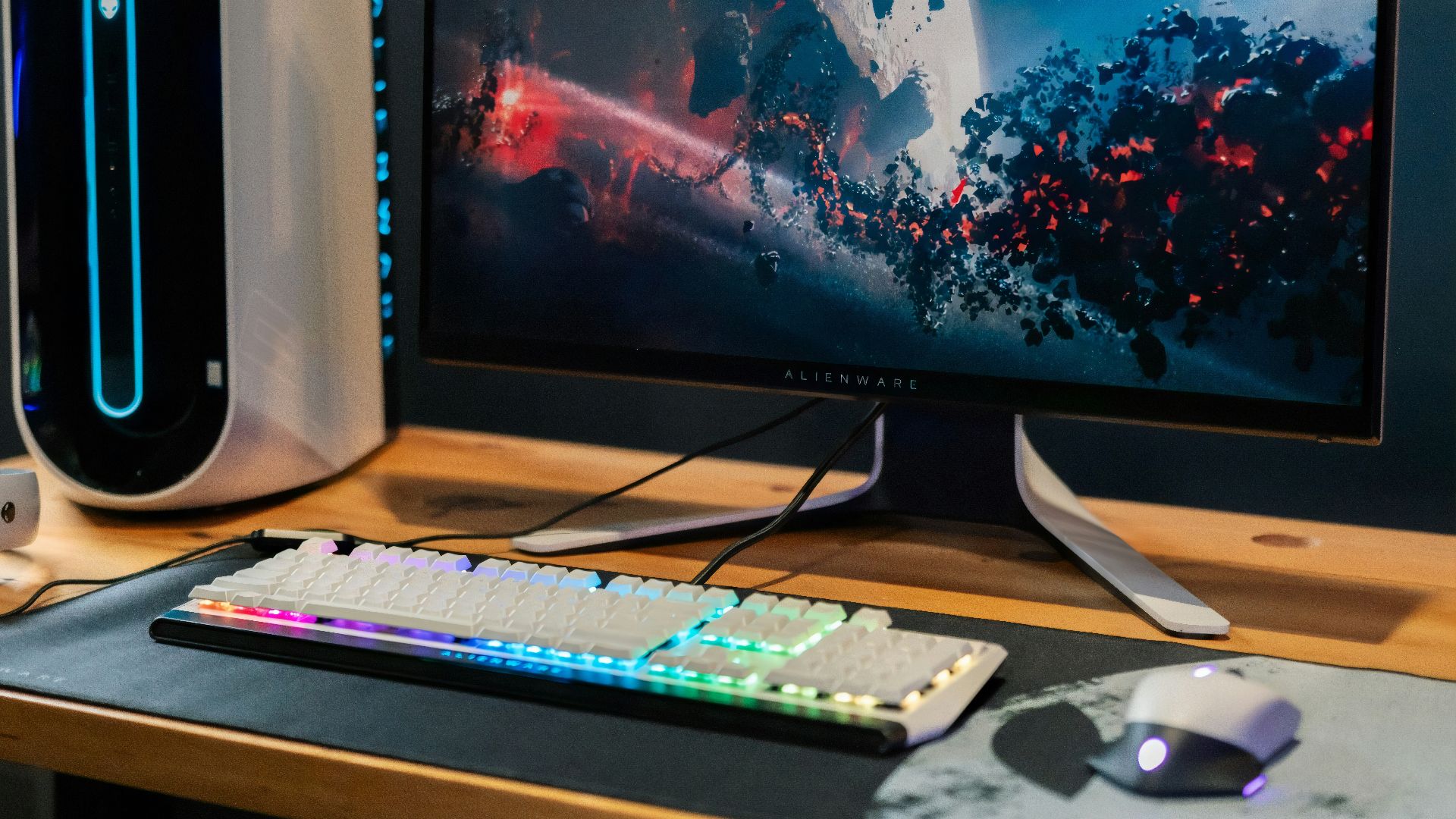
MMORPGs like Runescape defined childhood with their infinity of quests, monster fighting, and human interaction. An entire day could be spent adventuring in massive worlds, leveling and accumulating treasures, and learning the nuances of a massively multiplayer economy. Childhoods were ruined by losing all their hard-earned in-game gold pieces to duping mastermind players.
 Nikita Kachanovsky on Unsplash
16. Bioforge (1995)
Bioforge was a cyberpunk "interactive movie" adventure game that took place in a moon base run by religious fanatics. In the role of a cyborg, the player had to solve puzzles, engage in combat, and explore the environment, uncovering the story by reading PDA entries and hacking. Stylistically, it was a kind of cinematic forerunner to games like Deus Ex, BioShock, and Dead Space.

17. Eternal Darkness: Sanity’s Requiem (2002)
Eternal Darkness was a Lovecraftian-themed survival horror game for the GameCube. The game told a story while applying psychological horror elements to the gameplay. In a series of lifetimes, the player has to stop an ancient evil with the help of the mysterious Tome of Eternal Darkness. The sanity meter manifested visual disturbances and hallucinations to confuse and mislead the player.
18. Millsberry (2000s)
Millsberry was a free 2D point-and-click virtual world based on cereal. But it had surprisingly in-depth gameplay for children, who could customize characters, furnish houses, and go on adventures. The social aspect was interesting, as you interacted with oddball in-world residents and completed tasks and quests. The world had a lifespan of six years and a very active community.
19. Pixel Dolls
Pixel dolls and virtual dollhouses were also made for children. Pixel characters could be fed, clothed, and hooked up to each other online. Neglecting them could result in adverse "hangry" responses as humorous punishment. Dolls could interact with many others, encouraging broader gameplay and social interaction. Combining offline toys and virtual worlds, pixel parents called it a hybrid. Many recall these games with creativity and interactivity, in nostalgia.
20. Bust A Groove (1998)
Bust A Groove blended rhythm-action mechanics with head-to-head "dance fights." Players were challenged to keep up with on-screen prompts and out-dance their opponents. It featured smooth animation, a wide-ranging soundtrack, and zany characters. Bust A Groove became a fan favorite on the PlayStation. It had an influence on the rhythm genre but was eventually eclipsed by Dance Dance Revolution.