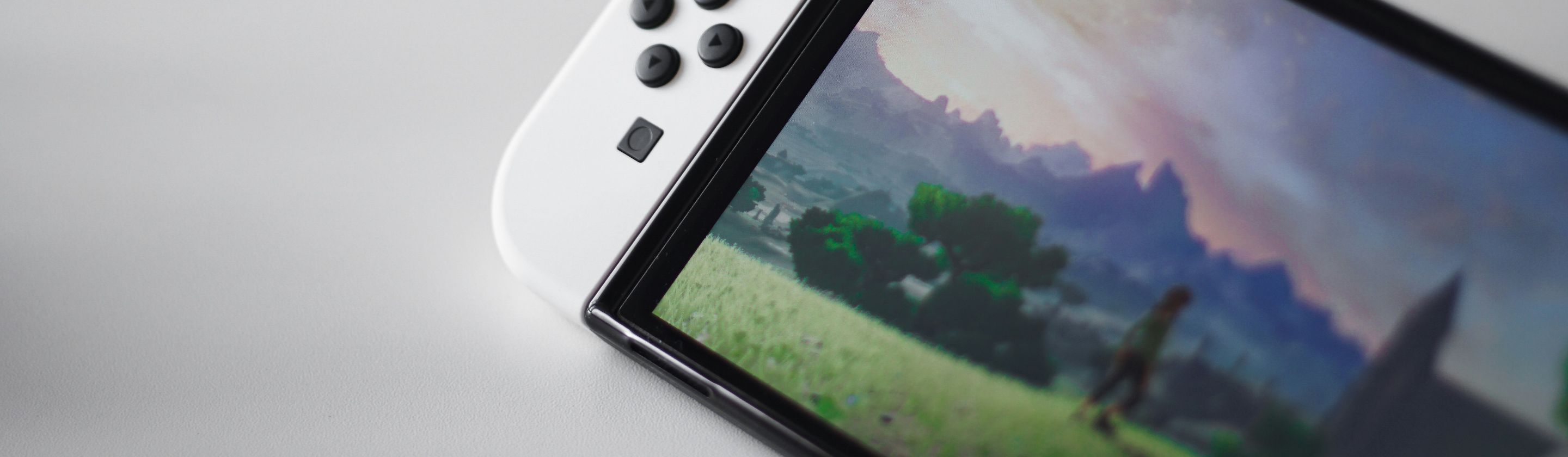
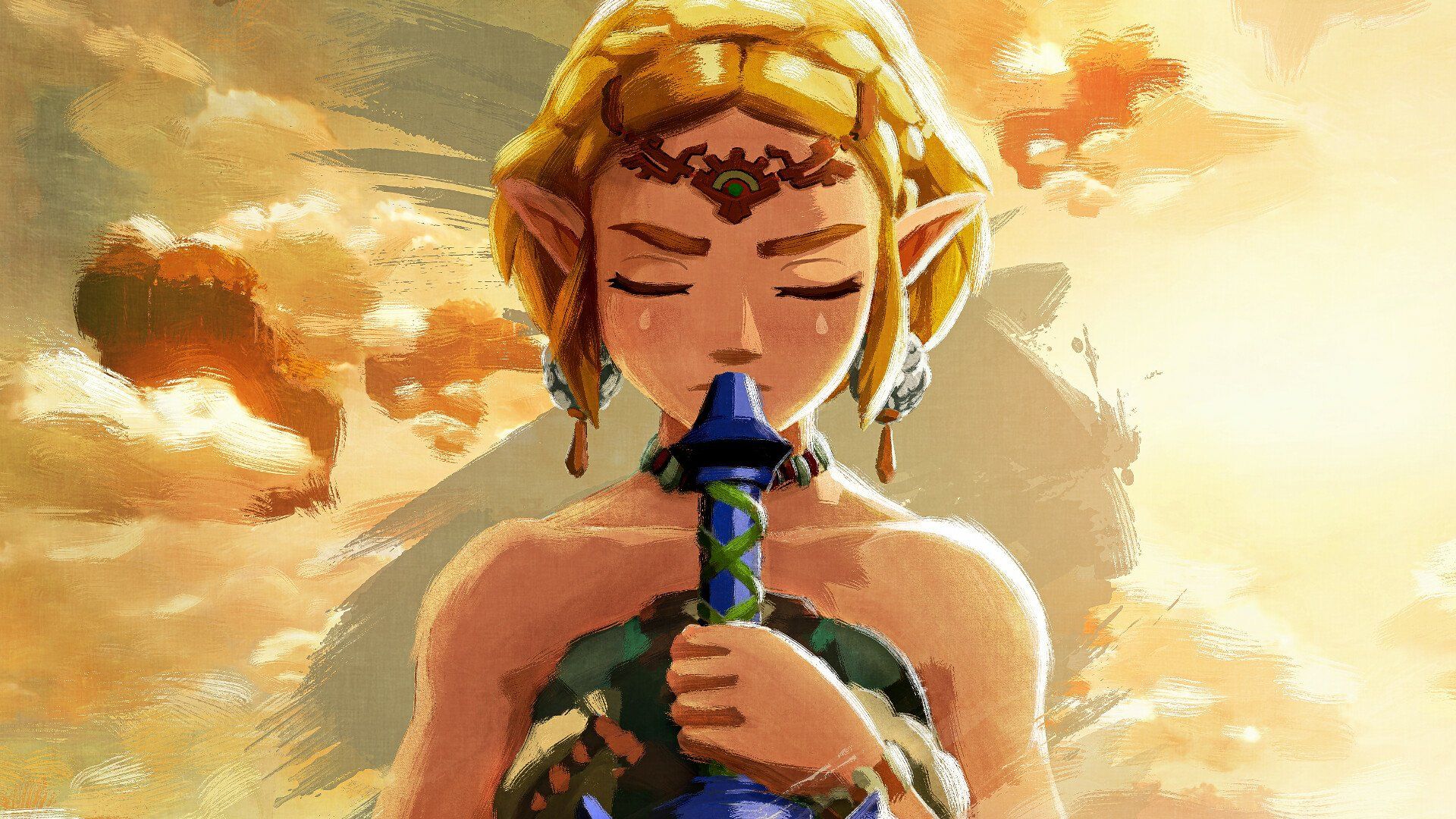
In 2017, Nintendo won almost 200 collective awards for one of its longest-running franchises, The Legend of Zelda, with the release of the game’s first truly open-world game, Breath of the Wild.
Breath of the Wild won Game of the Year at The Game Awards, Golden Joystick Awards, and the NAVGTR awards, among numerous other accolades, including Best Game Direction, Critics' Choice, Best Audio, and Game Design, among others.
The favorite was clear among fans as well. Breath of the Wild holds the highest-selling title across the franchise, with over 34 million copies sold, making it the 4th best-selling game for the Nintendo Switch and the Wii U.
It was clear that this new take on a classic franchise had opened the door for Nintendo to continue down this open-world path. So, when Tears of the Kingdom came out six years later, everyone was excited to see what Nintendo had come up with this time around.
With the addition of two new layers to the pre-existing BOTW map, alongside new bosses, locations, and new gameplay mechanics, fans and critics alike were impressed with this sequel to the 2017 powerhouse. Tears of the Kingdom is the second-highest-selling Zelda game, with over 21 million copies sold on the Nintendo Switch.
But it wasn’t quite enough to make the cut. Despite Nintendo’s best efforts, TOTK was beat out for game of the year by the long-awaited Baldur’s Gate 3, which swept up over 40 major awards by 2024.
TOTK didn’t do poorly by any means, still winning best action/adventure game at the Game Awards, Nintendo Game of the Year at the Golden Joysticks, and even winning Game of the Year from IGN.
TOTK’s Downfall
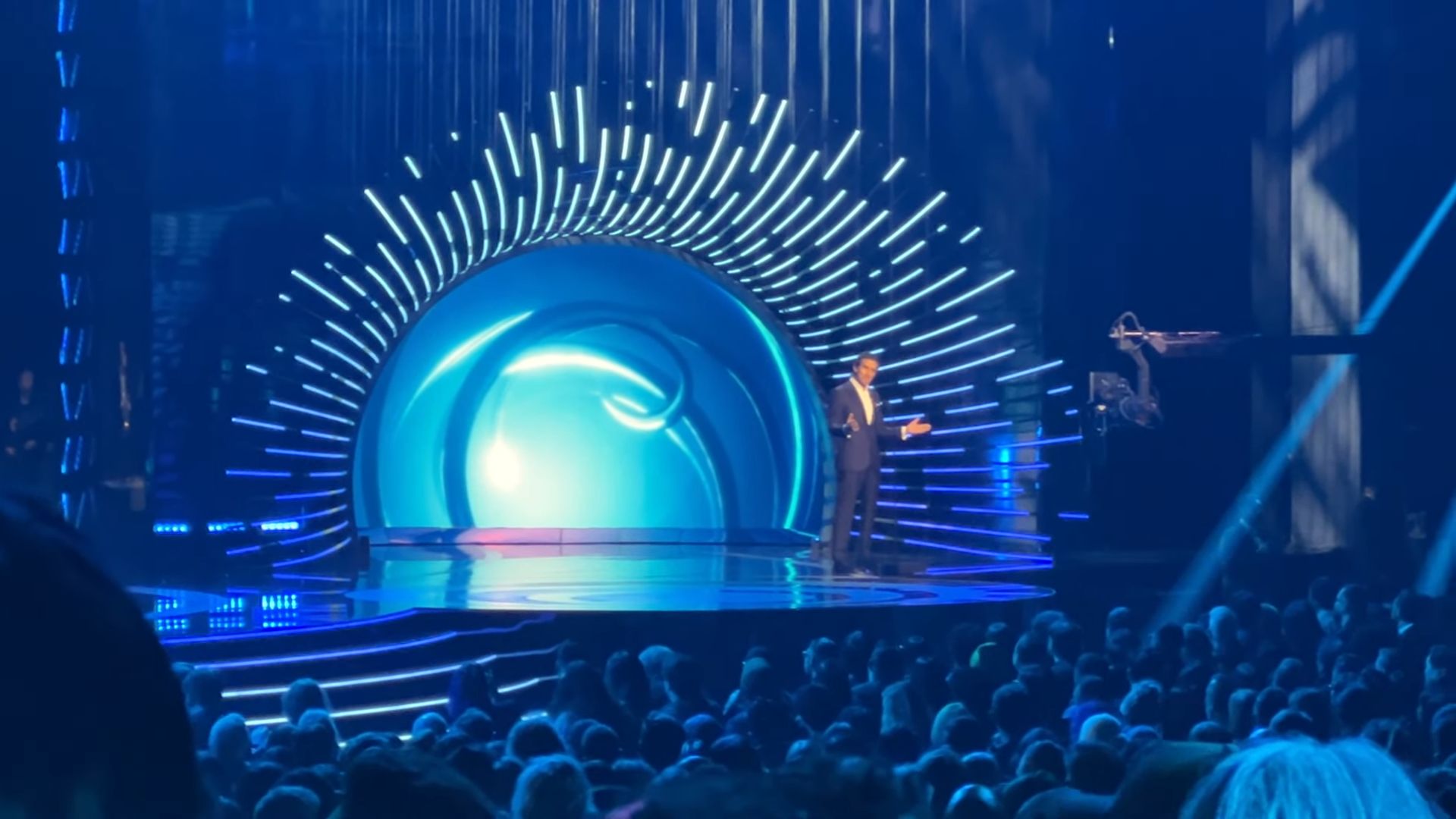
While we could go on and on about why Baldur’s Gate 3 deserved (yes, deserved) to win all these awards, from the intricacy of the story, the characters, and the truly incomprehensible amount of freedom players have within the game, it wouldn’t do much good. It’s possible that even if TOTK had been a truly perfect game, it still would’ve lost out to this iconic D&D series.
Instead, let’s discuss what set TOTK back a few pegs, because there are a few.
Across fan pages, there seems to be a consensus on a few things Nintendo failed to master with this sequel. For one, the added layers to this game (the depths, caves, and great sky islands) were overwhelmingly lackluster and repetitive. Frankly, fans say, they’re boring additions to an already great map.
Another issue is the reuse of items included in the BOTW DLC, which came out in the following months of the game’s March 2017 release. The Hero’s Journey map option, the travel medallion, and a couple of wearable items reappear in TOTK. While these DLC items were useful, not much more was added in terms of items, weapons, or even food.
However, the biggest setback of TOTK was its poorly developed storyline. The main quest follows four sages, which, upon completion, shows the same cutscene for each character. The addition of the sages in the final boss fight isn’t much better, which makes the actual plot of the game feel like a second thought.
The same goes in terms of consistency, where many characters don’t recognize Link despite most players having gone through the BOTW map. It also veers from BOTW lore, which is an entirely different issue to be discussed in another article.
Despite its faults, of which there are many, the game was still wildly successful and deserved the praise it got for game mechanics alone—but top-tier mechanics aren’t quite enough to get you game of the year.
We can only hope future Zelda installments work to improve on their poor narrative structure and character building, while remaining true to the themes of courage, wisdom, and power.