

The idea of set-in-stone release windows feels almost quaint now, like something from the era of boxed copies and glossy manuals. Studios once circled dates on calendars, built marketing plans around them, and pushed discs into trucks months in advance. That world hasn’t vanished completely, yet it feels distant whenever a patch drops quietly at 2 a.m. or a game soft-launches in a single region just to see if the servers melt. We’ve learned to live with unpredictability. Sometimes we even crave it because it signals that development is alive, breathing, and maybe a little messy.
Live Service Has Rewritten The Timeline
Live service games pulled the rug out from under traditional schedules. A title like Fortnite receives weekly updates that change weapons, alter the map, and adjust balance in ways that would’ve been labeled major revisions a decade ago.
We’ve adapted, too. Players camp out in Discord servers waiting for the next surprise patch, which the studio sometimes announces only minutes before downtime. The cycle isn’t annual or even seasonal anymore. It’s continuous, and it means release day no longer stands apart from everything that comes after.
Early Access Is The New Launch
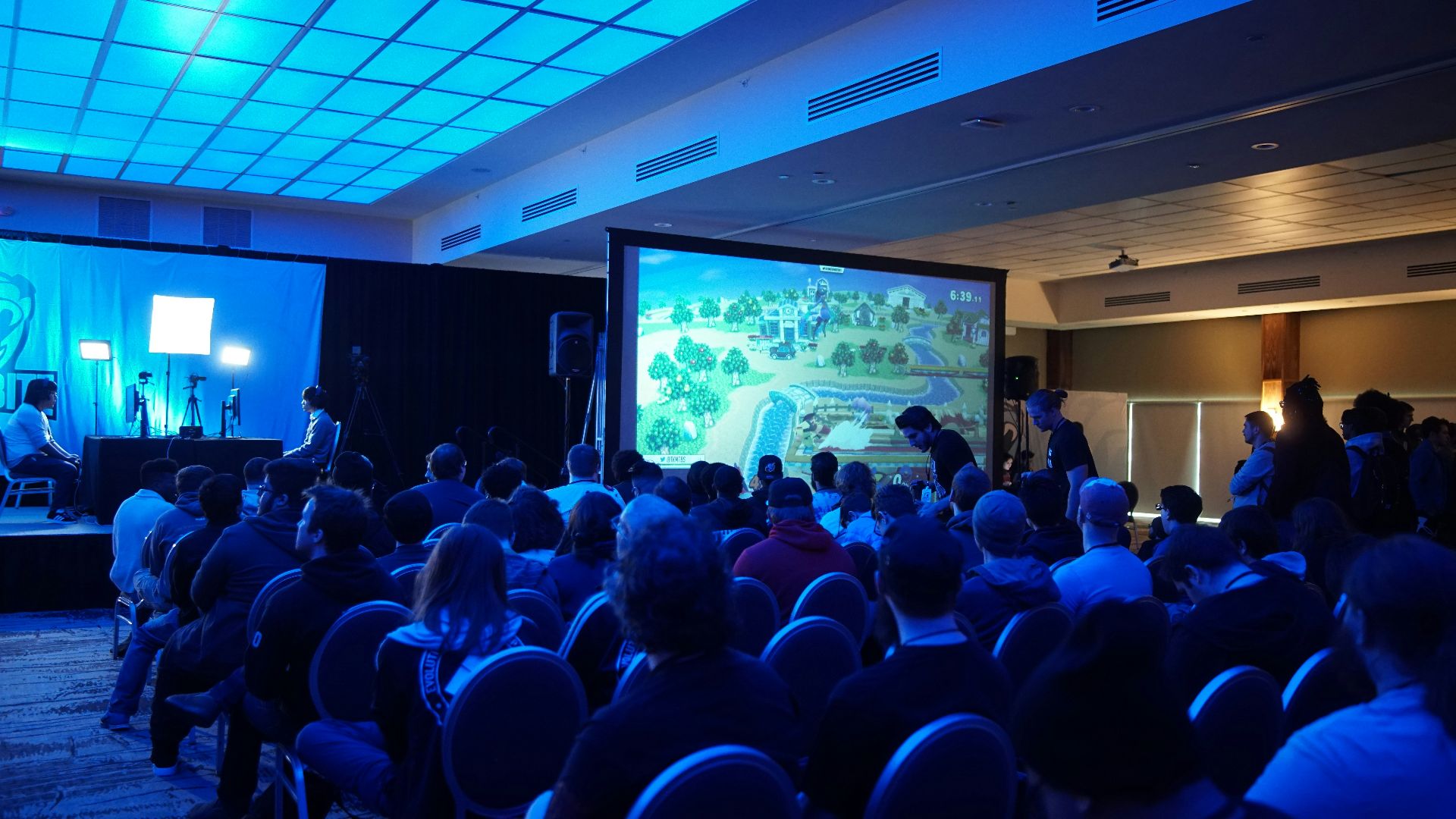
Early access blurred boundaries. A game now arrives half-finished, gains traction on Steam through word of mouth, and then keeps growing in full view of its audience. Larian’s Baldur’s Gate 3 lived in that state for nearly three years, gathering more than a million players before its official launch.
This approach creates an odd kind of intimacy. We watch features appear and disappear, like the time a broken patch made goblins lose pathfinding and march in circles. We accept it because the experience feels collaborative, even when we’re just sending bug reports at midnight.
Patches Have Become Cultural Events
Some updates hit with more force than the original product. No Man’s Sky launched in 2016 to controversy, yet its “Next” and “Beyond” updates years later drew millions back and rewrote public perception. The developer’s patch notes practically read like mini-novels, listing new biomes, overhauled crafting, and bug fixes buried under hundreds of bullet points.
We treat large updates like new seasons of a show. A group of friends might coordinate schedules to jump in on launch night of a new raid, sharing snacks and a Discord screen. That anticipation used to belong strictly to release day. Now it can happen five, ten, twenty times over a game’s lifespan.
Player Data Drives Constant Course Corrections

Studios track almost everything now, from data on matchmaking wait times to heatmaps that pinpoint the exact spots where players keep getting wiped out. These data points influence timelines more than any marketing calendar could. When Respawn saw that Apex Legends players gravitated toward certain movement exploits, the subsequent patches adjusted mobility with surgical precision.
This reactive loop means rigid milestones aren’t just inconvenient, they’re counterproductive. A patch that fixes an economy exploit may need to arrive tomorrow morning, not after the next quarterly build. Development bends around behavior, and behavior is always shifting.
The Industry Learned To Fear “Finished”
The moment a game is declared done, expectations harden. That pressure makes studios hesitant to freeze development. Cyberpunk 2077’s difficult 2020 launch illustrated how fragile the idea of a “final” build can be when millions of players stress-test it simultaneously across a dozen hardware configurations.
We’ve grown accustomed to this elasticity. A game today feels more like a long-running project than a sealed artifact. Teams push updates that rework entire skill trees or add story arcs long after the credits first rolled. And it keeps happening because the alternative of a fixed cycle just doesn’t match the realities of modern game development.