
The Skills You've Already Been Building
Believe it or not, if you've spent years gaming, you've probably developed a surprisingly transferable set of abilities. Be it hand-eye coordination, strategic thinking, pattern recognition, or the ability to stay focused under pressure, these are all skills that gaming helps sharpen over time. And since many sports and hobbies rely on some of those same core competencies, you might already have a solid head start in places you'd least expect.

1. Archery
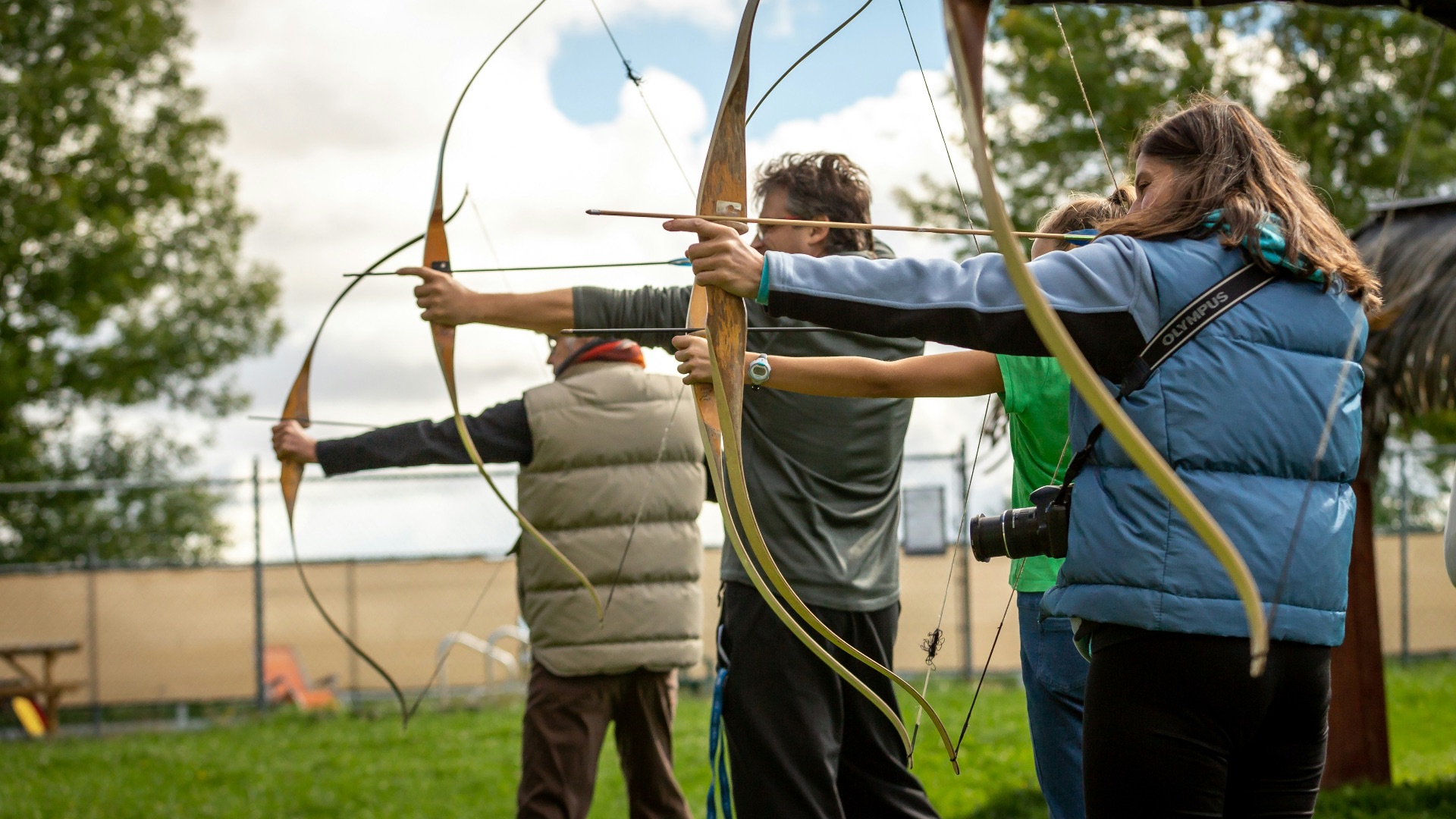
Archery demands steady hands, sharp focus, and precise aim—qualities that serious gamers tend to develop naturally over time. A calm, controlled approach to aiming in a first-person shooter translates well to drawing a bow and releasing with consistency. You'll still need to build the physical strength required for the draw, but the mental discipline side of the sport is likely already there.
2. Chess
Strategic thinking is at the heart of chess, and gamers who enjoy real-time strategy or tactical RPGs are already practiced at planning multiple moves ahead. Reading an opponent's intentions, adjusting your approach on the fly, and managing limited resources are all concepts that translate directly to the chessboard. If you've ever managed troop formations or outmaneuvered a rival AI, you've already been training for this without knowing it.

3. Darts
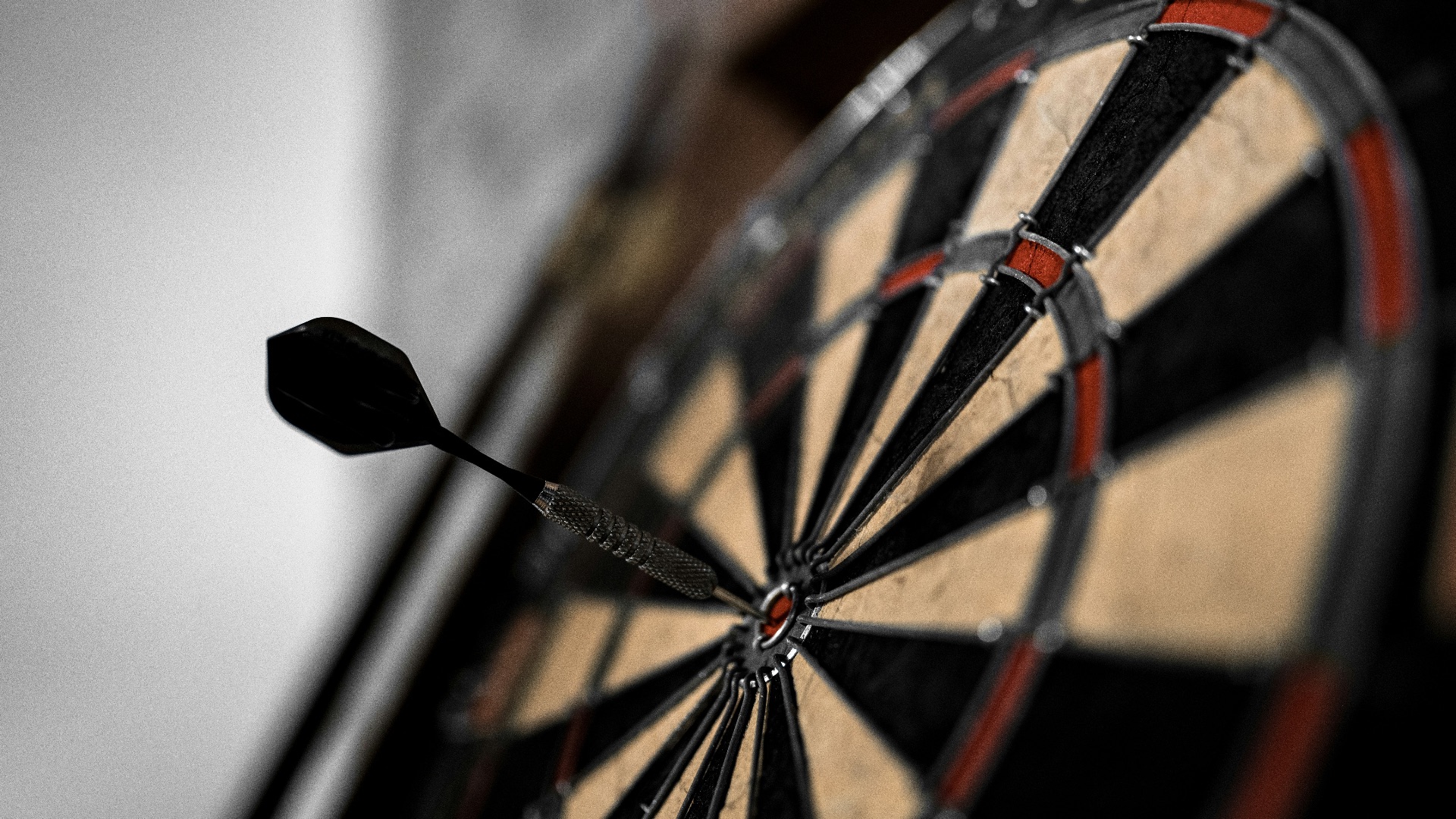
Consistent repetitive motion, fine motor control, and the ability to self-correct after a missed shot are all things that experienced gamers tend to have in abundance. Darts requires you to develop muscle memory through practice, which is exactly how gamers improve at any new title they pick up.
4. Table Tennis
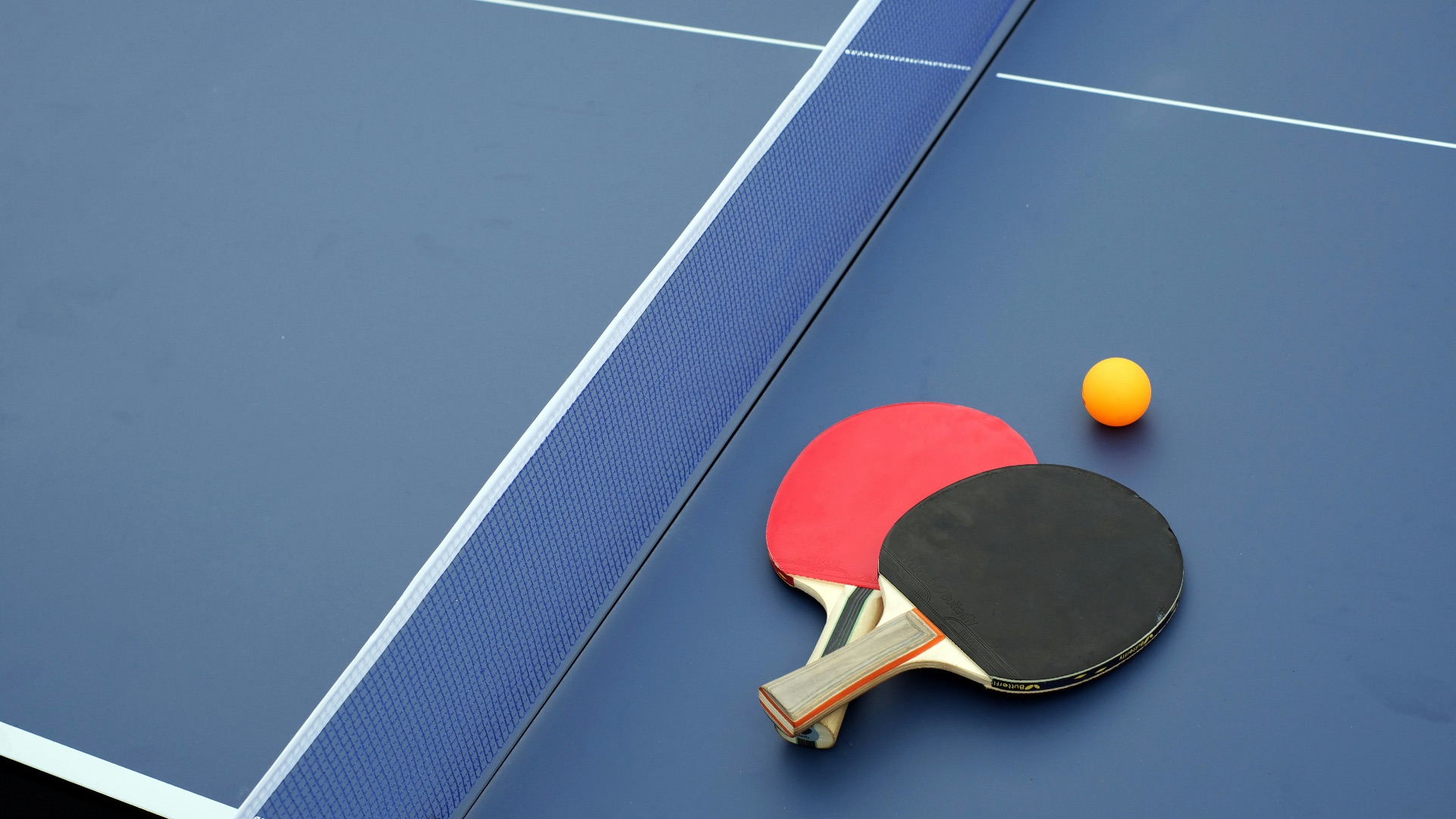
The speed of table tennis suits gamers who are used to reacting in fractions of a second. Your reflexes are likely sharper than average thanks to years of managing rapid in-game events, and that edge becomes obvious when you're at the table trying to return a hard smash. Getting the footwork right might take some dedicated practice, sure, but reacting to the ball itself tends to come more naturally than it does for many beginners.
5. Esports Coaching
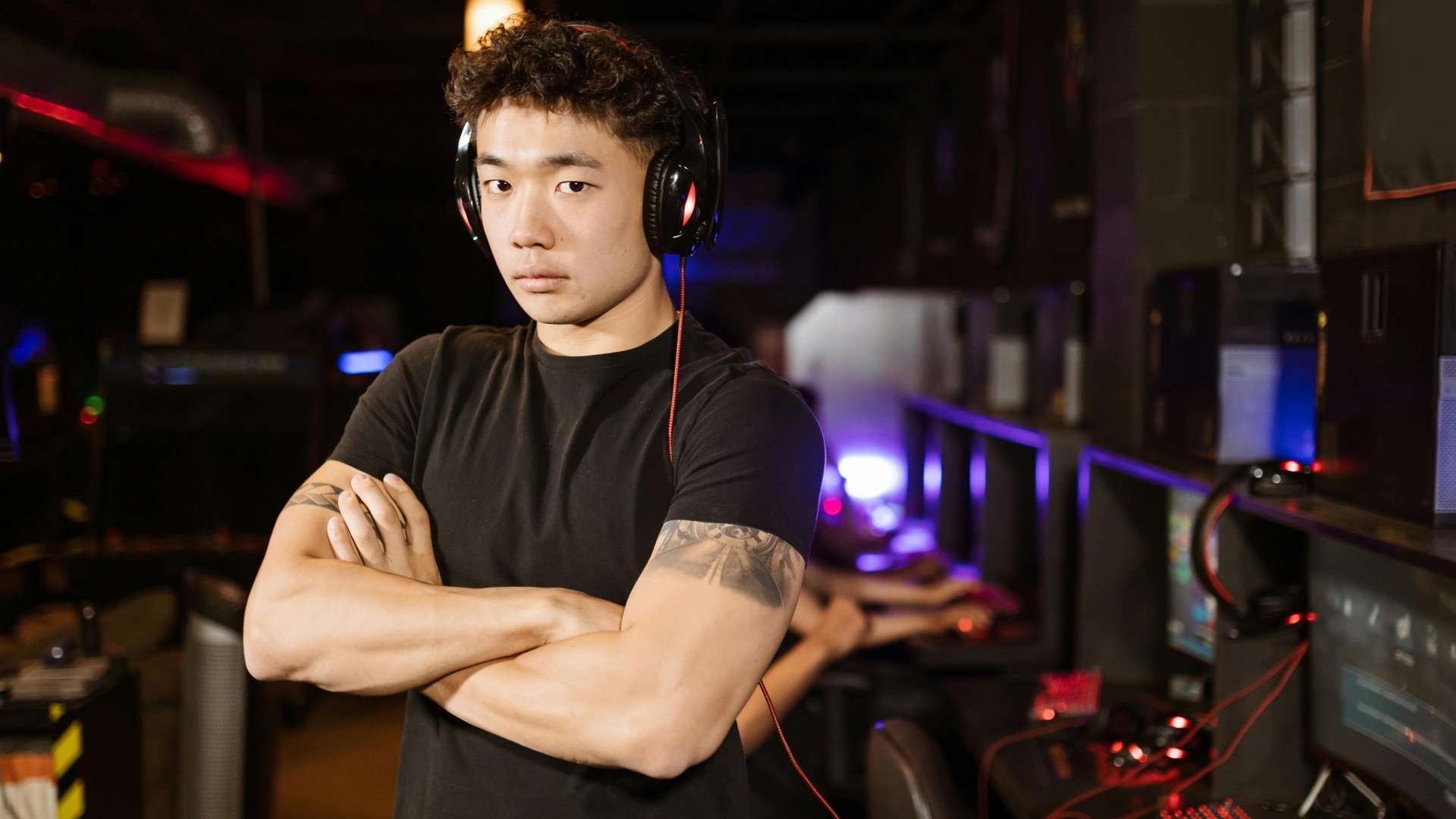
If you've got deep game knowledge and strong communication skills, transitioning into esports coaching is a path that plays directly to your strengths. Analyzing gameplay footage, identifying strategic errors, and developing training plans for a team are tasks that feel intuitive when you already understand a game at a high level. It's a hobby that can turn into a genuine career, and the demand for skilled coaches across competitive titles continues to grow.
6. Speedrunning
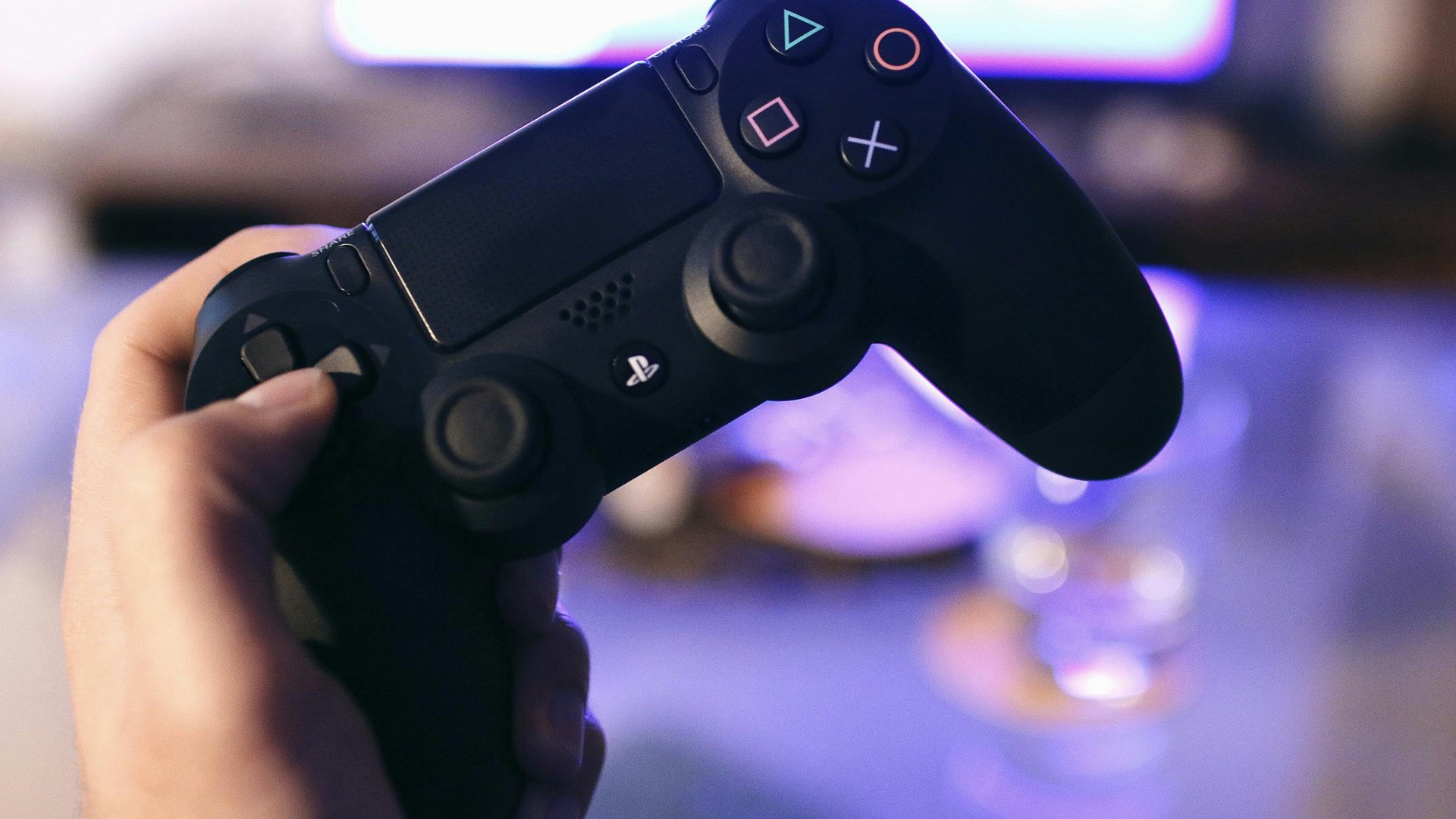
Speedrunning is essentially a sport of optimization, and gamers who enjoy mastering systems and finding efficiencies will feel right at home. It combines deep game knowledge, precise execution, and a methodical approach to improvement that closely mirrors how competitive players in any genre develop their skills. The community around speedrunning is also incredibly welcoming, which makes it easy to get started and find others who share the same drive to shave seconds off a personal best.
7. Miniature Painting
The patience required to sit down for hours of focused, detail-oriented work is something most dedicated gamers have in spades. Miniature painting rewards careful attention to small visual details and a steady hand, both of which tend to be well-developed in people who spend time navigating complex in-game environments. Many gamers find it to be a satisfying offline creative outlet that feels like a natural extension of the hobby they already love.

8. Billiards
Visualizing angles, planning several shots ahead, and maintaining composure in competitive situations are all parts of billiards that will feel familiar to a practiced gamer. The ability to think spatially and calculate outcomes before committing to an action is a skill that carries over more directly than most people expect. Pool halls also tend to have a casual, social atmosphere that's welcoming to newcomers, so there's very little barrier to getting started.
 Christian Wiediger on Unsplash
9. Drone Racing
Drone racing is essentially a real-world extension of the aerial vehicle segments that appear in so many games, and the learning curve feels familiar because of it. Spatial awareness, fast reaction times, and the ability to process a first-person view at high speed are all skills that translate directly from years of gaming. The hobby does require an upfront investment in equipment, but the competitive community is active and the skill ceiling is extremely high for those who want to push themselves.

10. Rock Climbing (Bouldering)
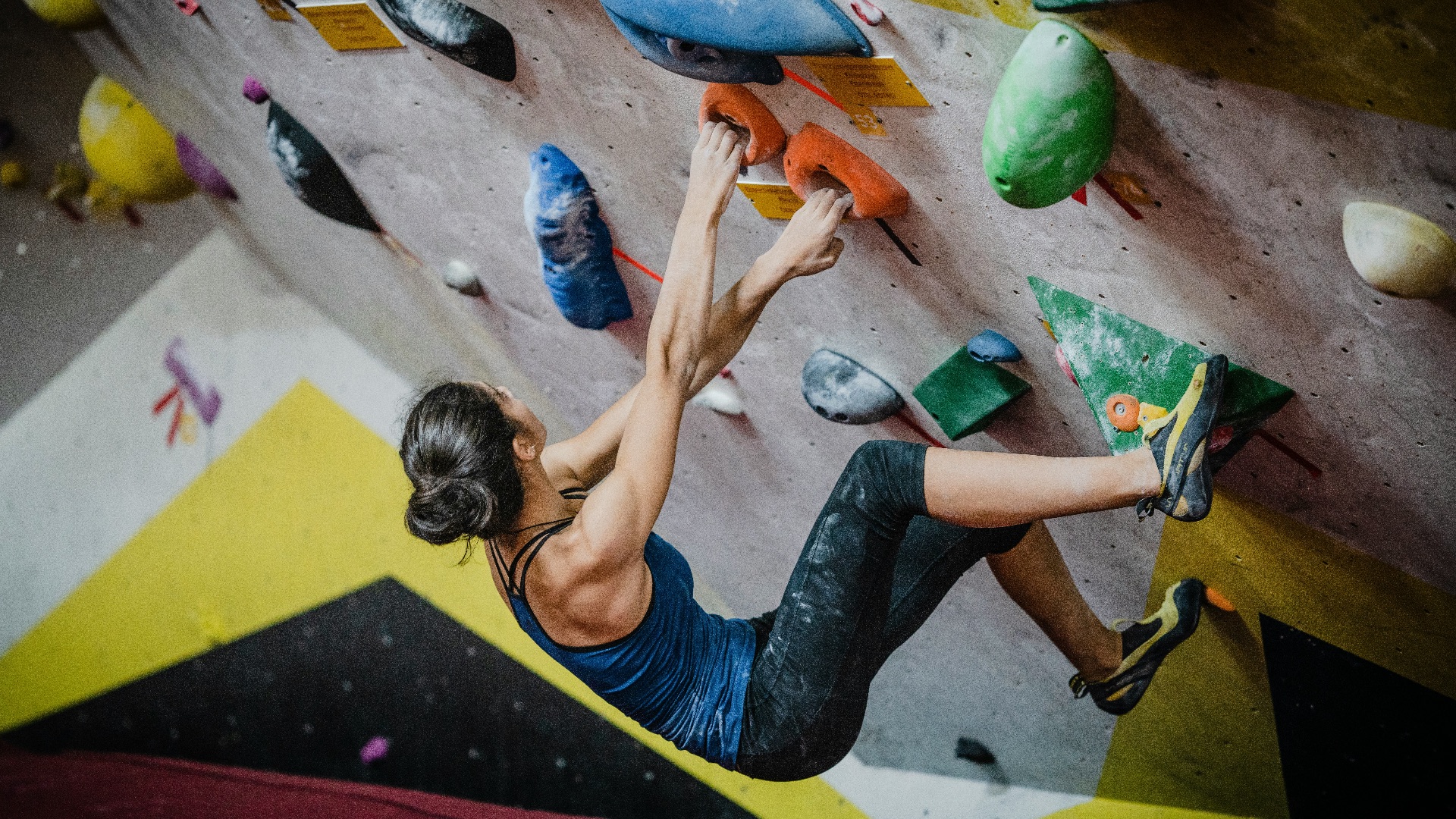
Bouldering is sometimes called a physical puzzle game, because each route presents a unique problem that requires you to figure out the right sequence of movements to reach the top. Gamers who enjoy problem-solving and methodical experimentation will find that same satisfying loop of attempting, failing, adjusting, and eventually succeeding. The upper body strength will take time to build, but the mental approach to breaking down a difficult route feels very natural for people who are used to working through complex challenges.
11. Competitive Card Games
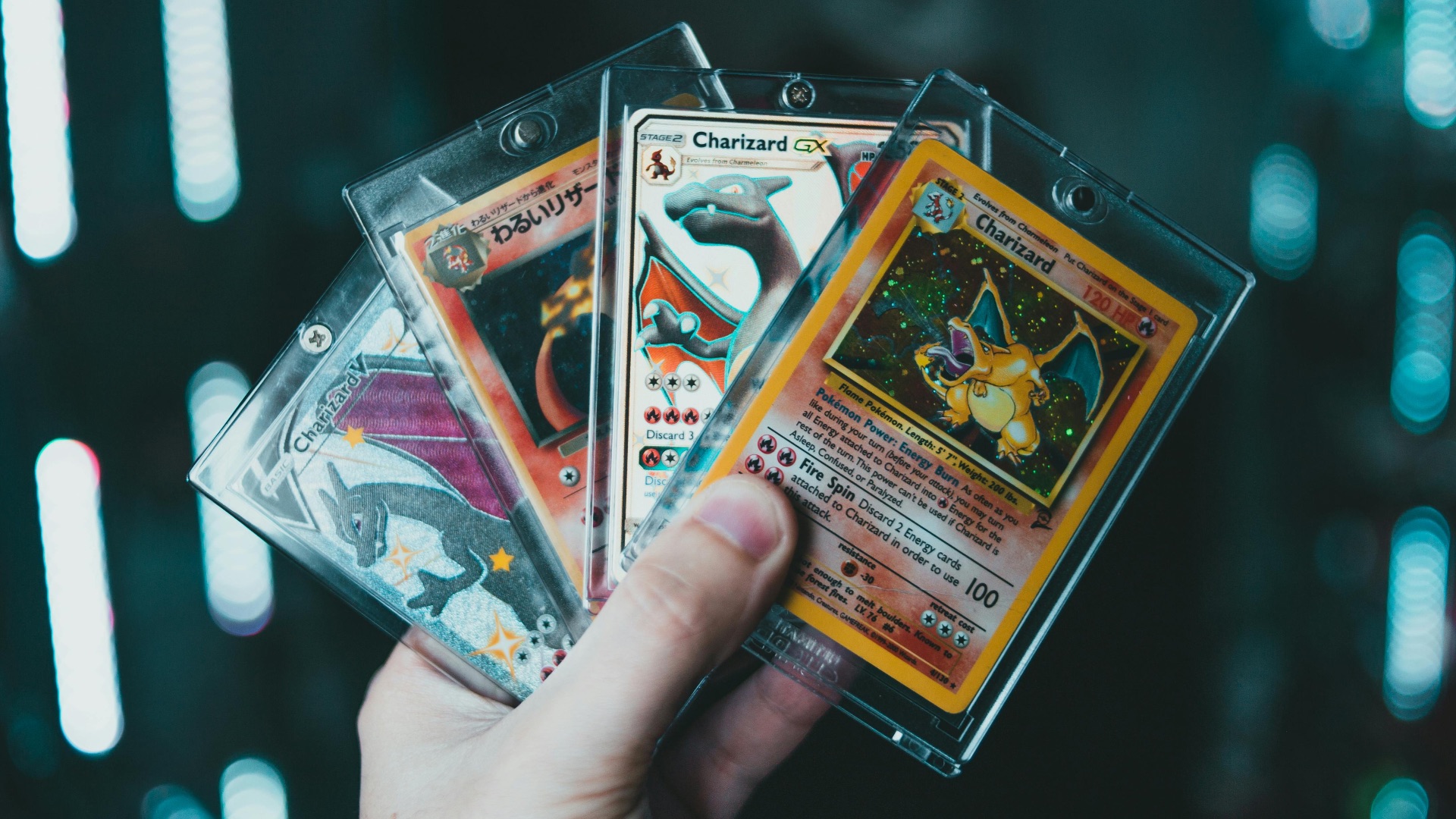
If you've spent time in games with deep item systems, character builds, or resource management, competitive card games will likely click quickly. Deck-building requires strategic thinking and a genuine understanding of how individual components interact within a larger system, which is similar to optimizing a loadout or a skill tree. The social side of the hobby, including local game store events and regional tournaments, also provides a competitive outlet that scratches many of the same itches as online ranked play.
12. Radio-Controlled Car Racing
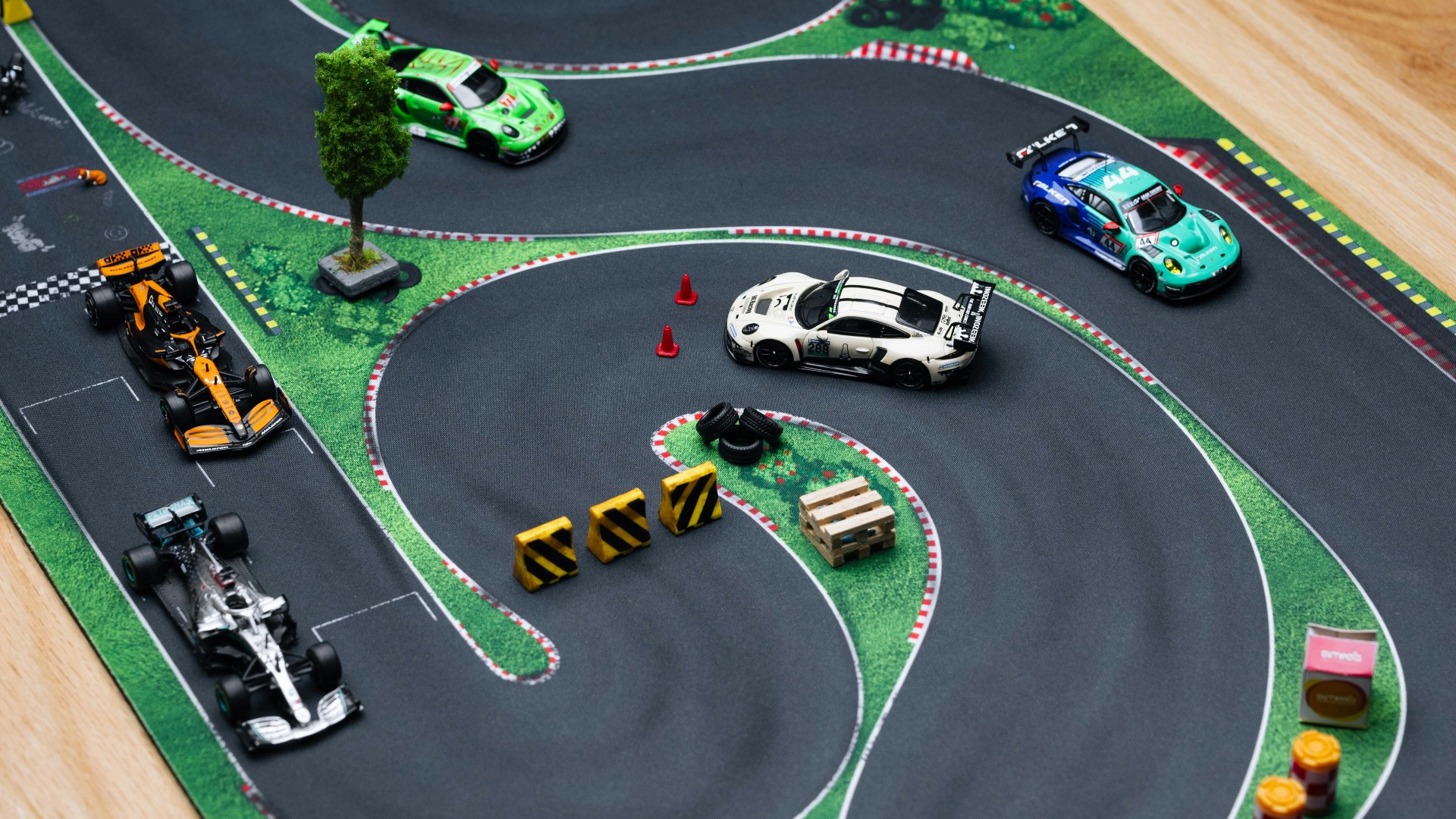
The fine motor control required to pilot an RC car at speed around a track is similar in many ways to the precise inputs needed for racing games, and gamers often find they have a natural feel for it. Adjusting throttle, navigating tight corners, and learning the layout of a circuit are concepts that feel instantly intuitive if you've put hours into any racing title. The hobby also has a strong tinkering element for those who enjoy customizing and upgrading their vehicles between races.
13. Escape Rooms
Escape rooms are essentially live-action puzzle games, and gamers who enjoy adventure titles or mystery games will feel completely at home in the format. The skills involved, including lateral thinking, attention to environmental detail, and working efficiently under a time limit, are ones that many gamers have been refining for years. Going with a small group of friends also makes it an easy social activity, and the experience of completing a difficult room shares a lot of the same satisfaction as finishing a hard in-game challenge.

14. Golf
The mental game in golf is substantial, requiring patience, strategic course management, and the ability to reset after a bad shot without letting frustration affect the next one. Gamers who have practiced staying composed during losing streaks or difficult sections of a game often find that same emotional regulation transfers well to the golf course. Disc golf in particular is a very low-cost entry point into the sport, and the relaxed outdoor setting makes it a great way to enjoy competition without a lot of pressure.
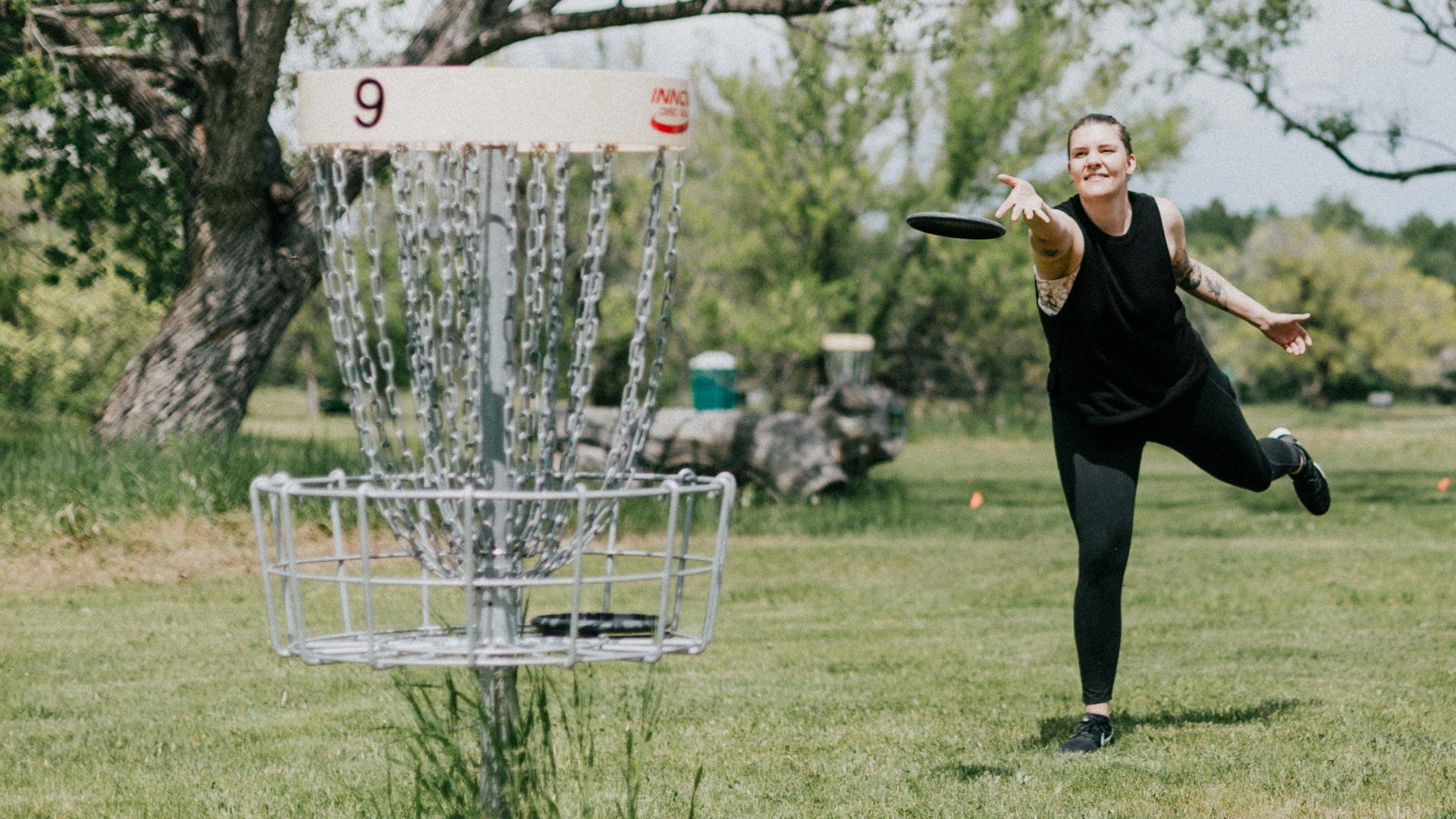 Priscilla Du Preez 🇨🇦 on Unsplash
15. Rubik's Cube
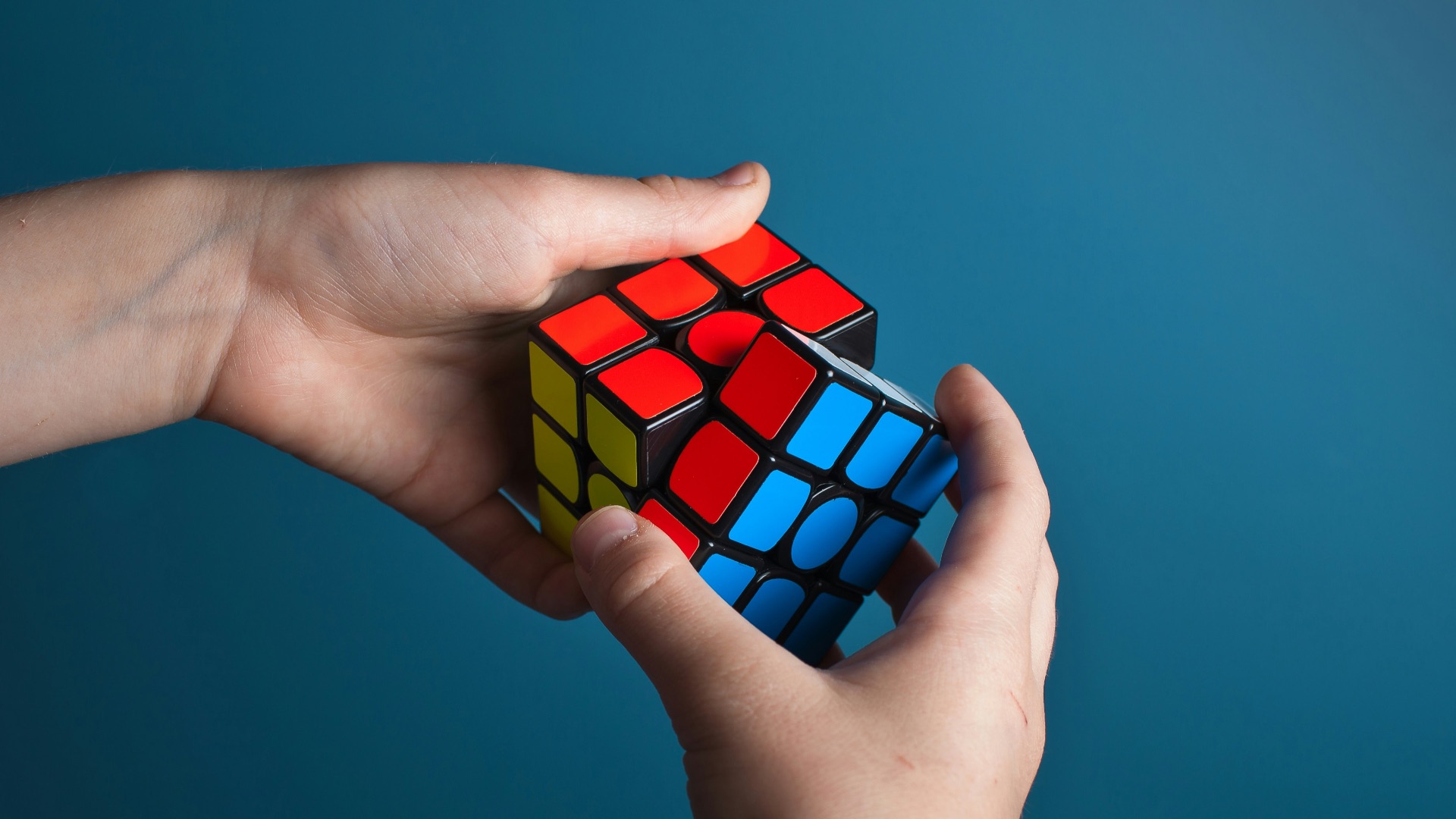
Algorithm memorization and pattern recognition are the two core skills behind solving a Rubik's Cube, and both are things that experienced gamers tend to be quite good at. Once you've got the beginner method down, there's an entire community of speedcubers and advanced methods waiting if you want to push further.
16. Cooking
Timing multiple tasks simultaneously, following complex multi-step processes, and adjusting in real time when something doesn't go according to plan are all skills that cooking demands. Gamers who've juggled several objectives at once in a strategy or simulation title (or in games like Cooking Mama) will find that same kind of task management comes into play regularly in the kitchen. Cooking also rewards the kind of iterative improvement mindset that gamers naturally develop, where you learn from each attempt and make small adjustments until you nail the result.

17. Laser Tag
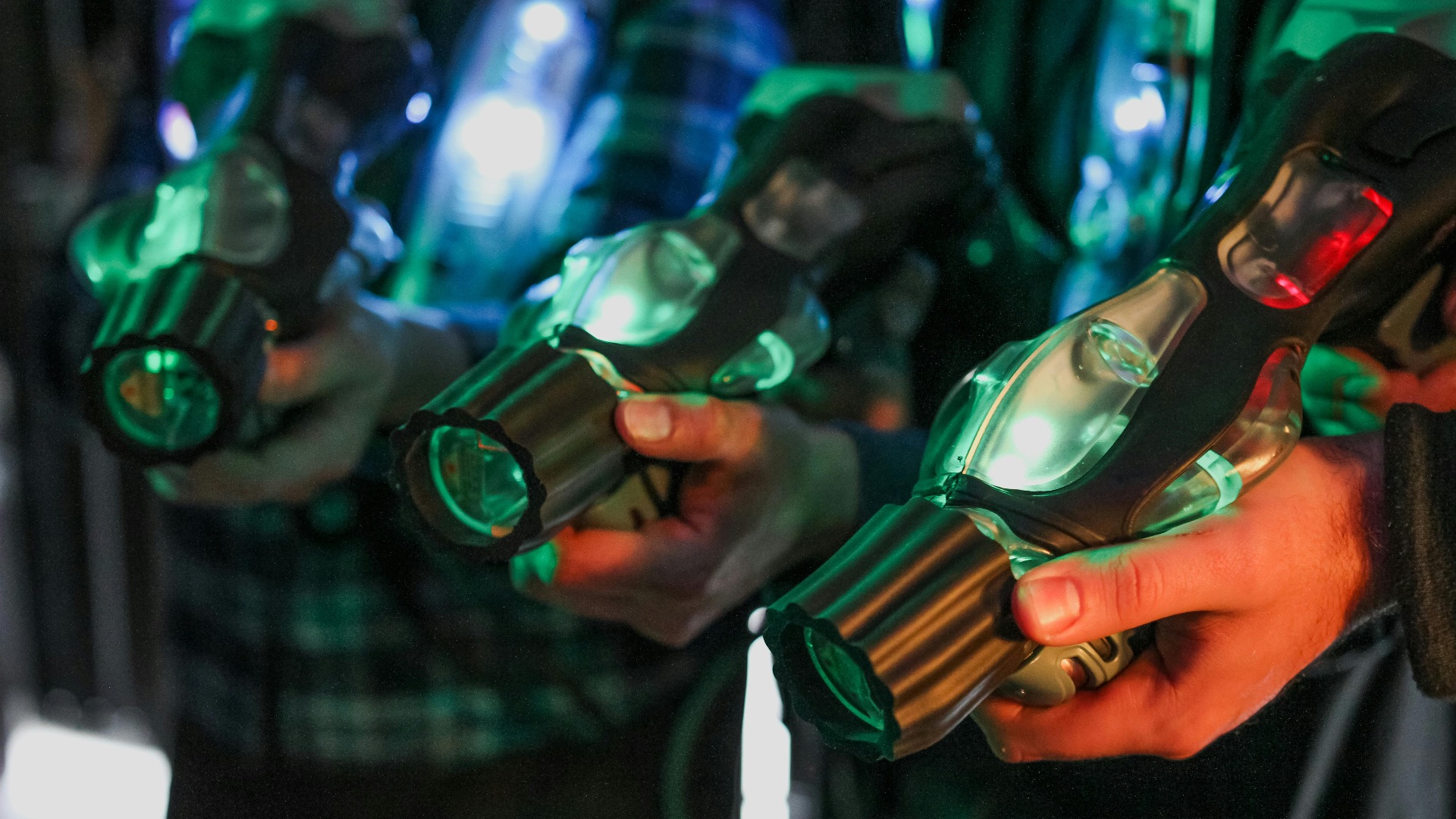
Fast-paced spatial awareness, teamwork, and tactical positioning under pressure are the pillars of a good laser tag performance, and they're also the foundations of most team-based shooters. The transition from a controller to actually running around a physical arena is an obvious shift, but reading the space, communicating with teammates, and making smart positioning choices will feel second nature in no time. It's also just a genuinely fun way to get some physical activity in while doing something that feels very close to the games you already enjoy.
 Laserblast Laser Tag Equipment on Pexels
18. Sim Racing
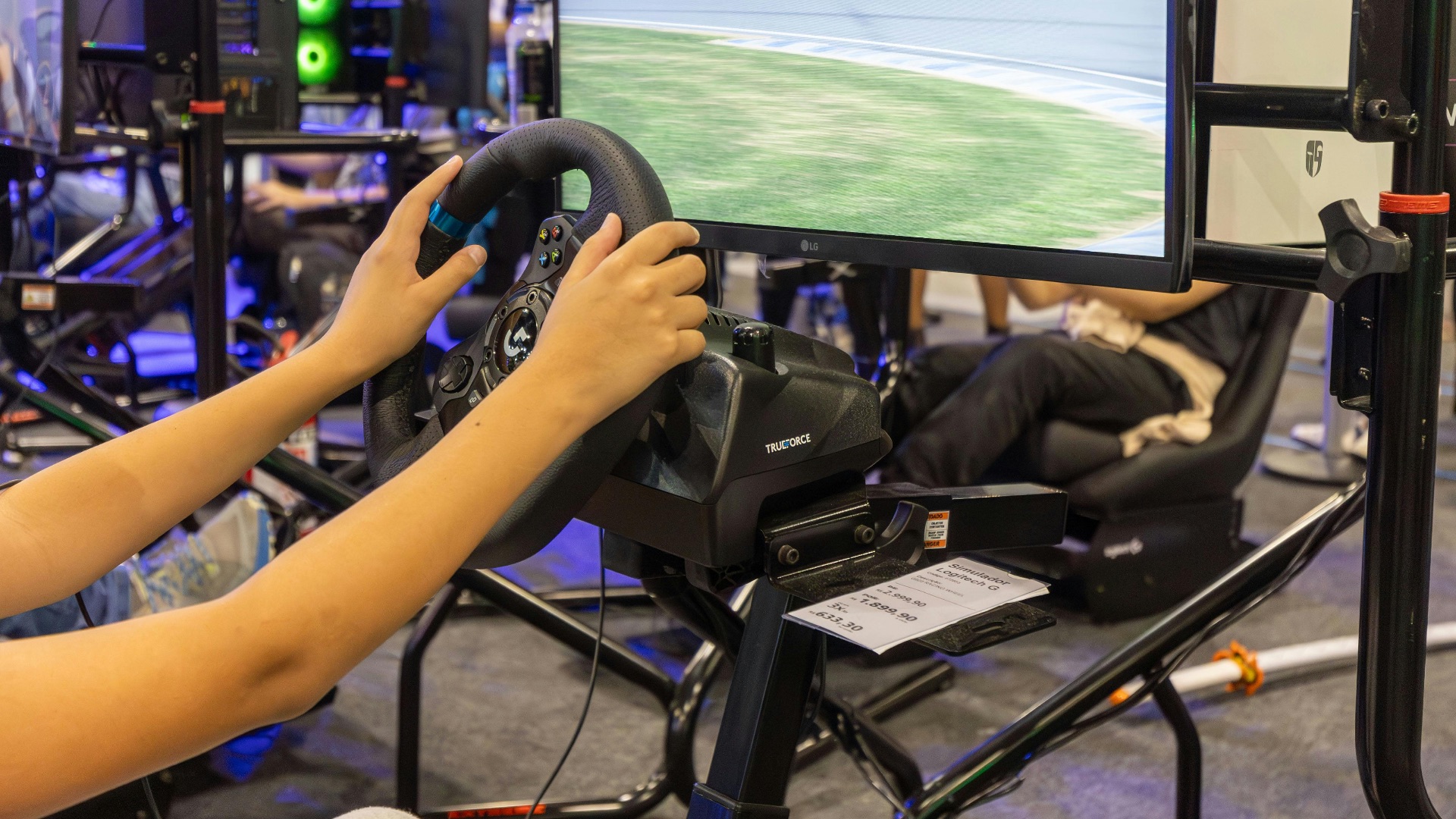
Sim racing has grown into a fully competitive discipline with a dedicated online scene, and the barrier to entry is lower than ever thanks to affordable steering wheel and pedal setups. Gamers who've put serious time into racing titles already understand braking points, cornering technique, and racecraft, which means the foundational knowledge is there before they even put on a helmet. The crossover between sim racing and real-world motorsport is also well-documented, with multiple professional drivers having come up through the sim world before transitioning to physical cars.
19. Photography
Believe it or not, noticing interesting light, thinking about what to include and exclude in a frame, and developing a consistent aesthetic are all skills that develop and sharpen through years of visual engagement with games. Photography also rewards the same kind of gear-research enthusiasm that many gamers bring to hardware discussions, making the technical side of the hobby feel familiar and enjoyable to explore.

20. Tabletop Role-Playing Games
Tabletop RPGs sit at the intersection of collaborative storytelling, strategic combat, and creative world-building, which makes them a natural landing spot for gamers of almost any background. The rule systems and character progression in games like Dungeons & Dragons share obvious DNA with the RPG video games that many players already love, so the concepts rarely feel foreign. Beyond the mechanics, tabletop RPGs are also deeply social, and they offer a kind of creative, improvisational challenge that's genuinely difficult to find anywhere else.