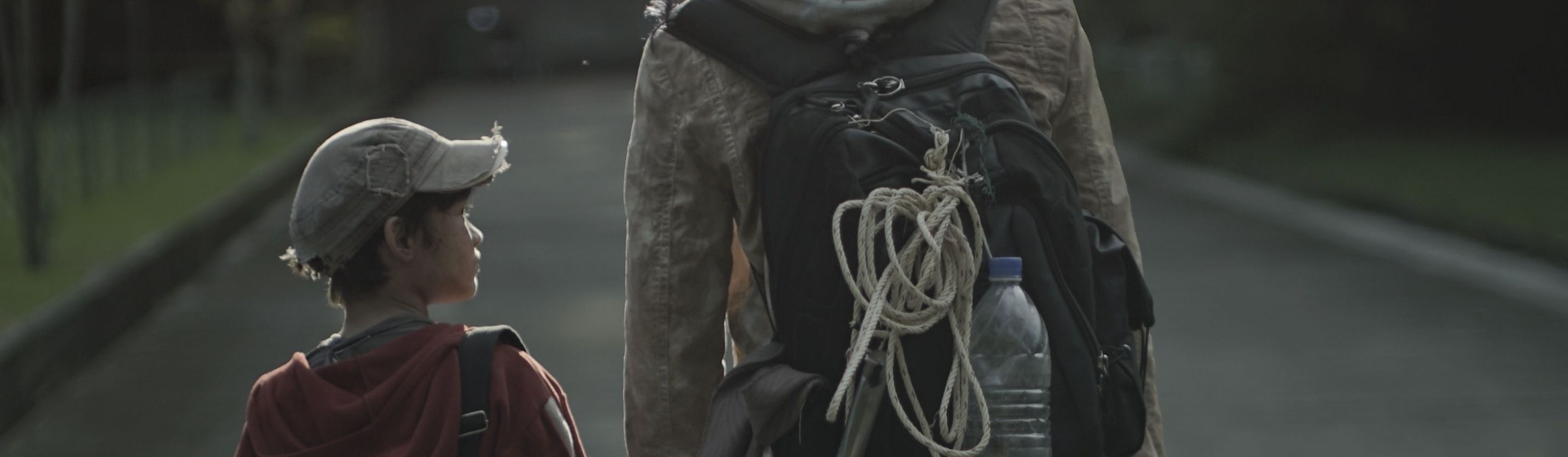
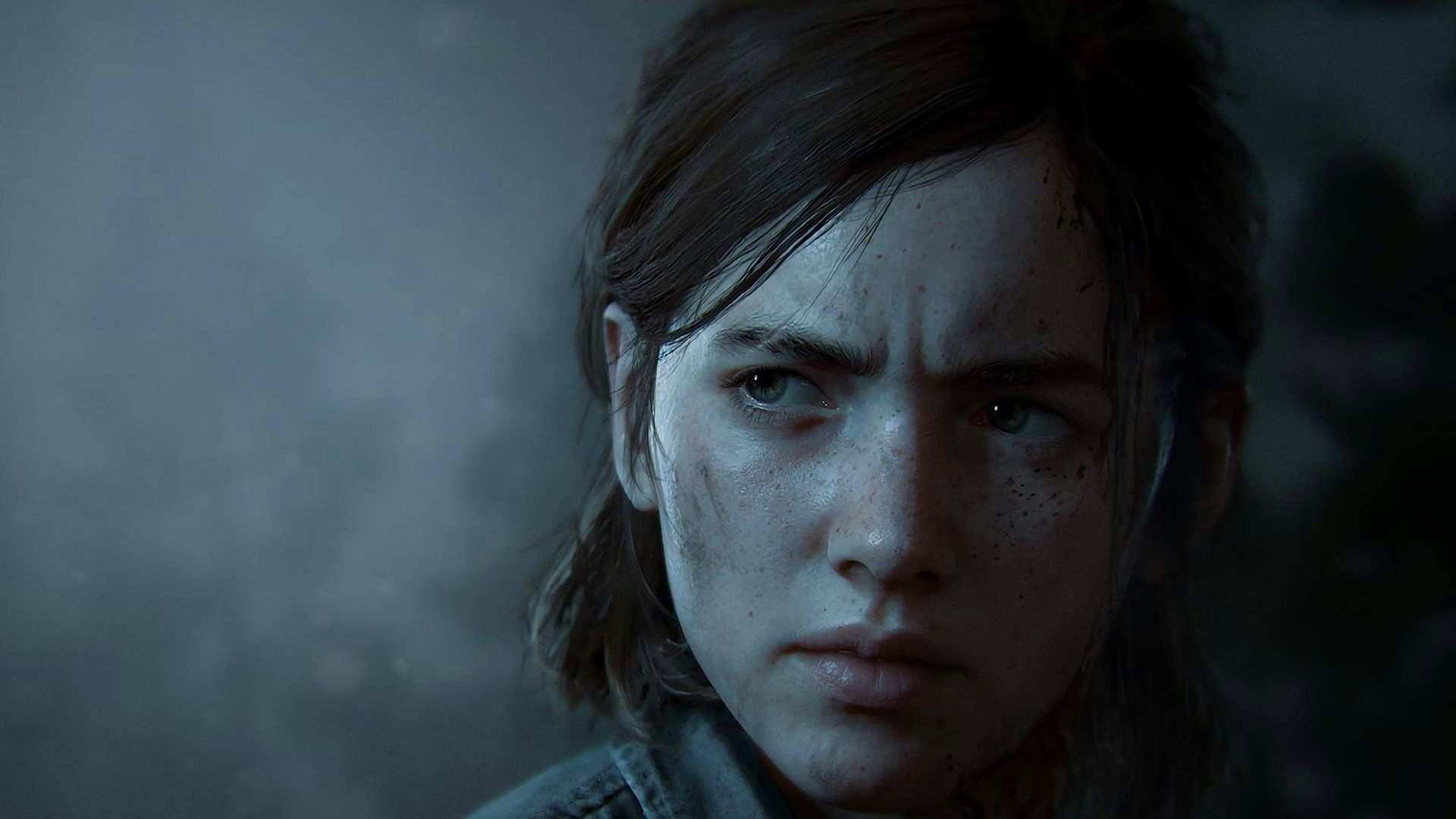
Few endings in video game history get argued about more than the final twenty minutes of The Last of Us. Players finish the game, set the controller down, and immediately want to talk to someone about what Joel did in that hospital, not because the mechanics were confusing but because the choice itself refuses to sit still in anyone's head. More than a decade after release, the debate has not really cooled off so much as it has settled into two camps that rarely convince each other of anything.
Naughty Dog released the game in June 2013 for the PlayStation 3, and it went on to sell over 1.3 million copies in its first week alone, according to figures the studio shared at the time. Sales numbers explain why so many people experienced that ending around the same period, but they do not explain why the argument over Joel's decision has outlasted just about every other conversation the game generated.
The Choice Itself And Why It Feels Impossible
By the final act, Ellie has traveled across a ruined country specifically because her immunity might lead to a cure, and the Fireflies, the resistance group researching that cure, are prepared to operate on her to extract the infection from her brain. The operation would kill her. Joel finds this out only after the surgery is already set in motion, and the game gives players almost no time to sit with that information before he starts fighting his way through the hospital to stop it.
What makes the sequence land the way it does is how the game frames the surgeons. They are not written as villains twirling a moral mustache. They believe, reasonably, that curing a plague that has killed most of humanity justifies one death, and the game never really argues that they are wrong to think that. Joel simply refuses to accept the math, and the player is handed control of him during the killing that follows, which removes any comfortable distance a cutscene might have offered.
That design decision, forcing the player to physically carry out the violence rather than watch it happen, is often cited as the reason the ending sticks with people longer than a purely cinematic version would have. Game designer and critic Ian Bogost and others writing around the game's release pointed to that same mechanic, control folded directly into the moral weight of the scene, as something few games had attempted with this much commitment to the discomfort of it.
The Lie That Follows Him Home
The hospital sequence gets most of the attention, but the drive back to Jackson carries its own kind of weight. Ellie, waking up with half-formed memories of what happened, asks Joel directly whether any of it was true, whether the Fireflies had really given up on a cure. Joel tells her no, that there were others like her and the cure did not work out, and the game lets that lie sit there without comment.
Neil Druckmann, the game's writer and creative director, has said in multiple interviews over the years that the ending was written to be argued about rather than resolved, and that he intentionally avoided giving players a clean signal about whether Joel did the right thing. That refusal to editorialize is part of why the scene still generates fresh arguments among people playing it for the first time now, years after the initial release cycle.
Ellie's final line of dialogue, delivered after a long pause and a look that the motion capture performance carries almost entirely on its own, has been picked apart by players for over a decade, some reading it as quiet acceptance and others reading it as a woman choosing not to fight a battle she already suspects she will lose. Ashley Johnson's performance in that moment, along with Troy Baker's as Joel, is frequently singled out in retrospectives as some of the strongest voice and motion work of that console generation.
Why The Argument Never Really Settles
Part of the reason the debate has outlived the initial release has to do with the sequel. The Last of Us Part II, released in 2020, builds its entire narrative structure around the consequences of Joel's decision, and that follow-up reopened arguments that had mostly gone quiet by the late 2010s. Players who had made peace with Joel's choice found themselves relitigating it years later, with new information changing how the original ending read in hindsight.
There is also something about the framing of the choice that resists easy categorization. Joel is not choosing between an obvious good and an obvious evil. He is choosing a person he loves over a species he barely feels connected to anymore, and the game trusts players to recognize that as a real dilemma rather than a trick question with one correct answer.
That refusal to grade the player's feelings, to simply let the discomfort exist without resolving it, is probably the single biggest reason the scene has held up as long as it has. Most games want to tell you how to feel by the credits. This one just puts you in a truck next to Ellie, lets Joel finish his sentence, and moves on without checking whether you believed him.