Some Of Gaming's Best Stories Are Built Into The Walls
Forget the cutscene for a second. Forget the dialogue tree. The best game worlds don't need to stop and explain themselves; they just let you walk through the evidence. A collapsed ceiling, a locked door, a photo left on a nightstand: these things whisper entire histories if you know how to look. Lighting can suggest fear. A shortcut can rewrite your understanding of an entire kingdom. A single note tucked behind a desk can crack open someone's private grief. The 20 games below don't tell their stories; they build them, brick by brick, and dare you to notice.
1. BioShock
Rapture doesn't need a narrator. Its Art Deco halls and gilded theaters practically boast about the ambition that built them, even as leaking tunnels and gutted storefronts scream that something went horribly wrong. Long before a single audio log spells it out, the setting has already told you: paradise curdled into a city ruled by unchecked power, addiction, and violence.

2. Half-Life 2
City 17 doesn't announce its oppression; it just makes you feel it. Checkpoints, surveillance screens, and citizens who've learned exactly when to shut up do more work than any speech ever could. Looming over it all is the Citadel, visible from nearly anywhere in the city, a constant reminder that the occupation never really leaves the room.
 Long Zheng from Melbourne, Australia on Wikimedia
3. Portal 2
Portal 2’s layout is corporate decay at its finest. The oldest test chambers are rough, industrial, held together with handmade signage and desperation. The newer sections gleam; clean, automated, confident. And running underneath it all is Cave Johnson's voice, tracking Aperture's slide from fearless experimentation into financial panic and eventual ruin.
 Oran Viriyincy from Bothell, WA, United States on Wikimedia
4. Dark Souls
Elevators, gates, and twisting paths keep folding back on themselves, and a grueling trek through hostile streets can dump you right next to a bonfire you thought you'd left behind hours ago. Sacred towers loom over sick settlements and flooded ruins, laying out the kingdom's social order without a single line of exposition.
5. Dishonored 2
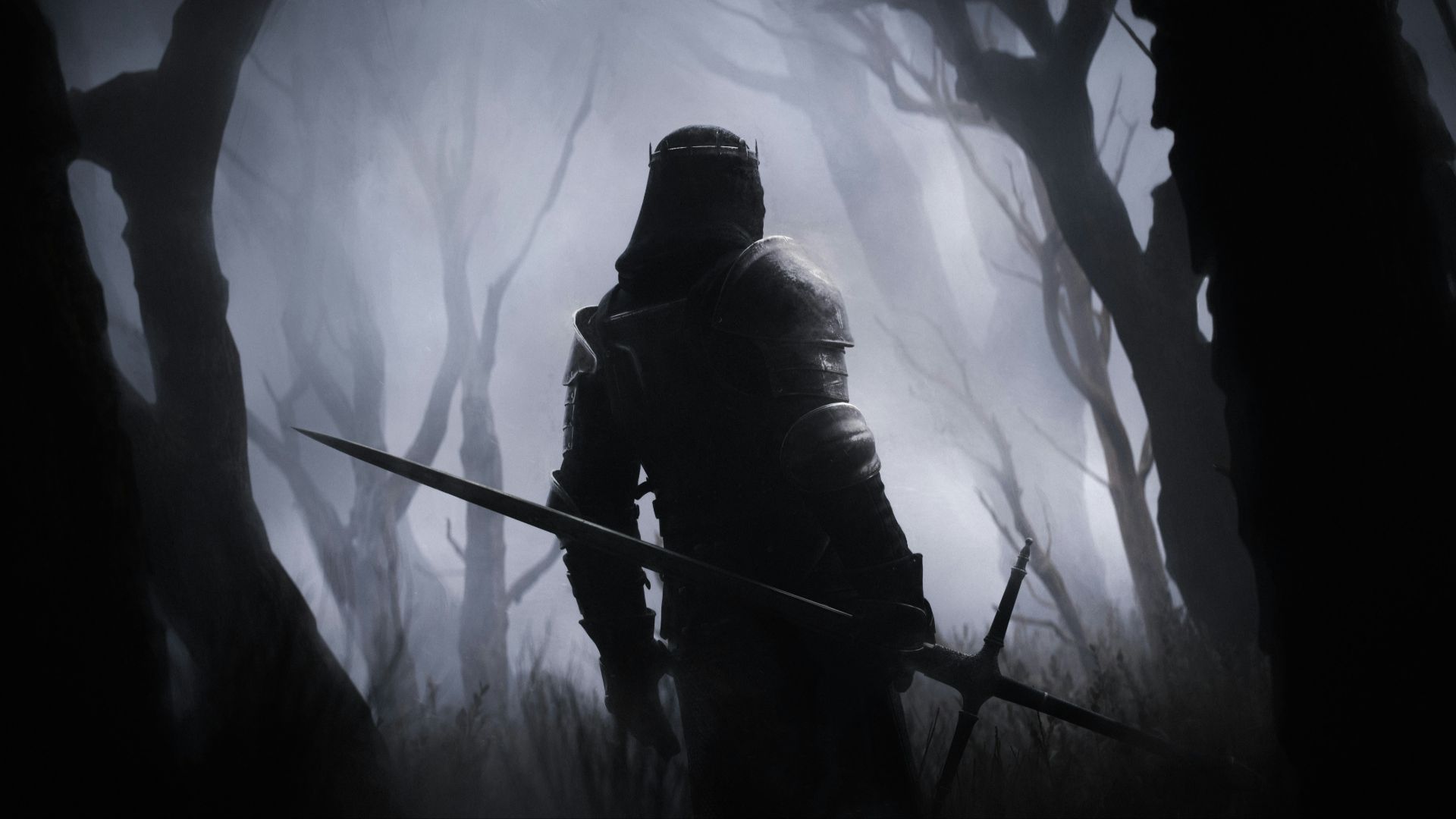
The Clockwork Mansion is a magic trick that never stops performing. Levers and rotating walls transform the space in real time, and every polished room is a small act of showmanship from a man who clearly loves an audience. But slip behind those gleaming walls, and you'll find the unglamorous guts that make the whole illusion possible.
6. Prey
Talos I sells its setting through its small human touches: a half-finished message, a photograph, an argument frozen mid-sentence. These aren't victims. They're coworkers, friends, and rivals whose entire messy lives are scattered across the station, waiting for you to piece them back together.
7. Control
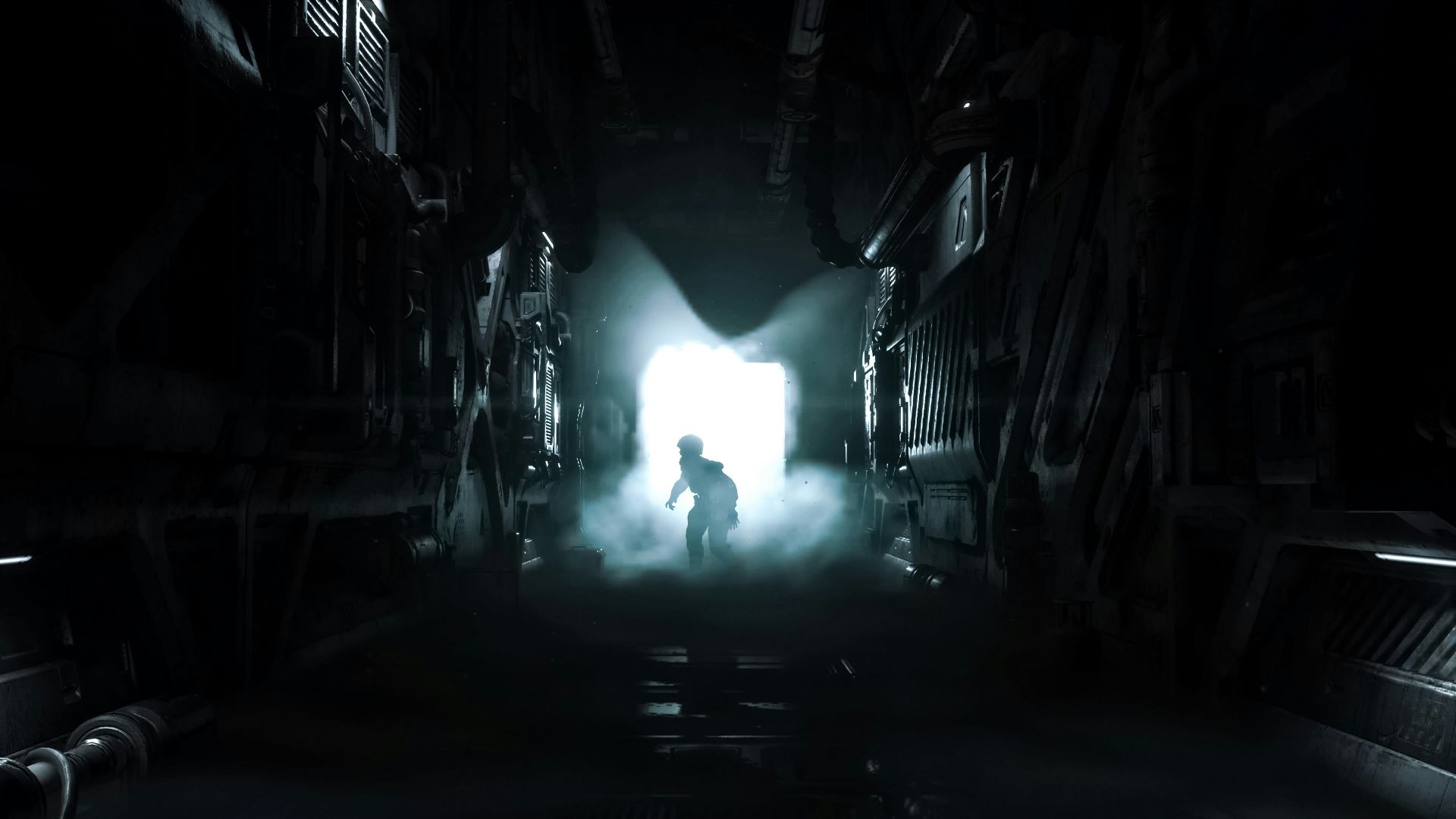
Somewhere between a government office and a fever dream, the Oldest House pairs stern Brutalist concrete with hallways that flatly refuse to obey physics. Filing rooms and security desks suggest a rigid bureaucracy, right up until a corridor rearranges itself or a door opens onto somewhere it has no business leading.

8. Metroid Prime
Every inch of Tallon IV is a history lesson. Ancient Chozo ruins speak in the language of a lost spiritual civilization, while the Space Pirate labs announce the arrival of outsiders more interested in experimentation than reverence. As Samus moves between the two, the damage done to this planet, and the choices behind it, come into sharp focus.

9. Outer Wilds
Nothing here holds still. Sand drains from one planet into another. Ground crumbles apart on a timer. Storms fling entire islands into the sky. The real thrill is the moment a clue on one planet suddenly makes sense of a mystery on a completely different one, turning the solar system into one giant, interconnected case file.
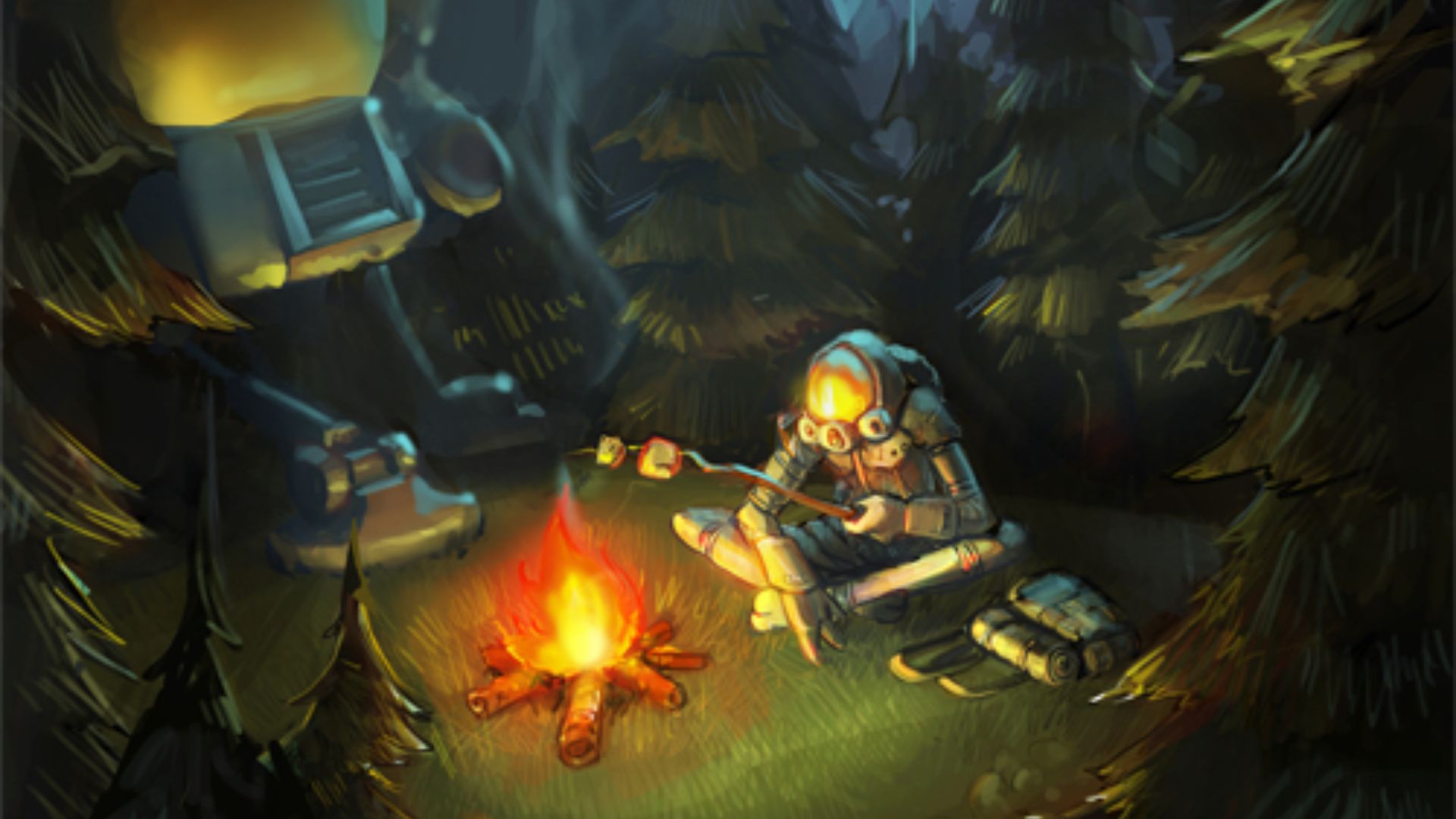 Alex Beachum, creator of Outer Wilds on Wikimedia
10. Gone Home
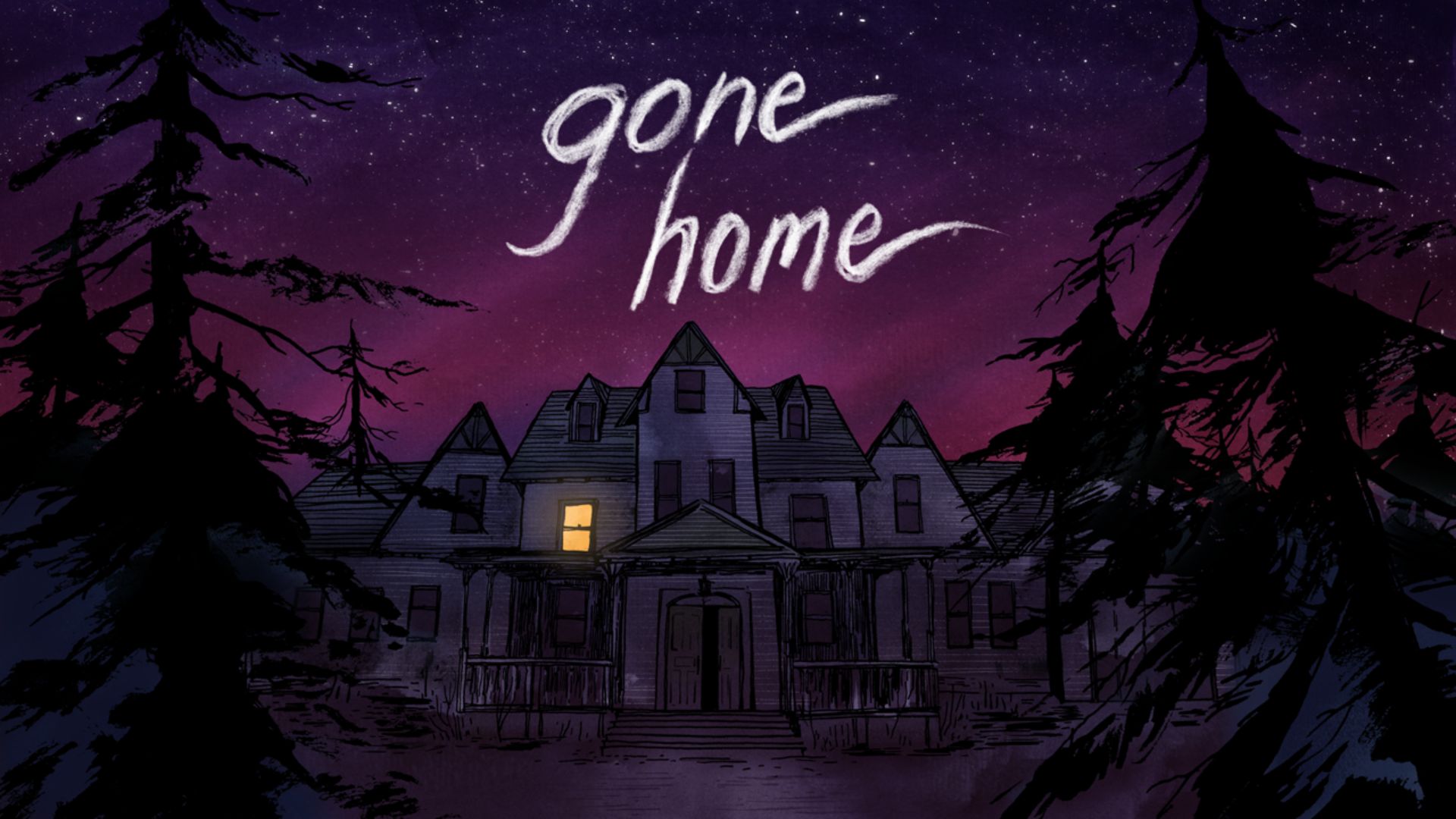
Cassette tapes, schoolwork, handwritten notes, and old photographs sit scattered through the Greenbriar home, each one hinting at a story nobody in the family ever said out loud. To the protagonist, the house feels familiar and foreign at the same time, which makes the game feel unnervingly personal.
11. What Remains of Edith Finch
The Finch house shouldn't be structurally possible. Rather than clear out the bedrooms of family members who've died, the family just builds new rooms on top of the old ones, sealing grief inside the architecture instead of processing it.

12. Inside
Not a single word of dialogue, and somehow the message couldn't be clearer. Guards, silent crowds, and mind-control devices establish a society built entirely around obedience, and the boy's journey through farms, labs, and flooded testing zones only deepens the dread.
13. Journey
That distant mountain calls to you from minute one, but what "reaching it" actually means keeps shifting. Sun-drenched dunes invite playful wandering; underground ruins turn cold and heavy with the weight of a fallen civilization.

14. Silent Hill 2
The fog thickens the closer James Sunderland gets to a truth he's spent years avoiding. Blocked roads herd him into claustrophobic apartments and hospitals, and eventually the town abandons any pretense of a believable layout altogether. As James' grip on denial slips, so does the town's grip on coherence.

15. Hitman
Every Hitman map is secretly a diagram of who's allowed to go where. Guests wander freely where kitchen staff never could; guards, technicians, and executives all move along completely different invisible tracks. Disguises are Agent 47's key to slipping between these social layers, and the overheard conversations along the way expose rivalries, secrets, and opportunities just waiting to be exploited.

16. Breath of the Wild
A century after Calamity Ganon tore through Hyrule, the wreckage is still everywhere you look. Broken forts, abandoned towns, and the ruins circling Hyrule Castle keep that old disaster present in every direction you travel. Even in Hyrule's quietest, most peaceful corners, the land itself won't let you forget what was lost.

17. The Witness
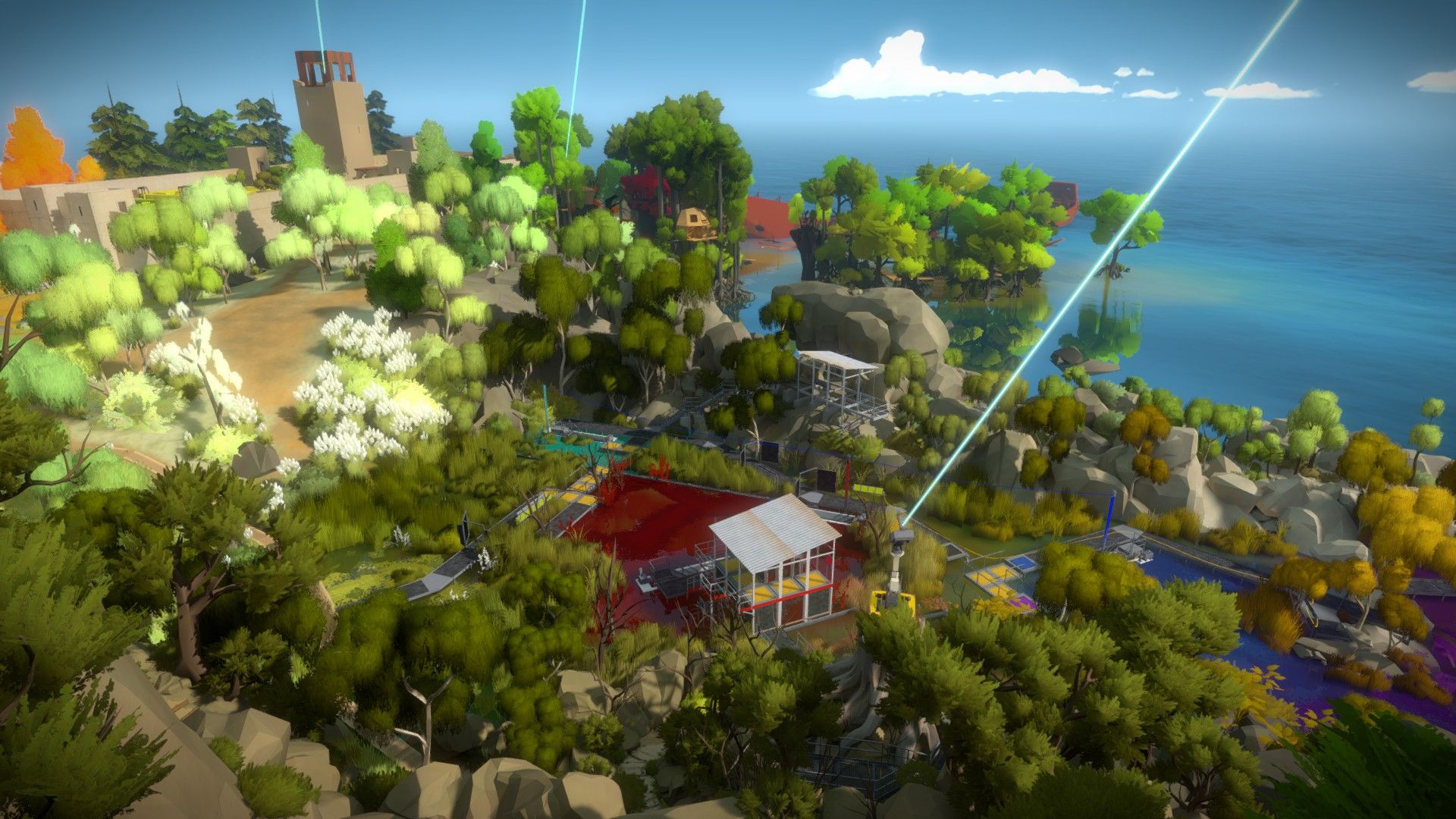
This is a game that teaches through the scenery itself; panels, shadows, plants, and repeating patterns train your eye without a single tutorial pop-up. The island doesn't physically transform as you play, but once you learn what to look for, a shadow, a reflection, or a stray branch suddenly reveals a purpose it always had.
18. Hollow Knight
Hallownest doesn't hand you a map so much as dare you to draw your own. Capital ruins, flooded waterways, glowing fungal caves; every region hoards its own history. Best of all, backtracking with a new ability can crack open routes that once seemed like dead ends, slowly piecing together the kingdom’s collapse.

19. Firewatch
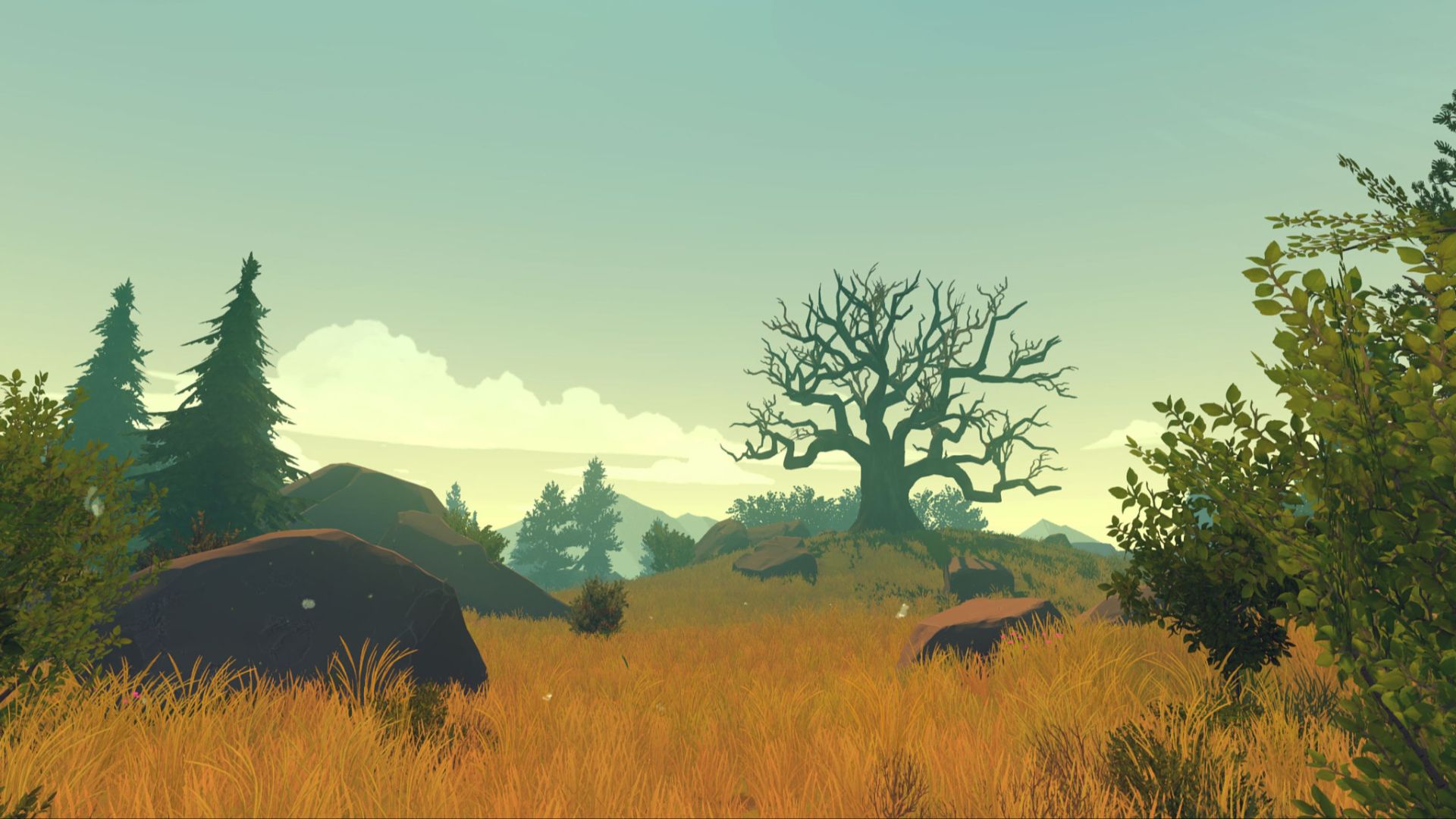
Henry and Delilah are never in the same room, yet the Wyoming wilderness between their lookout towers somehow makes their bond feel closer. Their radio conversations carry real intimacy despite the physical distance, while the trails, lakes, and cliffs around them shift from peaceful to unsettling as suspicion creeps in.
20. Return of the Obra Dinn
Every deck, cabin, and uniform on the Obra Dinn is a clue. Officers, crew, and passengers all occupy distinct zones of the ship, and figuring out what happened to them means paying close attention to where someone worked, who they stood beside, and how they moved during each disaster. By the end, the ship's own layout has become as important a witness as any of the people who sailed on it.
 Viktoriya Komarchuk on Unsplash