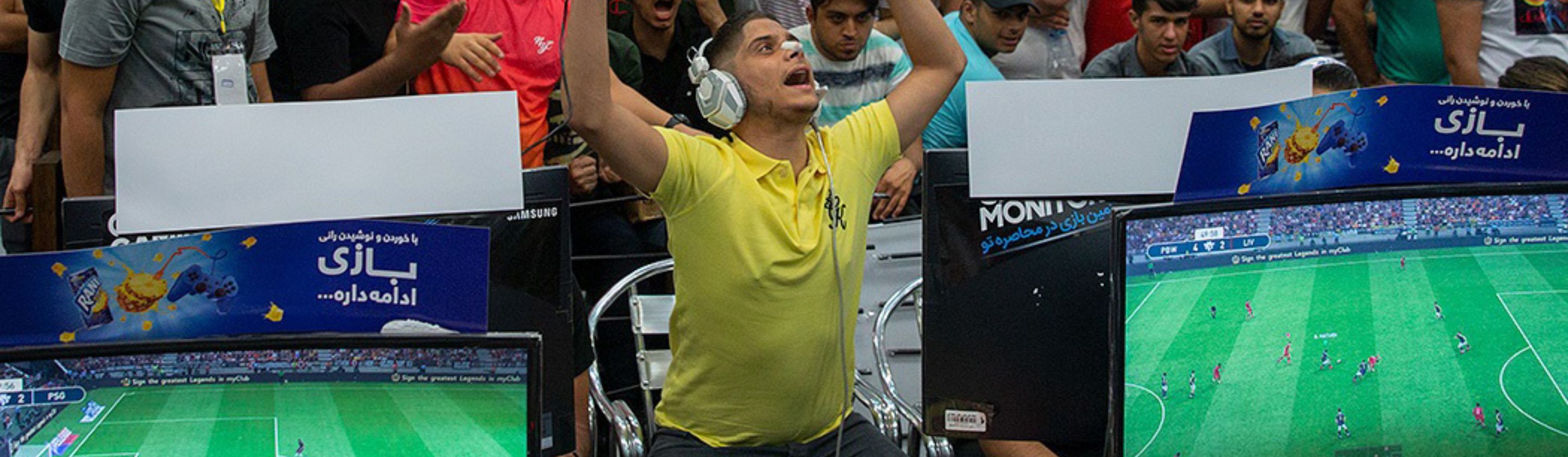
Sports video games can make an ordinary evening feel surprisingly close to an international competition. You may be standing beside a coffee table instead of entering a stadium, but a closely contested race or perfectly timed final attempt can still produce genuine excitement. The strongest titles create pressure, reward practice, and give even inexperienced players a believable reason to celebrate.
The games that make players feel like Olympic athletes range from official event collections to motion-controlled party favorites and detailed simulations. Some ask you to move your whole body, while others rely on rapid button presses, careful positioning, and precise timing. None can reproduce the physical demands of elite sports, yet they can capture the suspense of competing for a medal.
Motion Controls Make Every Movement Matter
Wii Sports made virtual competition accessible by replacing complicated controls with recognizable physical gestures. Players swung the Wii Remote to serve in tennis, throw punches in boxing, bowl strikes, and hit baseballs, which allowed newcomers to understand each activity quickly. Its simplified mechanics weren’t realistic, but moving your arm made success feel more personal than tapping a button.
Wii Sports Resort expanded that approach with more accurate motion tracking through the Wii MotionPlus accessory. Archery rewarded a steady aim, table tennis responded to carefully directed swings, and canoeing required players to repeat paddling movements to maintain speed. Swordplay could become especially competitive because blocking and striking demanded sharper reactions than the cheerful presentation suggested.
Kinect Sports went further by removing handheld controllers and using a camera to track the player’s body. Its collection included track and field, boxing, beach volleyball, table tennis, bowling, and soccer, along with events such as sprinting and javelin throwing. The tracking wasn’t always flawless, although physically running in place or jumping for a shot made a close contest feel unusually energetic.
Official Events Create Authentic Pressure
Olympic Games Tokyo 2020: The Official Video Game offers 18 arcade-style events, including boxing, BMX racing, swimming, sport climbing, judo, and the 100-meter sprint. The controls remain approachable enough for casual players, but strong performances depend on learning each event’s rhythm. A poor start or badly timed input can ruin an attempt in seconds, creating the tension associated with a real final.
Mario & Sonic at the Olympic Games Tokyo 2020 uses colorful characters and exaggerated animation without abandoning recognizable Olympic disciplines. Players can compete in fencing, gymnastics, skateboarding, surfing, karate, archery, and several track-and-field contests. Dream Events introduce fantasy elements, while retro versions based on the 1964 Tokyo Games provide simpler challenges for players who prefer traditional competition.
Earlier official releases such as Athens 2004 and Beijing 2008 often demanded rapid button pressing and carefully executed control sequences. Their unforgiving mechanics could leave hands tired after repeated sprinting, swimming, or weightlifting attempts. Although these games sometimes valued speed over subtle strategy, finally earning a strong score after several failures could feel like a serious accomplishment.
Skill and Rivalry Sustain the Experience
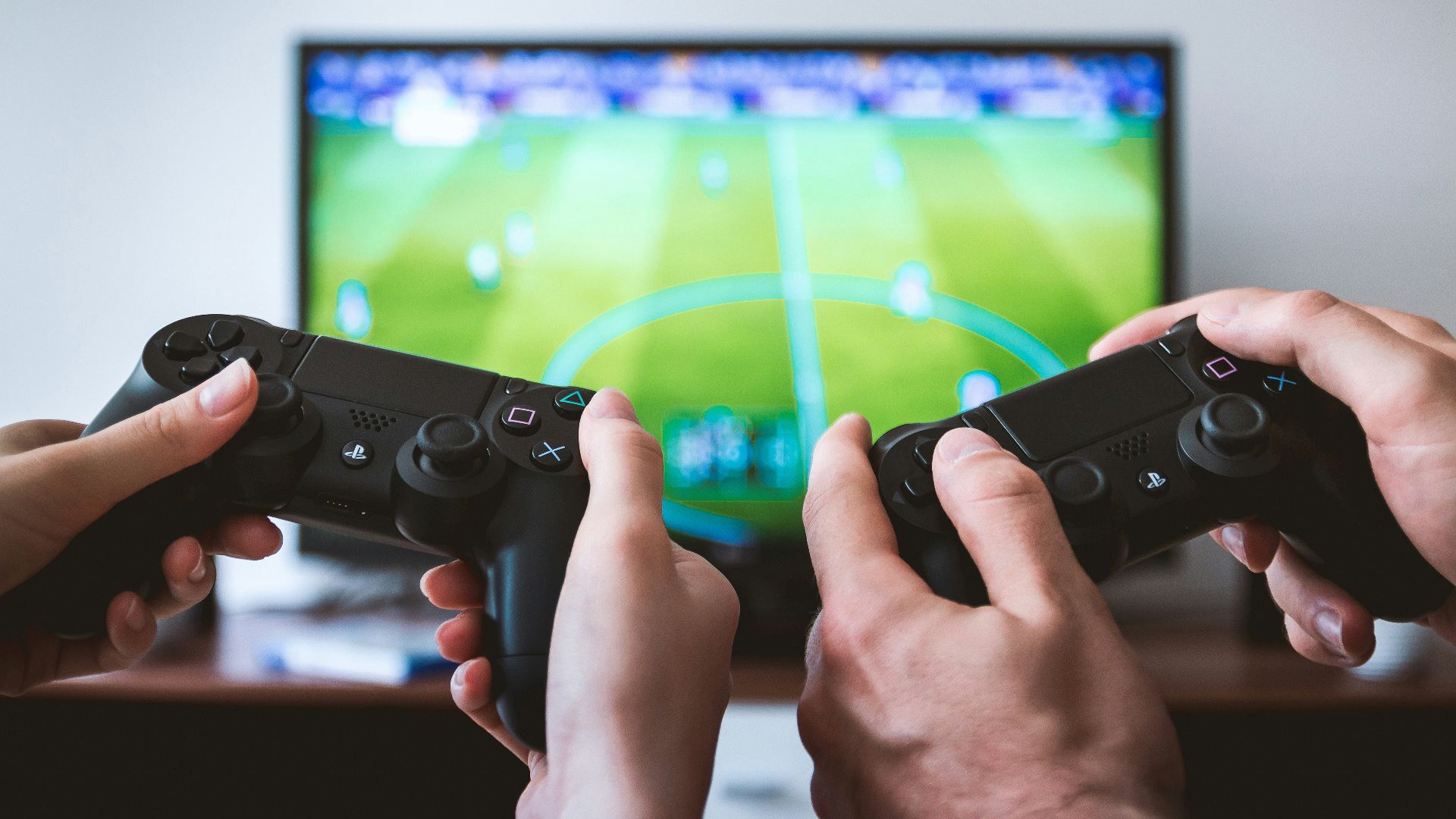
Track-and-field titles are effective because they make small errors seem enormously important. A fractionally late start, clipped hurdle, or mistimed throw can separate a record-breaking performance from an ordinary result. Repeating an event to improve a personal best creates a clear sense of progress, even without an opponent standing nearby.
Tennis and table tennis games offer a different type of Olympic fantasy by emphasizing placement, anticipation, and patience. Top Spin 4, for example, rewards players who position their athlete properly and select shots based on an opponent’s movement rather than relying only on power. Constructing a long rally before placing a winner into open space provides the satisfaction of executing a deliberate competitive plan.
Winter sports games add speed and risk to the formula through downhill skiing, snowboarding, freestyle events, and ski jumping. Steep’s Road to the Olympics expansion introduced disciplines connected with the 2018 Winter Games, including slalom, downhill, snowboard cross, and halfpipe competitions. Human opponents make these events even more engaging because unexpected victories, disputed finishes, and improving techniques can turn a short session into an ongoing rivalry.
Sports games won’t give you an athlete’s conditioning, technical expertise, or experience competing before a global audience. They can still reproduce a smaller version of the emotional sequence, beginning with preparation and ending with either satisfaction or an immediate desire to try again. Once the final event begins and the scores are close, it doesn’t take much imagination to feel as though a gold medal is genuinely at stake.