
How The Lord of The Rings Influenced Just About Everything In High Fantasy
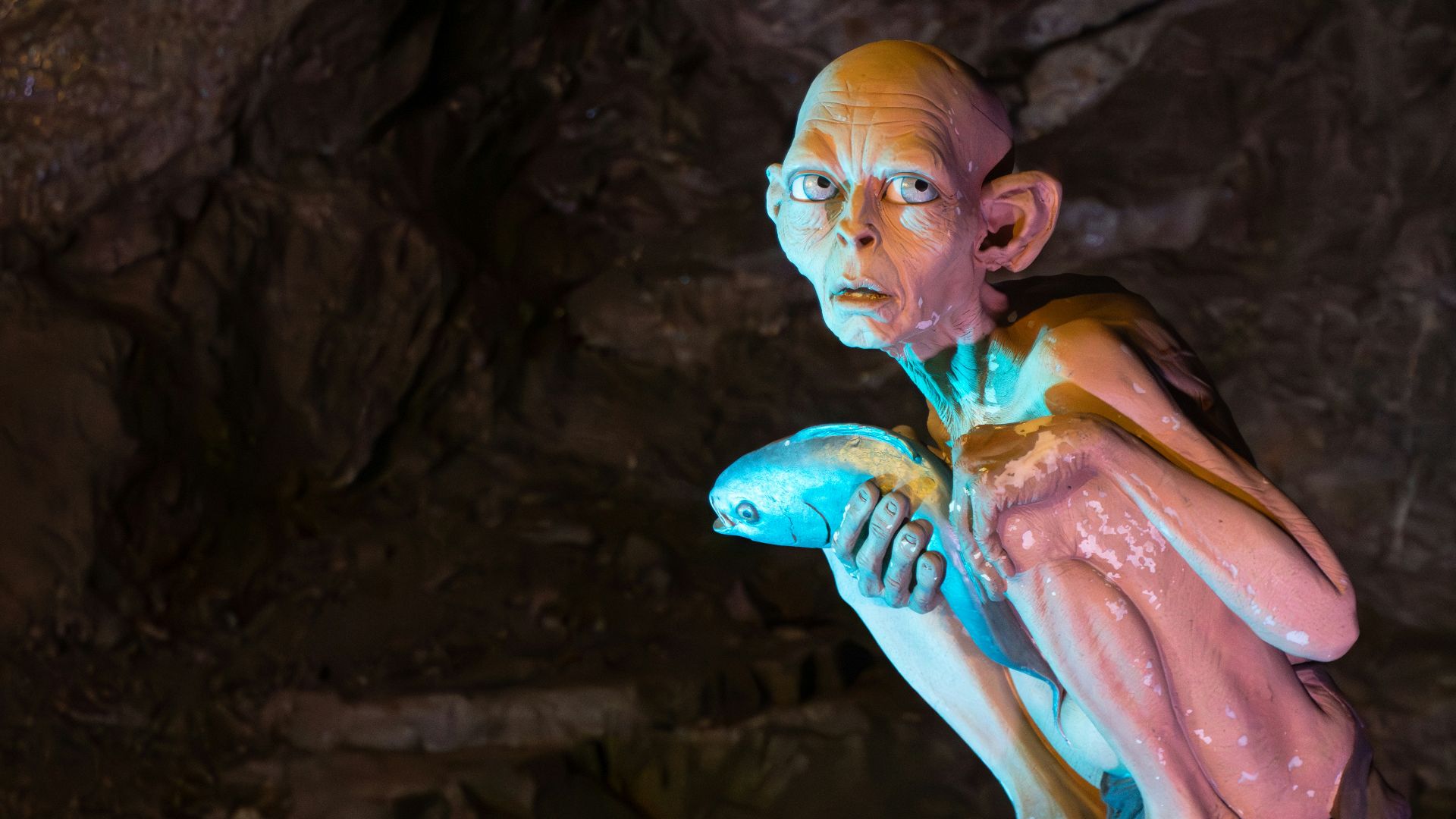
Load a modern fantasy role-playing game, and Middle-earth’s influence usually isn’t far away. You might come across ancient ruins, invented languages, mountain kingdoms, a returning evil, and a group of heroes from different cultures. J.R.R. Tolkien didn’t invent medieval fantasy, but he brought many familiar ideas together in a way that later writers and game designers could copy, reshape, or move away from.
That influence reaches far beyond books and movie adaptations. Tabletop role-playing games turned literary fantasy into a much more imaginative and interactive world, while computer games brought many of those systems into digital worlds that players could explore. High fantasy has grown much broader since The Lord of the Rings appeared, but many of the genre’s storytelling habits and design choices still start with ideas Tolkien helped popularize.
A World Designed Like A Working System
Fantasy literature existed before Tolkien, with William Morris often cited as one of, if not the first, writers to create medieval-style fantasy worlds. What made Middle-earth so influential was the way its geography, languages, legends, family histories, and ruined civilizations all seemed to come from the same connected past. The Cambridge Companion to Fantasy Literature describes The Lord of the Rings as a work that has loomed over later fantasy, with other writers often copying Tolkien or deliberately trying something different.
There’s so much more to Middle-earth that doesn’t get covered in the original story. Its characters passed through places with their own histories, old conflicts, and signs of people who’d lived there long before the main story began. Names, songs, ruins, and family connections gave readers the sense that the visible story was only one part of a much larger history. That same approach now appears throughout fantasy games, where optional dialogue, old buildings, written records, and details in the environment help a world feel lived in.
Tolkien called the creation of a believable “Secondary World” sub-creation. The Tolkien Estate’s discussion of his essay “On Fairy-Stories” explains that this process depended on language and imagination to create a world readers could accept on its own terms. Game developers work with the same basic idea when they build cultures, histories, environments, and rules that remain consistent throughout a game.
Creating The Landscape
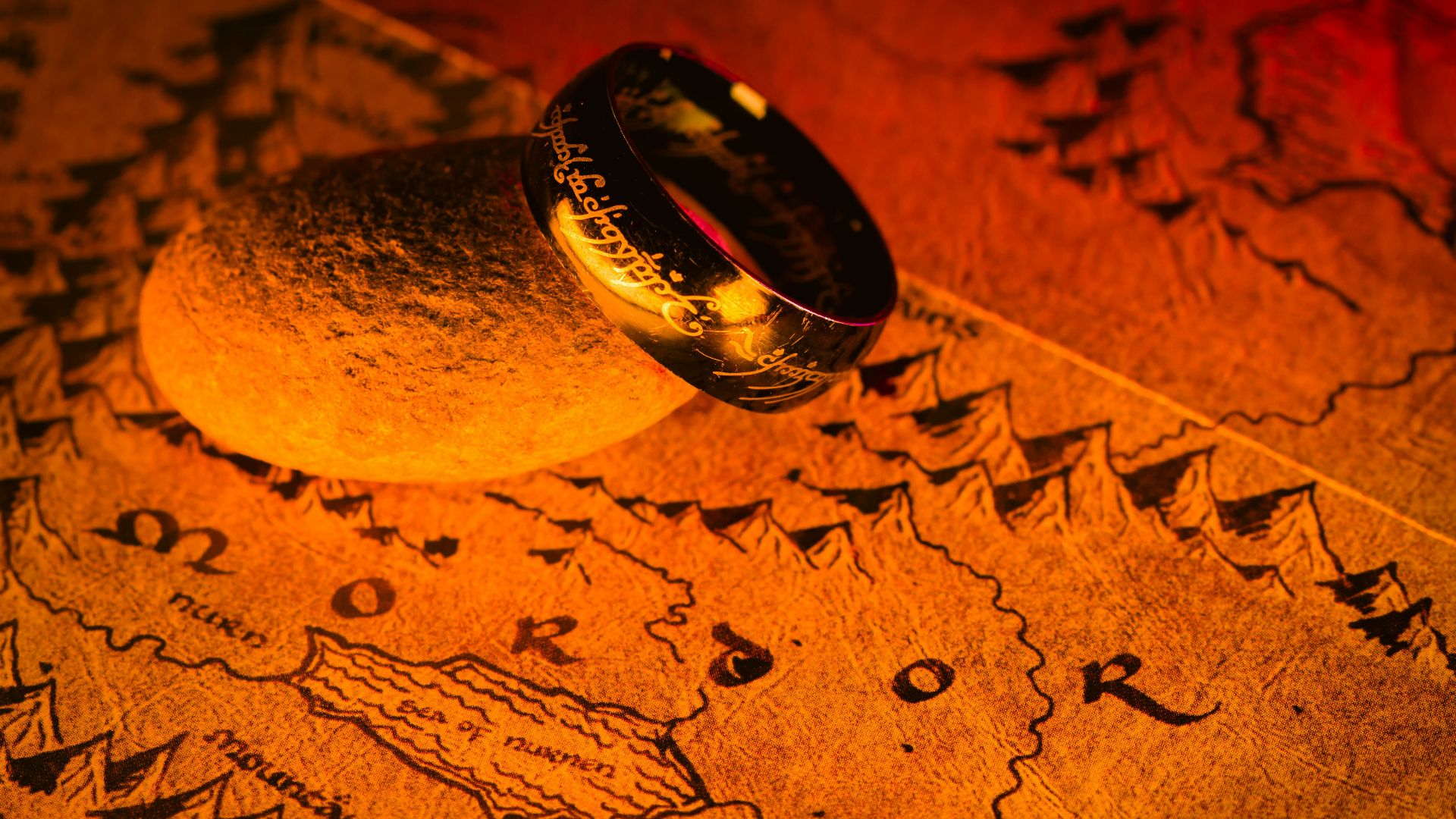
Never deemed an afterthought, maps were also part of Tolkien’s writing process. The Tolkien Estate notes that he drew maps and plotted charts while he wrote. One of those maps covered Rohan, Gondor, and Mordor, and it helped him place the action in Book Five accurately. Modern games use geography in a similar practical way, with roads, rivers, passes, settlements, and sightlines shaping travel, combat, pacing, and exploration.
A well-planned landscape can guide players without making the world feel cramped. A mountain range can block one path, while a road or river points toward another. Settlements can offer safety, information, and supplies, while distant landmarks give players a clear destination. These design choices match the way geography matters throughout The Lord of the Rings, where distance, difficult terrain, and available routes all affect the journey.
Tolkien’s invented languages added another layer of structure to Middle-earth. Linguist Carl Hostetter explains that Tolkien had worked on his Elvish languages for nearly 40 years by the time The Fellowship of the Ring was published. Those languages also had fictional histories involving changes in grammar and sound. Few game studios build languages in that much detail, but consistent names, scripts, accents, and terms now regularly help players tell one fictional culture from another.
From The Fellowship To The Role-Playing Party
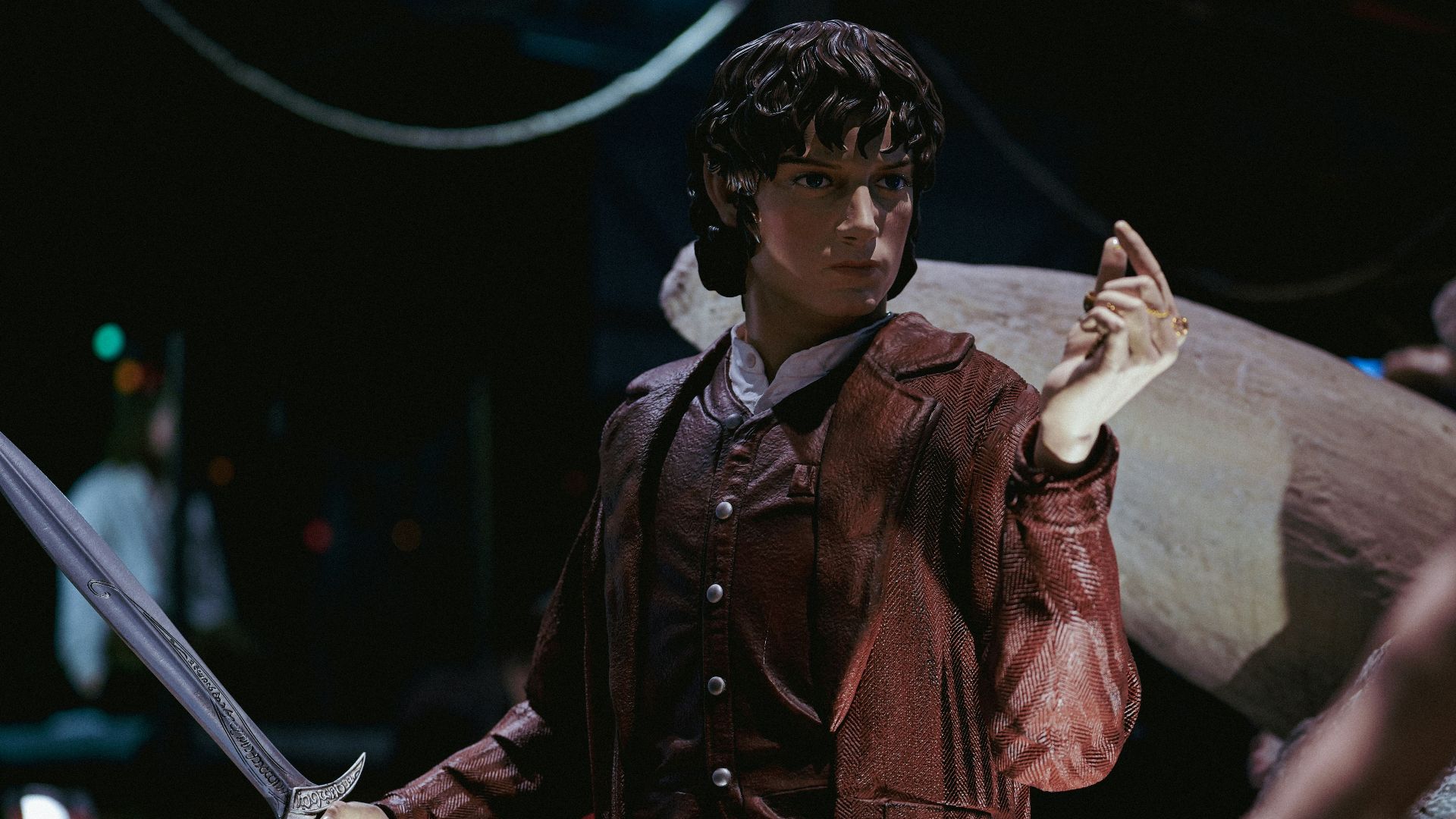
The Fellowship created one of fantasy’s most recognizable group setups. Its members came from different peoples, offered different abilities, and carried personal loyalties and old political tensions. They had a shared goal, but they didn’t have the same history, outlook, or reason for joining the journey. That setup closely resembles the party-based design found in many tabletop and computer RPGs.
In those games, a group’s mix of skills and personalities can matter as much as the strength of its central hero. The group can work together during a fight and still disagree about duty, history, or what should happen next. That blend of practical teamwork and personal conflict is a familiar part of modern role-playing games.
Dungeons & Dragons became an important link between Tolkien-influenced fantasy and interactive entertainment. The Strong National Museum of Play records that early D&D used names closely connected to Tolkien’s books. The Lord of the Rings isn’t the sole contributor to the creation of Dungeons & Dragons, as it also came out of miniature wargaming and other fantasy writers. That said, its major contribution was turning an imagined adventure into a repeatable system built around character creation, combat, advancement, equipment, and decisions made by a group of players.
The Strong notes that many early computer programmers tried to recreate the tabletop experience electronically, which helped establish computer role-playing games as a major genre. Video games adopted ideas such as hit points, experience points, levels, character races and classes, equipment, and progressively stronger enemies directly or indirectly from tabletop D&D. Tolkien didn’t create those numerical systems, but his work supplied part of the fantasy setting that surrounded them.
Why Fantasy Still Works With Tolkien’s Template
The Lord of the Rings helped establish the feeling that a fantasy story should take place near the end of a much older history. Games make good use of that structure. An ancient past leaves plenty of room for natural and supernatural storytelling, and the geography of the world leaves so much room for variation. As the route becomes part of the experience, players can travel these vast lands, slowly piecing together what happened by studying what’s still left behind.
Later fantasy hasn’t simply copied Tolkien. Oxford notes that writers such as George R.R. Martin, N.K. Jemisin, and China Miéville have created worlds that respond to Tolkien by putting more attention on different politics, cultures, heroes, and urban or social structures. High fantasy now draws from a much wider range of cultures, storytelling traditions, technologies, and visual styles. Even so, the most basic premise of the genre cannot shake Tolkien’s influence.
Modern fantasy no longer has to look exactly like Middle-earth. Writers and developers can keep familiar ideas, change them, or leave them behind as they build something new. Tolkien’s influence remains easy to spot because so many of the genre’s common tools became familiar through his work. Books and games have moved in countless new directions, but they’re still working with a fantasy language that The Lord of the Rings standardized.