

Retro games have a way of sticking around long after their original consoles disappear. What once felt outdated now feels comforting, familiar, and surprisingly fresh in a gaming world dominated by massive open worlds and constant updates. Players are rediscovering older titles not just out of nostalgia, but because the gameplay still holds up. Many of these games were built around tight mechanics rather than technical spectacle. That focus gives them a clarity that still feels appealing today.
Another reason for the resurgence is accessibility. Remasters, re-releases, emulation, and retro-style hardware have made classic games easier to play than ever. Younger players are discovering them for the first time, while longtime fans are returning with a deeper appreciation. Digital storefronts have removed the barrier of hunting down old cartridges or aging consoles. As a result, retro games feel less like museum pieces and more like living parts of modern gaming culture.
Super Mario Bros.
Super Mario Bros. remains one of the most recognizable video games ever made, and its comeback has been steady rather than sudden. Re-releases on modern Nintendo systems have kept it readily available for decades. Its simple controls and clear objectives make it approachable for players of all skill levels. Even someone picking up a controller for the first time can understand what to do within seconds. That immediate accessibility is a big reason it continues to resonate.
The level design still feels remarkably intentional by modern standards. Each stage introduces ideas gradually, teaching mechanics through play rather than explanation. Modern players often notice how focused the experience feels compared to sprawling games filled with side content. There’s very little wasted space or unnecessary padding. Every jump, enemy, and obstacle exists for a reason.
Cultural relevance also plays a major role in its renewed popularity. Mario remains Nintendo’s flagship character, constantly appearing in new games, movies, and merchandise. Each new release tends to spark curiosity about where the series began. Retro collections and anniversary editions bring Super Mario Bros. back into the spotlight regularly. It benefits from being both a historical landmark and a genuinely fun game to play today.
The Legend of Zelda
The Legend of Zelda has experienced renewed attention thanks to the success of modern entries in the franchise. Players who enjoyed newer titles often feel compelled to explore the series’ roots. Despite its age, the original game’s sense of exploration still feels ambitious. Being dropped into a world with minimal guidance was unusual at the time. That bold design choice continues to feel refreshing.
Modern players often find the original game challenging in ways they didn’t expect. No glowing markers or detailed maps are guiding every step. Progress depends on observation, experimentation, and memory. This slower pace encourages patience and curiosity. For many players, that makes victories feel more earned.
Re-releases and updated versions have helped make the game more approachable. Save features and improved controls reduce frustration without changing the core experience. These quality-of-life updates allow new players to engage with the game on their own terms. Instead of feeling dated, The Legend of Zelda now feels intentionally old-school. Its influence on modern game design becomes clearer with each replay.
Tetris
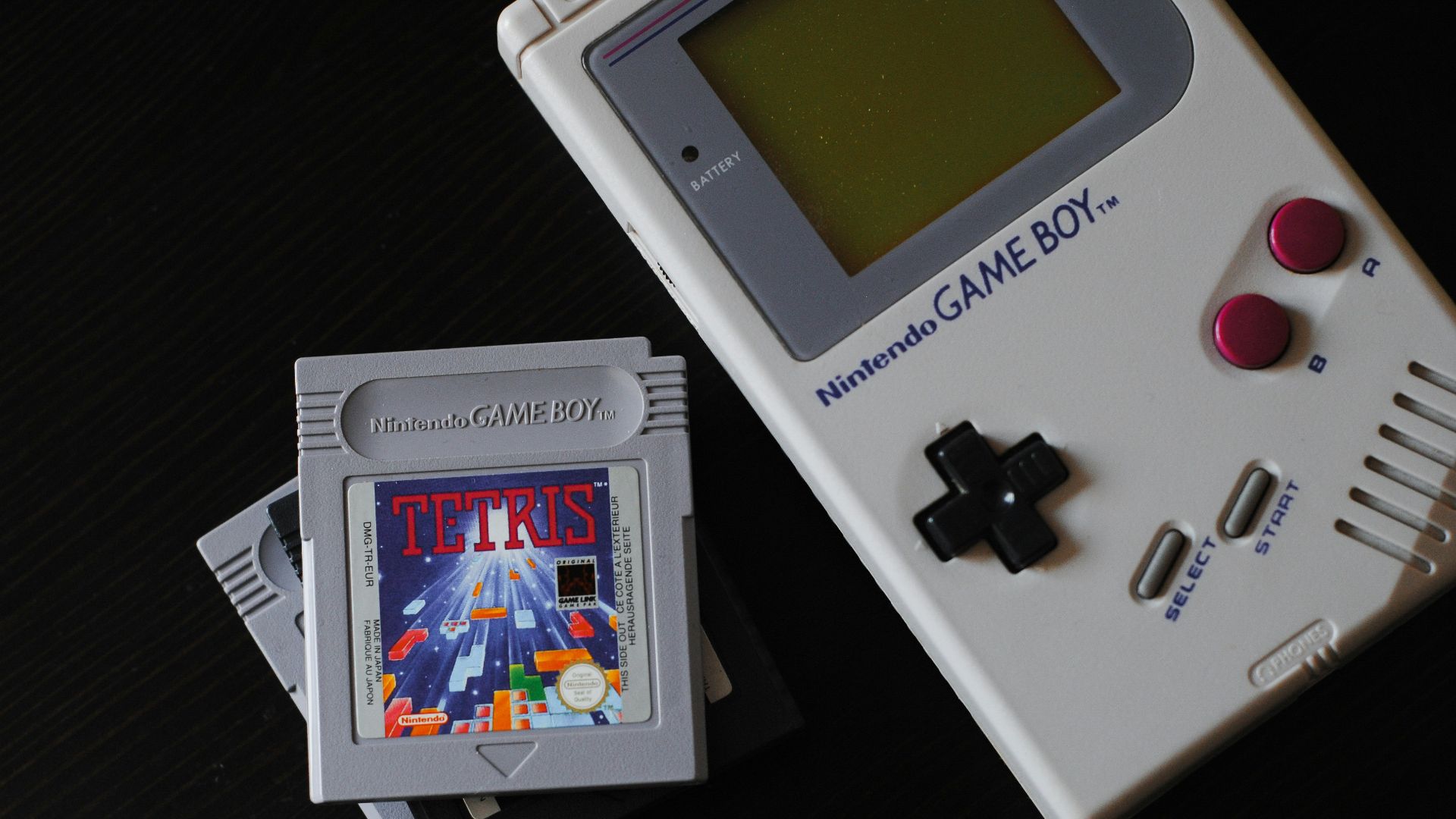
Tetris might be the most timeless game ever created, and its comeback never truly stopped. Its core mechanic is instantly understandable and endlessly replayable. There’s no story to follow or characters to remember, just shapes and decisions. That simplicity makes it easy to return to at any moment. Few games are as universally accessible.
The game has found new life through competitive scenes and modern adaptations. Online multiplayer modes and international tournaments have introduced Tetris to younger audiences. High-level play has turned it into a spectator experience, drawing viewers who may not even play themselves. The skill ceiling is far higher than it appears at first glance. That depth keeps the game relevant decades later.
Tetris also thrives on mobile platforms, where quick sessions fit naturally into daily routines. Short rounds make it ideal for brief breaks rather than long commitments. Touch controls translate surprisingly well to the original design. Despite technological changes, the core experience remains unchanged. Strong design has allowed it to adapt without losing its identity.
Retro games are making a comeback because they offer something many modern titles struggle to provide. They respect the player’s time, emphasize strong fundamentals, and focus on gameplay over spectacle. Super Mario Bros., The Legend of Zelda, and Tetris continue to attract new players while satisfying longtime fans. Their resurgence isn’t about rejecting modern gaming, but appreciating design that never stopped working.