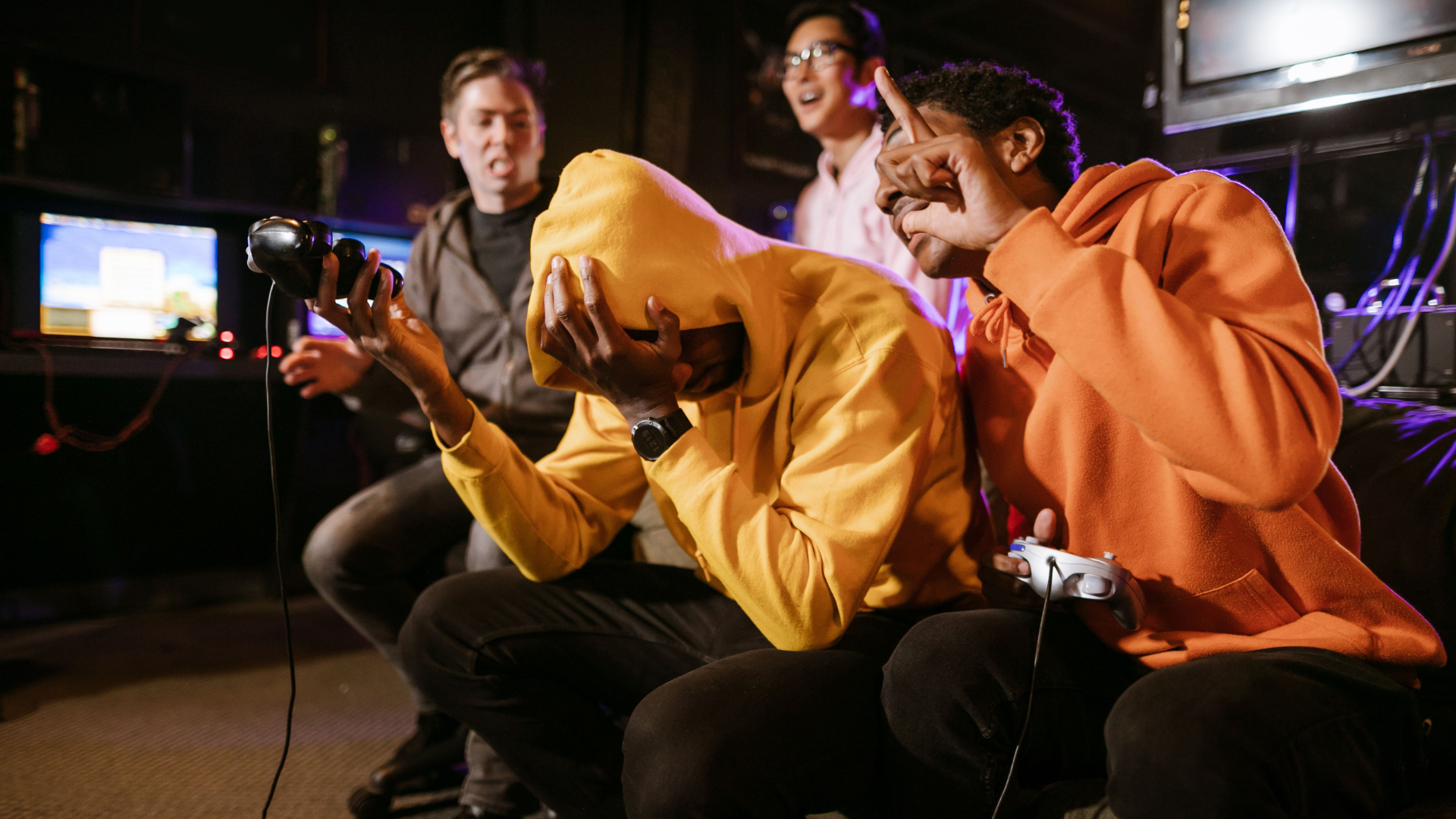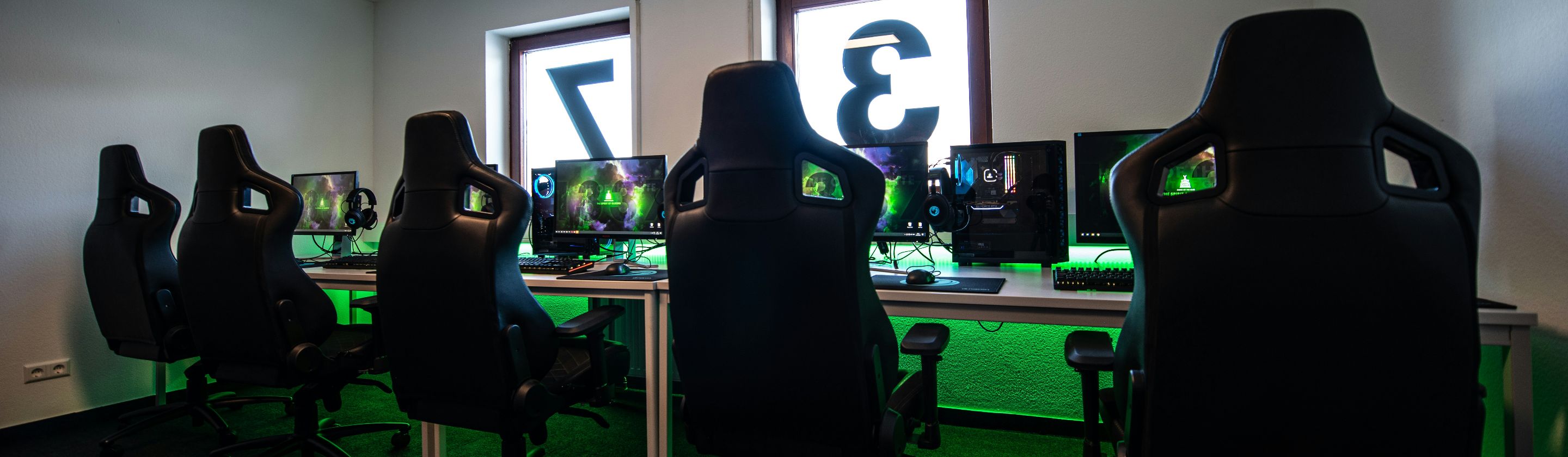

Esports didn’t start as a stadium-filling spectacle with booming walkout music and sponsor logos everywhere. It grew out of smaller, scrappier competitive scenes, and the “crowd” was whoever could fit around a screen. Once tournaments got organized, players realized winning wasn’t just fun; it could be a résumé line. That mix of competition and community gave esports the kind of momentum that’s hard to fake.
Growth sped up when games became easier to watch, not just easier to play. Streaming made matches feel like events, and social media turned standout players into recognizable personalities. Developers also leaned in, building official circuits that made the competitive path clearer. Before long, championships started offering prize pools that looked like lottery numbers, and the rest is history.
From Arcades to LAN Parties: Competitive Gaming Learns to Organize
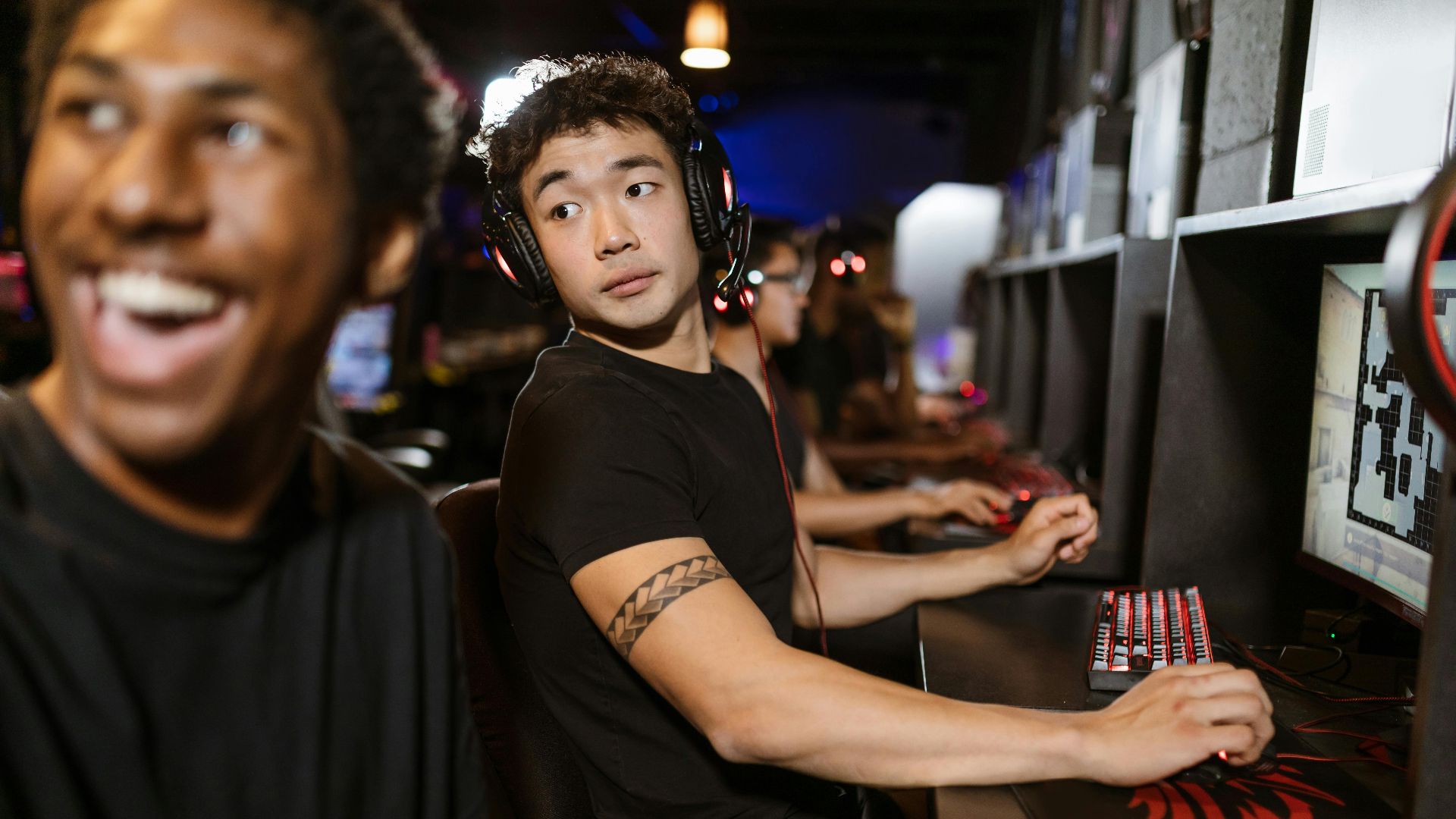
Early competitive gaming was a lot less polished than modern league play, yet it still drew huge crowds. In 1980, Atari ran a Space Invaders tournament that multiple historical write-ups describe as having more than 10,000 participants, and it’s often cited as a major early milestone for organized competitions. Those sheer numbers alone showed publishers and advertisers that players would actually travel, compete, and care. Even back then, competition wasn’t a side quest; it was the main attraction.
The 1990s pushed esports toward a more modern shape because PC multiplayer made skill easier to compare across distances. A famous early example is Red Annihilation in 1997, a Quake tournament where the winner, Dennis “Thresh” Fong, took home John Carmack’s Ferrari 328 GTS as part of the prize.
Around the same time, organizers started building repeatable tournament structures instead of one-off showdowns. The Cyberathlete Professional League (CPL) was launched in 1997 and helped normalize the idea of scheduled events, prize pools, and a circuit that players could plan around. On the global side, the World Cyber Games began in 2000 with Samsung backing and an Olympic-style presentation, including opening ceremonies and medals. These steps gave competitive gaming a rhythm, turning the once-niche spectacle into a full-blown scene.
Streaming and Spectators: How Esports Became Easy to Watch
Esports got bigger the moment watching became frictionless, because you can’t build a massive audience if every match is hard to find. When Twitch launched in June 2011, it quickly became a hub for live game broadcasts, including esports, with chat creating the feeling of a shared arena. Viewers didn’t need a cable package, a specialty channel, or a friend’s sketchy link anymore. You just clicked play, and suddenly, competitive gaming was in everyone’s pocket.
Leagues also learned that production value changes perception, even when the gameplay stays the same. Major League Gaming (MLG), founded in 2002, helped bring structure to North American events and even landed console esports on TV in the mid-2000s. MLG’s Halo 2 competitions aired on USA Network in 2006 and 2007, which gave the whole thing a massive legitimacy boost. Once esports looked like an actual, professional broadcast, people started treating it like one.
Spectator culture did more than add viewers; it changed how games were designed and supported. Developers began building features for watching, such as observer tools, replay systems, and clearer visual cues that help audiences understand key moments. Communities added their own layers through co-streams, analysis content, highlight edits, and memes that turned big plays into shareable moments. You don’t need to know every mechanic to feel the drama of a close match when the crowd, the casters, and the format are all working together. That accessibility is why esports stopped being “for players only.”
The Money Got Serious
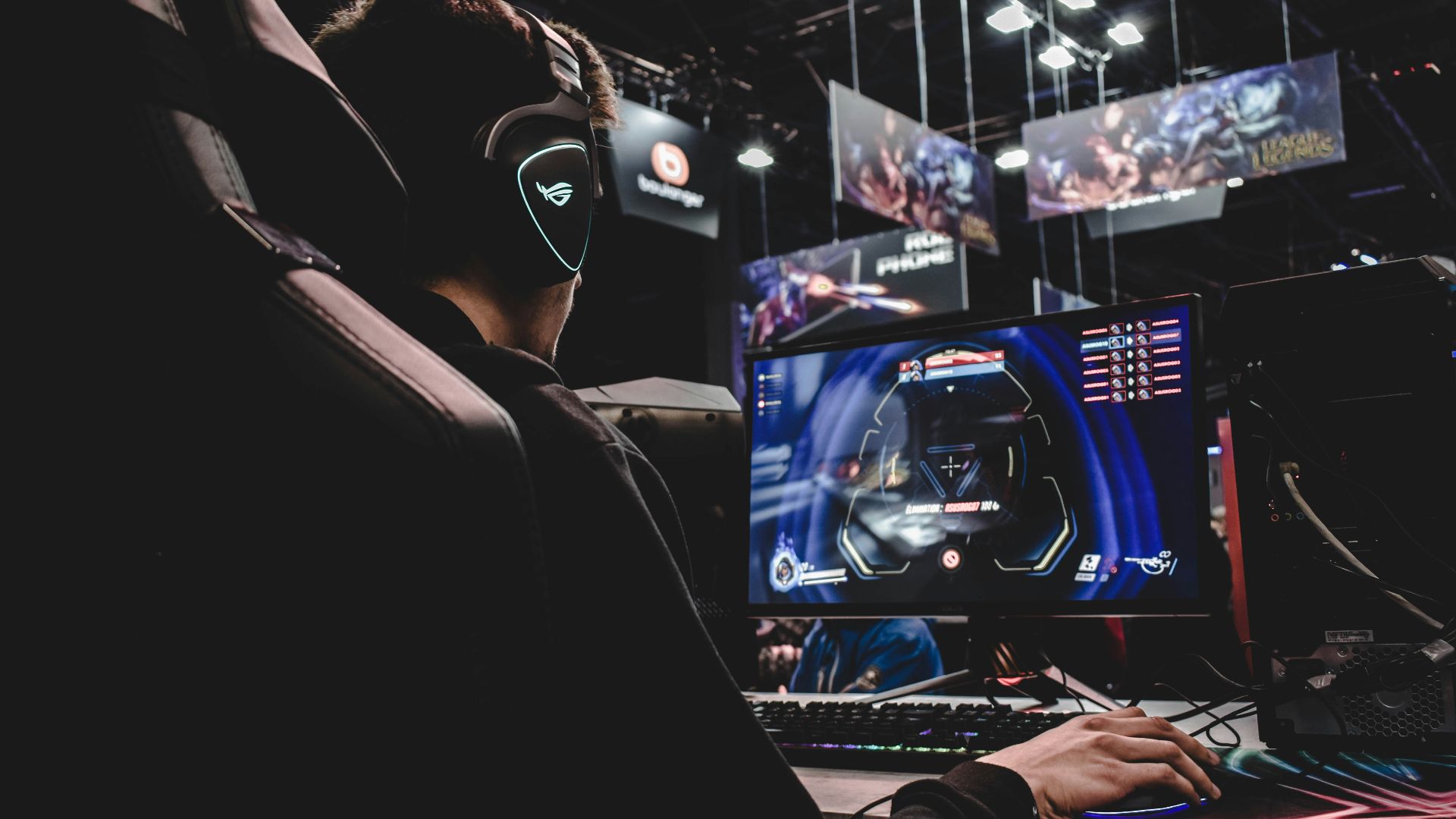
Big competitions require big funding, and esports found multiple ways to pay the bills. Some events leaned into crowdfunding or in-game purchases, while others relied on sponsorships, media deals, and direct publisher investment. Dota 2’s flagship tournament hit a famous high-water mark with The International 2021 prize pool reaching $40,018,195, a number widely tracked and reported across esports coverage and prize trackers. When a single tournament can exceed $40 million, the stakes feel less like “gaming bragging rights” and more like a career-defining opportunity.
Epic Games offered another eye-popping benchmark with the Fortnite World Cup. In Epic’s own recap, the 2019 Finals in New York City featured a $30 million prize pool for Solo and Duos, and the company also reported over 40 million players participating. That kind of scale changes how people talk about esports at dinner, because it’s hard to dismiss competitive gaming when the prize money rivals major sports headlines. Players also become brands overnight when millions watch a teenager win a life-changing payout.
Recent mega-events have pushed totals even higher by bundling multiple tournaments into one giant festival. The Esports World Cup’s official announcement promoted a total prize pool of more than $60 million for its inaugural event in Riyadh, positioning it as the largest overall prize pool in esports history. At the same time, not every championship relies on massive prize pools to matter, since some circuits focus on salaries, team revenue, and long-term stability. League of Legends’ Worlds, for example, is a publisher-run championship where teams compete for the title and the Summoner’s Cup, with recent prize pools commonly reported in the low single-digit millions.