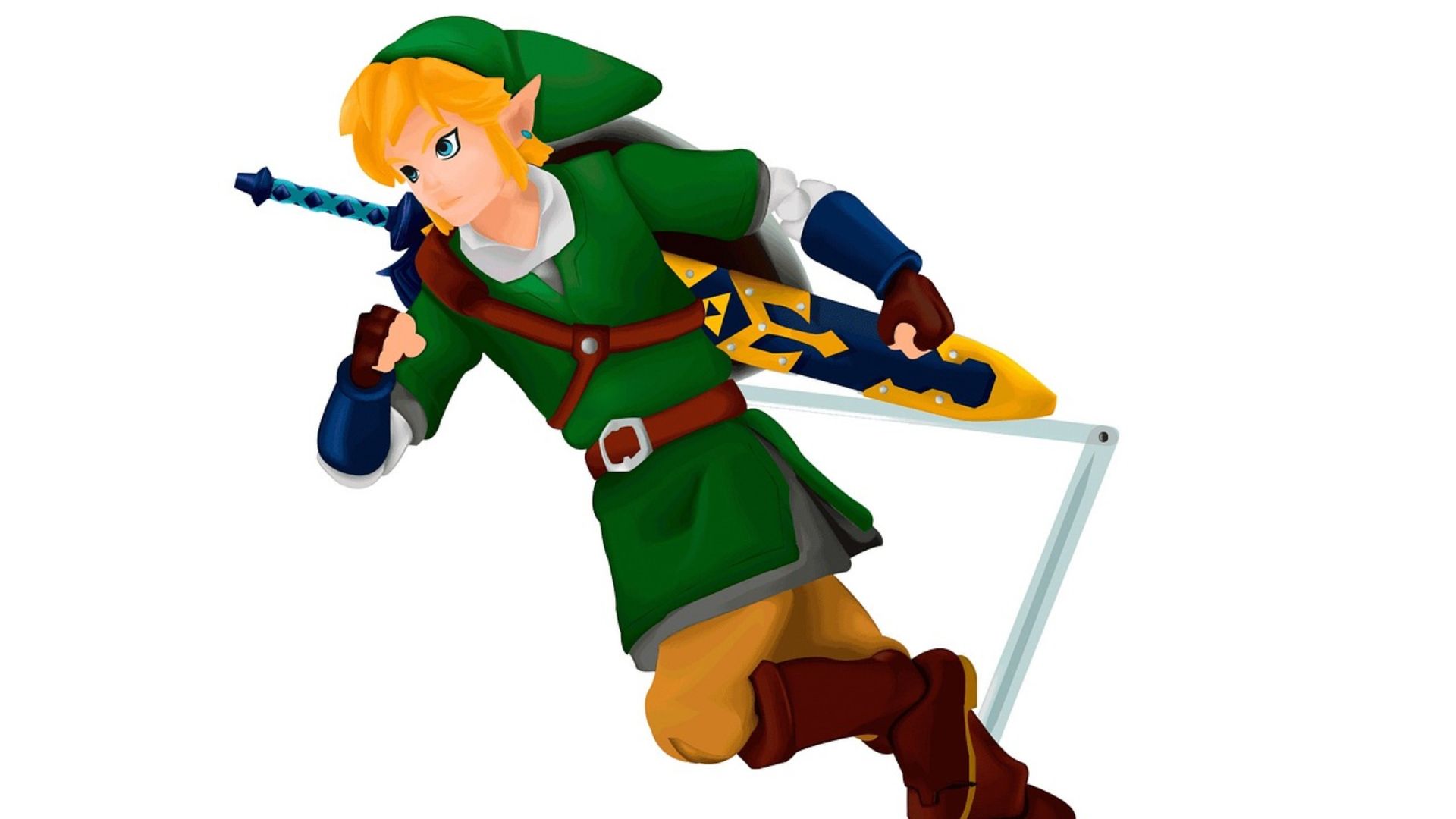
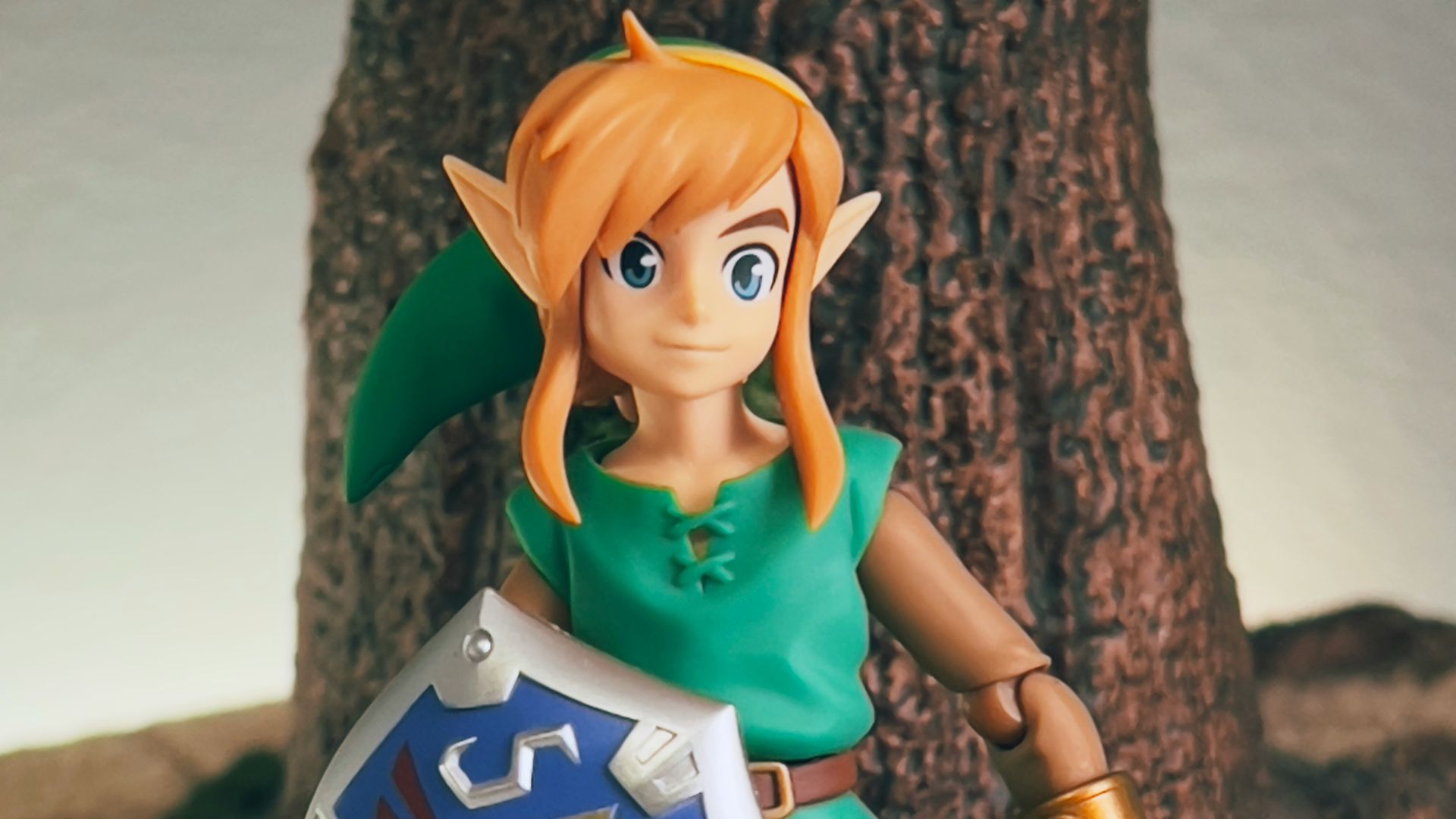
It's one of the signs of a good story that the lines between fiction and reality begin to blur until fantasy seems more real than the world we live in. Unfortunately, there's such thing as too much of a good thing. A prime example of this is when fantasy ingredients get confused for historical facts.
Most, if not all of us, have made mistakes and mixed things up. However, most of us are lucky that these mistakes are largely confined to texts, rather than professionally-edited books that found their way into the hands of millions of readers. That was exactly what happened to Irish author John Boyne in 2020.
Background To Scandal
If Boyne's name sounds familiar, that's because you probably know him from his 2006 novel The Boy in the Striped Pyjamas. While the novel became one of the best-selling books of all time with more than 11 million copies, Boyne was also criticized for sweeping inaccuracies about the Holocaust. When criticized, Boyne suggested that the Auschwitz-Birkenau State Museum was the one with false information, not him.
Unfortunately, this behavior was part of a pattern for Boyne. Another book for young people, 2019's My Brother's Name Is Jessica drew significant criticism for its portrayal of transgender people. Once again, Boyne refused to take accountability for spreading misinformation, deleting his Twitter profile in response.
This brings us to August 2020, when Boyne released A Traveller at the Gates of Wisdom. The novel is a time-traveling ambitious epic in the vein of Cloud Atlas, beginning in Palestine in 1 CE and traversing centuries and continents all the way up to 2016 America. There was just one problem...
Wait....Where Is This Set?
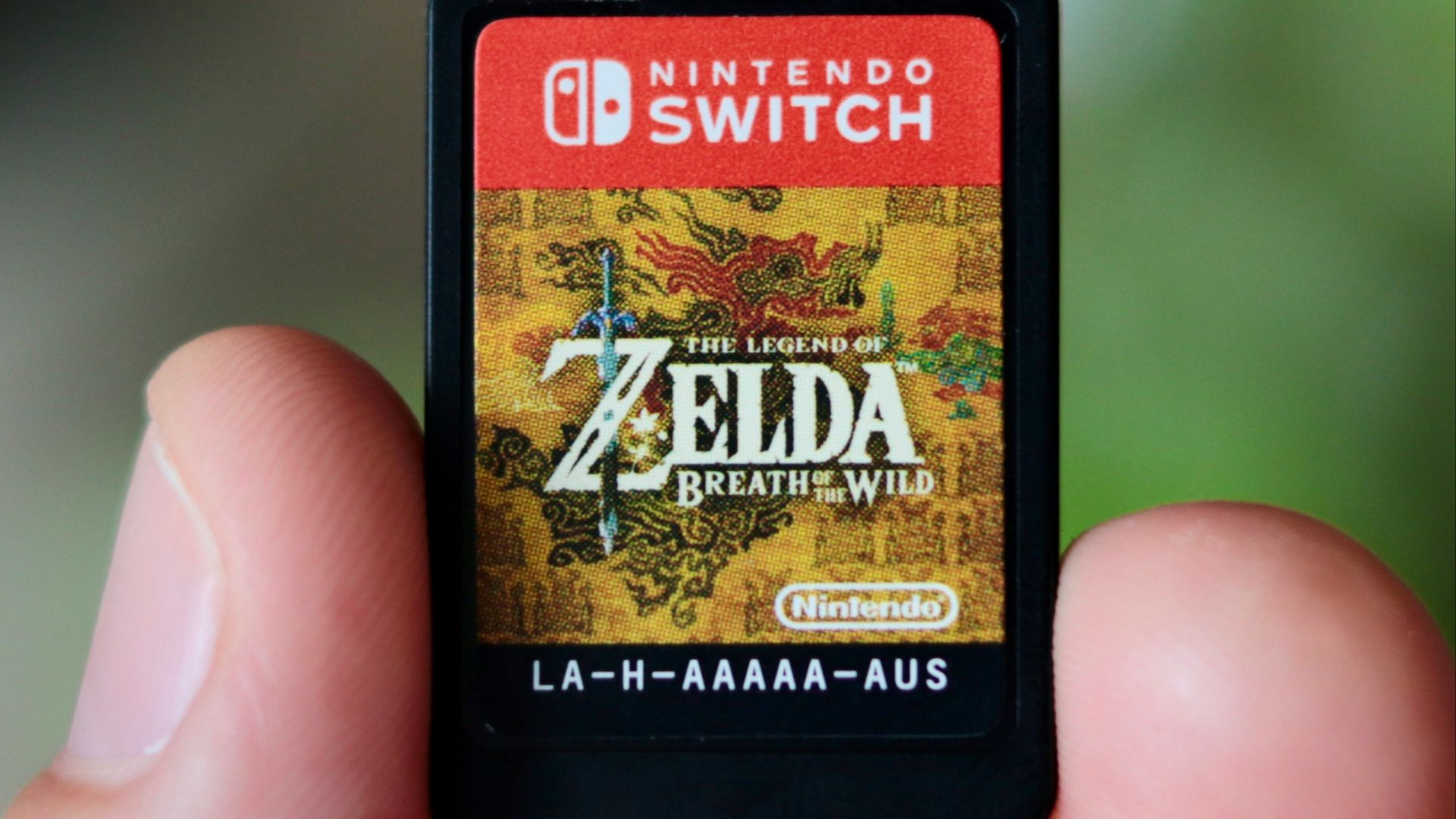
Take a look at this passage and see if you can see the issue:
"The dyes that I used in my dressmaking were composed from various ingredients, depending on the color required, but almost all required nightshade, sapphire, keese wing, the leaves of the silent princess plant, Octorok eyeball, swift violet, thistle and hightail lizard. In addition, for the red I had used for Abrila’s dress, I employed spicy pepper, the tail of the red lizalfos and four Hylian shrooms."
Now, you've read the title to this article, you know where this was going. In his haste to put out a new book, Boyne seemingly Googled "red dye ingredients." found a guide on how to make red dye in BotW, and thought "yeah, that sounds right!" Never mind that this particular section is set in 400 CE, almost none of the ingredients listed exist in the real world!
Frankly, it isn't Boyne's mix-up that astounds us, it's that this mix-up made it into a published book. We don't expect a 50-year-old to be up to date on his video game lore unless he's a gamer himself. But, seriously, you're telling us that nobody at any point in the editing process caught this.
You don't even have to be a Zelda fan to pick up on the inaccuracy. Reading these ingredients just sounds wrong, even the ones that actually exist. Only in a fantasy world would nightshade, sapphire, violet, and thistle combine to make red dye.
Lazy Research
One would think that Boyne, a writer who's made a name and significant income off of historical fiction would, you know, attempt historical accuracy. Unfortunately, as we have seen, Boyne doesn't always take kindly to criticism, nor is he particularly concerned with accuracy. In the same book, precolonial Indigenous people in Argentina have Spanish names; Islam is established in Yemen before Muhammad was even born; Shakespeare's globe has the technological capabilities of a modern theater.
One absurd anachronism could be blamed on rushed copy-edits. A book full of them is simply laughable. Everyone at Penguin must have been asleep during the publication process.
The biggest irony of all is that one of John Boyne's previous novels was about plagiarism and yet he—albeit unwillingly—plagiarized one of the biggest video game franchises of all time. At least everyone reading this knows how to make red dye in BotW.