
The 20 Most Exciting Tech Innovations Coming Soon to the Gaming World
What’s About to Level Up How You Play
Gaming tech never sits still, and the next wave of innovation is shaping up to be especially exciting. From smarter systems behind the scenes to more immersive ways to interact, the future looks less like an upgrade and more like a transformation. If you love games, a lot is coming that’ll change how you play, watch, and even think about them. Here are 20 innovations about to change your gaming experience.

1. AI-Driven NPCs
Non-player characters are getting a serious intelligence boost. Instead of repeating canned lines, they’ll react to your choices in more natural ways. Conversations and behavior will start to feel far more lifelike.

2. Cloud Gaming With Lower Latency
Cloud gaming is inching closer to feeling instant. Improved infrastructure means less lag and smoother visuals. Soon, you won’t need powerful hardware to enjoy high-end games.
 Clastr Cloud Gaming on Unsplash
3. Procedural Worlds With Purpose
Gaming is about to get a lot more unique and personalized with advances in procedural generation, where worlds are created algorithmically, allowing for varied outcomes. It's becoming more thoughtful and less random, with future worlds feeling handcrafted even when they’re algorithm-driven.
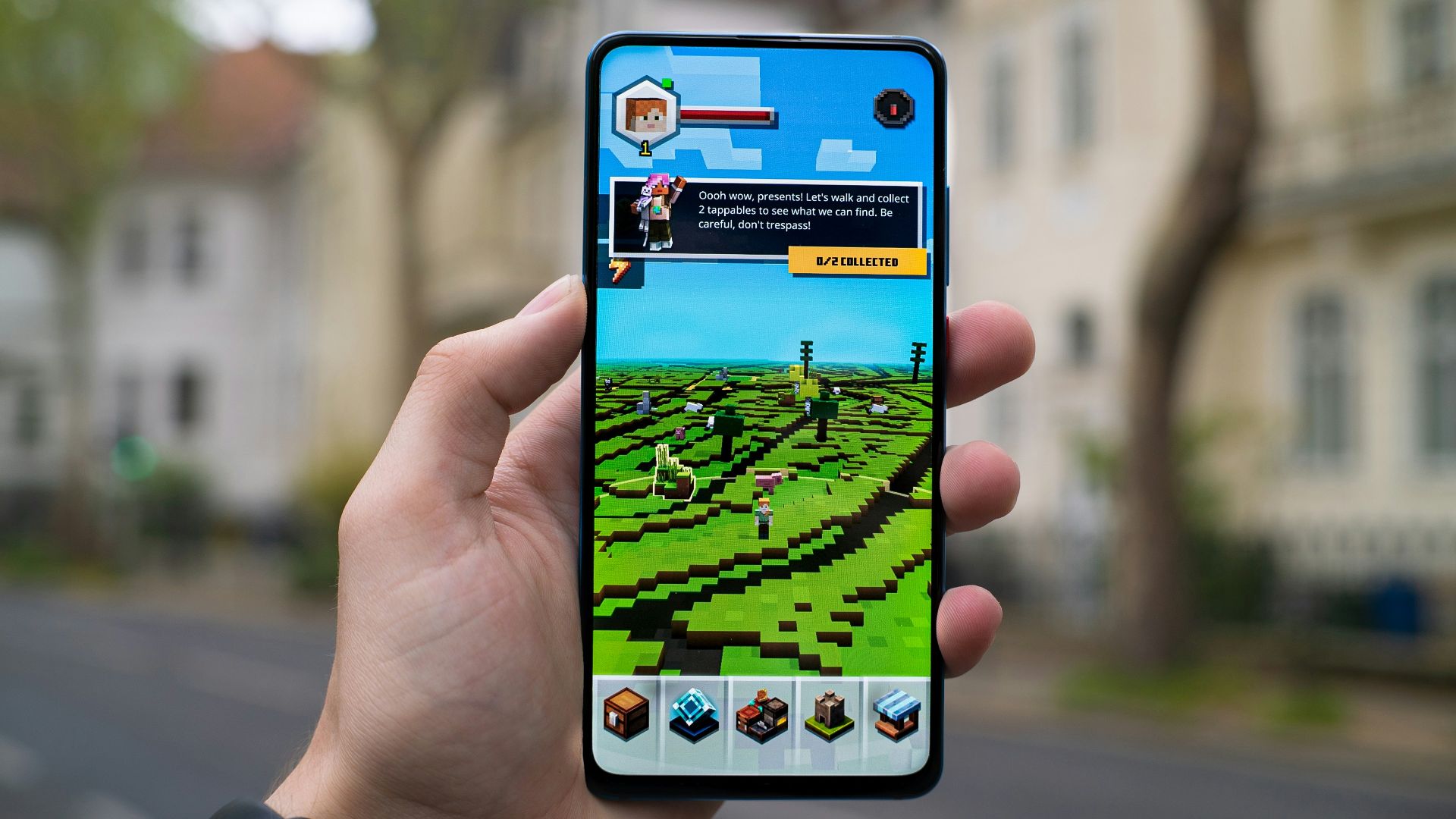
4. Advanced Haptic Feedback
Controllers are getting better at communicating sensation. You’ll feel subtle textures, resistance, and impact more clearly. That added layer makes gameplay feel more physical.
 James Jeremy Beckers on Unsplash
5. Photorealistic Lighting Engines
Lighting tech is reaching impressive levels of realism. Shadows and reflections now respond dynamically to movement and time. Games are starting to blur the line with reality.

6. Smarter Matchmaking Systems
Online matchmaking is learning more about how you play. Skill, behavior, and preferences will all factor in. That should mean better-balanced and more enjoyable matches.

7. Full-Body Motion Tracking
Motion tracking is expanding beyond just hands and heads. Full-body input opens up new genres and mechanics. Movement-based games will feel more natural and precise.

8. Voice Commands That Actually Work
Voice input is becoming faster and more accurate. Instead of gimmicks, it’ll support real gameplay functions. Shouting at your game may soon have a function besides letting off steam.

9. Cross-Platform Play as the Default
More games are ditching platform barriers, allowing gamers to play multiplayer together no matter what hardware they have. That shift makes communities larger and healthier.

10. Real-Time Language Translation
Online games are starting to break language barriers. Built-in translation helps players communicate globally. You’ll connect with more people without missing context.
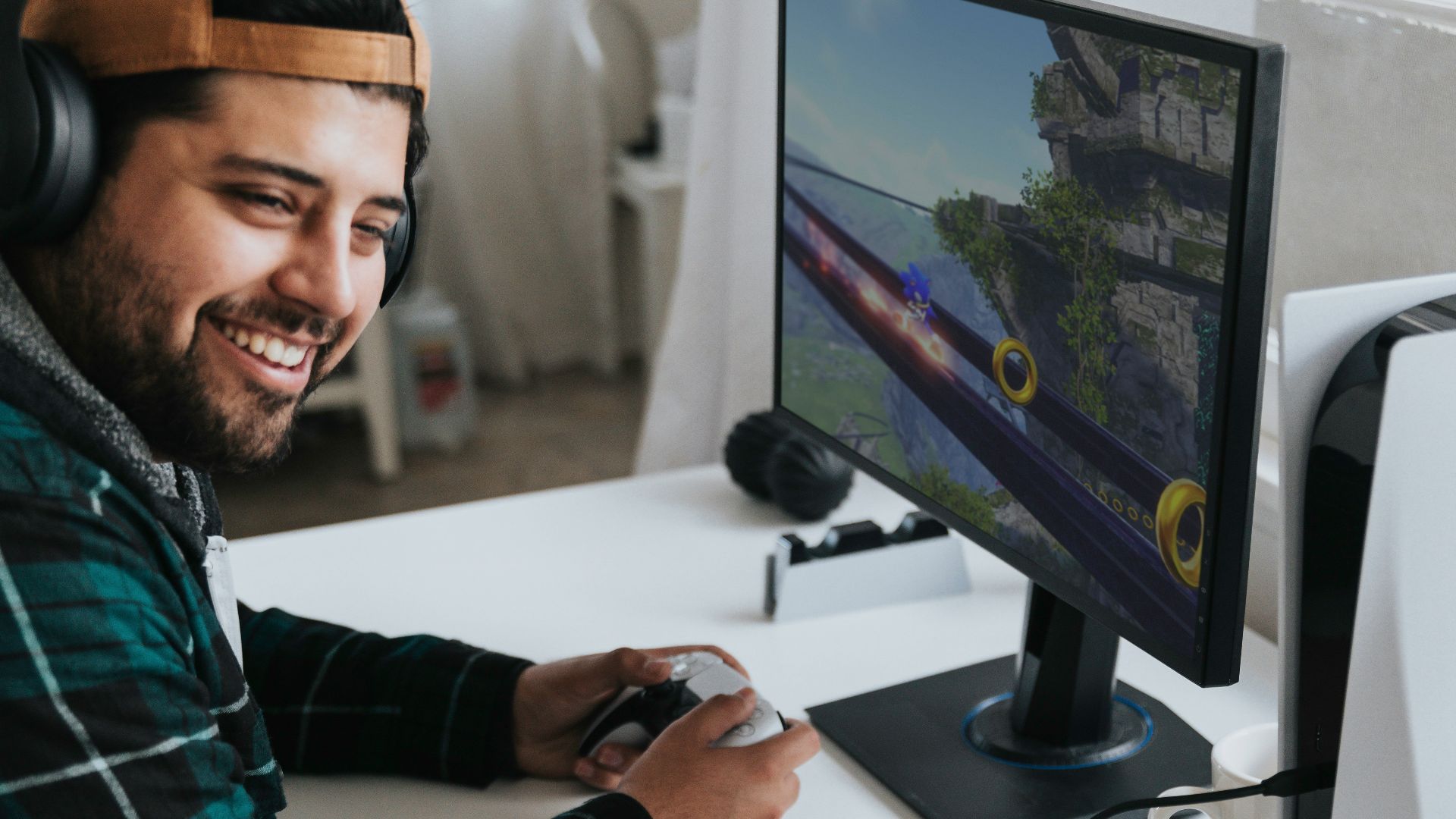
11. Adaptive Difficulty Systems
Games are learning how to challenge you without frustrating you. Difficulty can adjust automatically based on performance. That balance keeps things engaging without feeling unfair.

12. AI-Assisted Game Development
Developers are using AI tools to speed up creation. That means faster updates and more experimental ideas. Players benefit from richer worlds and quicker improvements.

13. Mixed Reality Gaming
Mixed reality blends physical space with digital gameplay. Your room could become part of the experience. It’s immersive without fully cutting you off from reality.

14. Ultra-Fast SSD Integration
Load times are shrinking dramatically. Whole worlds load almost instantly, keeping immersion intact. Waiting screens are becoming a thing of the past.

15. Player-Created Content Tools
Game studios are giving players more creative control so they can modify games, extending their lifespan, fixing bugs, and customizing the experience. Built-in editors make the process easier and safer.

16. Dynamic Storytelling Engines
Stories will react more deeply to your decisions as your choices will influence character relationships and outcomes in real time. Like a "choose your own adventure" story with multiple outcomes, replay value increases naturally.

17. Biometric Feedback Integration
Some games will respond to your heart rate or stress levels. Emotional reactions could shape gameplay moments. It’s a new way to personalize the experience.

18. Enhanced Accessibility Tech
Accessibility options are expanding in meaningful ways. Custom controls, visual aids, and audio tools are improving. More people can enjoy games comfortably.

19. Seamless Multiplayer Drop-In
Joining friends mid-session is getting easier. You won’t need to restart or load endlessly. Multiplayer will feel more spontaneous.

20. Persistent Shared Worlds
Persistent shared worlds continue to exist and change even when players aren't logged in, offering another level of challenge. Changes made by players leave lasting marks. It creates a stronger sense of shared history and raises the stakes.