Video game music was long regarded as an afterthought to the action on screen , mere ear candy rather than a serious art form. In recent years, this sentiment has been turned on its head. Video game composers consistently release scores that are more emotionally impactful, sonically innovative, and culturally resonant than those of many blockbuster films. Whether it's a measure of its psychological effects, its nostalgic pull, or its musicianship, video games are some of the most exciting places to experience music today.
Made to be Memorable
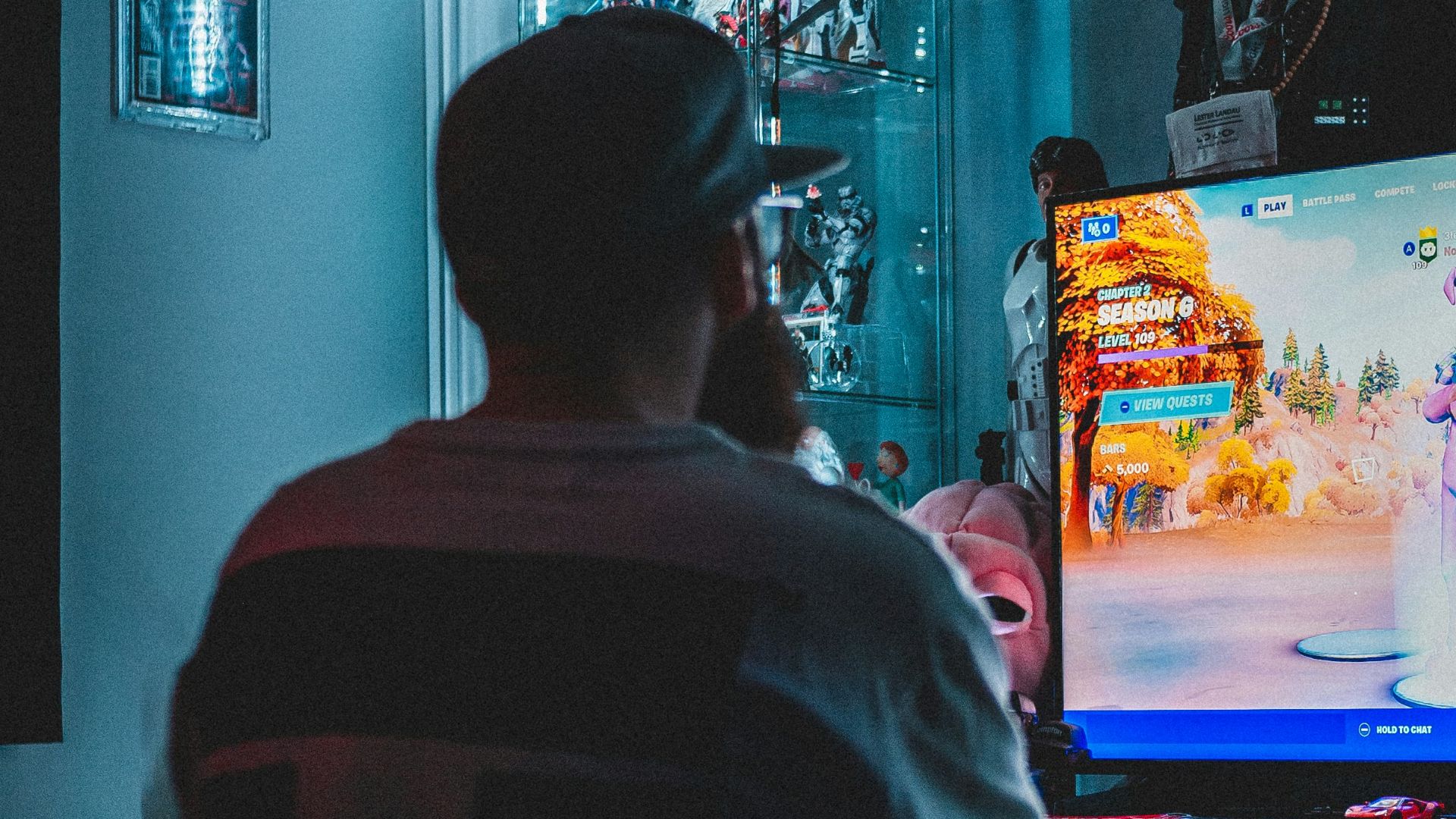
Psychology is the first consideration when composing for interactive entertainment, as the potency of music as an audio medium is already a massive factor in the human nervous system. In other words, the response is only further heightened when combined with interactivity.
Game music which is carefully crafted to engage these feelings can encourage player engagement, heighten emotional moments in a game, and motivate the player to return to the game or even the music itself in order to re-experience these enjoyable feelings. By creating a connection between the proper soundtrack at the right time, the right music can feel both immensely personal to a player as well as incredibly rewarding.
Nostalgia Factor
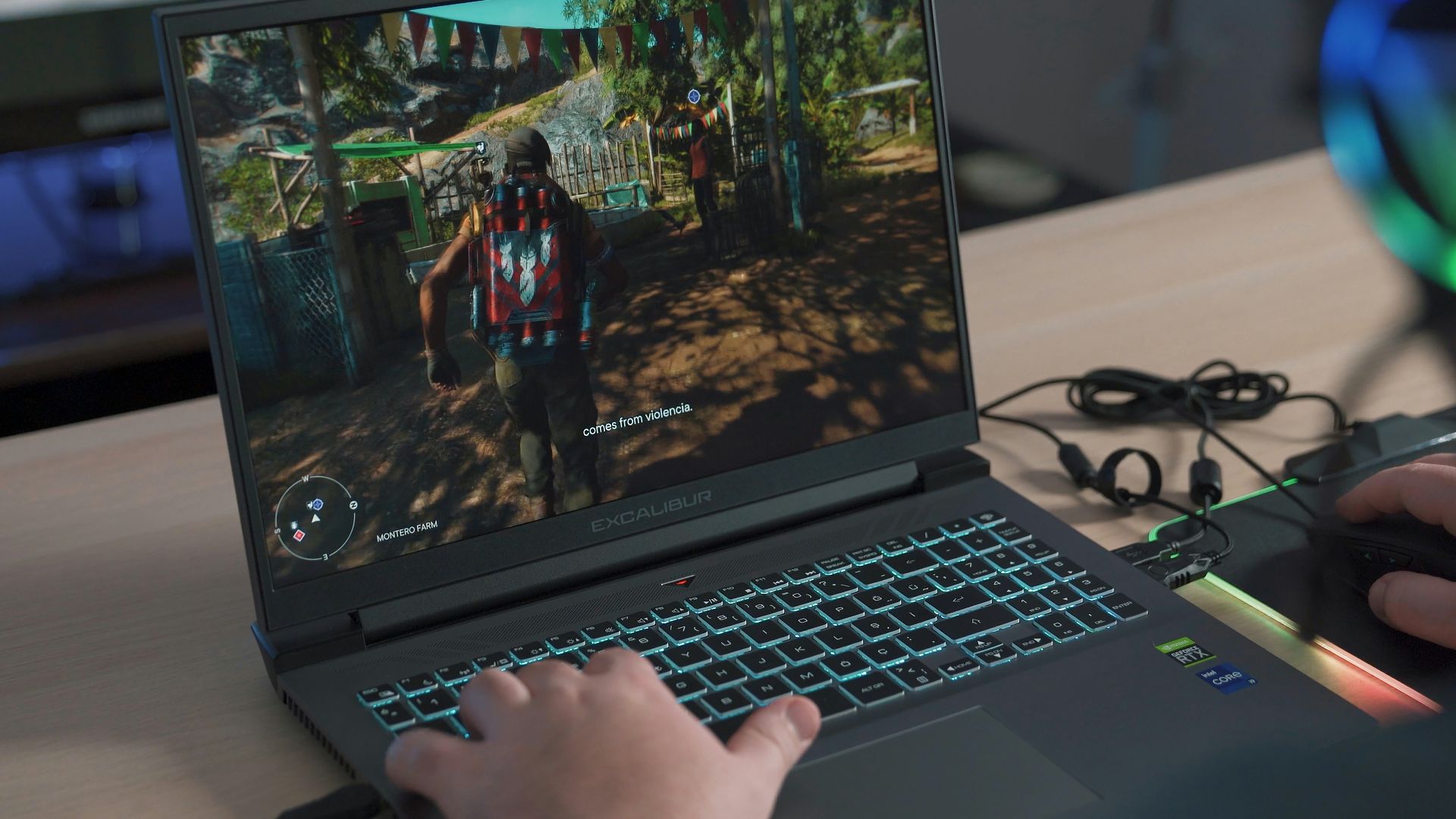
The second reason video game music is so special is because it is so nostalgia-inducing. Anyone who plays games has the ability to relive entire chapters of their life through a few notes, and science can back this phenomenon up, too. Studies into autobiographical memory have discovered that music is a particularly potent cue for the mind to recall detailed personal memories, even more than faces. In one study, researchers asked subjects to examine the faces of famous people while listening to well-known classical works, and found that it was the music that prompted stronger, more evocative memories.
Games only intensify this connection. We play the same songs during adventures, cutscenes, and emotional moments for dozens, sometimes hundreds, of hours. So powerful is the music-memory link that one piece played many years after the fact can instantly deposit you back into a childhood bedroom, in front of your favorite console, or during an experience that changed the way you think. This rich brand of nostalgia ensures that game soundtracks achieve a cultural immortality that few film and television scores will ever come close to matching.
The Greats
Soundtracks are as vital to the memory of a game as gameplay. One of the clearest examples is Silent Hill 2. The composer Akira Yamaoka mixed classic rock with ambient industrial beats and trip-hop atmospheres to form music that is as disturbing and damaged as the protagonist James Sunderland himself. Swirling between peaceful atmospheres and brutally distorted sound, Yamaoka’s soundtrack matches the mental collapse of Silent Hill 2’s narrative as well as its visuals.
In a different way, Undertale is also an outstanding example of success. Entirely crafted by its creator, Toby Fox, the game features an all-encompassing musical score which forms the heart and soul of the experience. Peaceful, almost Nintendo-style tunes like “Fallen Down” share the soundtrack with absolute bangers like “Megalovania,” the latter coming as a surprisingly massive synth-rock explosion in an otherwise small world. Every song in Undertale fits together as an absolutely cohesive unit. As much as the art, the music is an inseparable part of the world that Toby Fox designed. Not only is the Undertale soundtrack an excellent accompaniment to the game’s narrative, it is an integral part of that narrative.
One of the newest to show that orchestral video game scoring can reach an operatic level is Baldur’s Gate 3. Borislav Slavov has written a sweeping, thematic, award-winning (it just won the top award in Serbia) score that features performances by orchestras the world over. Sweeping melodic tracks like “Down by the River” and the dozens of minutes of material during Raphael’s climax are at a level of quality few soundtracks can match.