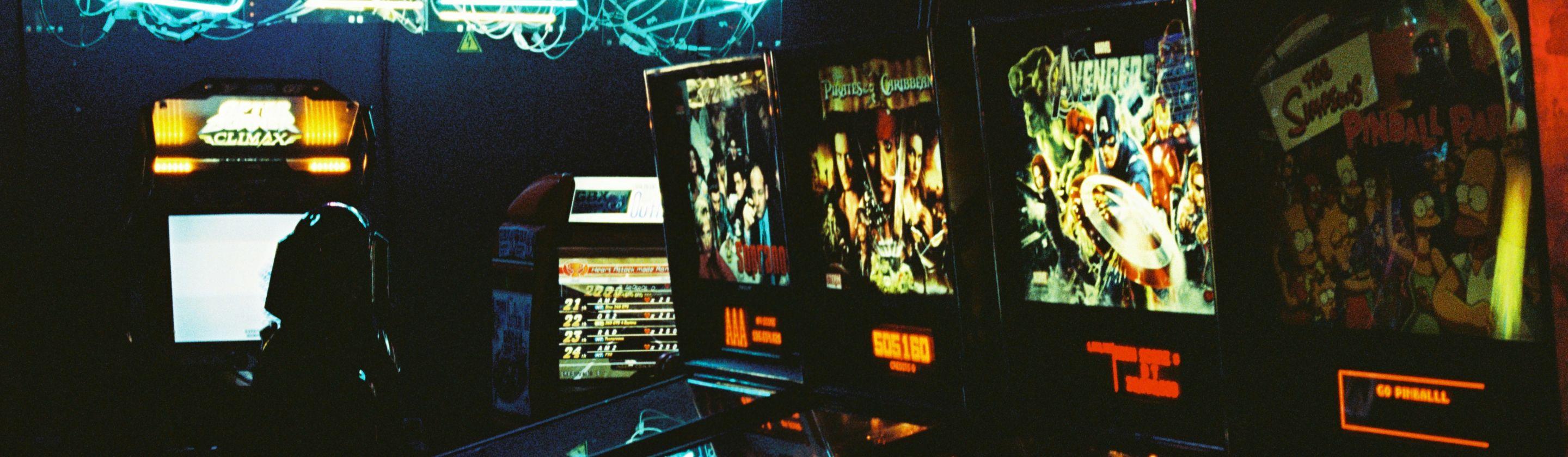
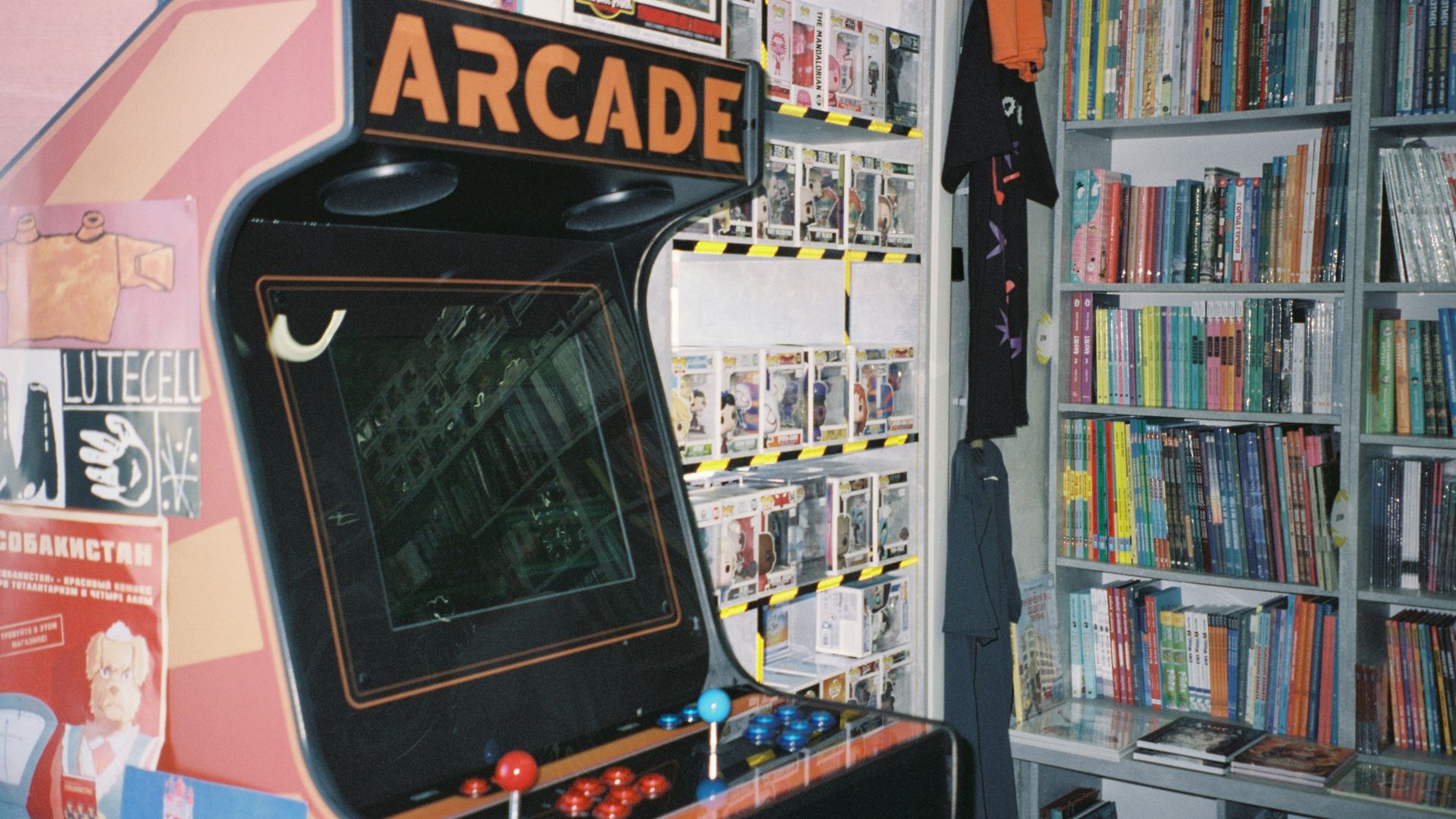
If you grew up in the 1980s, arcades were a staple of your childhood and more than just a place to play video games. They were vivid worlds filled with neon lights, synthesized music, competition, and shared excitement.
Long before gaming consoles burst into our households, arcades were social places where kids, teens, and even adults gathered to hang out and enjoy a pixelated escape. The '80s were the pinnacle of arcade culture, turning video games into an experience.
Let's take a trip down memory lane and remember all that made arcades in the '80s so wonderful.
The Energy and Noise
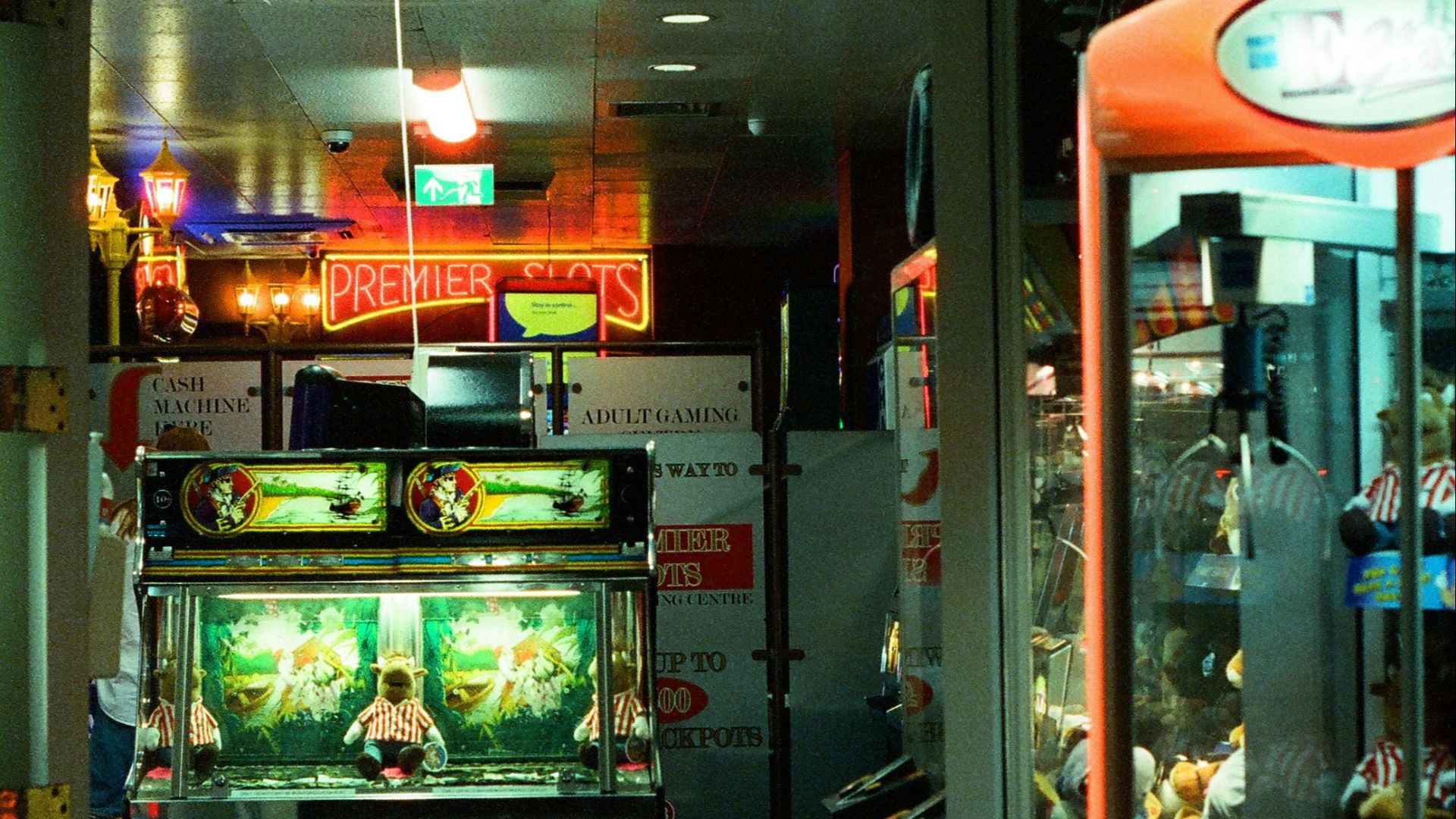
Arcades were a respite from the everyday world, and stepping inside one was like entering a different universe. The place vibrated with endlessly-looping soundtracks and clacking joysticks. There was also the "blip-blip" of classic games like Pac-Man.
Arcades were designed to overwhelm the senses, and they were successful. Rows of upright cabinets were along the walls, and each offered its own escape. You sometimes had to wait a long time to play the more popular games, and other times you were just cheering on a player who was doing something remarkable.
Arcades made our senses come alive during every visit, and no two arcades were exactly alike.
Generation-Defining Games
Arcades in the '80s offered games with better graphics and sound, and tougher challenges than the era's home consoles. The gap in technology was vast, and that's why so many arcade mainstays, like Donkey Kong and Street Fighter, became cultural touchstones.
With the best games, you played them repeatedly, learning the patterns, and trying to improve your mastery of the levels and tasks. You were constantly trying to achieve a high score, and the games with a reputation for being the most difficult demanded our attention.
Arcades also forced us to socially interact with strangers. Multiplayer cabinets, like Teenage Mutant Ninja Turtles, allowed up to four players to join forces to defeat Shredder.
Culture and Community
The culture around the 1980s arcades was what made them truly memorable. Arcades were where we hung out and created these small, tight-knit communities. They drew diverse crowds of students, young professionals, and weekend warriors.
People brought rolls of quarters, hoping to stretch out the fun for hours. Some spent their time with shooting games, whereas others were busy playing fighting games or a maze game. The fun of the experience was walking into an arcade alone and then leaving with new friends.
Arcades were a gateway into gaming culture. They introduced competitive play long before Fortnite, and others took over the mantle. The rivalries and dedication laid the foundation for modern gaming.
Arcades in the '80s weren't just rooms filled with video game cabinets. They were full-blown experiences based on energy, vibe, community, and innovation. They developed a generation of gamers, and their legacy still makes us nostalgic. While modern gaming has entered our homes and online spaces, the old arcades still loom large in our memories.