Long before realistic graphics, online multiplayer games with expansive worlds, and downloadable content, there was Atari. For an entire generation, Atari was more than a video game console. It was a gateway into a new kind of entertainment.
Atari was simple, bold, and captivating. It transformed television screens into digital playgrounds and living rooms into arcades. While modern gaming has evolved beyond the early days of gaming, Atari remains a nostalgic symbol of entertainment, and it was the first company to capture the imagination of gamers.
Let’s look back at Atari and how it stole millions of hearts.
The Beginning of Home Gaming
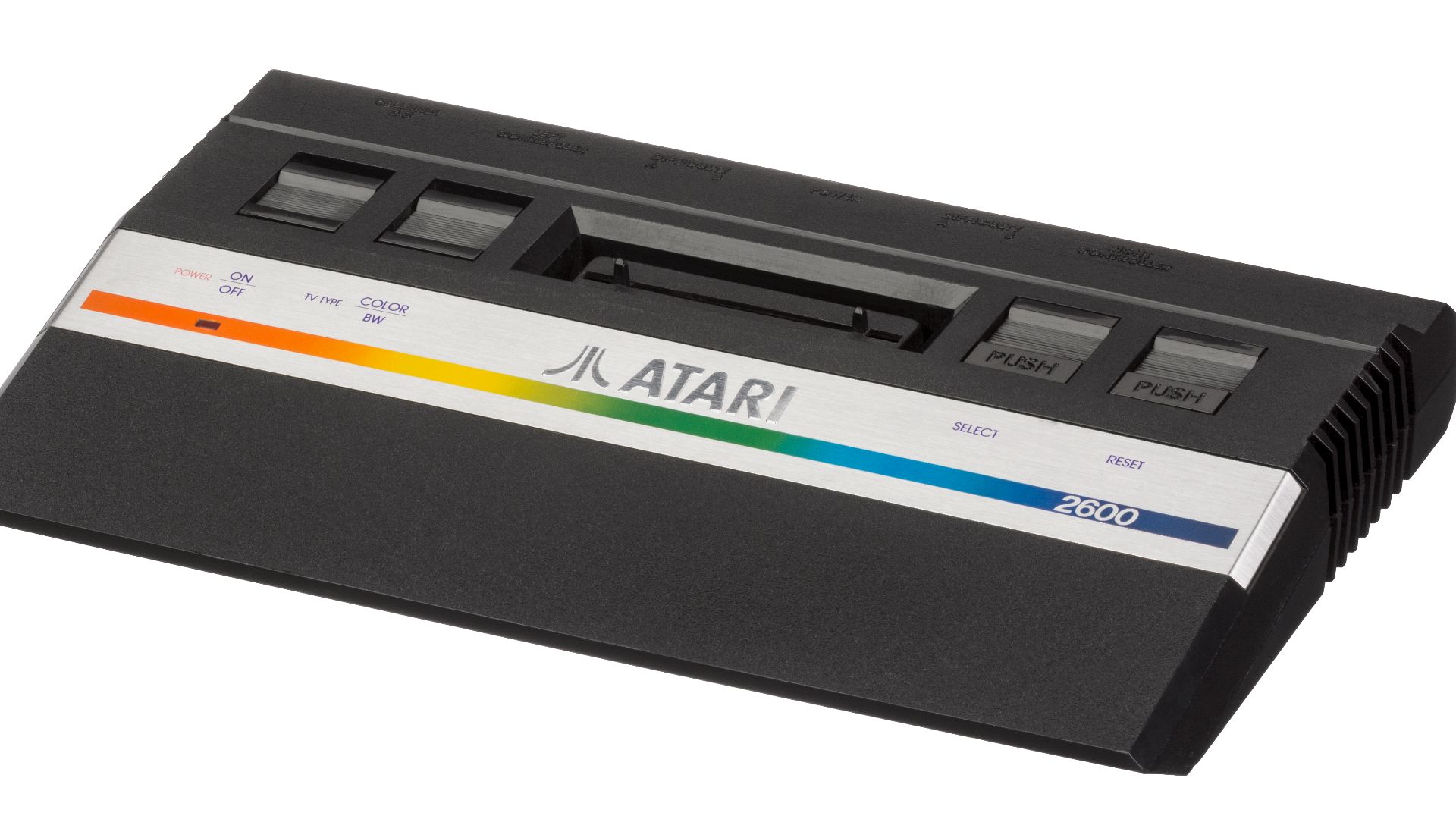
Atari first entered homes in the late 1970s, and in the process, changed entertainment forever. Upon release, the Atari 2600 made it possible for families to bring the arcade experience into their homes. At a time when television was restricted to scheduled programming, Atari allowed players to control what was happening on screen and play whenever they wanted.
With interchangeable cartridges, Atari delivered what no console had done before: variety. Players weren’t locked into a single experience that they were forced to play repeatedly. One day, you could be playing Space Invaders, and the next, you could be rocking a game of Pong.
The thrill of inserting a new cartridge into your Atari was like getting a stamp on your passport as you traveled to a new and exciting location.
Generation-Defining Games
The true magic of Atari was its game catalogue. Pac-Man, Centipede, Breakout, and Adventure quickly became household names, even with their choppy graphics and limited audio abilities. They weren’t designed for realism, but rather for creative challenges. For many, Atari games were their first taste of problem-solving and interactive storytelling.
Atari’s mantra for their games should have been: easy to learn but difficult to master. This made them appealing to all ages. At some point, every kid in the 1980s woke up in the middle of the night and found their parents playing Atari. Not to mention, parents also played alongside children, and the competition got pretty fierce with bragging rights on the line.
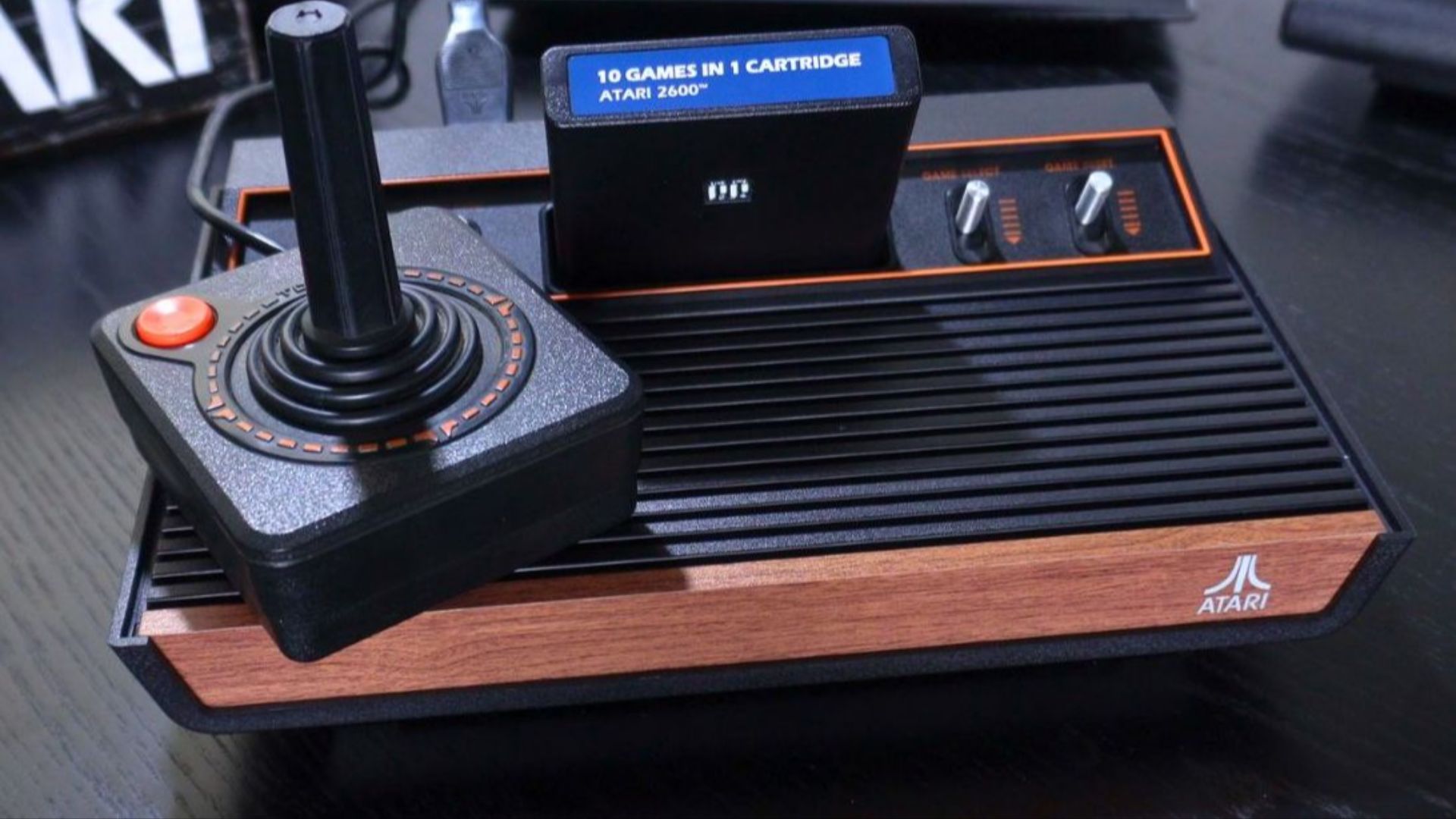 Retro Gaming Banter on Wikimedia
Atari's Cultural Impact
Atari shaped pop culture as much as it influenced the gaming industry. The console legitimized video games as mainstream entertainment, cementing them as more than just a fad. Arcades flourished at the same pace as home consoles, and Atari’s branding became synonymous with fun and video game excellence.
The company’s success inspired countless developers and entrepreneurs, who laid the groundwork for the success of modern gaming. While Atari eventually faced insurmountable challenges—most notably the video game crash of the early 1980s—its legacy endured untarnished.
Remembering Atari is about more than just gaming nostalgia. It’s about honoring the moment gaming entered our homes and became something far more personal. Atari invited players to escape, interact, compete, and imagine in ways that had never been possible before. Its true success was in stealing the hearts of gamers, not with realism or scale, but with pure joy and curiosity. While gaming technology marches forward, Atari remains a powerful reminder that the simplest experiences often make the most profound impact.