Classics That Should Remain Untouched
The 1990s produced games that succeeded because developers worked creatively within technical limitations, established memorable visual identities, and designed experiences that didn’t need constant updates to hold a player’s attention. Remasters can make older releases easier to access, yet a complete reboot risks replacing the distinctive qualities that made them important. Sometimes preservation is the better choice, especially with these 20 ’90s video games that are too good to reboot.
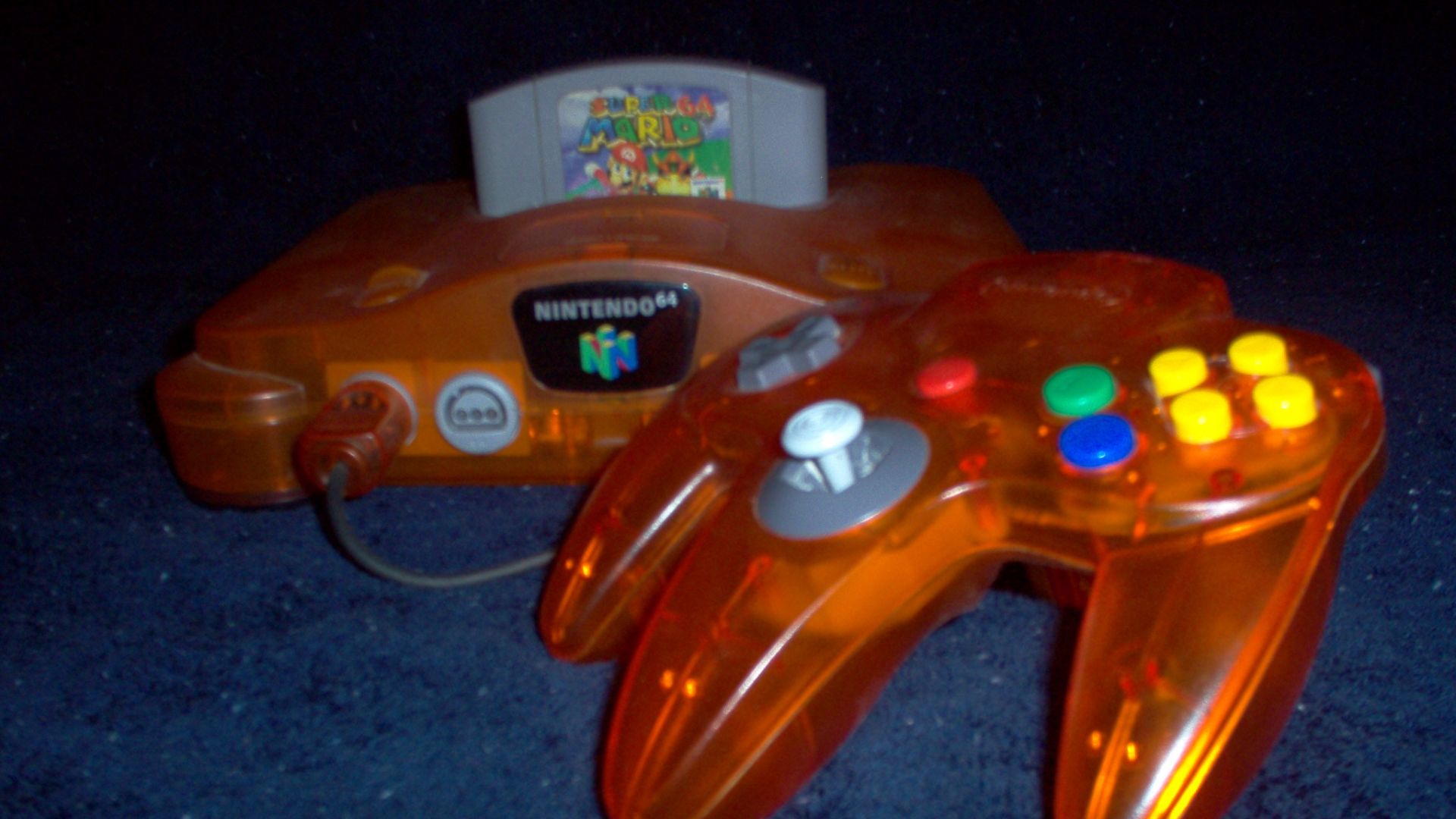
1. Super Mario 64
Few early 3D platformers felt this enjoyable, whether players were running through open areas, climbing obstacles, or experimenting with different jumps. Its castle structure encouraged curiosity without burying the experience beneath instructions and menus.
 ZabMilenko at English Wikipedia on Wikimedia
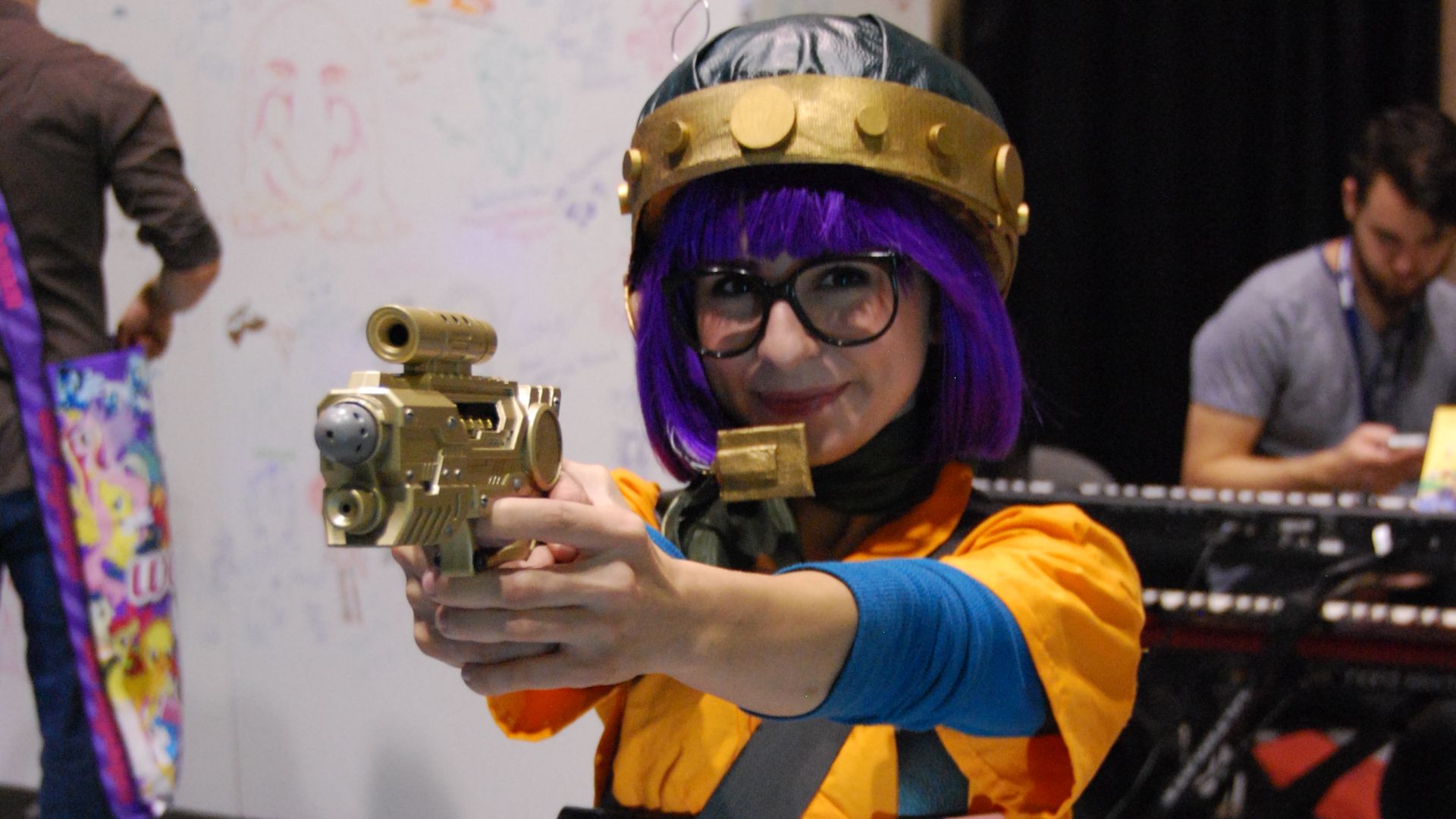
2. Chrono Trigger
Time travel could’ve made the story confusing, yet the different periods connect through clear decisions, memorable locations, and consequences that remain easy to follow. Its combat system keeps encounters active without sacrificing the thoughtful planning expected from a role-playing game.
 Dave Monk from Seattle, USA on Wikimedia
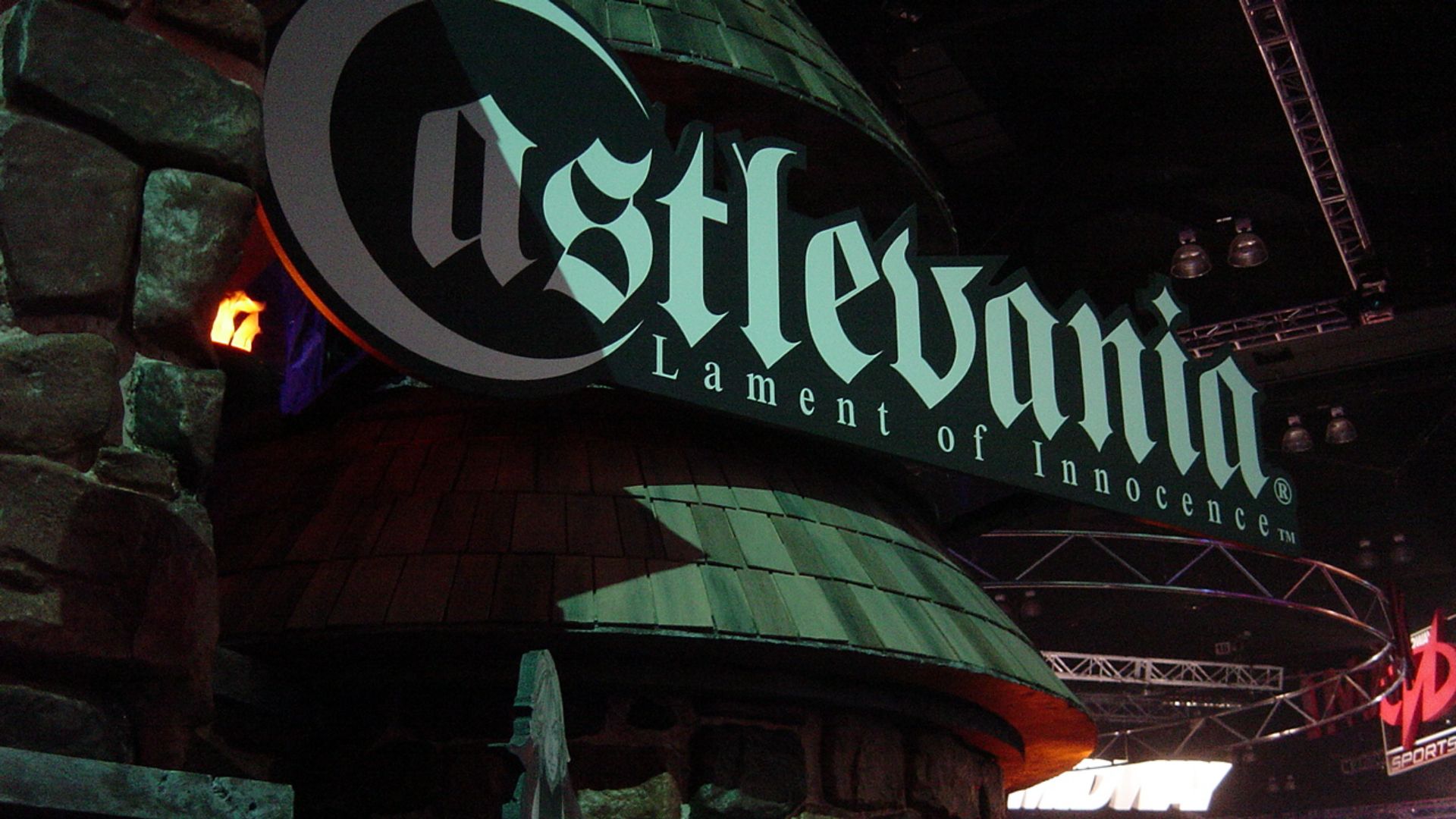
3. Castlevania: Symphony of the Night
Exploring the enormous castle remains satisfying because new abilities gradually open routes that previously seemed unreachable. The detailed pixel art, responsive combat, equipment choices, and atmospheric music give every section a recognizable personality.
 Bastian Stein (farbfilm) on Wikimedia
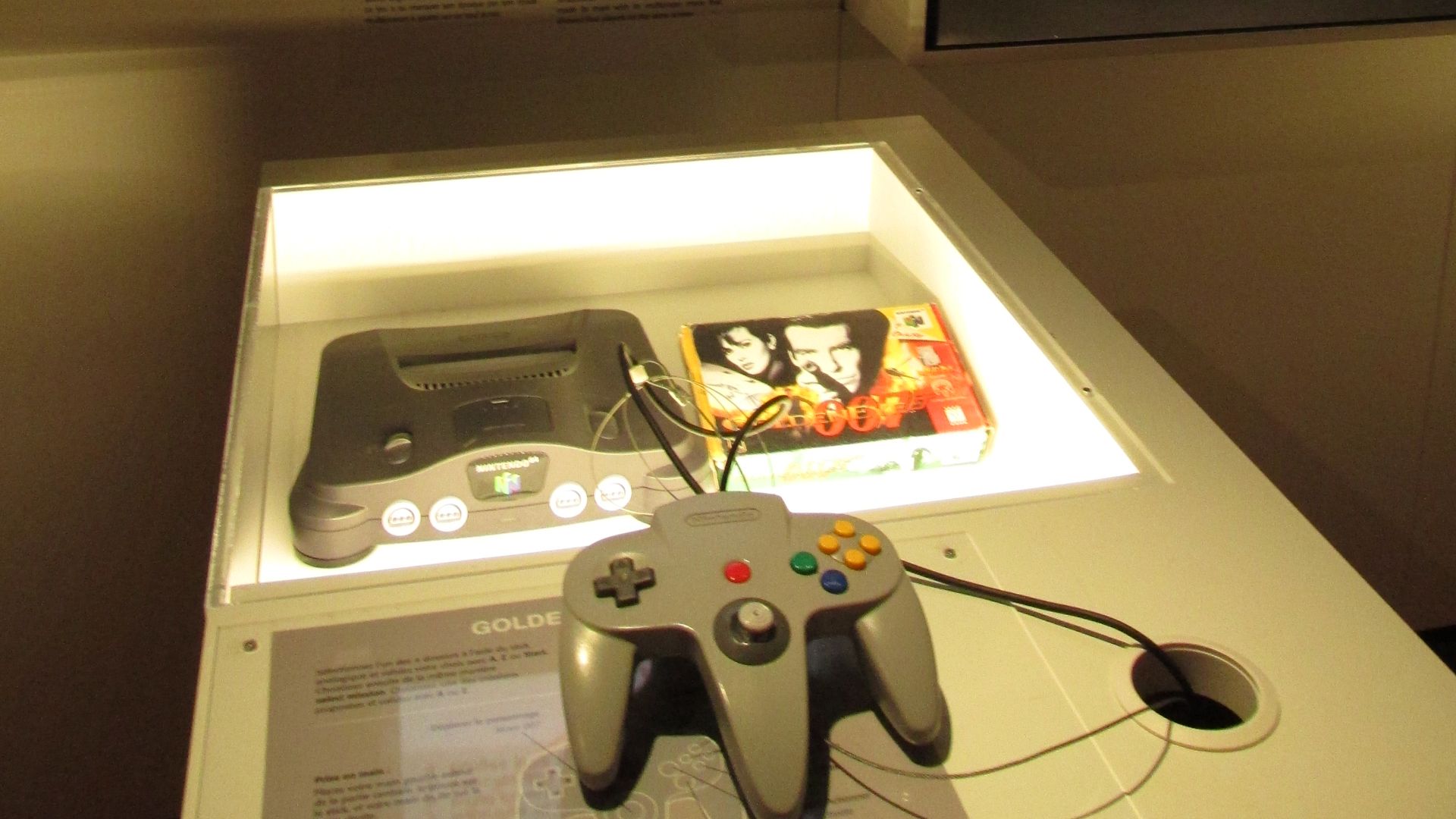
4. GoldenEye 007
Its single-player missions asked players to complete objectives rather than simply reach the end of each level while shooting everything nearby. Local multiplayer also turned ordinary living rooms into competitive spaces where friendships were tested with impressive efficiency.
5. Banjo-Kazooie
Colorful environments, playful characters, varied objectives, and cheerful humor helped this platforming adventure develop an identity beyond collecting items. A reboot filled with larger maps and additional collectibles could easily make the experience busier without making it more entertaining.
 Pikawil from Laval, Canada on Wikimedia
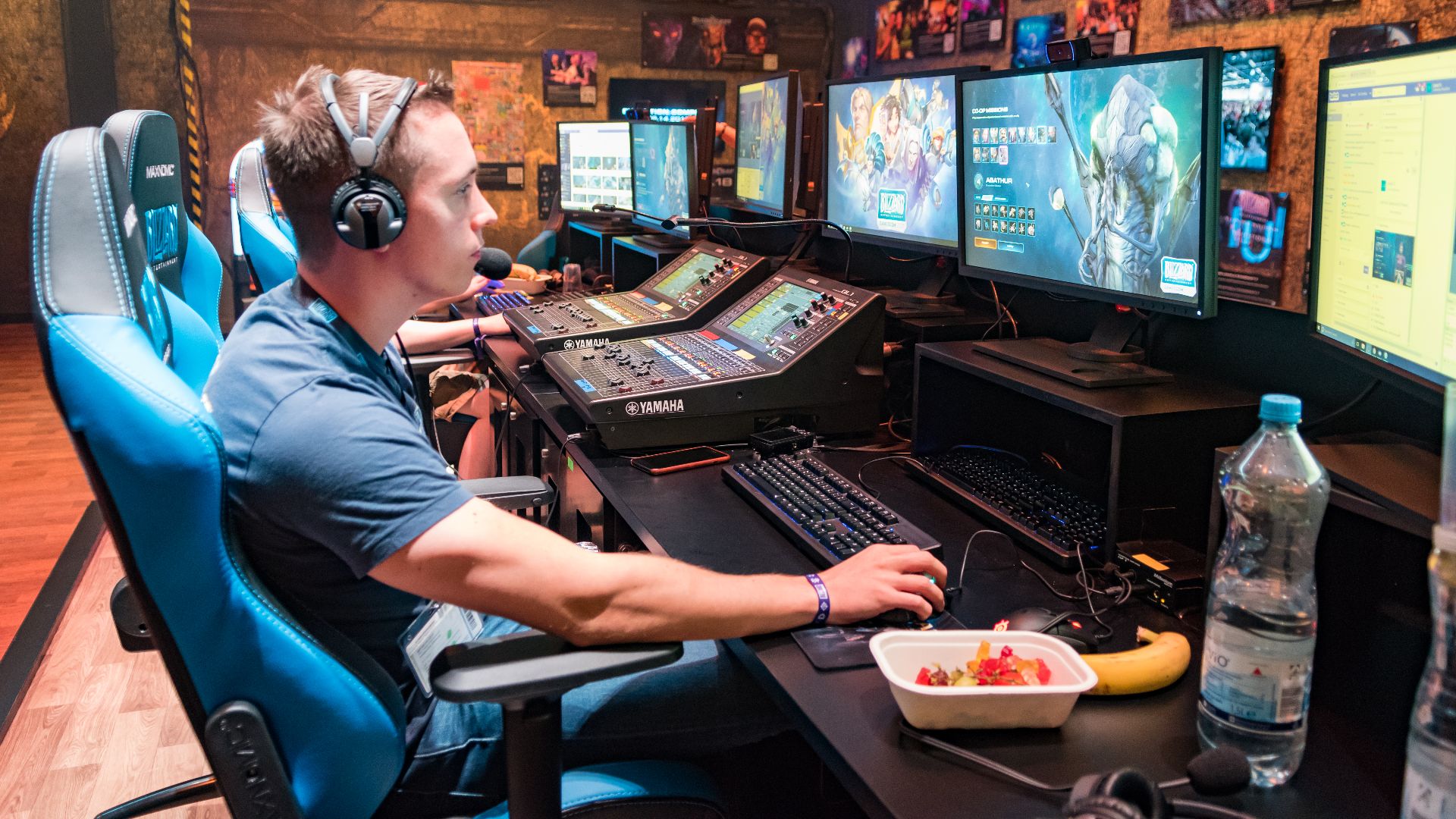
6. StarCraft
Three playable factions offered genuinely different units, strategies, and weaknesses rather than functioning as slightly altered versions of one another. Rebooting the formula with modern progression systems or frequent balance-driven redesigns could disrupt the clarity that keeps its strategy appealing.
7. Final Fantasy VI
A large cast of playable characters received individual motivations, abilities, and personal struggles without preventing the central story from moving forward. Its dramatic events were supported by expressive pixel art and music rather than lengthy cinematic sequences.
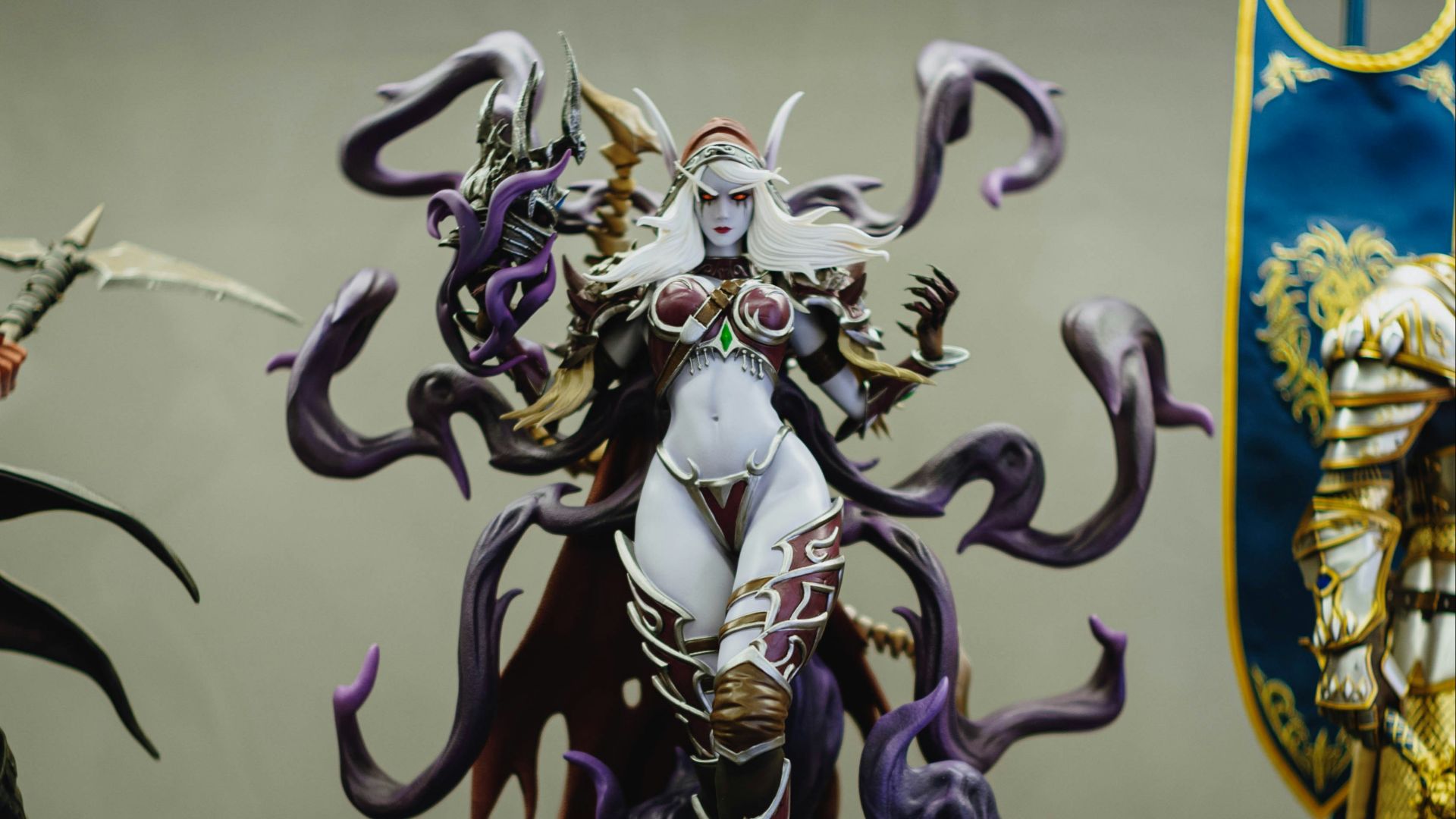
8. Grim Fandango
Sharp dialogue and an unusual afterlife setting gave this adventure a personality that still feels distinct from other games in the genre. The puzzles occasionally required unusual reasoning, yet solving them created a strong sense of accomplishment.
9. System Shock 2
Players were expected to explore carefully, manage limited supplies, improve selected abilities, and piece together disturbing events through environmental details and audio recordings. The threatening atmosphere worked partly because safety was never guaranteed, even in previously visited areas.
10. Tony Hawk’s Pro Skater
Accessible controls allowed beginners to perform basic tricks, while experienced players could connect long combinations and chase increasingly difficult scores. Compact levels rewarded repeated attempts because every ramp, rail, gap, and hidden item served a clear purpose. A reboot built around a huge open world might lose the quick sessions and focused challenges that made the original format so addictive.
 Stefan Magdalinski from San Francisco, USA on Wikimedia
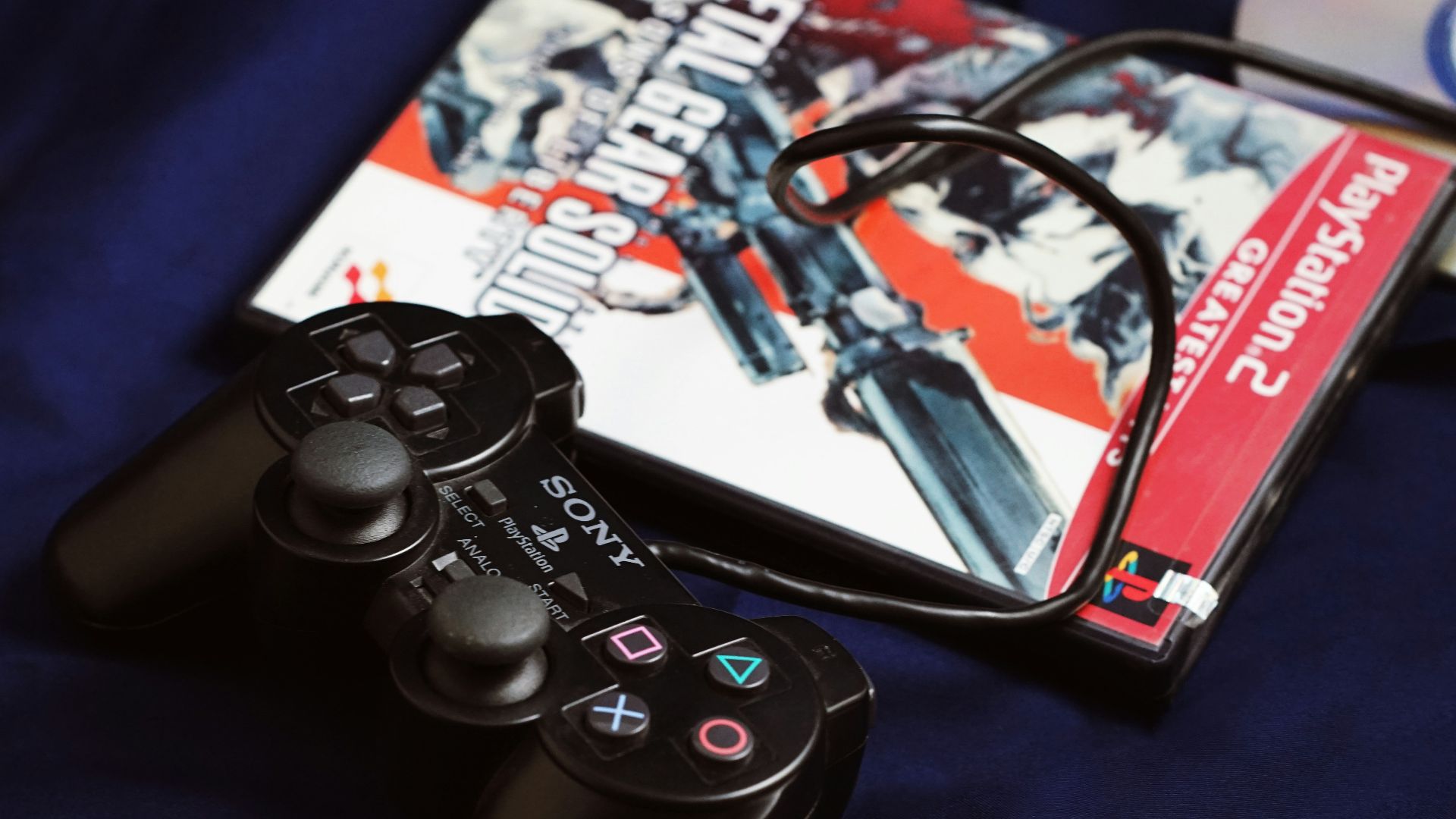
11. Metal Gear Solid
Stealth mechanics, unusual boss encounters, dramatic conversations, and playful interactions with the console’s hardware created an experience that regularly surprised players. Its cinematic presentation felt ambitious without completely pushing gameplay aside.
12. EarthBound
An ordinary suburban setting gave its strange enemies, unexpected humor, and emotional moments an approachable quality. Rather than relying on traditional fantasy imagery, the adventure filled familiar towns with eccentric residents and increasingly unusual situations.

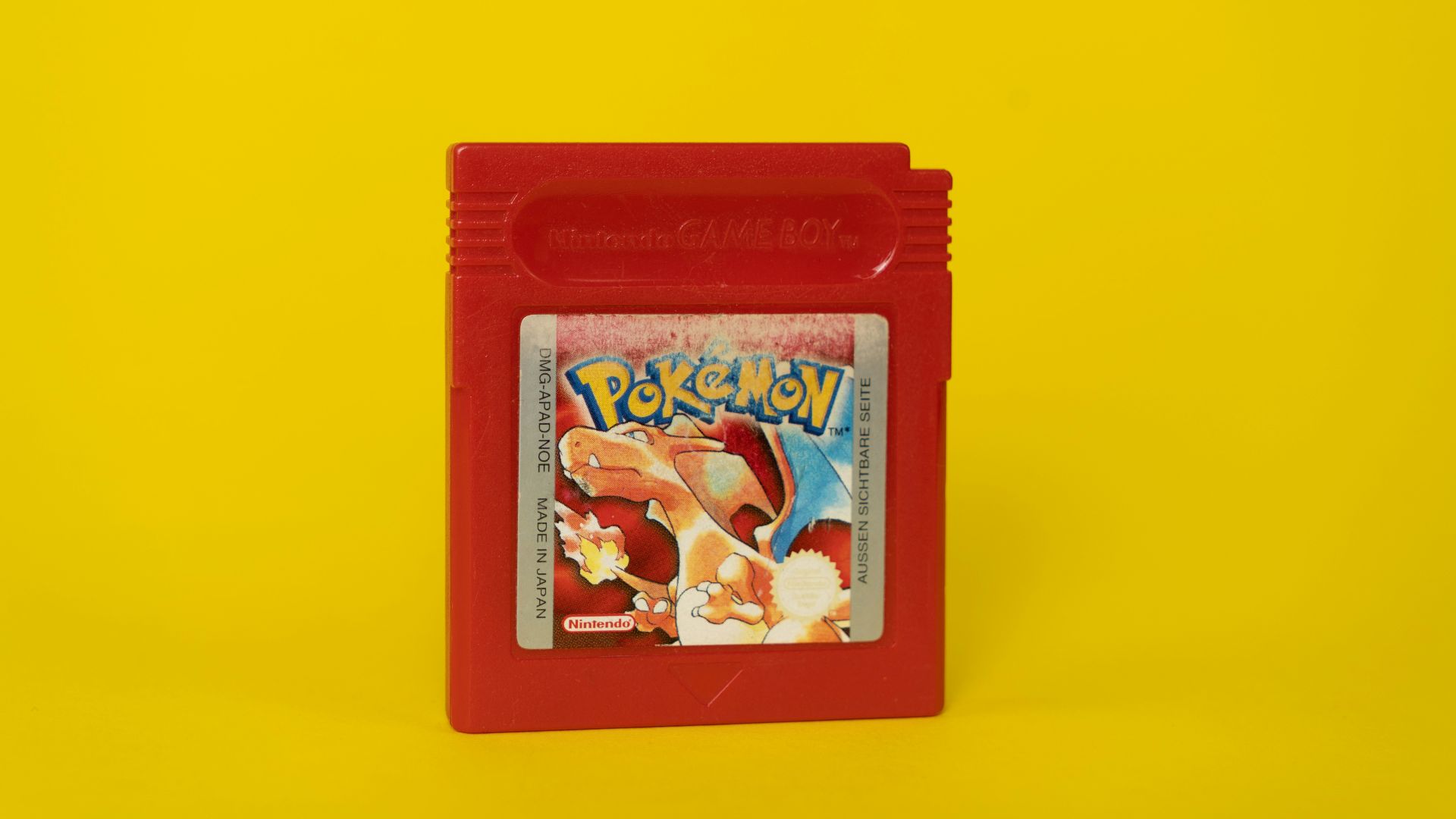
13. Pokémon Red and Blue
Catching creatures, building a personalized team, earning badges, and trading with friends formed a straightforward structure that encouraged both exploration and social interaction. Rebooting the adventure with elaborate systems and constant guidance could remove the simplicity that made its sense of discovery so effective.
14. Sonic the Hedgehog 3
Speed mattered, but success also required learning routes, recognizing hazards, and choosing moments to slow down. A reboot might add dialogue and detailed story sequences, although neither would improve the precise momentum that keeps the platforming exciting.

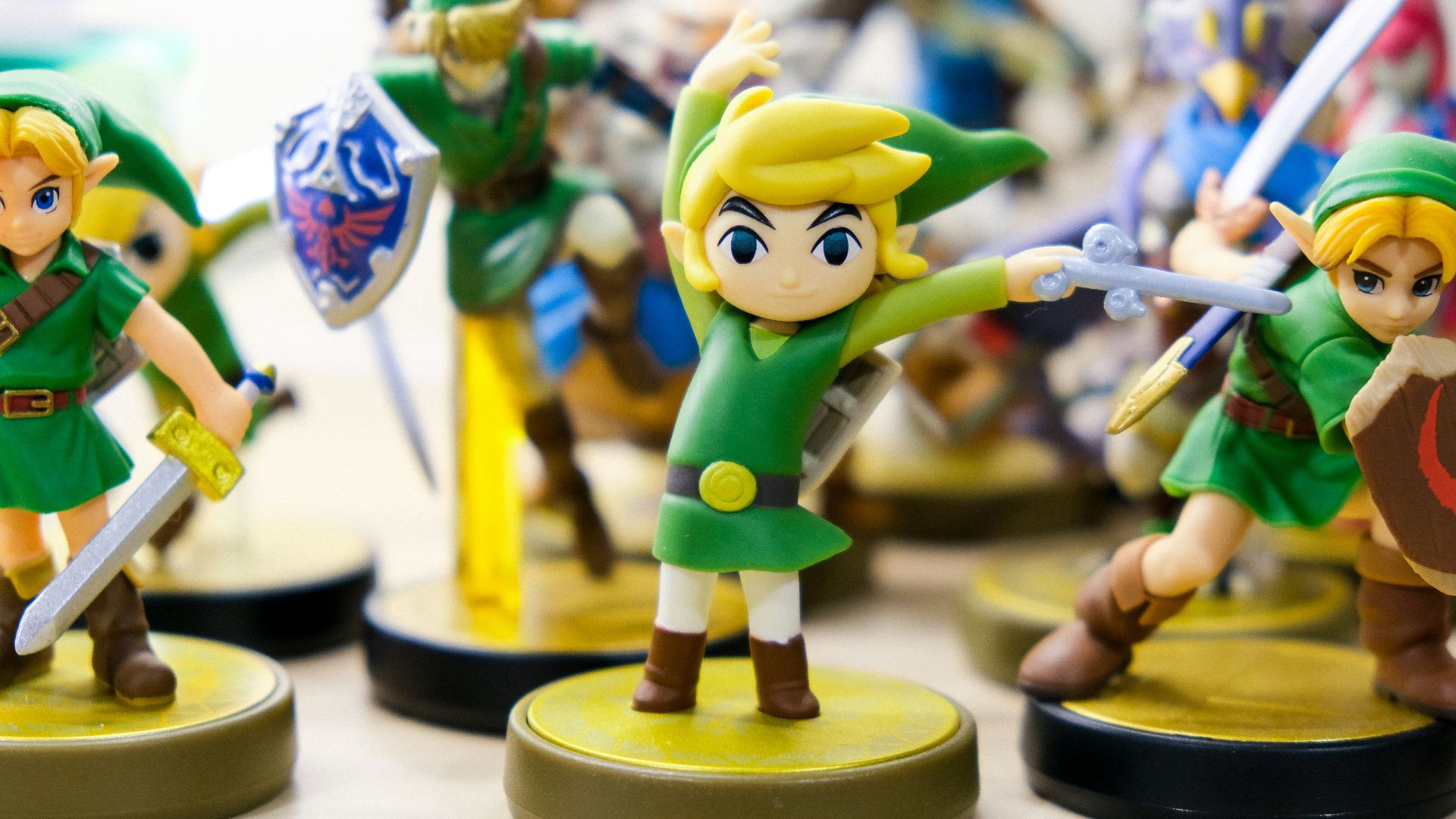
15. The Legend of Zelda: Ocarina of Time
Moving a familiar fantasy adventure into three dimensions required new approaches to combat, navigation, puzzles, and interacting with the environment. Its targeting system made battles manageable, while the passage of time gave the story unusual emotional weight.
16. Myst
Players entered an unfamiliar place with little explanation and had to understand it by examining machinery, reading documents, and observing environmental clues. Its slow pace encouraged patience rather than rewarding hurried guesses or constant action.
 Nikita Kachanovsky on Unsplash
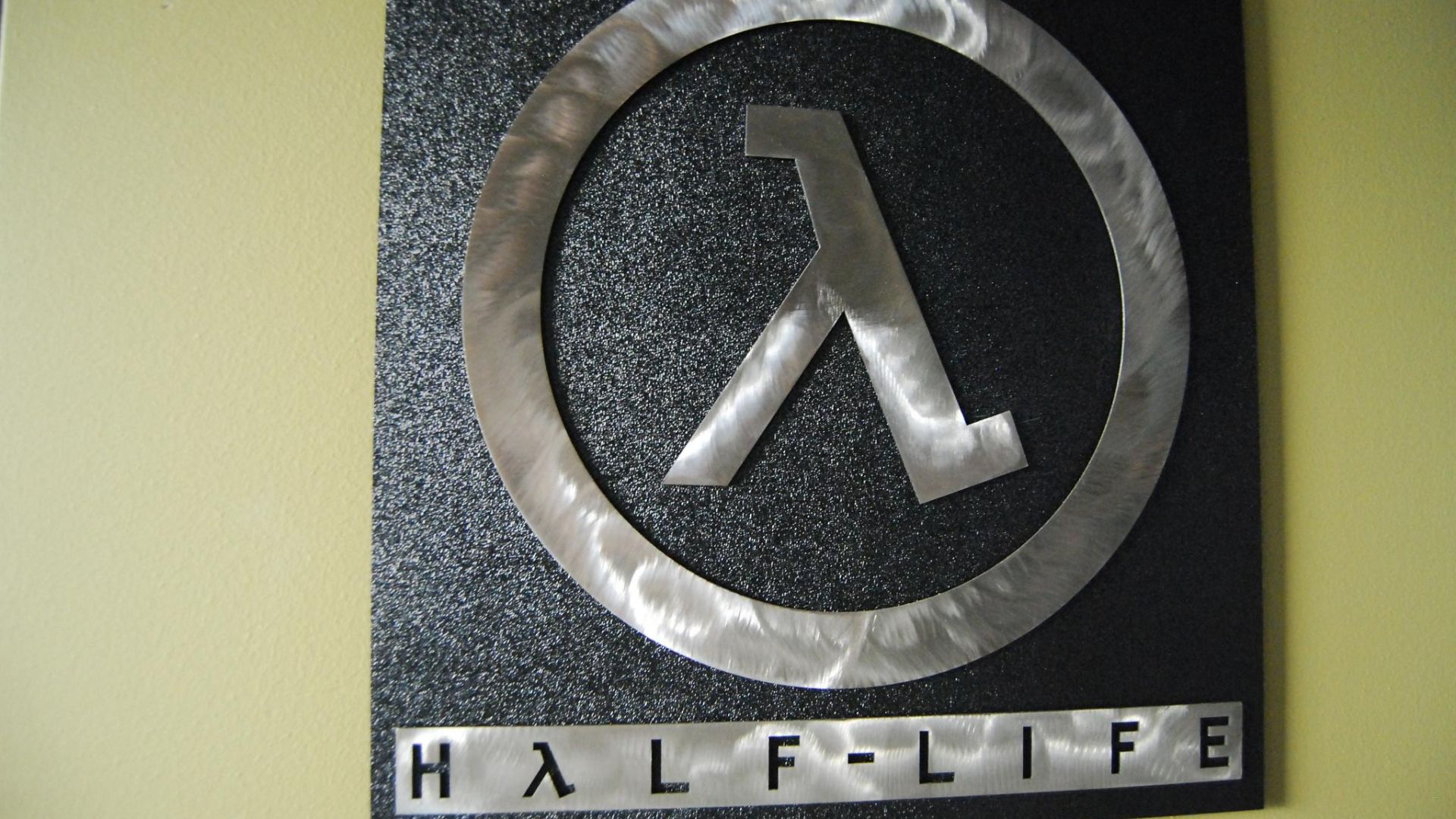
17. Half-Life
Story events unfolded around the player without repeatedly removing control for traditional cinematic scenes. Scientists, security personnel, machinery, and environmental damage helped communicate what had happened while the player continued moving through the facility.
 Long Zheng from Melbourne, Australia on Wikimedia
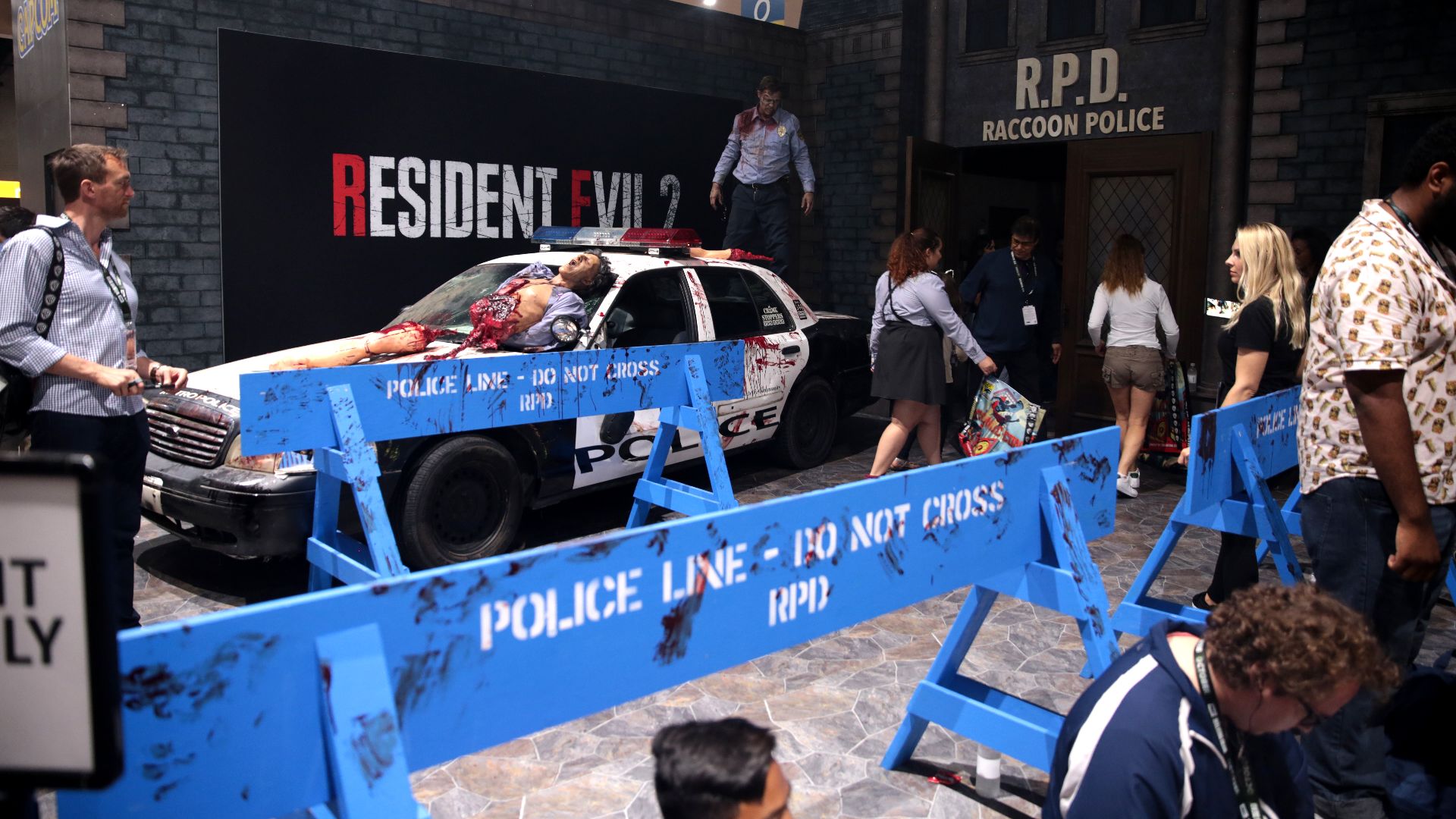
18. Resident Evil 2
Limited supplies, locked routes, interconnected rooms, and threatening enemies forced players to think carefully about movement and inventory choices. Even though modern reinterpretations can succeed, the original’s fixed viewpoints and deliberate restrictions provide tension that shouldn’t be completely replaced.
 Gage Skidmore from Peoria, AZ, United States of America on Wikimedia
19. Street Fighter II
Its competitive appeal came from readable attacks, distinct fighters, responsive controls, and rules that players could understand while continuing to develop their skills. A full reboot could introduce an impressive presentation, but excessive systems might distract from the direct competition at its center.
 Jonathan Sloan from Burnaby, Canada on Wikimedia
20. Fallout 2
A darkly humorous world gave players considerable freedom to solve problems through combat, persuasion, deception, theft, or carefully developed skills. Decisions could produce surprising consequences, making repeated playthroughs feel genuinely different rather than slightly rearranged.