
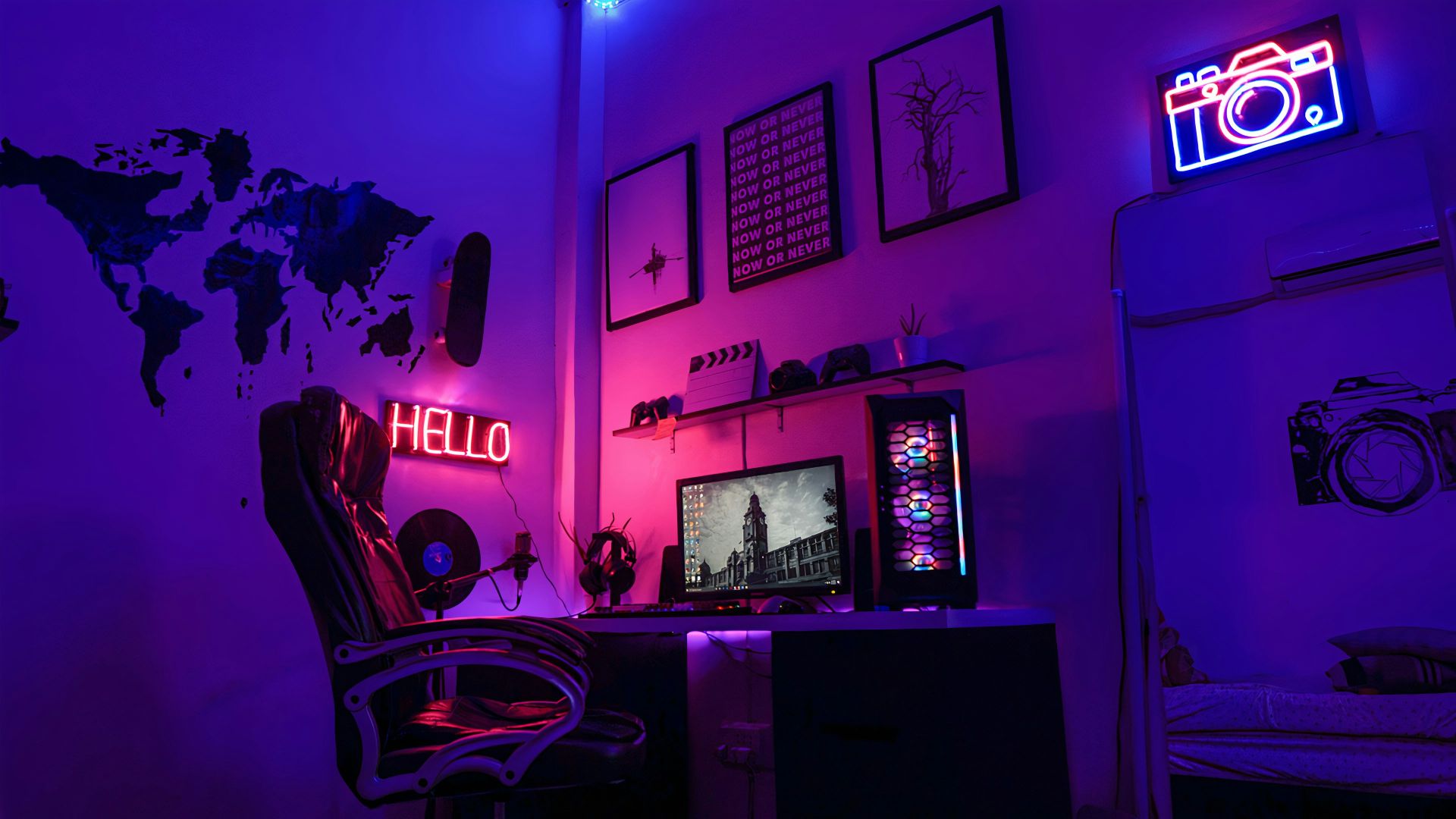
Gaming setups once had one main job: give people a place to play. A console usually sat below the television, while a PC tower was tucked under a desk beside a plain monitor. The hardware ran the game, and people didn’t pay much attention to the room around it. The screen and equipment got most of the attention, while the space around them was mostly there to hold everything, so the setup stayed in the background of the room.
Today, your setup can feel as personal as your gaming library. That change grew from a gaming culture that has long rewarded tinkering, a hardware market built around options, and online spaces where the desk can appear right next to the game. A setup can reflect a love of racing sims, retro consoles, competitive shooters, or a quiet single-player night, and it can make a familiar room feel more welcoming after a long day, even when the gear itself is simple.
From Modding To The Modern Desk
Gaming has included customization for decades. In 2010, game-culture scholar Olli Sotamaa published a study about the attitudes and day-to-day work of game modders. It paid special attention to hobbyists working together, and it looked at the Operation Flashpoint modding scene. In that community, players made changes that took the game beyond its original version, showing that players could help shape part of the experience themselves instead of only using the game as it arrived.
That work points to an active side of gaming. Players weren’t only buying a finished product and leaving it alone. They could change parts of it, rebuild parts of it, and share what they made with other people. A modern gaming desk uses the same basic idea in a smaller, more everyday way, even when nobody is changing game code or making changes to the game itself, because the player still gets to shape the space around play.
Instead of editing a game, someone might pick a compact keyboard, put controllers on a shelf, or build a PC around one game-inspired color scheme. Those choices don’t have to cost a lot, and they don’t have to be complicated. A favorite controller, a handy headphone stand, and a few collectibles can make a desk feel lived in without filling it with brand-new gear. The equipment still needs to do its job, of course, though it can also be part of the room’s décor and part of the player’s daily space during games and between sessions.
RGB
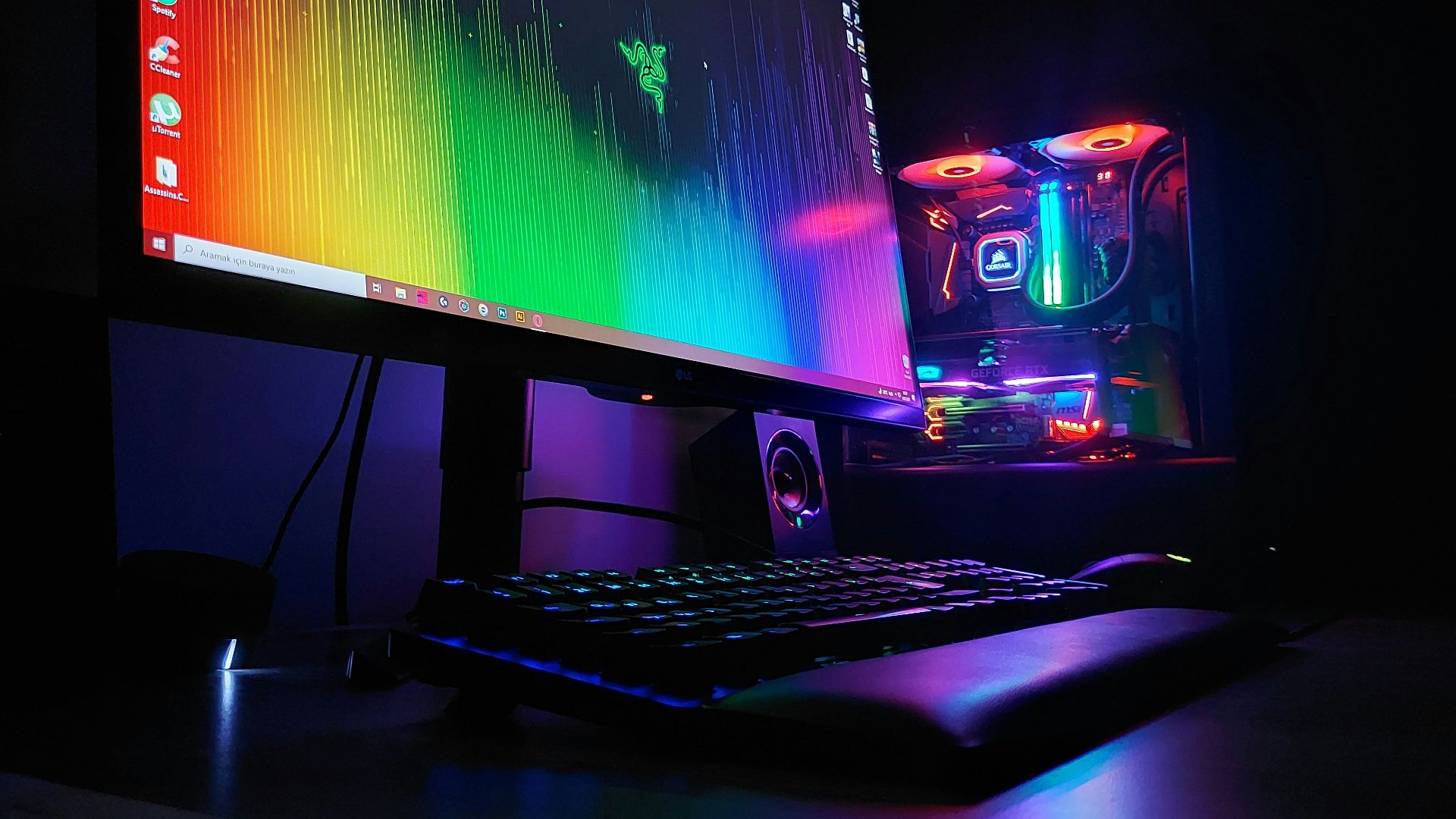
RGB lighting made it easier to change the look of everyday gaming gear. In August 2014, Razer announced Chroma for selected keyboards, mice, and headsets, with 16.8 million color options, lighting that could sync across connected devices, and custom effects in its original announcement. Razer also described an SDK, a software tool that game developers could use to create lighting effects for supported games. The company laid out options that were already built into familiar peripherals, so users didn’t have to alter the devices themselves just to change their colors or lighting patterns.
Users could choose static colors and matching patterns across their gear. On the BlackWidow Ultimate Chroma keyboard, Razer Synapse could set colors for individual keys. That gave the keyboard, mouse, and headset a way to look like one setup instead of a group of unrelated devices. It also meant people could make visual changes in software instead of rebuilding the desk or changing the hardware, which kept those choices close to the gear they already had.
That kind of control gives players plenty of choice with the gear they already own. One person might keep the desk in a single warm shade, while another uses animated effects that change the room’s mood. The colors can make the space feel less generic while leaving room for a subtle look, or a more animated one, without changing the rest of the setup.
Streaming
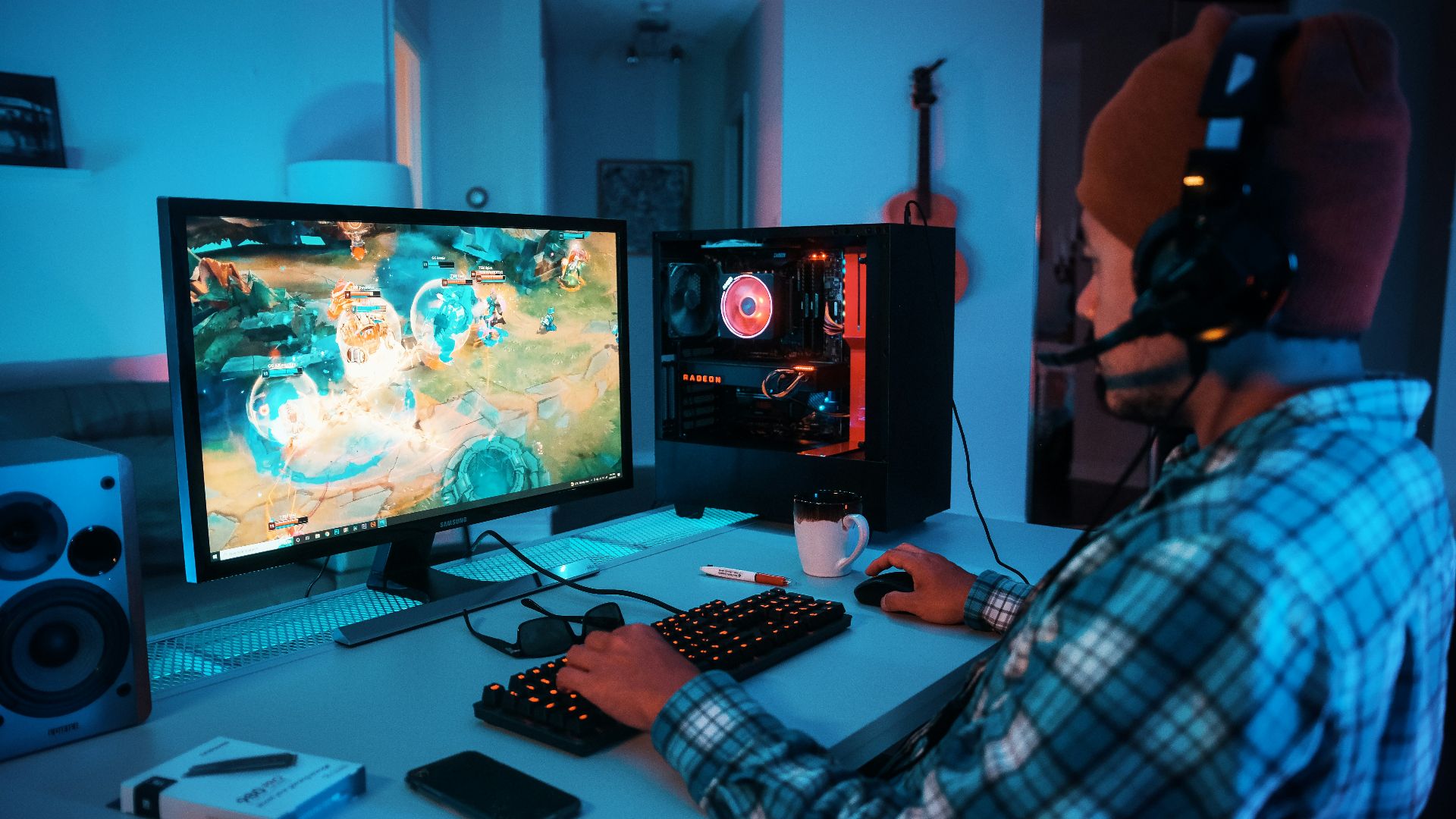
Livestreaming puts gaming in front of an audience, and a streamer’s surroundings can become part of what viewers recognize. A 2020 study based on interviews with 25 Twitch streamers described streamers as their own media entities, responsible for dealing with different online audiences. The study also places livestreaming within wider ideas about how people present themselves online. Once a stream includes a camera, the room in the frame becomes part of the presentation along with the game, the player, and the gear around the desk that viewers can see.
A shelf, display case, microphone arm, or light strip behind a monitor can show up on camera beside the player and the game. That gives regular setup choices a public-facing role, even if the same desk is still used for an ordinary nightly session. Games have also taught players to see customization as a way to communicate something about themselves, whether it appears on-screen or around the monitor in their own room. A 2020 ACM study of Fortnite cosmetic spending found that self-presentation in the game could involve uniqueness, self-presence, aesthetics, status, and community identity, which helps explain why an outfit, skin, or avatar can mean more than a purely decorative add-on.
That same approach shows up in the real room, where a display built around a favorite series, a retro controller collection, or a very simple desk can give other people a quick sense of what the owner enjoys. A gaming setup isn’t a personality test, though it can show a little personality through the objects someone keeps close. A 2002 study found that observers could make some accurate personality judgments from offices and bedrooms, particularly around openness and conscientiousness, and gaming setups fit into that same kind of personal space even when the main goal is a better place to play. The monitor still has to display the game well, the chair has to be comfortable, and the desk has to have enough room to use; the colors, objects, and layout add something extra, which is why setups became a form of self-expression when players started treating the space around play as part of the hobby, not just a place to put the equipment.