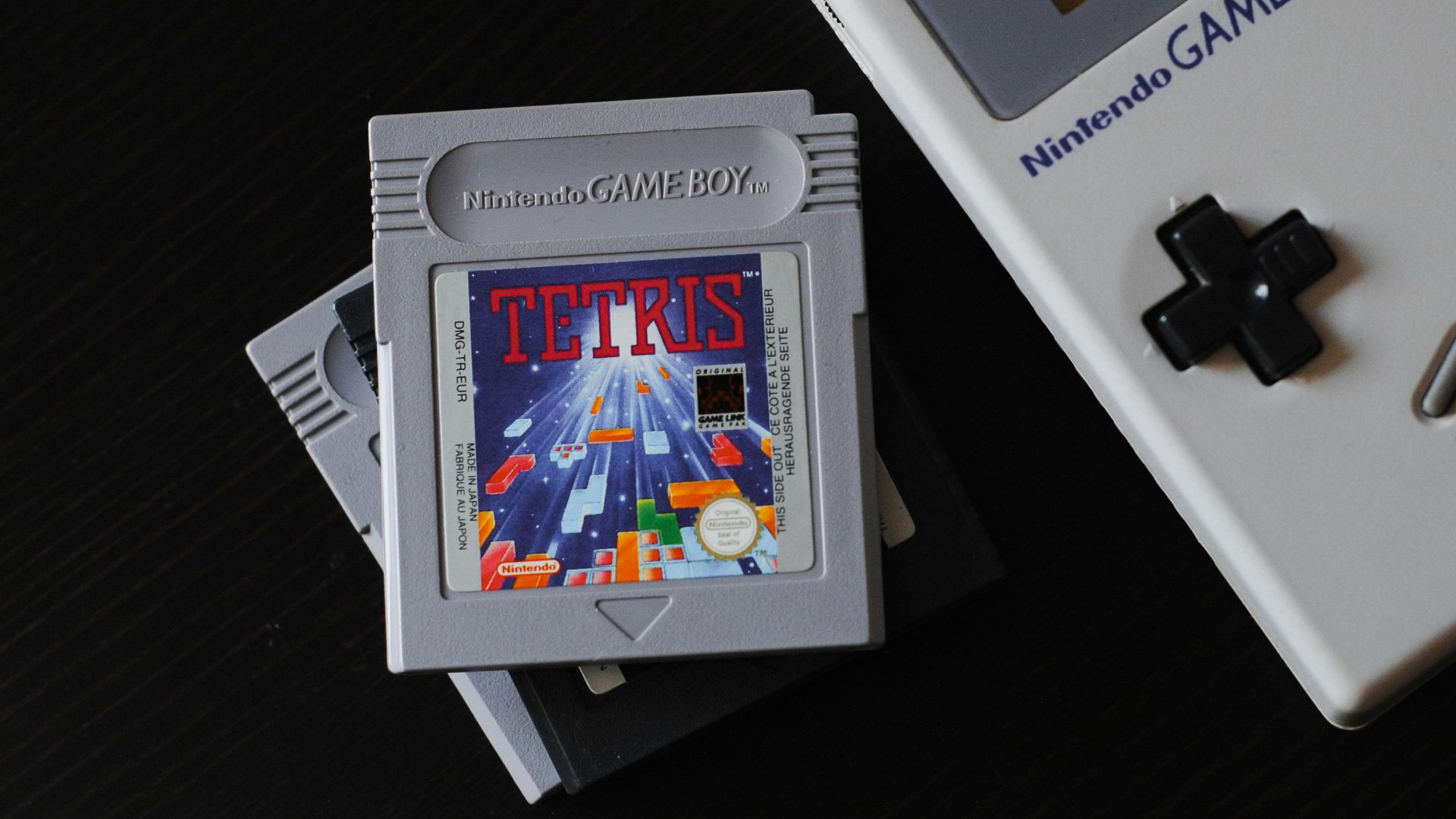
Anyone who has fallen into a gaming rabbit hole knows how certain images linger long after you switch off the screen.
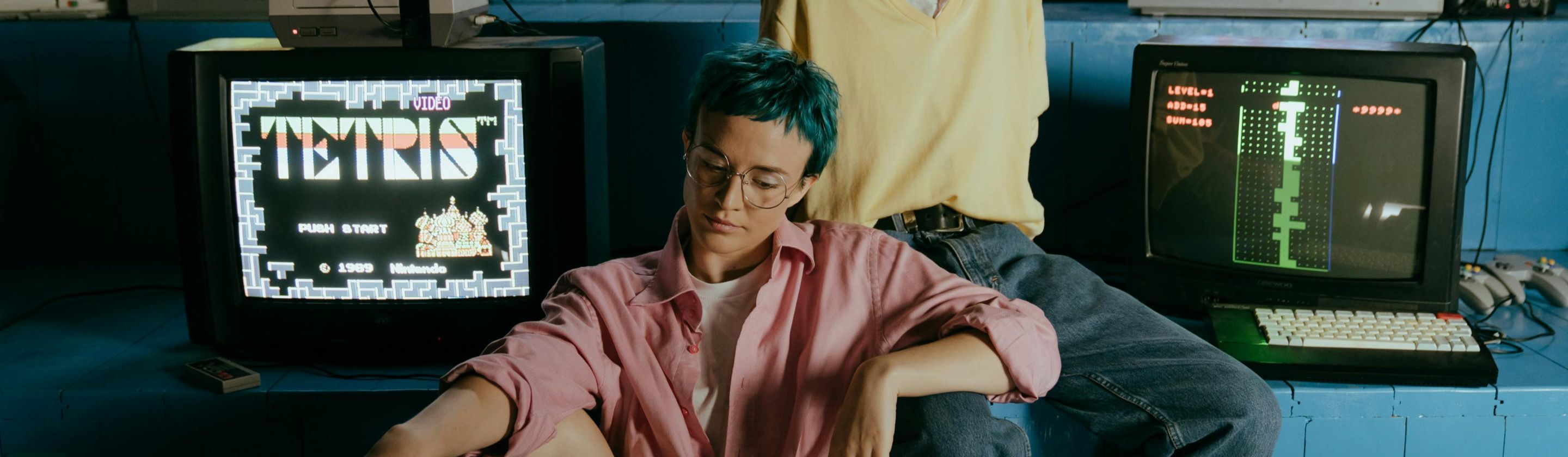
Tetris takes that feeling to another level. People started noticing this strange after-effect decades ago, and it eventually earned a name: the Tetris Effect. If you’ve ever caught yourself mentally rotating grocery boxes or stacking items in your head, you’re already part of the story.
Why Tetris Does This To The Brain
Tetris looks like a simple matching game, yet it pulls the brain into a deeply focused rhythm. The constant need to rotate pieces, think ahead, and fit everything together trains the mind to search for order everywhere. Players fall into a steady loop of anticipation and reaction, and the brain continues that loop after the game stops. These lingering mental images happen because Tetris activates the parts of the brain tied to spatial reasoning, pattern recognition, and procedural memory. The brain loves efficiency, so once it finds a task it can rehearse, it keeps practicing. Tetris is especially good at creating these mental repetitions because the game never truly pauses.
Another reason the effect takes hold so easily is that Tetris rewards small victories. Every line cleared provides a moment of satisfaction that nudges the brain to chase the next one. The reward cycle becomes so consistent that the mind keeps searching for completion in the real world.
The Haunting Side Of The Tetris Effect
Most people treat the Tetris Effect as a quirky side effect of too much playtime. The leftover images appear without invitation. Over the years, the phenomenon expanded beyond Tetris and into an entire category of experiences. People who spend hours on repetitive activities like gardening or knitting sometimes describe similar mental impressions that continue after the activity ends.
The Tetris Effect became the broad label for these echoes, and the game served as the clearest example of how repetition anchors itself in the mind. Still, Tetris retains a special place within the phenomenon because its imagery is so distinct. Floating blocks and imaginary rotations create a kind of ghostly afterimage that feels more surreal than most everyday habits.
Some players even talk about the Tetris effect shaping their dreams. The dreams reveal how deeply the experience embeds itself, almost like a rehearsal loop that runs even when consciousness takes a break.
What The Tetris Effect Reveals

The Tetris Effect offers a more relatable truth. Our habits follow us. The mental routines we practice, intentionally or not, slip into other parts of our lives. Once you recognize how sticky certain patterns can be, it becomes easier to understand why you hum a song hours after hearing it or replay a conversation long after it ends.
In the end, the phenomenon stays interesting because it feels both strange and familiar. Tetris may be pixelated and retro, but the mental echo it leaves behind reminds us that the brain is full of surprises.