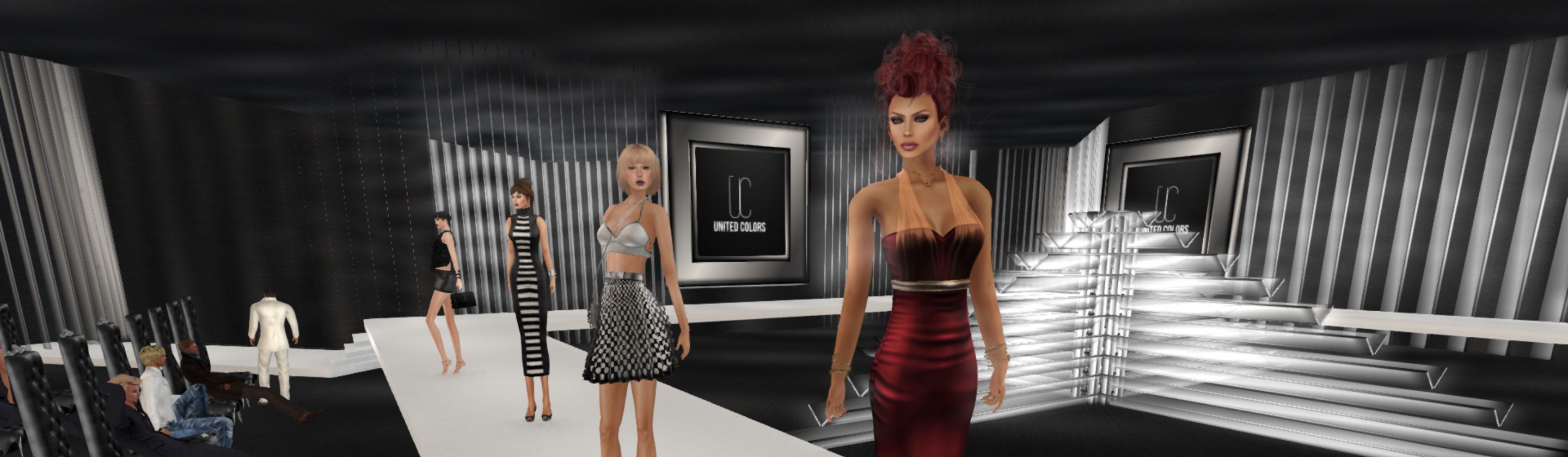
Second Life, the online virtual world developed by Linden Labs, has been a gaming staple for decades. Unlike traditional video games that revolve around matches or quests, this one is an open-world environment where users create and shape their own experiences and narratives.
Second Life players have their own personal motivation while playing, and aren't influenced by missions or trying to win. The platform's enduring appeal resides in how effectively it fulfils the psychological needs of its players through identity, connection, autonomy, and meaning beyond gameplay.
Let's explore what is actually behind the popularity of Second Life.
Self-Expression and Identity Exploration
The strongest psychological factor behind Second Life's success is the freedom it provides players to explore and express their identity. Users create avatars that resemble their actual appearance or can have fun with different looks, genders, and personas.
Individuals can explore different aspects of themselves that they don't feel comfortable exploring in their real life due to societal expectations or physical limitations. Second Life doesn't penalize users for experimentation, so it's a safe space to test new identities without the fear of judgment, which can be confidence-boosting and good for one's emotional well-being.
Creating Social Connections
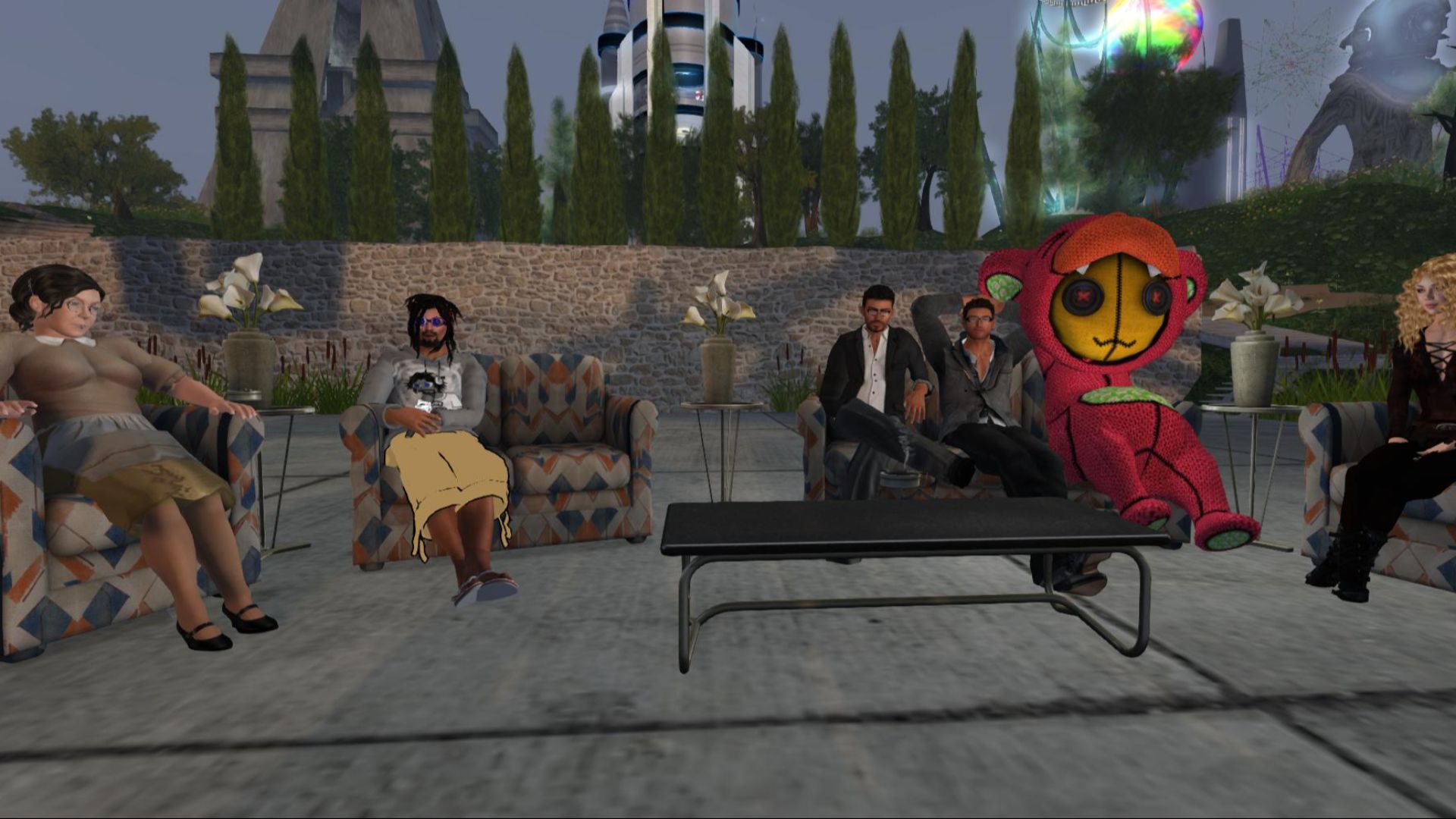
Second Life lets users build a social presence and form deep social connections. Interactions take place through avatars in shared environments, making conversations feel more real than on other platforms. You can attend events, make new friends, and build communities. You can even form romantic relationships.
These interactions rely on the same psychological mechanisms associated with real-life relationship development, such as trust and a sense of belonging. For users who might be experiencing loneliness or social anxiety offline, Second Life is a virtual oasis. It provides the opportunity for meaningful connections that are often genuine.
The emotional reward of spending time in this virtual environment keeps users engaged and playing for longer.
Control and Creativity
Another psychological driver behind Second Life is the level of autonomy it offers users. You are free to build a virtual house, design your own clothing, create stunning art, host a swanky event, or run your dream business. You can even earn real-world income along the way.
This sense of control speaks to our psychological need for self-determination and having control over the direction of our lives. Most games dictate what success looks like, whereas Second Life lets its users create their own goals and strive to achieve them. This inherent motivation is satisfying and more sustainable than striving for external rewards. You can create something lasting and valued by others, which will make your emotional connection to the game stronger.
Second Life's open-world environment and flexibility play a key psychological role in its continuing legacy. It's a world that exists even when you're not logged in, and where every action has a reaction or consequence. Relationships evolve, reputations are formed and destroyed, and creations become vital components of the virtual space. Second Life is an escape and also a parallel society that lets you develop a new persona and experiment without worrying about what others might think.