Game worlds are getting bigger, denser, and faster to build. A decade ago, every crate texture, fern, and NPC face passed through a human hand before it wound up on the screen. Now prompts do some of that work, with concept art generating in a manner of seconds. The pivot towards AI-generated art feels inevitable, and slightly uncomfortable, especially once money enters the picture.
Assets Are Multiplying Faster Than Teams Can Handle
Small studios feel this first. A solo developer needs a thousand textures, icons, ambient props, and UI elements before the game even resembles a game. Generative tools fill the gaps quickly, allowing them to construct ten variations of a mossy stone wall and export it before lunch.
Marketplaces reflect this shift clearly. The Unreal Engine Marketplace and the Unity Asset Store now host AI-assisted content alongside traditional asset packs, often without obvious visual distinction between the two. As generative tools lower the barrier to entry, the sheer volume of uploads continues to climb, far faster than review systems were designed to handle.
Copyright Law Doesn’t Move at Game Speed

The U.S. Copyright Office clarified in 2023 that works generated entirely by AI without human authorship are not eligible for copyright protection. That guidance still stands, making human involvement the linchpin of creative protection. That much is clear, but what isn’t is how much involvement counts.
Where this gets especially confusing is when an AI generates a texture that looks original but was trained on copyrighted material. Courts haven’t fully clarified this dilemma. Several lawsuits against AI companies are ongoing, including cases brought by artists and publishers questioning training data practices. In the meantime, developers remain caught in the middle because deadlines don’t wait for precedent.
Platforms Are Making Their Own Rules
In 2024, Valve, a major U.S.-based video game company best known for Steam, the world’s largest digital distribution platform for PC games, updated its policies to allow AI-generated content. Developers are required to disclose its use and confirm they have rights to the training data or output.
That disclosure requirement has forced studios to begin tracking their asset origins more carefully. As a result, these studios have had to involve legal reviews in departments once ruled by creative decisions.
Not all platforms have followed suit. Epic Games has emphasized creator responsibility rather than rigid rules, while console manufacturers have remained quieter, addressing issues on a case-by-case basis. The guidelines feel provisional, and everyone involved senses that revisions are coming.
Artists Feel the Shift in Practical Ways
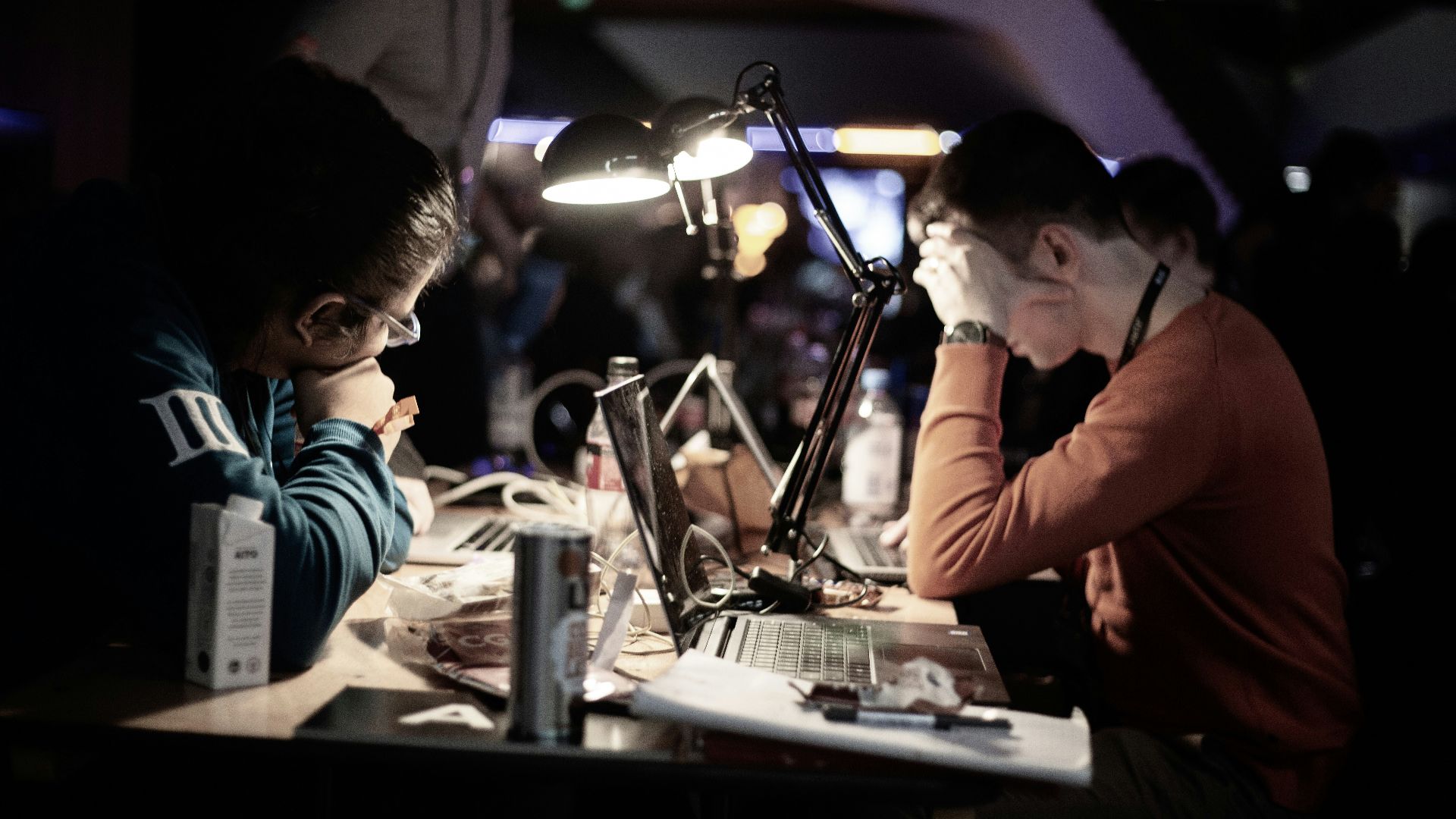
Freelance artists are often the first to feel the shift. Small, routine commissions that once paid the bills between larger projects are becoming rarer as studios turn to generative tools for quick fixes. At the same time, high-end work remains firmly in demand. Key art, character design, and anything closely tied to a game’s identity still require a human hand and a recognizable style.
In response, artists are splitting along practical lines. Some incorporate AI into their workflows to speed up early ideation, generate rough concepts, or explore variations before refining the final result themselves. Others reject the tools outright, citing ethical concerns or fears about long-term devaluation.
Ownership Gets Weird Inside the Game Itself
Imagine a player-modifiable game where users can generate assets like a custom weapon skin or a new environment prop on the fly using built-in AI tools. Such a scenario can’t help but beg the question regarding ownership of these outputs. Would it be the property of the player who prompted them or the studio that built the system?
Many studios grant themselves broad licenses over user-generated content, language often written before AI tools were even contemplated. Whether those clauses would withstand a legal challenge remains unclear, as lawyers and courts have yet to fully catch up with procedural generation driven by AI-authored creations rather than hand-written code.
For now, the gray area remains unresolved, quietly expanding behind the scenes as the technology moves faster than the rules meant to govern it.