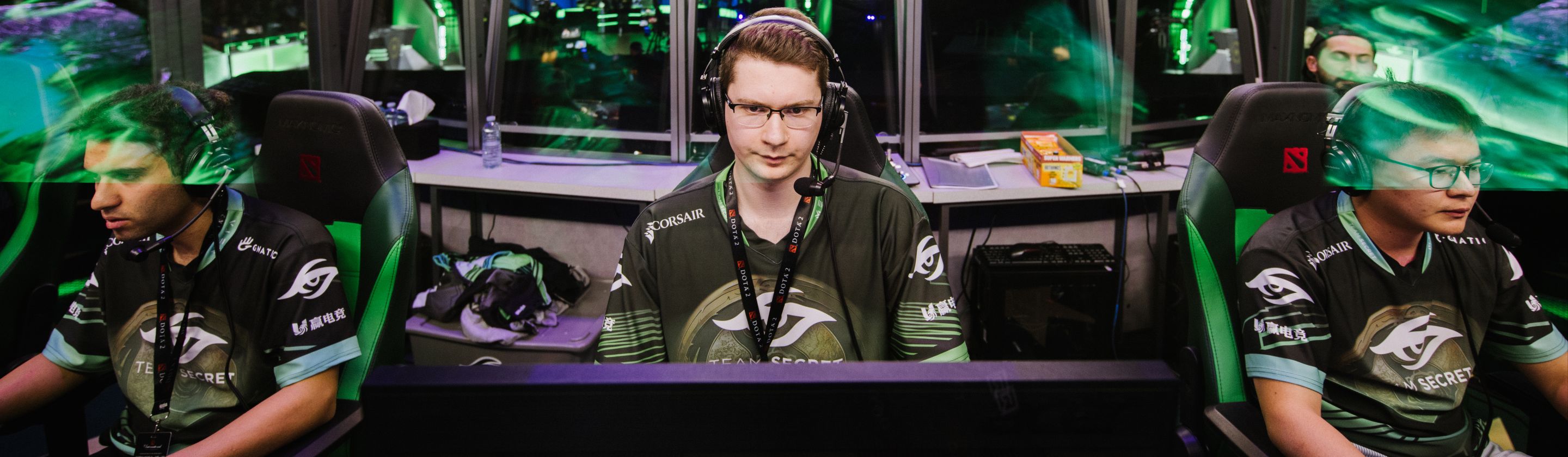
When you stream for eight hours a day, it’s inevitable that you’ll eventually make an off-color joke or lose your temper at some irksome player. Before streaming, those moments happened in private and disappeared into the ether. Now they're clipped, posted to Twitter, and circulated to hundreds of thousands of people within hours. The permanence of streaming has created an environment where gaming personalities live under constant scrutiny, and communities have become remarkably efficient at organizing boycotts and demanding platform bans for perceived transgressions. Whether this accountability culture is justice or mob rule depends largely on which side of the controversy you're watching from.
The Clip Industrial Complex
Platforms like Twitch have thousands of streamers broadcasting simultaneously. Together, they create more video in a single day than anyone could watch in a lifetime. Embedded within this ocean of content are moments that can be extracted, decontextualized, and weaponized.
Entire Twitter accounts exist solely to surface controversial clips from streamers. They monitor channels, wait for slip-ups, then post the most inflammatory 30-second segments in an effort to generate a scandal. Since controversy generates engagement, the algorithms reward content that provokes outrage and ignores those streamers having normal, uneventful broadcasts.
For instance, in 2023, Twitch streamer Asmongold faced a two-week ban after a clipped rant calling Palestinians "terrible people," sparking mass outrage and demands for permanent deplatforming despite his apologies.
Audience Relationships Amplify Everything
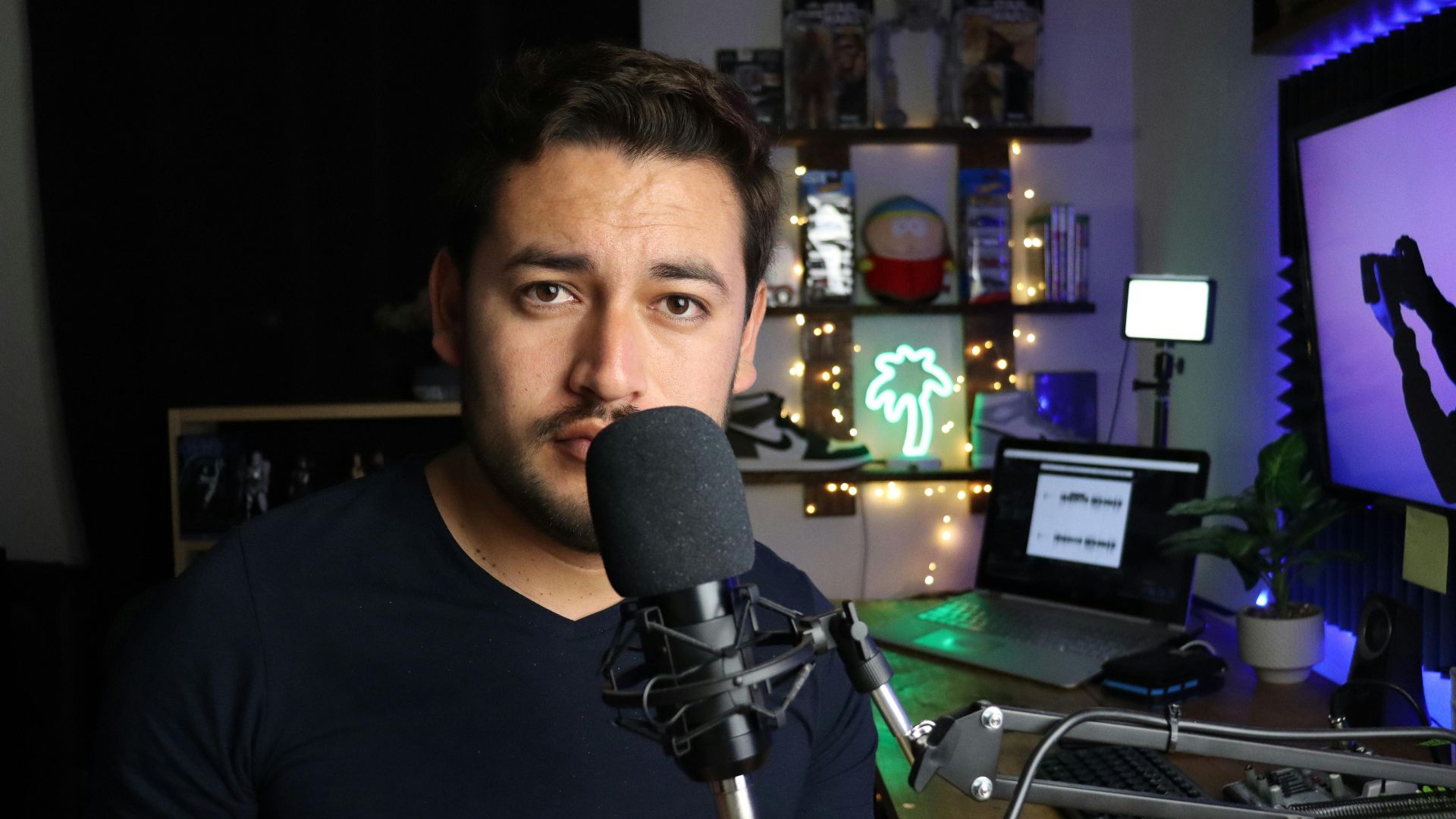
Viewers watch their favorite streamers for hours daily, developing intense one-sided relationships that feel personal even though they're not. When a streamer does something offensive, it feels like a friend betraying you.
This emotional investment makes cancel campaigns particularly vicious within gaming communities. Fans who once donated money and defended their favorite creator can flip overnight, becoming the most vocal critics demanding deplatforming and public shaming.
This weird online dynamic goes both ways, with streamers often treating their audience like actual friends and forgetting they're performing for thousands of literal strangers. Casual conversations that would be fine among friends become scandals when broadcast to a diverse audience with wildly different sensibilities.
Platform Power Creates Judge and Jury
Twitch, YouTube, and other platforms hold enormous power over streamers' livelihoods. A ban means immediate loss of income, audience, and relevance. The appeals process is opaque, and the enforcement process is far from consistent.
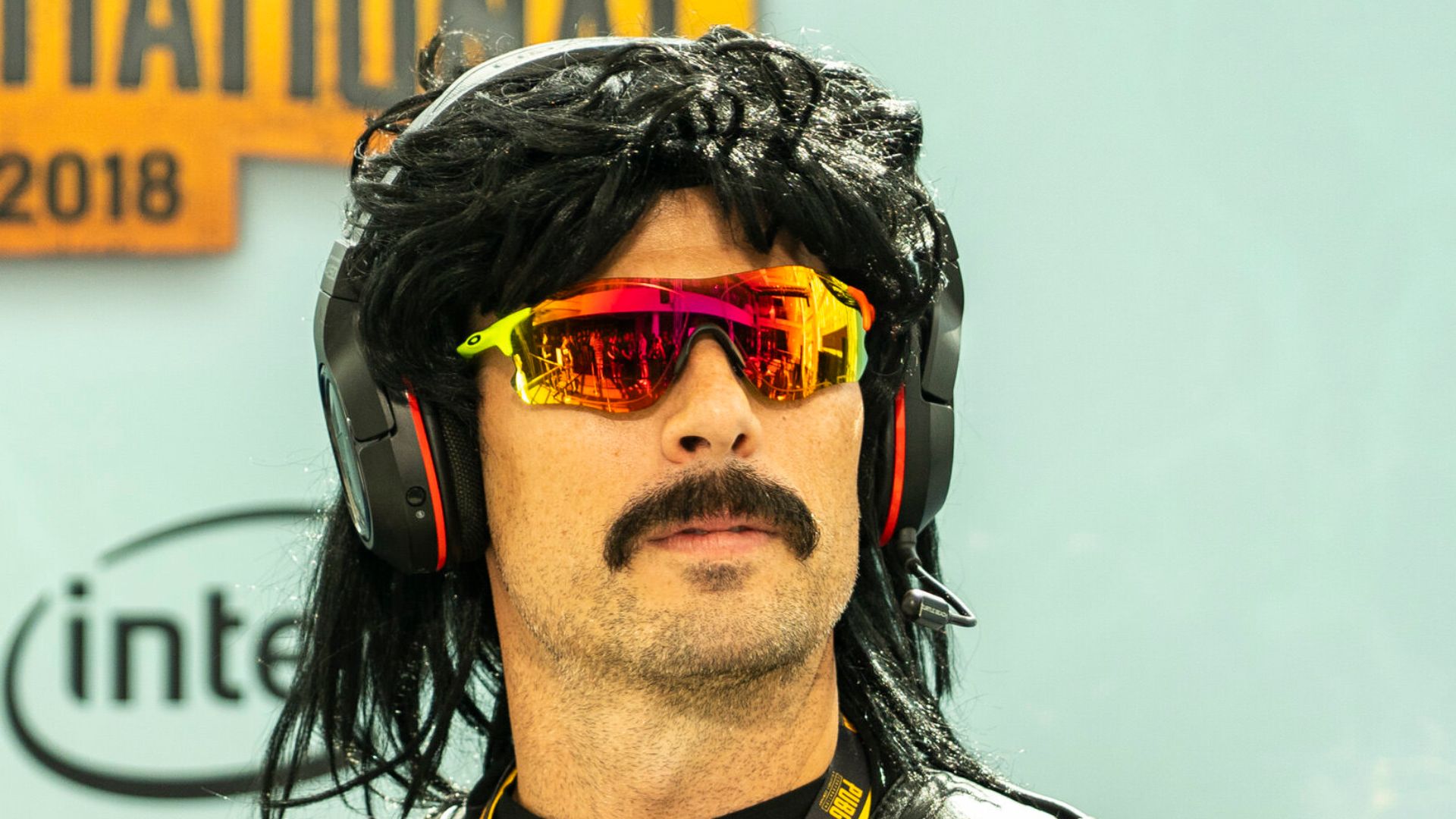
Coordinated campaigns have learned to weaponize platform reporting systems. By mass-reporting a streamer, it’s often possible to trigger an automated ban before human review even happens. Sometimes the ban is justified, such as when Dr Disrespect allegedly DMed a minor, leading to a near-total career implosion.
Other times, these bans are the result of a targeted harassment campaign.
The Accountability Debate Has No Clear Answer
It seems obvious that streamers should face consequences for harmful behavior. What’s less obvious is whether a single poorly-phrased sentence from a years-old clip should destroy someone's career. Gaming communities struggle to distinguish between genuine accountability and performative outrage.
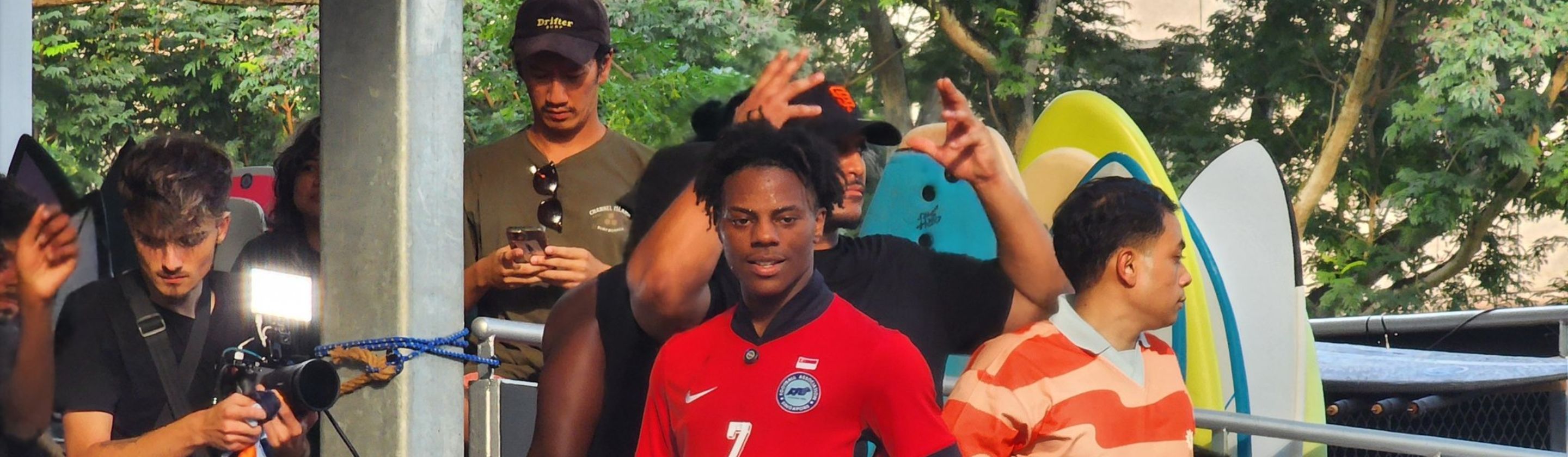
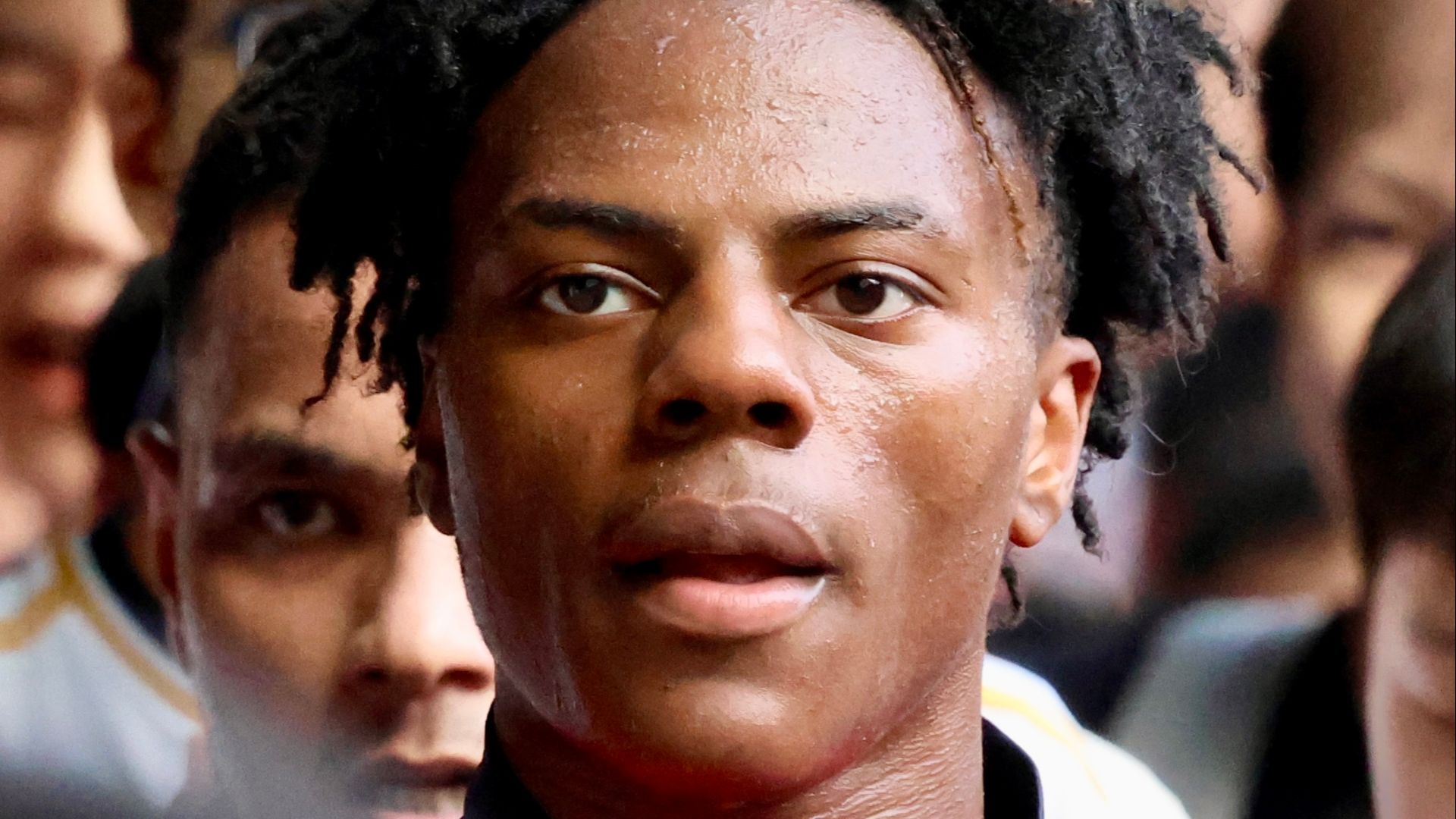
Some cancellations target legitimately harmful exhibitions of harassment and bigotry. Others seem designed primarily to take down successful creators, using minor infractions as justification. The same communities that demand accountability also sometimes protect their favorites while crucifying outsiders for identical behavior. In 2024, IShowSpeed endured backlash for misogynistic gaming rants, fueling calls for boycotts despite his young audience's defenses.
Smaller Creators Bear the Brunt
Major streamers with established audiences can often survive controversies. Their dedicated fanbases defend them, and their platform relationships give them second chances. Smaller creators don't have these advantages. A cancel campaign against someone with 500 viewers can effectively end their streaming career before it starts.
This creates a chilling effect. Aspiring streamers watch how quickly public opinion turns and decide it's not worth the risk. The next generation of gaming content creators is learning to be extraordinarily cautious, sanitizing their personalities to avoid giving anyone ammunition.