
Twenty years ago, telling your parents you wanted to be a professional gamer would've gotten you a disappointed sigh and a lecture about realistic career goals. Now those same parents are watching their kids sign six-figure contracts with esports organizations, complete with health insurance, retirement plans, and performance bonuses. The transformation happened faster than anyone predicted, driven by streaming platforms, massive prize pools, and the realization that millions of people will absolutely pay to watch other people play video games at the highest level. What was once basement hobby became billion-dollar industry almost overnight.
The Money Got Too Big to Ignore
The International, Dota 2's annual championship, awarded over $40 million in prize money in 2021, with the winning team taking home roughly $18 million split among five players. League of Legends World Championship, Fortnite tournaments, Counter-Strike majors all regularly feature prize pools in the millions.
Those tournament winnings represent just the visible tip of the financial iceberg. Top players earn salaries from their organizations, sponsorship deals with peripheral manufacturers and energy drink companies, as well as streaming revenue from Twitch or YouTube, and appearance fees for events. Ninja was reportedly making $500,000 per month from Twitch alone at his peak, before you even count his other income streams.
Infrastructure Developed Around Competitive Play

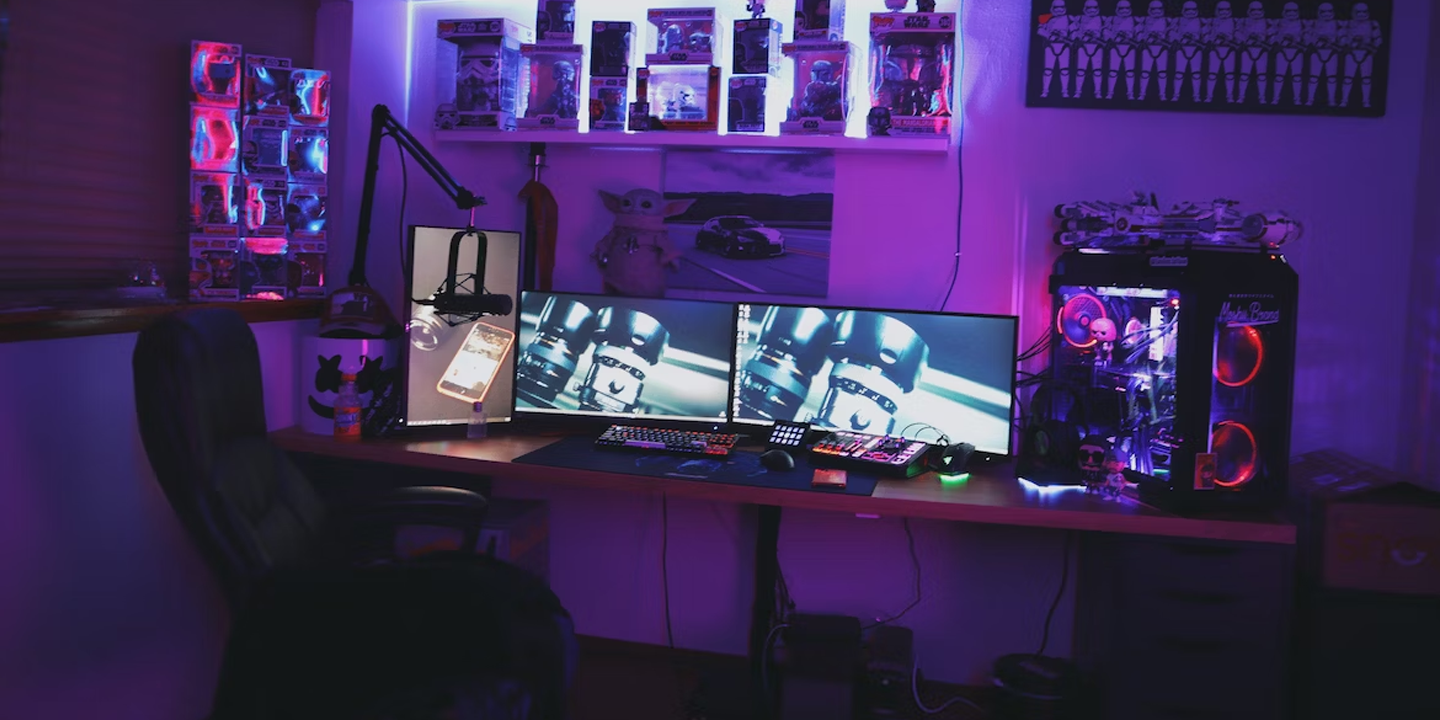
Gaming houses became standard for professional teams, providing dedicated practice facilities where players live together, scrim eight hours daily, and have access to coaches, analysts, and support staff. Team Liquid's facility in Los Angeles is an astonishing 15,000 sq ft, featuring individual streaming setups, dedicated practice rooms, a full gym, and nutritionists. This is professional sports infrastructure applied to gaming.
In recent years, collegiate esports programs have exploded across North America. Over 260 U.S. colleges now offer esports scholarships, treating competitive gaming the same way they treat football or basketball. Kids are literally getting their education paid for because they're good at League of Legends or Overwatch.
Streaming Created Alternative Revenue Paths
You don't have to win tournaments to make a living anymore. Entertaining streamers who might never crack the top 100 competitive rankings can still pull in solid income through subscriptions, donations, and sponsorships if they're engaging enough to build an audience. This democratized professional gaming in ways pure competition never could.
Twitch averaged around 2.4 million concurrent viewers in 2024, according to SQ Magazine, with top streamers commanding audiences that rival cable television shows. The barrier to entry is remarkably low. All you need is a decent computer, streaming software, and personality. Skill helps, but honestly, entertainment value matters more.
Traditional Sports Organizations Took Notice

When the Philadelphia 76ers, Paris Saint-Germain, and FC Schalke started buying esports teams, something fundamental shifted in how gaming was perceived. These weren't tech companies experimenting with a new market; these were traditional sports powerhouses applying their institutional knowledge to a new competitive arena.
Even ESPN started broadcasting esports events and creating dedicated esports content sections. When the worldwide leader in sports coverage treats gaming as legitimate competition worthy of the same production values as NFL games, parents have a harder time dismissing it as waste of time.
The Skillset Became Recognized as Transferable
Professional gamers need to be able to make rapid decisions under pressure, demonstrate strategic thinking, and the ability to adapt to changing situations in real-time. These skills aren't gaming-specific; they're broadly applicable professional skills.
Retired professional players often transition into coaching, game development, and even consulting roles in other industries. The ability to break down complex systems and identify optimization opportunities translates surprisingly well to fields like finance, tech, and business. The career path doesn't dead-end when your reflexes slow down, it merely evolves.