The Hard Part Was Part of the Fun
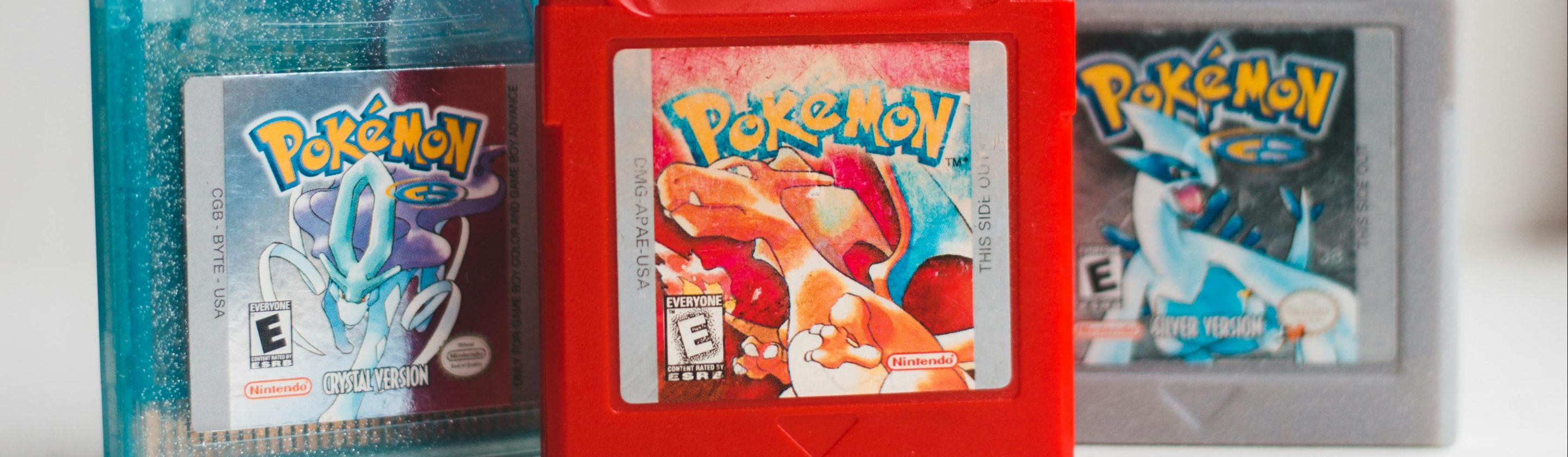
Back when a game came in a cardboard box, and half the setup lived in a folded manual, learning how to play took more patience than people remember. The title uses “boomers” the way retro-gaming conversations often do, loosely, but the habits here come from a very real stretch of arcade culture, early consoles, game rentals, magazine tips, and the long pre-YouTube years. A kid in 1988 with Super Mario Bros. 2, a rented NES cart from Blockbuster in the early nineties, or a text FAQ pulled up in 1996 was dealing with a very different kind of friction. Some of it was annoying, some of it was expensive, and some of it really did make you better.
1. Reading The Manual
For plenty of early players, the manual was the tutorial, the control guide, and the story setup all at once. The original Zelda and Mario booklets did real work, and if you skipped them, you ended up lost and confused sooner rather than later.

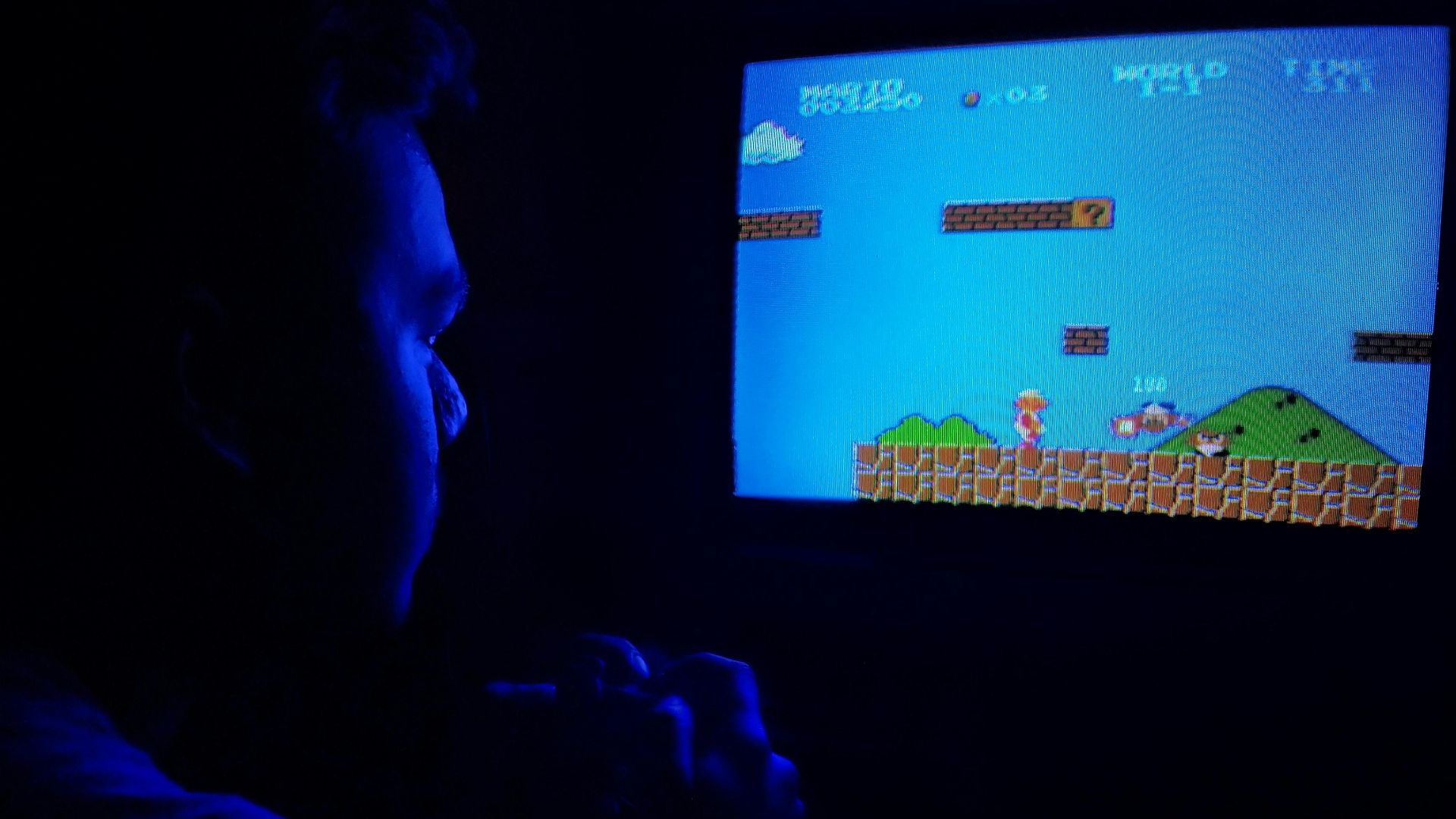
2. You Learned Through Failure
Older games didn’t always stop to explain jump timing, weapon switching, or button combinations. You learned by dying, trying again, and getting that feel into your hands the old-fashioned way.
3. Story Lived Outside the Screen
A lot of early cartridge games saved space by pushing background detail into the booklet. That meant kids sitting cross-legged on the carpet, reading about Hyrule or the Mushroom Kingdom before the TV even warmed up.
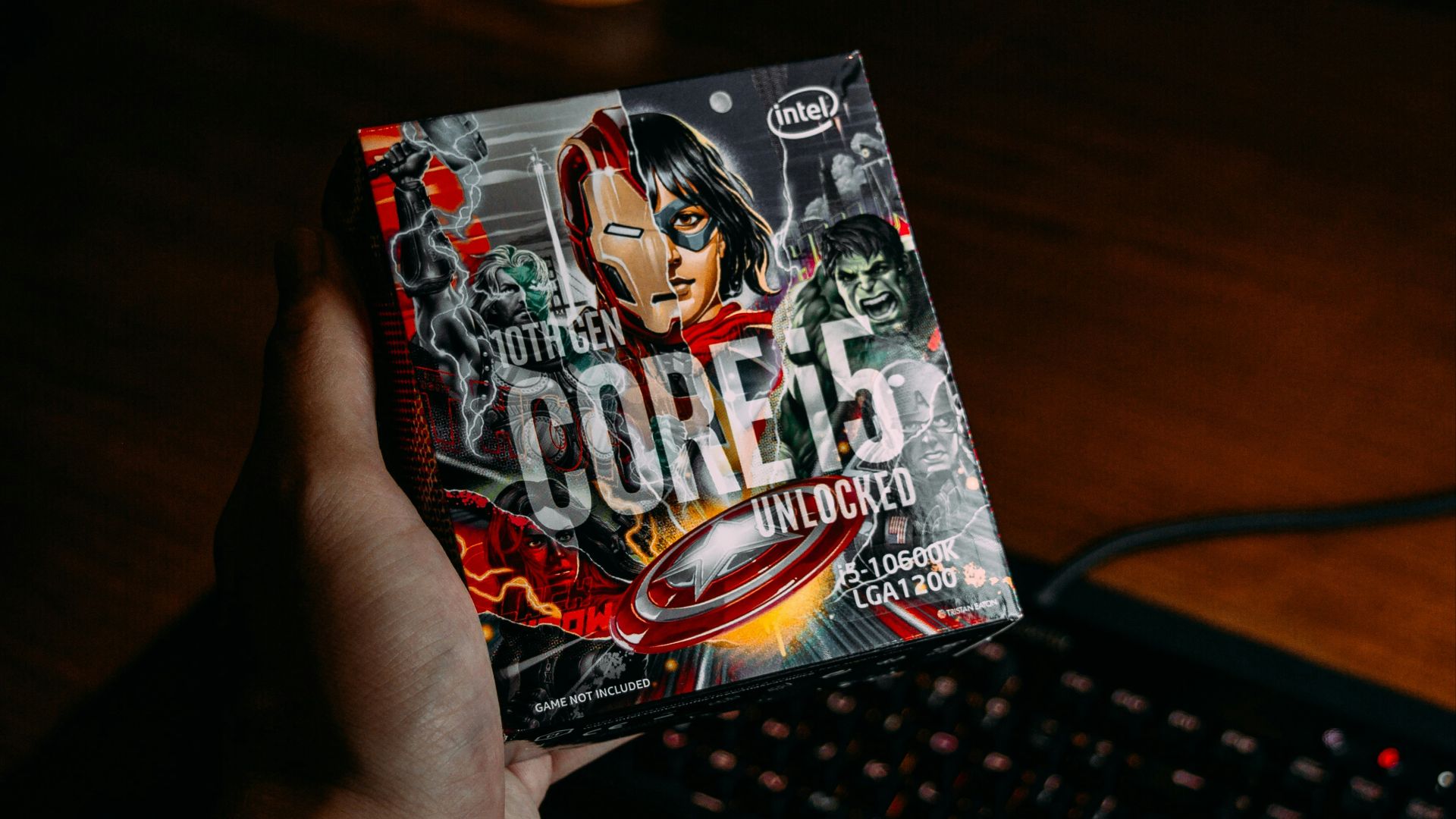
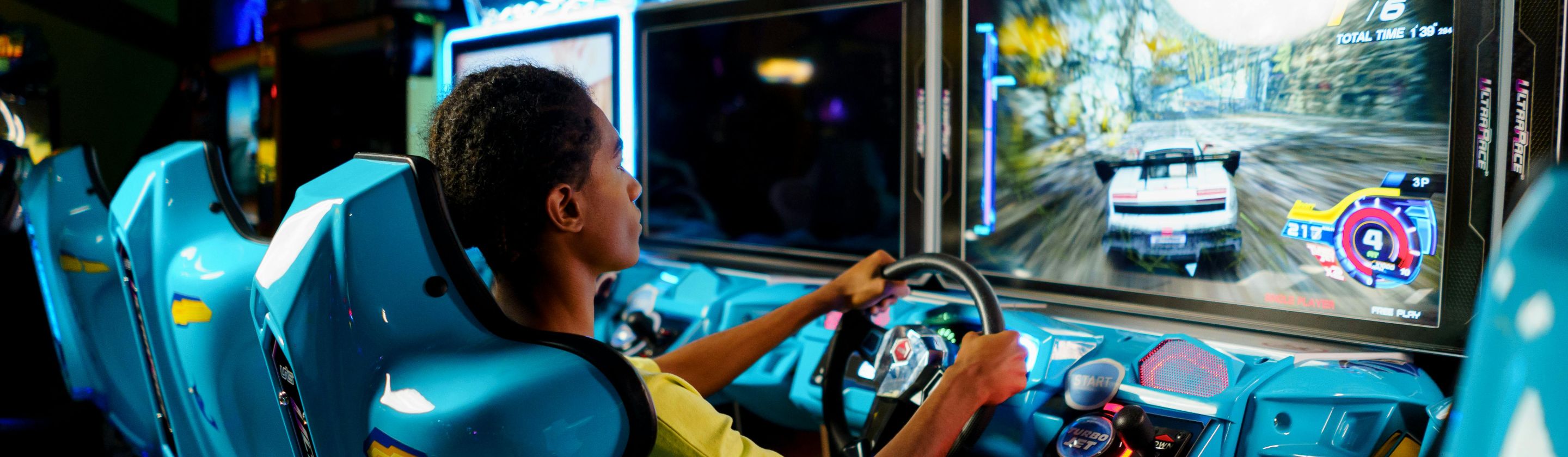
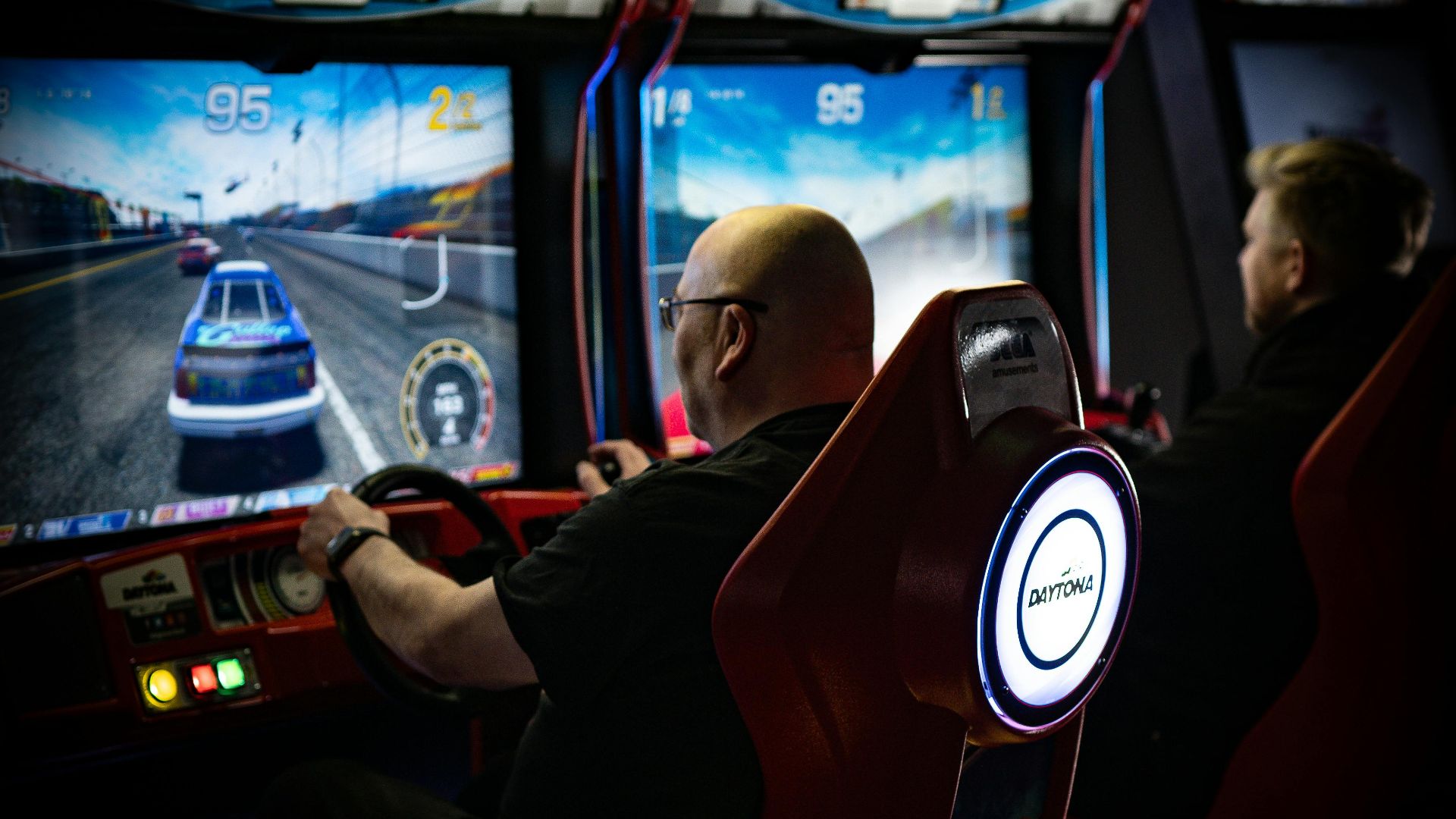
4. Arcades Made Every Mistake Cost Something
A quarter in 1983 or 1989 wasn’t nothing, especially if you were feeding the machine a few at a time on a Saturday afternoon. That changed the way people played, because careless mistakes had a price attached to them.

5. Repetition Wasn’t Optional
Arcade games and early console games often expected you to replay the same stretch until it finally clicked. That kind of repetition built timing and memory in a very plain, unglamorous way, and it worked.
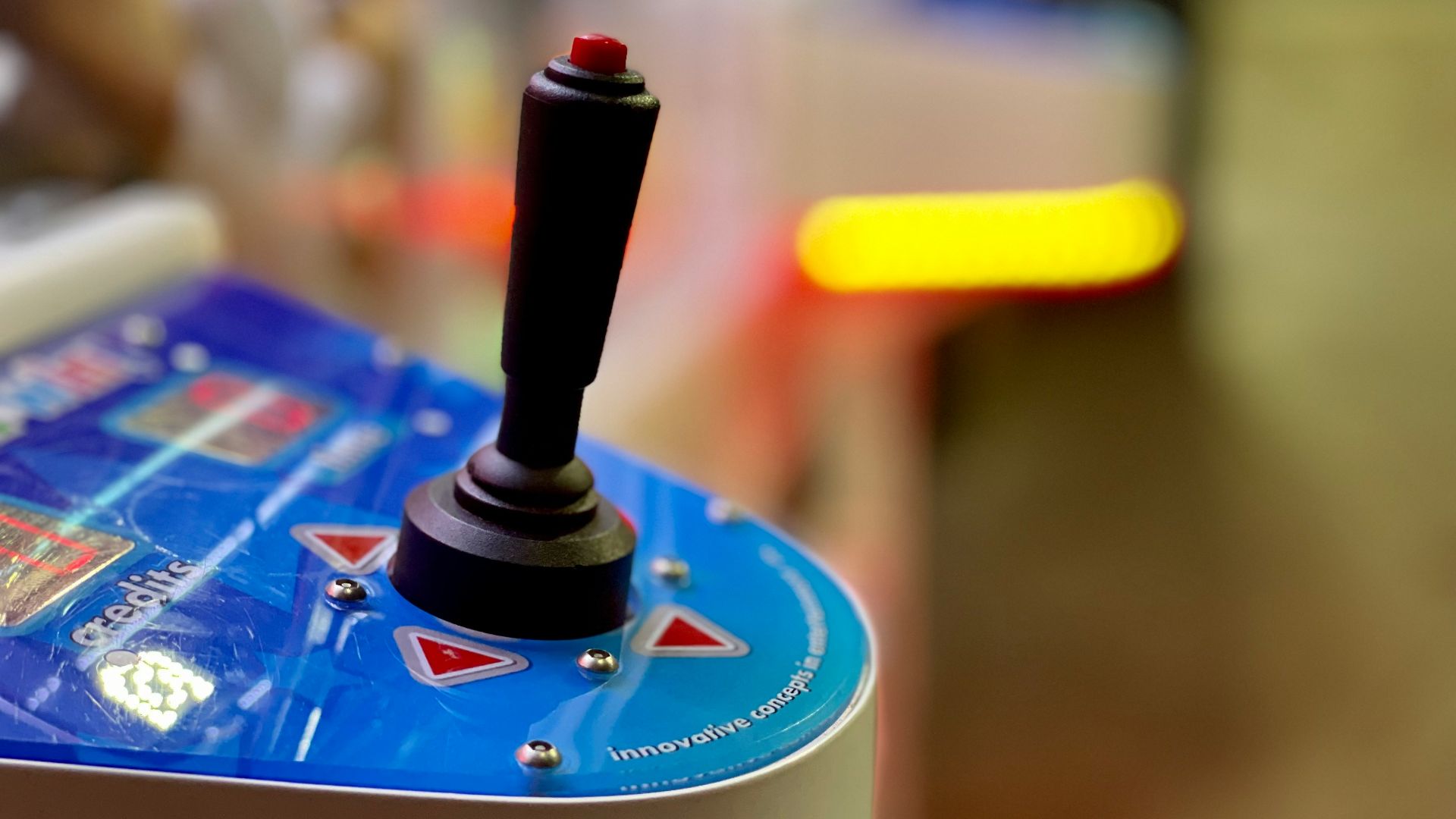
6. No Save Features
A lot of older games either had no save system at all or gave you something limited, awkward, or easy to lose. You couldn’t assume progress would be there waiting, so you paid closer attention and played with more care.
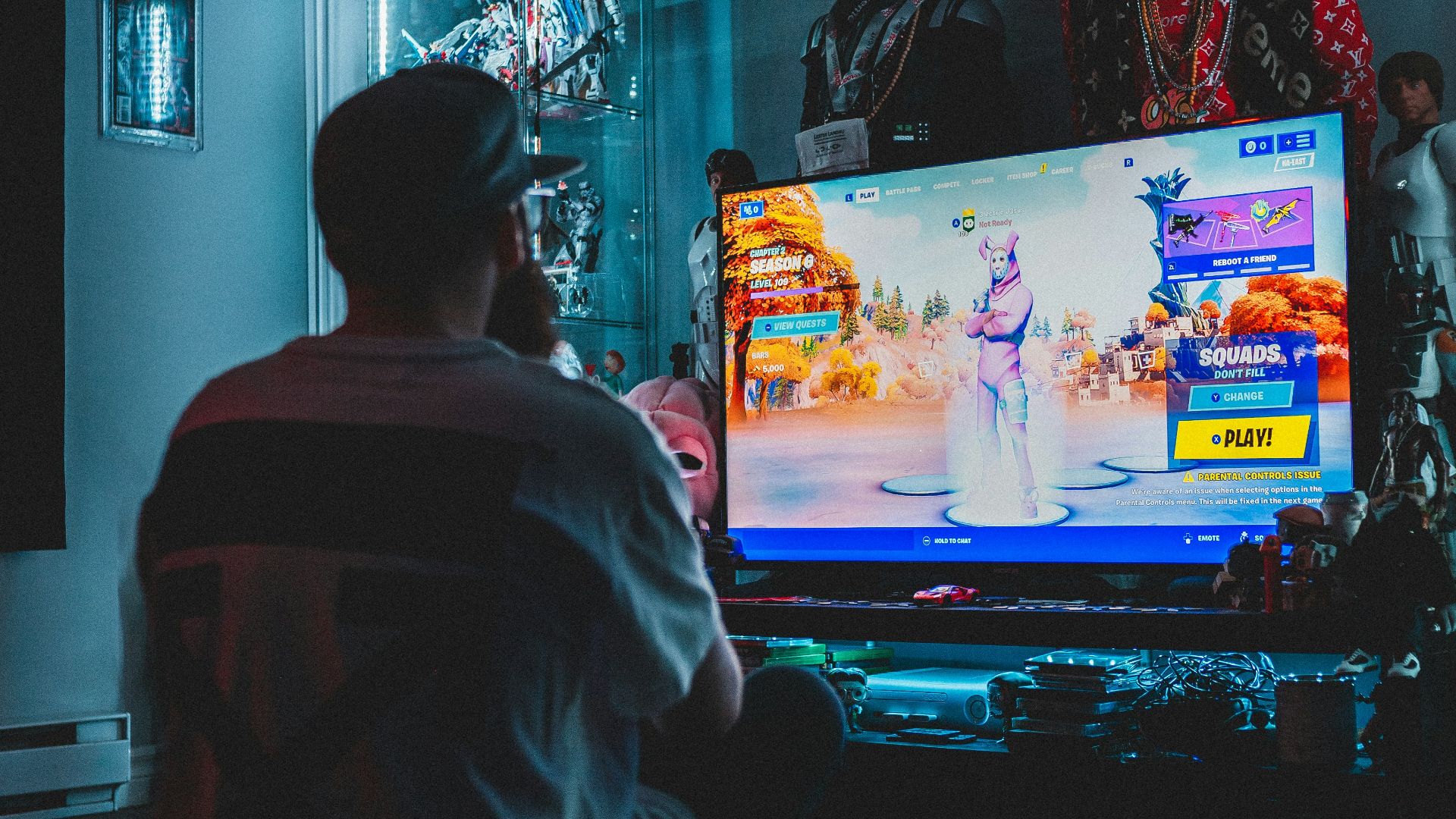
7. Password Screens
If a game handed you a block of letters and symbols, you wrote it down and hoped nobody threw that paper out. It was clunky, sure, but it trained a whole generation to treat game progress like something fragile.

8. Rentals Forced You to Learn Fast
A rented game from Blockbuster or the local video store gave you a weekend, maybe a little more if you were lucky. That kind of short window pushed people to get good quickly instead of drifting through the first level for three nights.

9. You Stuck With What You Had
There wasn’t always a giant shelf of options waiting, and there definitely wasn’t an instant digital library hanging around in the background. If you got one game for your birthday or Christmas, that might be the game you lived with for months.
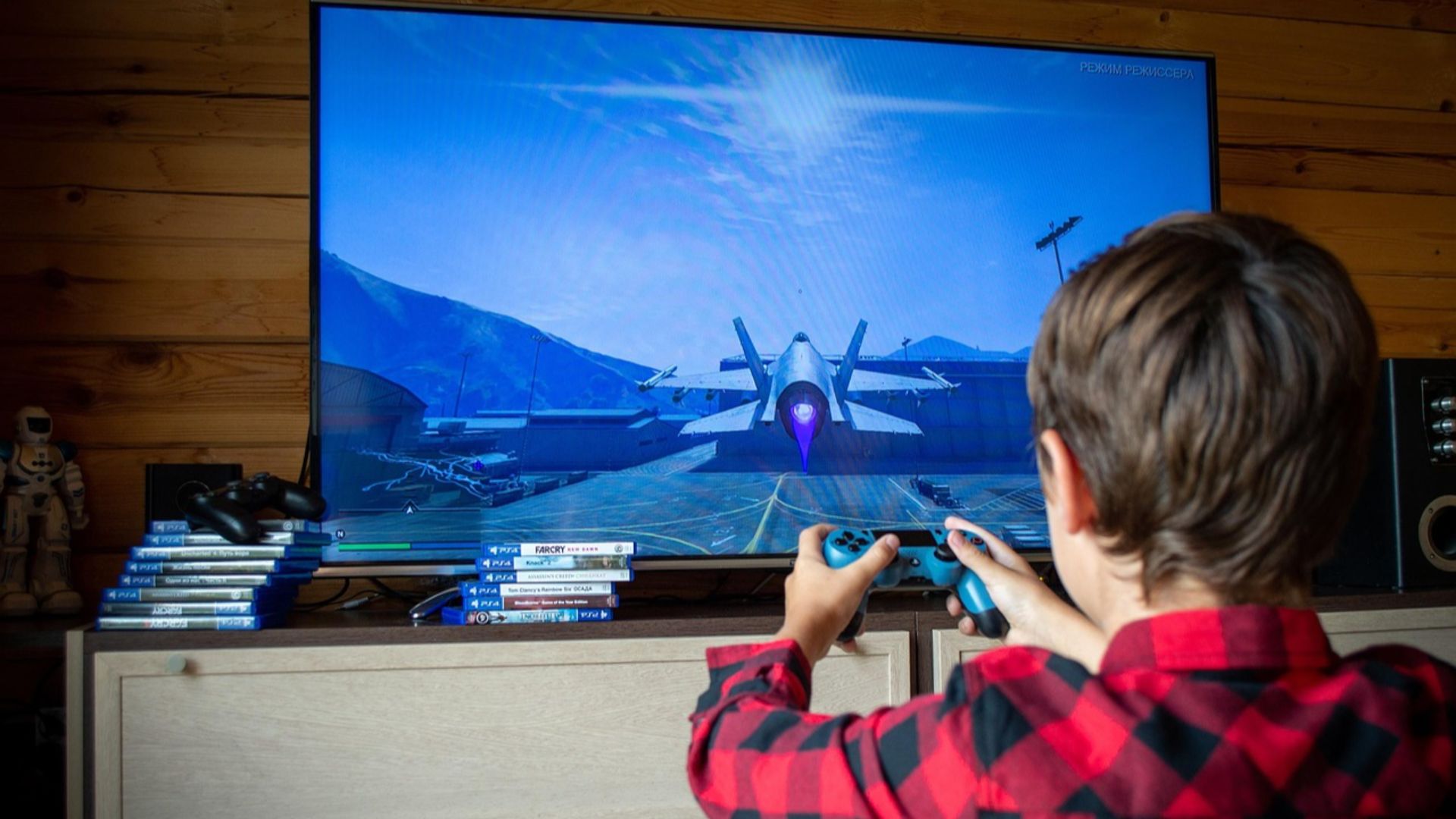
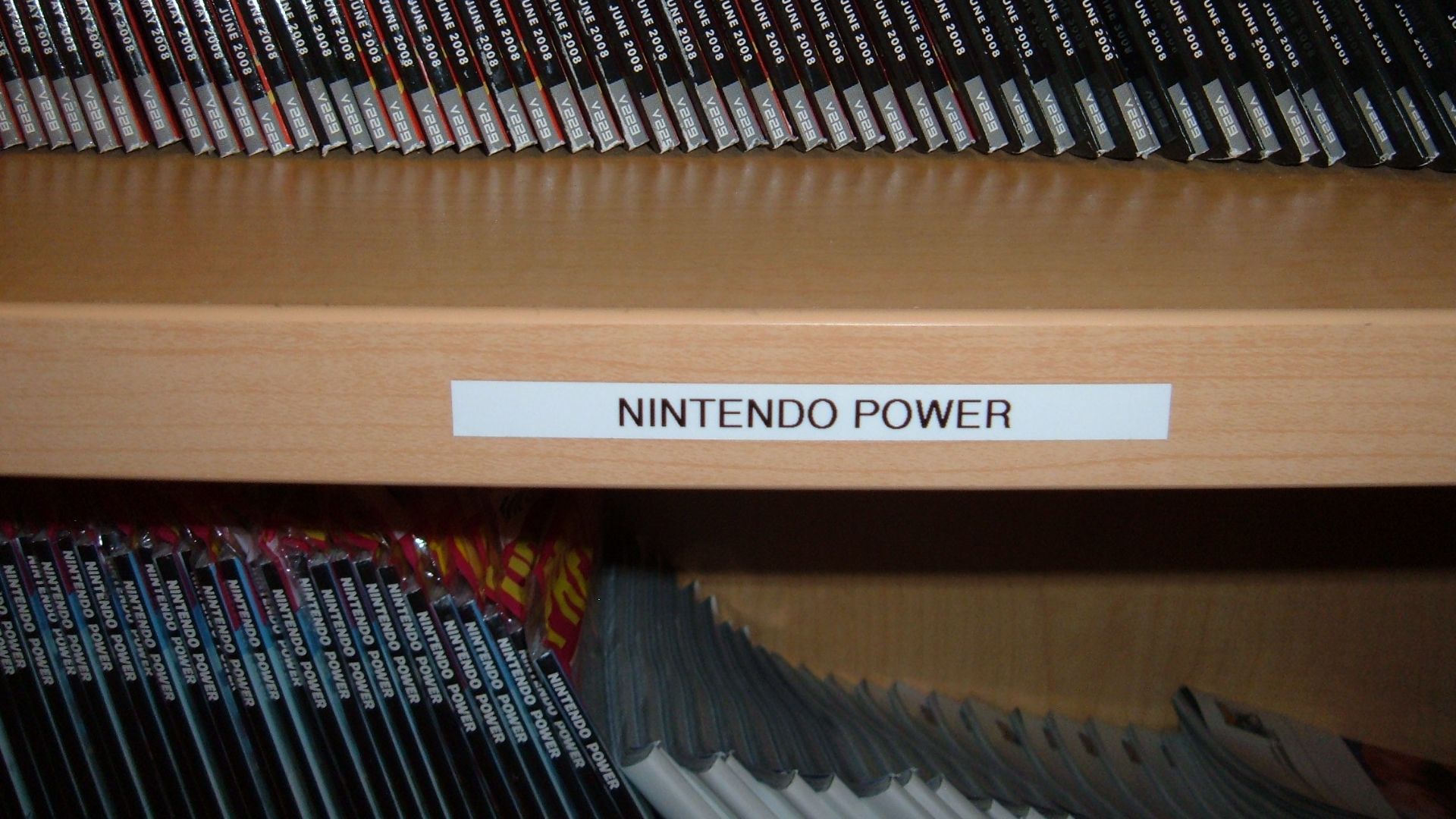
10. Nintendo Power
When Nintendo Power started in 1988, it wasn’t just promo fluff to a lot of kids. It was part roadmap, part brag sheet, part lifeline. People really did wait for tips, maps, and secrets to show up in print.
11. Help Arrived Slowly
Before walkthrough videos and live-stream clips, getting unstuck could take a while. Maybe a friend at school knew, maybe your older cousin did, maybe the answer turned up in a magazine three weeks later, and that lag changed how people dealt with frustration.

12. GameFAQs Still Took Some Work
When GameFAQs showed up in 1995, it helped, but it didn’t turn every hard game into a guided tour. Those giant text files still expected you to read carefully, translate what you were seeing, and do some thinking on your own.

13. Multiplayer
A lot of older multiplayer happened in the same room, with one TV, one bag of chips, and somebody getting way too loud during a close match. That setup made gaming feel personal in a way online play doesn’t always hit, and you learned by watching the people next to you.

14. You Learned From Others
When your friend took a run at Contra or Mike Tyson’s Punch-Out!!, You weren’t just waiting. You were studying patterns, memorizing little tells, and quietly hoping you wouldn’t blow it when the controller came back your way.

15. Families Had Less Guidance
The ESRB didn’t arrive until 1994, so earlier home console years came with a lot more guesswork. Parents were reading the box, trusting a store clerk, or just shrugging and bringing it home, which led to some memorable surprises.
16. Early PC Gaming Asked More From You
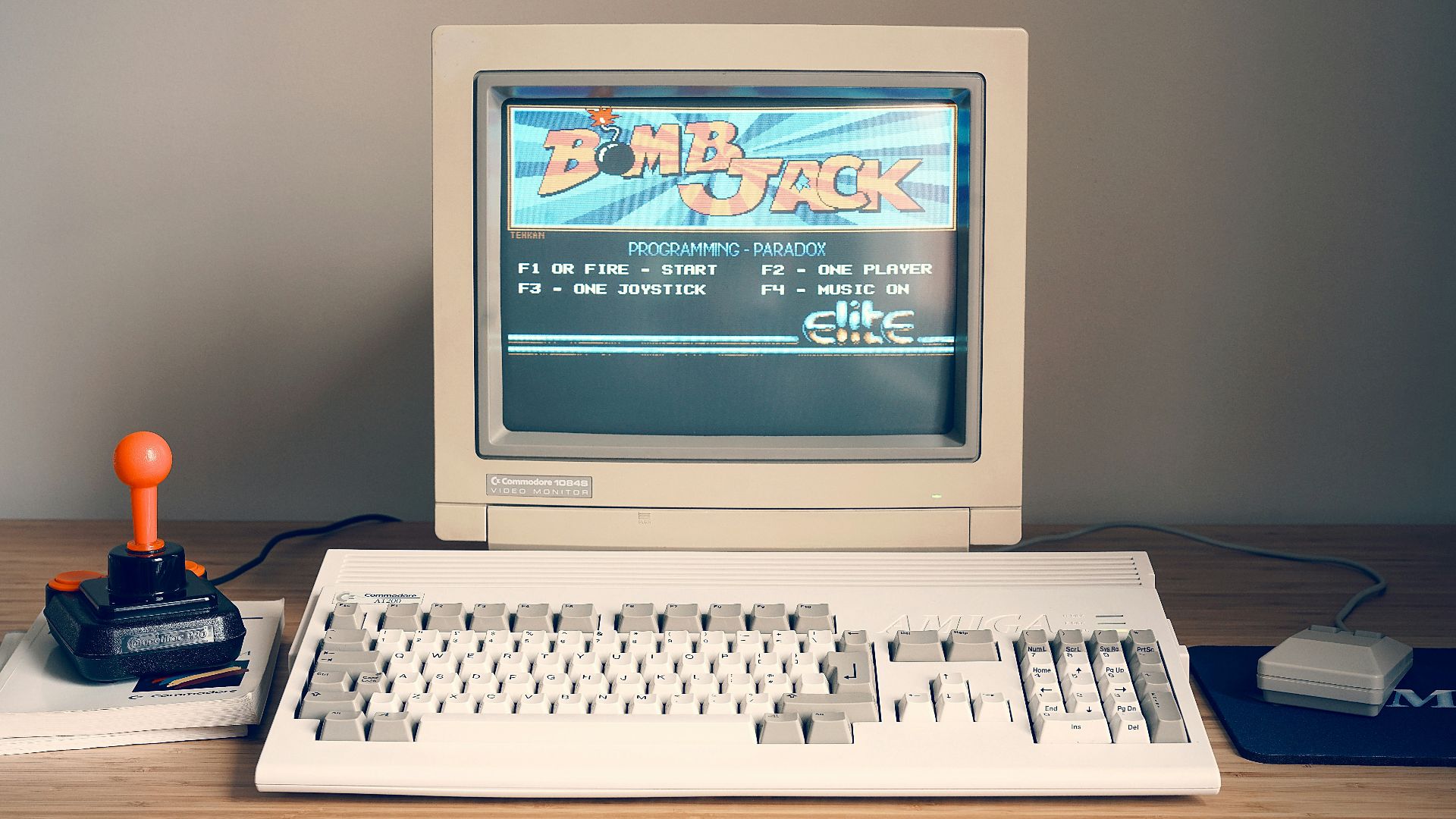
Installing and running games on a home PC in the nineties could mean dealing with setup screens, memory headaches, sound card issues, and little bits of tech confusion that now get smoothed away. People picked up real troubleshooting habits because they had to, not because they were trying to become computer people.
17. Printed Maps and Notes Were Part of Playing
Some players drew maps for dungeon crawlers, jotted clues in notebooks, or kept scraps of paper tucked into a game case. It sounds fussy now, but it came from a real need, and it kept you engaged with what the game was actually asking you to notice.
18. Progress Felt Easy to Lose
That sounds stressful, and sometimes it was. Still, a good run could disappear because you ran out of lives or forgot a password. Finishing something felt bigger, and people carried that feeling with them.

19. Scarcity Made People Go Deeper
Older players often spent more time learning one game well instead of bouncing between 20 half-finished ones. That wasn’t always noble or romantic; it was often just what the budget looked like, but it led to a deeper kind of familiarity.

20. All That Friction Built Patience
Quarter-fed arcades, thin manuals, weekend rentals, delayed tips, and uneven save systems made people slow down, pay attention, and keep going after a bad run. That doesn’t make modern players soft, but it does explain why older gamers often came away with better memory, more grit, and a stronger feel for how games actually worked.