Meeting Strangers Off the Internet? 10 Red Flags to Look Out For & 10 Tips to Stay Safe
Meeting Strangers Off the Internet? 10 Red Flags to Look Out For & 10 Tips to Stay Safe
Strangers Off the Web
Meeting someone online and finally deciding to see them in person can feel exciting, but it also asks you to trust what you know against what you don’t. Whether the connection started on a dating app, a social platform, a forum, or through a mutual interest group, the smartest approach is to trust your gut and never drop your guard. Sometimes, it pays well to be a little paranoid. Here are 10 warning signs to watch out for before meeting anyone off the web, and 10 tips to stay safe.

1. They Avoid Basic, Verifiable Details
If someone stays vague about where they live, what they do, or even giving their name to you, that should make you pause. People don’t have to share everything right away, of course, since they could be wary of you as well, but a complete lack of concrete detail can signal dishonesty. If they're constantly beating around the bush, that should raise alarm.

2. Their Story Keeps Shifting
Small inconsistencies happen, but repeated contradictions are different. If they tell you one thing about their age, job, relationship status, or background and later say something else, don’t brush it off. A person who’s being honest usually doesn’t need to keep revising the same facts.

3. They Try to Move Things Forward Too Fast
If you're on a dating app, intensity can feel flattering at first, especially if someone seems extremely interested in you right from the get-go. Still, it’s worth noticing when a stranger pushes for an immediate meetup or starts making emotional promises early. Anyone worth meeting should be able to respect a normal pace and prioritize your comfort.

4. They Resist Video Calls or Real-Time Interaction
Not everyone loves being on camera, but total avoidance can be a problem when you’re considering meeting in person. If they always have a reason they can’t video chat, won’t send a current voice note, or dodge any live interaction, ask yourself why. It might mean they’re hiding more than just nerves.

5. They Push You to Keep the Relationship Secret
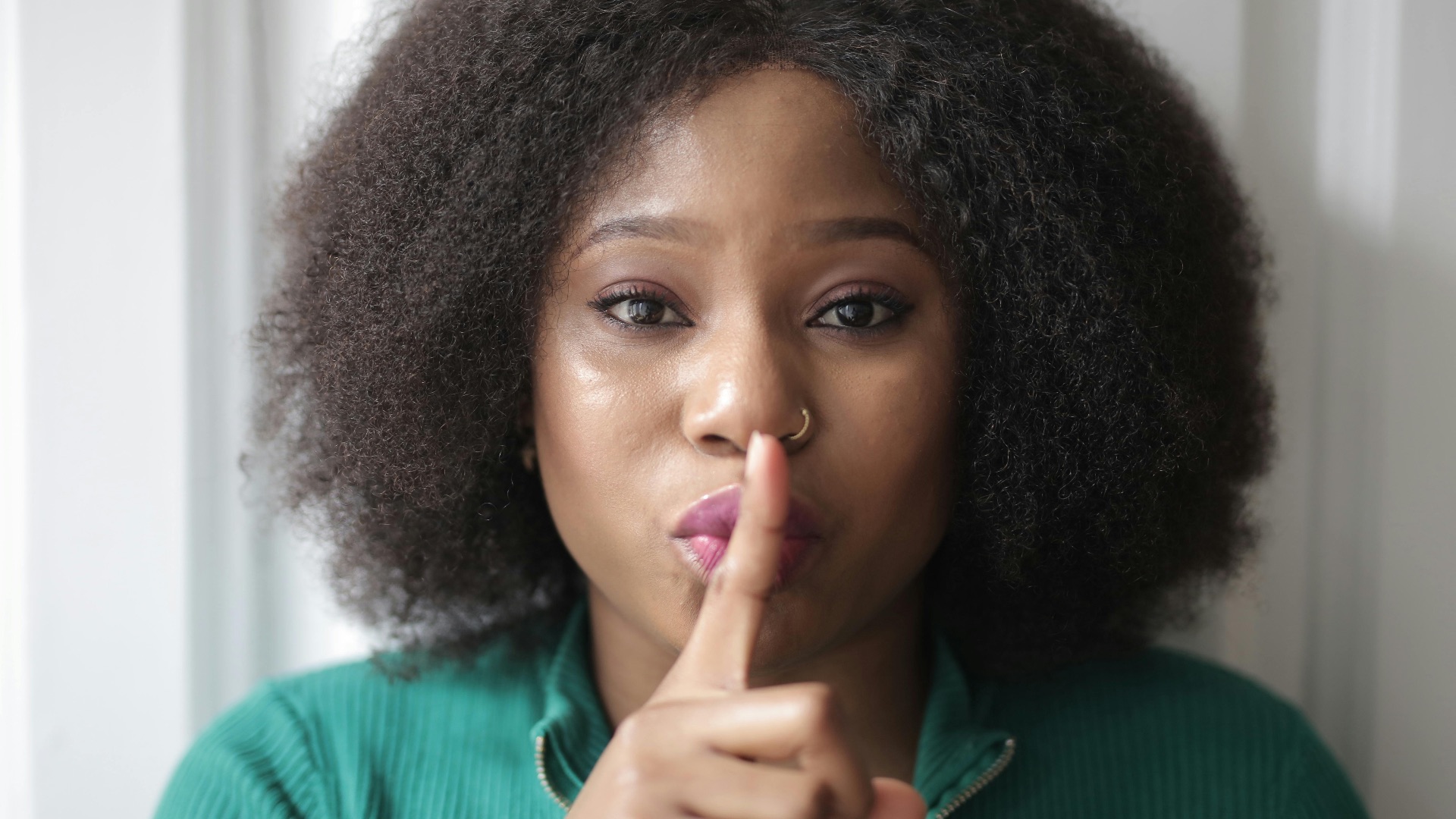
If they tell you not to mention them to your real-life friends or discourage you from sharing meetup plans, take that seriously. Safe people don’t need to isolate you in order to meet you, even if they're "just nervous," and anyone who benefits from you being unaccounted for is not someone you should trust.
6. They Ignore Boundaries in Small Ways
A lot of unsafe behavior can actually be subtle. It can look like pushing for more personal information than you want to share, insisting on late-night calls after you’ve said no, or dismissing your discomfort as overreacting. If they don’t respect boundaries online, there’s no reason to assume they’ll respect them offline.

7. They Change the Meeting Conditions Last-Minute
Last-minute changes aren’t always suspicious, but repeated or strategic ones deserve attention. Maybe the public coffee shop suddenly becomes their apartment, or the afternoon meetup turns into a late-night drive somewhere unfamiliar. Sudden shifts can make a plan less safe and give you less time to think clearly. When a person keeps steering the situation away from what you agreed to, think twice before agreeing to meet them.

8. They Ask for Money, Favors, or Sensitive Information
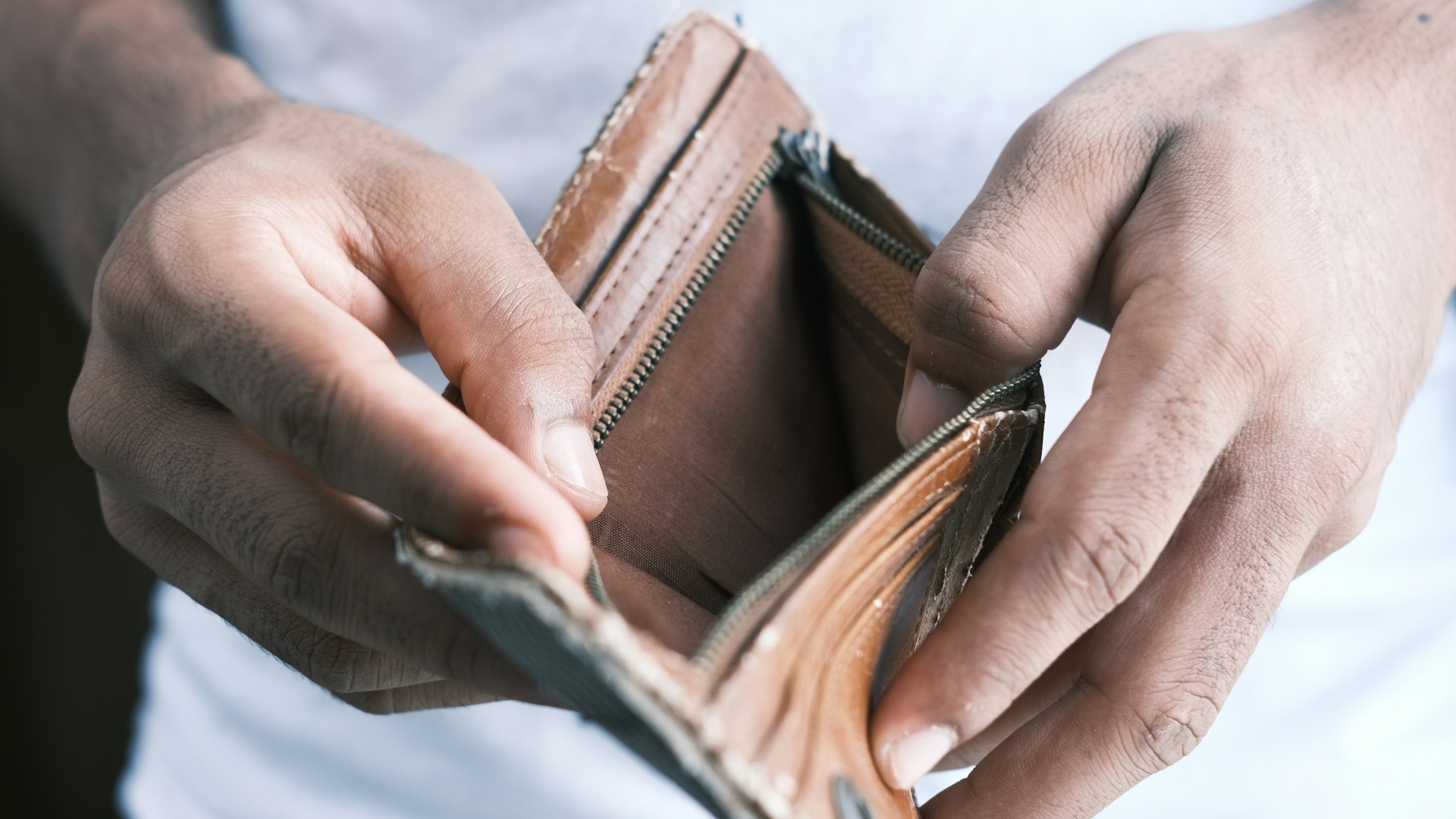
Once someone starts asking for financial help, gift cards, banking details, passwords, or private documents, you’re no longer dealing with a casual social connection. Even if the request or their emotions sound genuine, it should raise immediate concern. They are, after all, still a stranger you haven't met in real life.
9. Their Online Presence Doesn’t Add Up
You don’t need to go into a full investigation, but obvious gaps can still matter. Maybe their photos seem inconsistent, their social media looks brand new, or their accounts across platforms don’t seem to connect to the person they claim to be. A strange digital footprint doesn’t prove danger on its own, but it can signal that something’s off, so listen to your gut.
10. You Feel Uneasy and Keep Talking Yourself Out of It
Don't underestimate your sixth sense. If you keep noticing tension, doubt, or a sense that something feels wrong, don’t force yourself to ignore it just because you can’t produce perfect proof. People often minimize their own discomfort because they don’t want to seem rude or unfair, but your safety matters more than being polite to someone you haven’t met. Always trust your gut.
Now that we've covered the red flags to watch out for, the next step is making sure you stay safe if you do agree to meet someone off the internet.

1. Meet in a Public Place You Chose on Purpose
Choose a location with other people around, reliable cell service, and an easy exit if you want to leave. A busy coffee shop, casual restaurant, or well-trafficked public space gives you more control than a private residence or isolated area. It also makes it easier to get help or step away without a scene.

2. Tell Someone Exactly Where You’re Going
Before you leave, share the person’s name, profile details, meeting place, and planned time with a friend or family member. Let them know when you expect to check in and what they should do if you don’t. This way, the people you trust are aware of your whereabouts if things go south.

3. Arrange Your Own Transportation
Always get yourself to and from the meeting place without relying on a stranger. If they pick you up, they'll know exactly where you live too early, and you lose a layer of control that’s hard to get back. Using your own car, public transit, or a rideshare gives you more freedom to leave when you want. Independence is one of the strongest safety tools you have.

4. Keep Personal Information Limited at First
You don’t need to hand over your home address, workplace details, daily routine, or other sensitive information just because you’re meeting in person. Early on, it’s better to stay selective about what you reveal. The more a stranger knows, the easier it becomes for them to track, pressure, or manipulate you later, so be wary.
5. Set a Time Limit Before the Meeting Starts
Having a built-in endpoint makes it easier to leave if you're not feeling a connection. You can plan for a quick coffee, a short walk in a busy area, or another low-commitment activity that doesn’t trap you for hours. Remember: your comfort matters most, so a first meetup doesn’t need to be long to tell you if you want to see this person again.

6. Stay Sober and Alert
If you’re drinking or otherwise not fully aware, your ability to read the situation and make decisions gets weaker. That’s especially risky when you’re with someone you don’t know well yet. Unless your tolerance is pretty good, make sure to keep to one drink, or better yet, stick to soda instead.
 Priscilla Du Preez 🇨🇦 on Unsplash
7. Use Your Phone as a Safety Tool
Make sure your phone is charged and your location services are on if you want someone to track your route, and keep your emergency contacts a dial away. It can also help to keep a screenshot of their profile and any relevant messages before you meet. During the meetup, stay aware of your surroundings; you don't want to be distracted and let your guard down in front of someone you don't know well yet.
 Priscilla Du Preez 🇨🇦 on Unsplash
8. Leave the Moment Something Feels Off
You never need a concrete reason to end a meeting early. If they give you bad vibes, or are simply different from what they represented online, take your leave. You don’t owe them a long explanation; protecting yourself should always come first before preserving a stranger’s feelings.
 Viktoria Slowikowska on Pexels
9. Watch How They Respond to “No”
One of the best ways to judge safety is to notice what happens when you set even a small boundary. Maybe you decline a drink, refuse a ride, say you need to leave by a certain time, or reject a change of plans. A respectful person adjusts without making you feel guilty. Someone who argues, sulks, or pushes harder, on the other hand, is showing you a glaring warning sign.

10. Follow Up with Yourself Afterward
Take a minute after the meeting to think about how you felt during the interaction. Sometimes people seem more charming and friendly online than they are in real life, and that's something you should keep in mind. If you're left feeling tense, pressured, or unsettled afterward, that can help you make a better choice about whether you should even ever see them again.