The Stories Behind Mario and Pikachu and More
You might spend hours guiding your favorite characters through epic worlds and intense battles, but you would be surprised to learn how many of them started as mere doodles or technical accidents. The creation of a gaming icon often involves a mix of hardware limitations, late-night inspiration, and sometimes just a bit of sheer luck. From characters born out of licensing failures to those inspired by actual pets, the stories behind their debuts are frequently as entertaining as the games themselves.
1. Mario’s Career Change
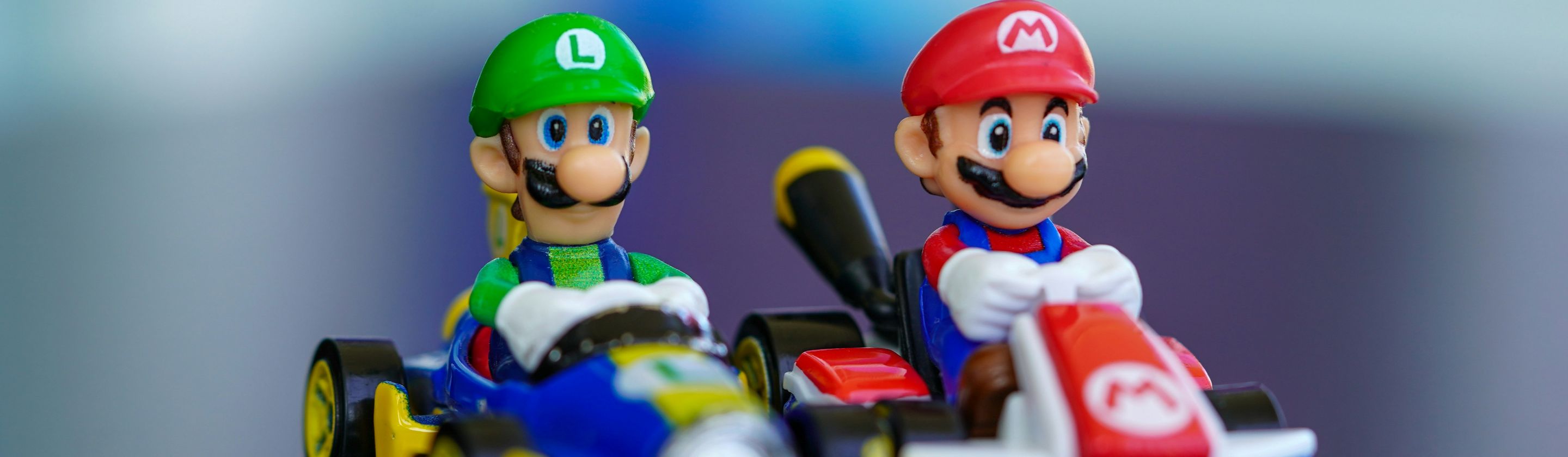
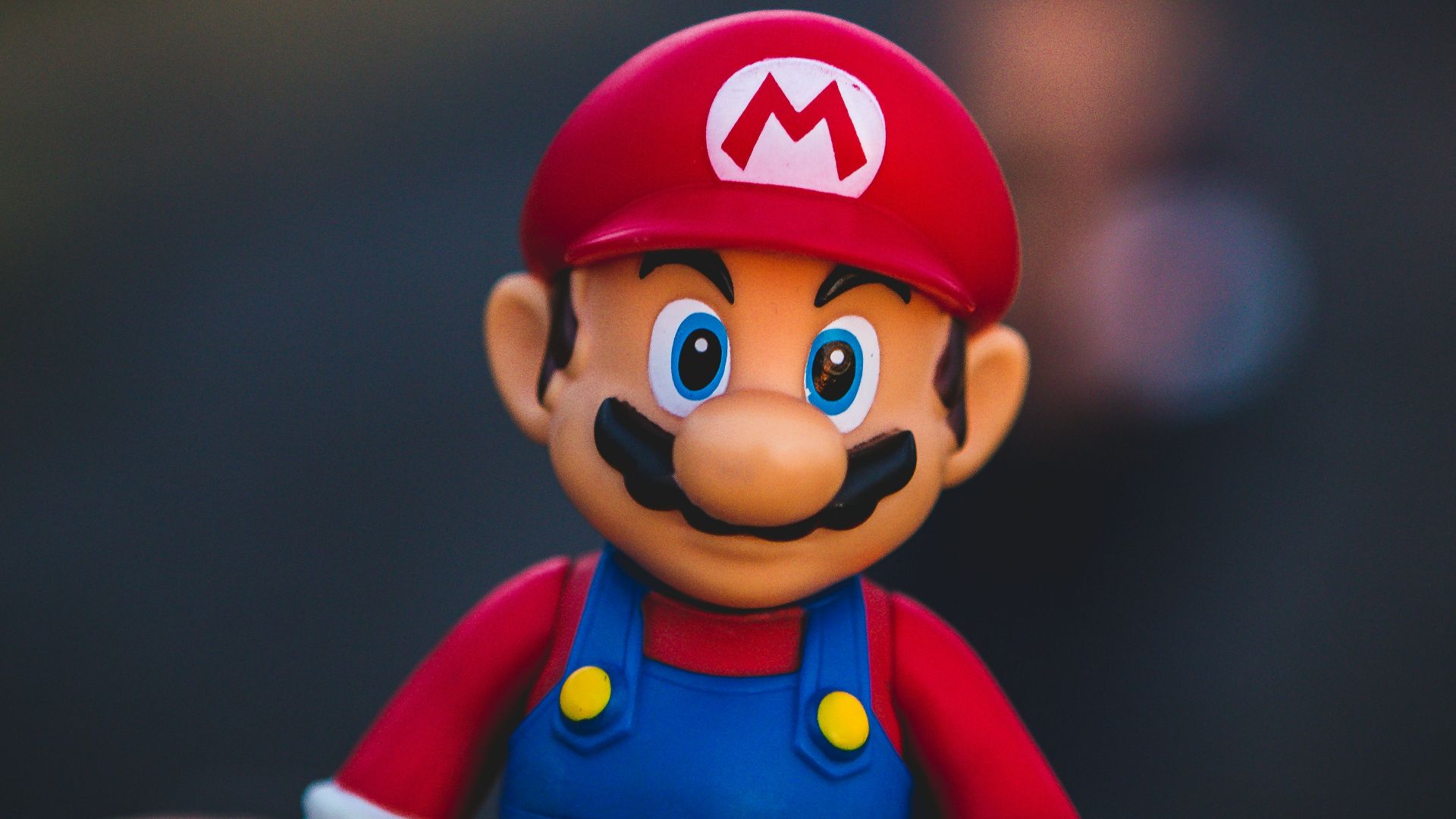
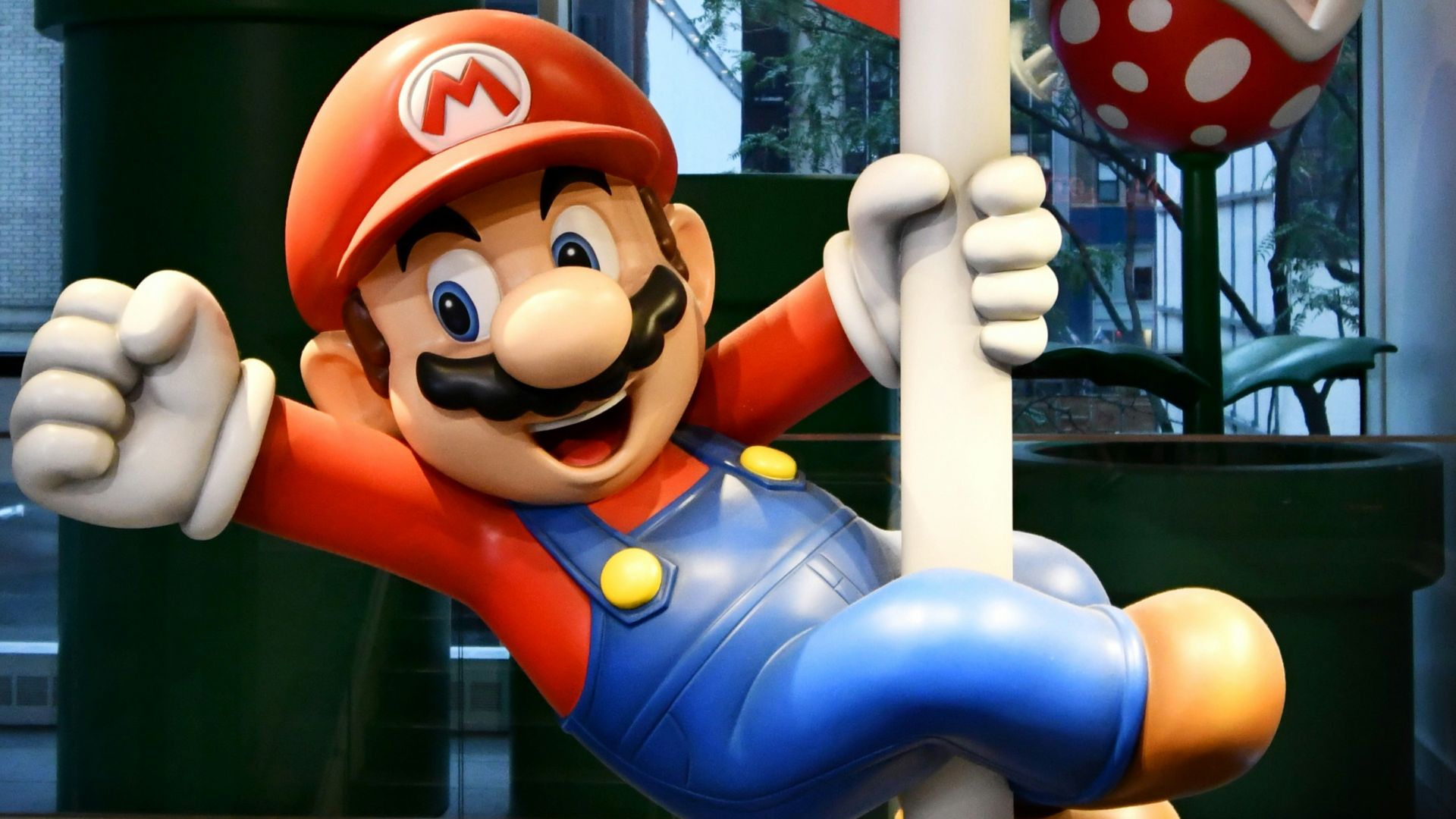
Before Mario became the most recognizable plumber in the world, he was not a plumber at all. He was a carpenter in the original Donkey Kong and was even nicknamed “Jumpman” early on. Nintendo gave him a mustache and a hat to hide the fact that they could not render facial expressions and hair with the limited pixels in the early ’80s.
2. Sonic’s Need for Speed
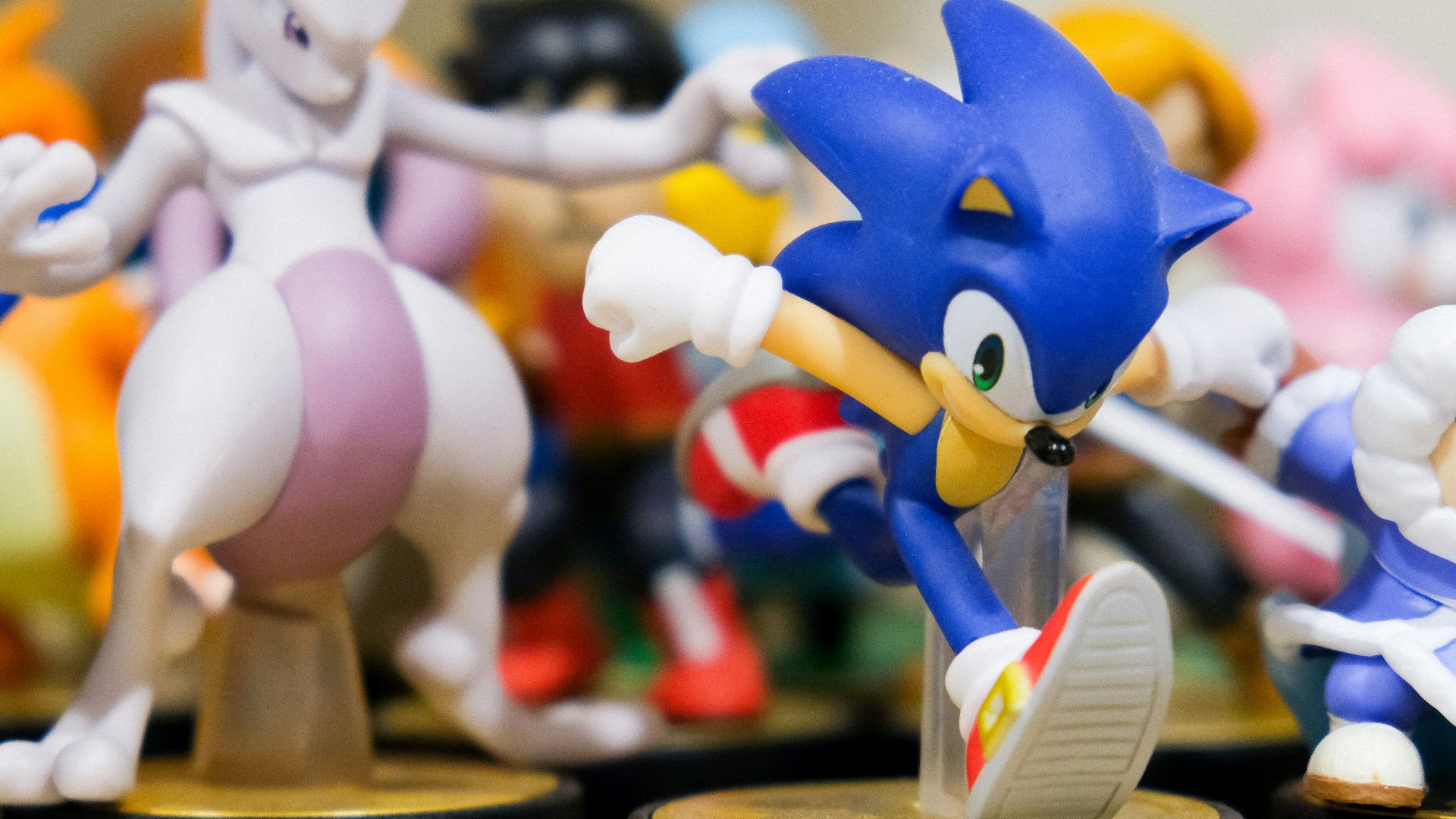
Sega’s hedgehog was not always supposed to be a hedgehog. An early concept for Sonic featured him as a rabbit with powerful ears that could pick up objects. There was also an armadillo version at one point.
3. Pikachu’s Sweet Inspiration
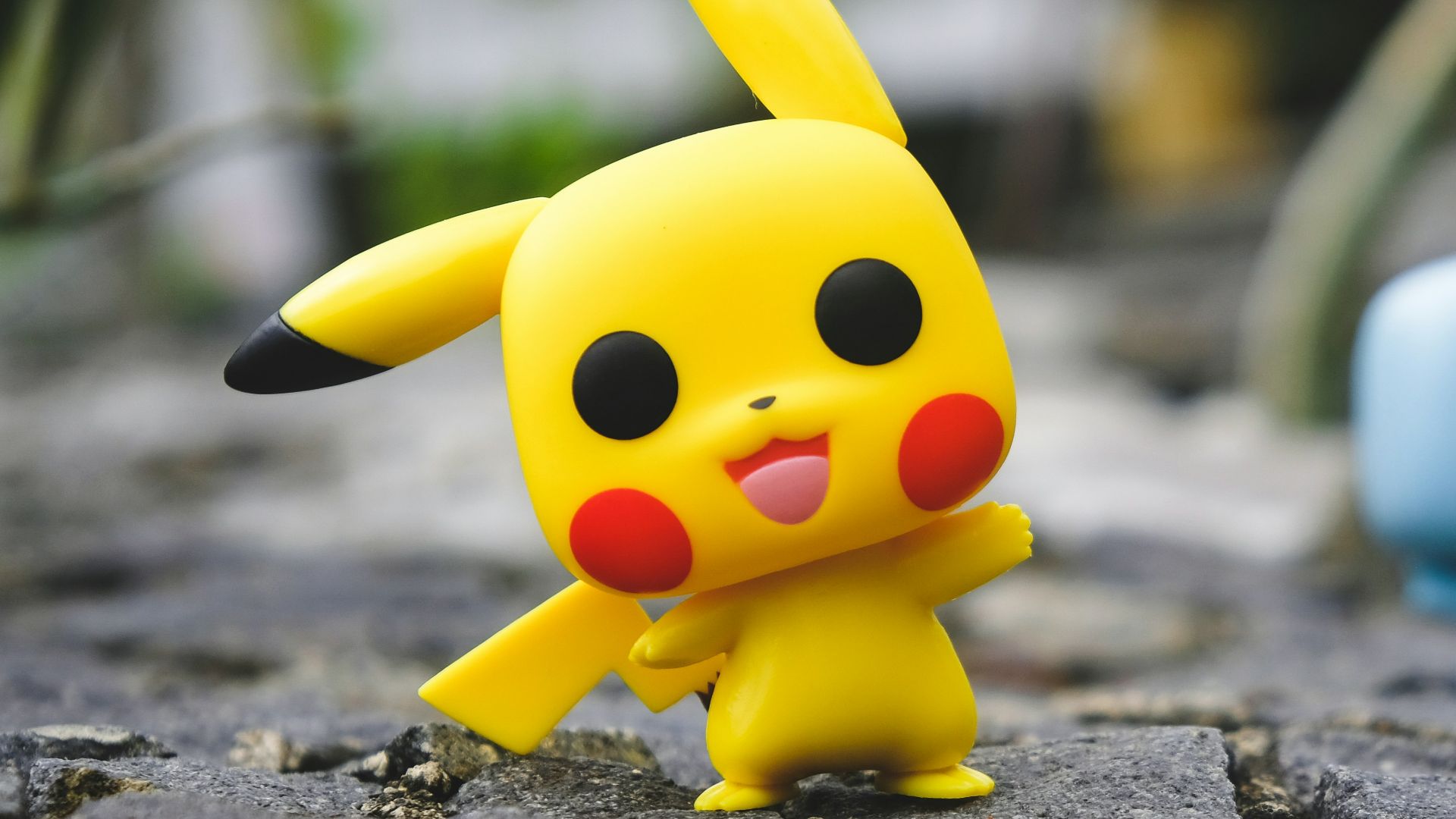
While many believed Pikachu was based on a mouse, Pokémon designer Atsuko Nishida has confirmed that it was actually a squirrel. Pikachu’s design was inspired by the ability to store electricity in its cheeks, just like a squirrel stores nuts in theirs. Pikachu’s designer also added large ears to differentiate it from other Pokémon.
4. Pac-Man’s Lunch Break
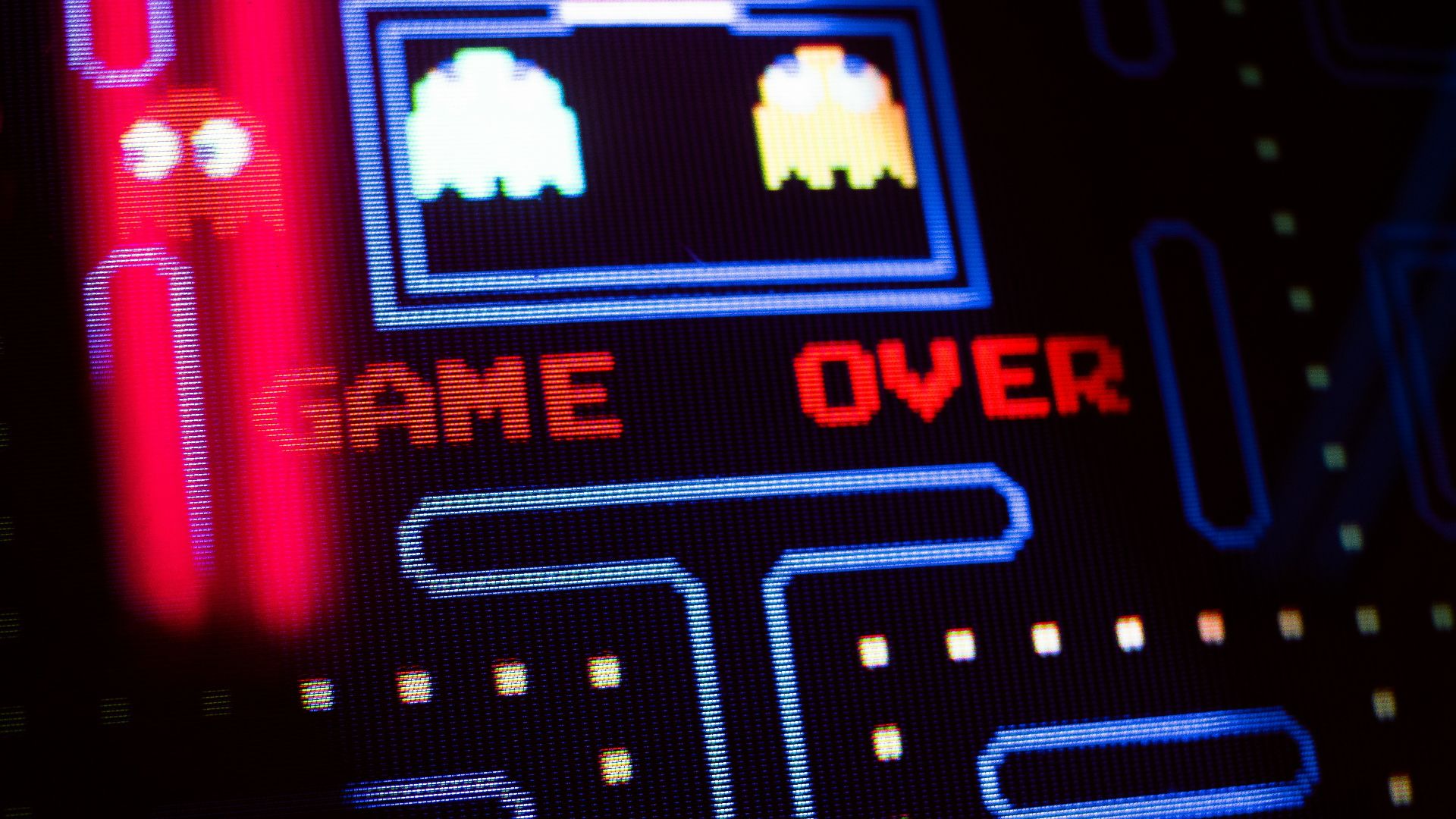
Game designer Toru Iwatani found inspiration for Pac-Man’s character design after staring at a pizza with a slice missing. While developing the character, he felt he should make a game that focused on “eating” instead of the typical shooting games at the time in order to attract more female players.
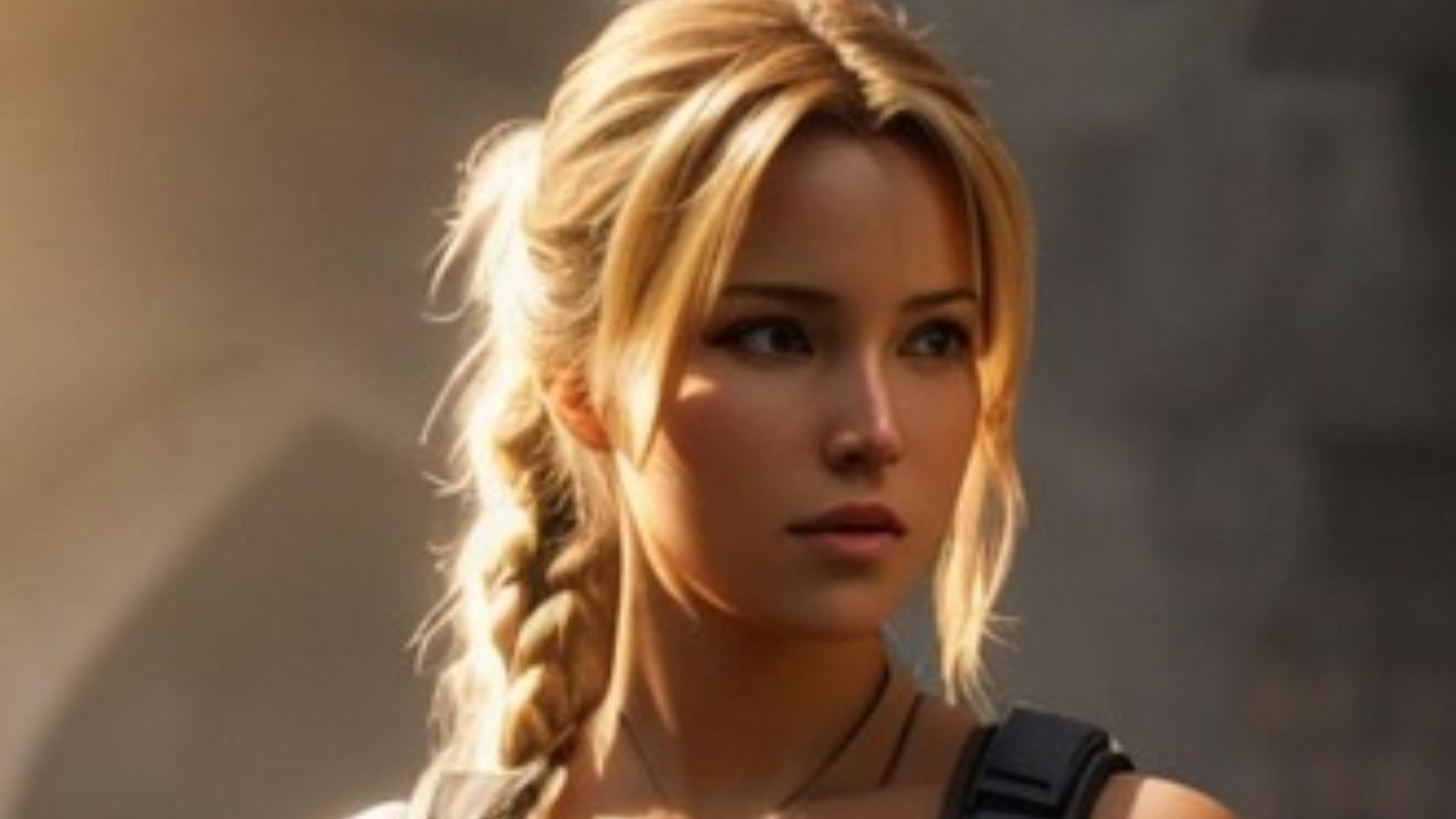
5. Lara Croft’s Accidental Curves
Lara Croft was accidentally given larger proportions by developer Toby Gard, who was adjusting her proportions in the initial Tomb Raider build. When the team noticed, they encouraged him to keep the figure, as they believed it would help sales. Lara Croft was even intended to be male at one point.
6. Kirby’s Placeholder Look
Kirby was supposed to be a simple yellow ball character but ended up sticking due to Kirby’s saucer-like appearance when his face was created. Designer Masahiro Sakurai simply used Kirby as a placeholder sprite and worked on the character’s mechanics throughout Dream Land’s development.
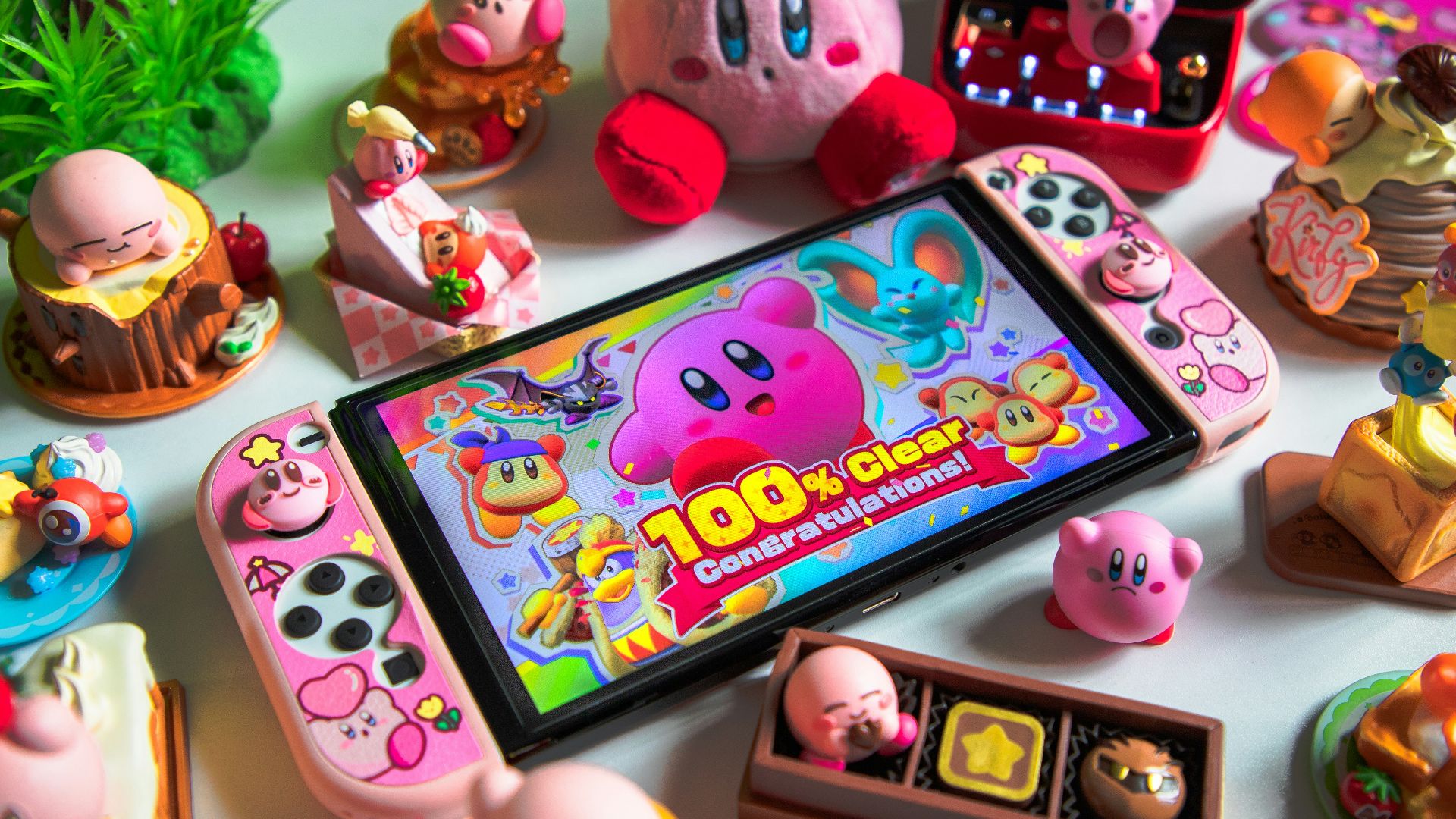
kirby
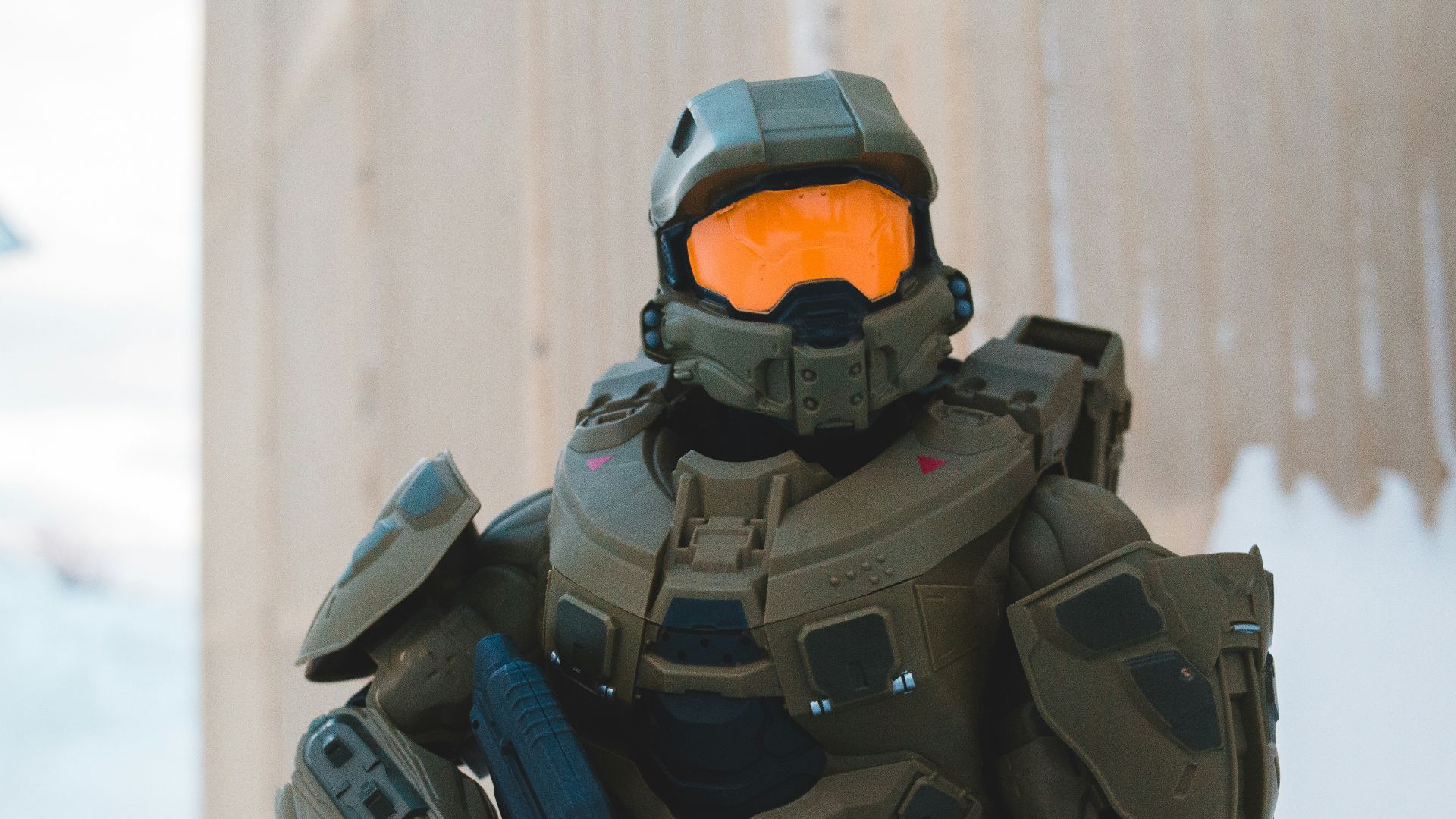
7. The Master Chief’s Mystery
The Chief was actually originally going to be the star of a real-time strategy game on the Mac instead of the FPS juggernaut known today. His boxy, armored look was meant to convey a cold, efficient war machine designed for combat. The design team also left his face hidden.
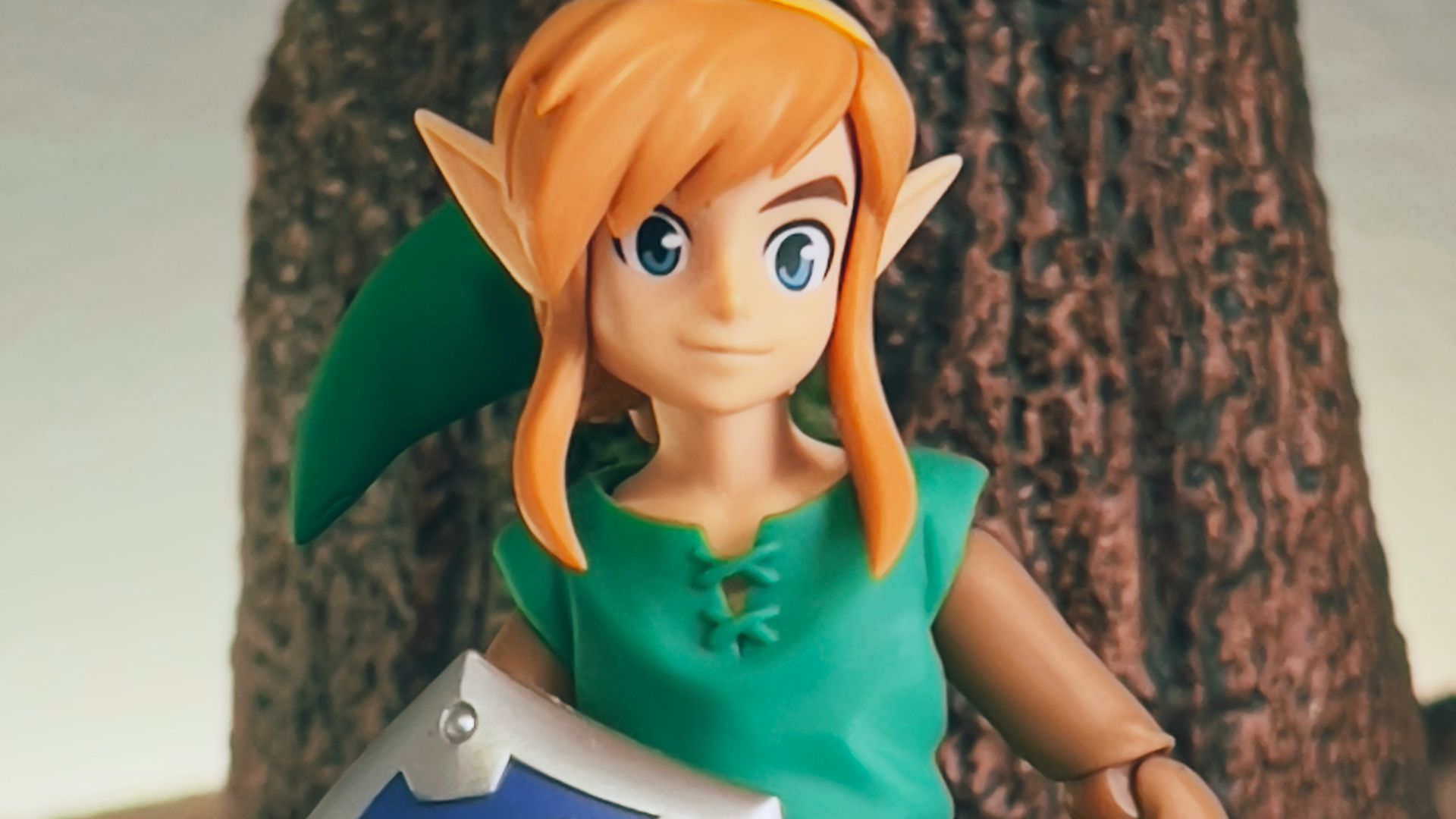
8. Link’s Disney Roots
Video game legend Link was inspired in appearance by Disney’s Peter Pan, hence his green color and pointy ears. Link also embodies that classic fairy tale adventure story, wandering into dangerous lands and meeting fantastical creatures along the way. As for his name, he was purposefully named to act as a connection between the player and the game’s world.
9. Crash Bandicoot’s Internal Name
Sony’s unofficial mascot during early development was designed around the idea that players would spend the entire game looking at his backside while running into the screen. Naughty Dog chose a bandicoot because it was an obscure Australian animal that had not been used by other companies yet. His manic personality and signature spinning move were designed to give him a chaotic edge that set him apart from more polite platforming heroes of the era.
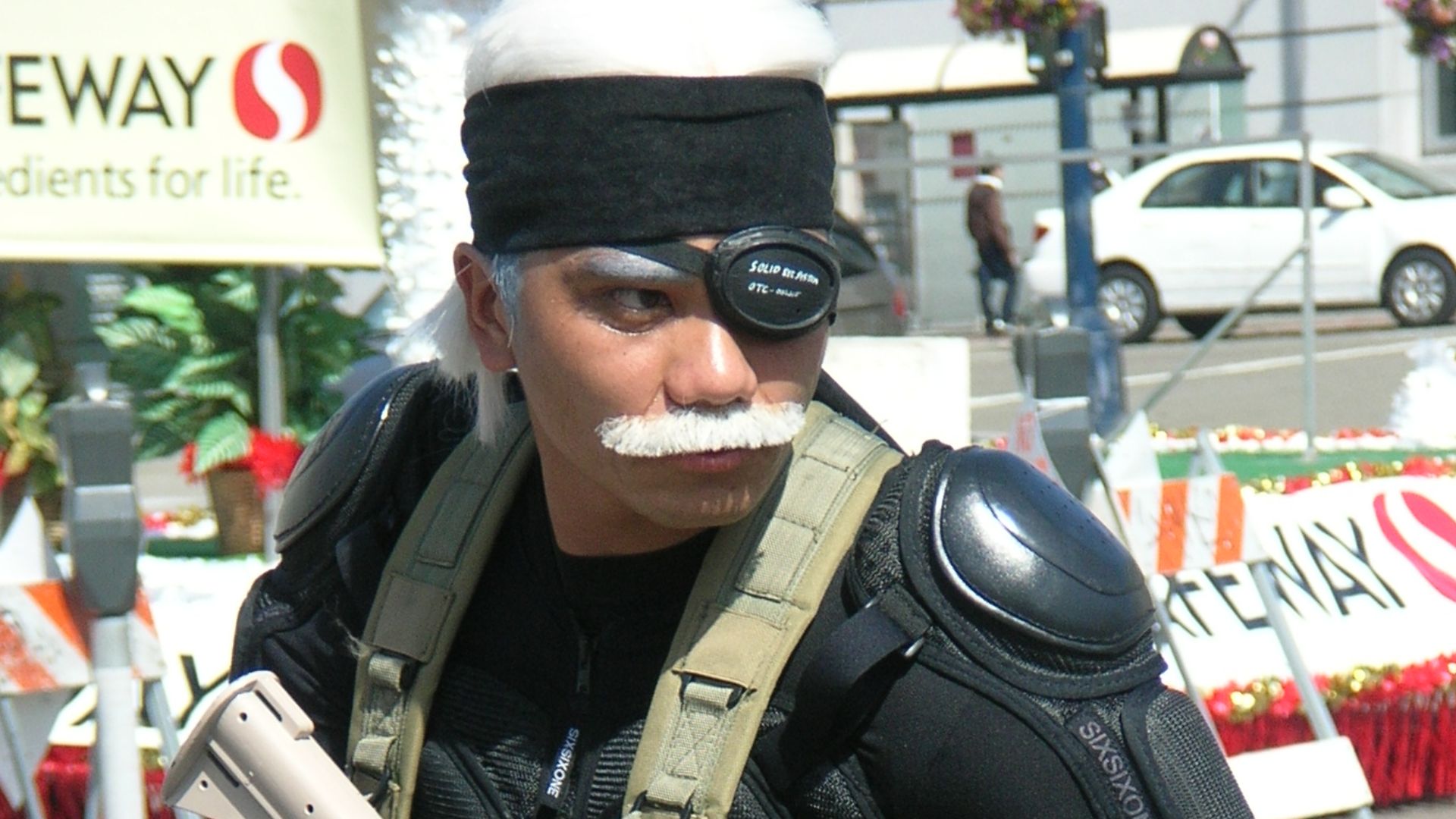
10. Solid Snake’s Movie Star Face
Metal Gear Solid’s Solid Snake was inspired by action heroes such as Snake Plissken and Mel Gibson. Kojima wanted his hero to feel like an experienced veteran who was not afraid to do whatever it took to complete his mission. Snake was also given a codename.
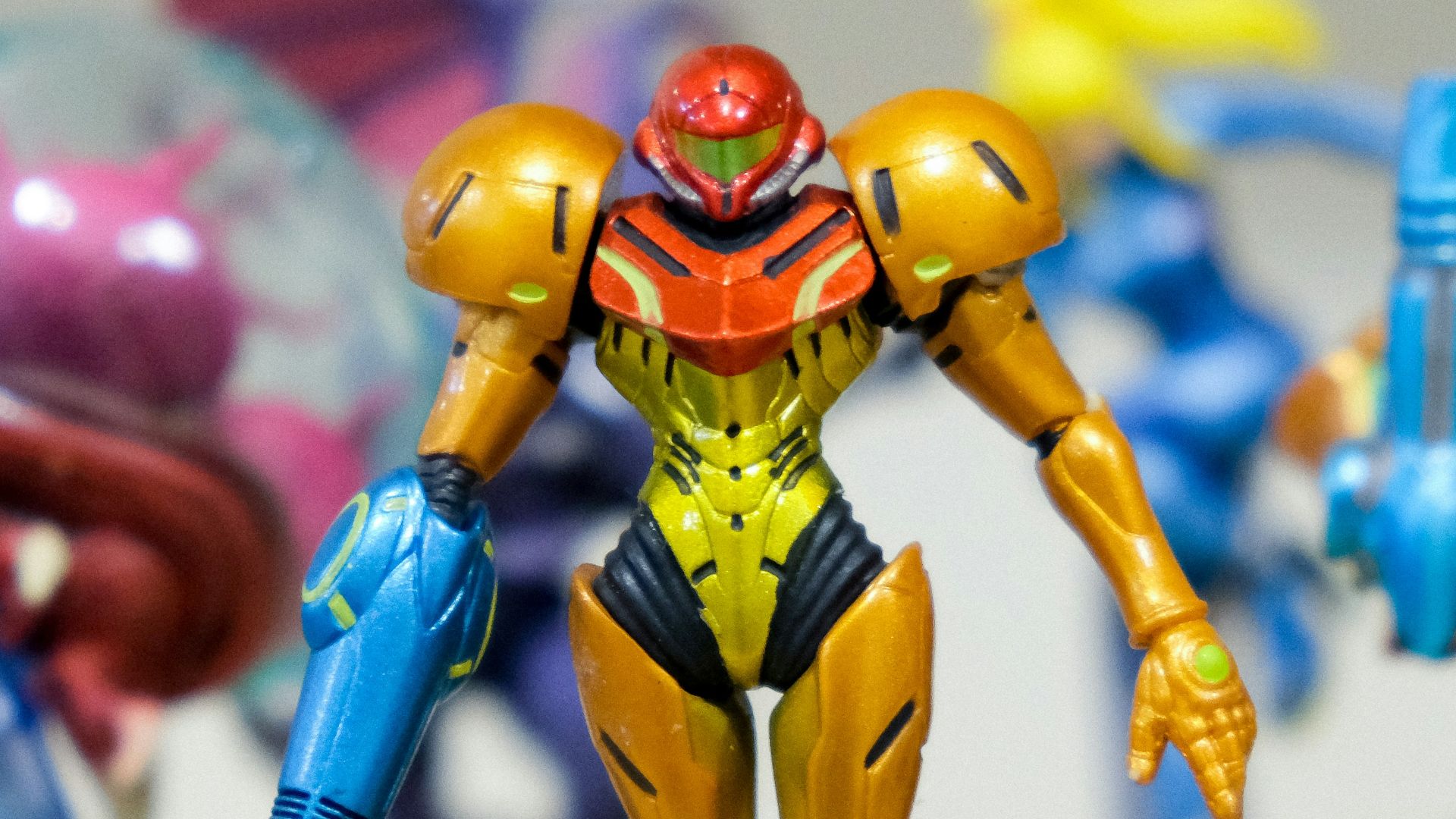
11. Samus Aran’s Shocking Reveal
Metroid’s lead developer Koichi Sugiyama had the idea to reveal Samus was female at the end of the game to surprise the player. Because the instruction manual referred to Samus with male pronouns, players were not expecting the gameplay twist. Samus Aran was also designed to resemble extraterrestrial warriors from the popular Alien movie franchise.
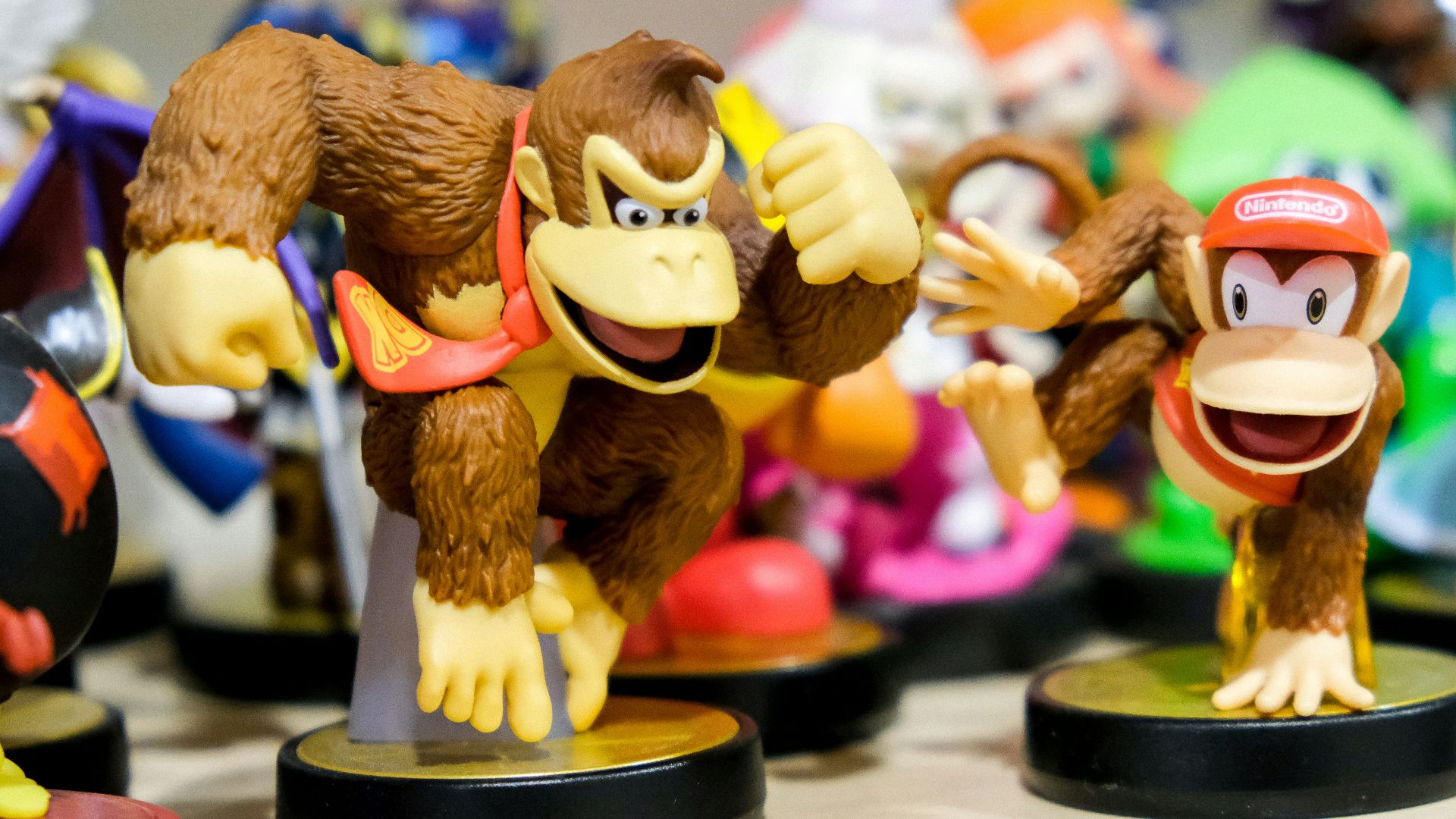
12. Donkey Kong’s Naming Confusion
Miyamoto wanted a name that suggested the character was a silly ape, and he believed the word “Donkey” meant “stubborn” or “silly” in English. There is a long-standing myth that the name was a typo for “Monkey Kong.” But the creator has confirmed he deliberately chose the word from a dictionary.
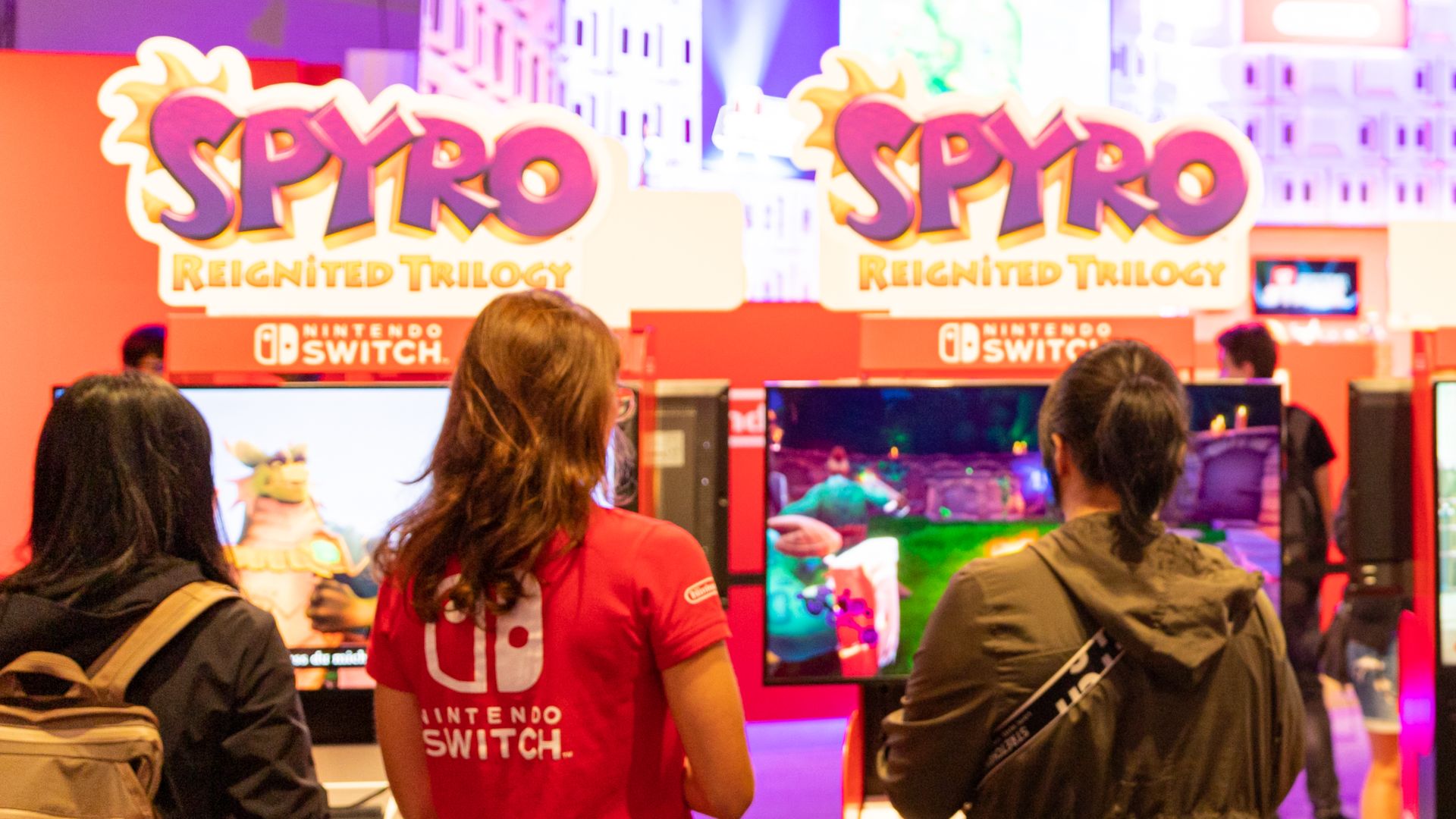
13. Spyro’s Color Palette
Spyro was originally green before developers realized he would blend into level backgrounds. His color was switched to purple to stand out against sprites and give him a magical feel. His liftoffs were even refined using NASA’s hang glider physics.
14. Mega Man’s Blue Hue
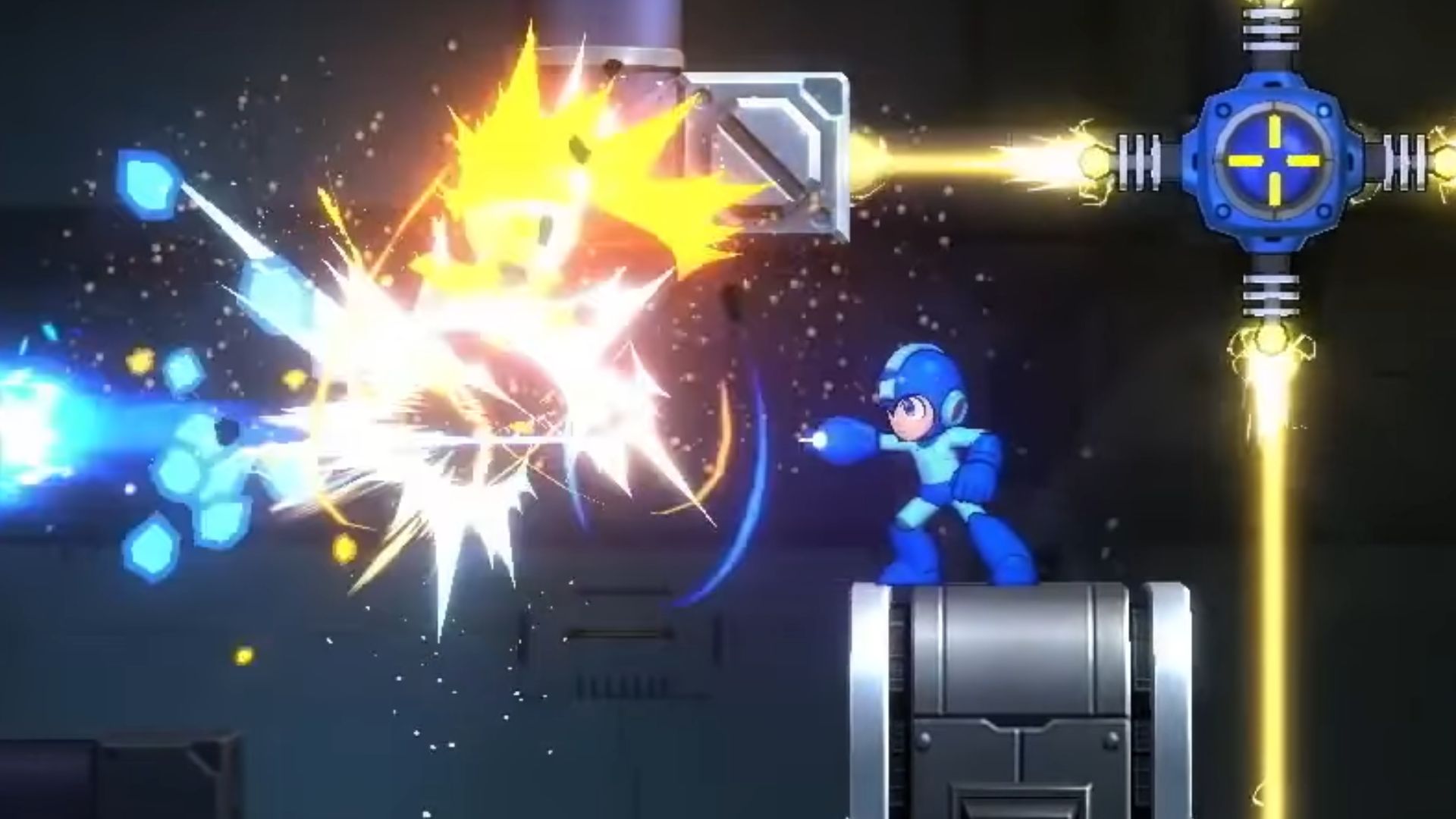
Video game hero Mega Man is blue for the same reason Mario sports a mustache. The NES only allowed for a limited selection of colors but had a wide variety of blue. Because of this, Mega Man could be rendered with greater detail.
15. Kratos’s Transformation
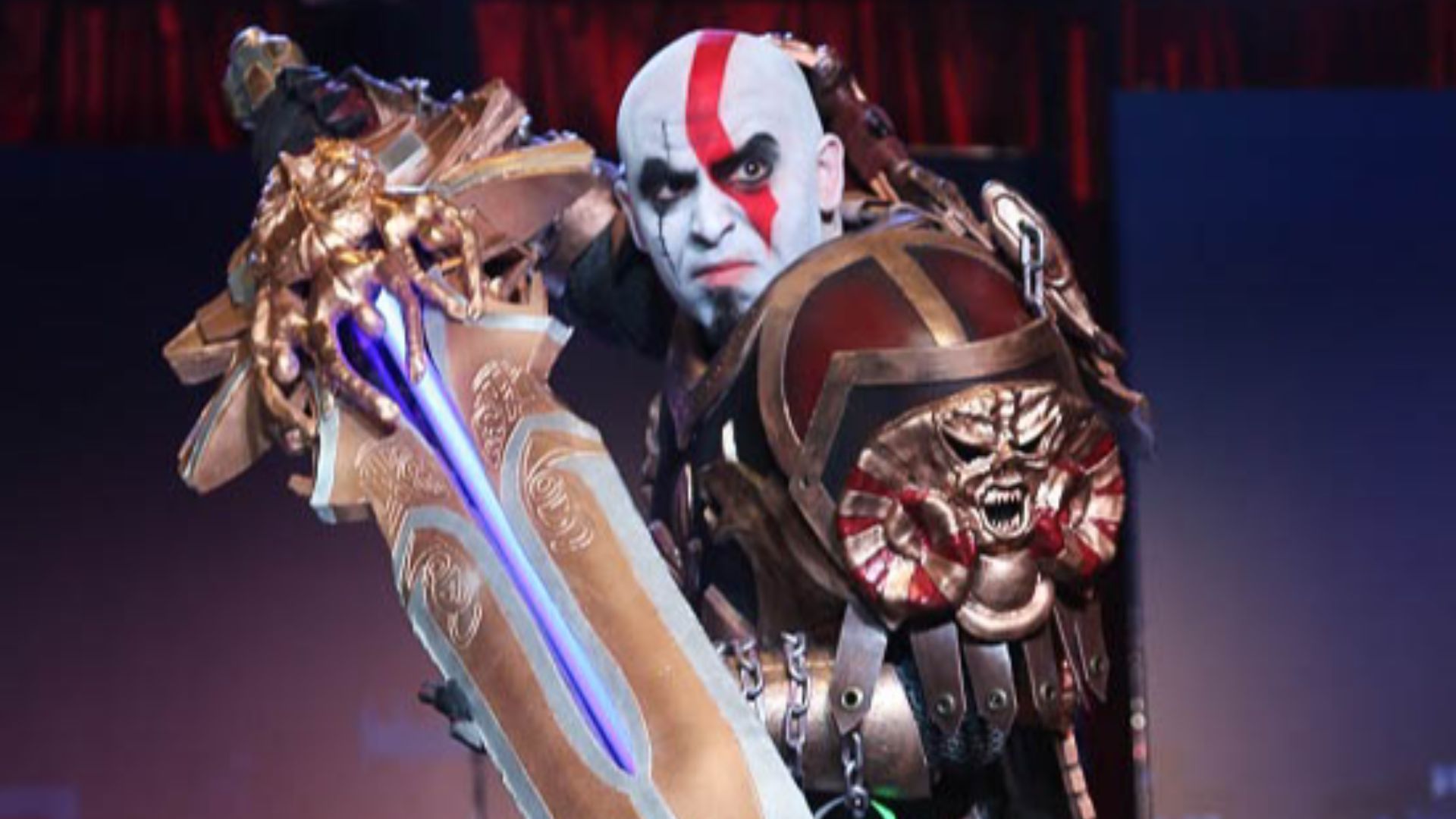
God of War’s main protagonist was originally a blond-haired, blue-skinned warrior before his appearance was changed. His color palette was changed to signify how he became covered in the ashes of his family as written in his backstory. The color of his tattoo was changed from blue to red due to conflicting similarities.
16. Geralt of Rivia’s Literary Path
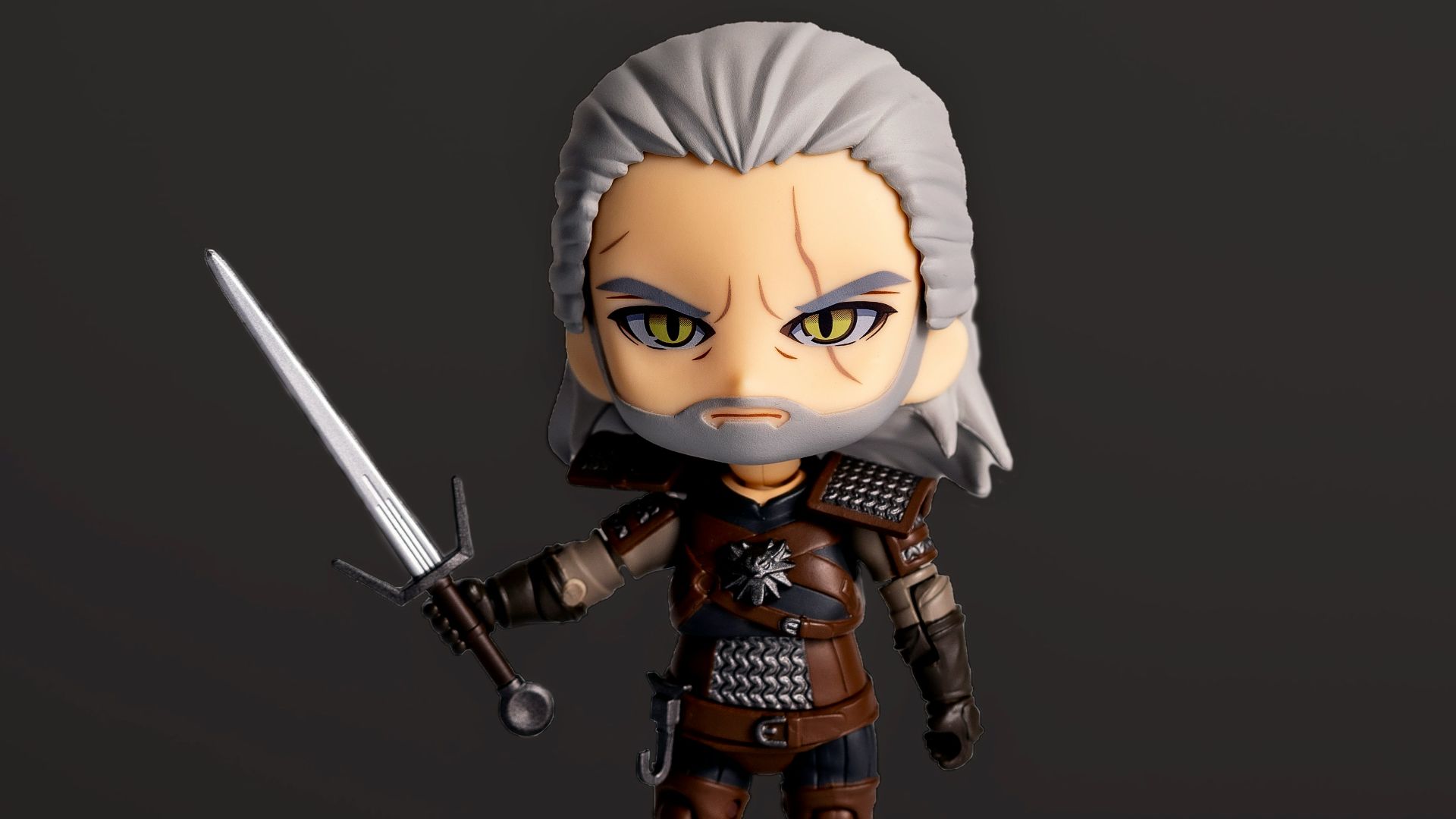
Unlike most icons, Geralt was already a star in a series of Polish fantasy novels long before he ever appeared on a computer screen. CD Projekt Red had to figure out how to translate his “Witcher” abilities and stoic personality into an interactive format that still felt true to the books. His white hair is the result of experimental mutagens.
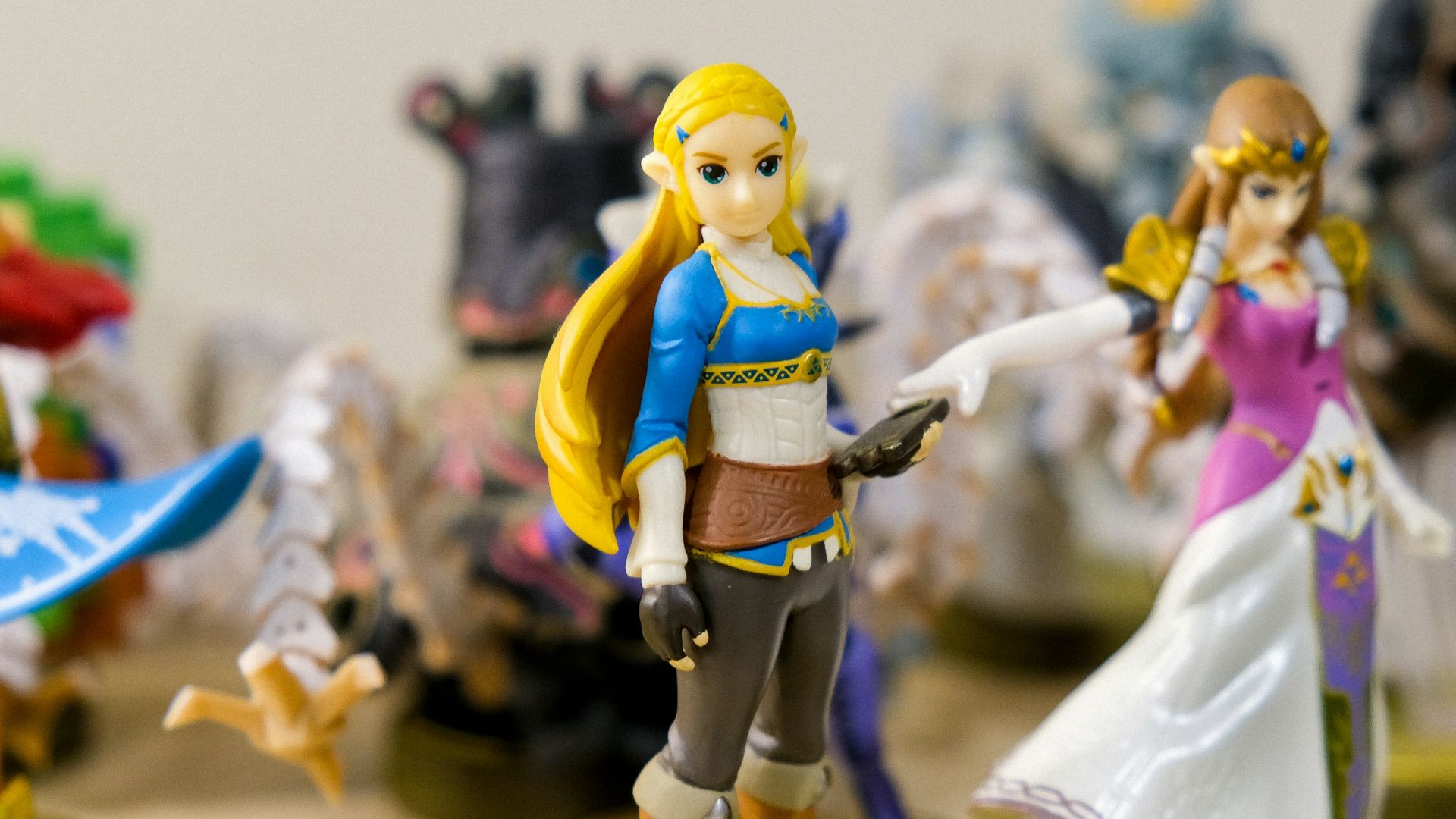
17. Princess Zelda’s Socialite Name
Miyamoto decided to name the princess after Zelda Fitzgerald, the wife of famous novelist F. Scott Fitzgerald. He reportedly loved the way her name sounded and felt it carried a sense of mystery and elegance that fit a high-fantasy setting. While she often starts as a damsel in distress, her role has evolved significantly.
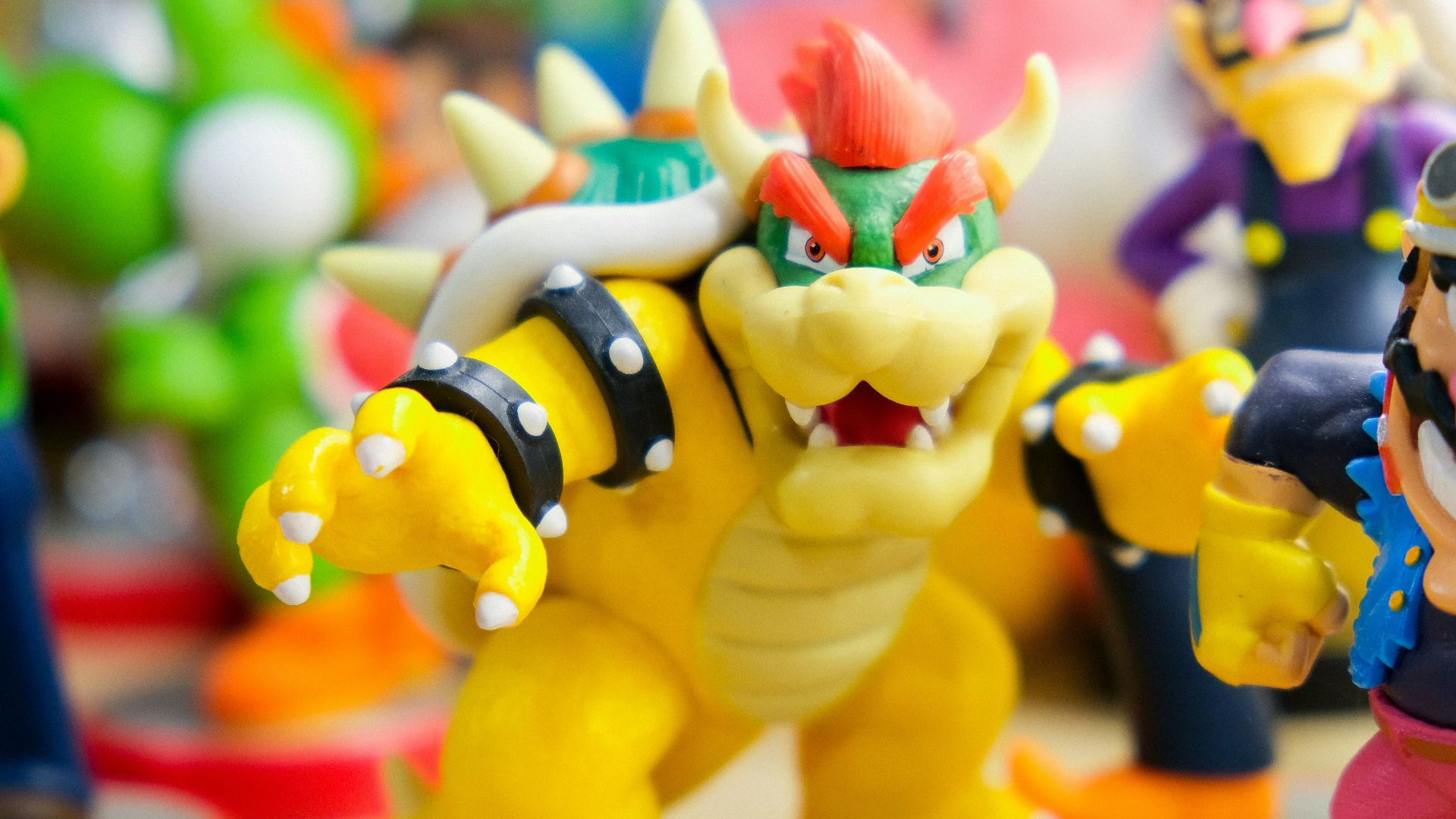
18. Bowser’s Culinary Concept
The King of the Koopas was initially envisioned as an ox because Miyamoto was inspired by an antagonist from an old animated film called Alakazam the Great. An illustrator pointed out that he looked more like a turtle, so they leaned into that design and added the spiked shell and horns. His Japanese name, “Koopa,” is actually derived from the Korean word for a bowl of soup.
19. Nathan Drake’s Everyman Vibe
Naughty Dog wanted to create a protagonist for Uncharted who did not feel like a superhero, so they modeled him after adventurous actors like Cary Grant and Harrison Ford. He is often disheveled, tucked-in shirt-wise, and constantly barely escaping situations by the skin of his teeth. This was a conscious effort to make him feel relatable.
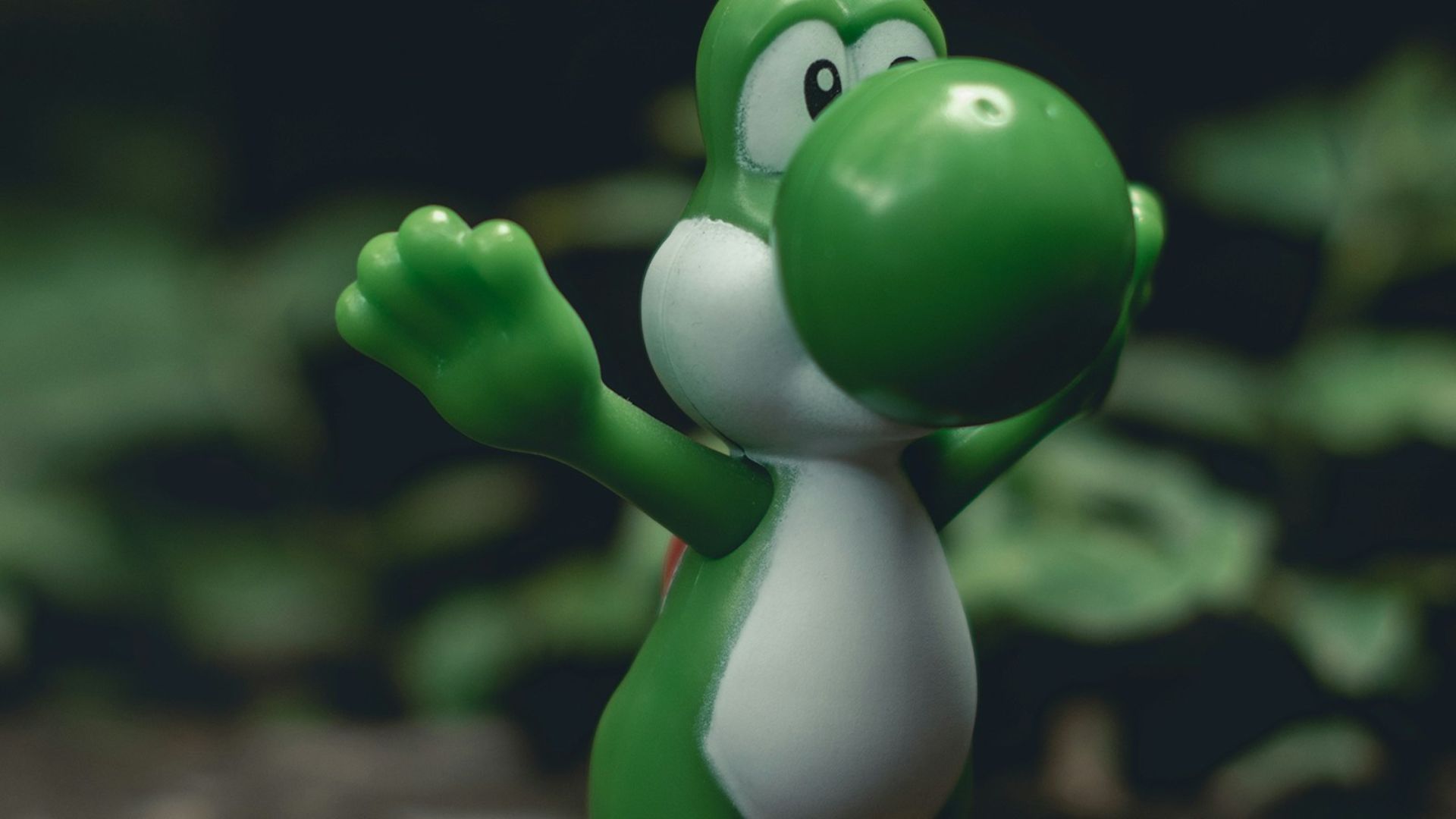
20. Yoshi’s Long Wait
Miyamoto had actually wanted Mario to ride a dinosaur ever since the first Super Mario Bros. was released, but the NES could not handle the processing power required for it. It was not until the Super Nintendo came along that the developers were finally able to include Yoshi in Super Mario World. His ability to eat enemies and sprout wings made him an instant favorite.