
Basic But Brilliant
The gaming industry loves complexity, yet some of its biggest successes required almost no learning curve whatsoever. One button. One swipe. But here's the thing—simple controls don't guarantee easy gameplay. Many of these games turned basic inputs into brutally challenging experiences that tested reflexes, timing, and patience. Here are 20 titles that became phenomena by leaning towards minimalism in their core mechanics.

1. QWOP
The physics-based running game that turned a simple sprint into an exercise in frustration launched in 2008, courtesy of developer Bennett Foddy. What made QWOP a cultural phenomenon was how four keyboard keys could convert basic movement into an art form.

2. Stack
Ketchapp's 2016 mobile release proved that building upward could be just as addictive as any elaborate puzzle game, using nothing more than perfectly timed taps. Players dropped moving blocks onto a growing tower, aiming for perfect alignment to maintain platform width.

3. Canabalt
Before Temple Run dominated smartphones, a single-button Flash game pioneered the endless runner genre in 2009, created by Adam "Atomic" Saltsman. Procedurally generated levels ensured no two runs felt identical, while ramping speed forced split-second decisions that separated brief runs from legendary distances.

4. Bejeweled
PopCap Games struck casual gaming gold in 2001 by asking players to do one simple thing: swap adjacent colored gems to create matches. Horizontally or vertically aligned groups disappeared, triggering satisfying cascades that kept players hunting for bigger combinations.

5. Line Rider
Drawing simple lines with a pencil tool became an unexpected creative playground when this Flash game released in 2006. There was no direct rider control—instead, players designed physics-based tracks using freehand lines, then watched a sled rider follow their creation during playback.

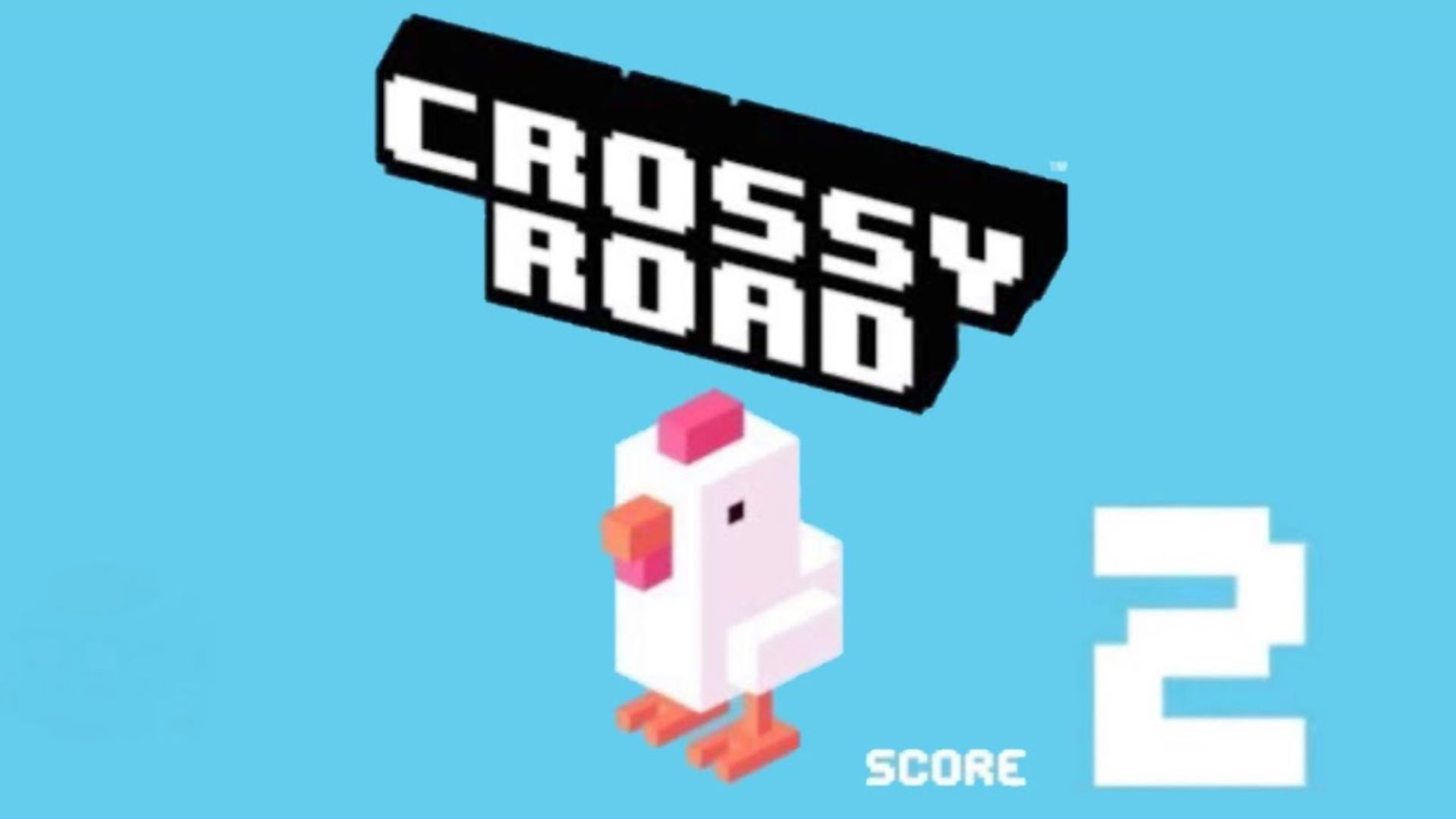
6. Crossy Road
Players hopped their character forward, sideways, or even backward across procedurally generated roads, rivers, and railway tracks, collecting coins to unlock over 150 characters with subtle mechanic variations. That Frogger homage started as a prototype.
7. Flappy Bird
Nguyen's 2013 creation became a cultural phenomenon through mechanics so simple they felt almost cruel: tap the screen to flap, weave between green pipes, repeat until frustration wins. The bird flew forward automatically at constant speed while gravity pulled it down.

8. Tiny Wings
Touch and hold to dive down hills for speed, release to glide upward. This single mechanic, combined with procedurally generated terrain and physics-based momentum, created a race against the sunset where each hill became an opportunity for perfect timing.

9. Cookie Clicker
Julien Thiennot (Orteil) introduced an idle game revolution in 2013 by centering everything around clicking a large cookie for points. Those cookies purchased buildings that generated passive income, with upgrades and achievements compounding production exponentially in a loop that somehow remained engaging.
 Antoni Shkraba Studio on Pexels
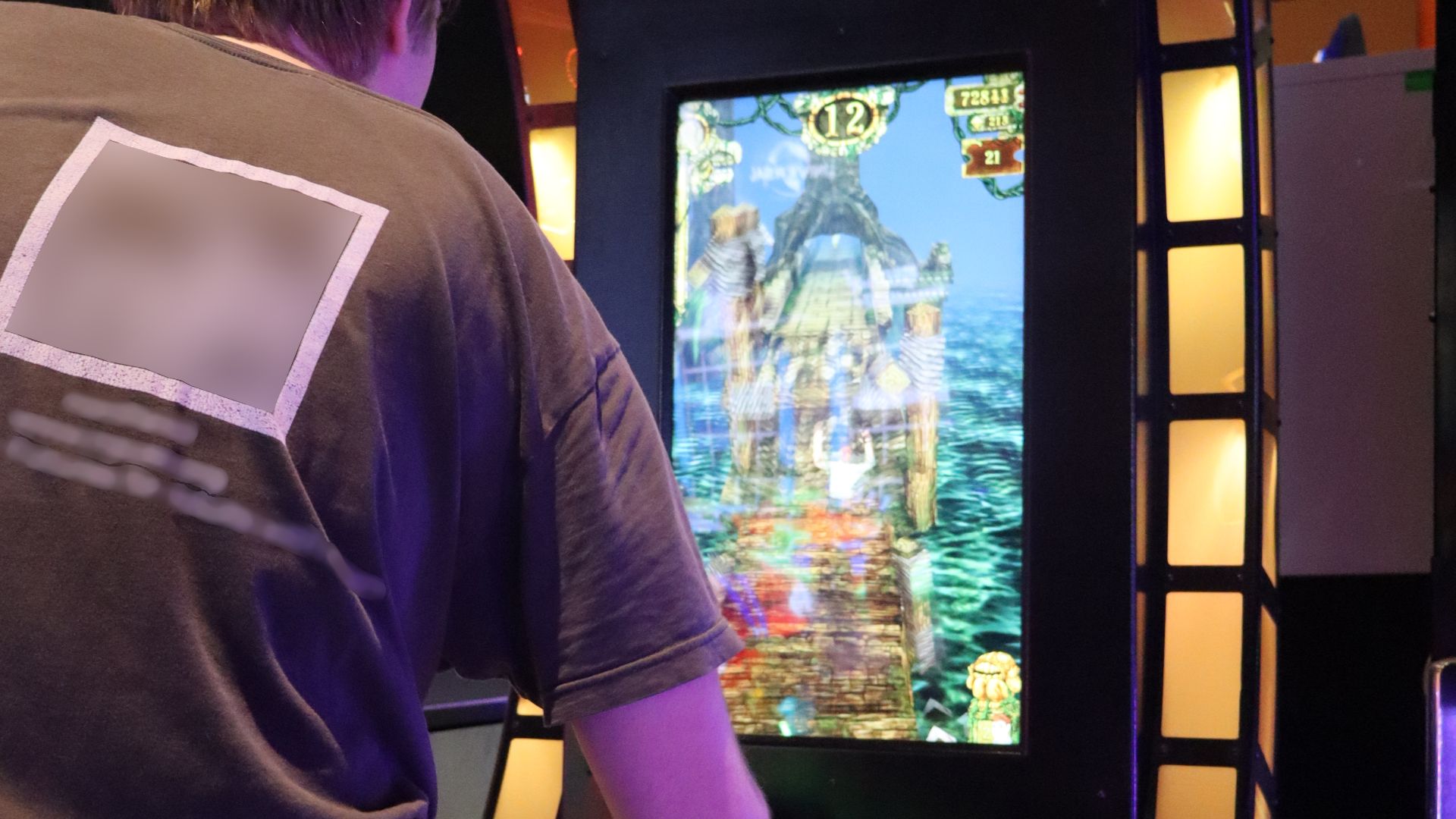
10. Temple Run
This game redefined mobile gaming in 2011 by translating the endless runner into a swipe-based temple escape. Here, demonic monkeys chased players through procedurally generated paths. Left and right swipes changed lanes, upward swipes jumped obstacles, and downward swipes triggered slides under barriers.
11. Timberman
Digital Melody's 2014 release distilled arcade action to its purest form: tap left or right to chop that side of a descending tree trunk while avoiding branches. The rhythm emerged from switching sides fast enough to dodge limbs.

12. Slope
The rolling ball accelerated automatically down twisting paths lined with obstacles. This required players to anticipate turns and ramps before physics made corrections impossible. Available on platforms like Y8, Slope became known for its "vert slowdowns"—an advanced technique where skilled players exploited vertical walls.

13. Tap Tap Revenge
iPhone's first major rhythm game phenomenon was launched in 2008, asking players to tap colored circles as they descended the screen in sync with popular song beats. Consecutive perfect hits formed combos that multiplied scores, while misses disrupted chains.
14. Poinpy
Here, the twist came from collecting fruits to feed a pursuing beast below, with juice from those fruits literally luring the creature higher as players fled upward through procedurally generated stages. Power-ups unlocked abilities across runs.

15. Ketchapp Basketball
Players flung basketballs toward hoops that moved side-to-side, chasing perfect swishes. The brilliance lay in how one-swipe mechanics delivered basketball's essential satisfaction without requiring gym clothes, court access, or even leaving the couch—just pure shooting skill translated to touchscreen timing.

16. Holedown
Martin Jonasson's 2018 solo-developed game for Grapefrukt Games captured the pure euphoria of Breakout's best moment: trapping the ball behind bricks for chain reactions. Players swiped to aim and launch balls upward, watching them bounce repeatedly to shatter block layers.
 Startup Stock Photos on Pexels
17. Dots
Swipe your finger between matching dots without crossing other lines, clearing groups as 60-second rounds progressively filled the board with new colors. Longer chains yielded squares that cleared entire colors for massive scores, creating strategic depth from the simplest connect-the-dots concept.

18. Jetpack Joyride
The game pioneered core endless runner tropes—vehicle unlocks, mission structures, power-up variety—that modern mobile hits still emulate today. Halfbrick Studios launched an endless runner revolution in 2011 by replacing running with jetpack-fueled flight through a laboratory filled with deadly obstacles.

19. Piano Tiles
Black tiles scrolled down a piano keyboard stream in sync with classical and popular music, with speed increasing progressively to test reflexes across longer combos and higher scores. The concept topped charts worldwide and inspired countless clones.
 Hu Wen Zeng, Umoni Studio on Wikimedia
20. Ballz
Ketchapp perfected addictive brickbreaker gameplay in 2017, earning Shacknews' Best Brickbreaker award for its high-score chase mechanics. Hold the screen to charge a bottom cannon, release to launch progressively more balls upward at numbered bricks showing hits required for destruction.