
Skill Issue?
That one level has a special talent for turning confident gamers into overwhelming feelings of failure. It’s not always about skill, either, because sometimes the game is being weird, your brain is being stubborn, or your thumbs are staging a tiny protest. If you’re stuck in the same spot for the 47th time, here are twenty painfully relatable reasons why it keeps happening.

1. Rushing the Start
Charging in like it’s a speedrun can make an already tough section feel impossible. When you skip the first few safe beats, you end up taking damage that snowballs into a full collapse later. Slow down for a minute, and you’ll often find the level stops feeling so unfair.

2. Ignoring the Tutorial
It’s tempting to mash through instructions like they’re legal terms, but the game remembers what you didn’t read. That “tiny tip” about parrying, scanning, or dodging is usually the exact mechanic the level is built around. If you’re stuck, the answer might be hiding in the boring text you skipped.

3. Bad Checkpoint Luck
Some checkpoints are placed like the developer wanted to test your patience as a hobby. You respawn with low health, no ammo, or a bad angle, and suddenly, the first ten seconds are a crisis. It’s not in your head, either, because a brutal checkpoint can turn a fair challenge into a grind.

4. Wrong Loadout
Using the same gear for every mission is comfortable, but comfort isn’t always the move. A shotgun might feel great until the level demands range, speed, or stealth you’re not built for. Switching your tools can easily make any level feel more achievable.

5. Missed Supplies
That one extra healing item or ammo stash you didn’t grab can be the difference between scraping by and melting down at the boss door. Levels often hide resources in side rooms, behind breakable walls, or in spots you sprinted past.
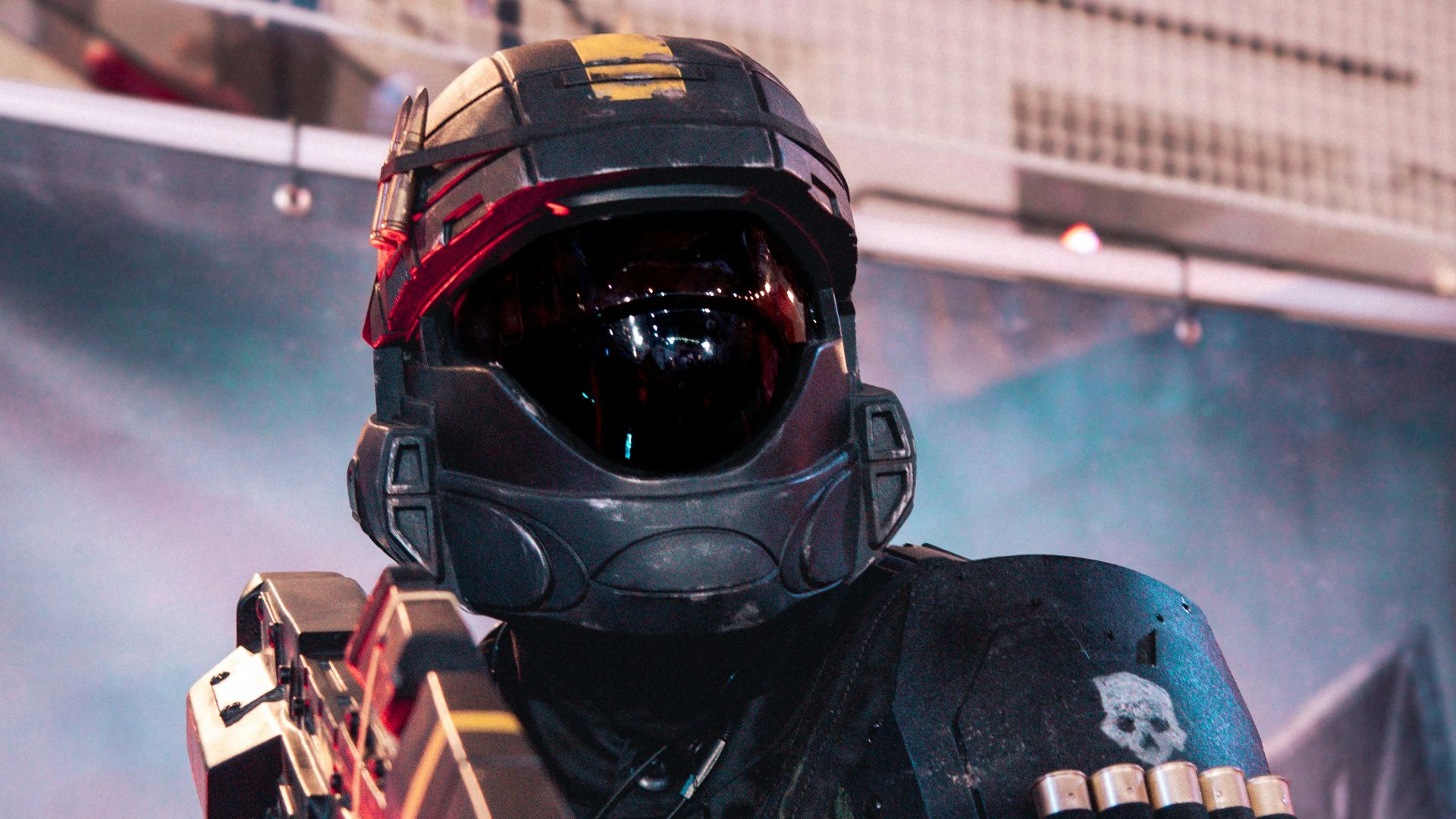 Caroline Eymond Laritaz on Unsplash
6. Tunnel Vision
When you fixate on one threat, the game’s other problems sneak in like they own the place. Enemies that seem “random” are often triggered by positioning, sound, or timing you’re not noticing. Zoom out mentally, and you’ll be able to start noticing the patterns.
7. Greedy Damage
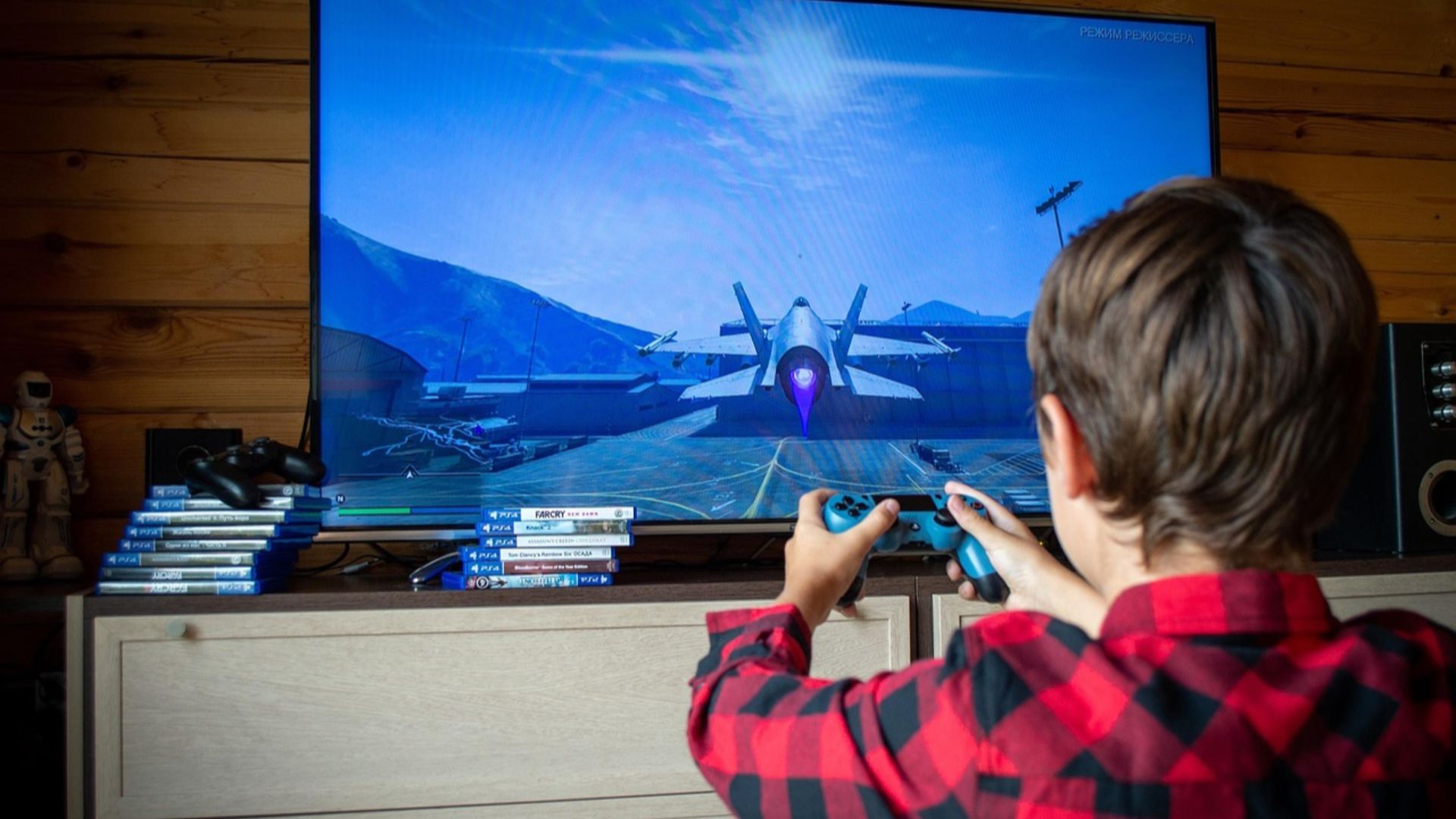
Going for “one more hit” is the classic mistake that keeps on giving, mostly to the enemy. Many games punish overcommitting by turning small openings into traps. If you back off a beat earlier, you’ll live longer and win faster.
8. Skipping Side Paths
Optional routes sound optional until they contain the exact upgrade you needed. Some games quietly reward exploration with better weapons, extra health, or shortcuts that reduce pressure. Taking a detour might feel like procrastination, but it could potentially be the smartest progress you’ll make.
 Glenn Carstens-Peters on Unsplash
9. Control Settings Off
Your aim feels floaty, movement feels weird, and suddenly every jump is an argument. Sensitivity, dead zones, and button mapping matter more than people admit, especially when a level requires precision. Tweaking settings can make the game feel like it’s listening to your hands again.

10. Panic Inputs
The moment things get tense, your fingers start freestyling, and the controller becomes a percussion instrument. Panic makes you mash dodge too early, reload at the worst time, or forget you even have abilities. Staying calm sounds cheesy, but steady inputs beat frantic ones almost every time.
11. Not Watching Cooldowns
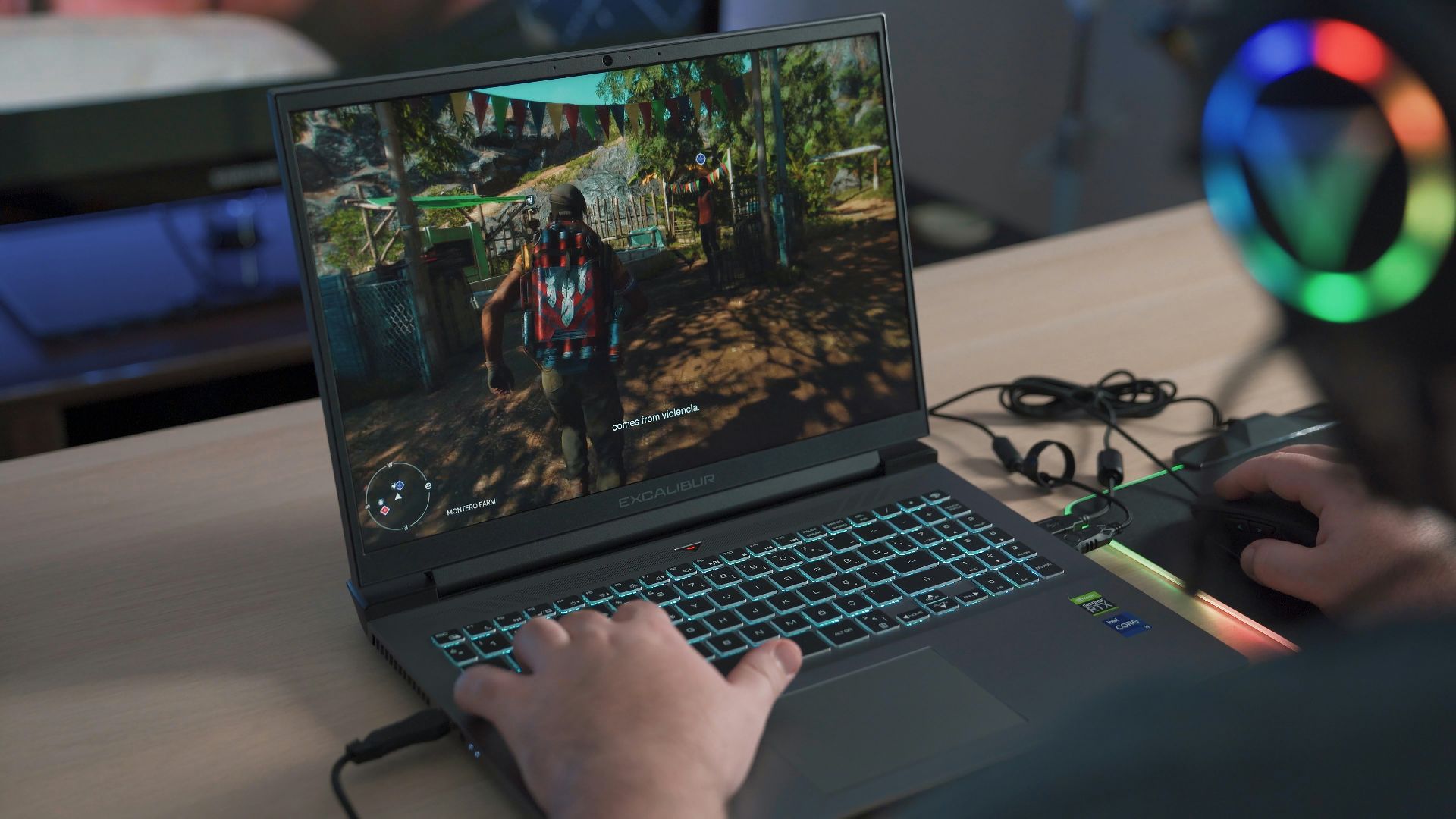
If you treat your strongest ability like a decorative icon, the level will happily punish you for it. Cooldowns exist because the game expects you to use those tools regularly, not save them for a perfect moment that never arrives. Spend your abilities with intention, and you’ll stop feeling underpowered.

12. Poor Camera Angles
Sometimes the real enemy is the camera, especially in tight corridors or chaotic fights. A bad angle can hide hazards, mess up platforming, or run you right into an enemy. Adjusting camera speed or manually repositioning more often can save you from invisible nonsense.
13. Audio Cues Missed
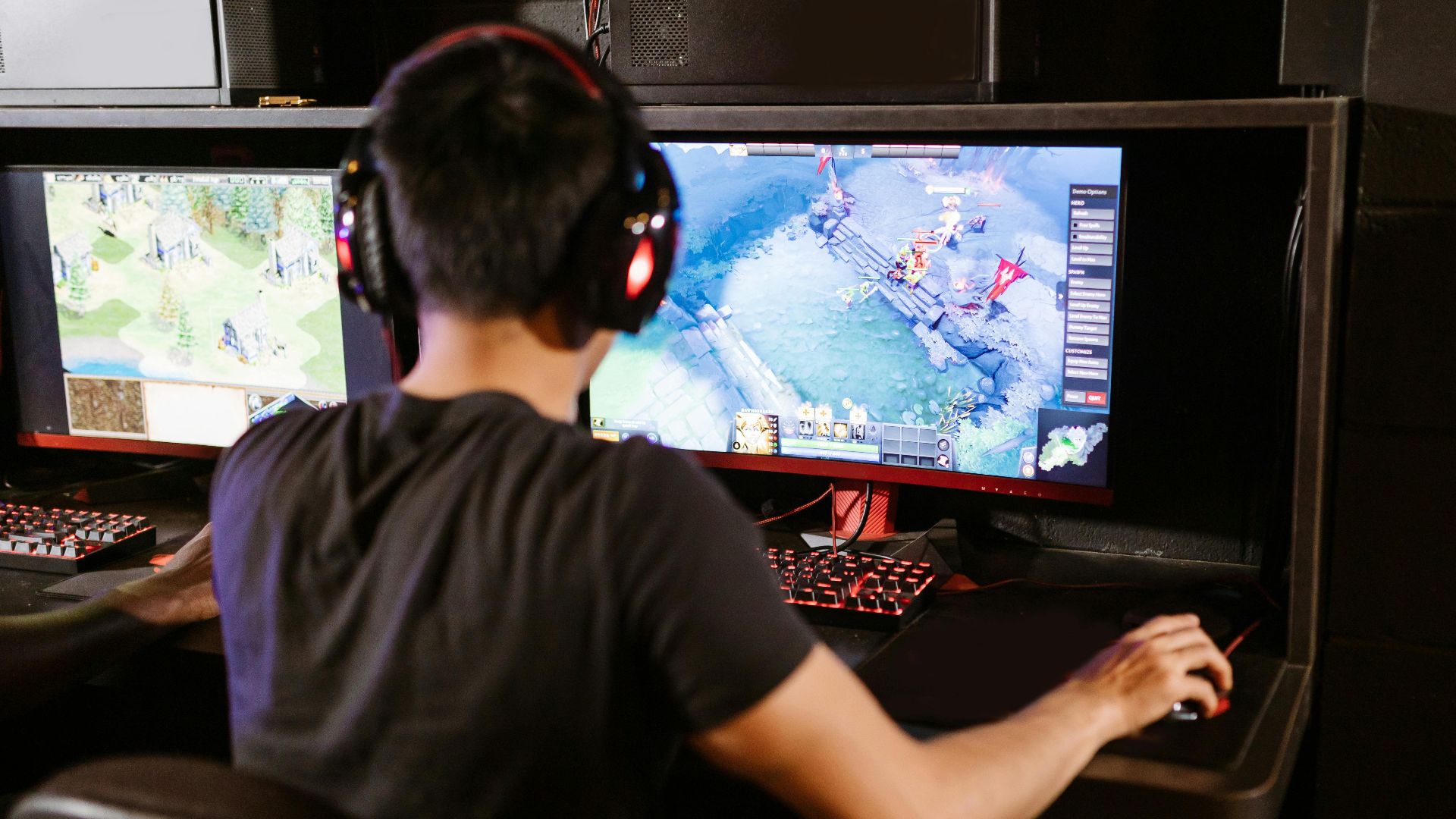
Games love telegraphing danger through sound, and your brain might be tuning it out. That click, growl, or rising note often signals an attack you’re supposed to react to instantly. If you play with the volume low, you might be turning a fair fight into a guessing game.

14. Timing Not Learned
Some levels are basically rhythm games wearing action-game clothing. Enemy patterns, trap cycles, and boss phases usually run on consistent timing, even if it feels random at first. Once you learn the beat, it stops being a brawl and starts being a routine.

15. Underleveled Character
If the game has stats, it has ways to make you suffer for ignoring them. A couple of levels, perks, or gear upgrades can turn “I do no damage” into “oh, that’s manageable.” Grinding isn’t glamorous, but it makes those successful wins all the more worth it.

16. Overthinking It
On the flip side, you can also get stuck because you’re trying to solve it like a chess puzzle. Sometimes the answer is simple movement, a basic tool, or a straightforward route you dismissed as “too easy.”

17. Stubborn Strategy
Repeating the same plan and hoping it magically works is a bold lifestyle choice. If you’ve died the same way five times, the game is giving you feedback in the most dramatic form possible. Change one variable, like positioning or pacing, and you might break the loop.

18. Stress Fatigue
After enough attempts, your focus starts slipping, and your reactions get slower, even if you don’t notice right away. That’s when you miss obvious jumps, forget patterns you already learned, and start taking “unlucky” hits. A short break can feel like cheating, except it’s just your brain resetting.

19. Hidden Objective
Some levels aren’t hard; they’re unclear, which is a different kind of evil. You might be fighting forever because you’re supposed to trigger a switch, shoot a weak point, or follow a cue that the game barely explained. Checking the objective text or a hint screen can save you from accidental suffering.
20. Classic Skill Gap
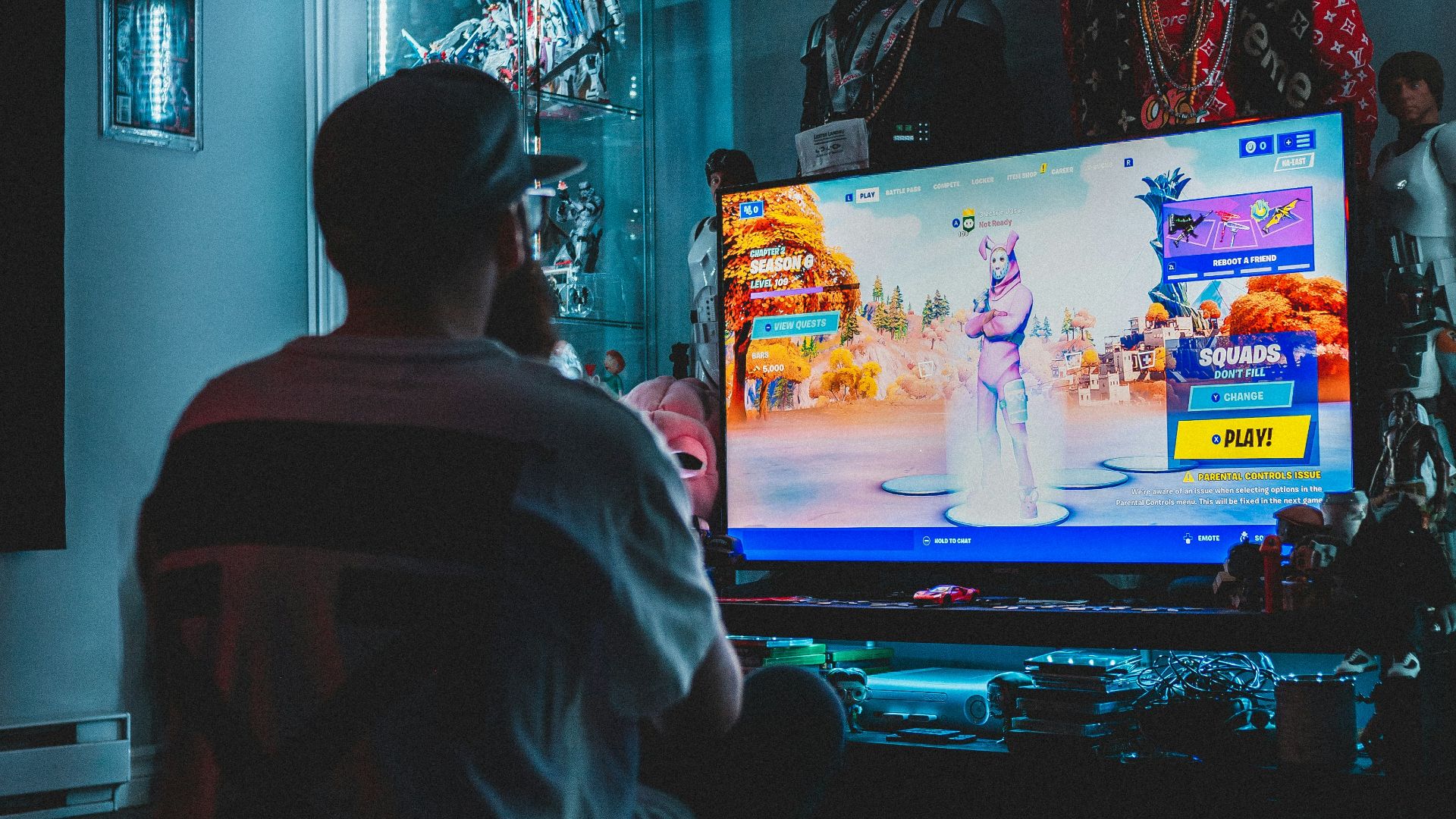
Occasionally, the level is simply asking you to improve, which is rude… but effective. It might be teaching patience, precision, or smarter resource use, and it won’t let you through until you level up as a player.