Pixelated Classics That Still Hit
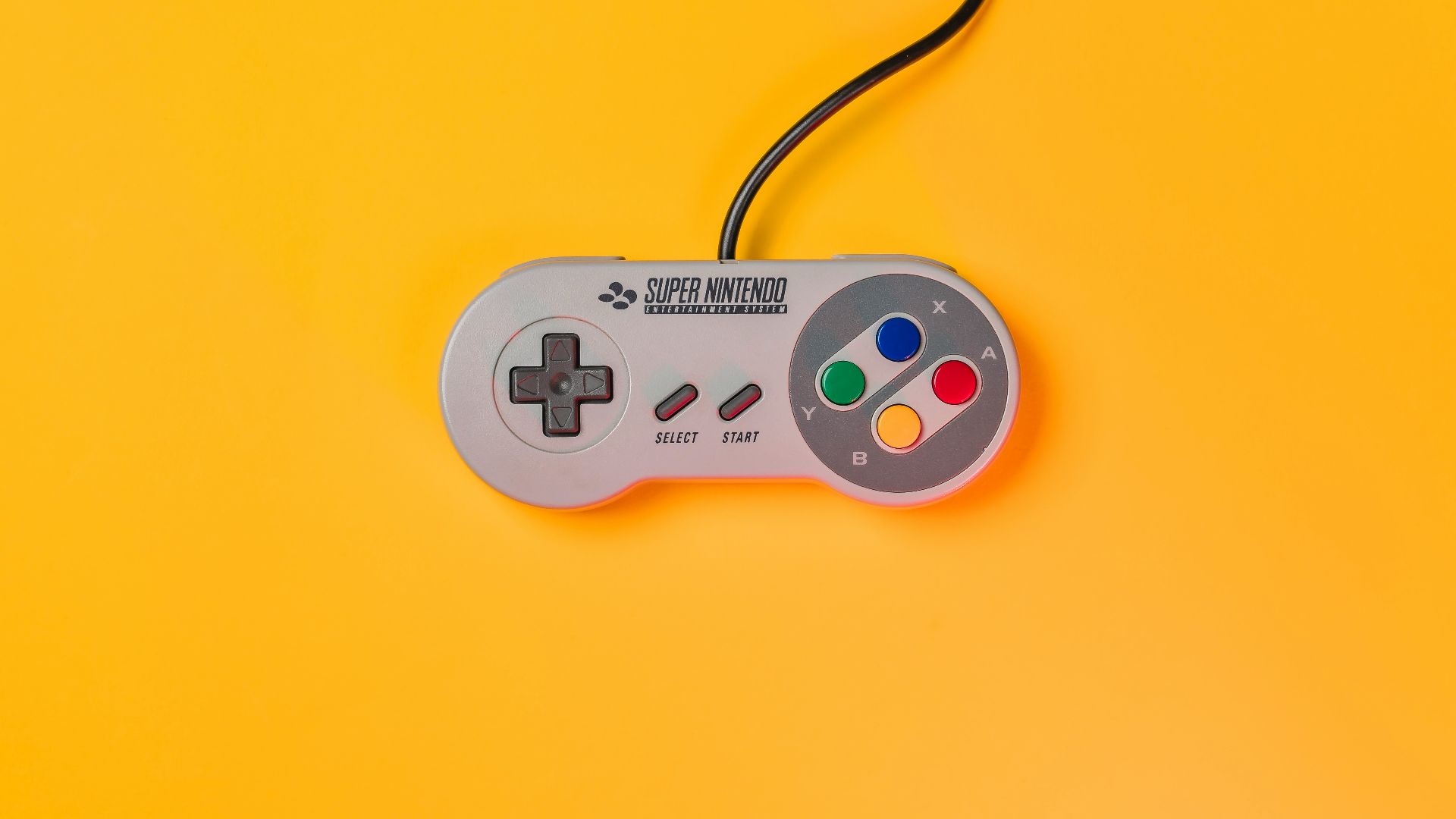
Early home consoles didn’t have massive open worlds or cinematic cutscenes, but they absolutely had personality and cranked the fun factor. These games were built on tight controls, memorable music, and the kind of challenge that made you lean closer to the TV, as if it might help. Here are 20 video games that helped define living-room play when pixels were distinct, and cartridges ruled.

1. Super Mario Bros. (NES)
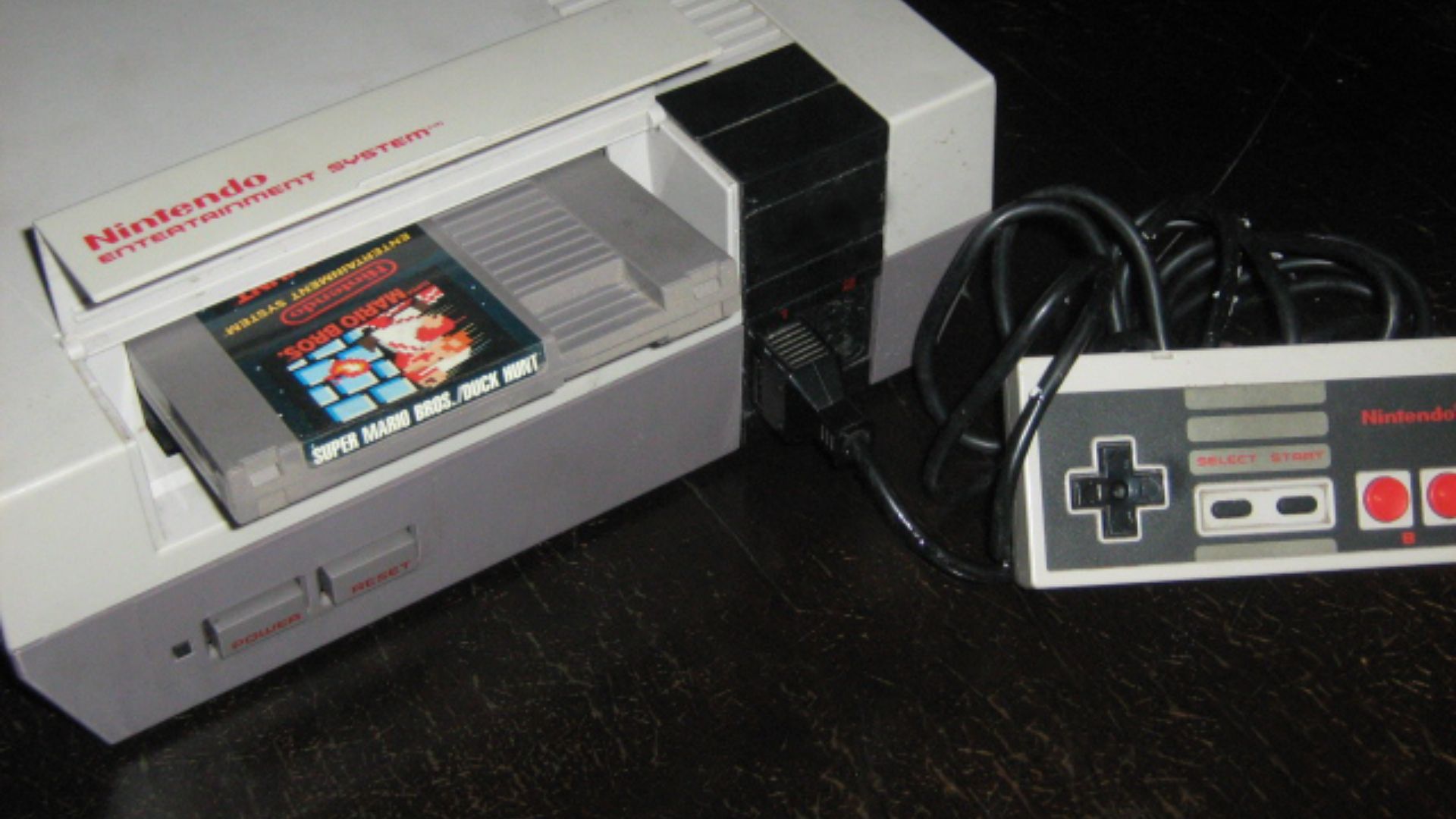
If you’ve ever jumped over a Goomba, you already know how influential this one is. The controls feel snappy, the levels are tough but not unforgiving, and the difficulty ramps up just enough to keep you chasing “one more try.” It’s also the kind of game that somehow makes you better the more you fail.
2. The Legend of Zelda (NES)
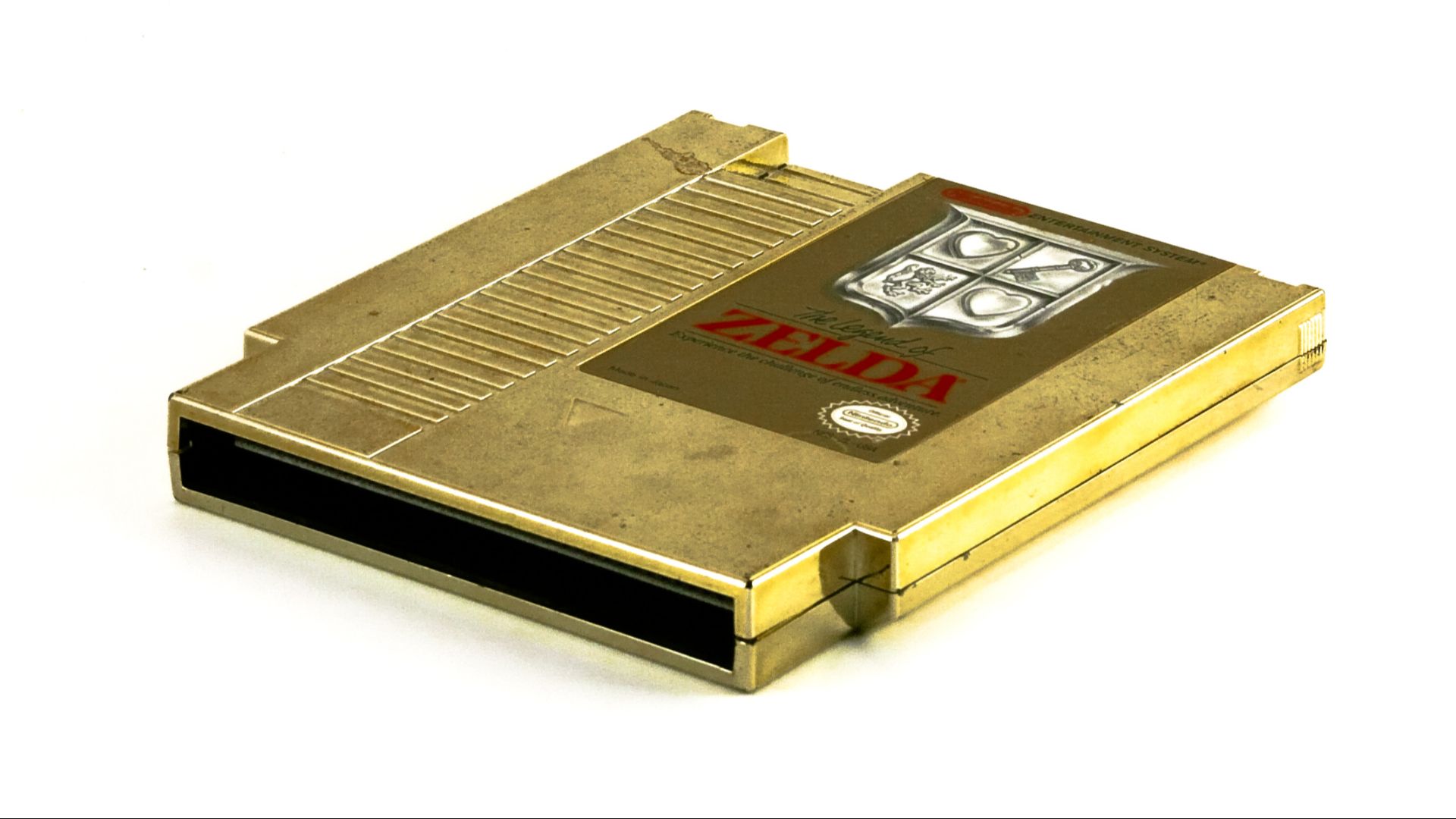
Instead of holding your hand, this game basically drops you into the wilderness and says, “Good luck.” Exploration feels rewarding because you earn your knowledge through curiosity, not a blinking waypoint.
3. Metroid (NES)
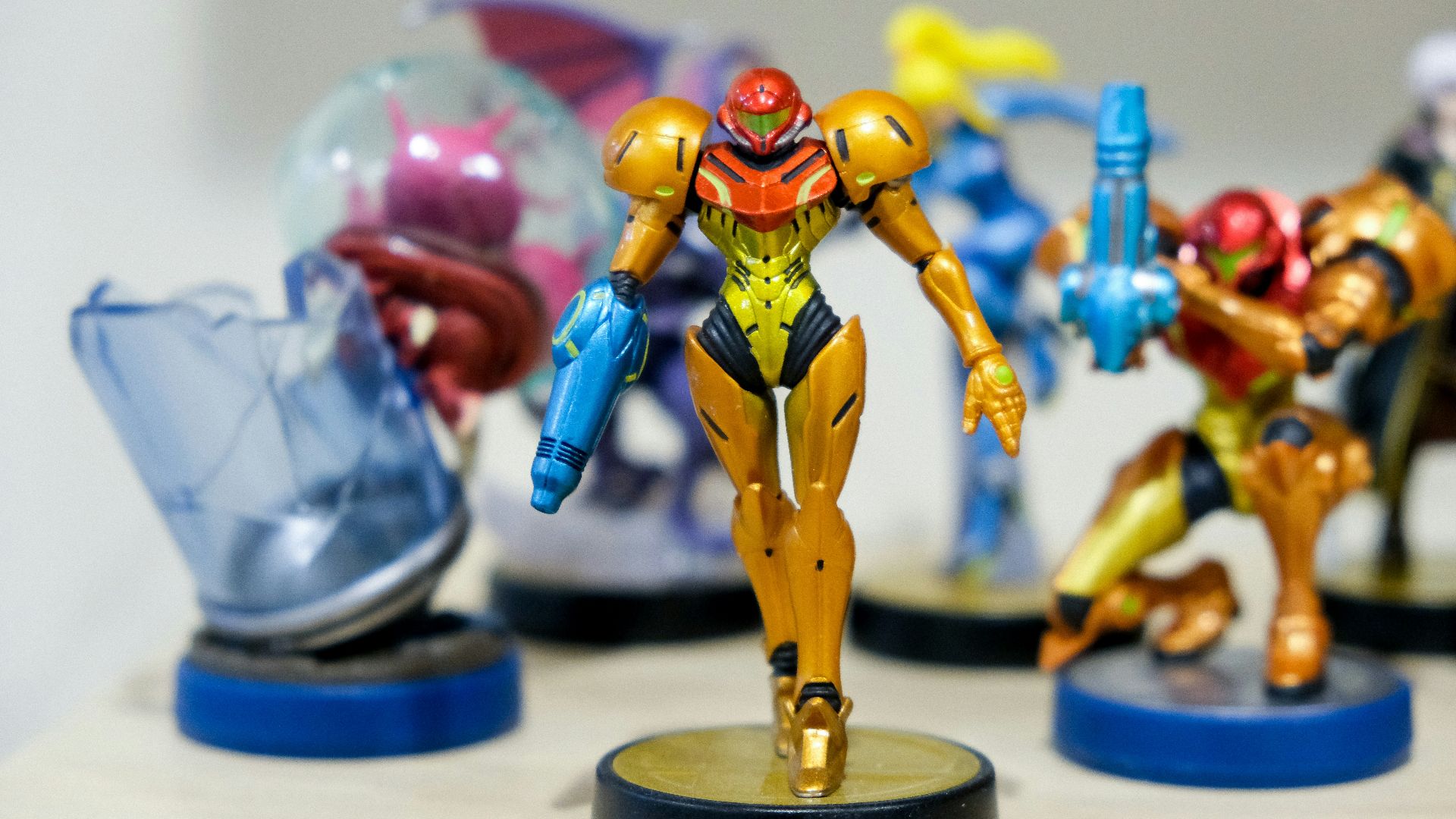
Metroid is moody, mysterious, and addictive. Backtracking sounds hum until you realize it’s how the world slowly opens up like a puzzle box. The atmosphere does a lot with very little, and the music helps sell the tension.
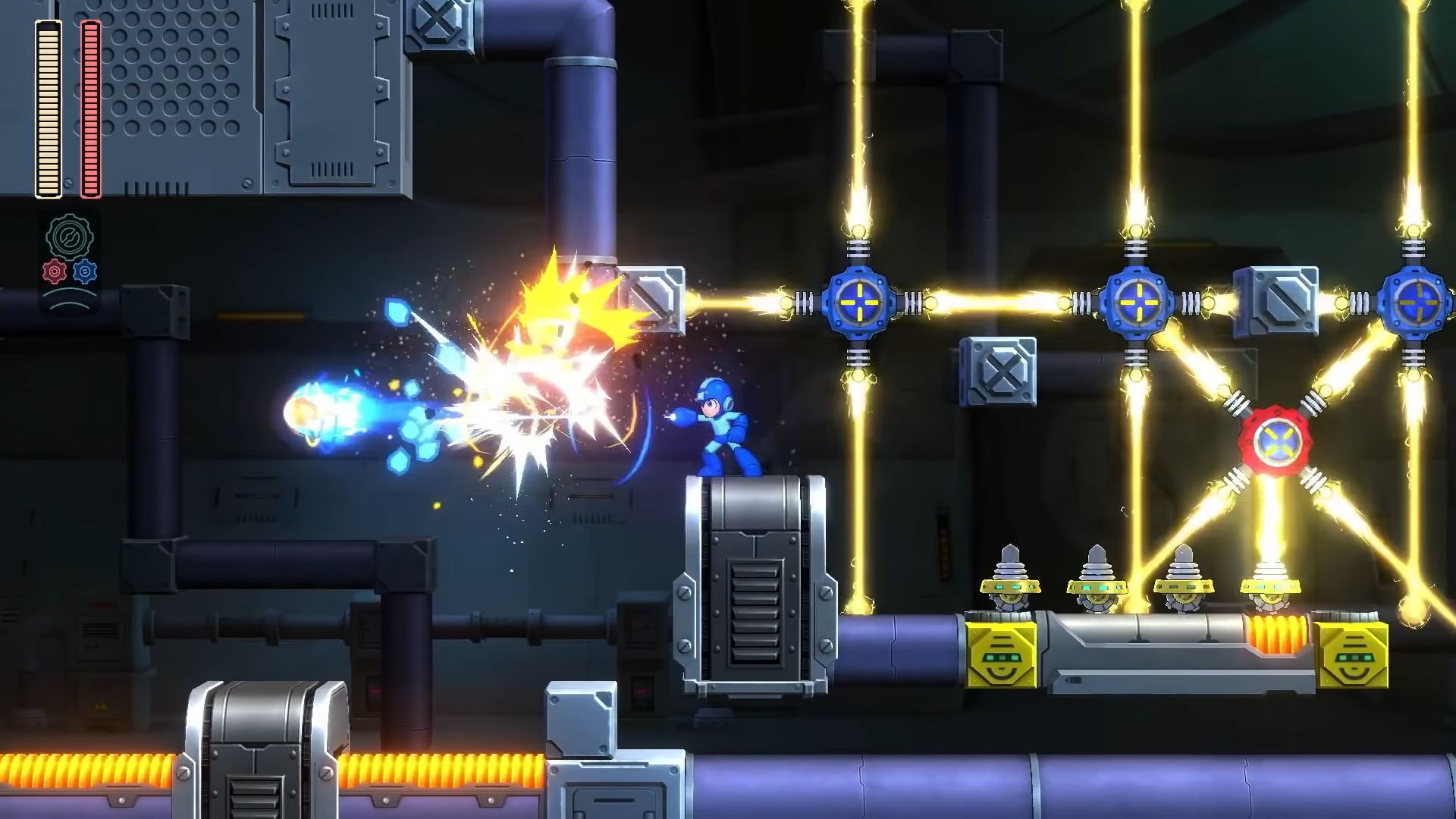
4. Mega Man 2 (NES)
This is where the blue bomber really found his groove. Choosing boss order, stealing abilities, and building your own strategy makes each run feel personal. It’s tough, but it rarely feels unfair, which is a rare combo.
5. Castlevania (NES)
The stiff jumps are part of the charm, even when they make you mad. What you get in return is a gothic style, clever enemy placement, and a whip that feels oddly satisfying to use. Every stage feels like a little horror-themed obstacle course.
 Bastian Stein (farbfilm) on Wikimedia
6. Contra (NES)
If you’ve ever whispered “up, up, down, down,” you’re in the club. Contra is fast, intense, and built for two-player chaos where teamwork matters until someone panics and jumps into a bullet. The levels are short, but they’re packed with memorable set pieces.
7. Punch-Out!! (NES)
This isn’t just boxing, it’s pattern recognition with personality. Every opponent is basically a weird little puzzle, and you learn them by getting knocked down repeatedly. When it finally clicks, you feel like a genius.
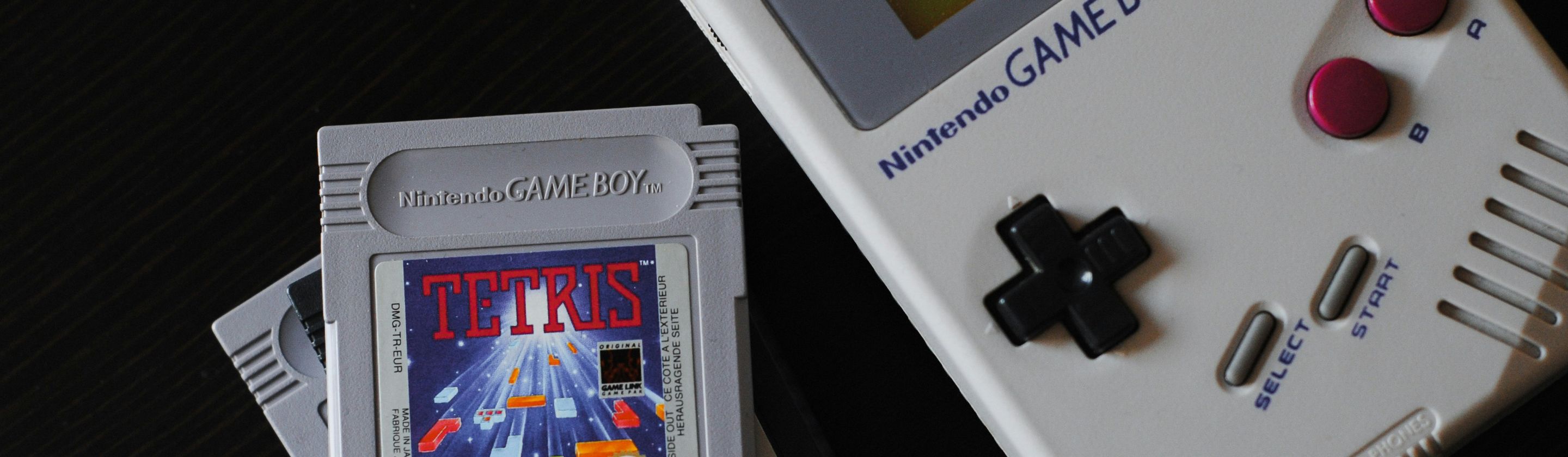
8. Tetris (Game Boy)
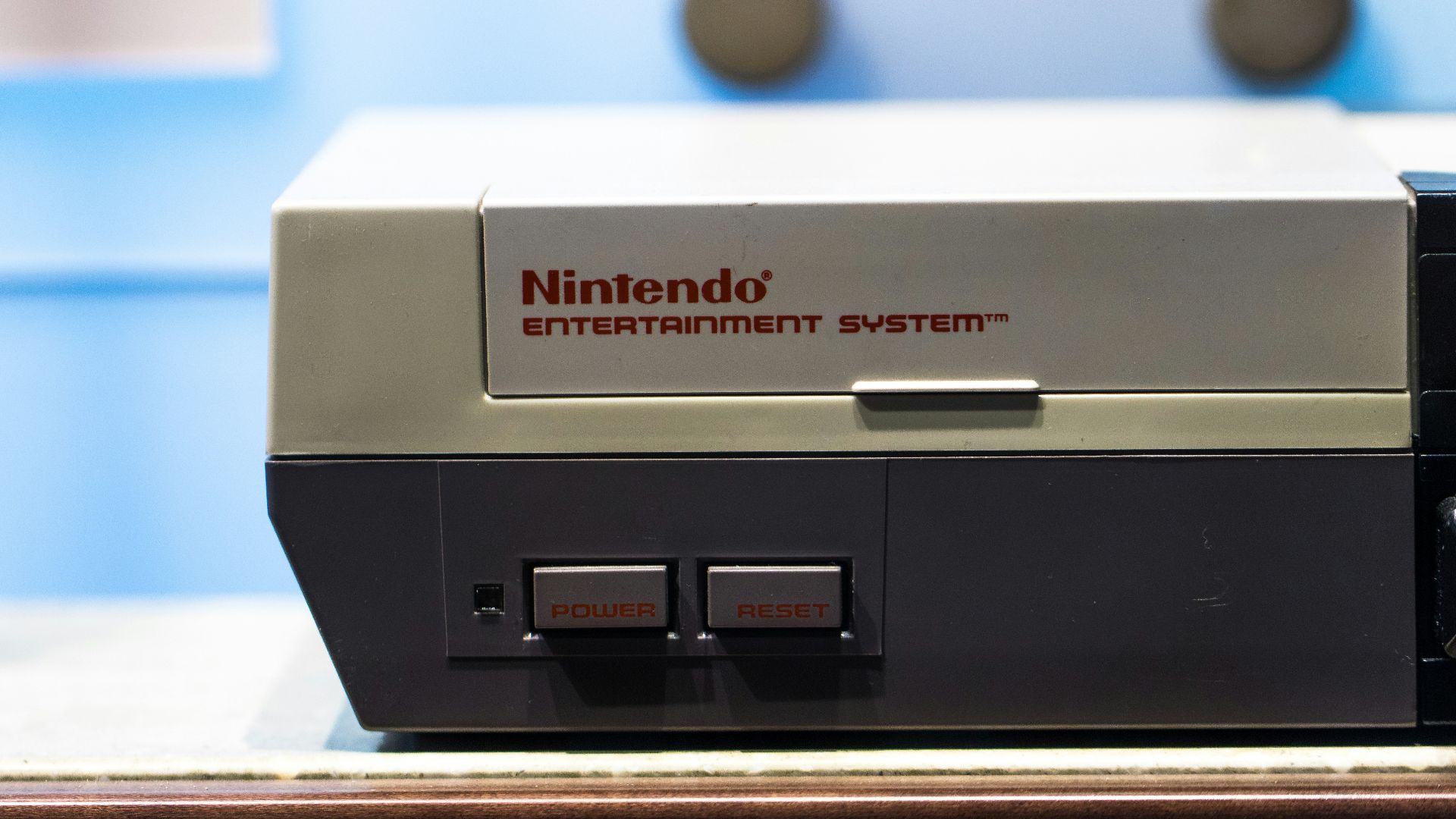
It’s simple, it’s perfect, and it makes time disappear. You start by casually clearing lines, and then suddenly you’re sweating over an L-shaped piece as if your life hangs in the balance. The music is iconic, but the real magic is how it stays fun no matter how good you are.
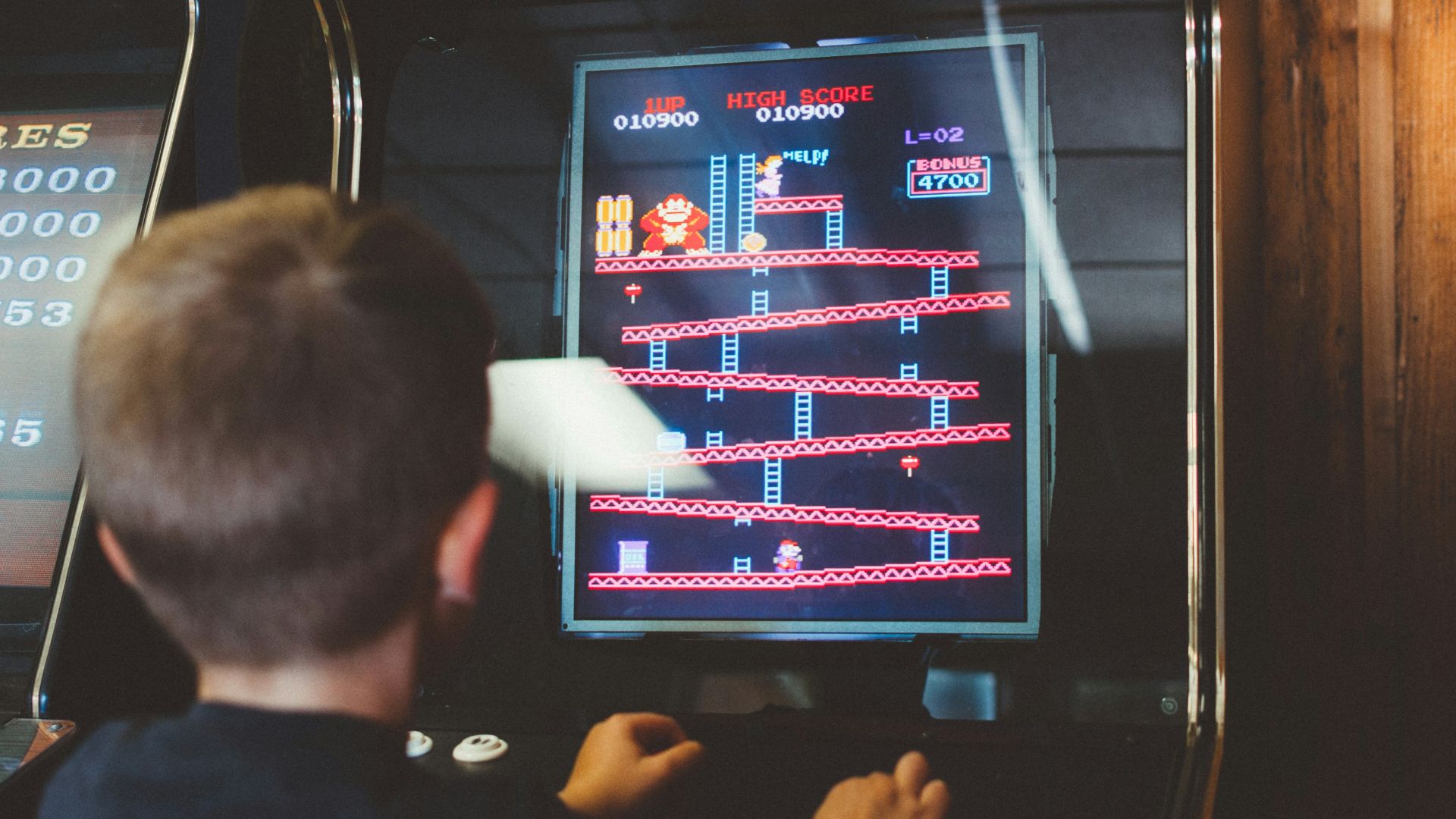
9. Donkey Kong (Arcade to Home Consoles)
This one helped set the template for platforming before the genre even had a name. The simple goal and escalating hazards make it instantly readable, even to someone holding a controller for the first time. Home versions varied, but the core idea still shines through.
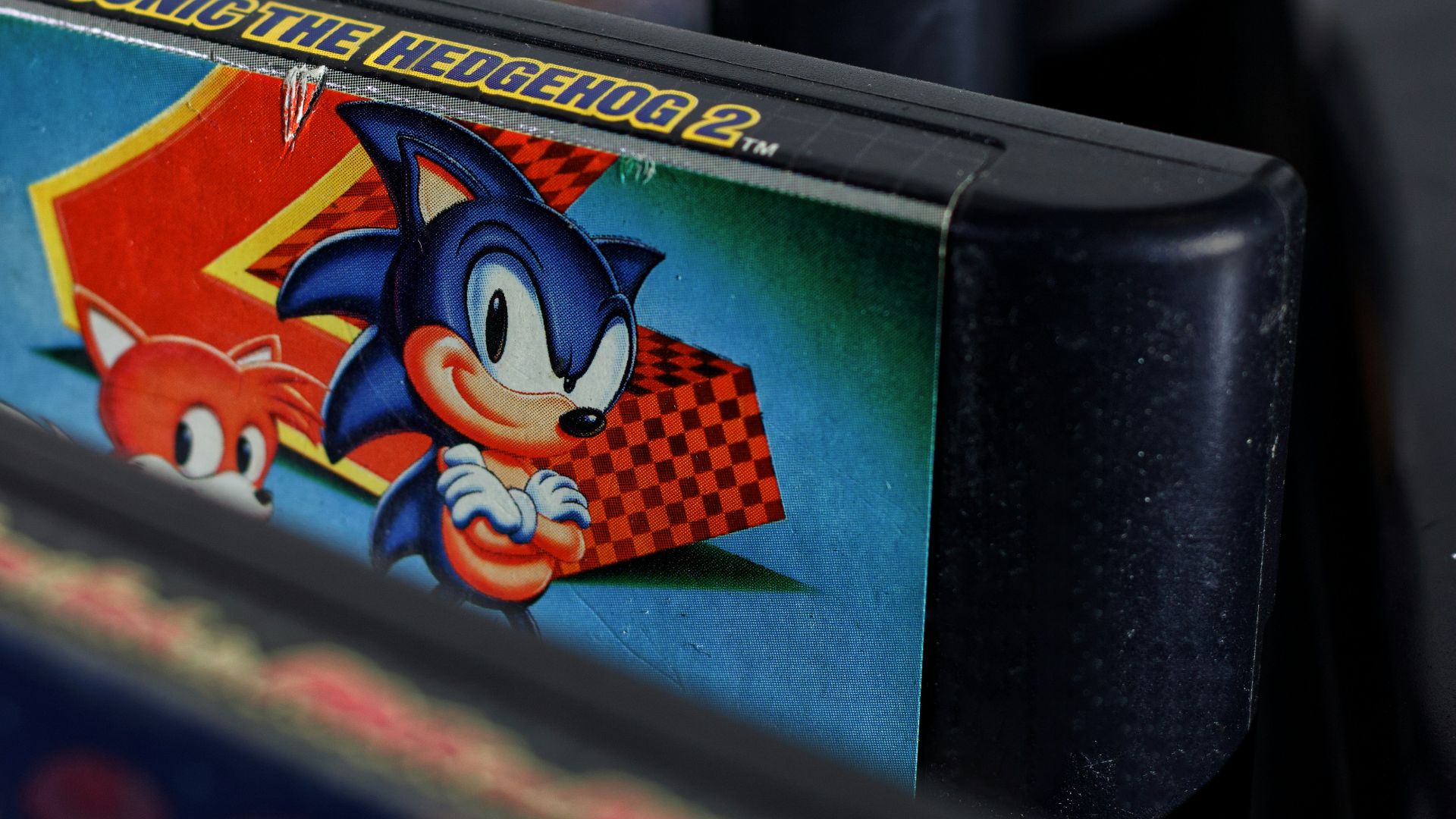
10. Sonic the Hedgehog (Genesis)
Sonic felt like pure speed in an era when most games moved cautiously. The levels reward momentum, but they also punish sloppy jumps, which keeps you honest. That attitude, that music, and that bright color palette made for the perfect Genesis mascot.
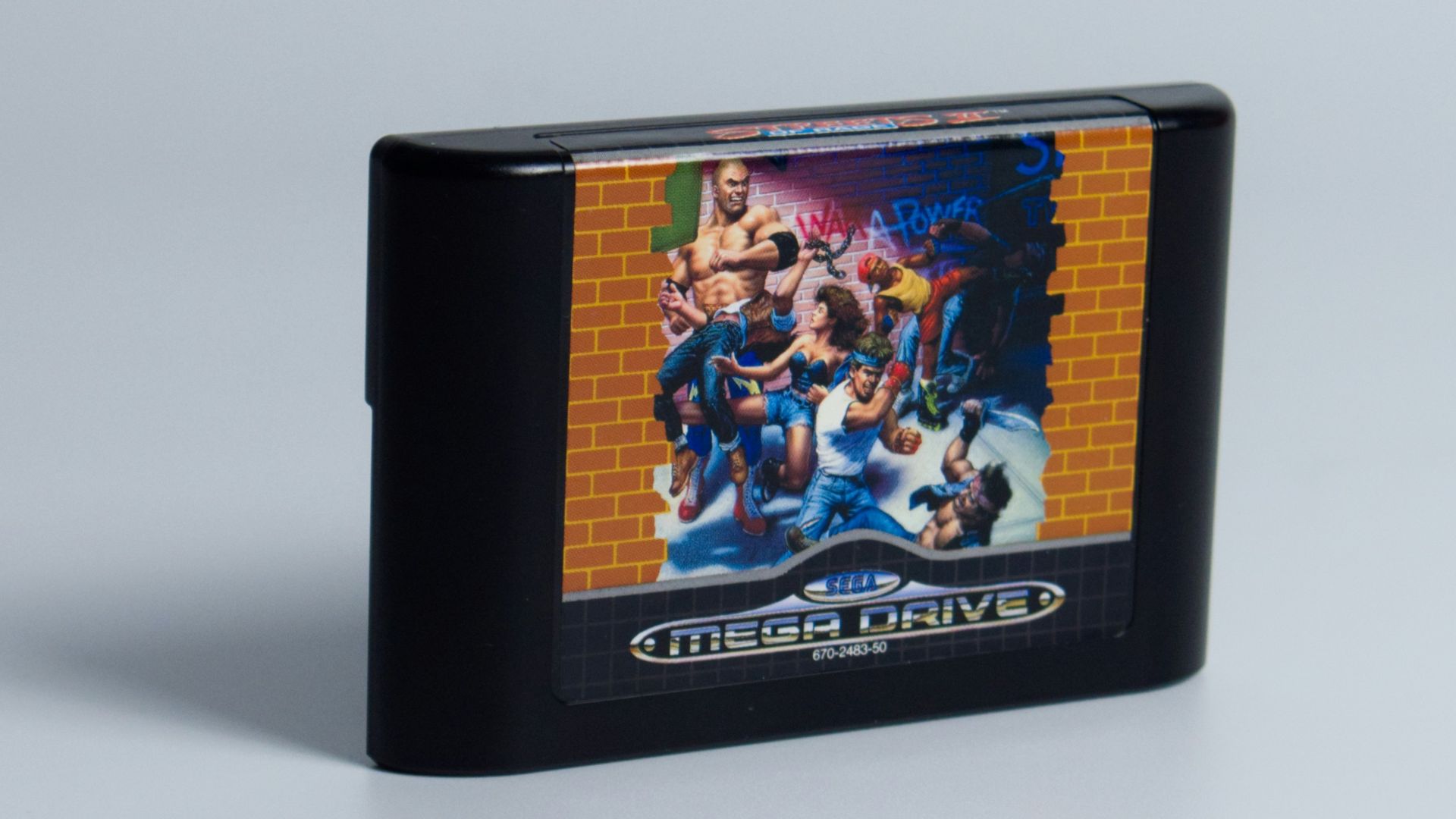
11. Streets of Rage 2 (Genesis)
Beat-’em-ups can blur together, but this one stands out with sharp animation and a soundtrack that’s way cooler than it needs to be. Each character feels distinct, so your pick actually changes how you approach a fight. It’s basically a stylish brawl you can replay anytime.

12. Final Fantasy (NES)
This game didn’t invent RPGs, but it brought the idea of epic quests into a lot of living rooms. Party-building gives you choices right away, and that early commitment makes the journey feel personal. It was surprisingly ambitious for its time.
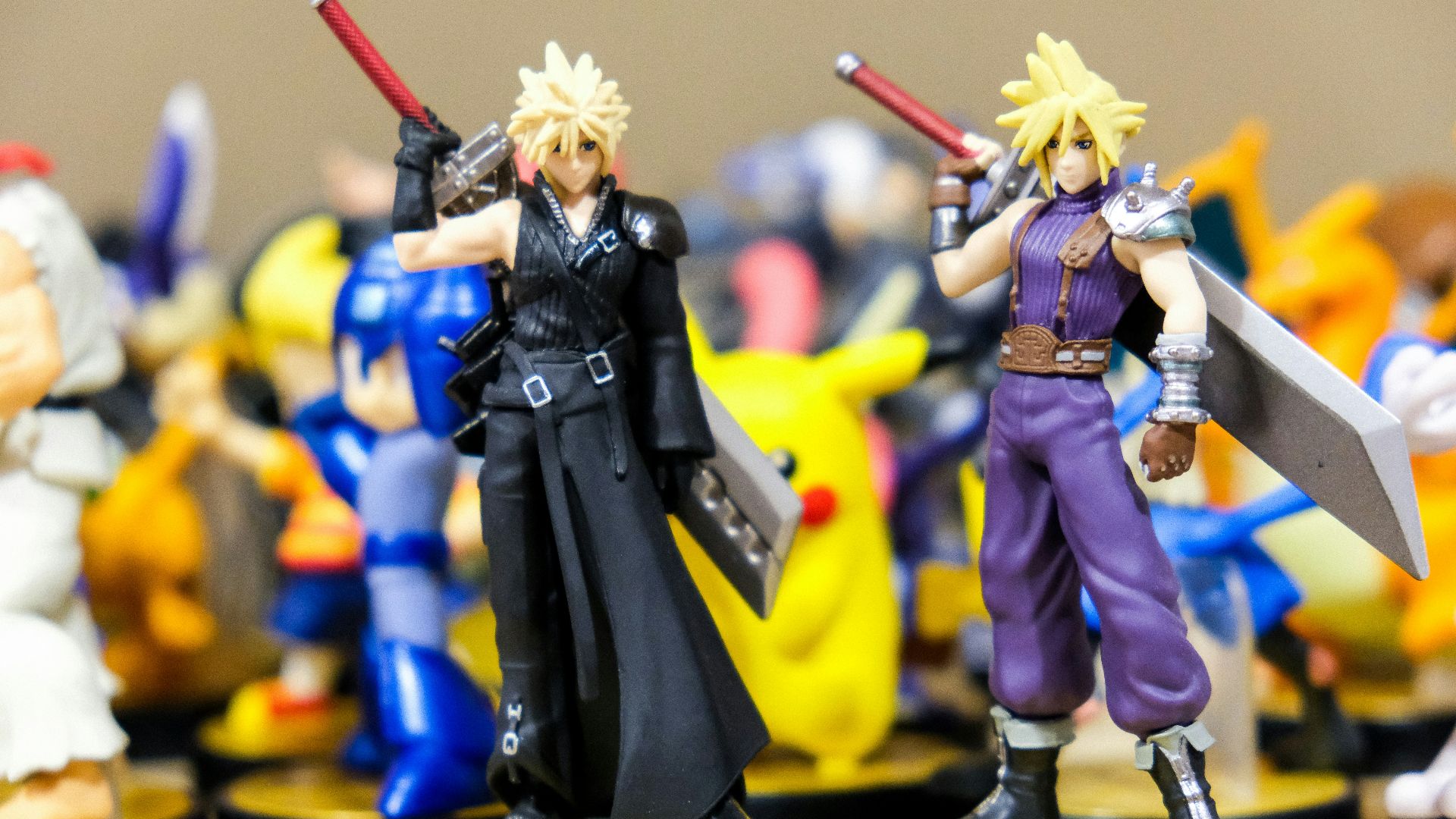
13. Dragon Quest (NES)
If you like RPG comfort food, this is the classic dish. The structure is straightforward, but that simplicity helped define the genre’s rhythm for decades. It’s charming in a way that doesn’t try too hard.
14. EarthBound (SNES)
This game is weird in the most lovable way possible. Instead of dragons and castles, you’re dealing with malls, oddballs, and a tone that’s both silly and surprisingly emotional. The writing makes you grin, then suddenly it gets sincere, and you’re not ready for it.
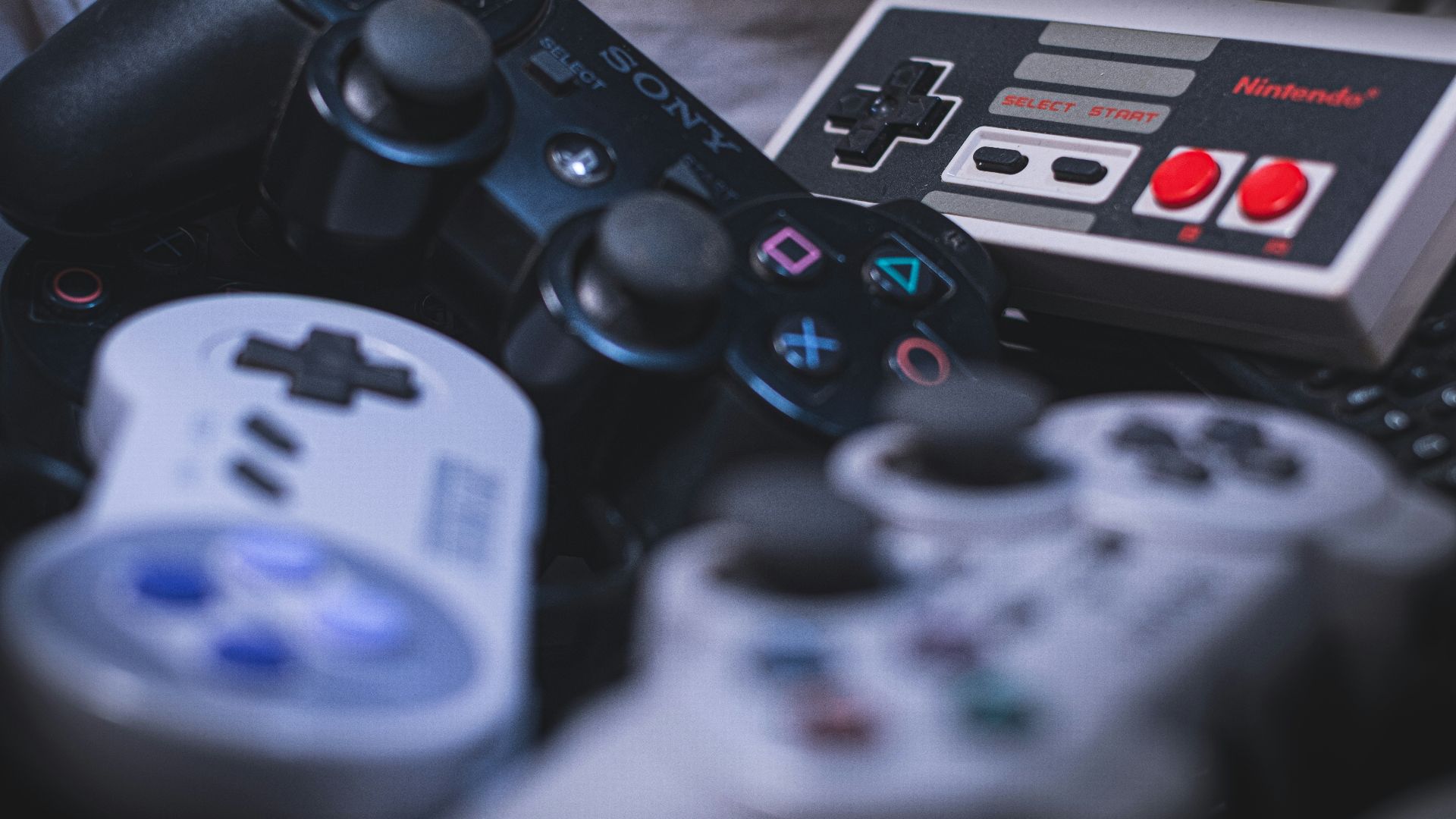 Enrique Guzmán Egas on Unsplash
15. Super Mario World (SNES)
The jump from NES to SNES was huge, and Super Mario World showed off that leap with confidence. The controls are silky, secrets are everywhere, and Yoshi somehow makes every level feel friendlier. You can rush through it, but it rewards you more when you poke around.
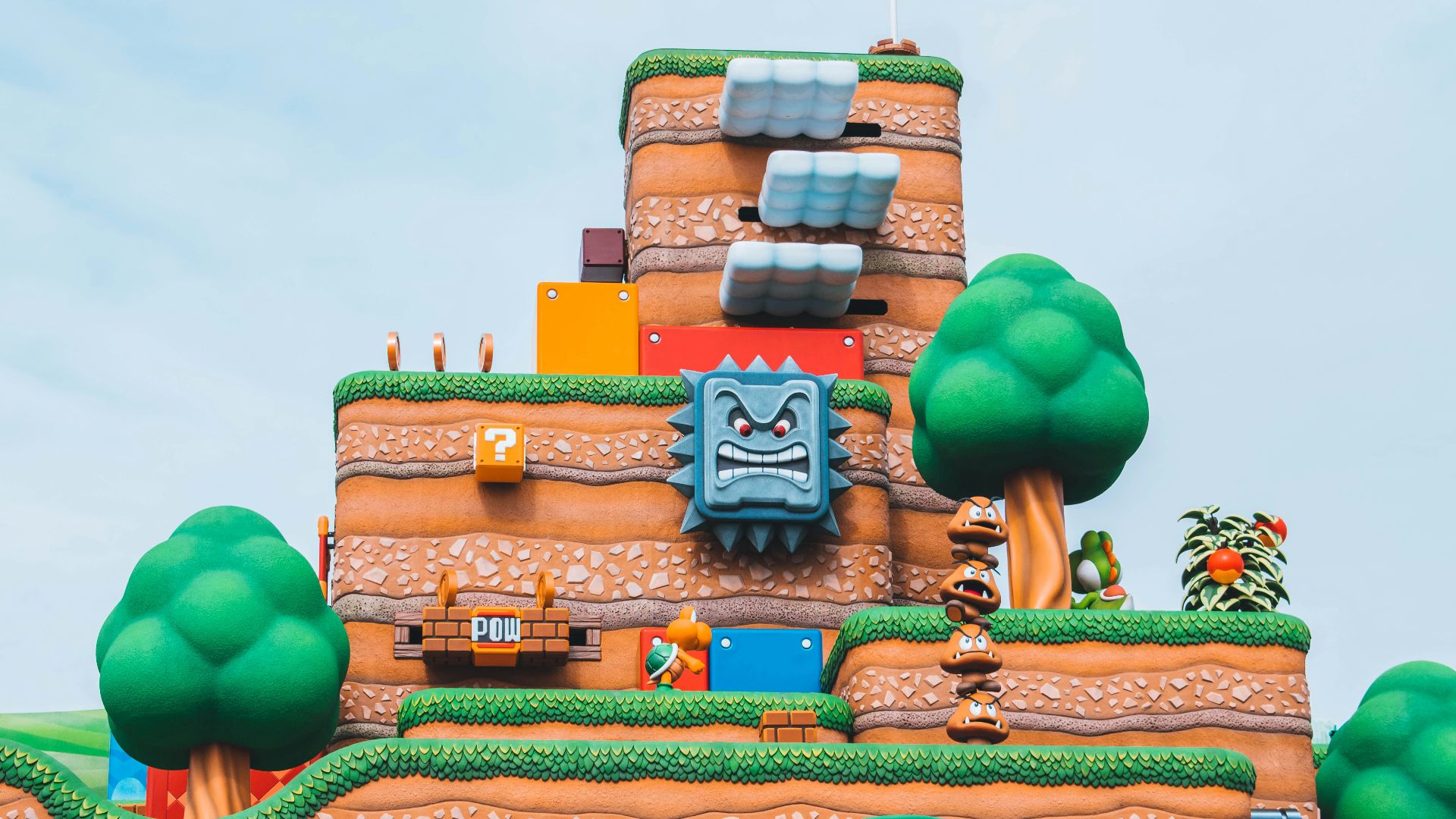
16. The Legend of Zelda: A Link to the Past (SNES)
This is the kind of game that makes you forget to check the time. The world feels dense without being confusing, and the dungeons strike a great balance between clever and fair.
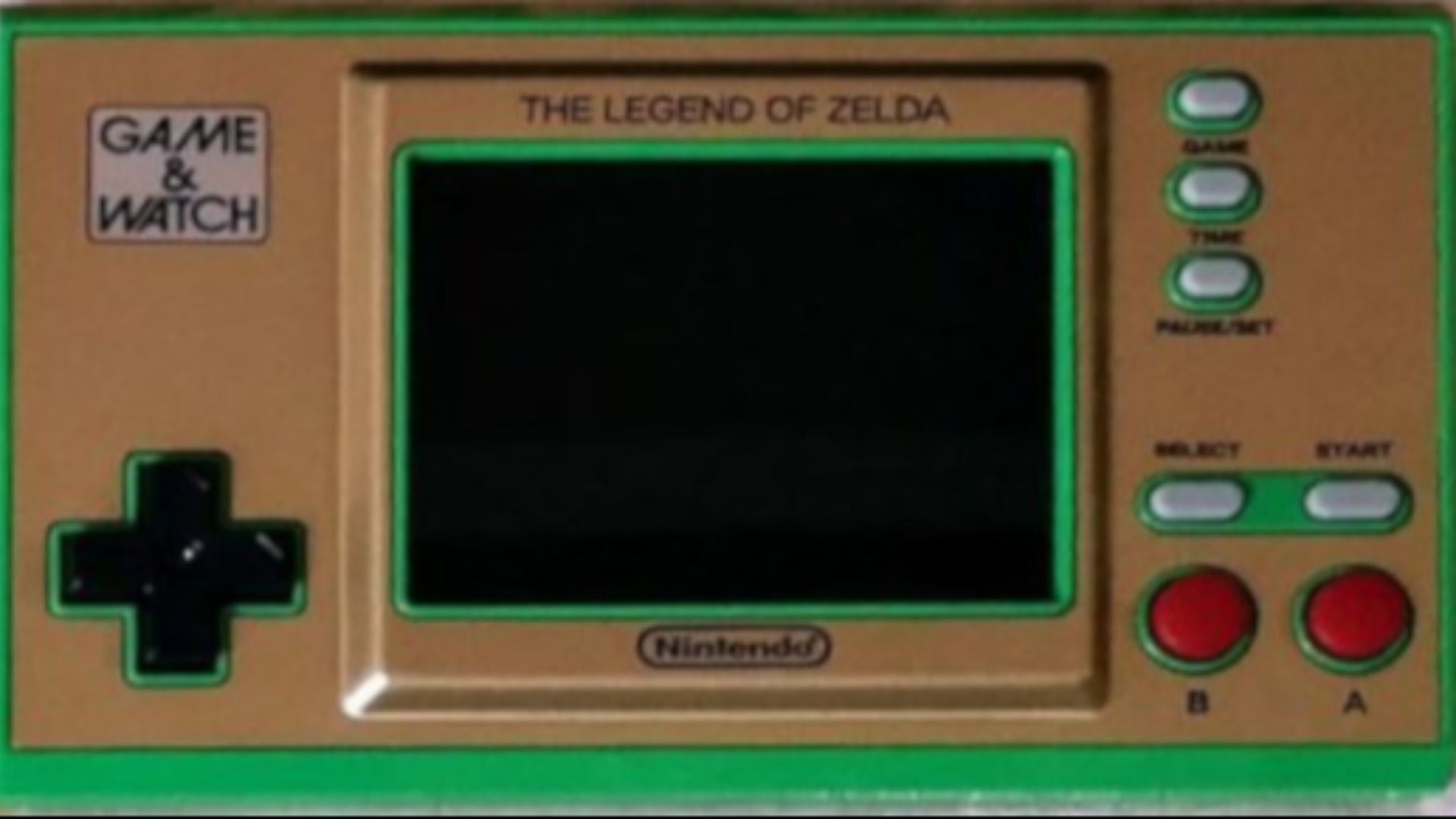
17. Super Metroid (SNES)
If Metroid walked so the genre could run, Super Metroid is the sprint. The world design is so smart that you’re often guided without realizing it, which feels like a magic trick. The atmosphere is rich, but it never gets in the way of movement. It’s the rare game that feels both quiet and thrilling.
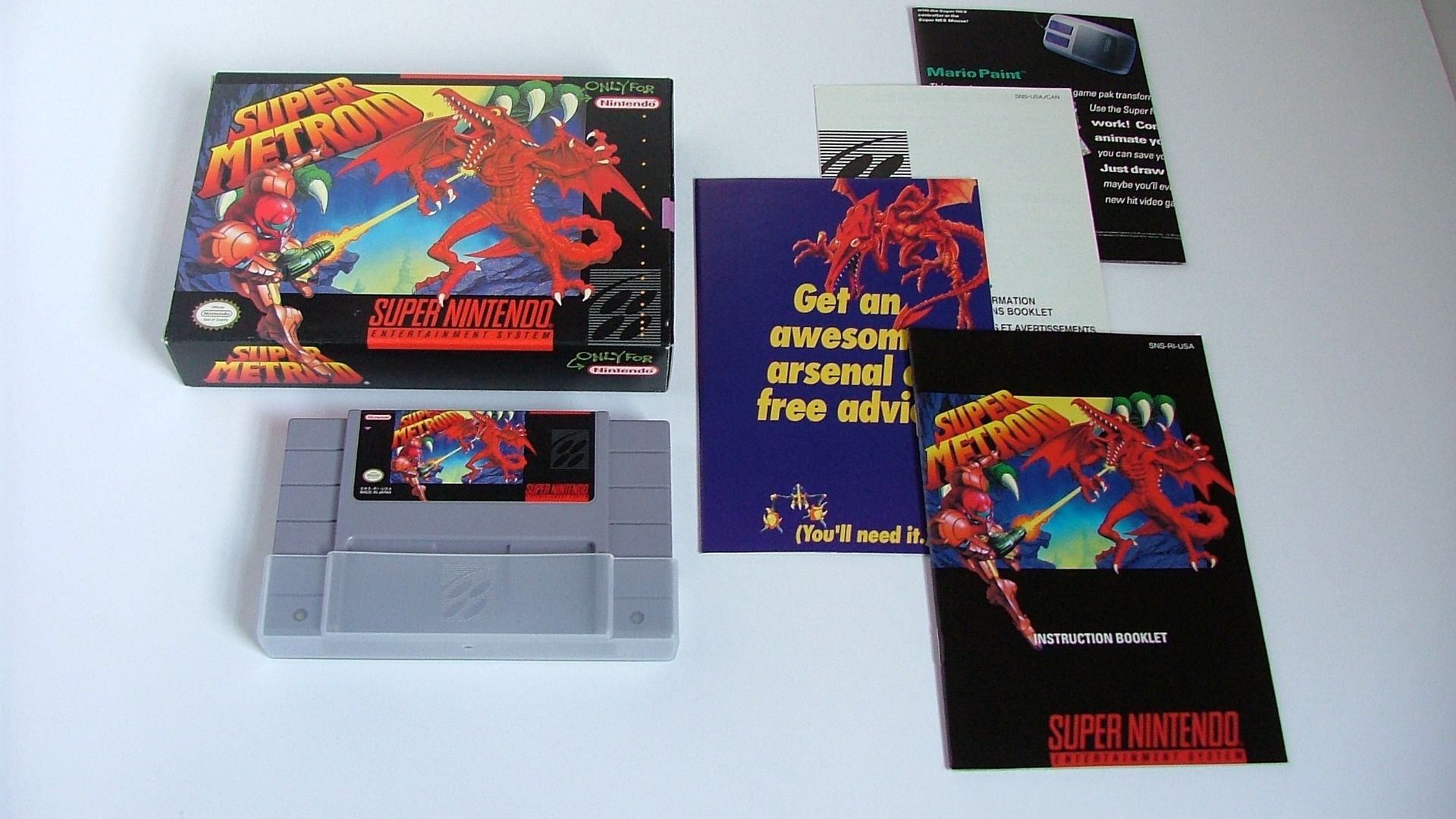
18. Chrono Trigger (SNES)
Time travel can be a mess, but Chrono Trigger makes it feel elegant. Battles move quickly, the cast is memorable, and the story keeps surprising you without dragging. Even the multiple endings feel like a reward rather than a gimmick.

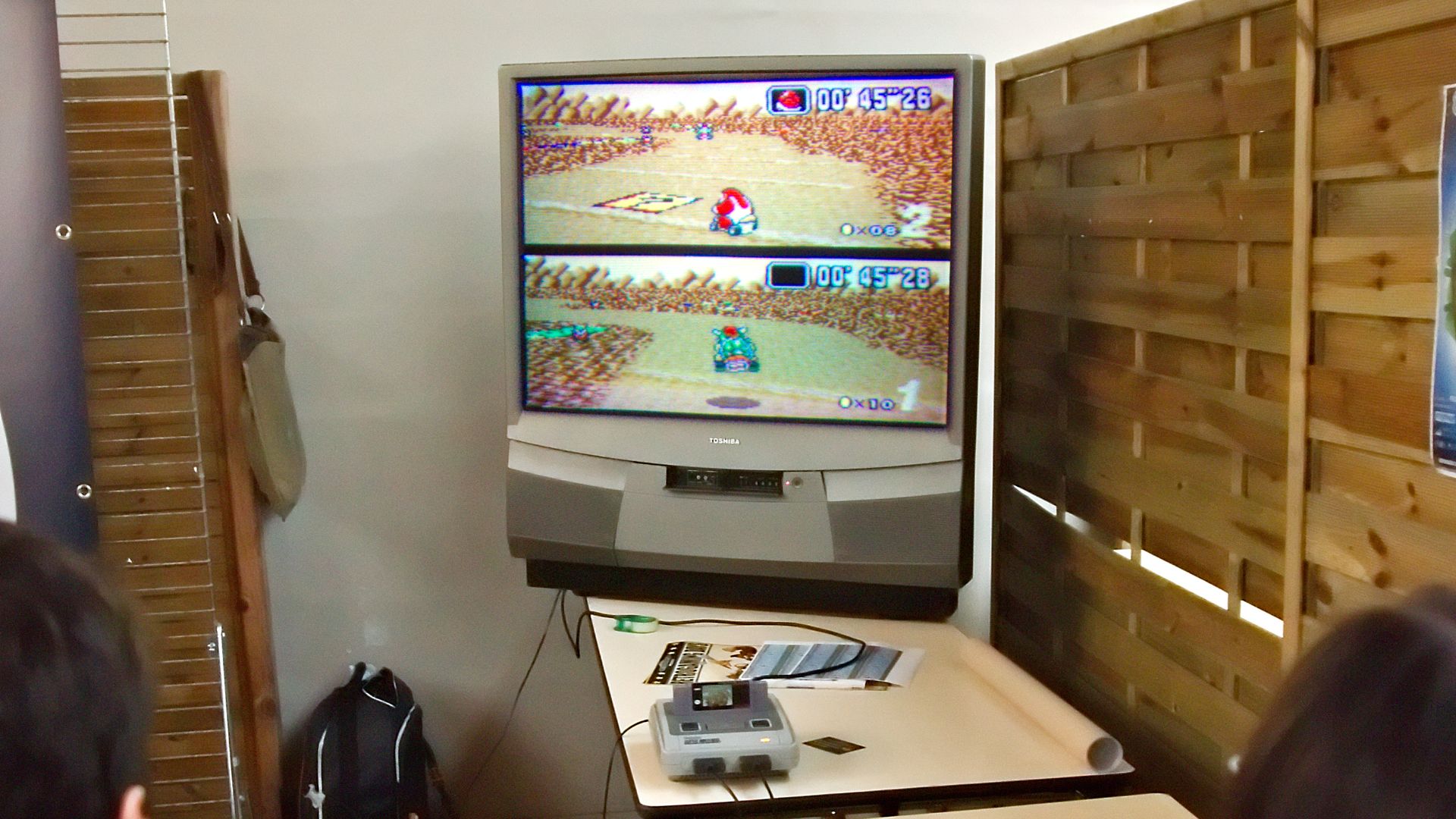
19. Super Mario Kart (SNES)
This one started a party tradition that’s still going strong. The racing is slightly slippery, the items are mildly evil, and the tracks are instantly recognizable. Even if you’re bad at it, you’ll still laugh when someone gets nailed right before the finish. It’s competitive, but in a fun, chaotic way.
 Frédéric BISSON from Rouen, France on Wikimedia
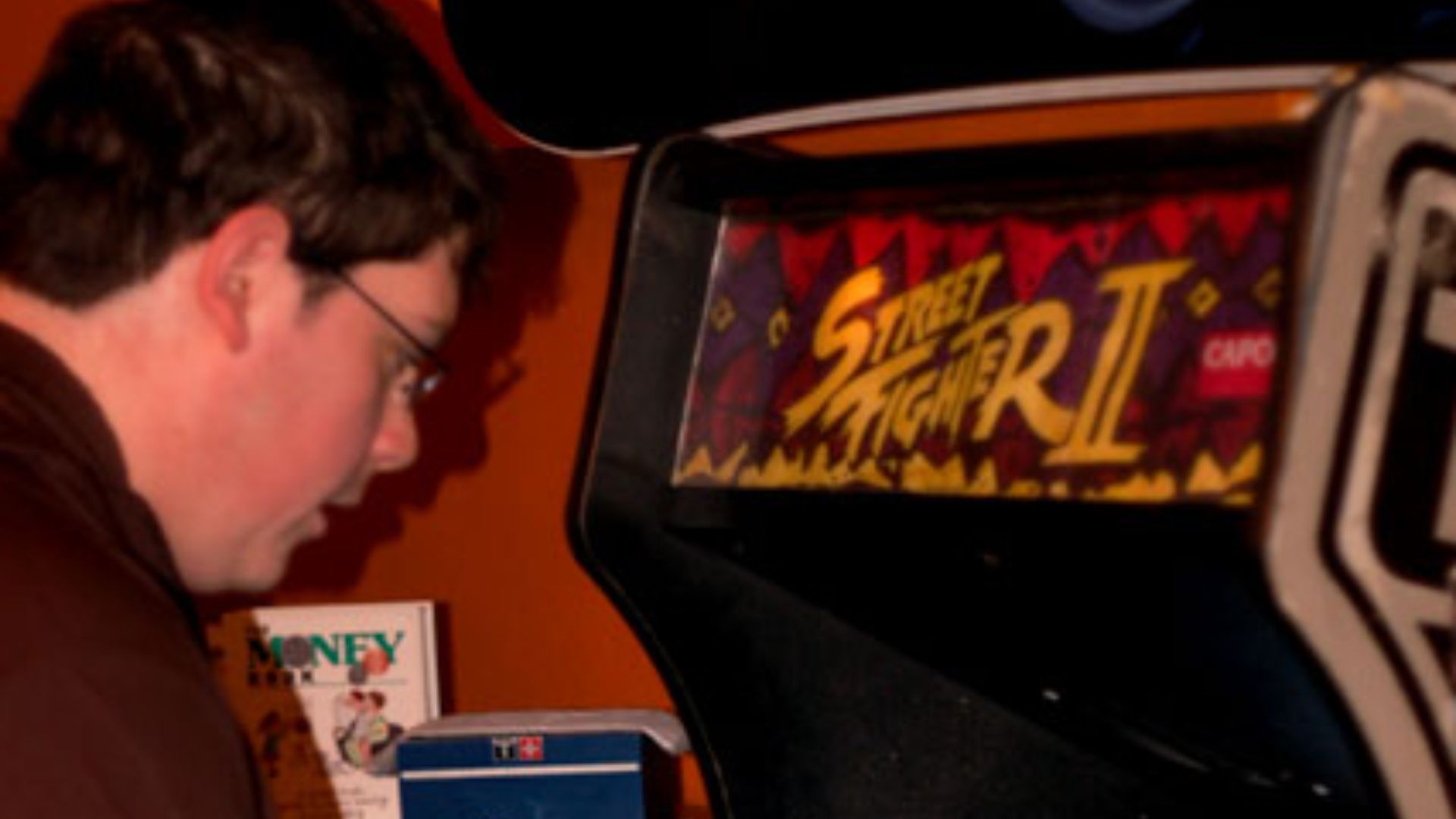
20. Street Fighter II (SNES)
This game turned living rooms into tiny tournaments. Learning combos feels intimidating at first, but then you land one clean hit, and suddenly you’re obsessed. Every character has personality, and the balance keeps matches exciting.