
The Plan Was Terrible But The Point Was Not.
Supervillains are supposed to be wrong in a clean, satisfying way, the kind that makes a hero’s speech land and the credits roll. Then you replay the cutscene, reread the arc, or watch the season again, and something sticks in your throat. A lot of villains are not “right” in the way they go about things, because they choose coercion, violence, or apocalypse as a shortcut. The uncomfortable part is that their diagnosis is often dead-on: the institutions are rotten, the incentives are broken, the powerful are lying, and the so-called good guys benefit from keeping things exactly the same. Here are twenty villains whose methods were monstrous, yet whose underlying point had teeth.
1. Magneto
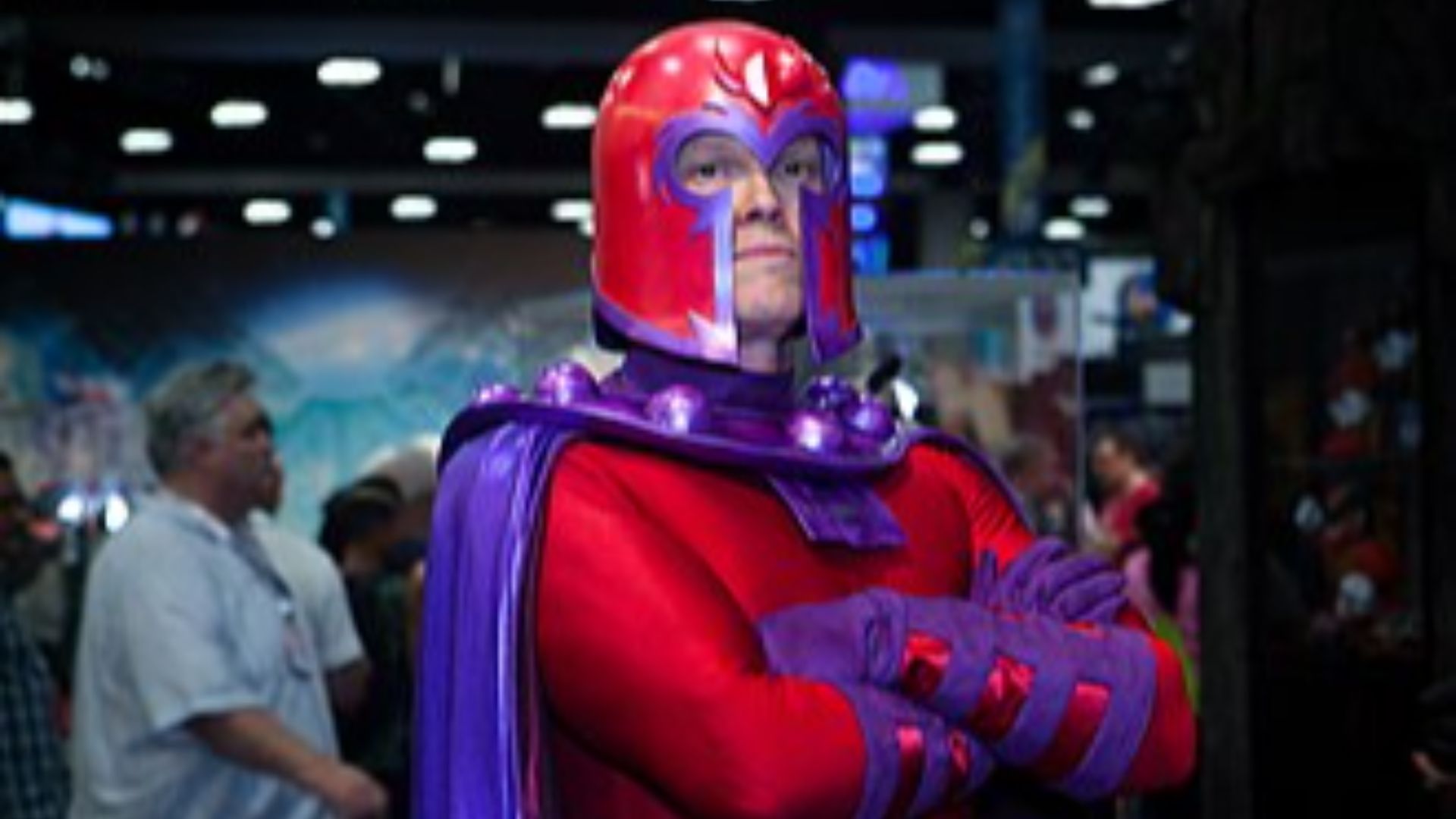
Magneto’s core argument in X-Men has always been that persecution does not vanish because the oppressed behave politely. Mutants get hunted, registered, and scapegoated, and history gives him plenty of receipts for how quickly societies normalize that. His extremism is the tragedy, not his realism.
 commons.wikimedia.org on Google
2. Killmonger
In Black Panther, Erik Killmonger calls out Wakanda’s comfort as a form of complicity. The film never pretends his solution is humane, yet his anger at abandoned people and hoarded power is hard to dismiss. He forces the story to admit that isolation has a body count.
3. Ozymandias
Ozymandias in Watchmen sees the Cold War spiral and decides humanity will not stop itself in time. His plan is unforgivable, yet the comic’s bleak point remains that people in power often need a catastrophe to change course. He is a villain built out of the idea that rationality can become cruelty.
4. Mr. Freeze
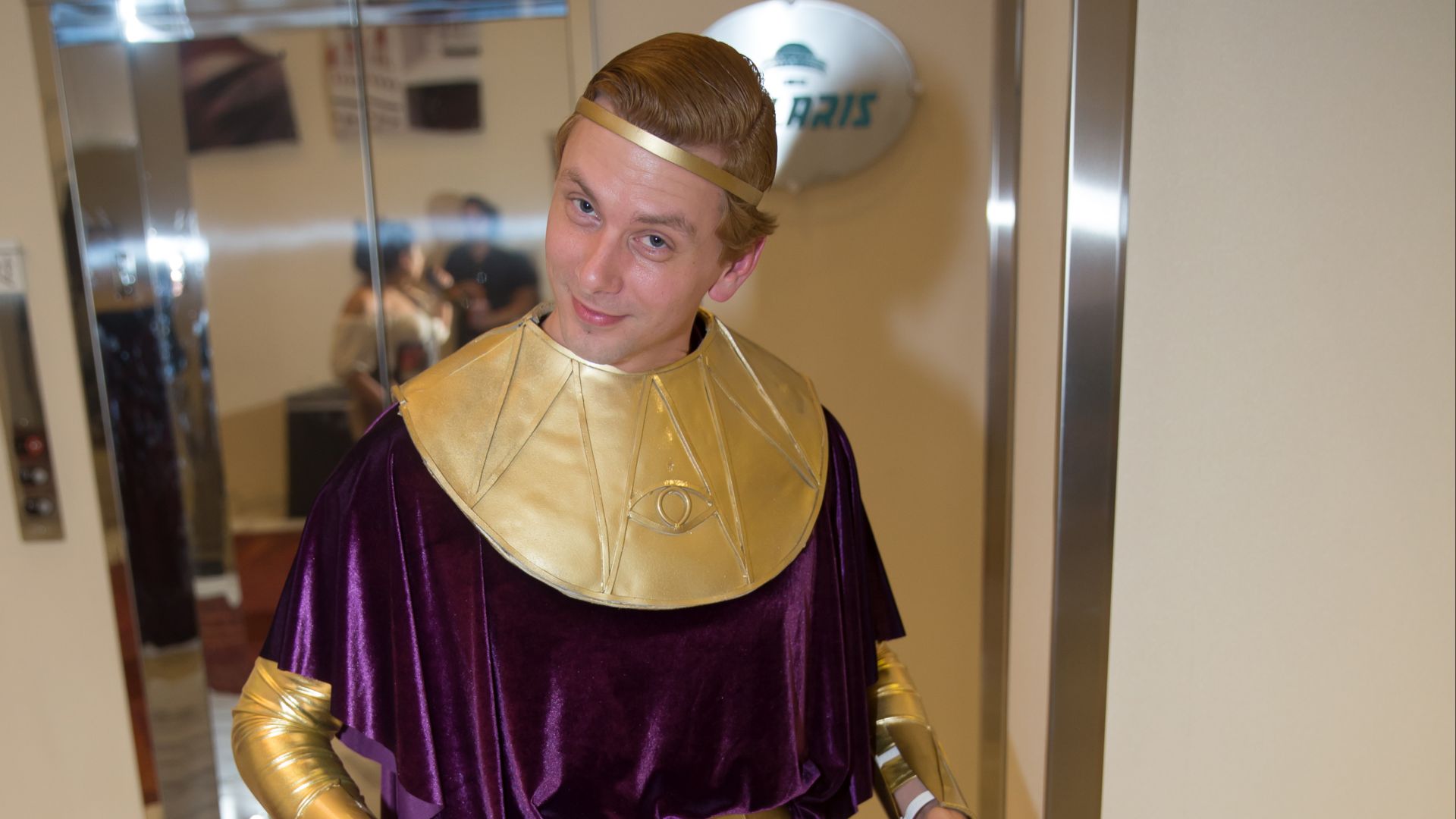
Mr. Freeze keeps getting framed as a gimmick, but his motivation is painfully human. In many versions, he is a man watching a loved one die while institutions move at bureaucratic speed. His wrongness comes from what he is willing to do for love, not from loving in the first place.
5. Doctor Doom
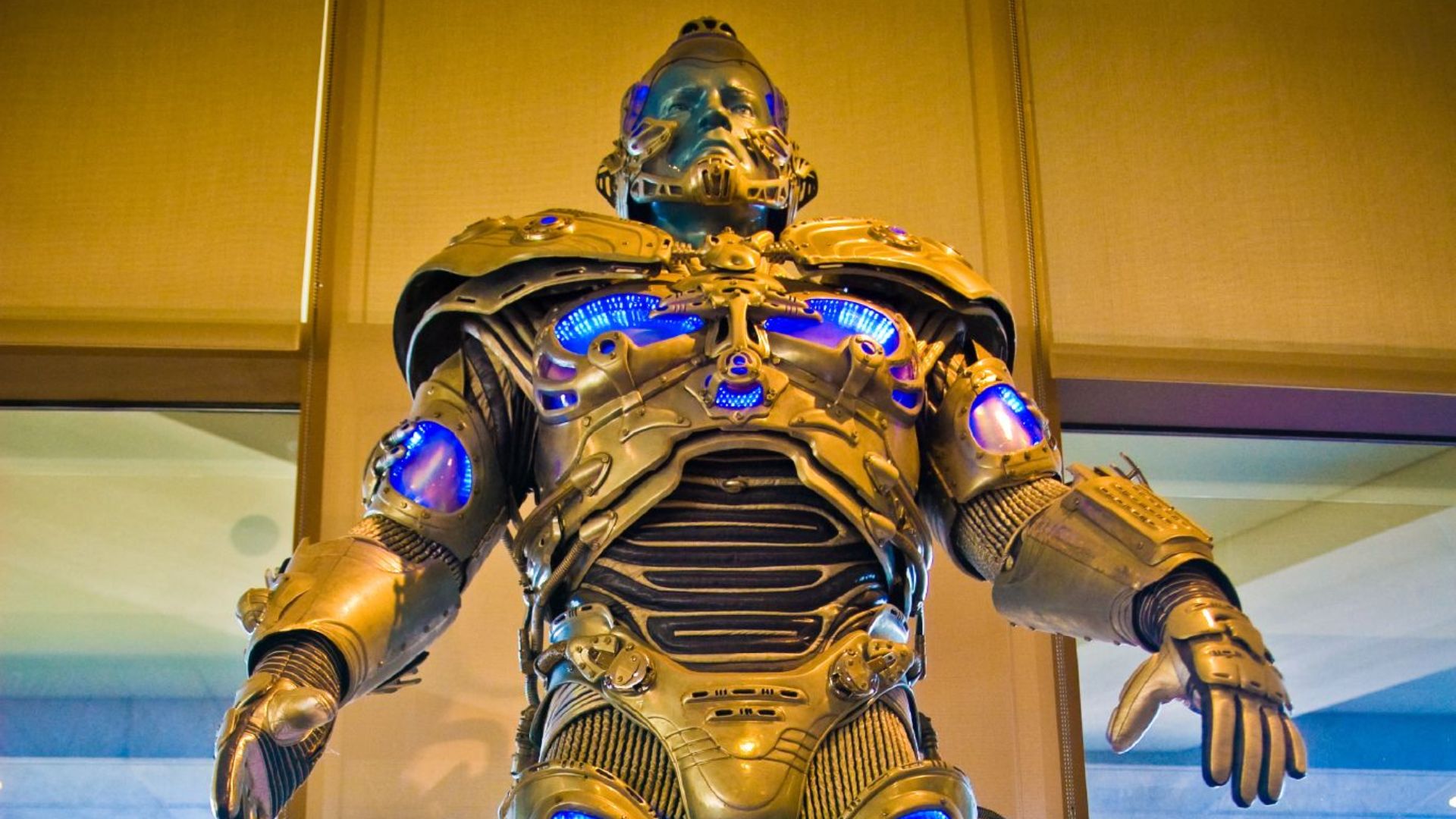
Doom’s ego is the poison, yet his critique of flimsy democracies and corrupt elites is not fantasy in the Marvel universe. Latveria under Doom is often depicted as stable, protected, and prosperous in a way that embarrasses his “freer” neighbors. The scary part is how often Marvel lets the reader admit that he can govern.
 The Conmunity - Pop Culture Geek from Los Angeles, CA, USA on Wikimedia
6. Poison Ivy
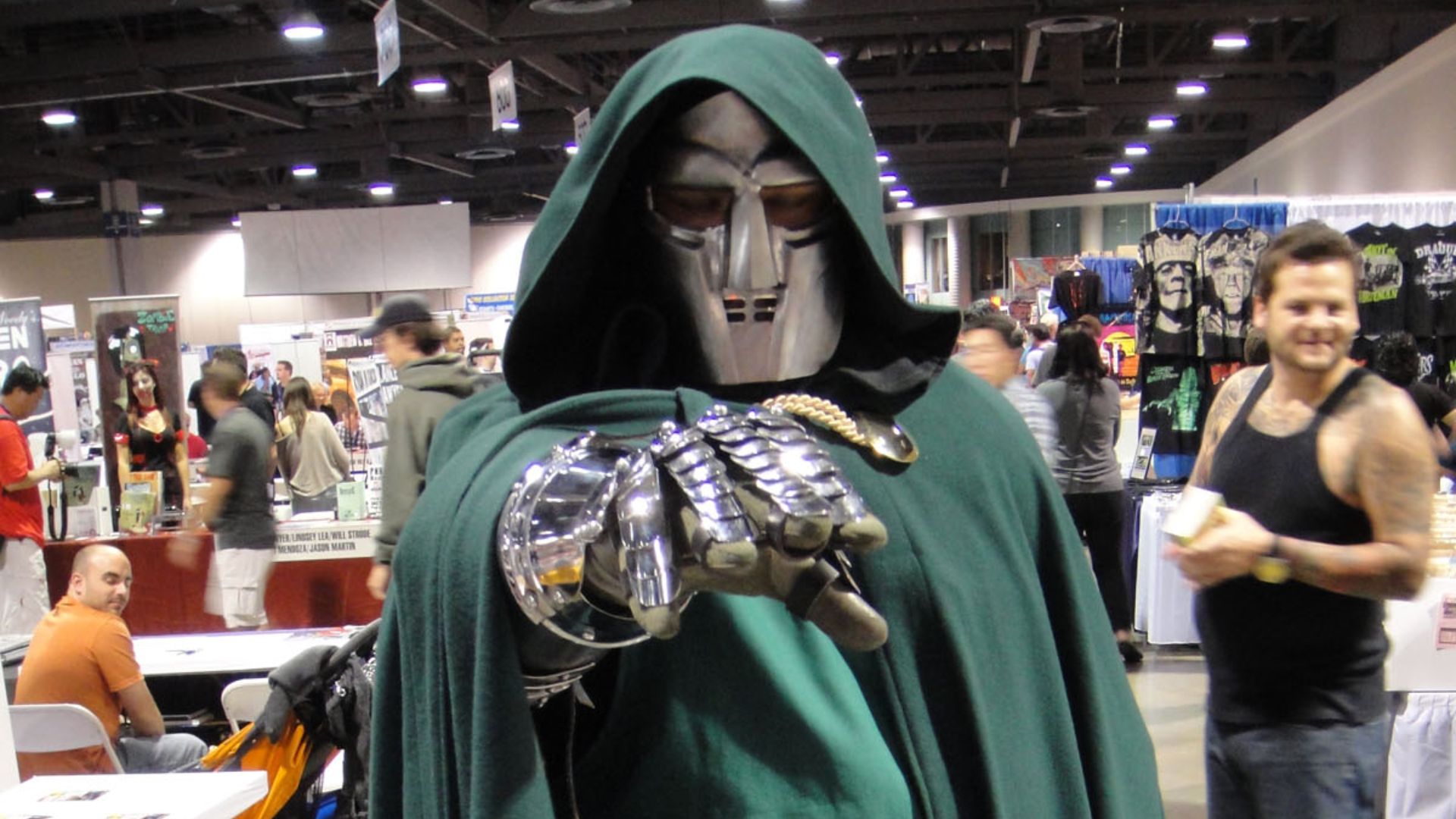
Poison Ivy’s rage is aimed at environmental destruction treated as normal business. She turns people into collateral damage, which makes her a villain, yet the world she fights is frequently shown leveling ecosystems with a shrug. Her extremism reads like a nightmare version of an argument that never got taken seriously.
 Miguel Discart & Kiri Karma on Wikimedia
7. Thanos
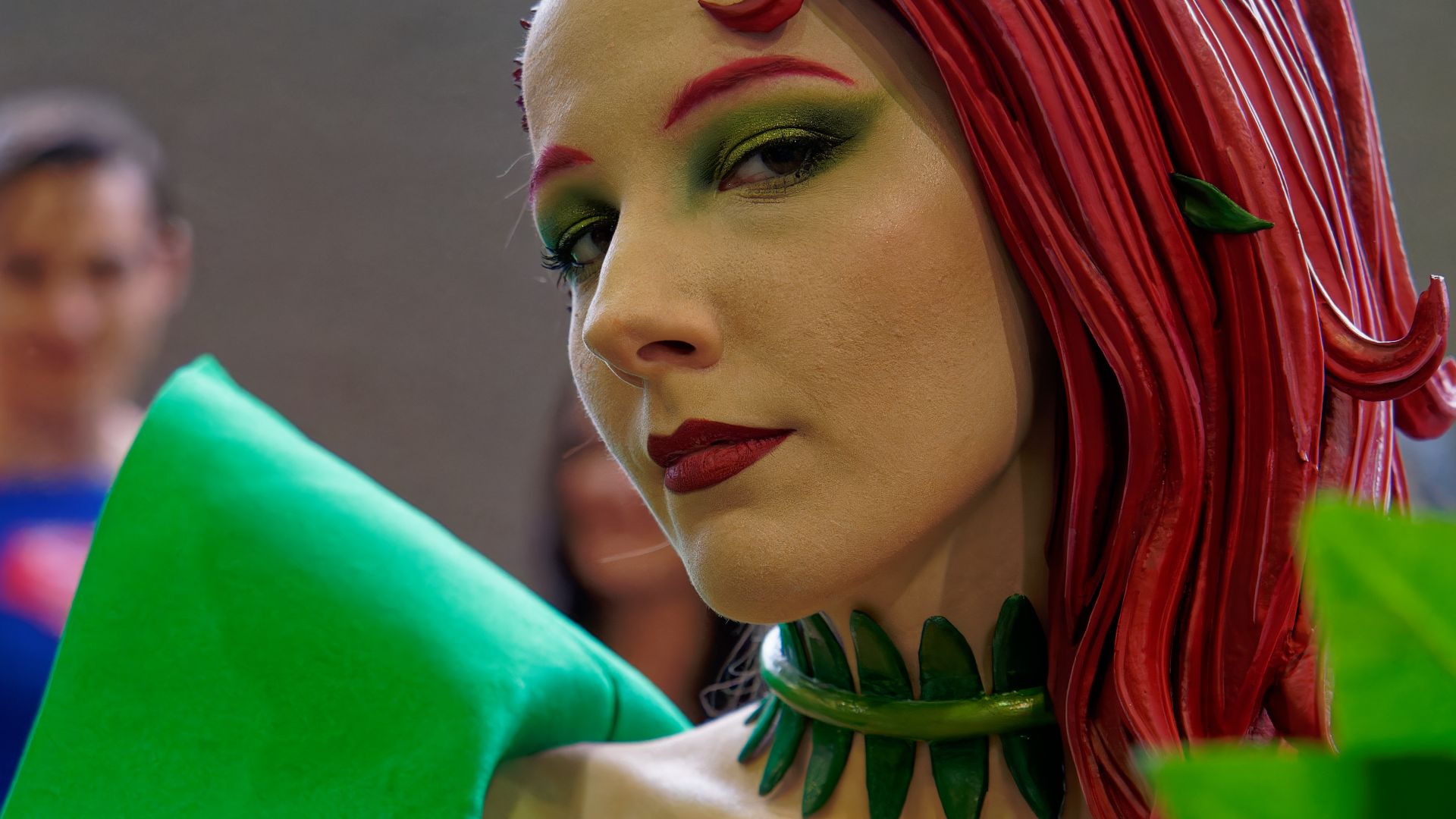
Thanos in the MCU identifies a real problem, which is that leaders ignore long-term resource pressure until it becomes crisis. His solution is atrocity dressed up as math, yet the story taps into familiar fear about scarcity and denial. He is a villain built for an era anxious about limits.
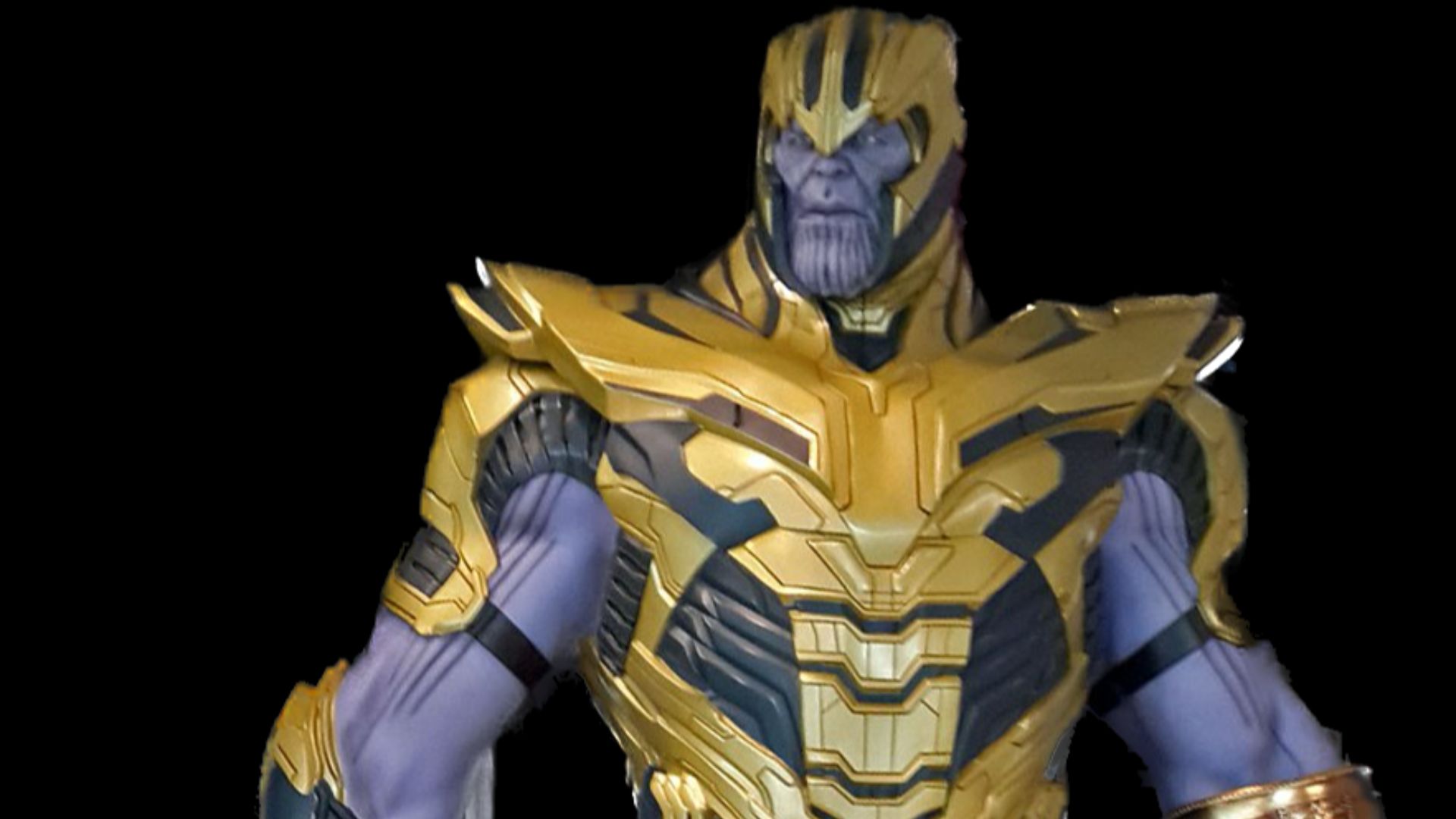 Original statue by Marvel Studios; photograph by Chris on Wikimedia
8. The Vulture
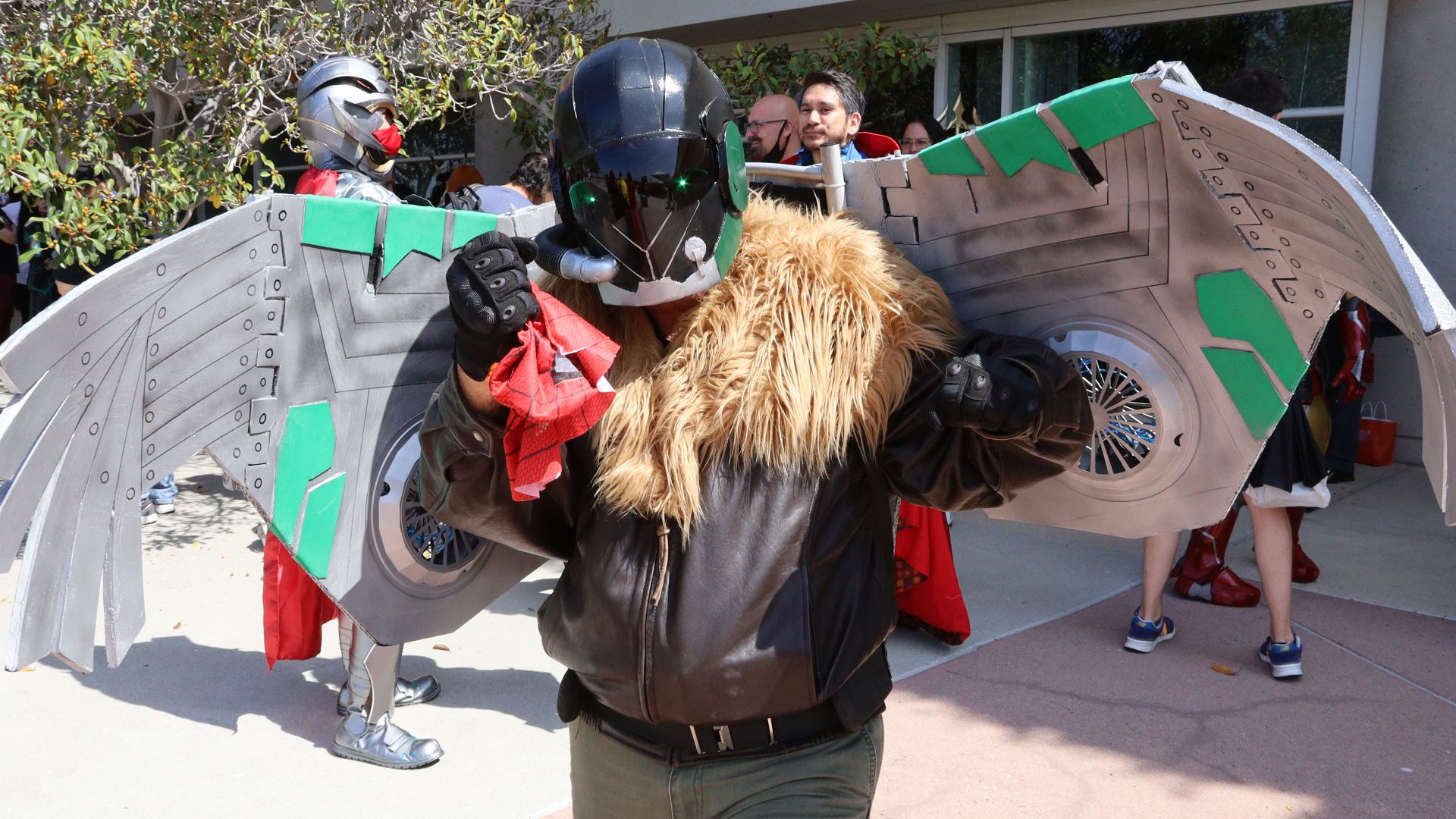
In Spider-Man: Homecoming, Adrian Toomes is a blue-collar guy who watches powerful organizations scoop up contracts and leave locals behind. His crimes are not justified, yet the resentment is recognizable, especially in a world where disaster creates a feeding frenzy for the well-connected. The movie quietly admits he is reacting to a rigged game.
9. Kingpin
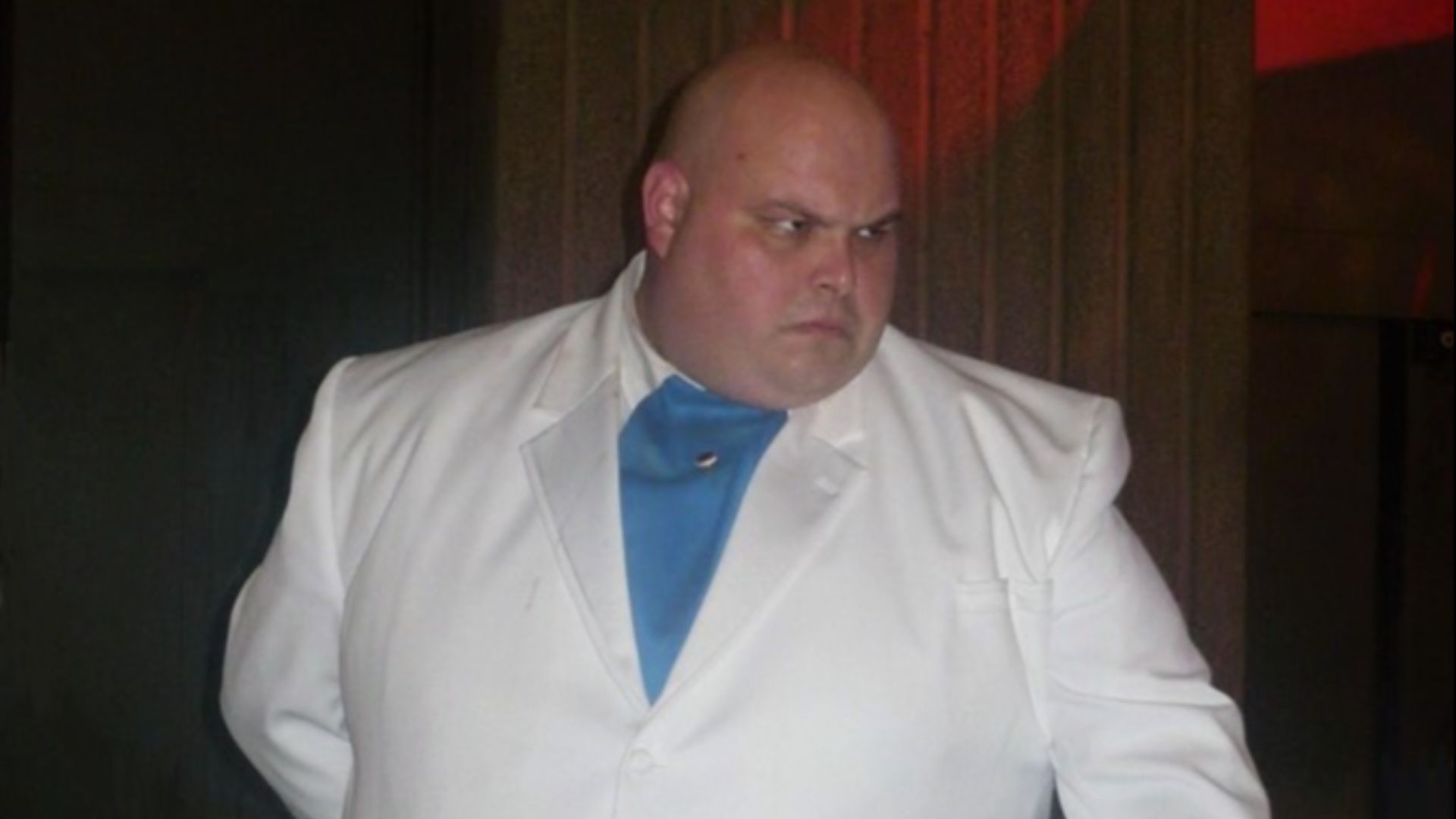
Wilson Fisk sees a city where corruption is the default setting and decides to seize control openly. He is brutal, but he is also honest about what the system already is, a marketplace of violence and favors. His moral hypocrisy is the issue, not his assessment of the playing field.
10. Loki
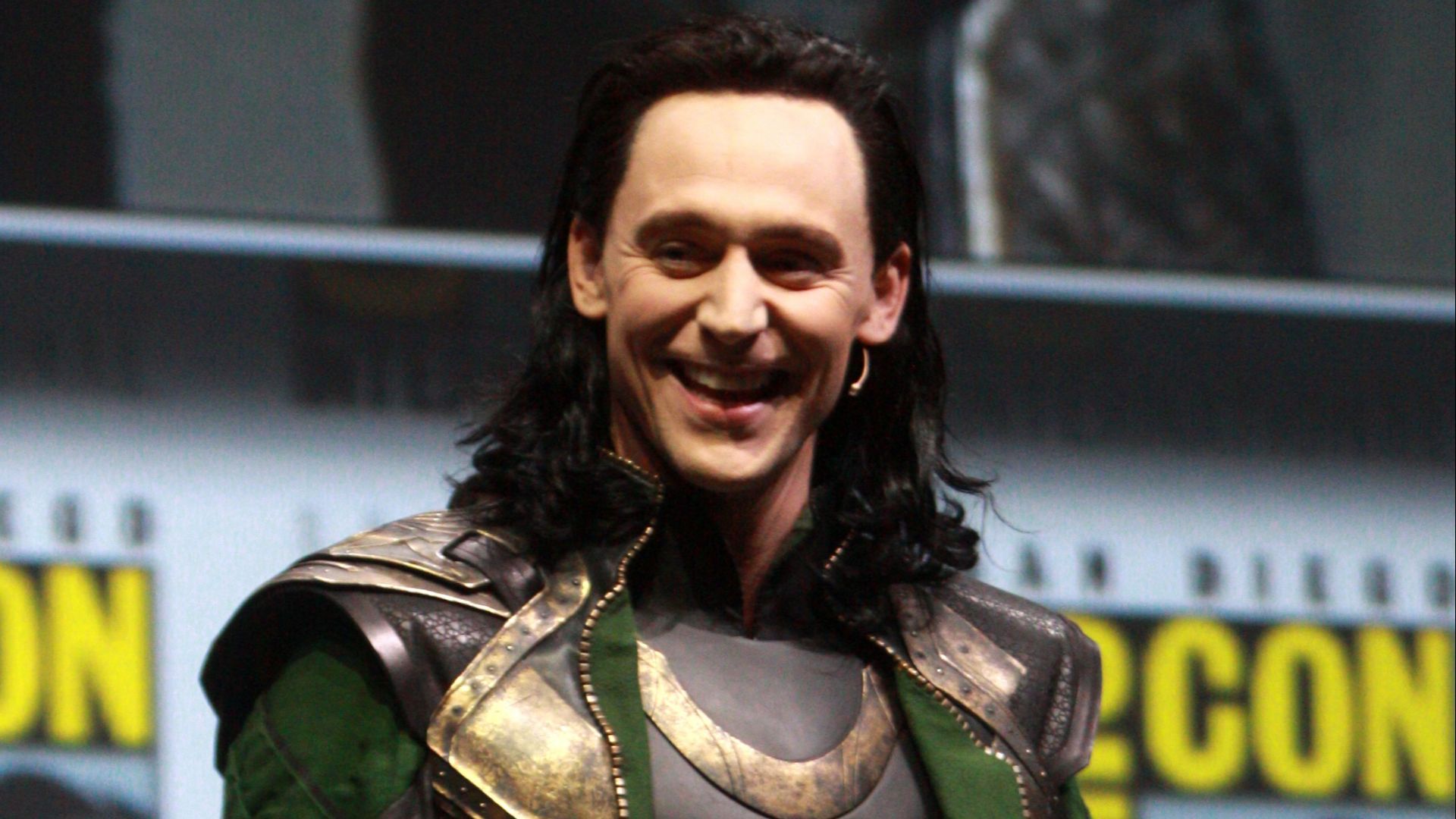
Loki’s best moments come when he exposes how much heroism depends on inherited power and clean narratives. He is a liar, yet he is also a mirror held up to entitlement and cosmic bureaucracy. His “wrongness” often looks like refusing to stay in the role assigned to him.
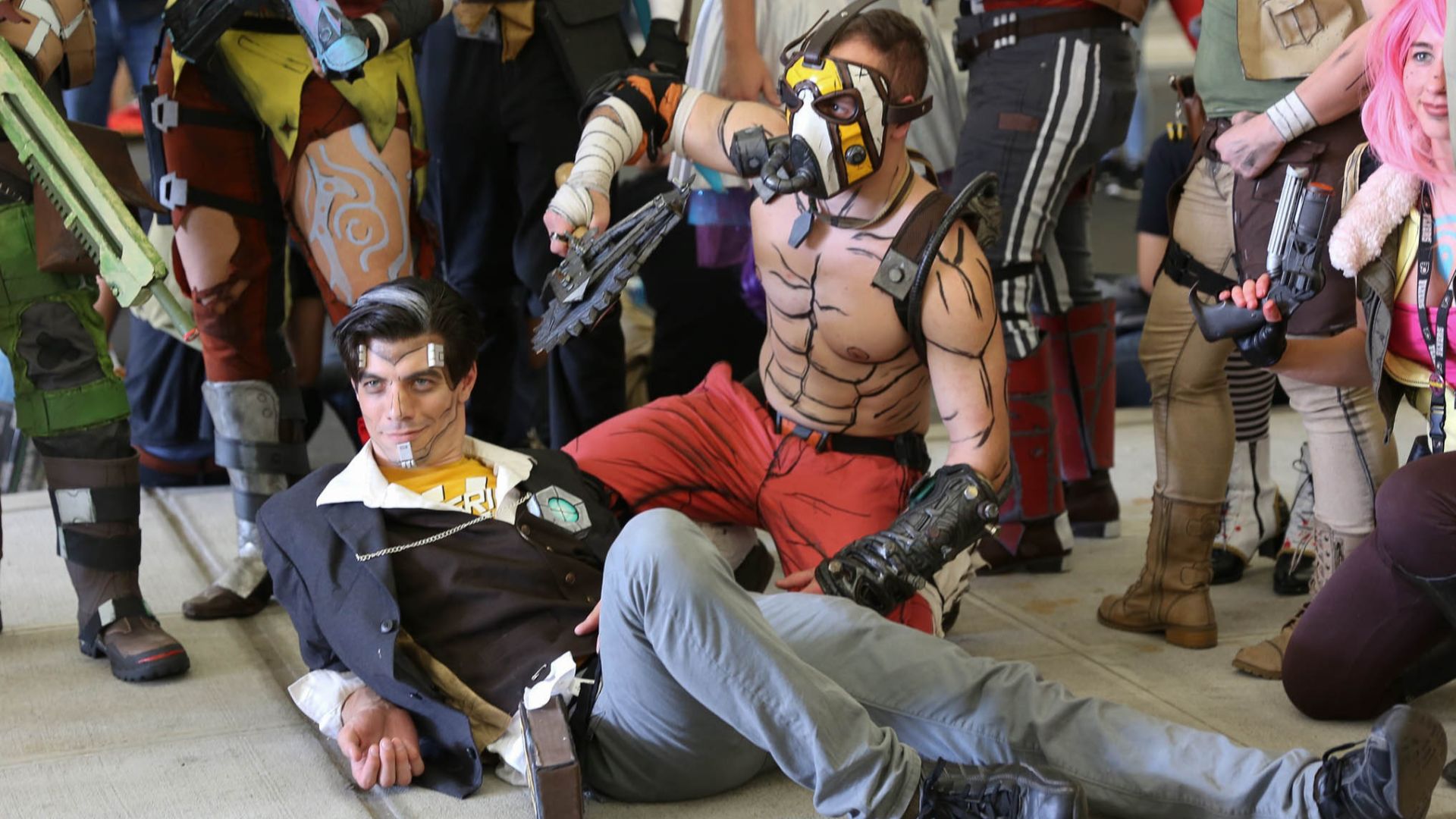
11. Handsome Jack
In Borderlands 2, Handsome Jack keeps insisting he is the hero bringing order to Pandora. He is a monster, yet Pandora really is a lawless corporate wasteland where normal people get crushed between profiteers and raiders. His villainy is what happens when control becomes an excuse for sadism.
 Richie S from Brooklyn, NY, United States on Wikimedia
12. Andrew Ryan
BioShock gives Andrew Ryan a philosophy that sounds seductive until it starts bleeding. He is right that ideology becomes propaganda the moment it needs force to survive, and Rapture proves it in neon lights. The city collapses because the “freedom” he sells has no guardrails for human greed.
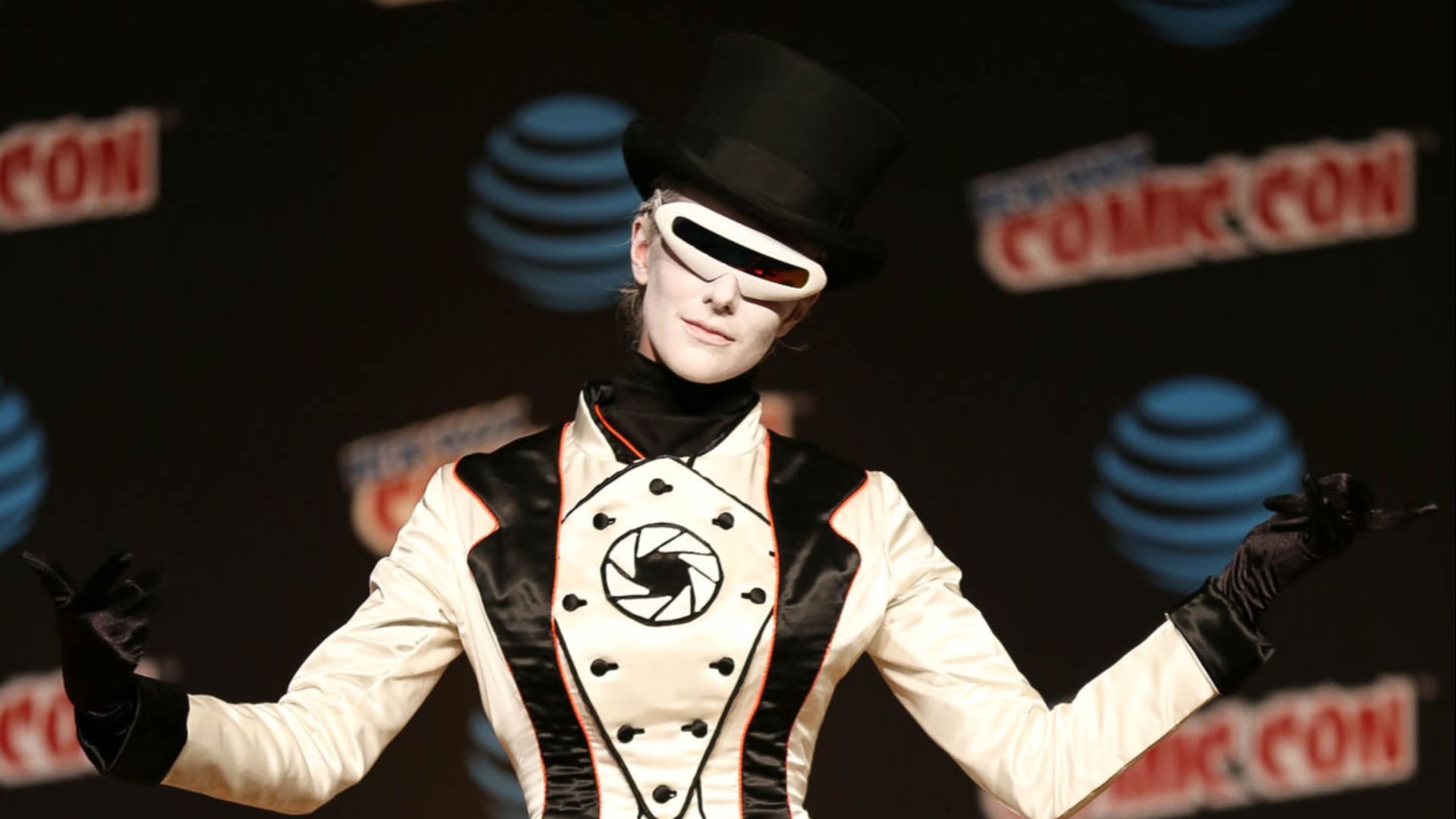
13. GLaDOS
GLaDOS in Portal is a nightmare manager with a comedic voice, yet she also exposes how institutions sanitize cruelty through procedure. The tests are absurd, but the logic is familiar: keep the subject moving, keep them isolated, and call it progress. Her honesty is what makes her jokes land so hard.
 Richie S from Brooklyn, NY, United States on Wikimedia
14. The Illusive Man
In Mass Effect, the Illusive Man argues that humanity will always be treated as expendable unless it seizes power aggressively. He is not wrong about the galaxy’s politics, where humans are routinely patronized or sidelined. His collapse comes from believing control is worth any price.
 commons.wikimedia.org on Google
15. Senator Armstrong
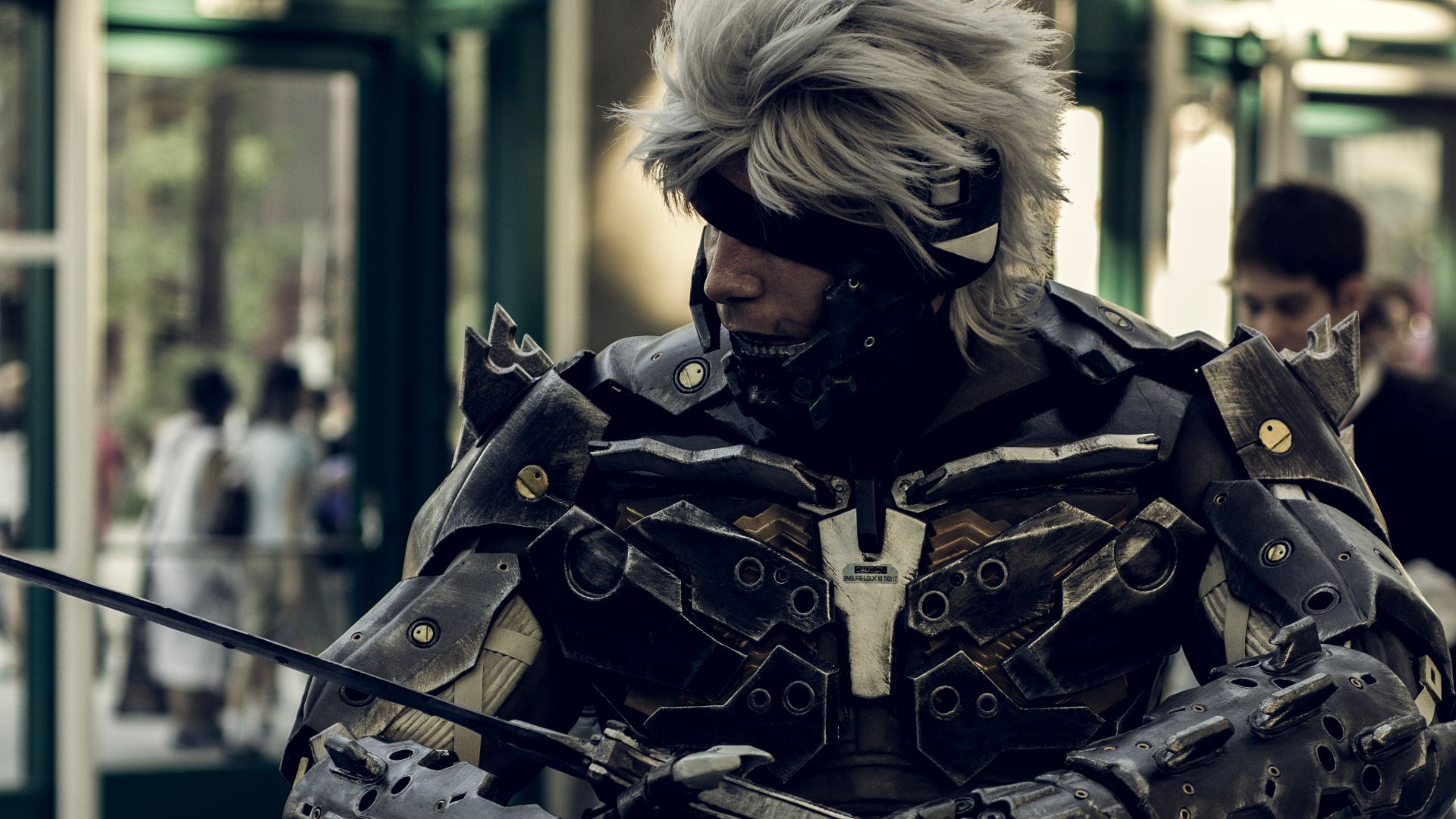
Armstrong in Metal Gear Rising: Revengeance rants about systems built to keep people docile and profit-driven. His worldview is grotesque, yet his speech hits because it names the machinery behind war economies and media manipulation. He is the villain version of a rant you recognize from real life, turned up to absurd volume.
16. Light Yagami
Light in Death Note starts with a premise many people secretly flirt with: the justice system fails, and evil often wins. The moment he decides he alone should define guilt, the moral rot spreads instantly. He is right that people crave simple justice, and horrifying proof of why that craving is dangerous.
 Farhan Ahmad Tajuddin on Wikimedia
17. Griffith
Griffith in Berserk believes the world will never give him a place unless he takes it with both hands. His ambition and charisma feel almost inspirational until the cost becomes unthinkable. He is “right” about the cruelty of power, and the story punishes the reader for ever enjoying his rise.
18. Eren Yeager
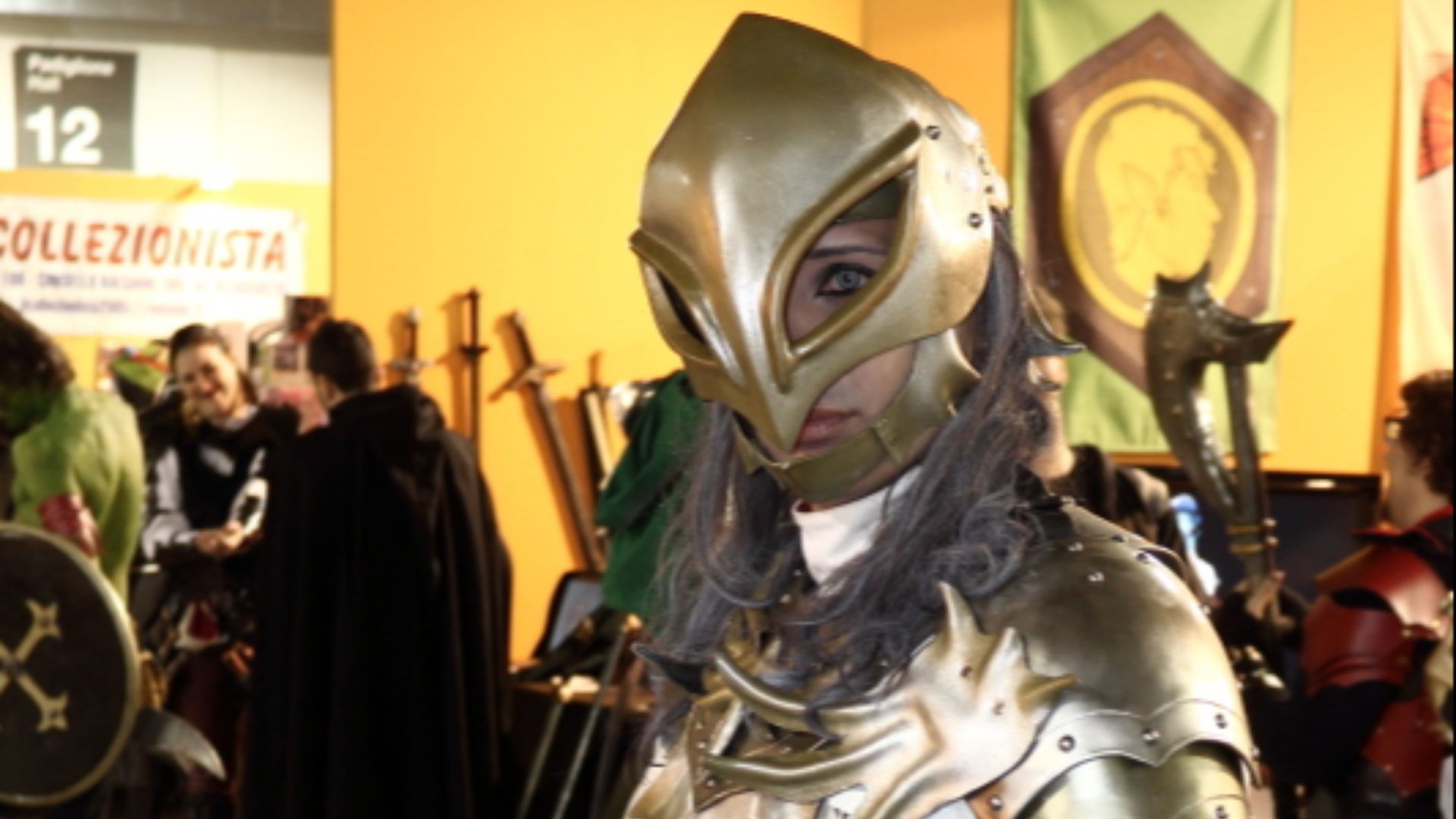
Eren’s arc in Attack on Titan is built on the discovery that hatred is inherited and recycled. He recognizes that his people will never be allowed to exist peacefully under the world’s current logic. The horror is that he chooses to answer oppression with a scale of violence that devours any moral high ground.

19. Netherbrain-Level Corporate Villains
So many modern game villains are basically executive logic wearing a cape: control the resource, own the narrative, outsource the suffering. Whether it is Umbrella in Resident Evil or Shinra in Final Fantasy VII, their core truth is that profit can swallow ethics whole if no one stops it. The stories sting because the satire barely needs exaggeration.
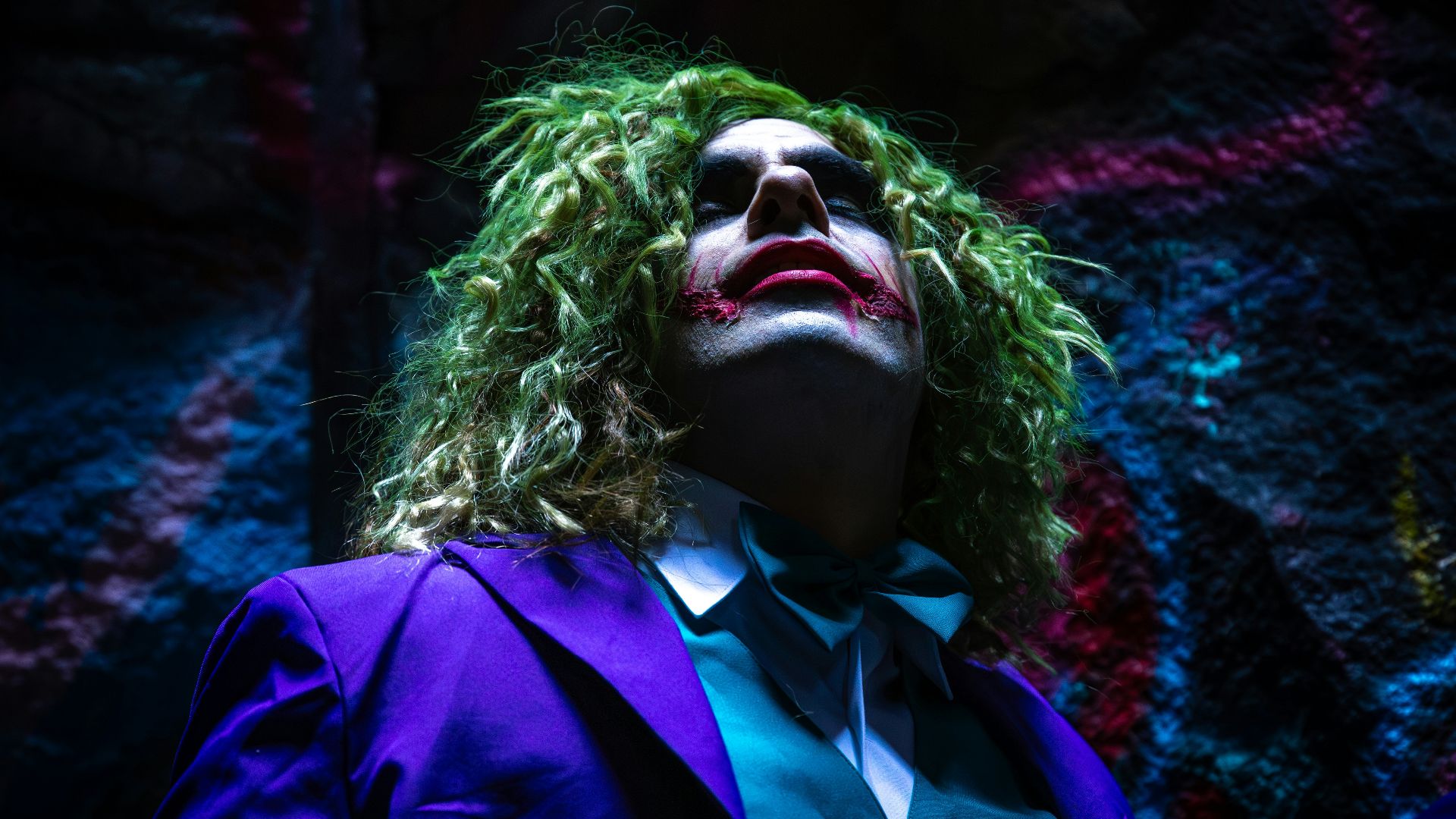
20. The Joker
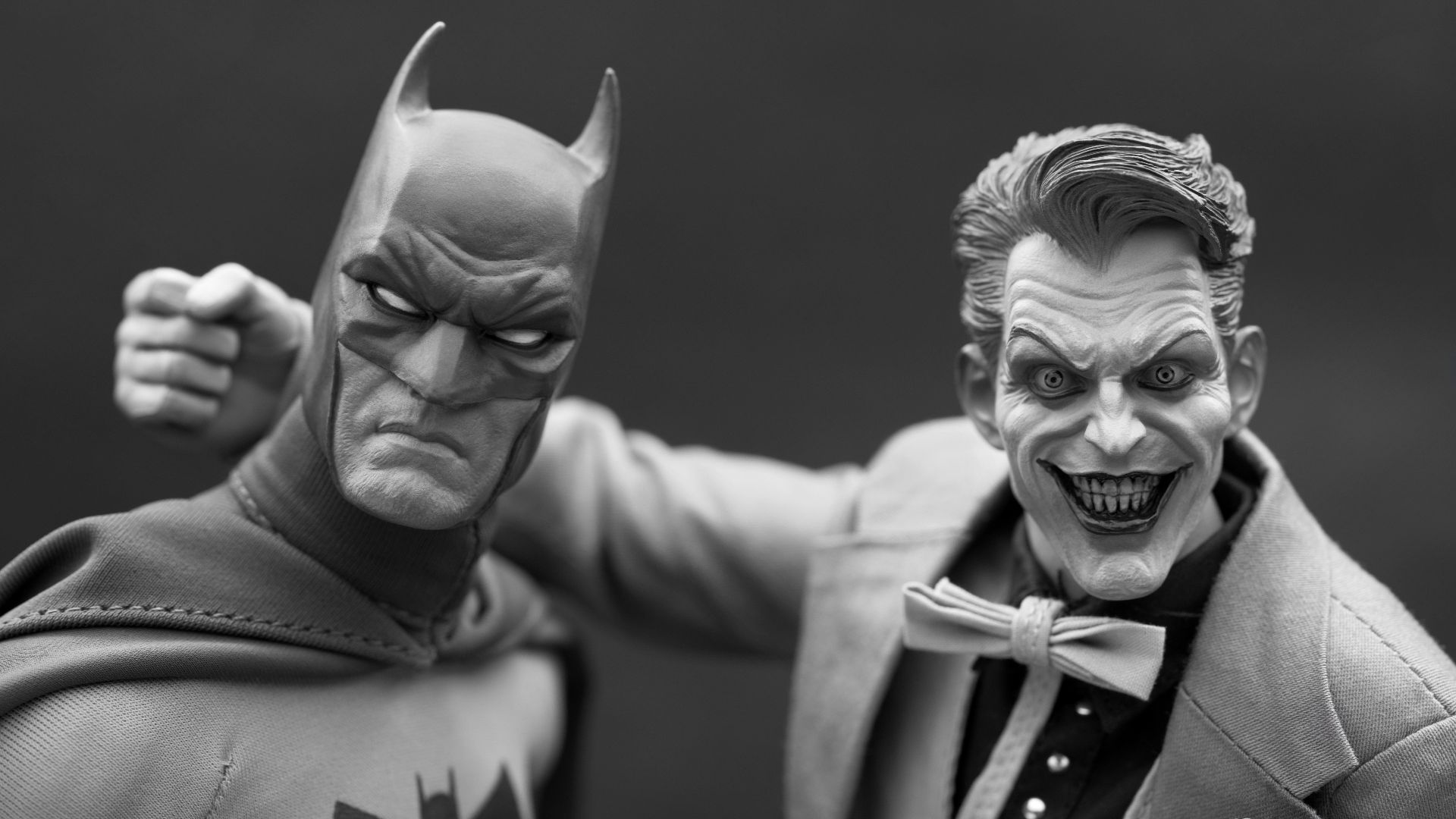
The Joker’s “point” is that order is fragile and people are not as rational as they pretend, especially under fear. He weaponizes that insight into cruelty, which is why he is a villain, yet he keeps winning arguments about hypocrisy. Gotham’s endless cycle of corruption and performative reform often proves him right in the worst way.






.jpg)