
Game Culture Went Mainstream
Gaming used to feel like its own corner of the internet, with its own language, habits, jokes, and strange little social rules. Now those same patterns show up everywhere, from work chats to group texts to comment sections under cooking videos. People who have never joined a raid still say things that came from games, or at least grew louder there. The habits spread because they are useful, funny, and sometimes a little too good at turning normal life into a scoreboard. Here are 20 online habits that started in gaming and escaped into normal life.
1. Saying GG For Everything
GG started as a quick way to say good game after a match. Now people use it after meetings, bad dates, job interviews, and minor disasters. It is short, dry, and flexible enough to mean respect, surrender, or mild emotional collapse.

2. Calling Everything A Side Quest
A side quest used to mean an optional mission away from the main story. Now it describes grabbing coffee, helping a friend move, wandering into a weird errand, or losing an hour to something that was not the plan. It works because modern life is full of little tasks that feel unrelated but somehow necessary.
3. Treating Life Like A Skill Tree
Games made it normal to think of improvement as unlocking abilities. Now people talk about leveling up cooking, social skills, fitness, budgeting, or sleep like they are distributing points. It is a tidy way to make messy self-improvement feel more manageable.
4. Saying NPC About Real People
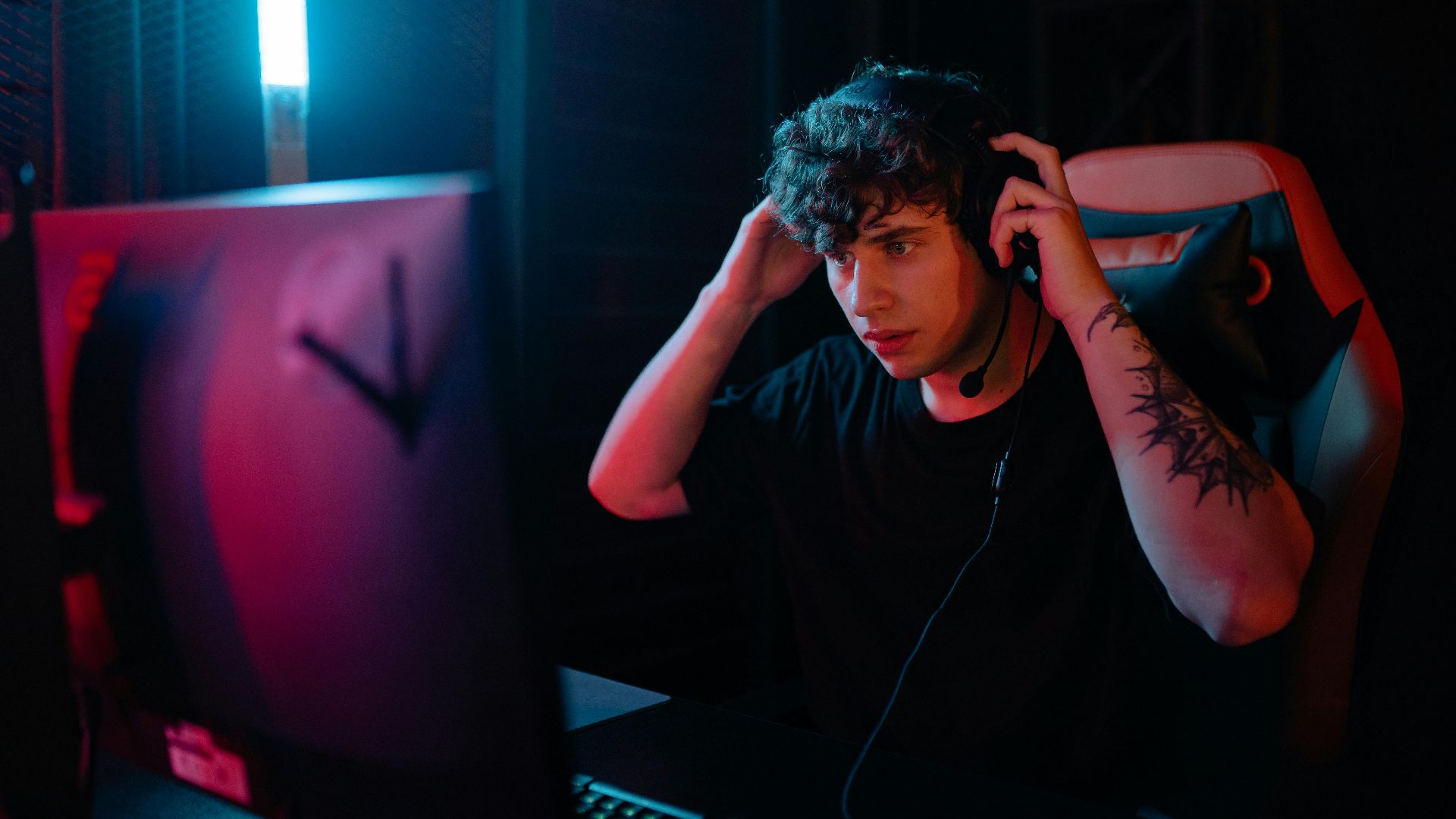
NPC was once a game term for characters controlled by the computer. Online, it turned into a lazy way to describe people who seem predictable, repetitive, or unaware. It can be funny in small doses, but it also gets cruel fast when people use it to flatten strangers into background characters.

5. Using Boss Fight For Big Problems
A boss fight used to be the big challenge at the end of a level. Now it describes tax season, moving apartments, a tense family dinner, or one impossible email from a manager. The phrase makes stress feel a little more dramatic, and sometimes a little more survivable.
6. Saying Nerfed When Something Gets Worse
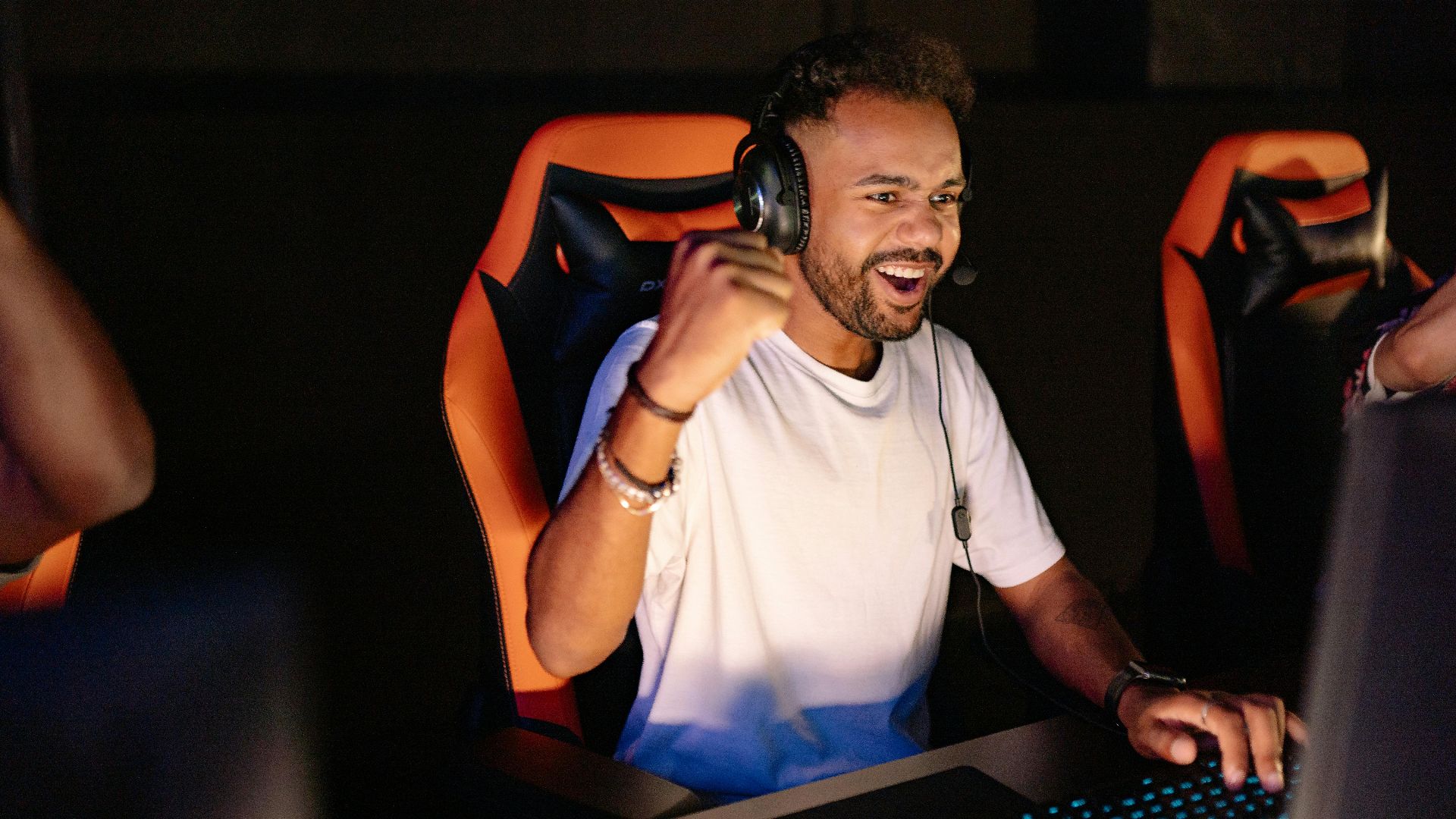
In gaming, a nerf means a weapon, character, or ability got weakened. Outside games, people say coffee got nerfed, an app got nerfed, or their favorite sandwich got nerfed when the portion shrinks. It is a neat way to complain about something being quietly made worse.
7. Calling A Real-Life Hack An Exploit
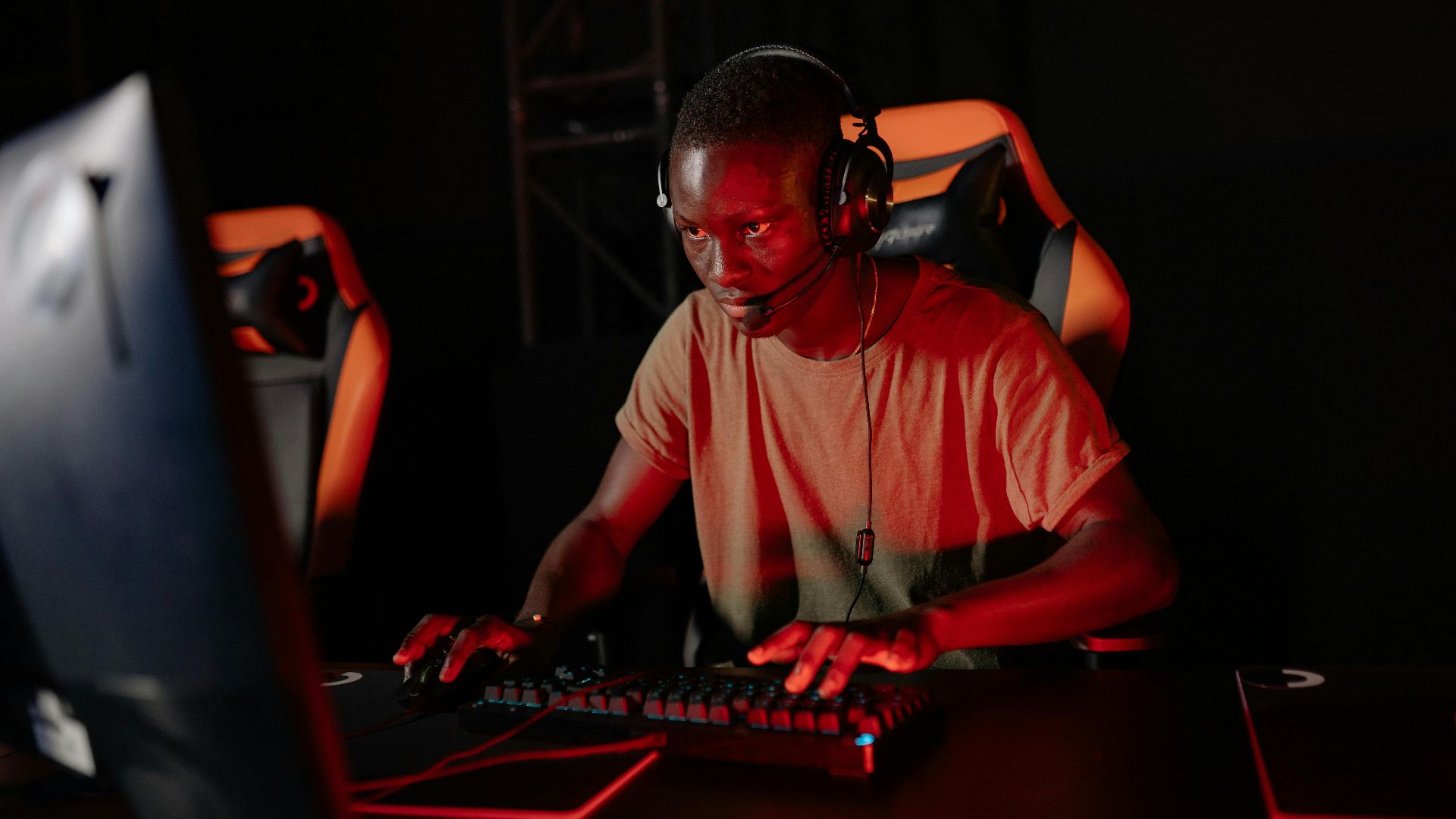
Gamers use exploit for a loophole that lets you bend the rules. Now people use it for travel tricks, subscription loopholes, restaurant deals, or workplace shortcuts. The word makes ordinary cleverness sound like someone found a crack in the system.
8. Talking About Grinding
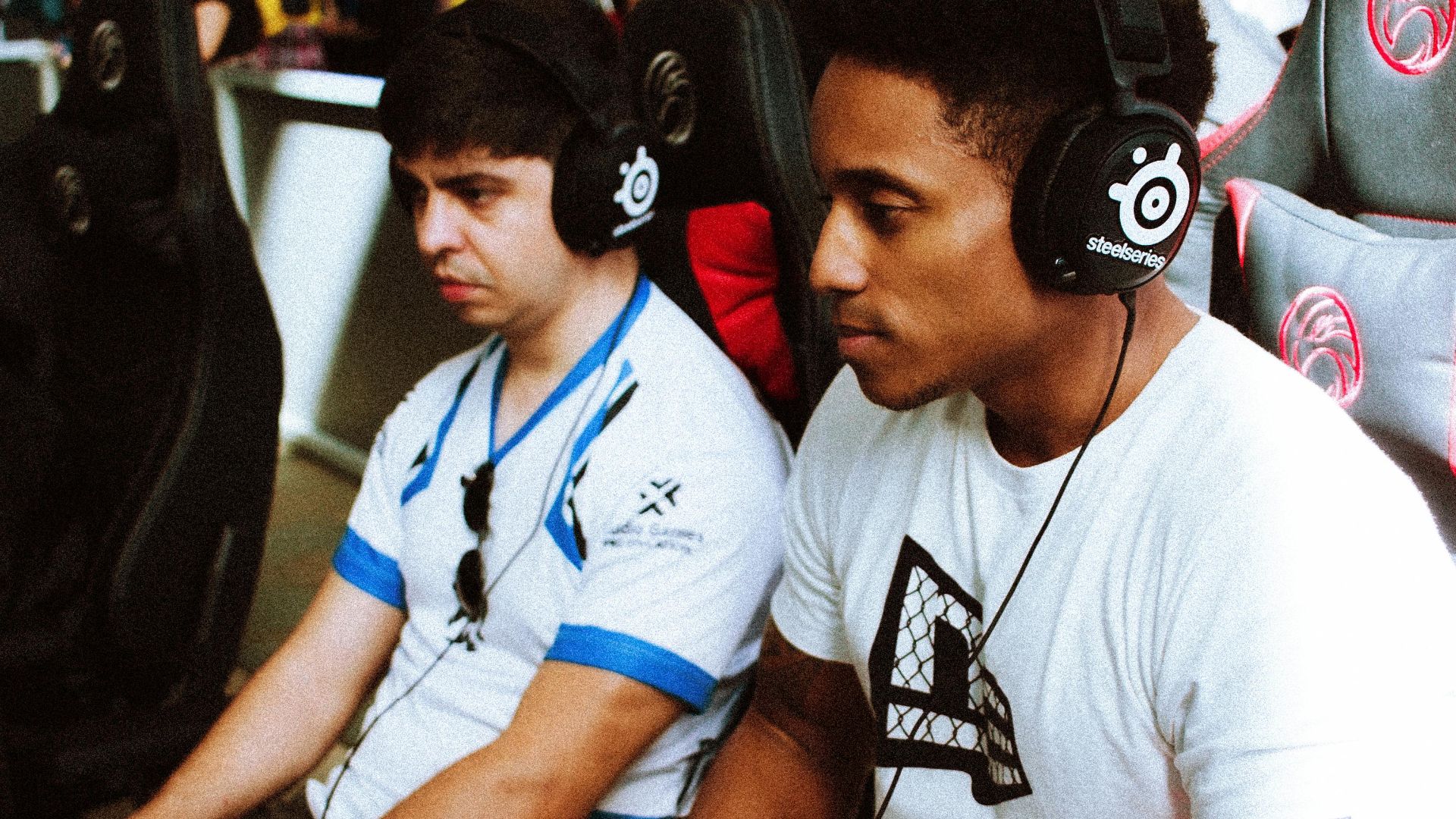
Grinding comes from repeating tasks in a game to earn progress. Now it describes studying, working long hours, building a business, going to the gym, or doing anything boring for a future payoff. It captures the dull part of ambition better than most motivational language does.
9. Saying Someone Is OP
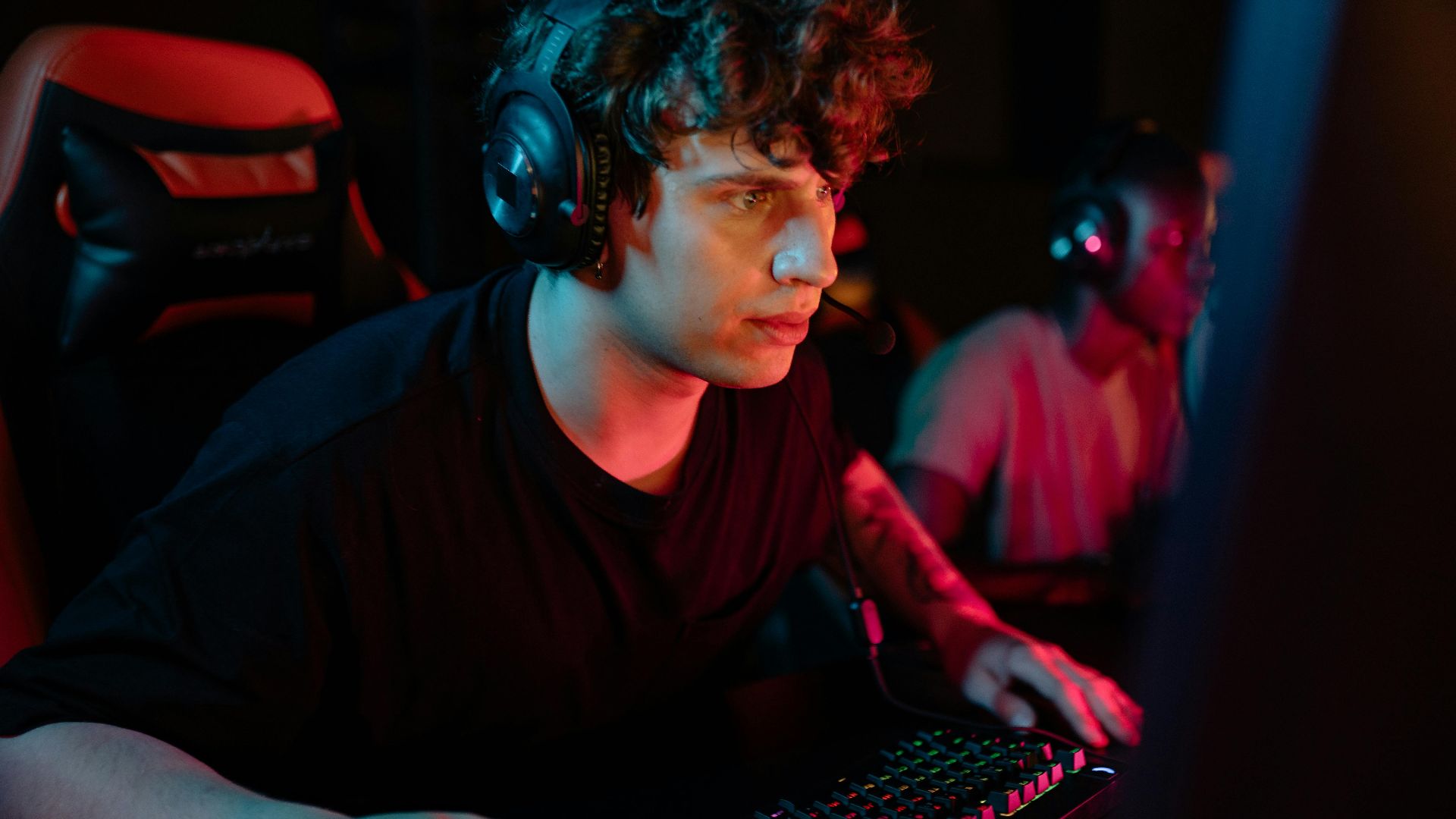
OP means overpowered, and it used to describe characters or items that were too strong. Now it gets used for people with unfair talent, a great outfit, a perfect lunch order, or a surprisingly useful household tool. It is casual praise with a little competitive edge.
10. Treating Groups Like Parties
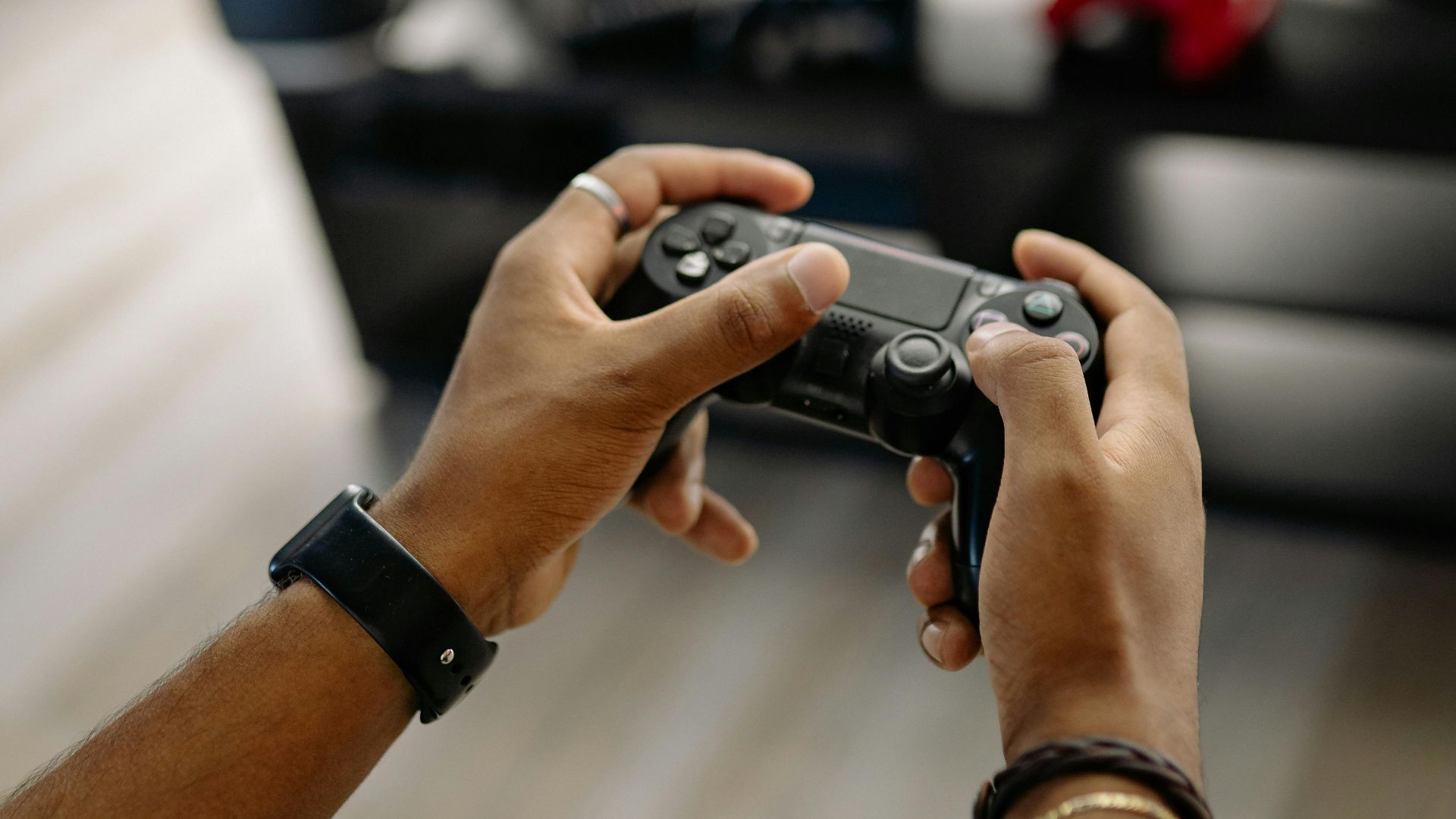
A party used to mean a team heading into a game together. Now people joke about assembling the party before brunch, errands, vacations, or group projects. It makes basic coordination feel like a small adventure instead of another scheduling problem.
11. Calling A Mistake A Skill Issue
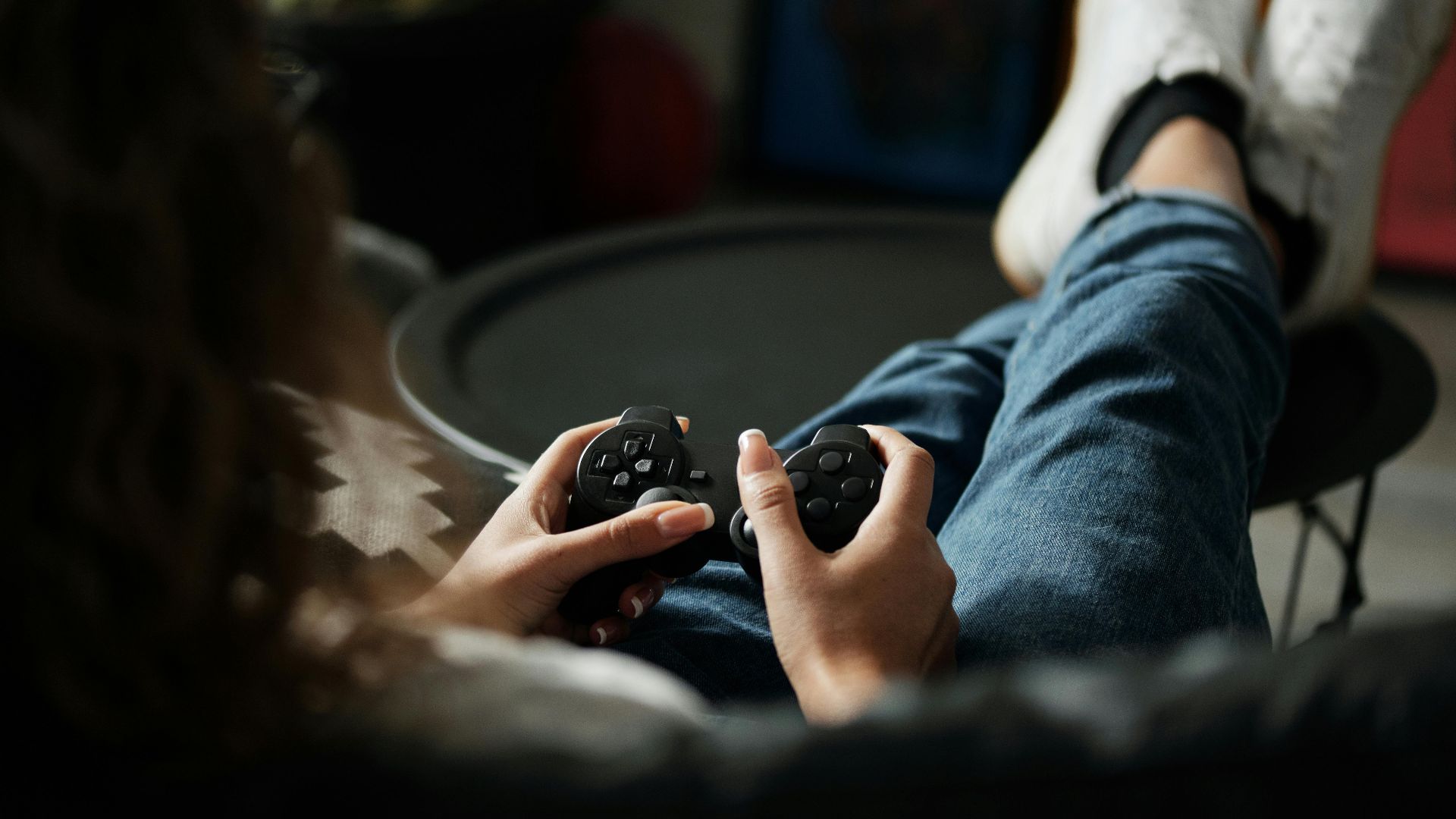
Skill issue began as a blunt way to say someone lost because they were bad at the game. Online, it became a joke for everything from burning toast to missing a train. It can be funny when aimed at yourself, but it gets irritating when used to dismiss real problems.
12. Saying Respawn After Recovering
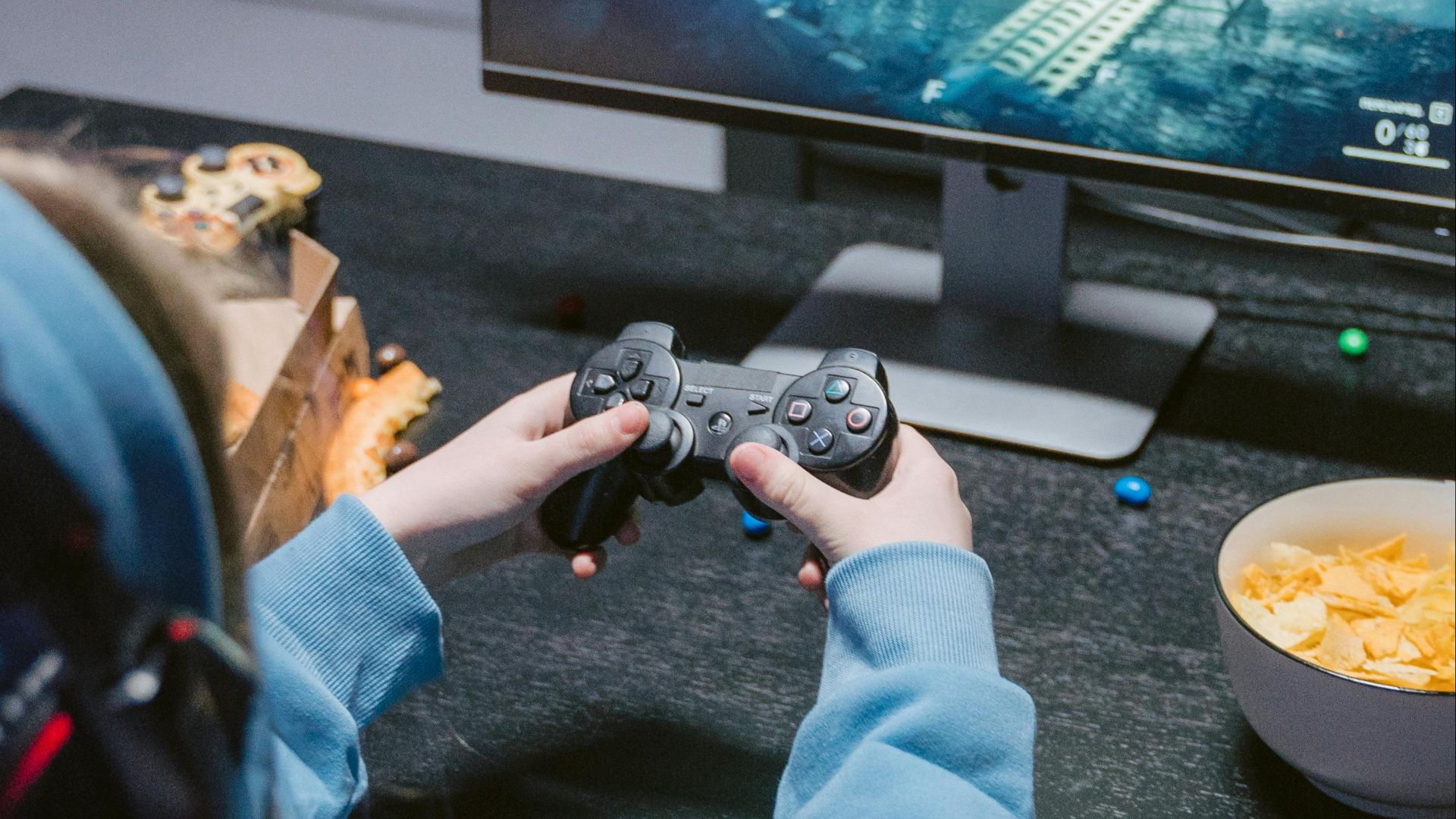
Respawn means coming back after getting knocked out in a game. Now people say they respawned after a nap, a shower, a weekend off, or a plate of fries. It turns basic recovery into something playful and instantly understood.

13. Using Patch Notes For Personal Updates
Patch notes explain what changed in a game update. People now use the format for life updates, relationship changes, new habits, workplace announcements, and personal resets. It makes change feel organized, even when life is still as chaotic as ever.
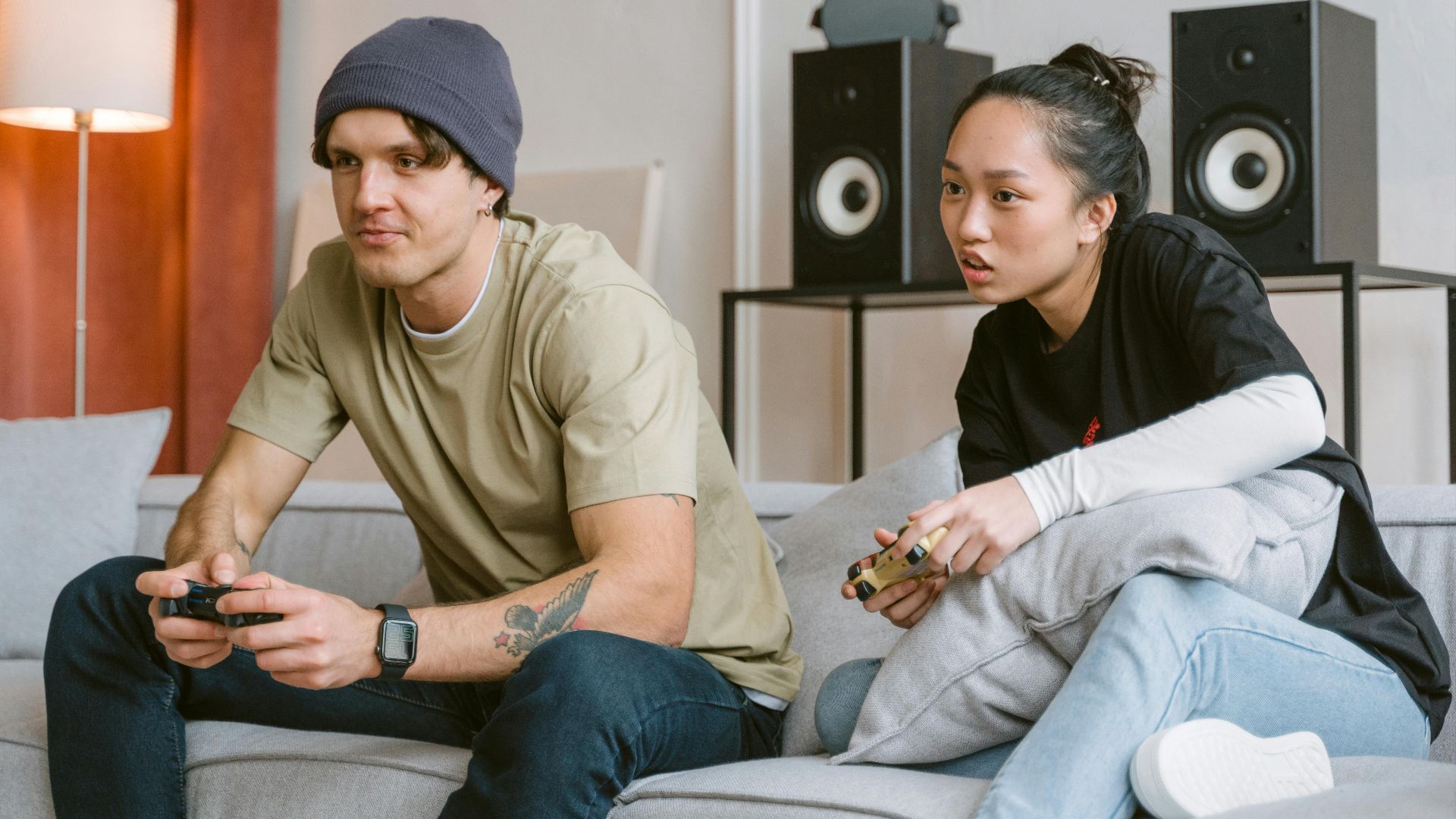
14. Calling Someone A Main Character
Games helped make the idea of a central playable character feel natural online. Now main character describes someone who acts like the world is built around them, for better or worse. Sometimes it means confidence, and sometimes it means blocking the sidewalk for a photo shoot.
15. Talking About Lag In Real Life
Lag used to describe delayed response in a game. Now people use it for slow thinking, awkward pauses, delayed texts, tired mornings, and any moment when the brain clearly has not loaded yet. It is one of those terms that migrated because it fits too well.
16. Saying IRL Like It Is One Word
IRL began as shorthand for in real life, used to separate game or internet identity from offline life. Now it appears everywhere, even when nobody is talking about gaming at all. It has become a quick way to point at the physical world, as if daily life is just another mode.
17. Calling Things Lore
Lore used to mean the backstory and world-building behind a game. Now every friend group, workplace, influencer, restaurant, and neighborhood has lore. It is funny because ordinary history sounds more important when described like ancient myth.

18. Saying Someone Is Carrying
In games, carrying means one strong player is doing most of the work for the team. Now people say a friend carried the group chat, a coworker carried the meeting, or one ingredient carried dinner. It is useful because everyone knows the person quietly holding the whole thing together.

19. Treating Choices Like Builds
A build is the way a player combines skills, gear, and strategy. Outside gaming, people talk about winter builds, gym builds, productivity builds, skincare builds, and personality builds. It turns identity into a loadout, which is ridiculous and somehow accurate.
20. Saying The Tutorial Is Over
Games often start with a tutorial before the real challenge begins. Now people use it for turning 30, starting a new job, becoming a parent, moving out, or facing a problem that finally feels serious. It is a funny way to admit that life did, in fact, get harder after the basics.