Replayable or Forgettable?
Not every game that gets released leaves a mark; some of the most forgettable titles come from major publishers, while some of the most memorable ones were built by tiny teams with limited resources. What actually determines whether a game sticks with you comes down to a handful of specific qualities, like how fleshed out the characters feel or how immersive the gameplay is. There's a balance that developers often have to strike if they want to create something that stands out, and missing the tiniest detail could make all the difference. Here are 10 things that make a game forgettable, and 10 that make it truly memorable.

1. A Story That Goes Nowhere
A weak narrative isn't just a missed opportunity; it actively drains a game of its sense of purpose. If you finish a playthrough and can't summarize what the story was actually about, that's a sign the writing never gave you anything worth holding onto. Players can forgive a simple plot, but they can't forgive one that feels like it was written as an afterthought.
2. Combat That Feels Like a Chore
When fighting enemies becomes something you're tolerating rather than enjoying, the game has already lost a big part of its appeal. Repetitive combat with no variation in enemy behavior, no skill progression, and no satisfying feedback makes every encounter feel identical to the last. You stop engaging with the mechanics and start going through the motions just to reach the next checkpoint.
3. A World with Nothing to Discover
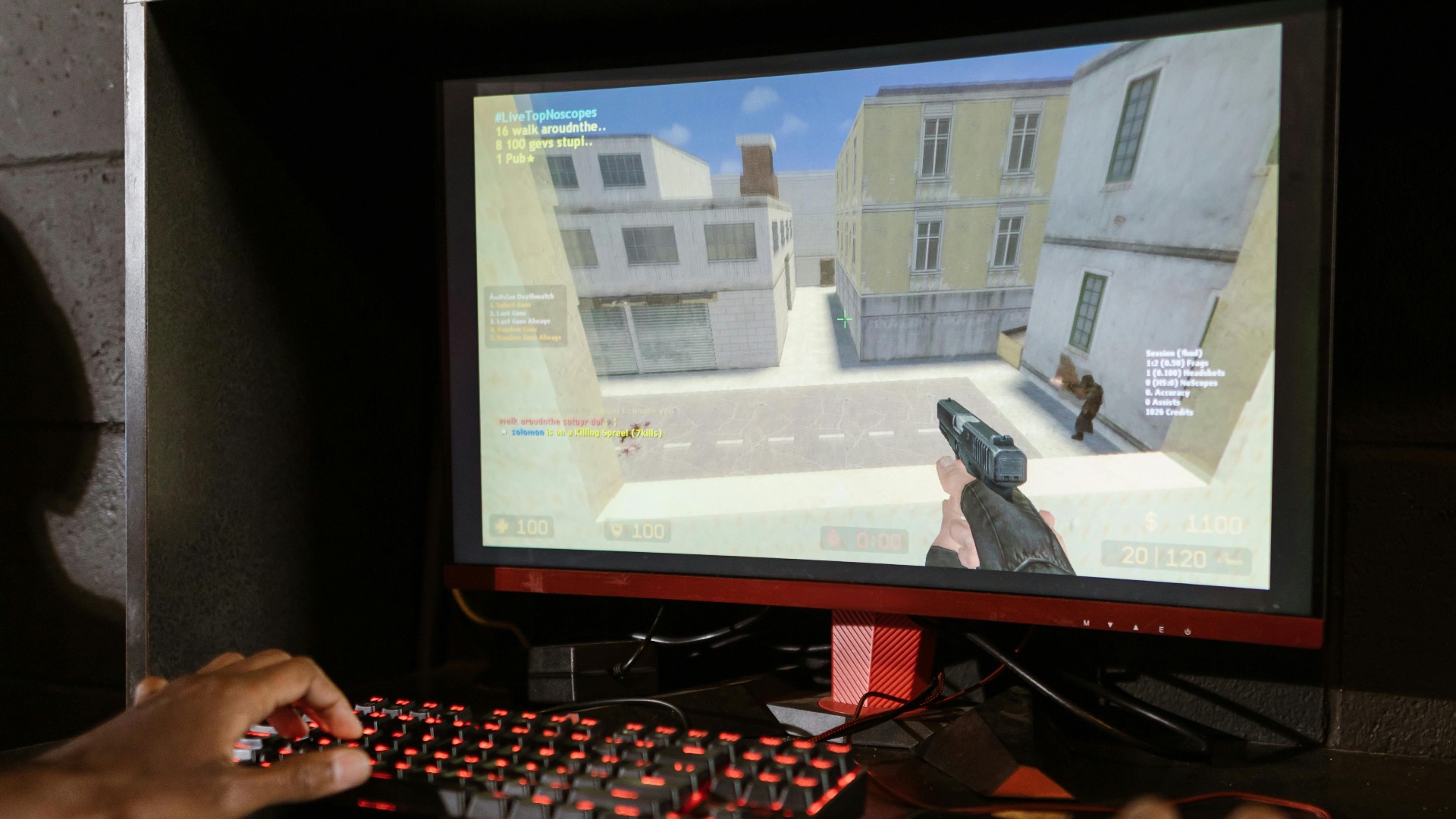
Open worlds are only exciting if they actually reward exploration, and a map filled with identical landmarks and copy-pasted side content teaches players not to bother looking around. When every corner of the game world feels interchangeable, the environment stops being a place and starts being wallpaper. A forgettable setting is one where nothing you stumble across ever surprises you.
4. Characters You Don't Care About
If the cast you're spending hours upon hours with has no personality beyond their role in the plot, it's very hard to stay emotionally invested in what's happening. Flat characters don't need to be villains or comic relief; they just need some dimension to feel like real presences in the game world. Without that, even major story moments tend to land with a thud.
5. Poor Pacing That Drags the Experience
A game that front-loads hours of tutorials before anything interesting happens, or that stretches a five-hour story into fifteen through unnecessary padding, is one that's working against the player's patience. Pacing issues break immersion and remind you that you're playing a product rather than experiencing something crafted with intention. The games you forget the fastest are often the ones that made you feel like your time wasn't respected.

6. No Clear Sense of Identity
Some games try to do everything at once and end up doing nothing particularly well, borrowing mechanics from more successful titles without understanding why those mechanics worked in the first place. A game without a clear identity feels directionless, like it was designed by committee with no unifying vision holding it together. Players can tell when a game doesn't know what it wants to be, and it's difficult to connect with something that unfocused.
7. Forgettable Music and Sound Design
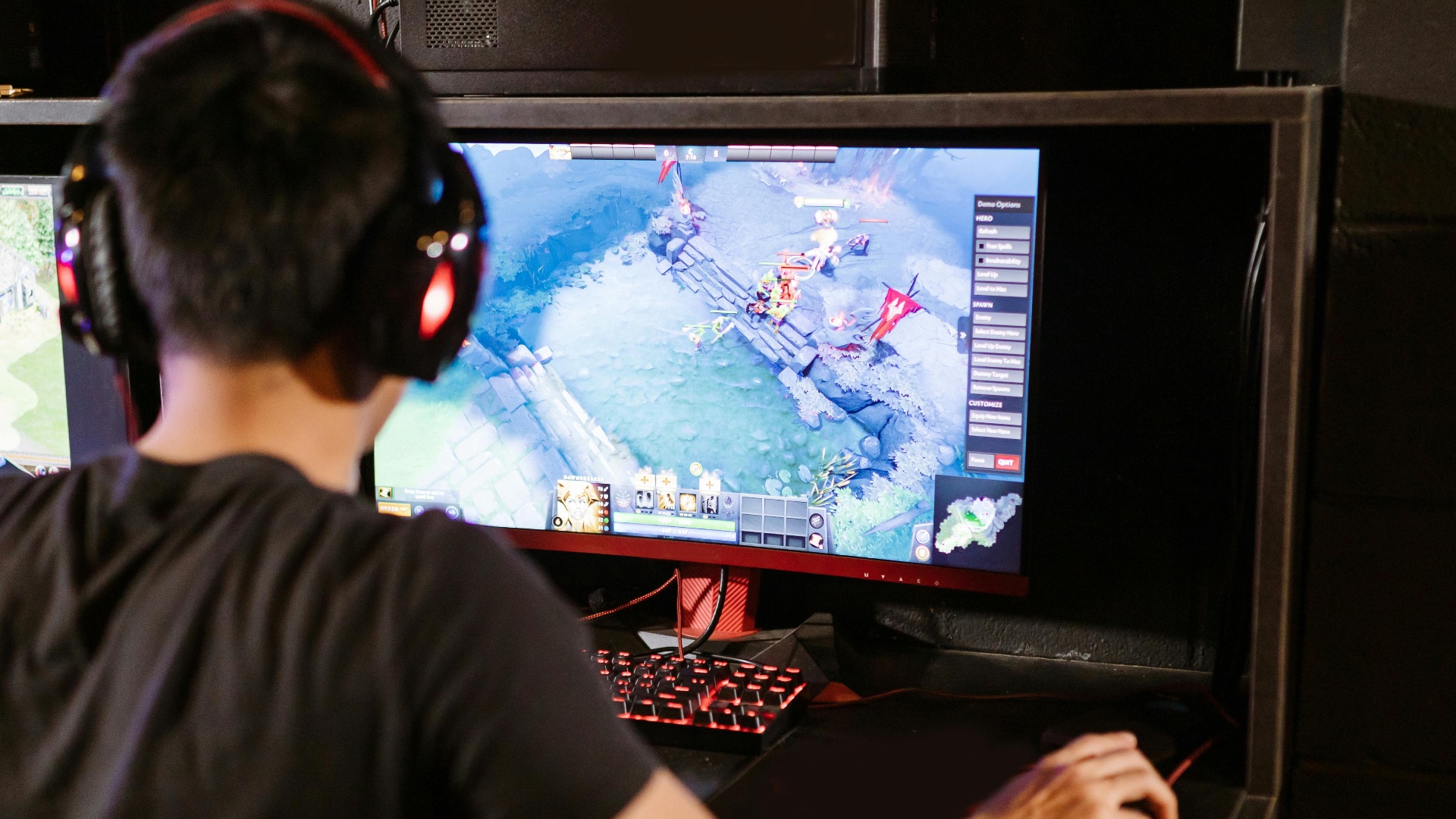
Audio is one of the most underrated elements of game design, and its absence is felt even when players can't immediately pinpoint why a game feels flat. A generic orchestral score that resets every few minutes or sound effects with no weight to them can make even visually impressive moments feel hollow. You might not consciously notice good sound design, but you'll absolutely notice when it isn't there.
8. A Difficulty Curve That Doesn't Respect the Player
Games that are either so easy that there's no tension or so arbitrarily hard that progress feels random tend to leave players disengaged rather than challenged. A well-designed difficulty curve teaches you to get better over time and gives you a sense of earned accomplishment; a poorly designed one just makes you frustrated or bored. Either extreme pulls you out of the experience in ways that are difficult to recover from.

9. Technical Problems That Break the Illusion
Bugs, frame rate drops, and loading screens that interrupt the flow of gameplay are more than minor inconveniences; they actively remind you that you're interacting with software rather than a world. A game that crashes repeatedly or behaves nonsensically erodes your trust in the experience as a whole. It's very hard to care about a story or a world when the game keeps reminding you it's broken.

10. Nothing That Feels Uniquely Yours
Games that offer no meaningful choices, no customization, and no way to express yourself through play tend to feel more like a passive experience than a fun, interactive one. When every player walks away with an identical experience, there's no personal connection to form with the game. The titles that fade from memory the quickest are usually the ones that never asked anything of you or gave you any ownership over how things unfolded.
The gap between forgettable and memorable isn't always obvious while you're playing, but looking at what the best games do differently makes it much clearer. Here's what actually makes a game impossible to forget.

1. A Story That Earns Its Ending
The games people talk about years later are almost always ones where the narrative built toward something that felt earned. Strong storytelling doesn't have to be complex, but it should be consistent, emotionally honest, and willing to follow through on what it sets up. When a game sticks to its promise, the whole experience takes on a different weight in hindsight.
2. Gameplay That Evolves as You Play
The best games introduce new mechanics gradually and let the complexity build naturally over time, so that what you're doing in hour fifteen is noticeably different from what you were doing in hour one. This kind of design keeps players engaged because there's always something new to learn or a system they haven't fully explored yet. You don't just get better at the game; the game grows alongside you.
3. A World That Feels Like It Exists on Its Own
A truly memorable game world has a sense of life and history that extends beyond the player's immediate needs, with details and lore that suggest things were happening long before you arrived. Whether it's environmental storytelling, ambient dialogue, or background events you can observe but not control, these elements make a world feel inhabited rather than constructed. Players carry those worlds with them long after the credits roll because the place felt real.
4. At Least One Character You Never Forget
It only takes one brilliantly written character to anchor a game in your memory indefinitely, and the best ones tend to feel like real people with contradictions, growth, and moments of genuine surprise. These characters don't have to be likable, but they do have to be compelling enough that you find yourself thinking about their choices after you've put the controller down. The games most people return to are often ones where a specific character made them feel something they didn't expect.
5. Music That Adds to the Experience
A standout soundtrack doesn't just accompany a game; it becomes part of how you remember it, to the point where hearing a particular track years later immediately transports you back. Composers who understand the emotional tone of each moment create music that amplifies what's on screen rather than running alongside it. This is why so many players can hum the theme from a game they haven't touched in a decade.
6. Mechanics with Real Depth
Surface-level mechanics are easy to learn but easy to forget, while deep mechanics give players something to master and keep the experience interesting far beyond the initial hours. The most replayable games are built on systems that reveal new layers the more time you invest in understanding them. When there's always something else to learn about how a game works, it's hard to feel like you've ever truly finished it.
7. Choices That Actually Matter
Memorable games tend to put you in positions where you have to make decisions that carry real weight, whether that's a moral dilemma, a resource trade-off, or a story branch that changes what happens next. The feeling that your playthrough could have gone differently is a powerful motivator to replay and to discuss the game with others who made different choices. It's that sense of personal responsibility for outcomes that makes certain moments linger with players for years.
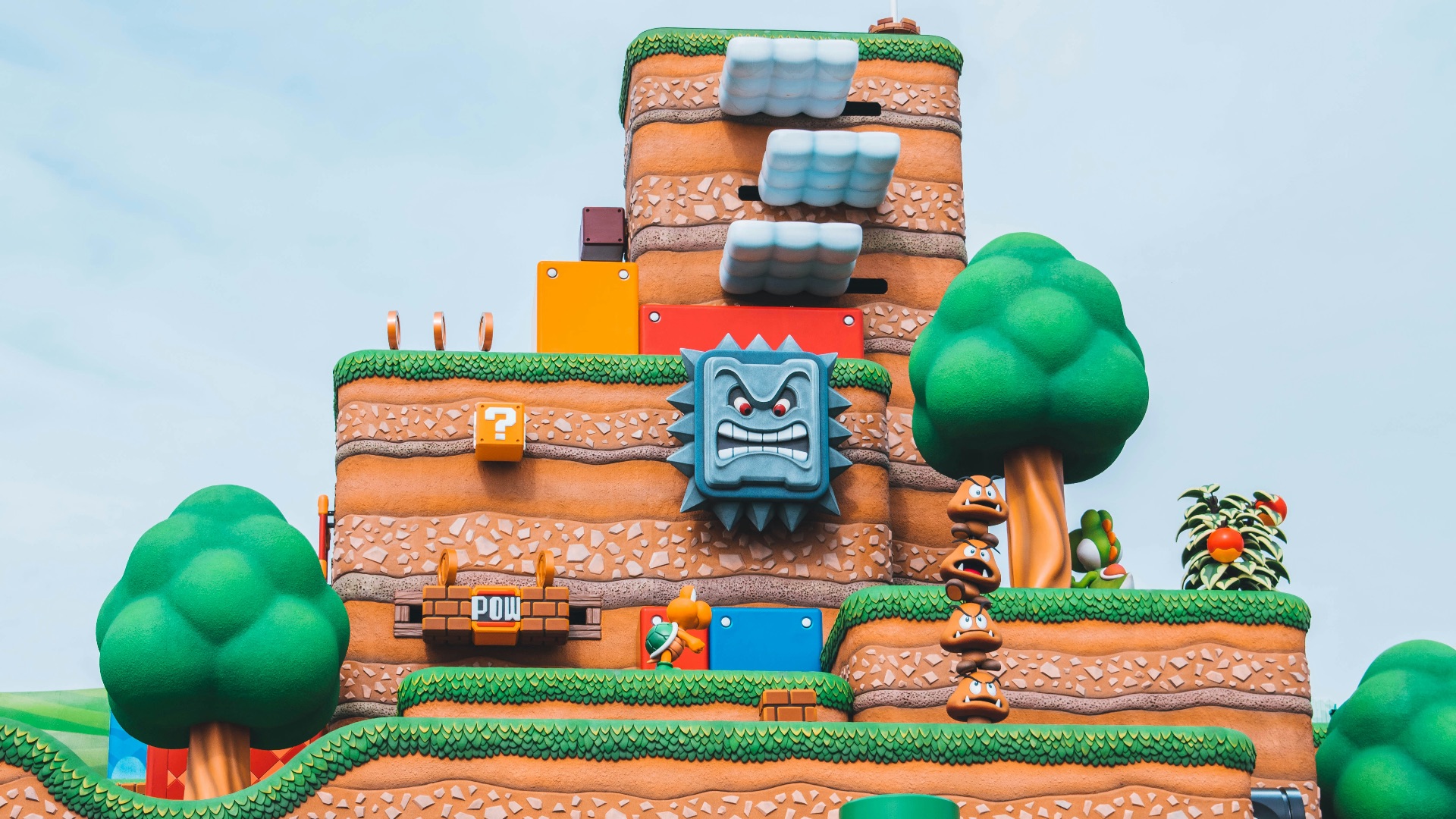
8. A Visual Style That's Immediately Recognizable
Games don't need photorealism to be visually unforgettable; they need a consistent aesthetic direction that feels intentional and distinct. A strong art style gives a game a visual personality that makes every screenshot immediately identifiable, and that kind of distinctiveness is far harder to achieve than technical polish alone. Players remember how a game looked long after they've forgotten its plot points, which is a testament to how powerful cohesive visual identity can be.
9. Moments That Catch You Completely Off Guard
The games that define a generation almost always have at least one moment that nobody saw coming: a plot twist, an unexpected mechanic shift, or a scene that recontextualizes everything you thought you understood. These moments work because the rest of the game built the trust needed to make the surprise land with full force. You remember them not just because they were shocking, but because the game had done enough work to make you care when they happened.

10. The Feeling That It Was Made with Meticulous Care
There's a quality to the best games that's difficult to describe precisely but immediately recognizable when you encounter it: the sense that every detail, however small, was considered and purposeful. It might show up in things like thoughtful UI design, detailed voice acting, and side content that's as well-crafted as the main storyline. When a game feels like it was made by people who loved what they were building, that care transfers to the player, and that's what turns a good game into one you never stop recommending.