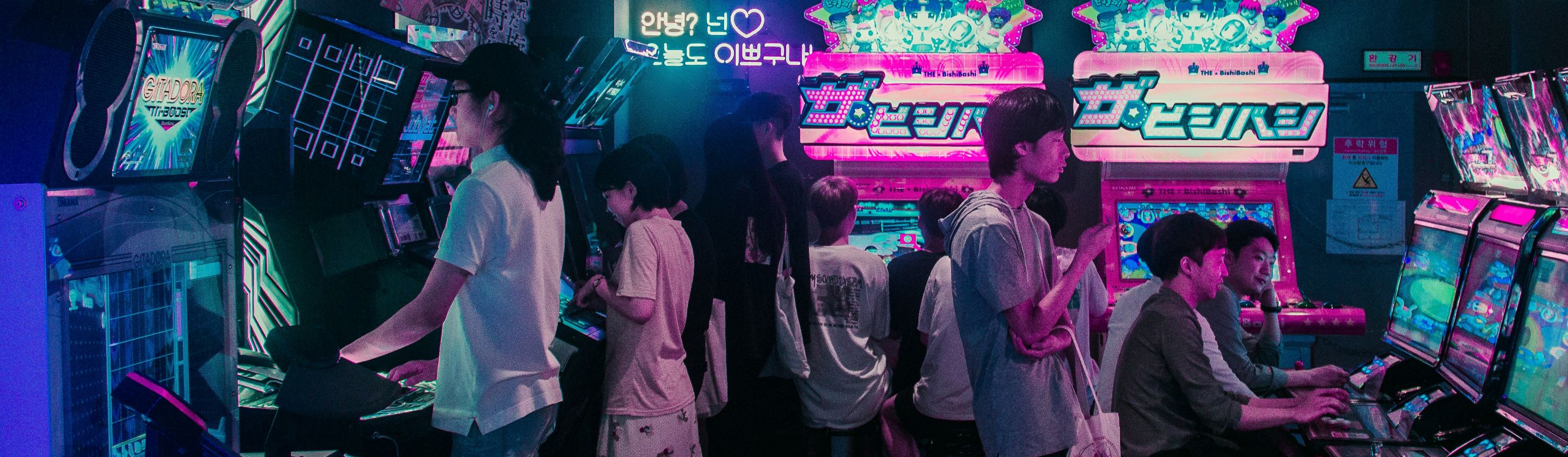
Where Coffee, Competition, And Community Collide
Gaming cafés have always been more than rows of computers and fast Wi-Fi. They grow into social hubs, training grounds, and second homes, shaped by local gaming culture and economic realities. In some countries, they helped launch professional esports scenes; in others, they kept multiplayer gaming accessible before home setups caught up. Many are documented landmarks within their regional gaming histories, referenced by esports teams, travel guides, or industry reporting. The following twenty cafés show how gaming culture took root, spread, and evolved across the globe.
1. Café Net Dream, Seoul, South Korea
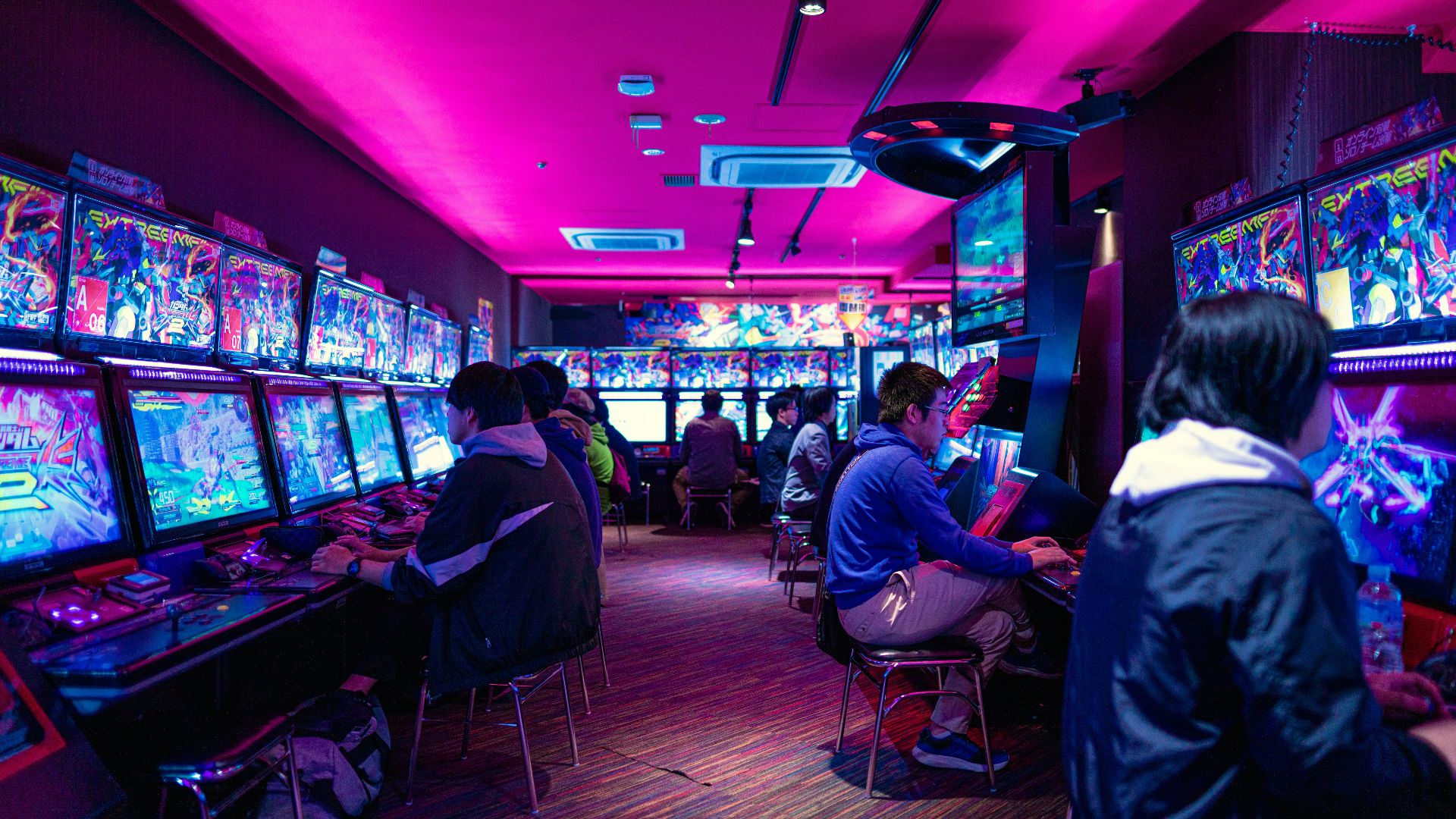
PC bangs helped define modern esports culture, and Café Net Dream is often cited as part of Seoul’s early competitive gaming boom. South Korea’s Ministry of Culture has documented the role PC bangs played in expanding broadband adoption. Tight rows of high-end machines and overnight gaming sessions remain the norm.
2. LoL Park PC Bang, Seoul, South Korea
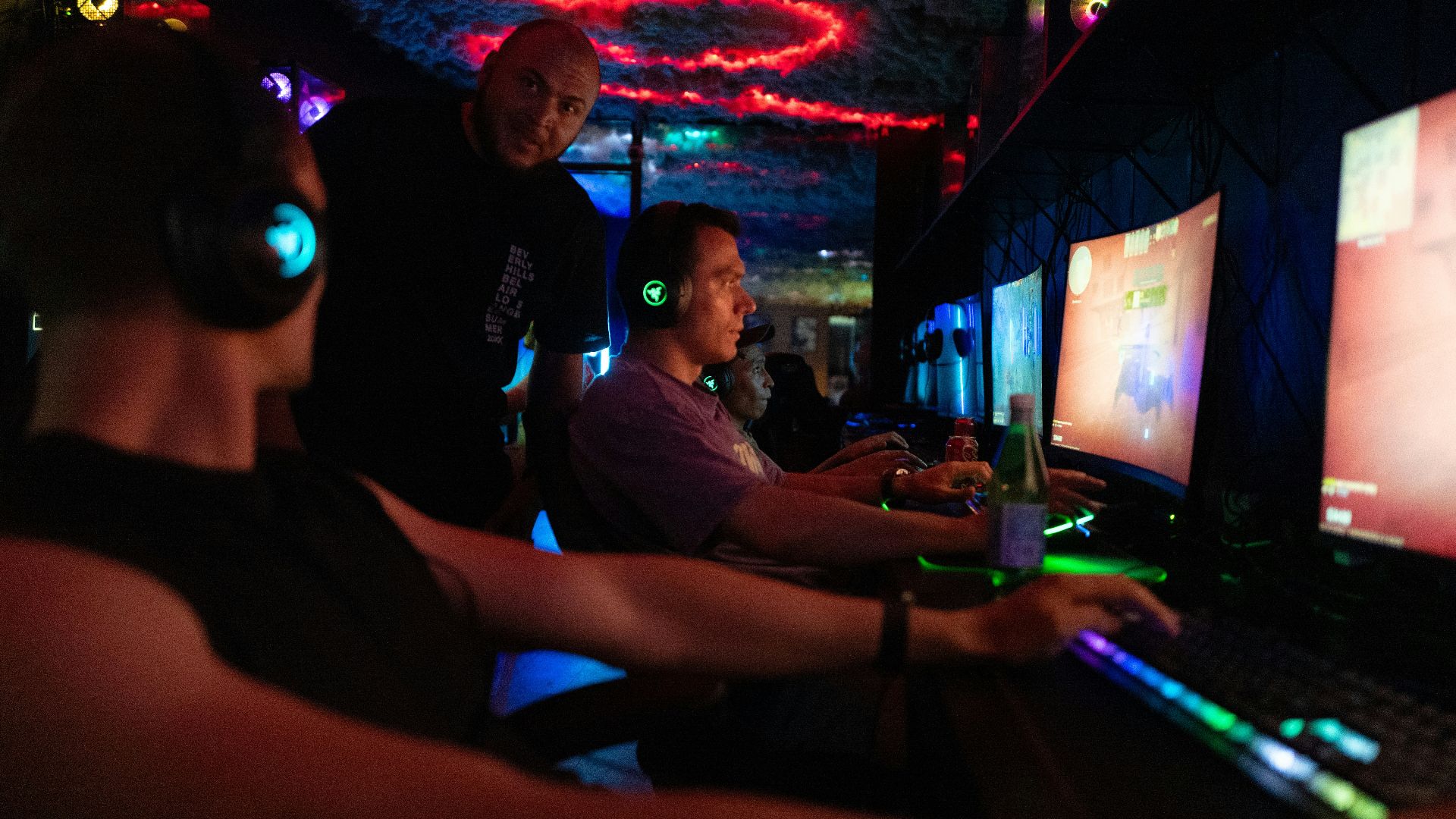
Located inside Riot Games’ LoL Park complex, this café blurs the line between casual play and professional competition. Players can queue for games steps away from official League of Legends broadcasts. The space feels intentionally aspirational.
3. Meltdown Montréal, Canada
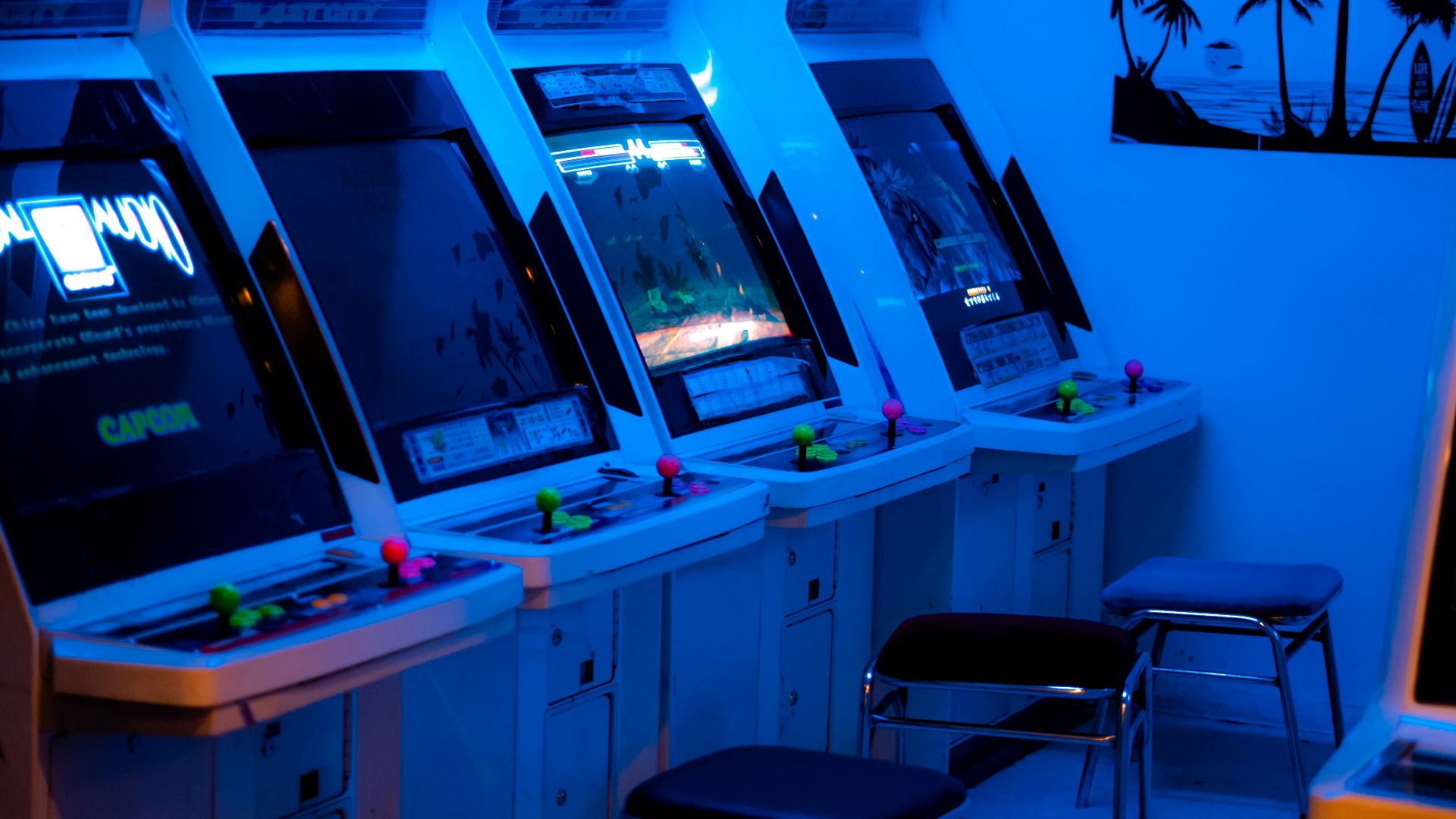
Meltdown locations operate as gaming cafés and esports bars, with Montréal often cited as a flagship location. Industry coverage has noted its role in building local esports communities. Consoles, PCs, and themed events overlap naturally.
4. Wanyoo Esports Café, Shanghai, China
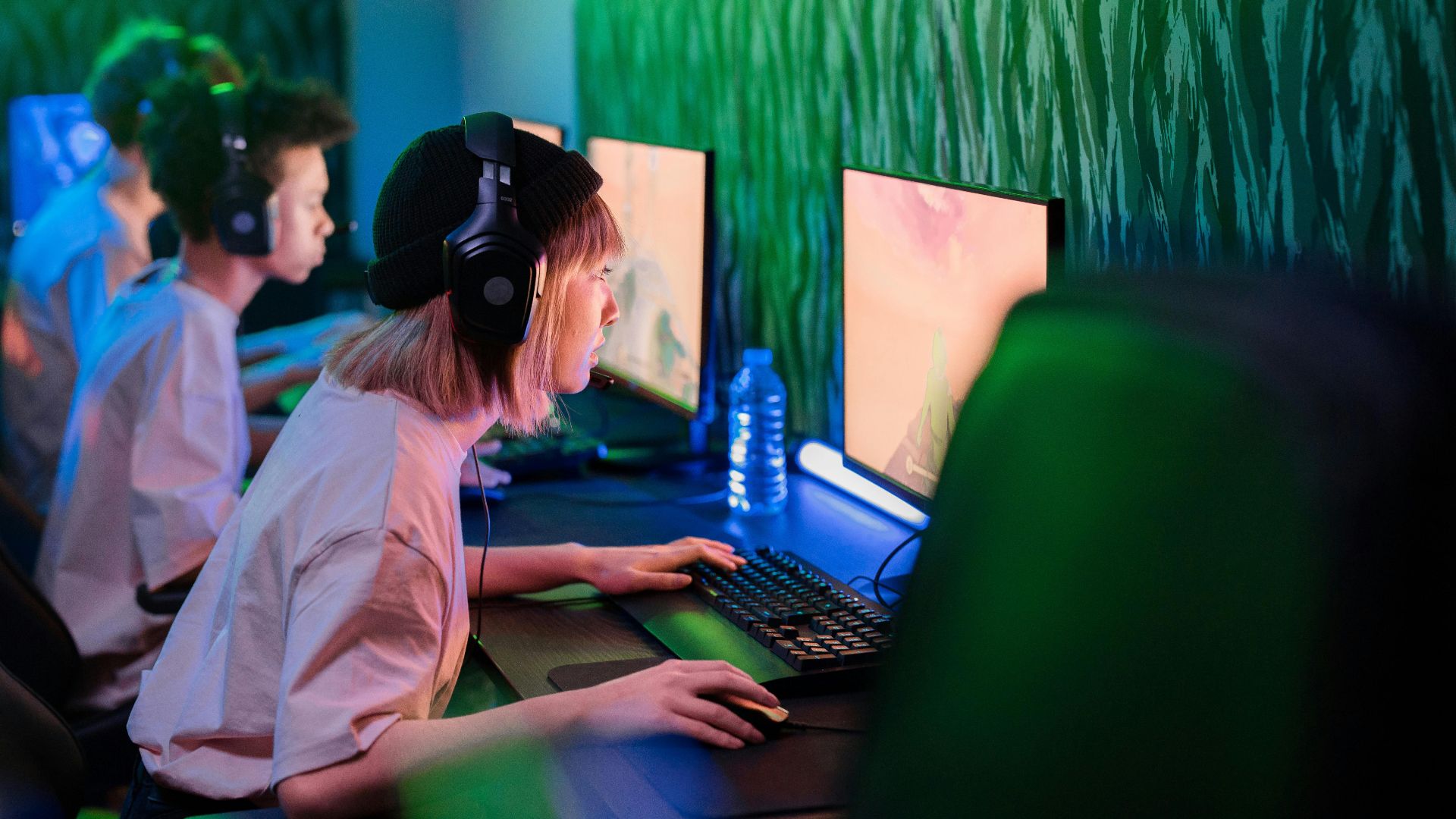
Wanyoo is one of China’s largest gaming café chains, with locations designed to tournament standards. Chinese media frequently references Wanyoo as a training space for aspiring pros. Private rooms, ergonomic chairs, and strict time tracking dominate the layout.
5. X-Gaming, Manila, Philippines
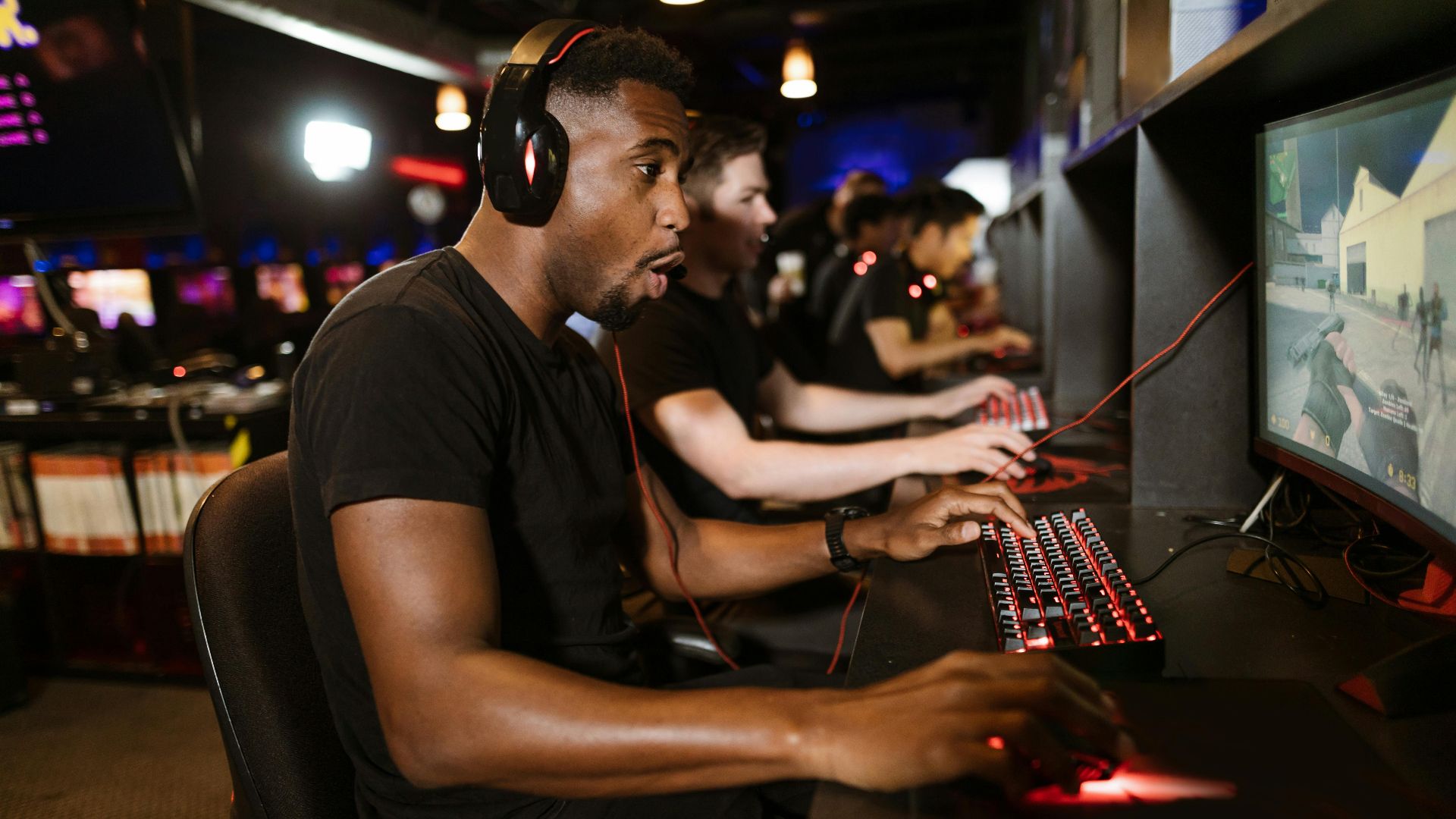
Internet cafés in the Philippines helped sustain competitive Counter-Strike and Dota scenes through the early 2000s. X-Gaming became known for packed tournaments and noisy, shoulder-to-shoulder play. The energy often mattered more than the hardware.
6. Red Bull Gaming Sphere, London, England
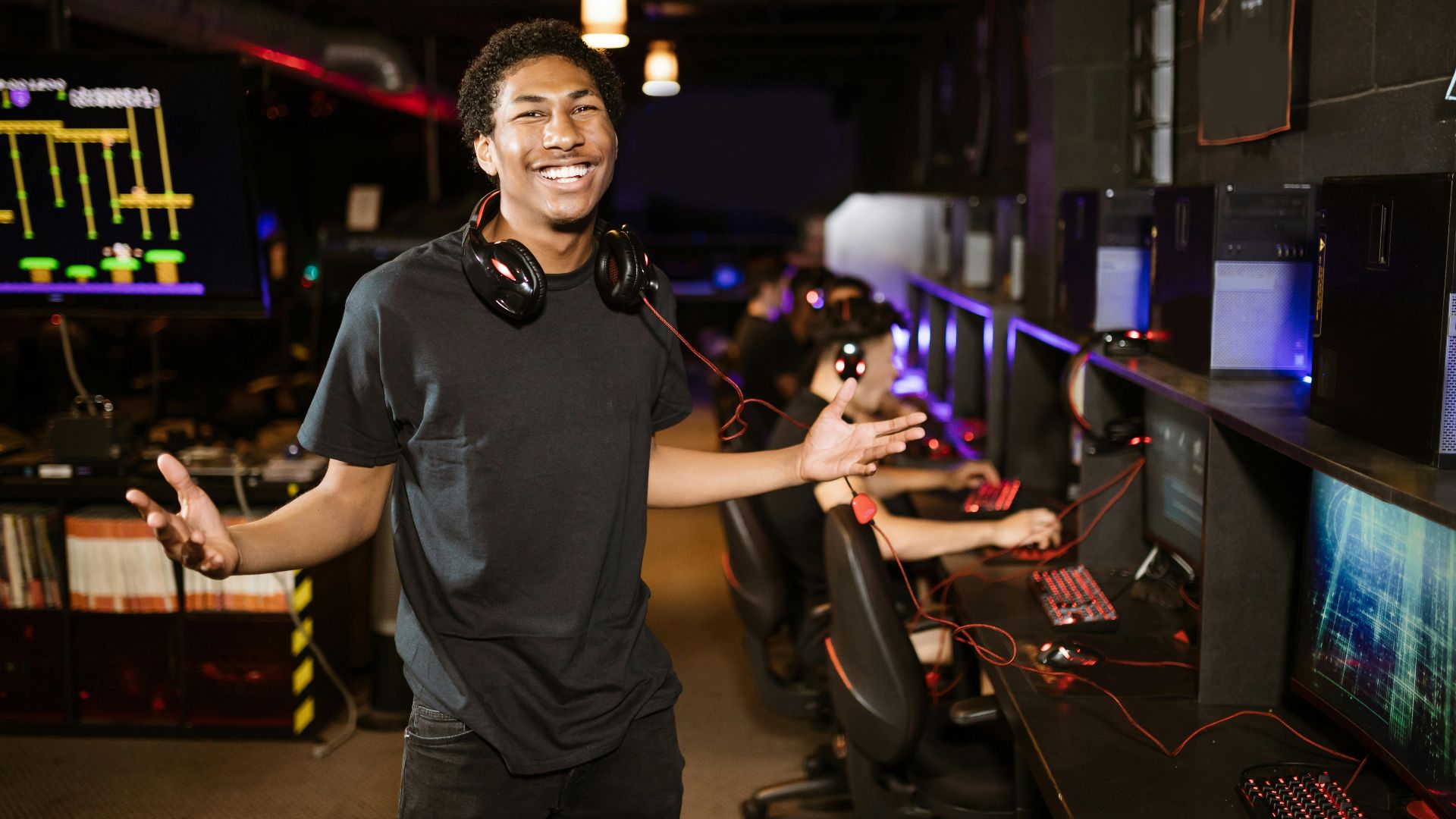
Part café, part event space, the Red Bull Gaming Sphere hosts tournaments, broadcasts, and community nights. Red Bull has publicly positioned it as a grassroots esports hub. Coffee and production lighting coexist comfortably.
7. PC Bang Arena, Los Angeles, United States
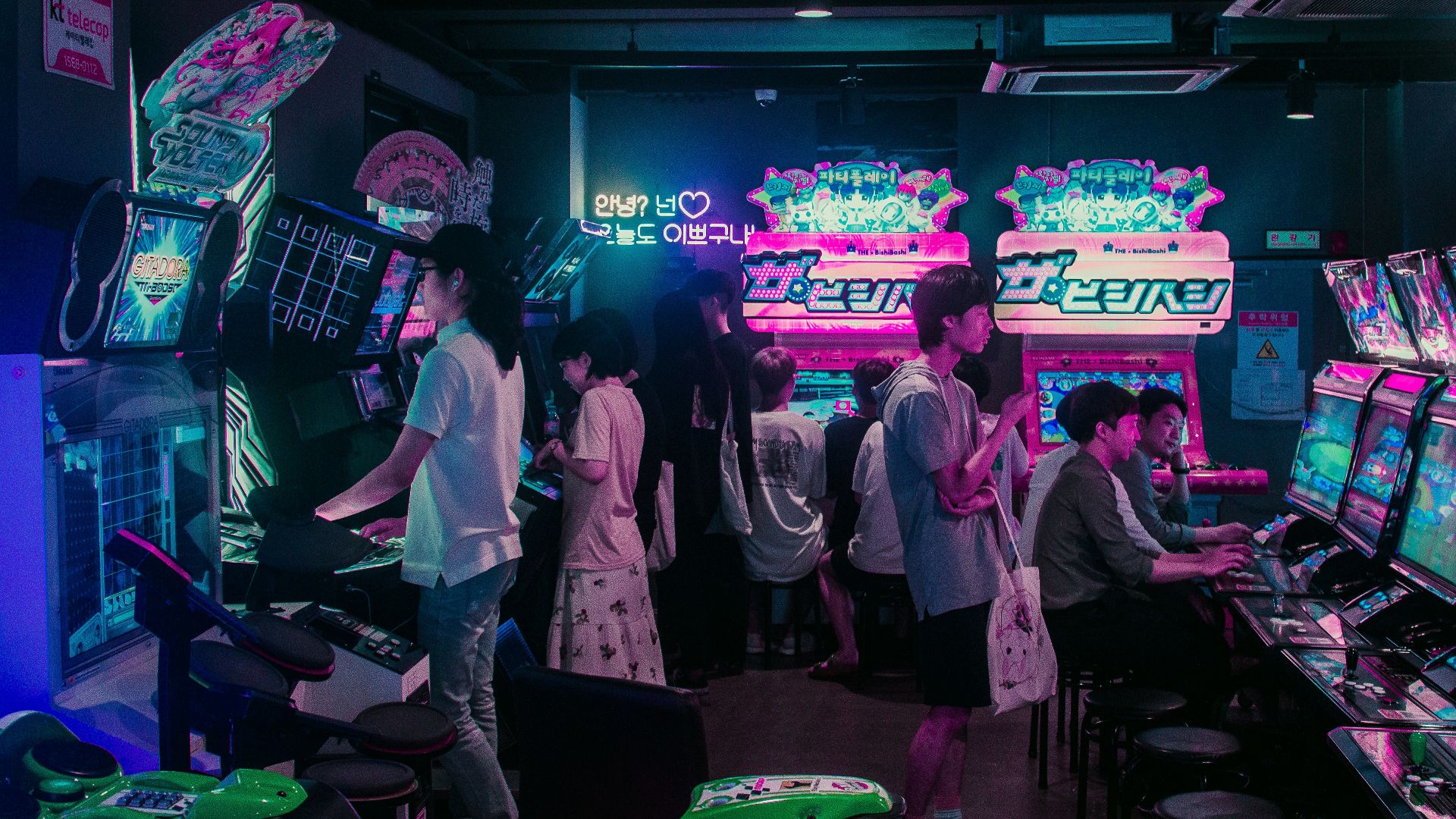
PC Bang Arena helped introduce Korean-style gaming cafés to the U.S. West Coast. Esports outlets have mentioned it as a practice space for North American teams. The layout prioritizes long sessions and competitive comfort.
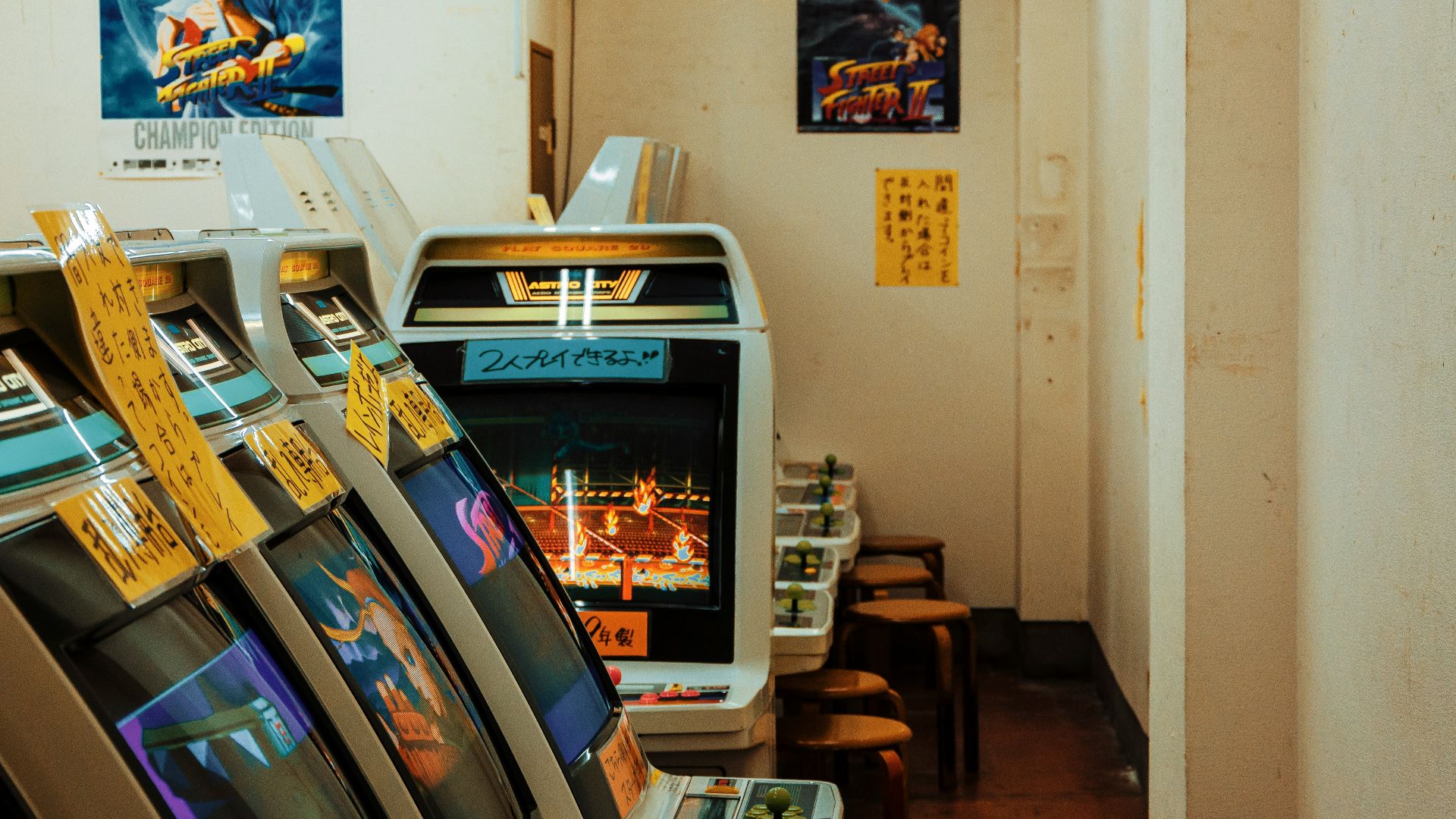
8. Cybermachina, Tokyo, Japan
Located near Shibuya, Cybermachina blends arcade culture with modern PC gaming. Japan’s gaming cafés often feel quieter and more restrained. Design and cleanliness receive as much attention as specs.
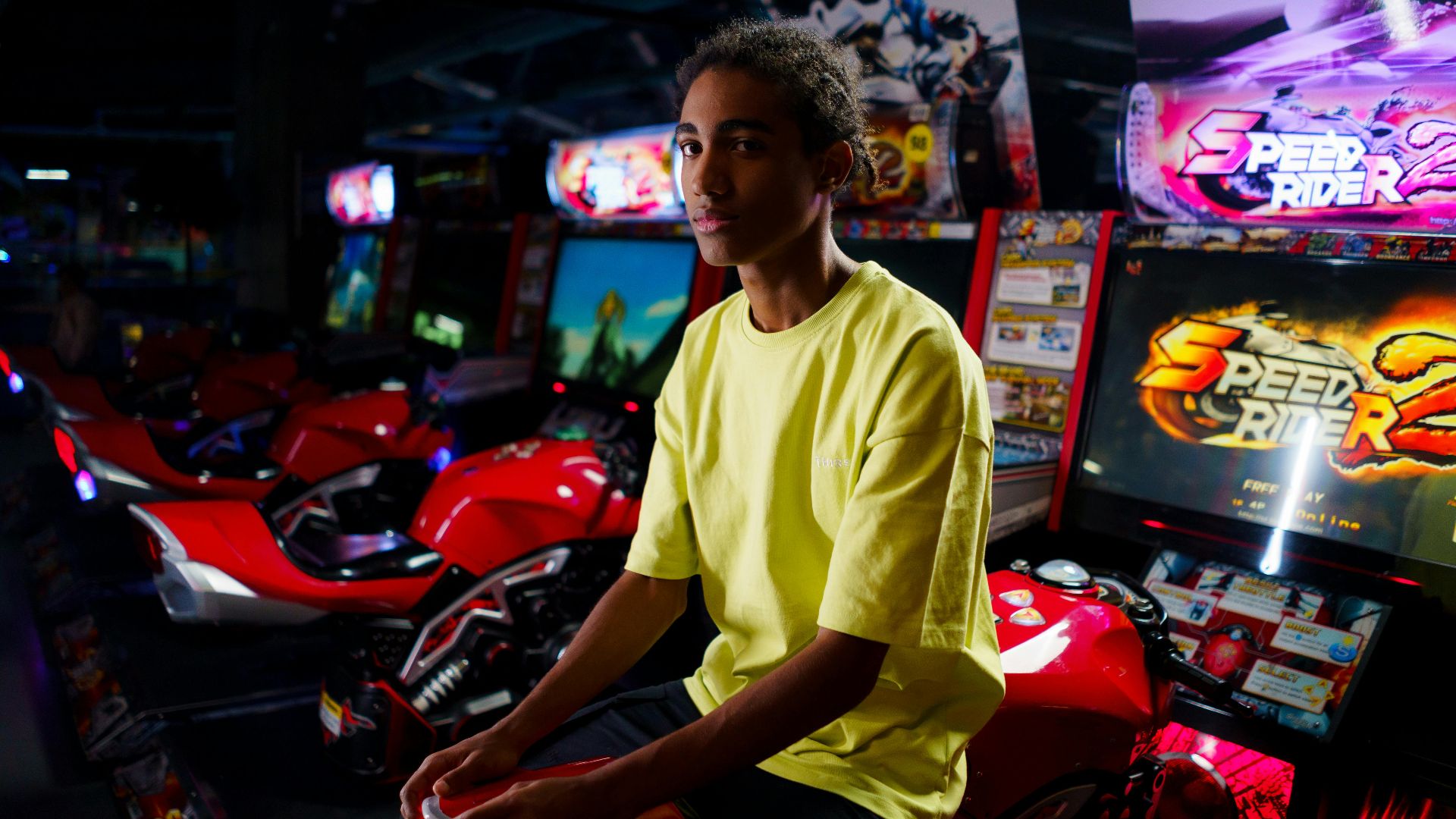
9. Inferno Online, Stockholm, Sweden
Inferno Online has long been associated with Sweden’s Counter-Strike legacy. Professional teams reportedly practiced there during the early esports era. The café feels more like a clubhouse than a storefront.
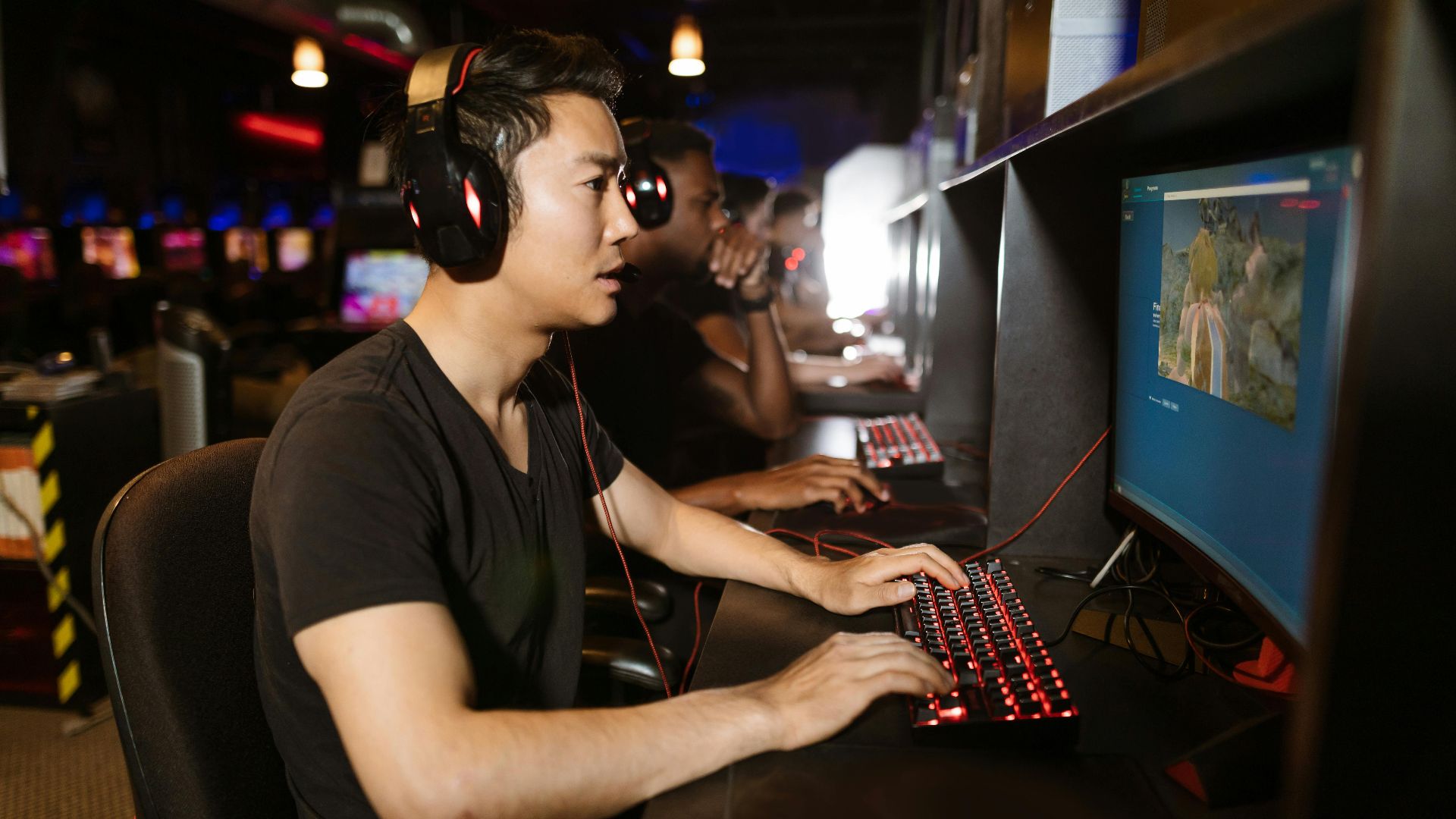
10. BattleZone Gaming Café, New York City, United States
BattleZone catered to both casual players and tournament organizers. Its Manhattan location made it accessible to students and professionals alike. Fighting games and PC shooters shared equal space.
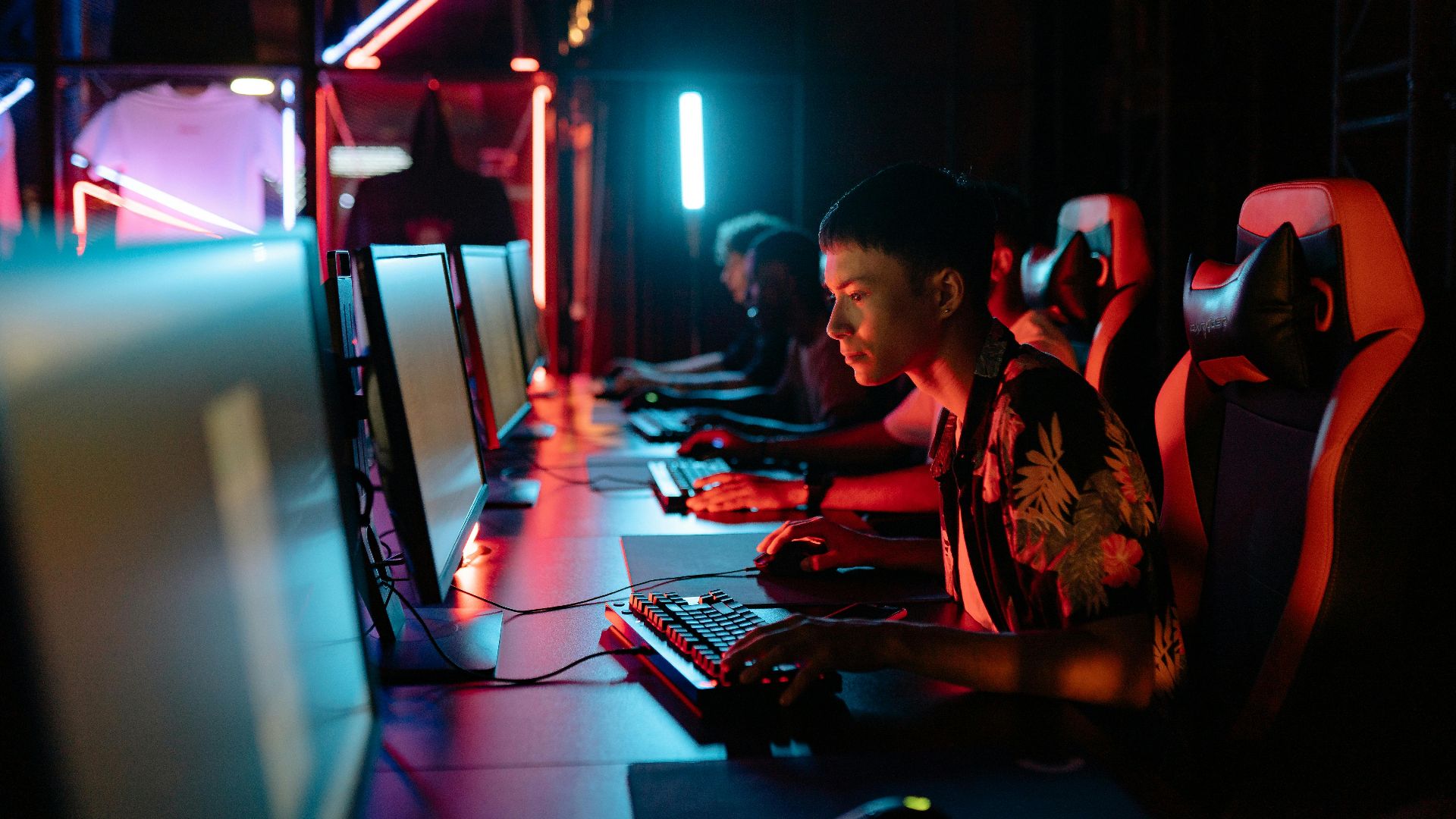
11. Arena Gaming Café, Berlin, Germany
Berlin’s gaming cafés often emphasize community over spectacle. Arena Gaming Café hosted local tournaments and LAN nights. The atmosphere leaned relaxed but competitive.
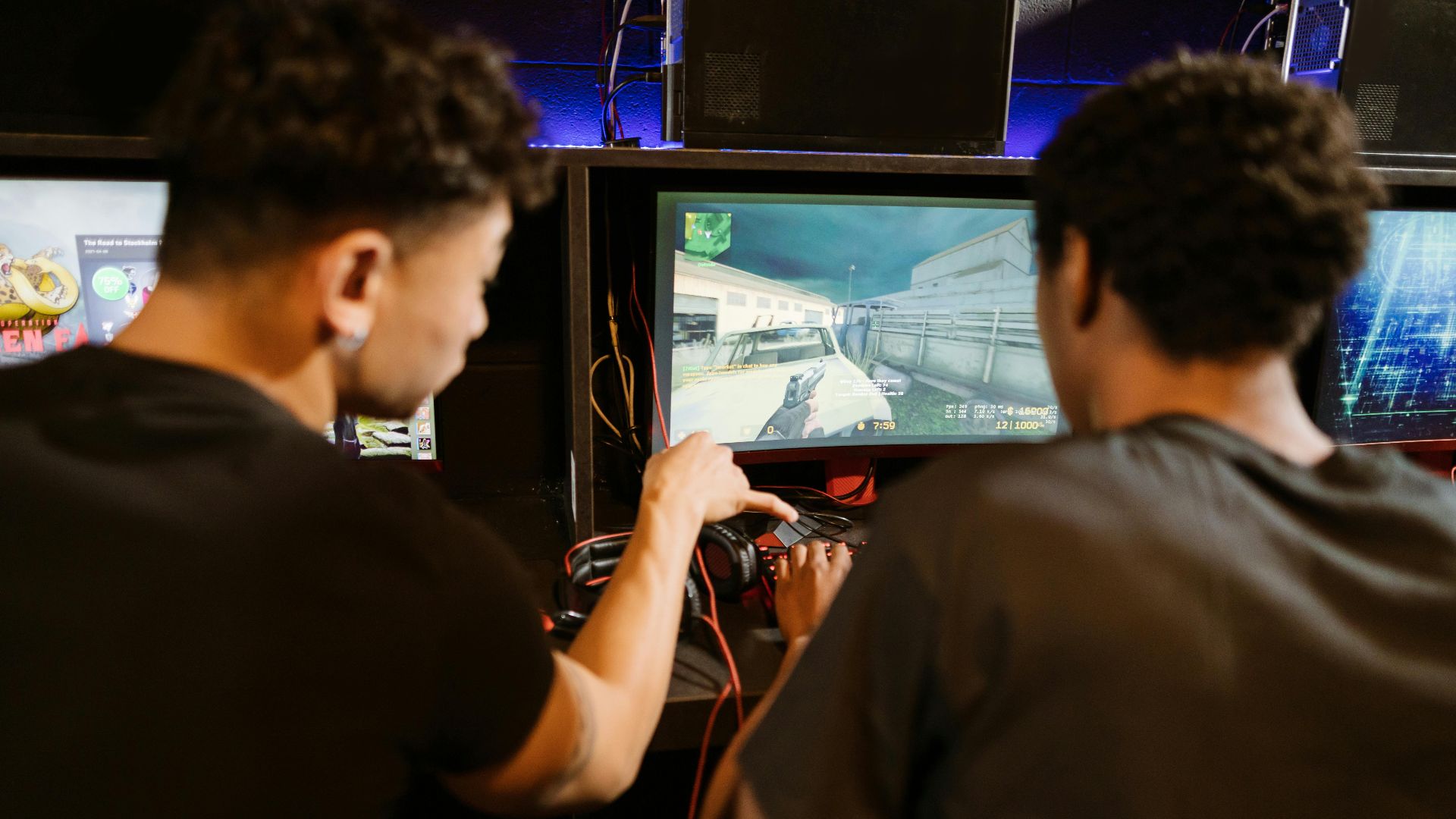
12. NetLand, Paris, France
NetLand gained attention during the early European LAN scene. French gaming forums frequently referenced it as a meetup point. Evenings stretched late with strategy discussions and group play.
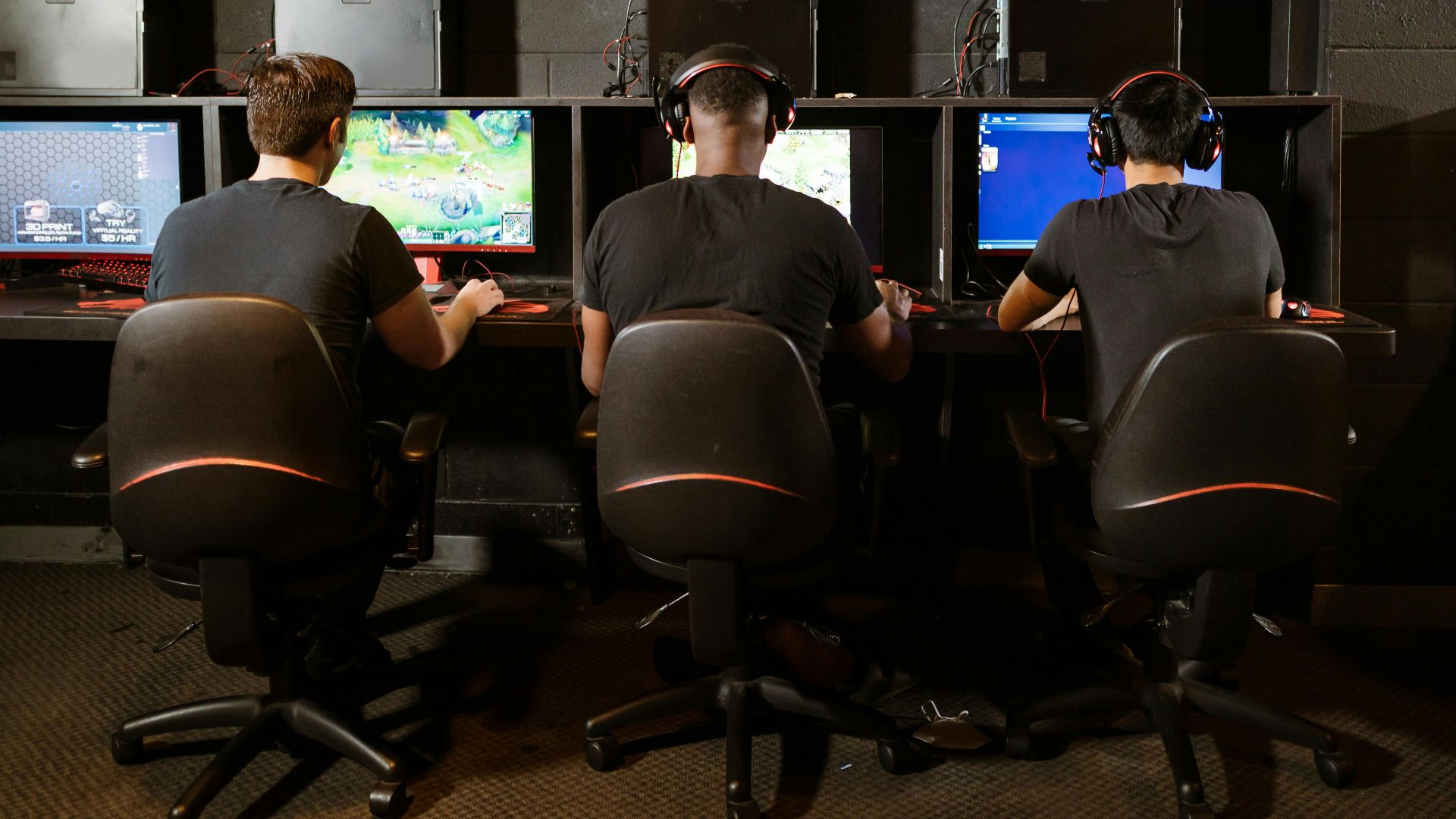
13. GigaZone Gaming Café, Sydney, Australia
GigaZone became known for introducing high-end PC gaming to Australian audiences. Local esports reporting cited it as a training ground for regional teams. The café balanced coffee culture with competitive play.
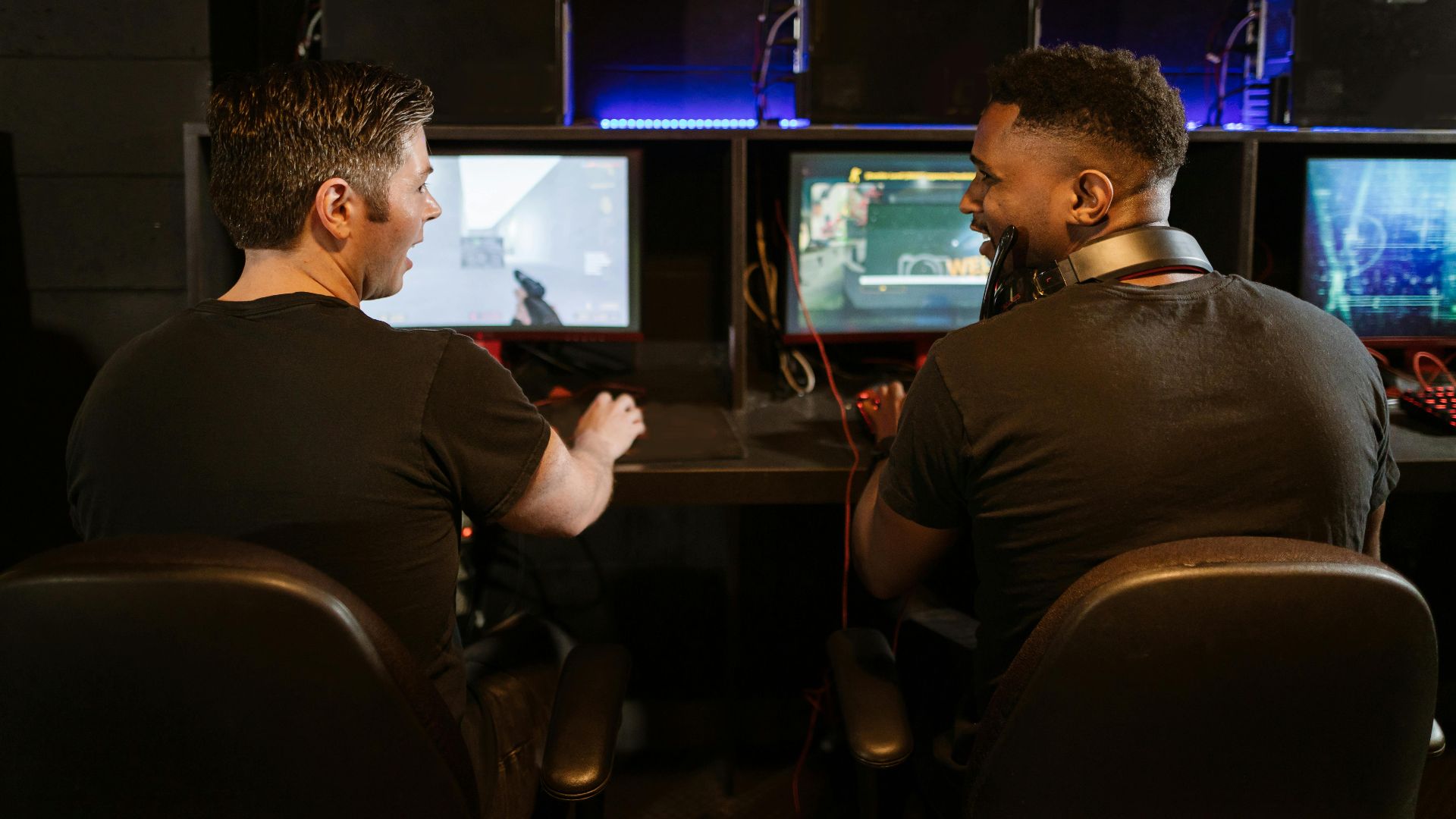
14. The Hive, Bangkok, Thailand
Thailand’s internet cafés fueled a strong Dota and FPS scene. The Hive stood out for its organized leagues and team-based layouts. Crowds gathered behind players during matches.
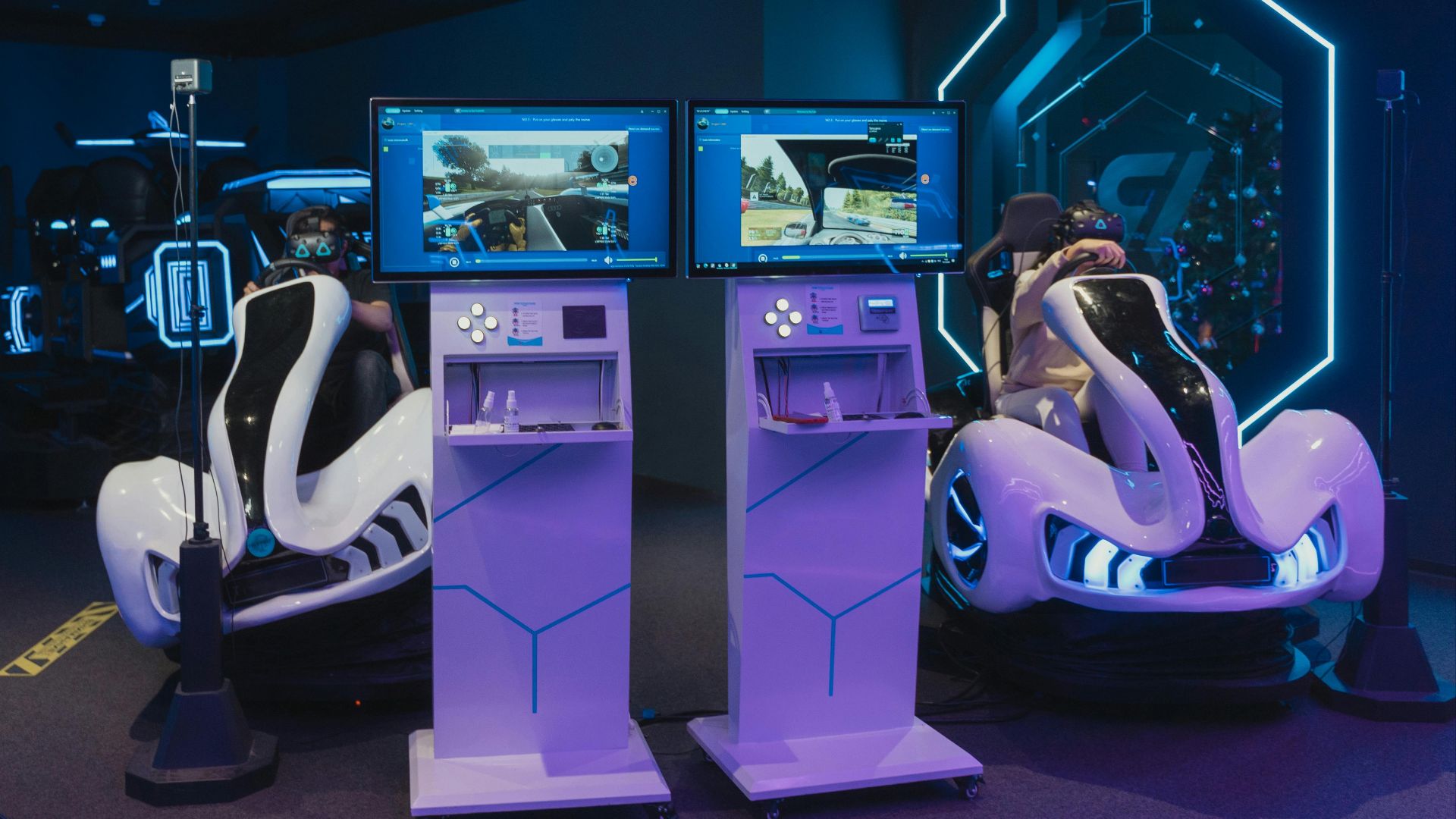
15. PlayNation, Dubai, United Arab Emirates
PlayNation positioned itself as a premium gaming café experience. Media coverage highlighted its luxury interiors and console lounges. The space reflected Dubai’s broader entertainment trends.
16. Cyber Arena, São Paulo, Brazil
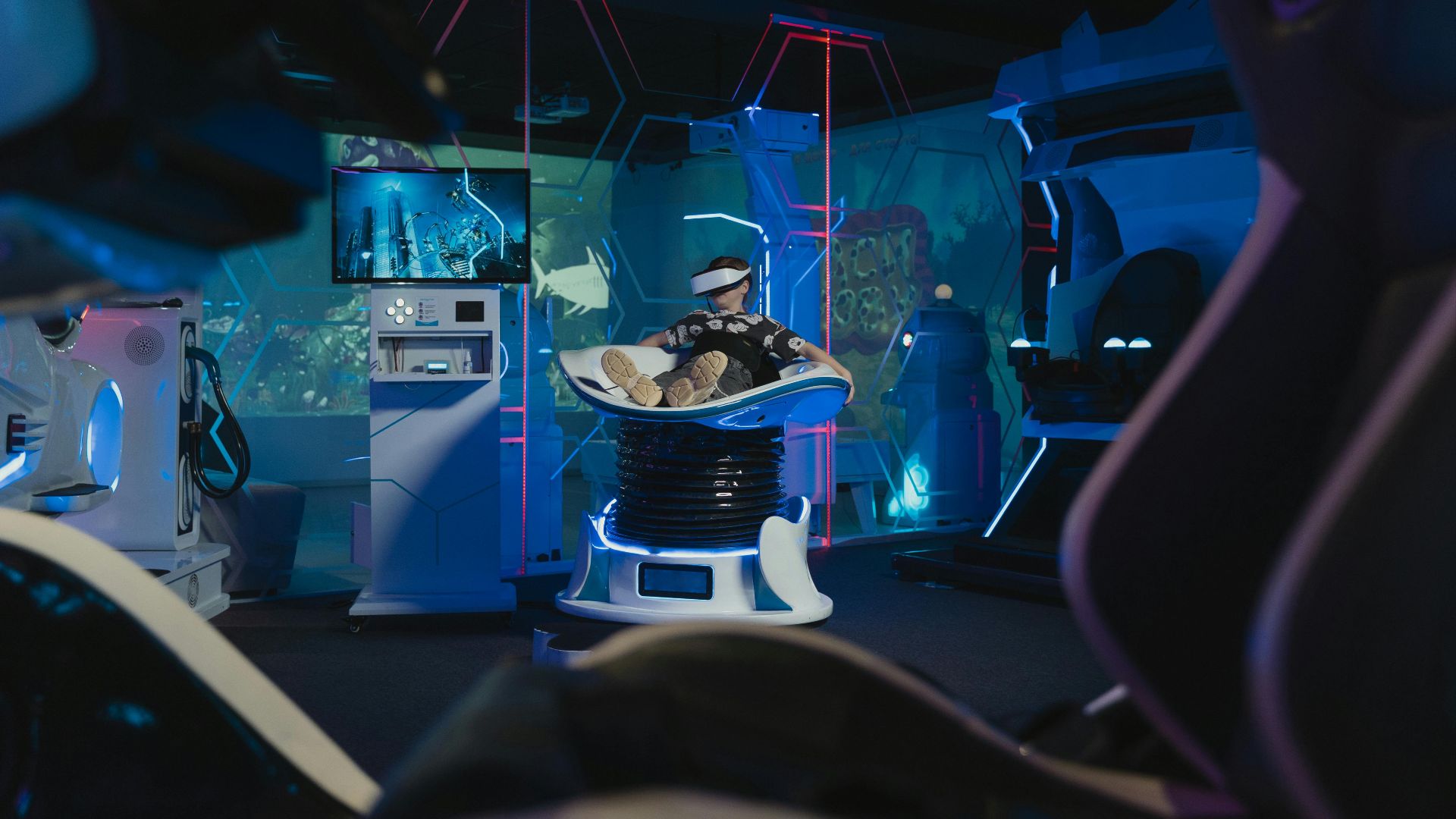
Brazil’s esports growth leaned heavily on internet cafés in the early years. Cyber Arena became a recognizable name through local tournaments. The café stayed busy well past midnight.
17. PC Bang Bang, Toronto, Canada
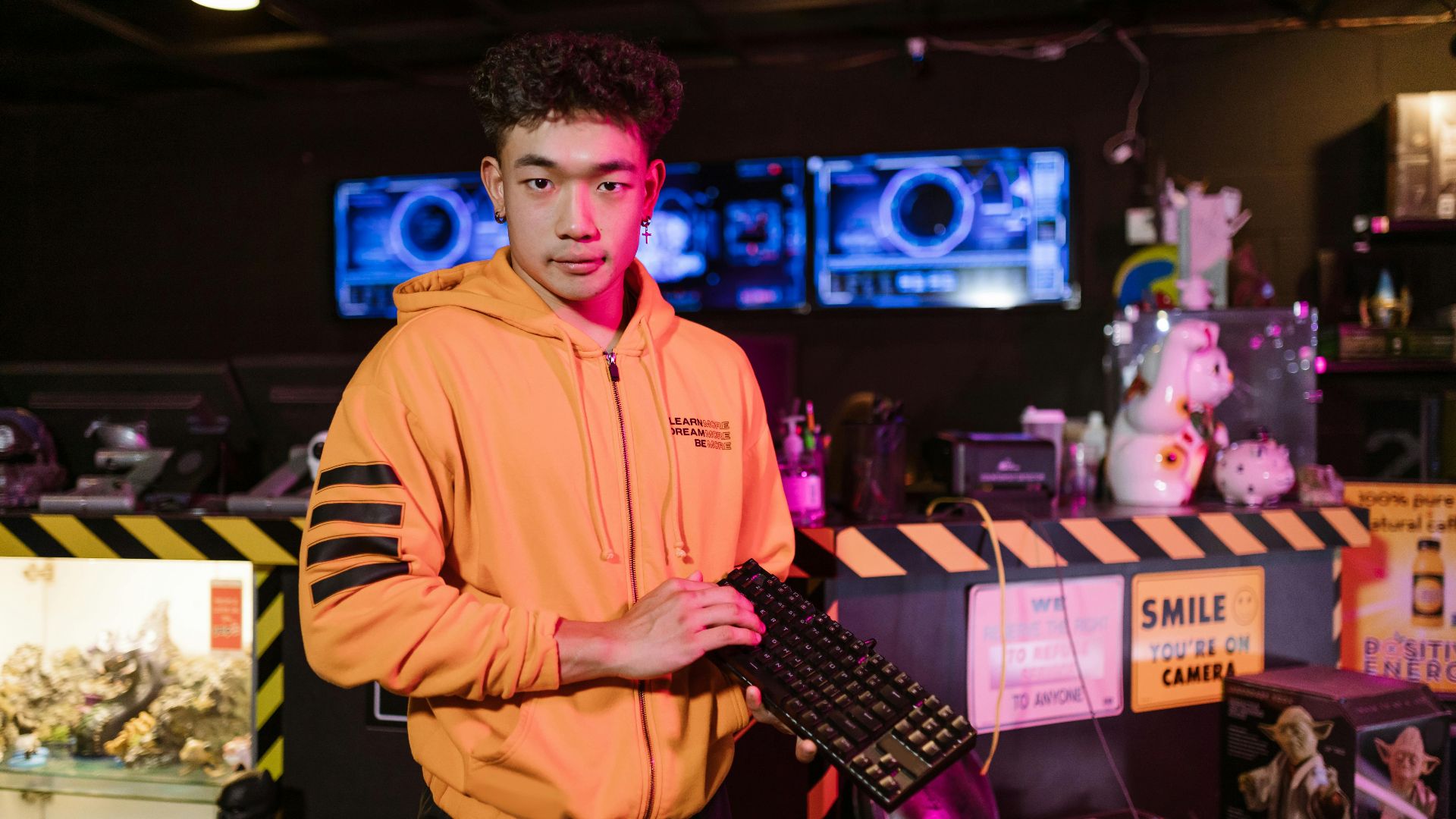
Toronto’s multicultural gaming community found common ground in PC Bang Bang. Korean-style café design met North American gaming habits. League nights and group bookings filled weekends.
18. Level Up Gaming Café, Johannesburg, South Africa
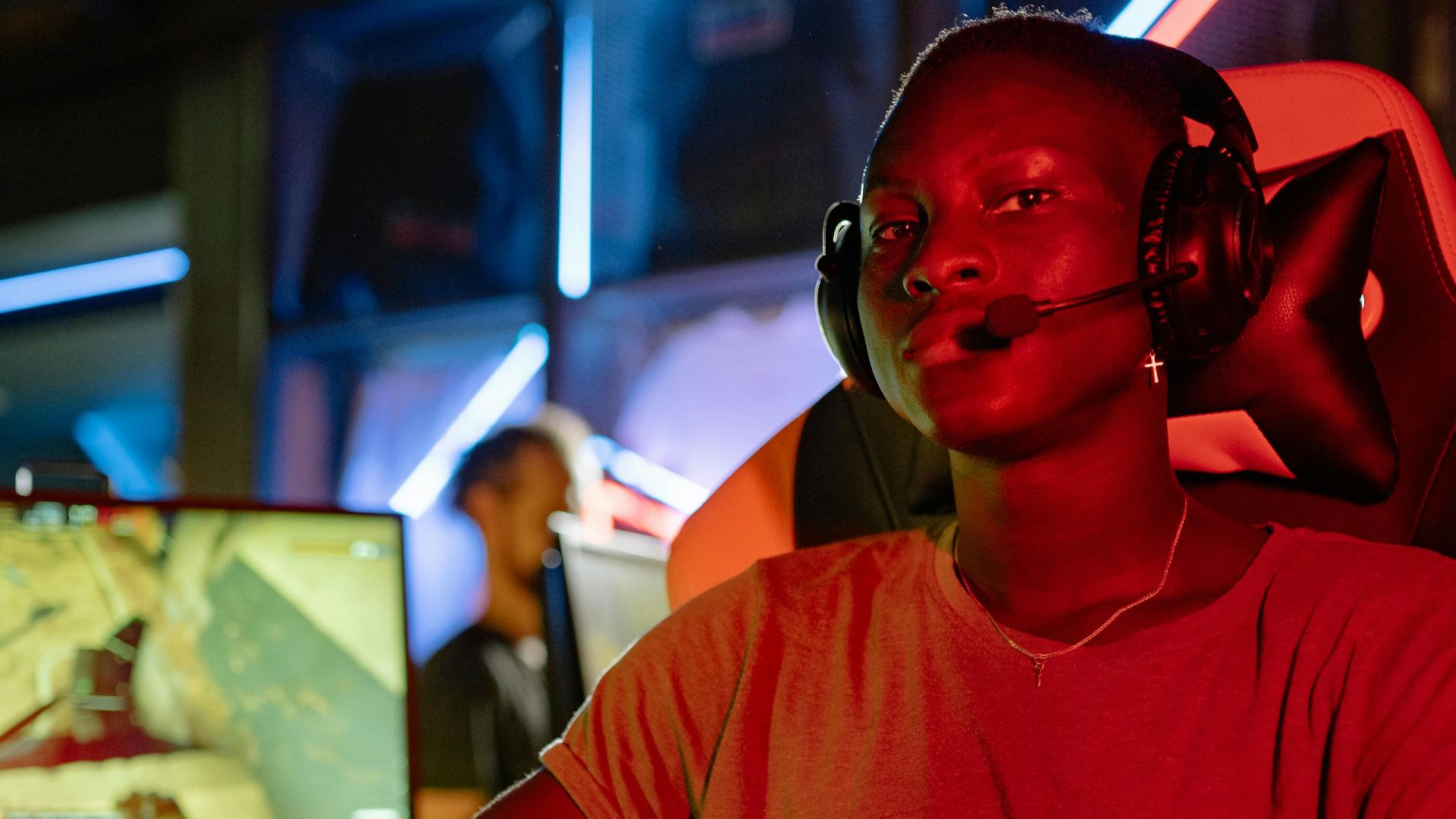
Access to high-end gaming rigs made cafés essential in South Africa. Level Up helped foster competitive communities across multiple titles. The café doubled as a social space.
19. NetHouse, Moscow, Russia
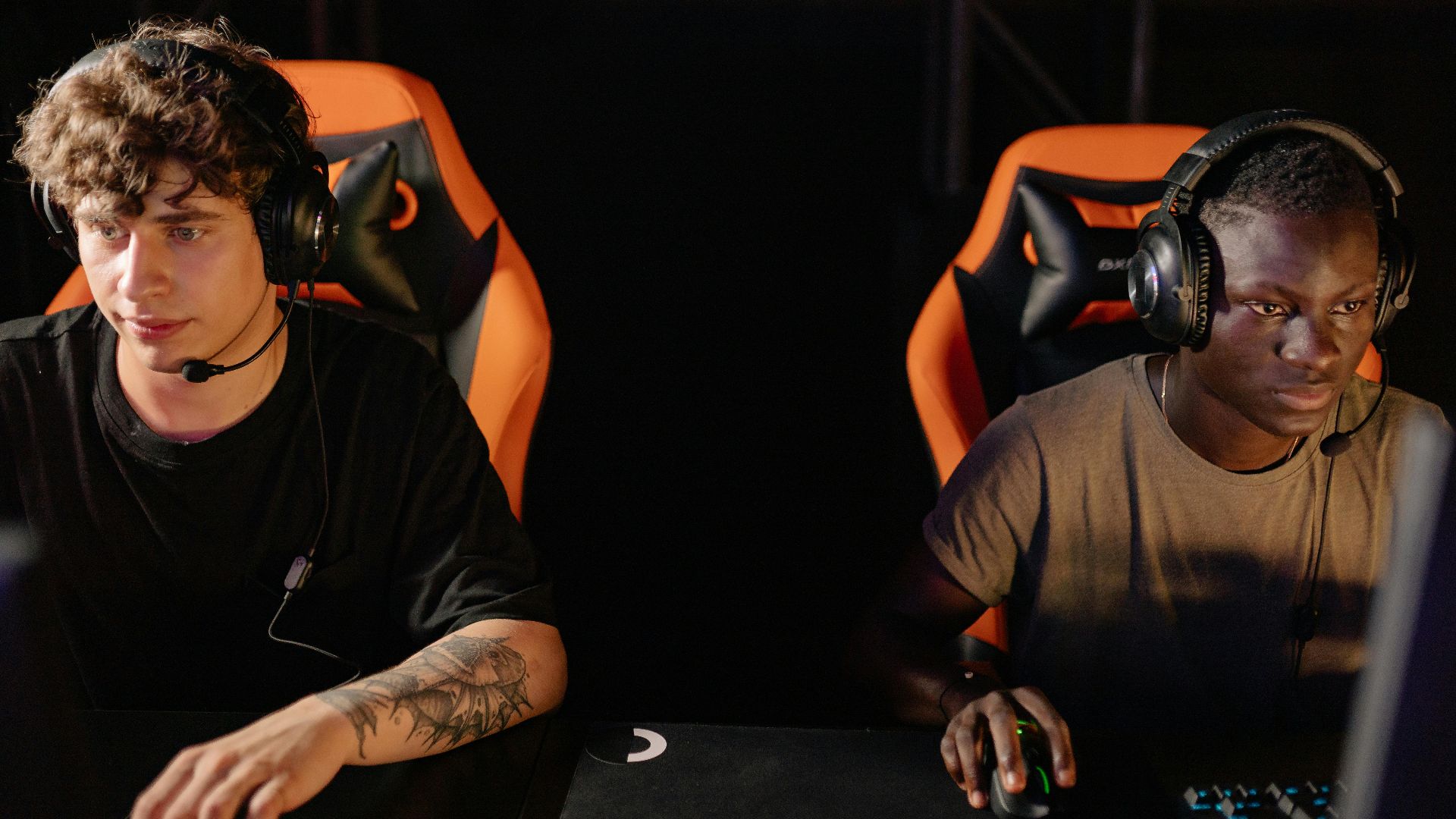
NetHouse emerged during Russia’s early online gaming expansion. Local gaming journalism referenced it as a tournament venue. Long sessions and team play defined its culture.
20. FragZone, Helsinki, Finland
Finland’s strong PC gaming culture supported cafés like FragZone. LAN culture remained central even as home setups improved. The café emphasized serious play over spectacle.