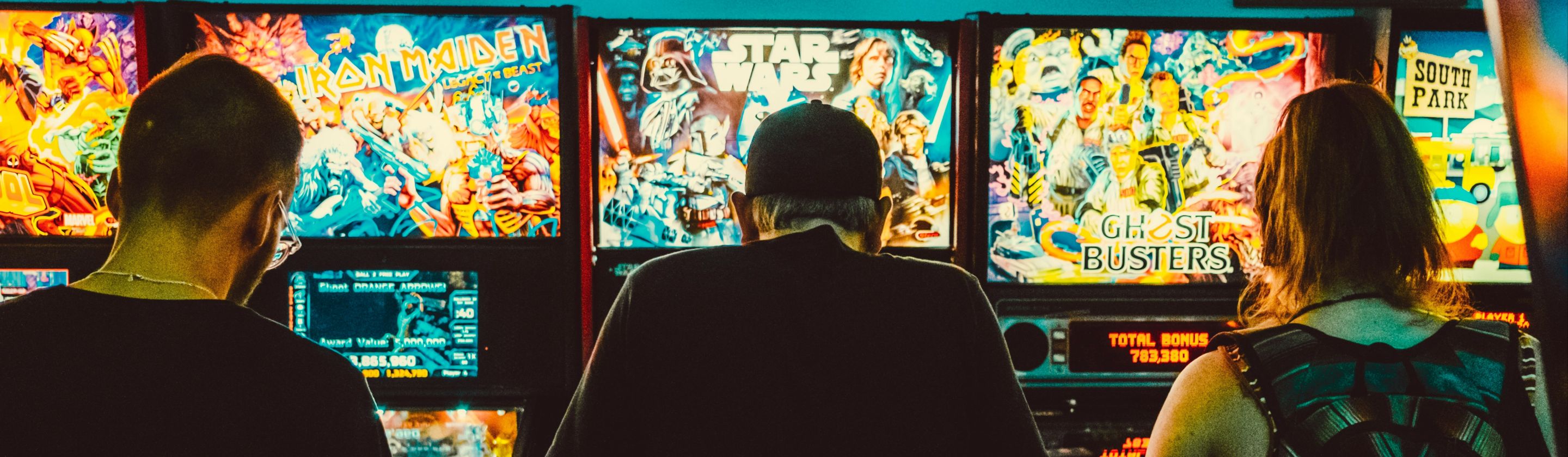
When Arcades Were Social Hubs, Not Just Game Rooms
Before online multiplayer, downloadable content, and playing strangers through a headset, arcades were where gaming culture truly lived. They were loud, dimly lit spaces filled with overlapping soundtracks, flashing screens, and the unmistakable clink of quarters on glass marquees. You didn’t play alone there—every mistake was witnessed, every victory earned respect, and every high score felt like a public achievement. These games didn’t just pass the time; they shaped friendships, rivalries, and memories that still feel vivid decades later.

1. Pac-Man
Pac-Man became a cultural phenomenon almost overnight, pulling in players who had never touched a video game before. Its simple rules made it welcoming, but mastering ghost patterns required real concentration and practice. Watching someone clear a board felt almost hypnotic, and losing at the last second stung in a way modern games rarely replicate.
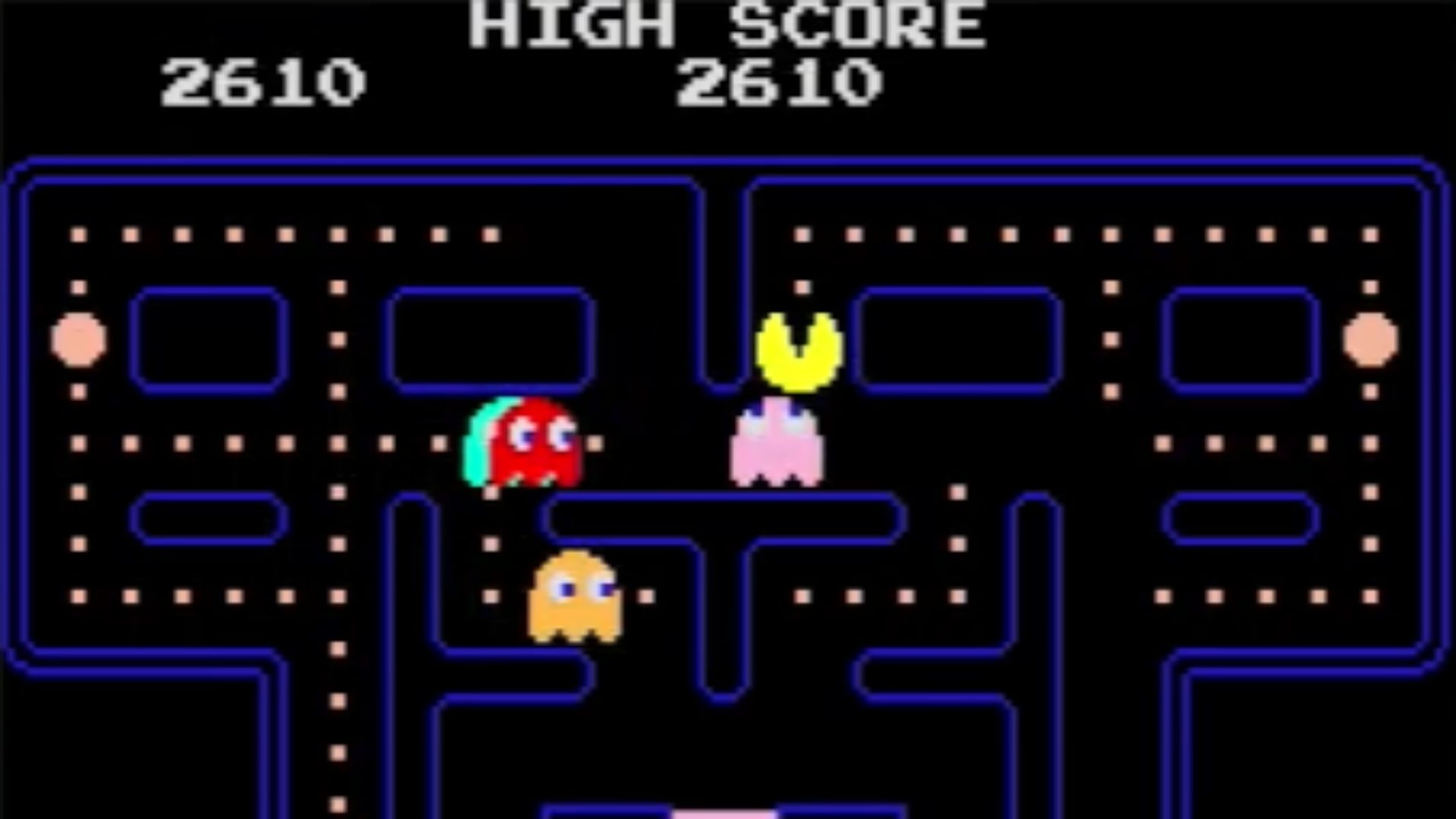 Bandai Namco Entertainment America on Wikimedia
2. Ms. Pac-Man
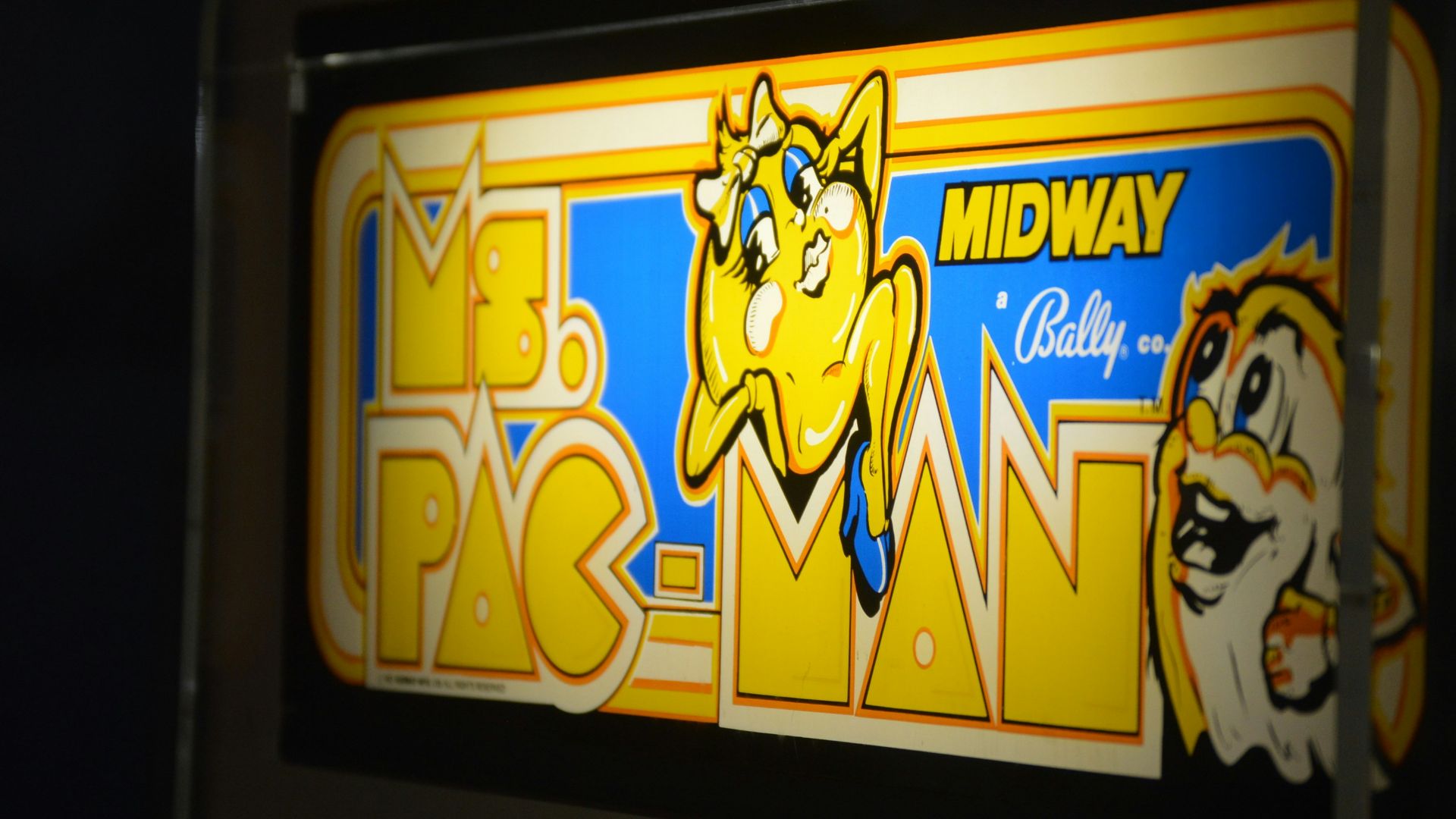
Ms. Pac-Man arrived when expectations were low for sequels, yet it quickly earned its place as a favorite. The unpredictable ghost behavior kept even experienced players on edge, making every round feel fresh. For many, it quietly became the superior version, proving that refinements could matter more than reinvention.
3. Galaga
Galaga captured the era’s fascination with space, technology, and endless challenge. There was no real ending, just wave after wave daring you to last a little longer. Losing your ship felt like a personal attack, especially when you knew one careless move had ended an otherwise perfect run.
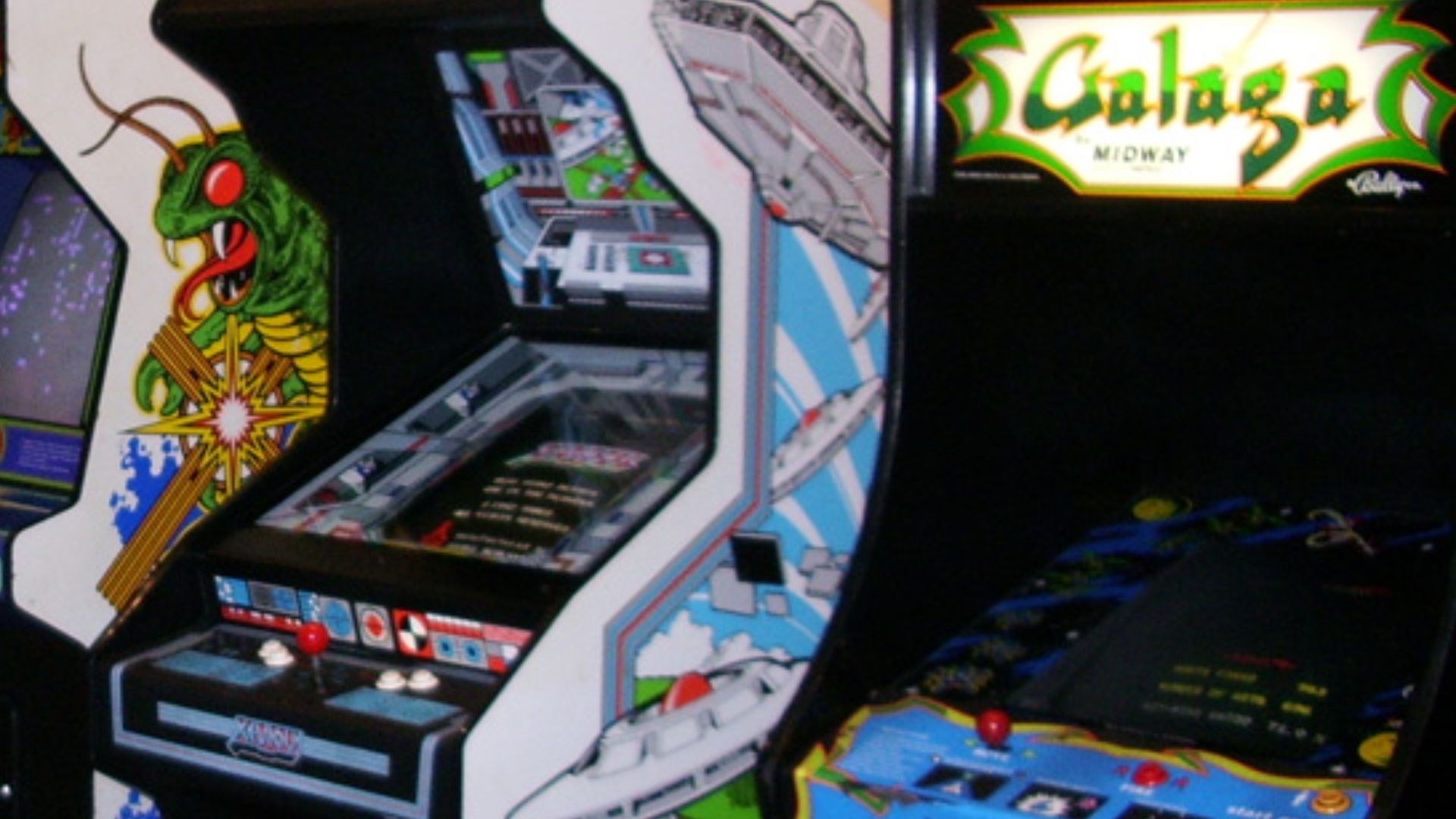 InSapphoWeTrust from Los Angeles, California, USA on Wikimedia
4. Donkey Kong
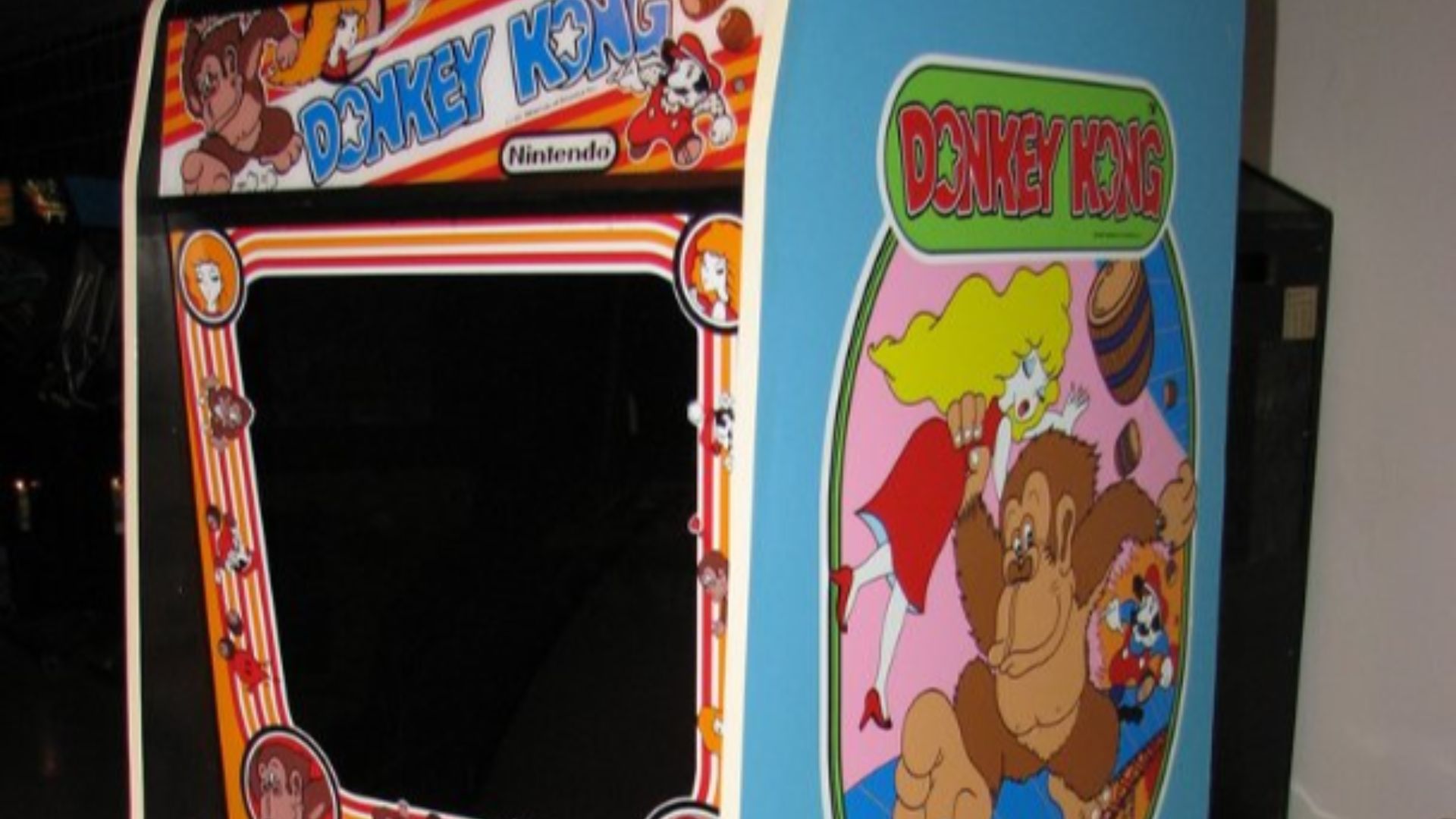
Donkey Kong introduced characters who felt oddly human despite their cartoonish designs. Jumping barrels wasn’t just an obstacle course—it felt like a story unfolding in short bursts. It also demanded patience, teaching players that rushing usually led to failure.
5. Street Fighter II
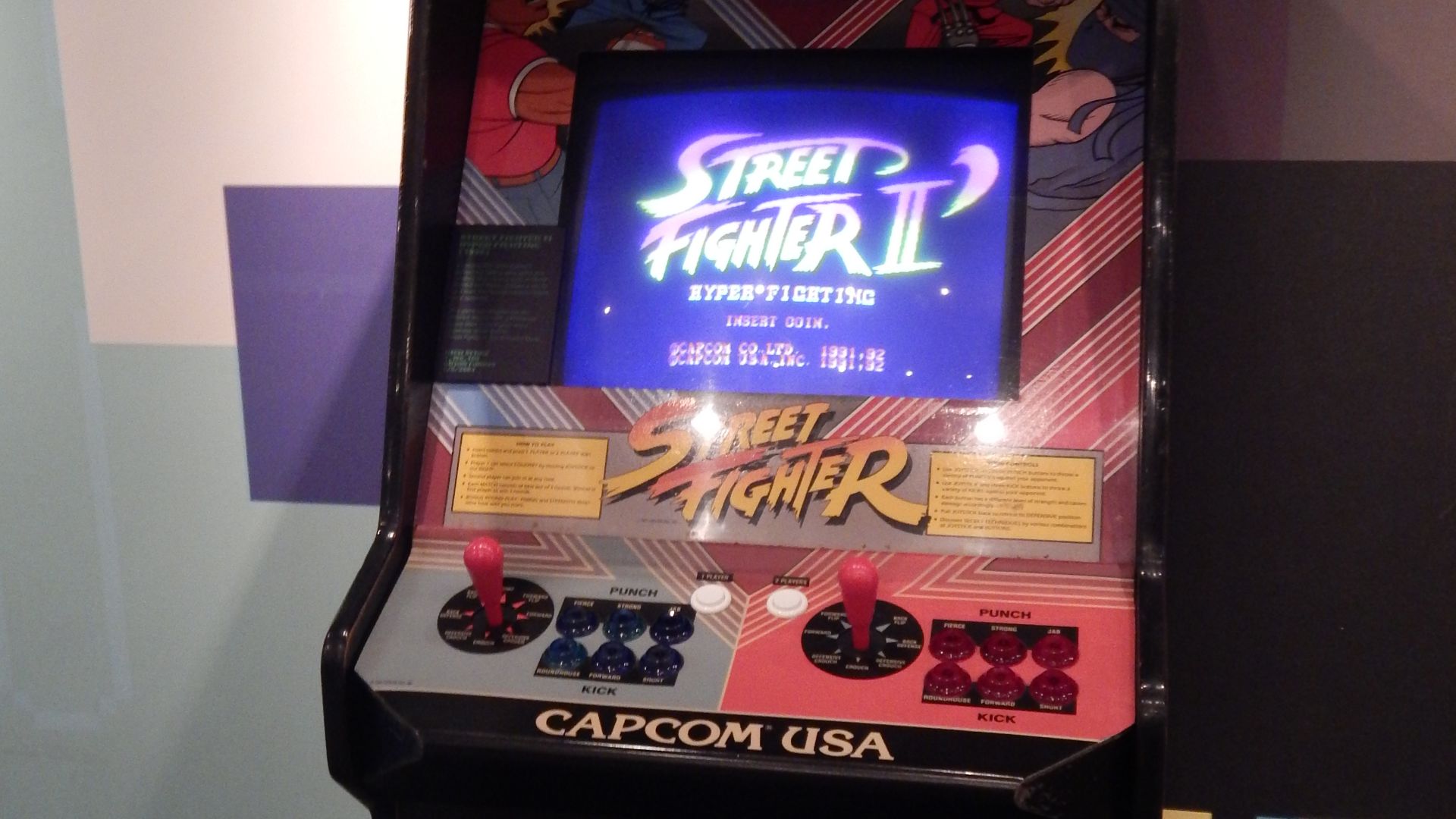
Street Fighter II transformed arcades into arenas. Crowds gathered around cabinets, watching matches like live sporting events, quietly judging every move. You didn’t just win—you earned a reputation, and losing meant suffering intense social humiliation.
6. Mortal Kombat
Mortal Kombat thrived on controversy and wore it proudly. The digitized characters and graphic violence felt shocking at the time, especially compared to cartoonish competitors. Sure, it’s pretty on par with what we have going on today, but it will forever remain as the original gory fighting game in our hearts.

7. Teenage Mutant Ninja Turtles
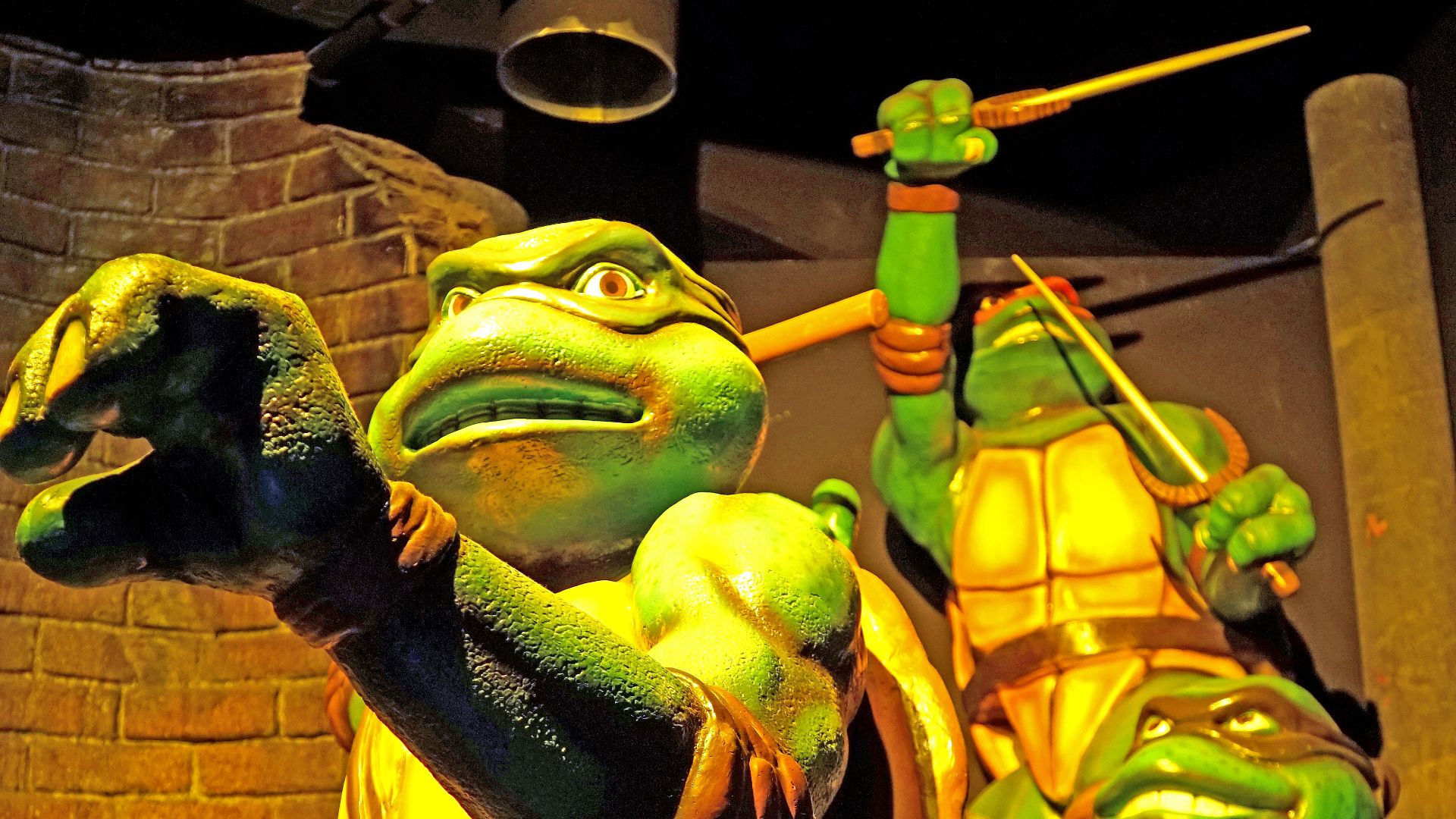
TMNT perfectly captured the energy of its cartoon roots. Four-player cooperative gameplay turned it into a social event rather than a solo challenge. It was loud, colorful, and forgiving enough that everyone could have fun, even if they weren’t particularly skilled.
8. The Simpsons Arcade Game
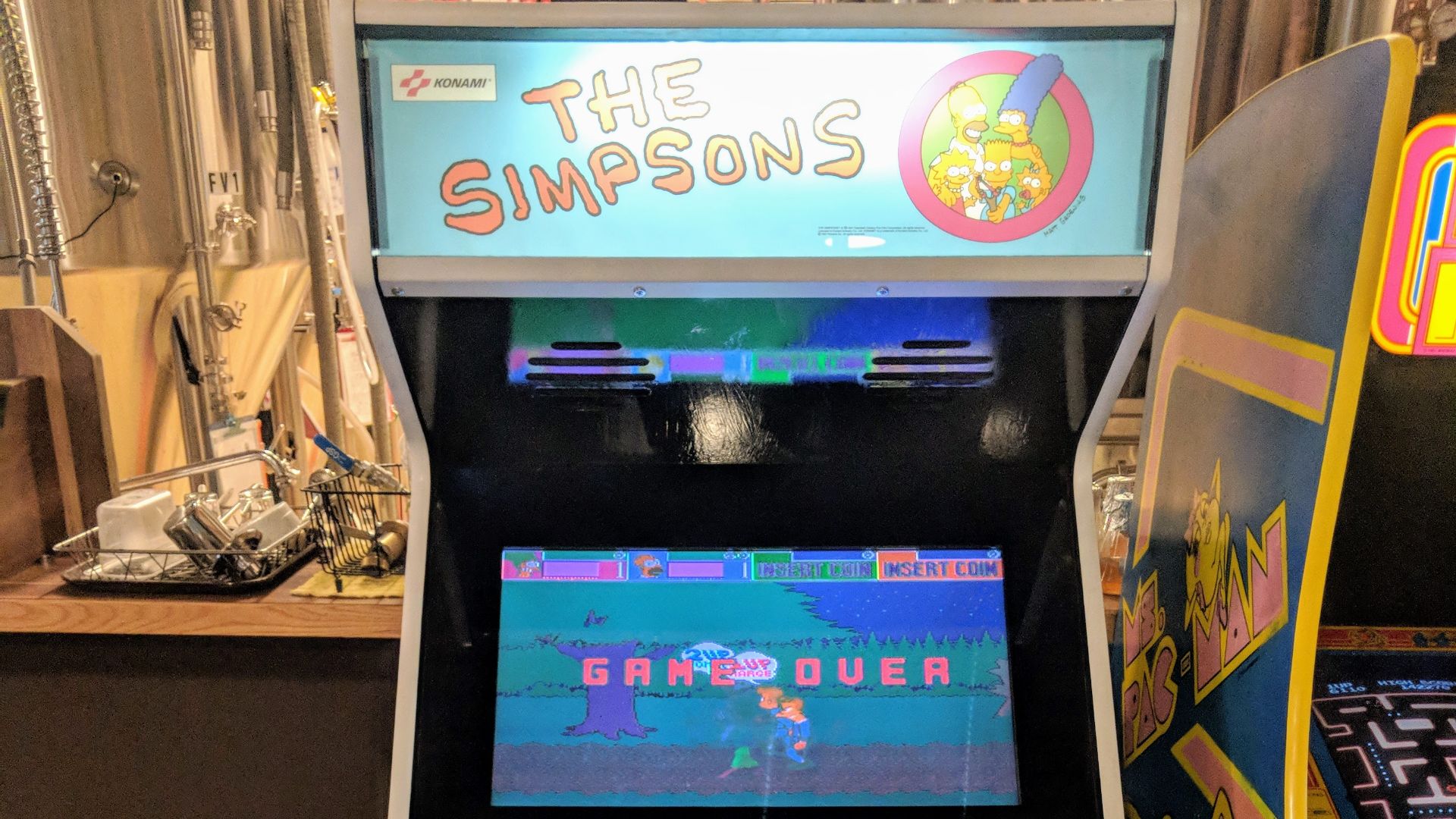
This game felt like stepping straight into Springfield. This game was created at the height of The Simpsons’ popularity, and became one of the best-selling arcade games of 1991. Regulars of the arcade scene can probably picture its bright blue paint.
9. NBA Jam
NBA Jam threw realism out the window and never looked back. Gravity-defying dunks and booming catchphrases made every match feel electric. Even people who couldn’t care less about basketball found themselves hooked by its sheer spectacle.

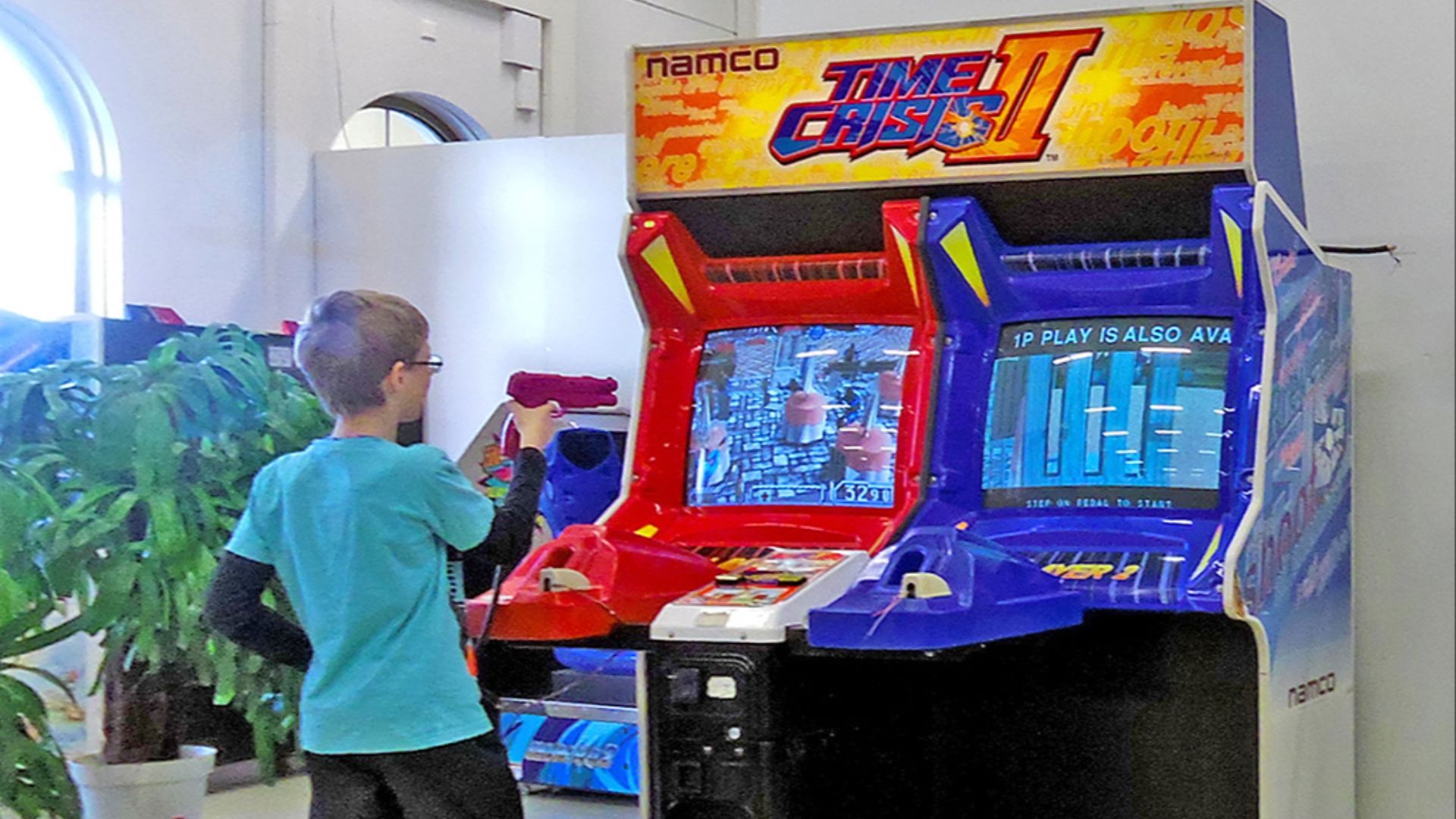
10. Time Crisis
Time Crisis blurred the line between video games and action movies. The foot pedal forced players to physically engage, ducking and reloading in real time. It reminded everyone why arcades still mattered—this was something you couldn’t fully replicate at home. At least not for cheap.
11. House of the Dead
It might not actually be scary, but that doesn’t mean it wasn’t loved. This shooter game had incredibly exaggerated horror elements and awkward voice acting. Luckily for Sega, the game was still a favorite among players. It was stressful, funny, and unforgettable, especially when played with friends screaming beside you.

12. Metal Slug
Metal Slug felt alive in a way few arcade games did. Absolutely packed with detail, personality, and humor, this game rewarded careful play but also celebrated chaos, making it endlessly replayable. And who doesn’t love throwing a grenade around from time to time?

13. Rampage
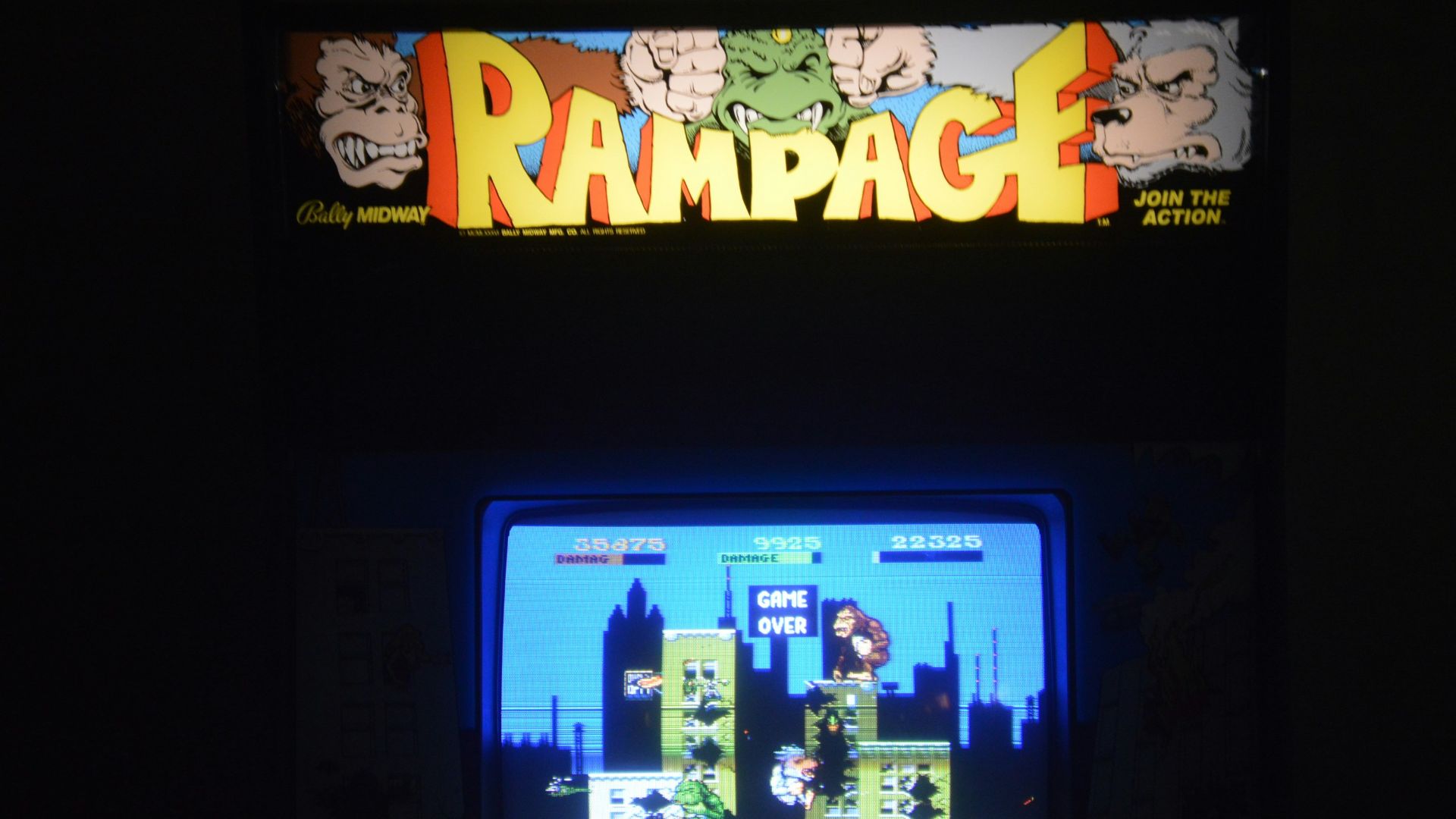
You can’t admit that King Kong probably felt super satisfied climbing the Empire State Building, and this game lets you experience what that could feel like. Rampage lets players flip the script by becoming the villains. Smashing buildings and swatting helicopters tapped into a childlike sense of rebellion. Playing cooperatively made the destruction feel communal rather than destructive.
14. Cruis’n USA
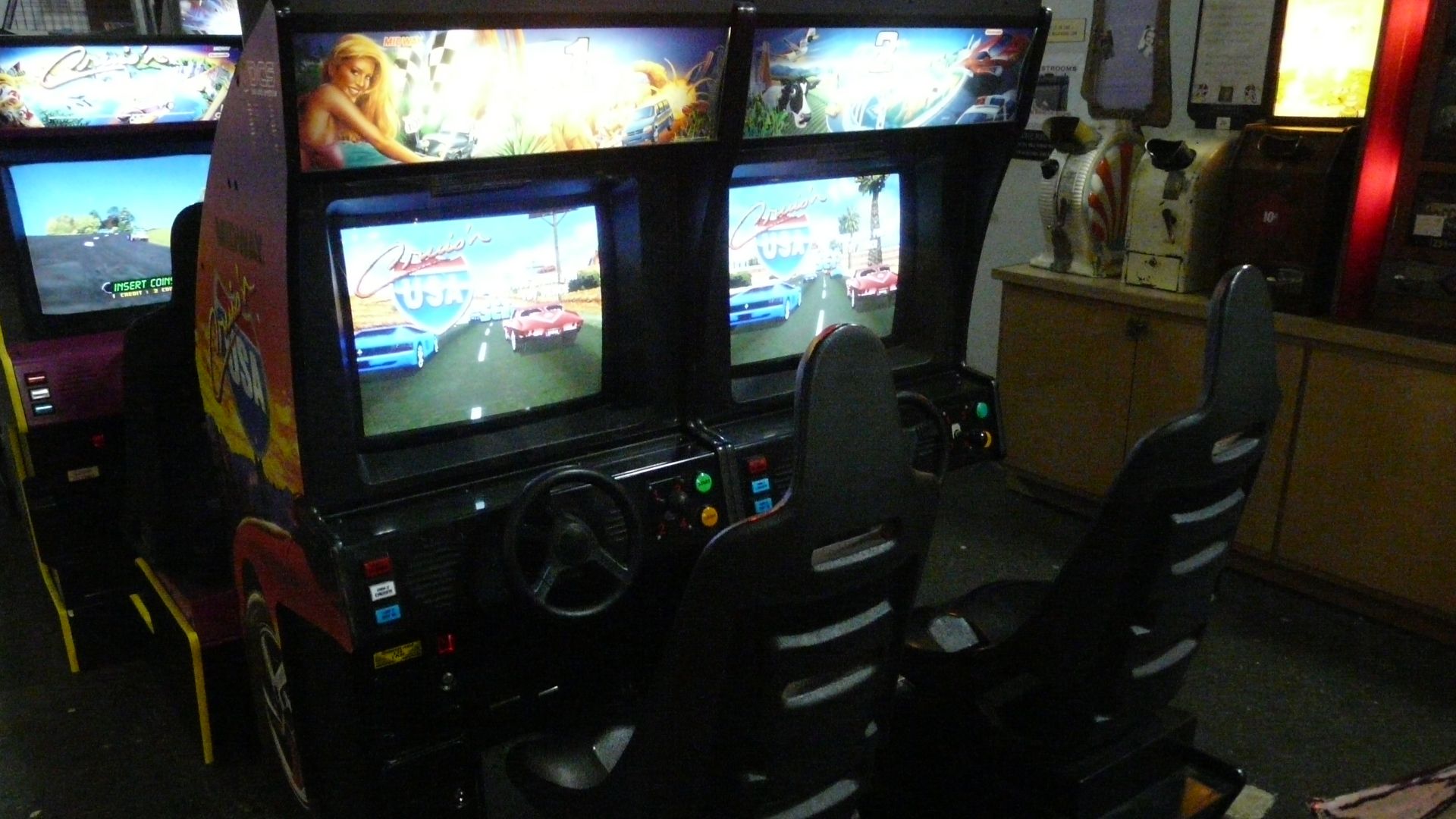
Cruis’n USA was pure 1990s excess. Bright tracks, exaggerated speed, and a booming soundtrack were something only Nintendo could create. You always believed you could shave a few seconds off your time if you just tried one more run.
15. Pole Position
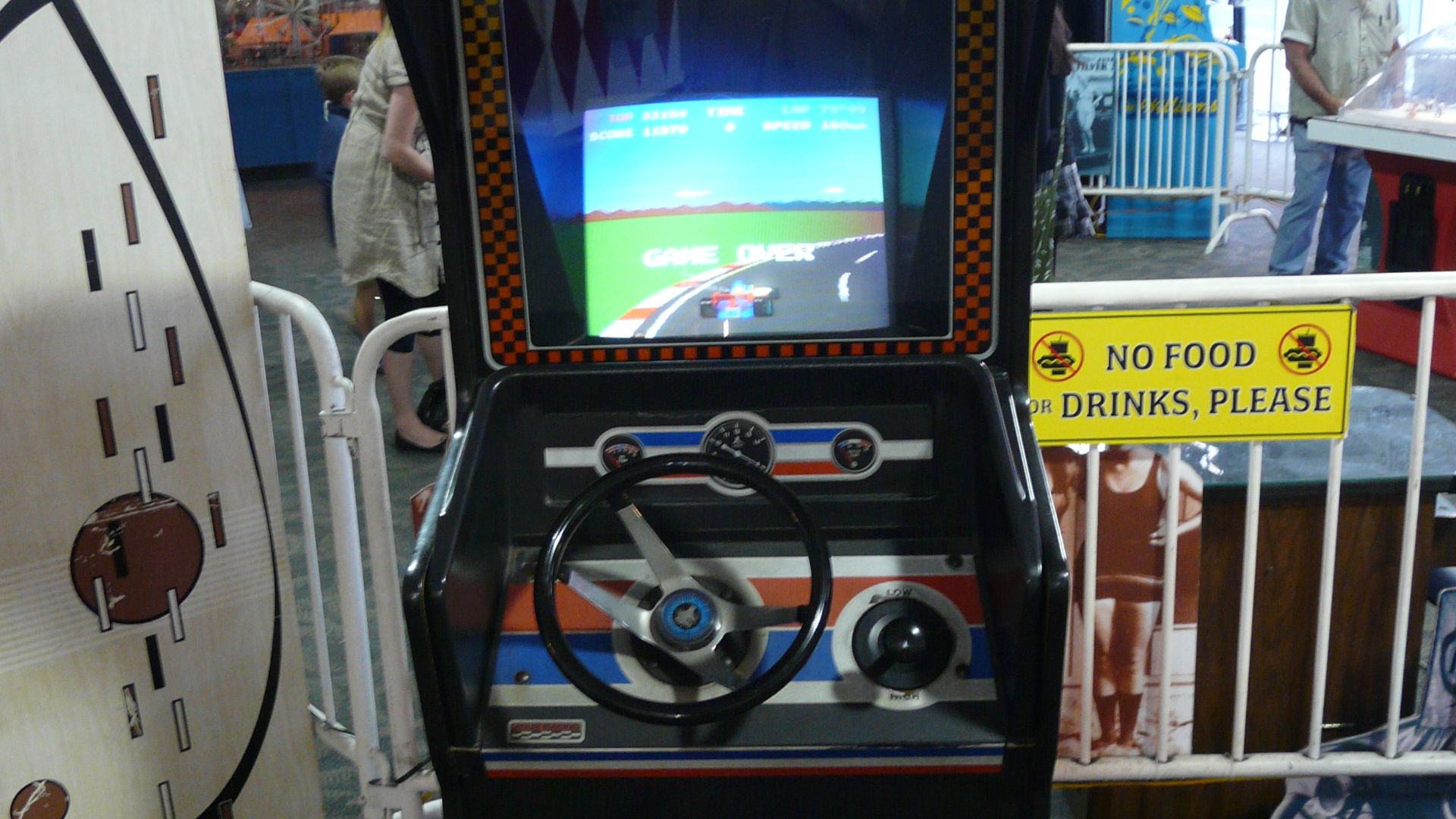
Pole Position emphasized precision over spectacle. Memorizing tracks and hitting turns just right felt deeply satisfying. It comes as no surprise that this game was definitely the precursor to the intense modern driving simulation games we see today.
16. Double Dragon
Double Dragon helped define the beat ’em up genre, as it introduced cooperative gameplay, continuous side-scrolling, and being able to take an enemy's weapon after knocking them down.

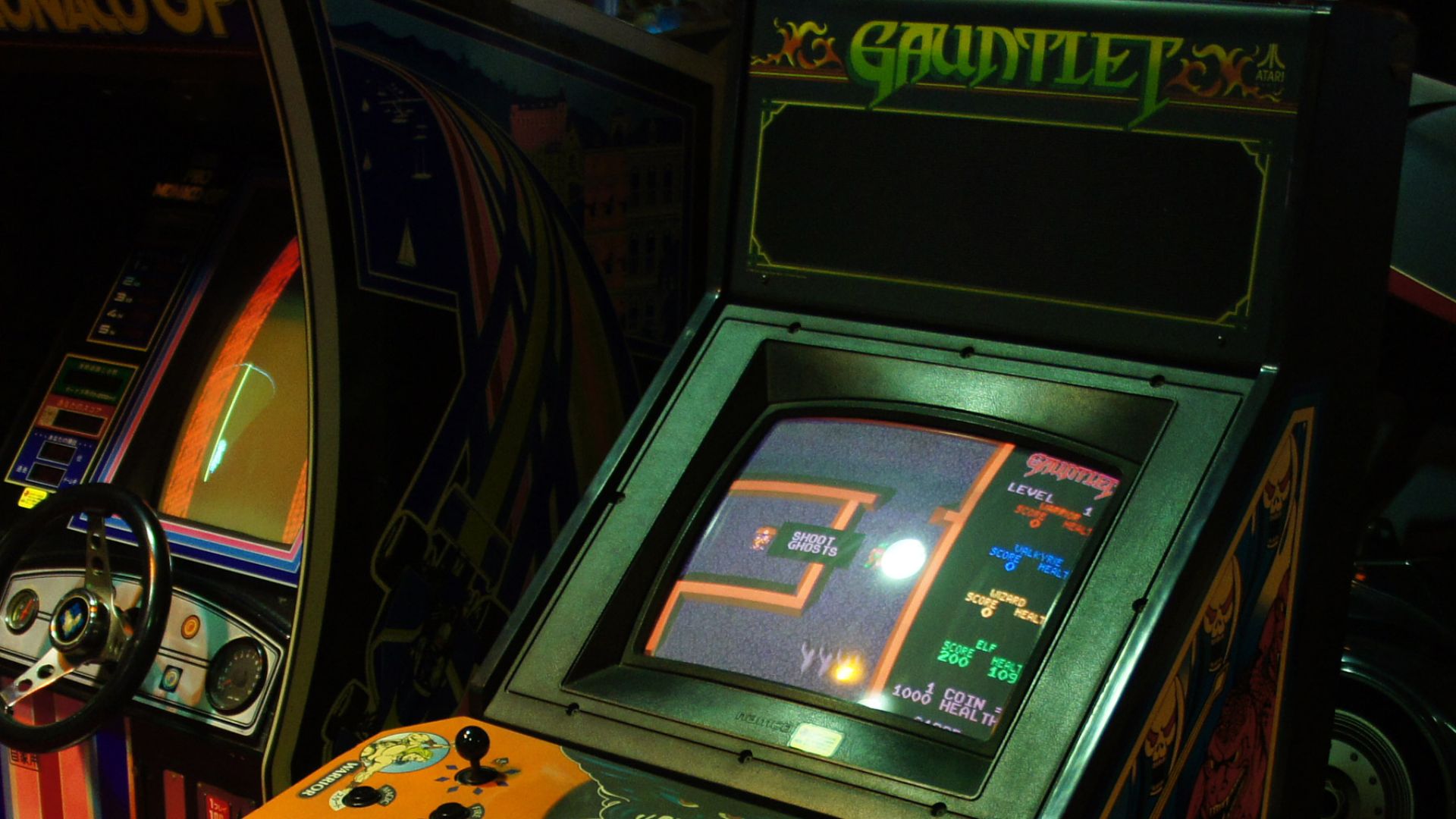
17. Gauntlet
This hack-and-slash video game was one of the earliest examples of a dungeon crawler and was well-loved by DnD fans. It definitely became a “tag yourself” moment when you and your friends had to decide who’s the wizard, the valkyrie, the warrior, and the elf.
18. Frogger
Frogger proved that simplicity could still be brutal. Timing, patience, and nerves mattered more than speed. Watching someone finally make it across after multiple failures was a small but genuine triumph.

19. Dig Dug
Dig Dug stood out by encouraging creativity over aggression. Players could trap, crush, or inflate enemies, choosing their own approach. It felt clever in an era dominated by shooting and reflex-heavy games.
 Unknown authorUnknown author on Wikimedia
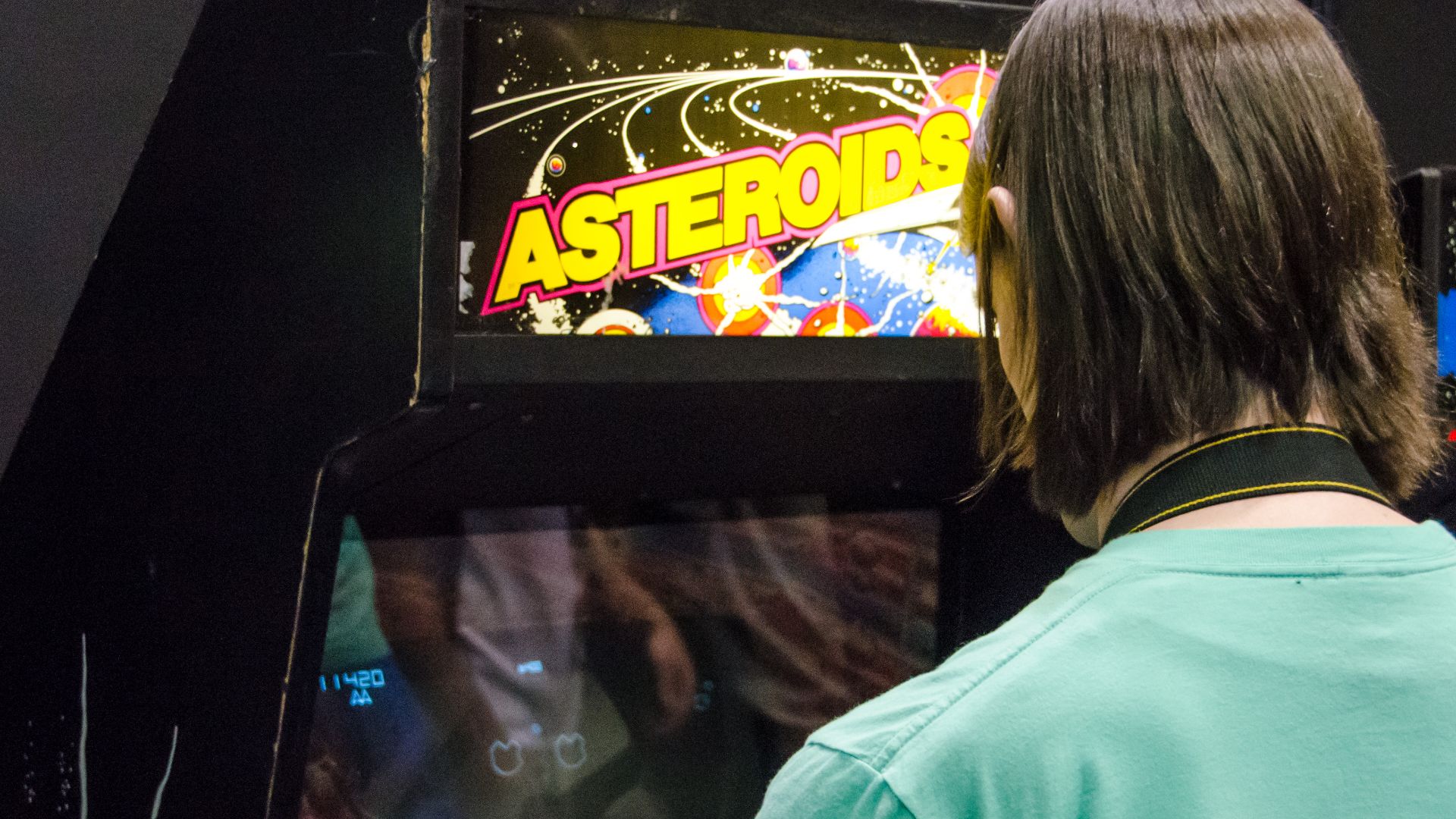
20. Asteroids
Asteroids stripped gaming down to its essentials. There were no characters or distractions, just physics and reflexes. Every high score felt earned, and every mistake was unmistakably your own.
 Sergey Galyonkin from Raleigh, USA on Wikimedia