None Of It Was Convenient, And Somehow That Was The Point
Ask a 90s gamer what they miss most and the answer is never the graphics. Games back then were slower, clunkier, and objectively worse-looking than almost anything you'd play today, and somehow that's not the part anyone gets nostalgic for. What people actually miss is the whole ritual around playing: the waiting, the trading, the not knowing, all the friction that got engineered out once everything went digital and instant. None of it was convenient, and all of it somehow mattered more because of that. Here's 20 things every 90s gamer secretly misses, whether they'd admit it out loud or not.

1. Blowing Into A Cartridge To Get It Working
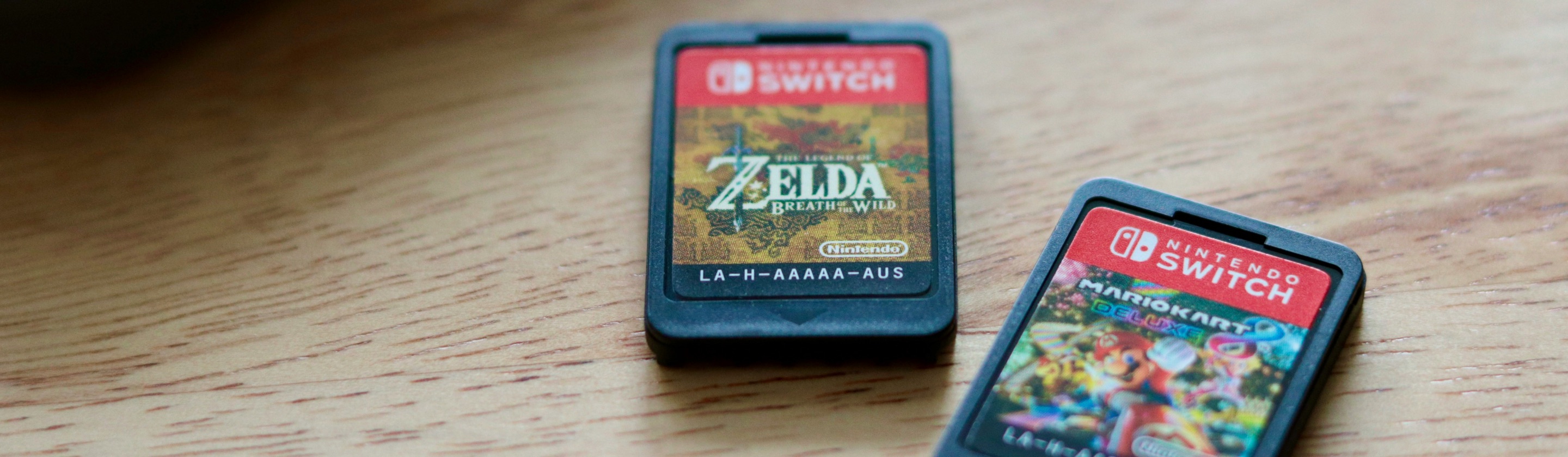
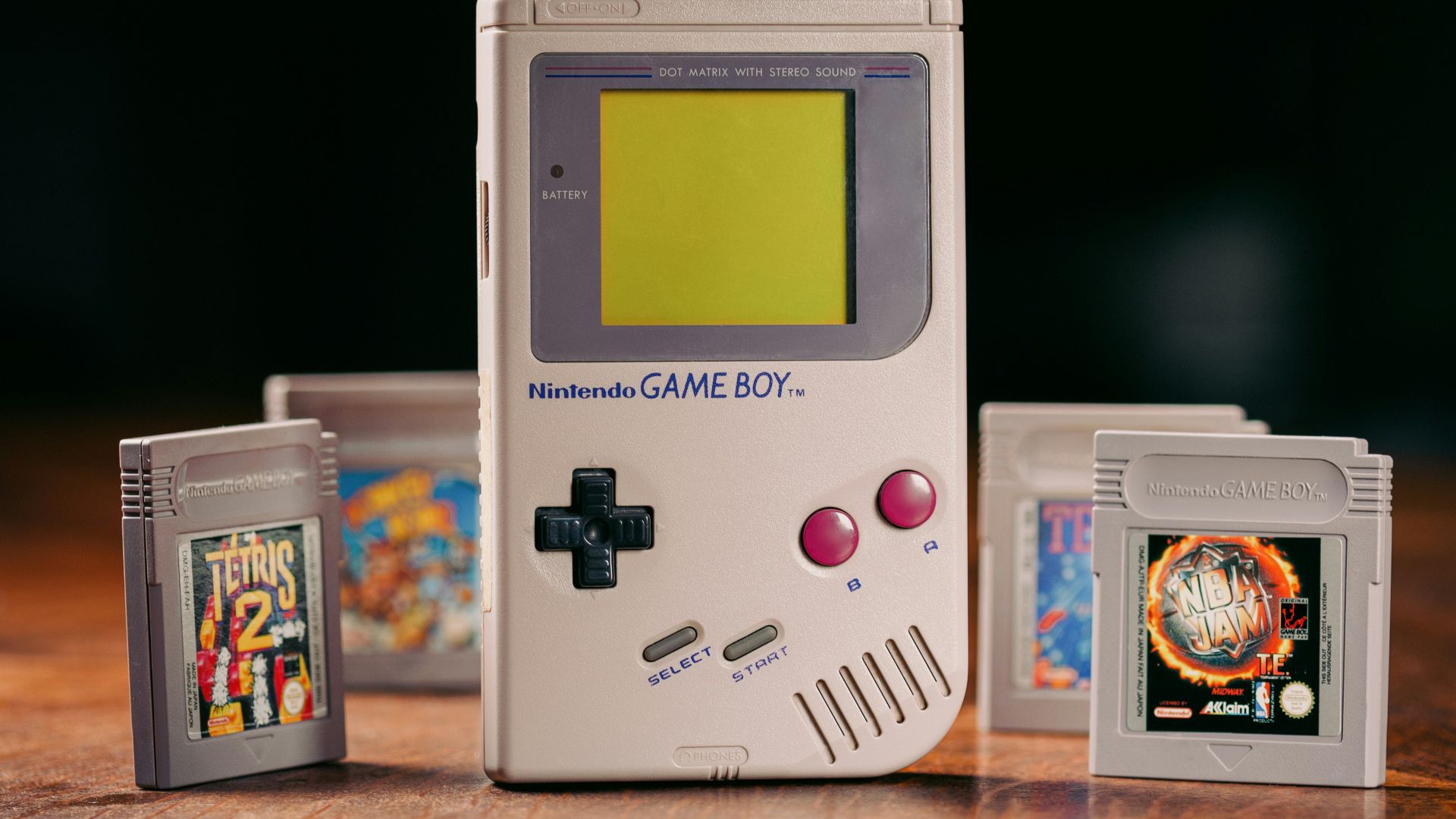
Nobody could really explain why it worked, and it definitely wasn't actually cleaning anything, but blowing into a stuck cartridge became a genuine skill. You'd pull it out, blow twice for good measure, and slam it back in at a slightly different angle. Somehow that ritual felt more reliable than most troubleshooting you do today.
2. Split-Screen Multiplayer On One Couch
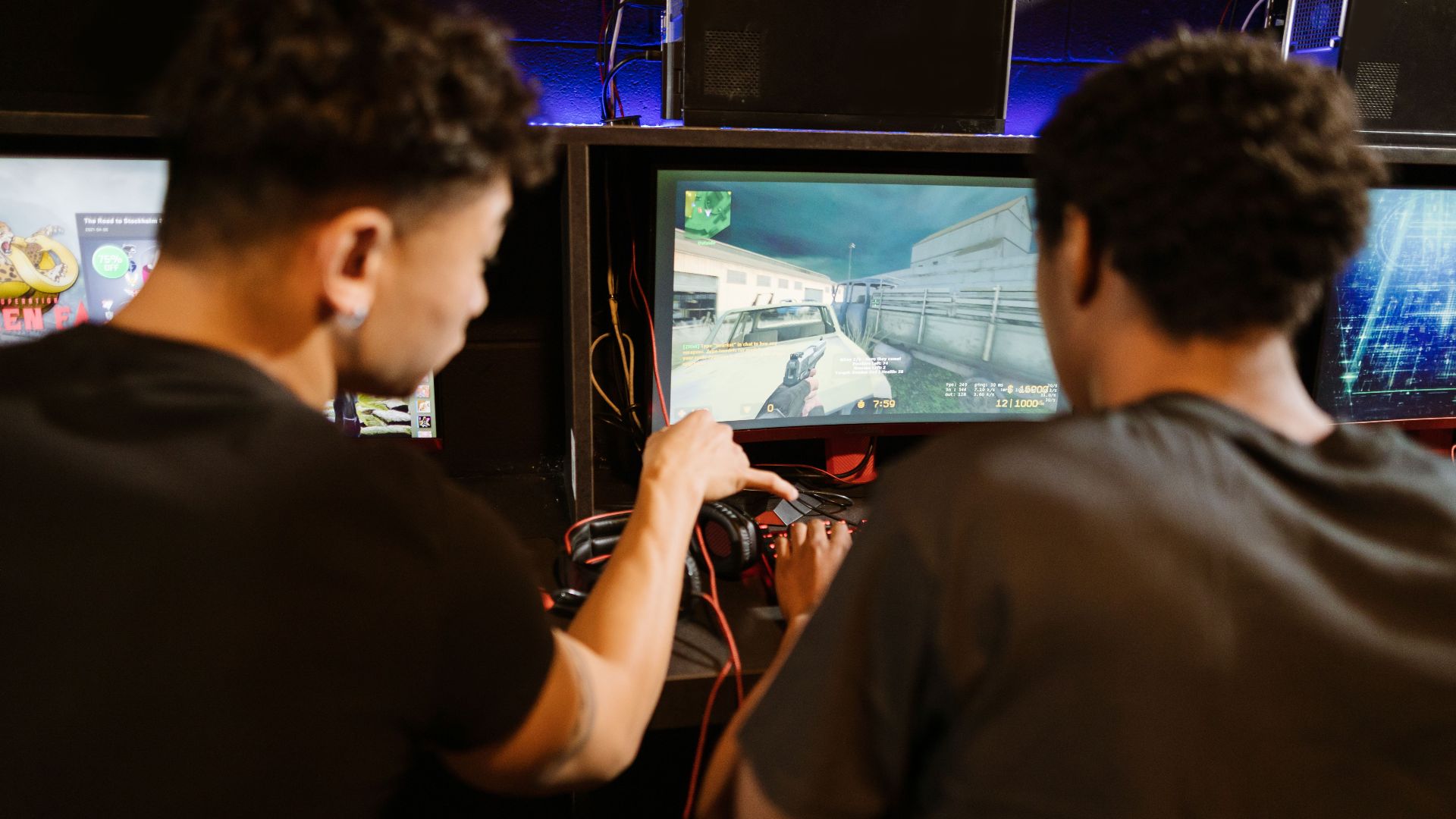
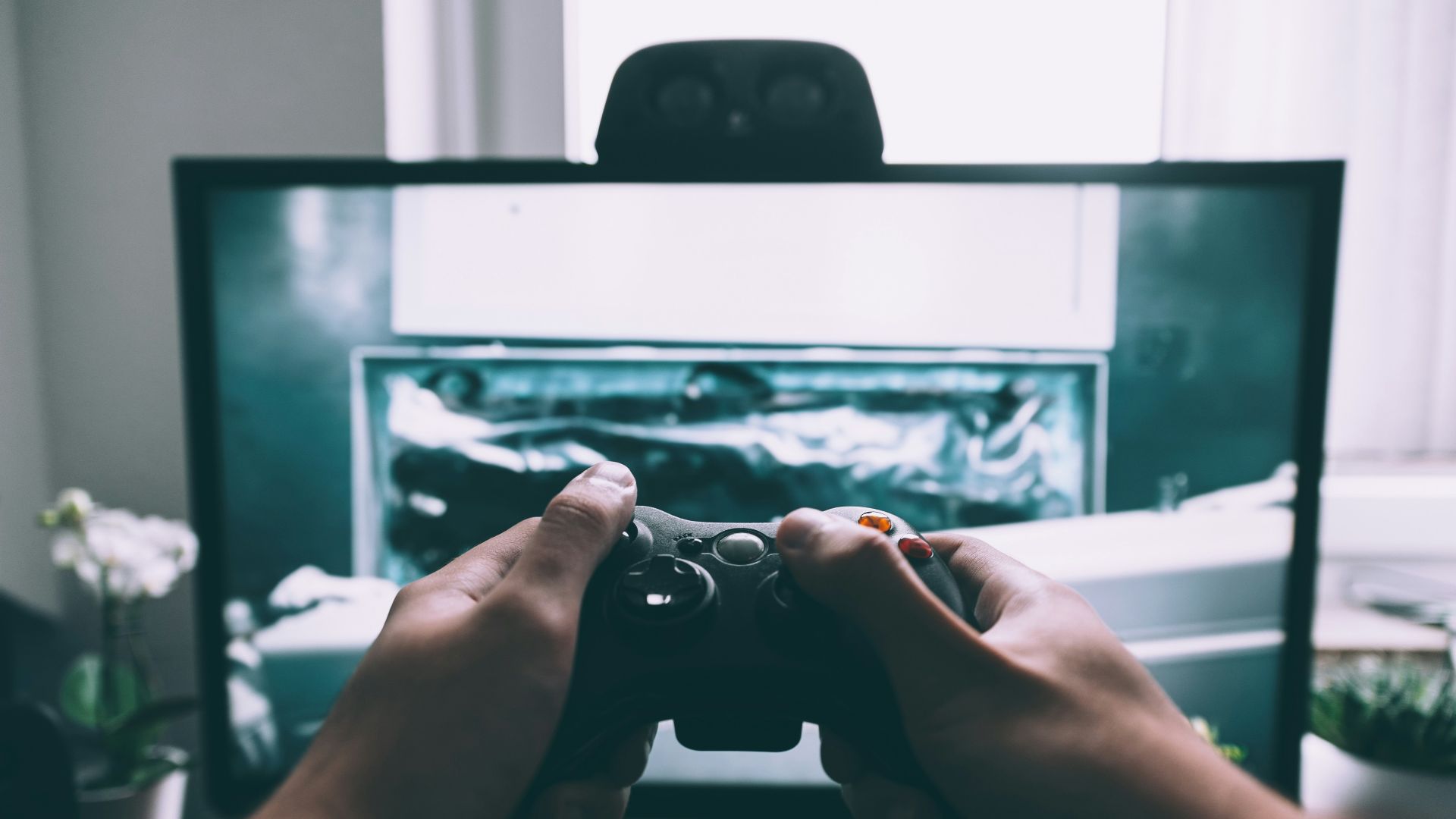
Four people crammed onto one couch, squinting at their own quarter of a 27-inch screen, arguing about who was staring at whose section. GoldenEye turned entire friendships into rivalries this way, with no internet required and no lag to blame anything on. Online multiplayer is technically better, but it never quite replaced the guy sitting right next to you talking trash.
3. Reading The Game Manual On The Car Ride Home
Before the cartridge even made it into the console, you'd already read the manual cover to cover in the back seat. Half the story and most of the character backstory lived in those booklets, not the game itself, which barely had room for cutscenes. Losing that manual felt like losing part of the game.
 La Fabbrica Dei Sogni on Unsplash
4. Games That Shipped Actually Finished
There was no patch coming next Tuesday to fix a broken boss fight, because the version on the cartridge was the only version that would ever exist. Developers had one shot to get it right before it left the factory, and it mostly worked. Bugs still happened, but you learned to work around them instead of waiting on a fix that was never coming.
5. Writing Down A 40-Character Password To Save Your Progress
Some games skipped save files entirely and just handed you a screen full of random letters and symbols to copy down by hand. One misread character and you were starting over, no exceptions. A torn scrap of notebook paper somehow carried more weight than most cloud saves do now.

6. Racing The Due Date On A Blockbuster Rental
Renting a game meant you had exactly until Tuesday to beat it, or at least get far enough to feel okay about giving up. That deadline turned casual weekend gaming into something closer to a sprint. Buying the game outright felt like an actual luxury most kids couldn't justify.
7. The Sound Of A Console Booting Up
The PlayStation's little startup chime, the N64 cartridge click, the hum of a CRT warming up: every console had its own unmistakable sound. You'd hear it from another room and know exactly what was happening before you even walked in. Consoles are basically silent now, and something about that trade feels off.
8. Cheat Codes You Learned From A Magazine, Not The Internet
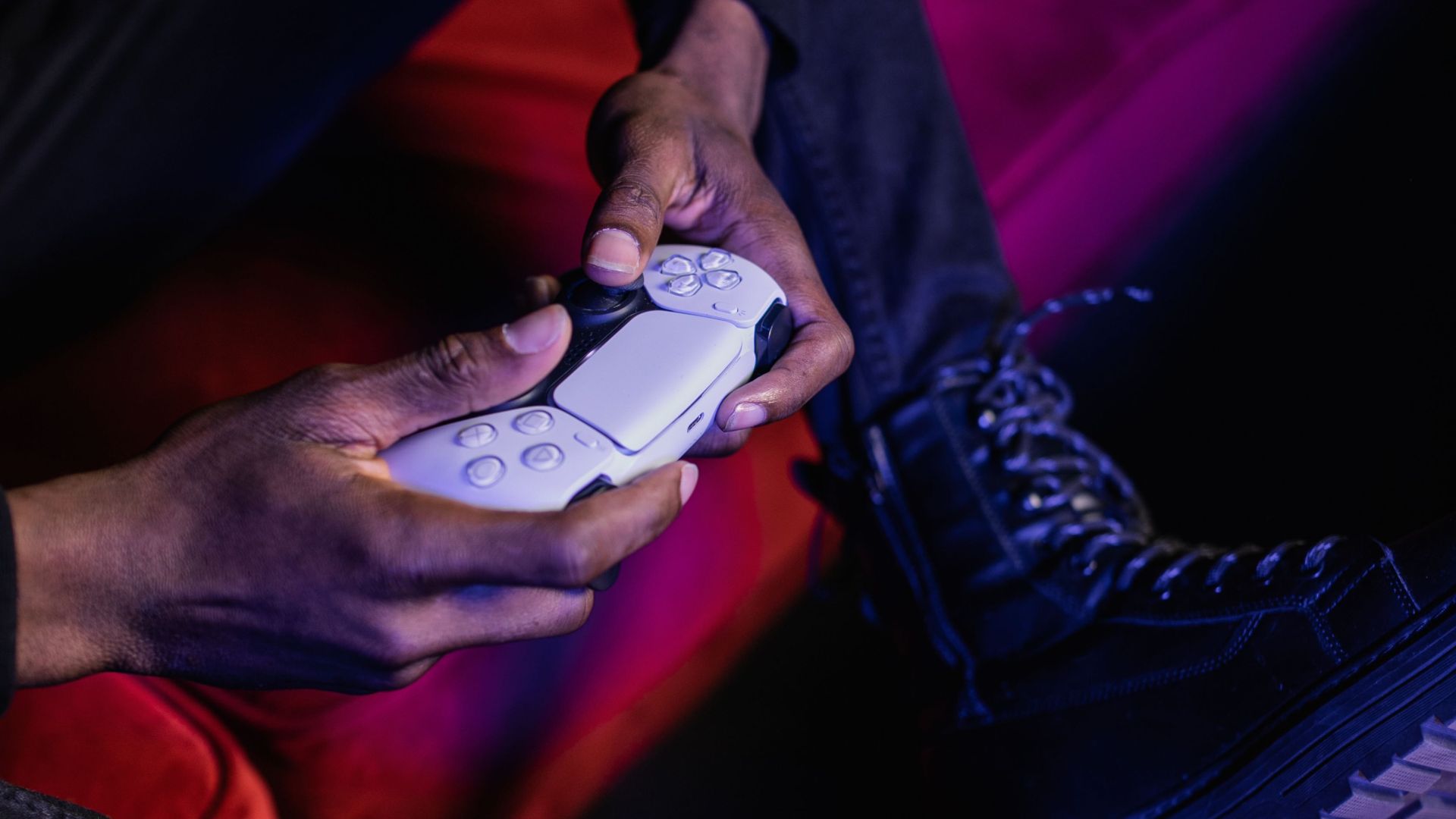
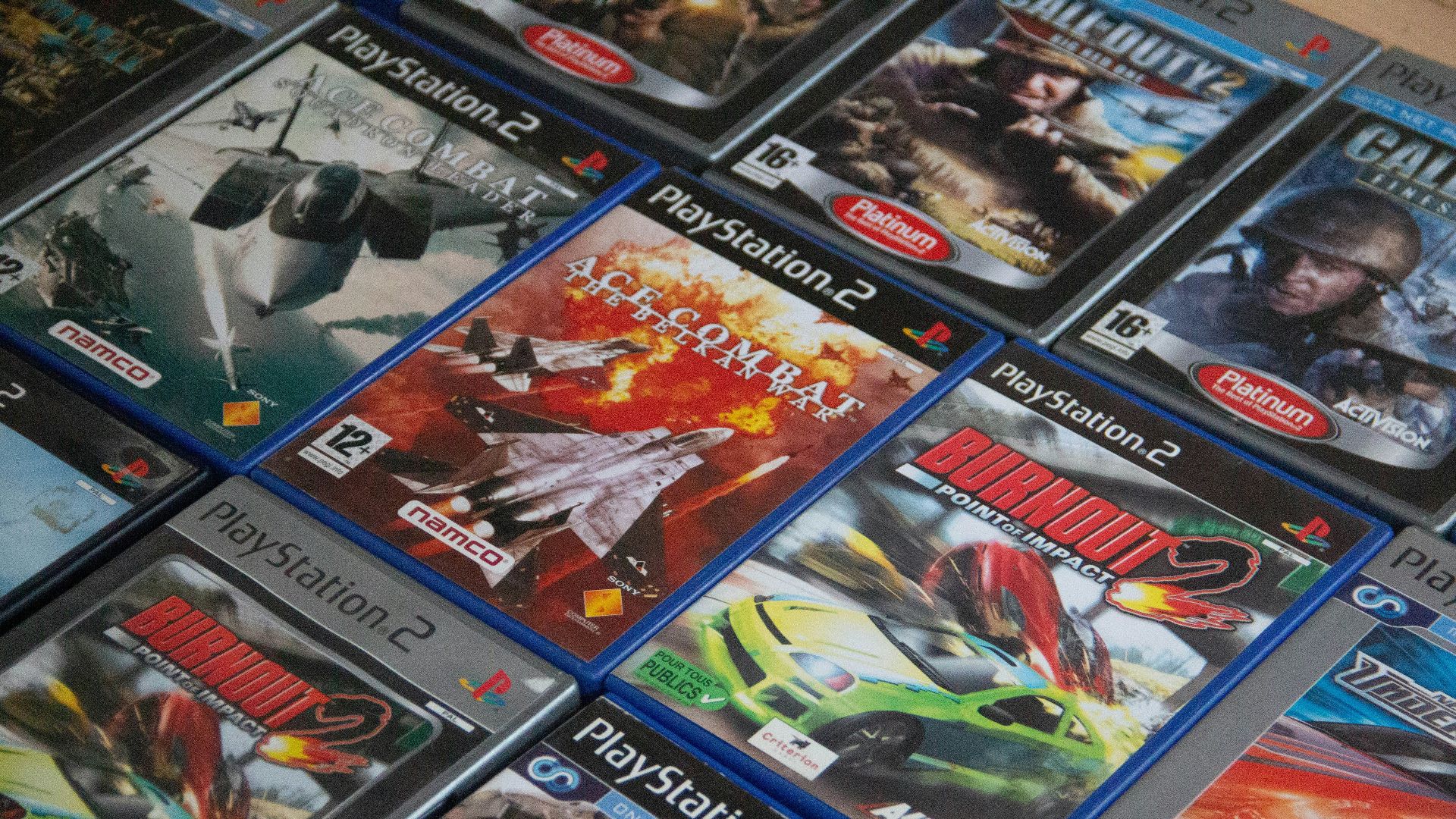
Before anyone could just look it up, cheat codes traveled through Nintendo Power subscriptions and playground rumors that were sometimes just wrong. Getting a code to actually work felt like being let in on a secret nobody else had. Half the fun was not knowing if the code someone swore by was even real.

9. Trading Cartridges With Friends At Recess
You'd trade a game you'd already beaten for one you hadn't touched, sometimes for a week, sometimes forever if the friendship dissolved first. It was a whole economy built entirely on trust and playground reputation. Losing someone else's cartridge was a genuine crisis.
10. Multi-Disc Games And The Ceremony Of Swapping Discs
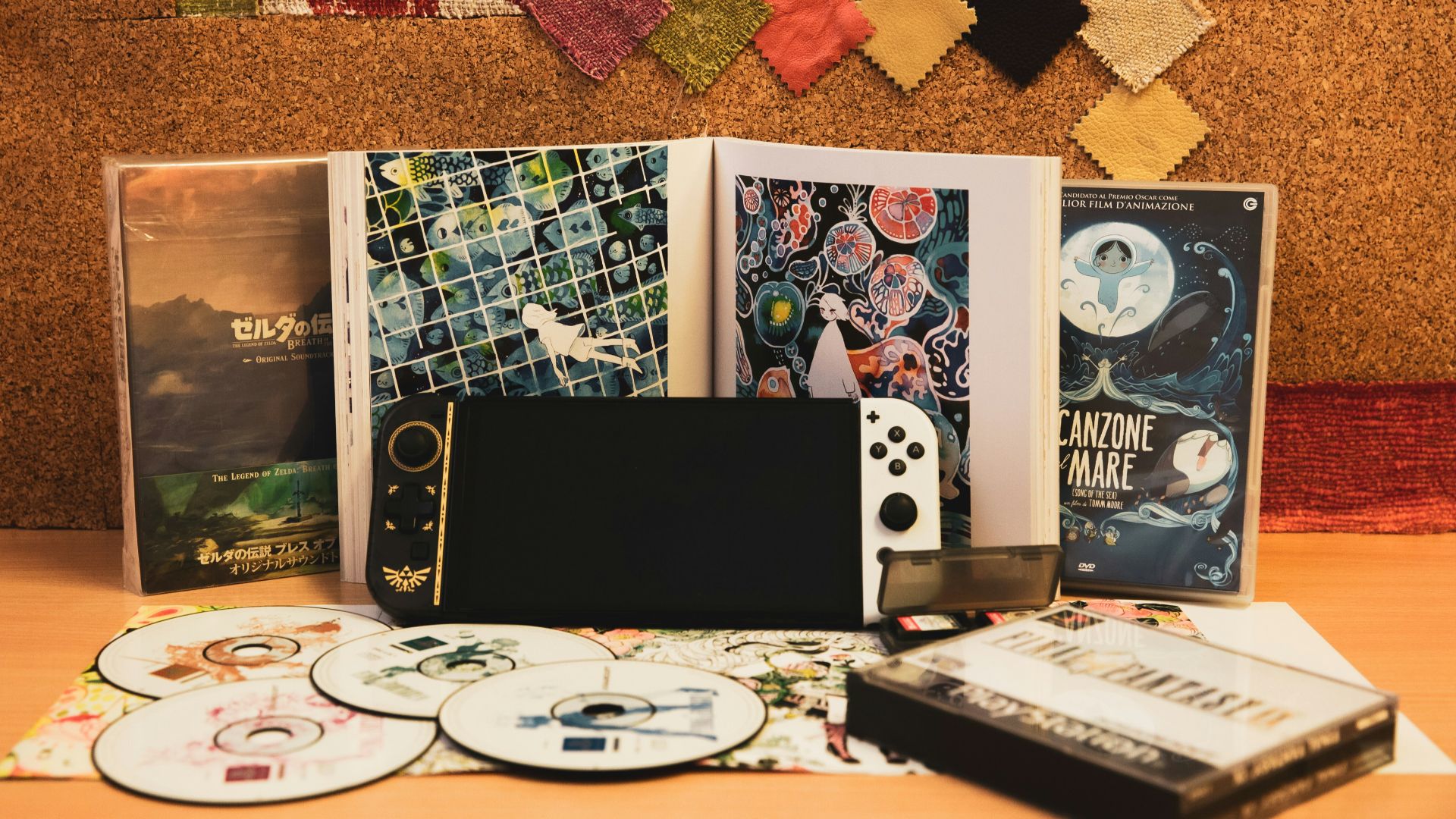
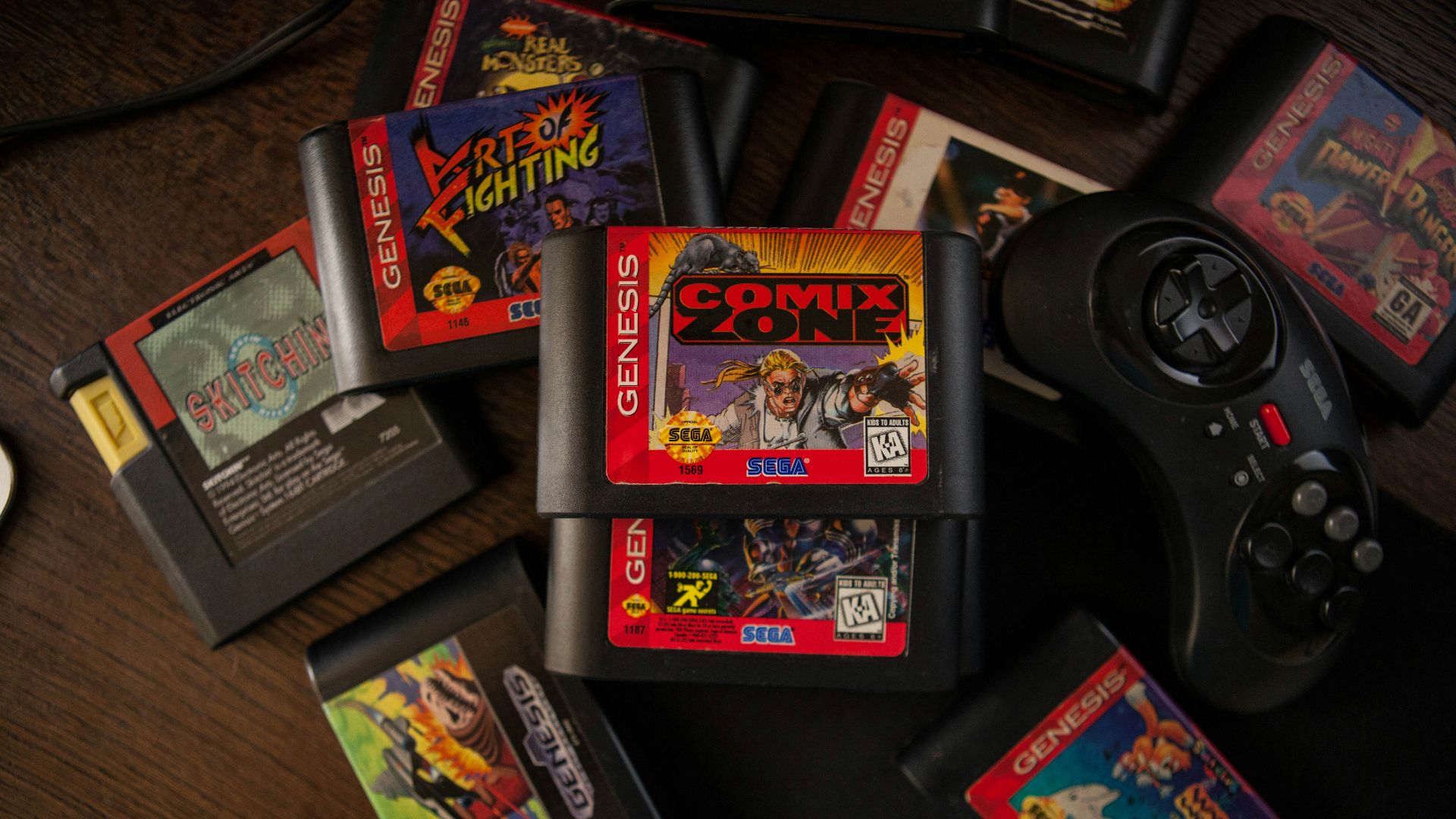
Final Fantasy games shipping on three or four discs meant pausing mid-adventure just to dig through a case and physically swap one out. It slowed everything down, but it also gave the story a built-in sense of scale nothing else quite had. You knew a game was serious the moment it needed more than one disc.
11. Nintendo Power Landing In The Mailbox
A new issue meant strategy tips, first looks at unreleased games, and maps for whatever you were stuck on, months before any of it existed online. You'd read the whole thing before dinner and then read it again after. Waiting a full month for the next issue felt completely normal at the time.
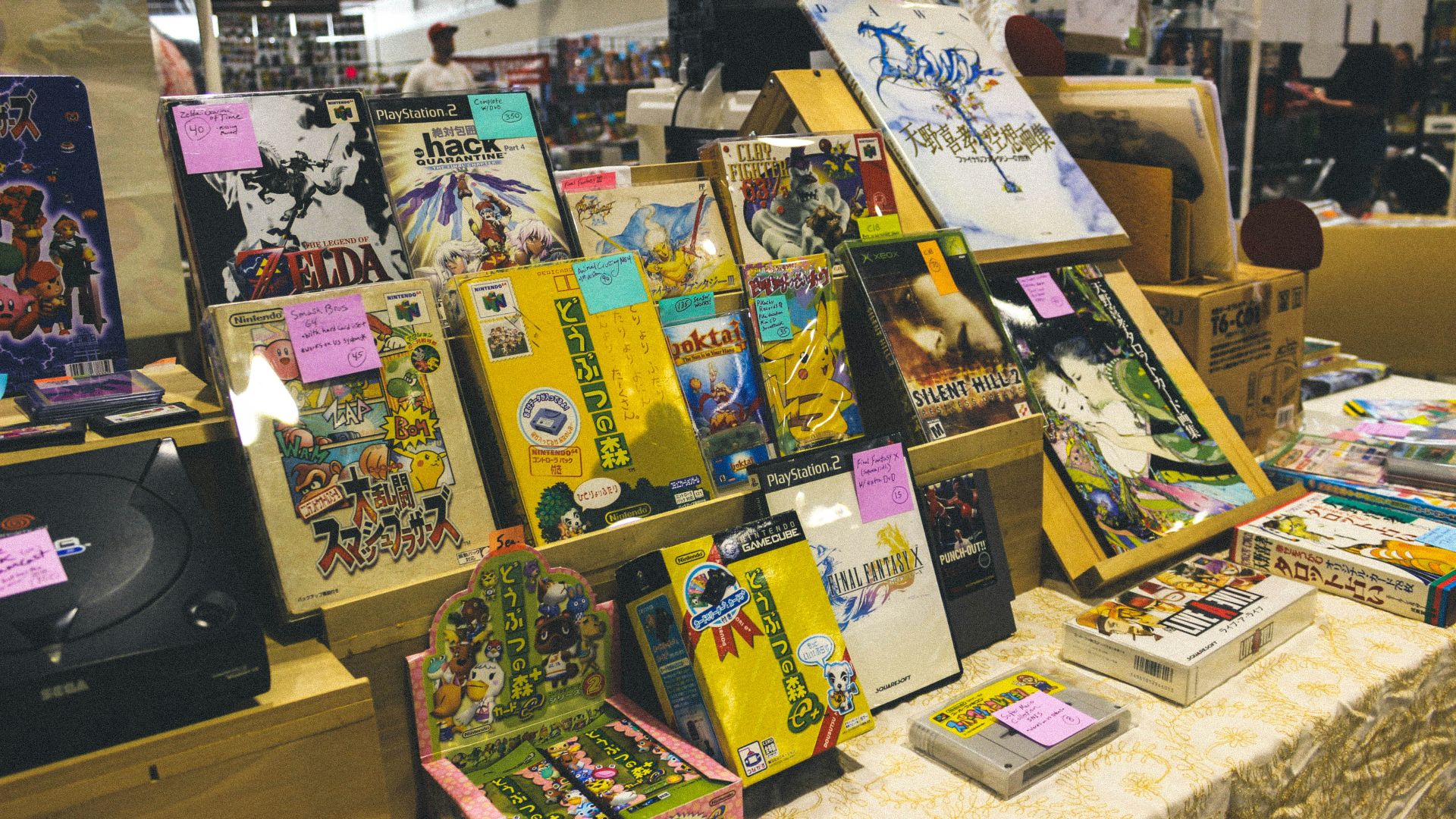
12. Box Art Alone Selling You On A Game
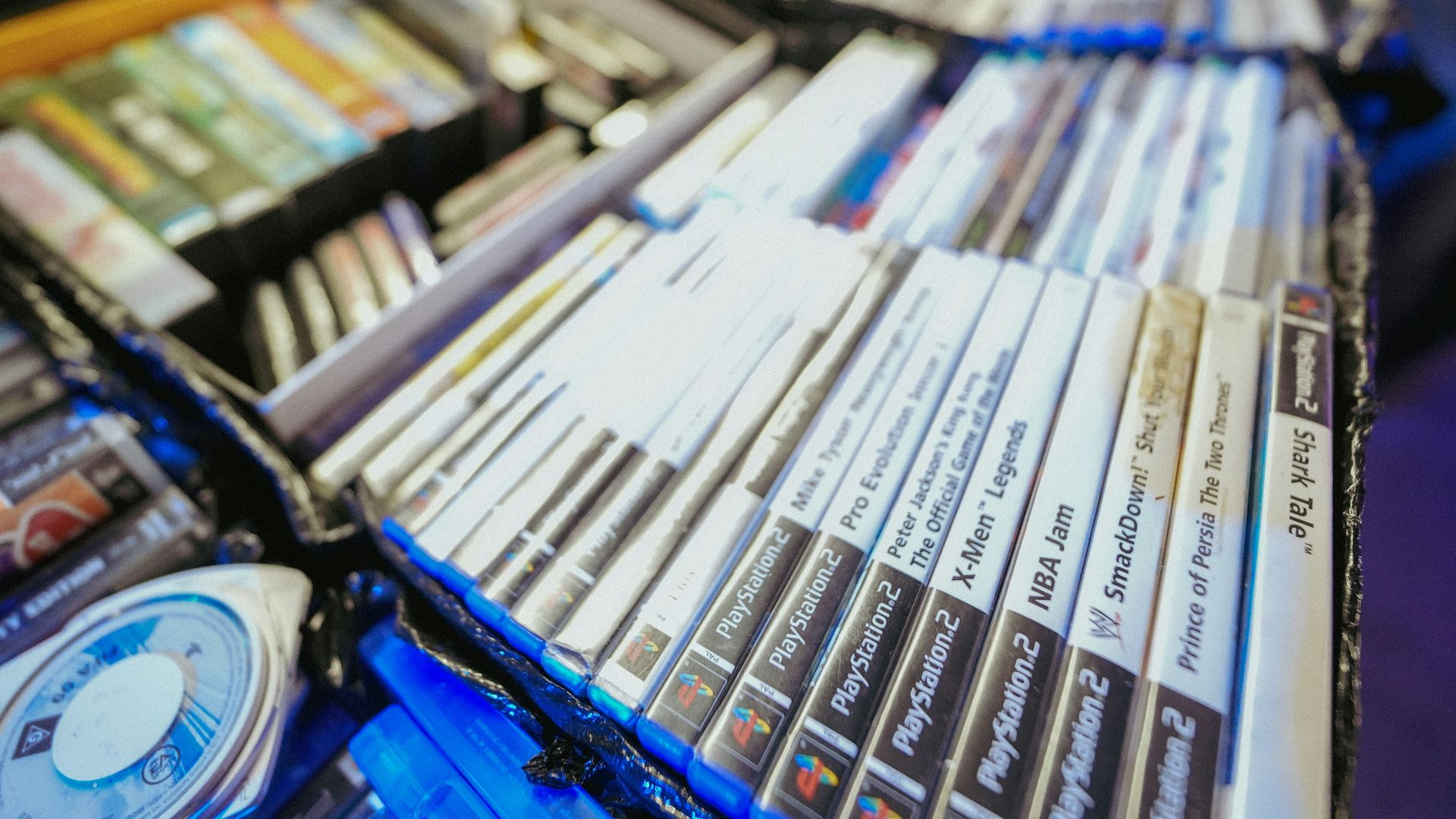
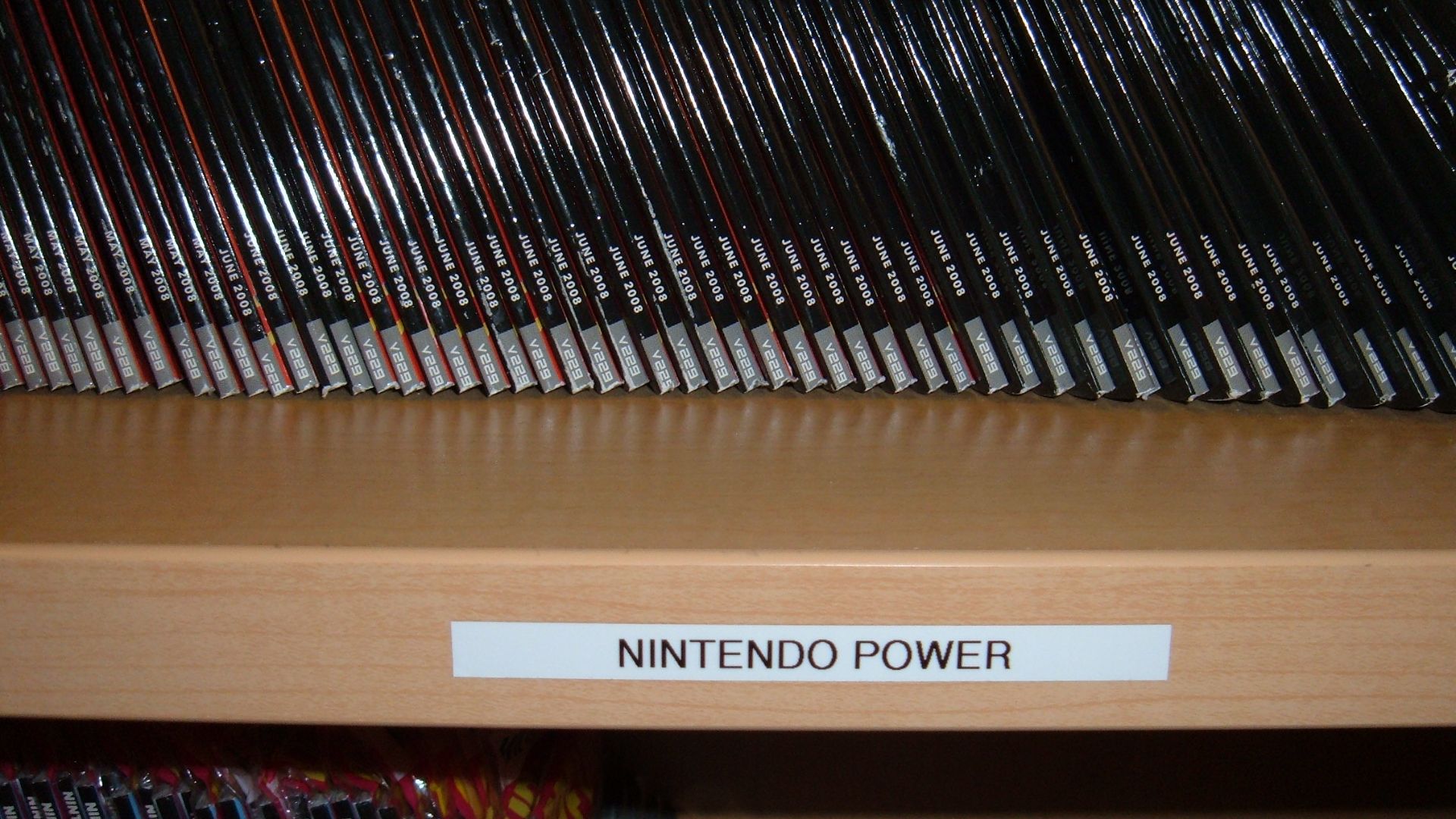
With no trailers, no reviews on your phone, and no gameplay footage to check first, you picked a rental based entirely on how cool the box looked on the shelf. Sometimes that gamble paid off spectacularly. Sometimes you got home and the actual game looked nothing like the painting on the front.
13. Nothing Quietly Changing Underneath You
Whatever balance issues or glitches existed on day one were still there on day one thousand, permanently. You learned every quirk of a game because you had no choice, and eventually those quirks became part of what you loved about it. The version you fell for stayed exactly that version.

14. The Panic Of A Corrupted Memory Card
Watching a save file flicker and fail to load, right after forty hours of progress, produced a very specific dread that newer gamers have mostly been spared. Memory cards died for no clear reason and took everything with them. You learned to hold your breath every time the console powered on.
 Glenn Carstens-Peters on Unsplash
15. LAN Parties Hauling A CRT Monitor Across Town
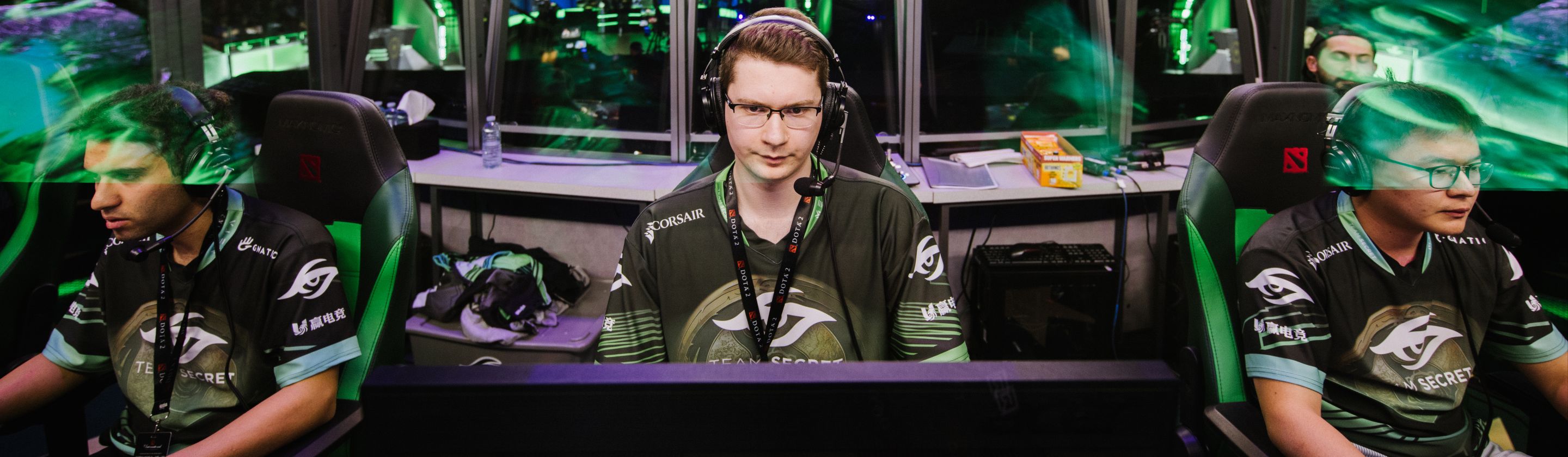
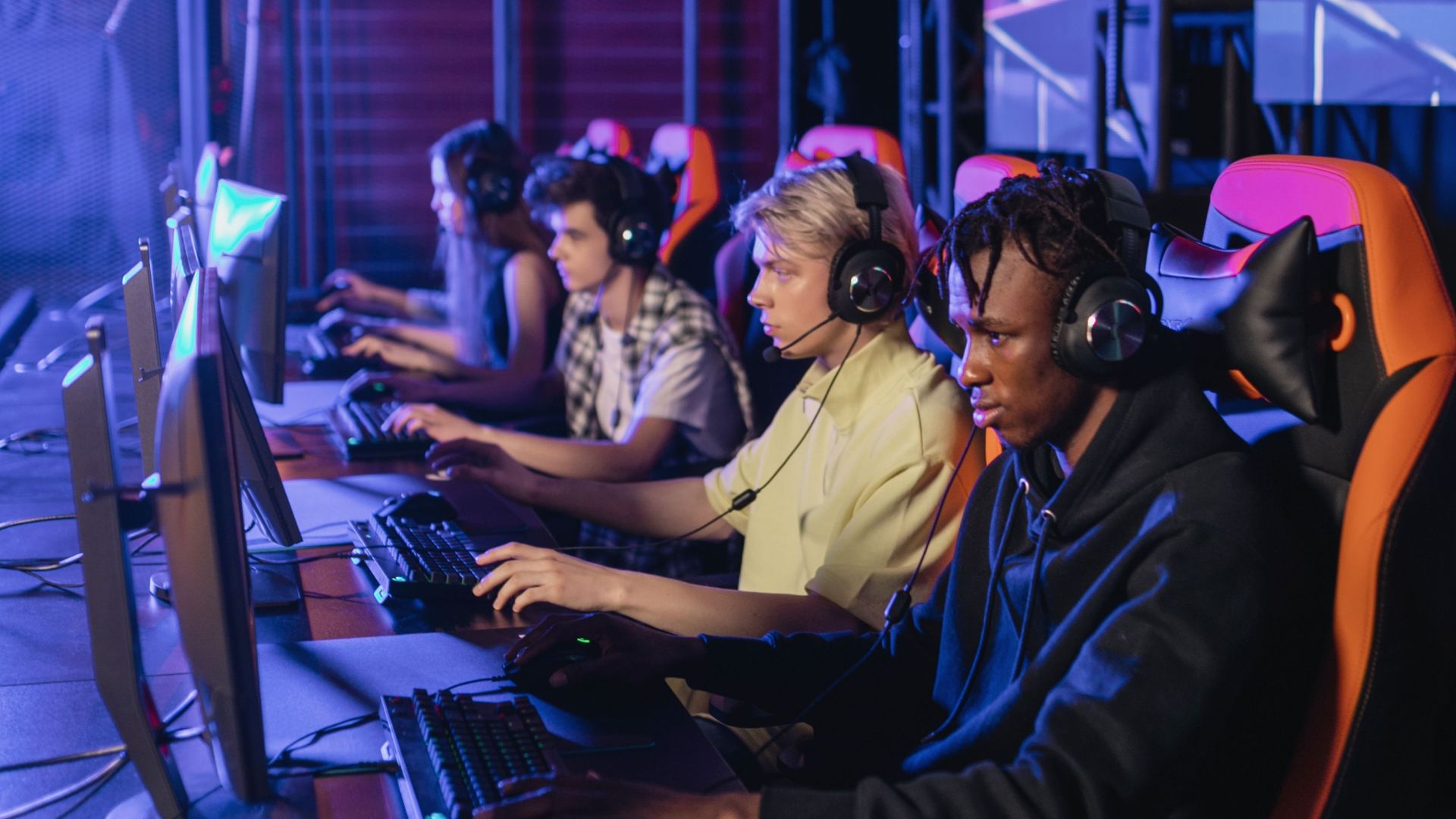
Getting four friends and their computers into one room meant carrying a heavy CRT monitor up someone's stairs, tangled in cables the whole way. Half the night went to just getting everything connected and working. The actual gaming, once it finally started, felt earned in a way online matchmaking never quite manages.
16. Not Knowing How A Game Would End
No walkthroughs, no spoilers scrolling past on social media, no trailers giving away the twist months early. You found out what happened by actually getting there yourself, which made the ending land differently than most endings do now. Beating a hard game felt like an accomplishment nobody could take away from you.

17. Arcade High Score Initials
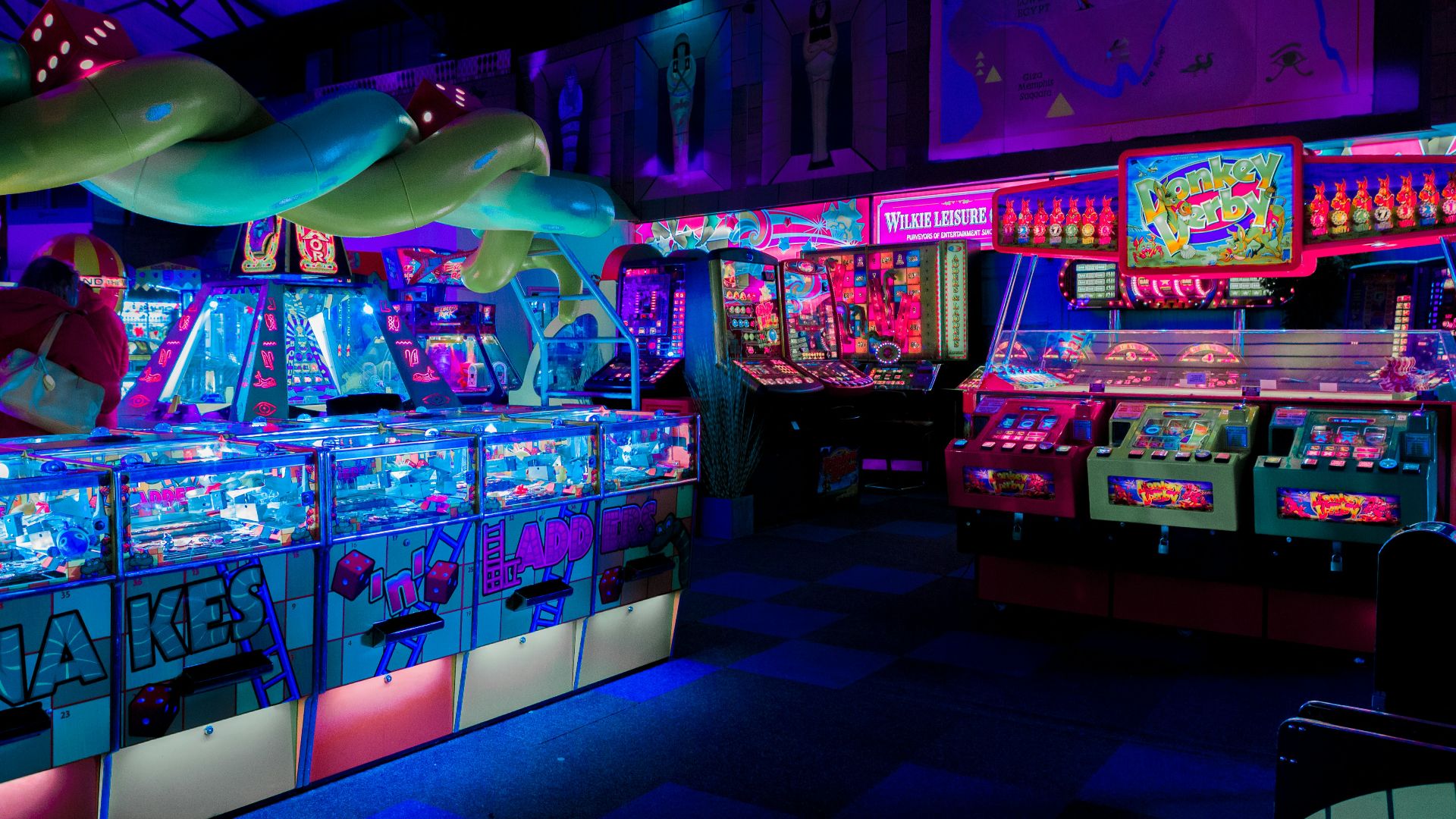
Getting your three letters onto an arcade cabinet's high score list, in front of whoever happened to be standing around, was its own small form of local fame. Somebody would eventually beat it, but for a while, that machine belonged to you. Nothing about an online leaderboard replicates a stranger watching you fail to beat your own record in person.
18. The Dial-Up Screech Before You Could Play Online
Getting online at all meant tying up the house phone line and sitting through that screeching, grinding connection sound before anything even loaded. Then someone would pick up the phone to make a call and kick you offline mid-match. It was a genuinely terrible system, and people still somehow miss it.
 https://kaboompics.com/ on Pexels
19. Secret Unlockables You Found By Accident
Hidden characters, secret levels, and bonus modes existed with zero official documentation, so you found them by accident or heard about them from someone who swore they were real. There was no wiki to confirm any of it, just rumor and persistence. Finding one yourself felt like actual discovery, not just following instructions.
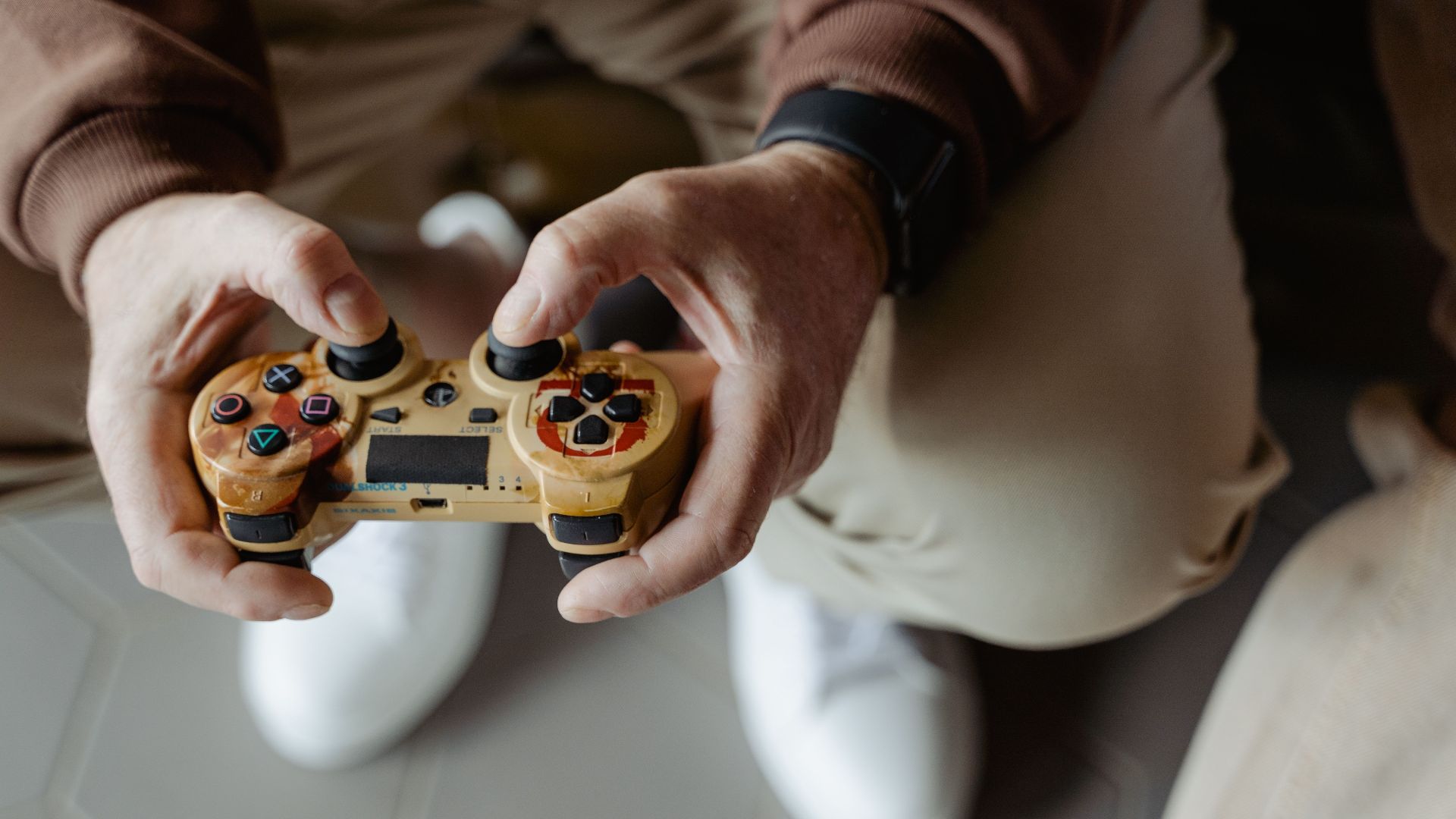
20. Actual Game Overs That Sent You Back To The Start
Running out of lives in a lot of 90s games meant starting completely over, not respawning thirty seconds back with a minor penalty. That risk made every choice feel heavier, because losing actually cost you something. Games got a lot more forgiving since then, and something about the stakes went with it.