Gaming's Weird Paradox
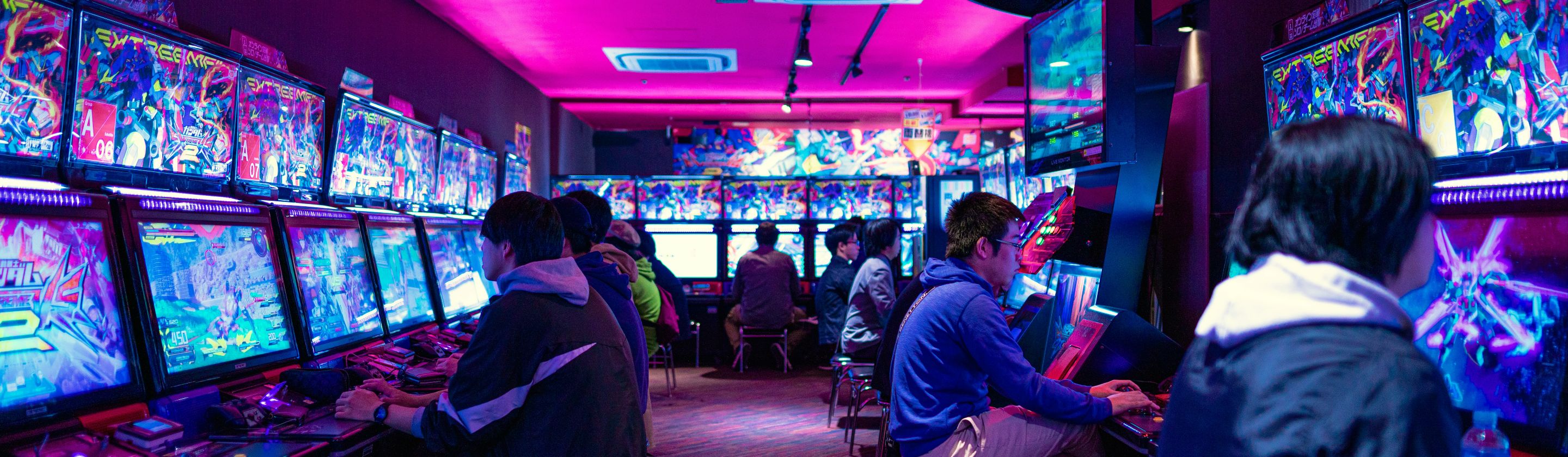
Arcades are basically broken dreams wrapped in neon lights. You drop twenty bucks and walk out fifteen minutes later, wondering what just happened to your wallet. The floors are sticky, and half the machines don't work. But here's the thing: mention Pac-Man to anyone over thirty and watch their eyes light up like. Here are 10 reasons arcades aren't cool anymore, and 10 reasons why they'll always be a fond memory.
1. Expensive Entry And Play
Walking into Dave & Buster's today means shelling out at least $19.99 per person just for their basic Eat & Play combo. The math gets brutal fast: a standard $25 Power Card yields roughly 150–200 chips, translating to a measly 25–75 plays.

2. Frequent Machine Breakdowns
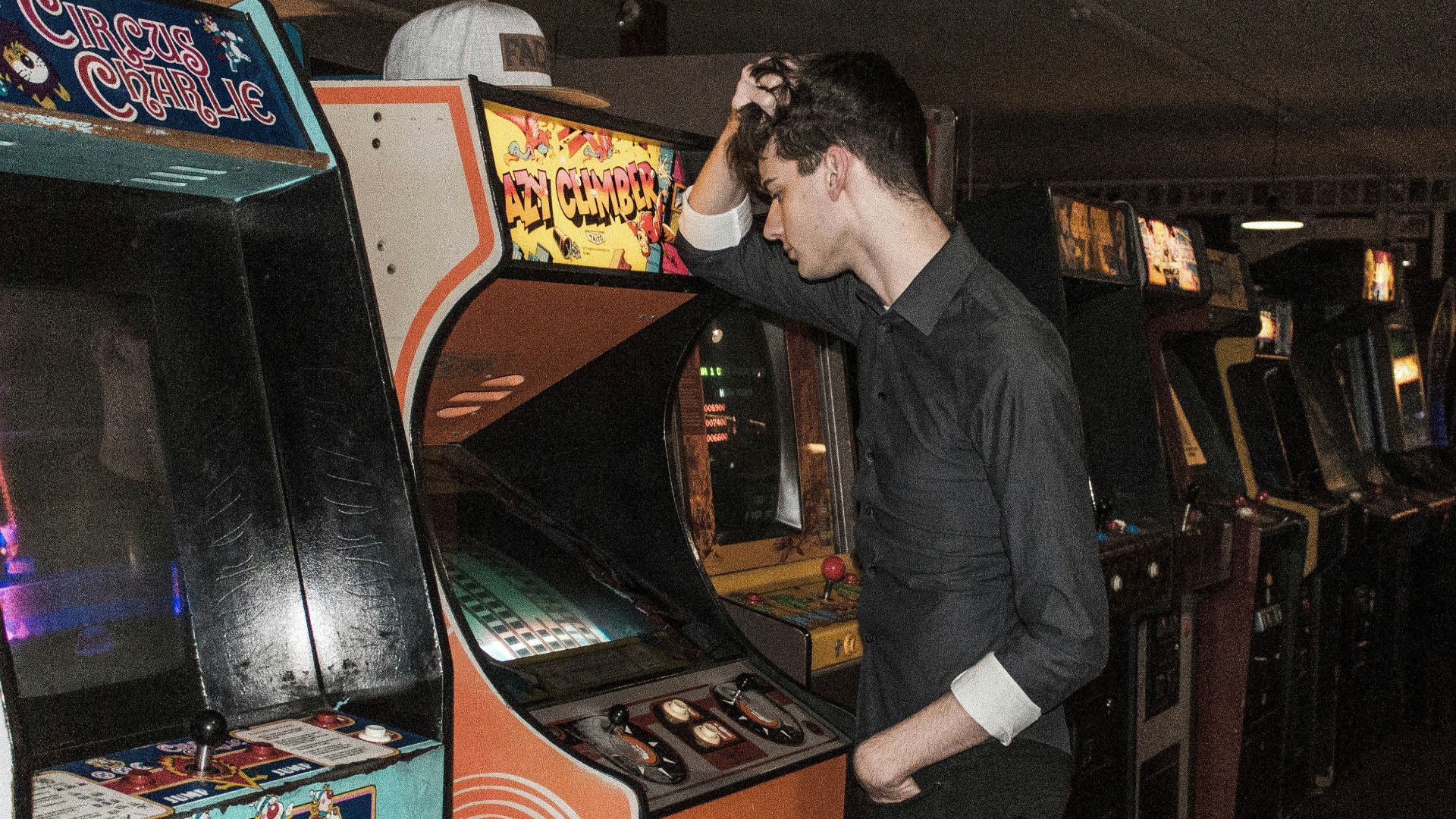
The technical nightmares plaguing arcade cabinets reveal themselves the moment you insert your hard-earned chips into a malfunctioning machine. Monitor failures stemming from bad capacitors and faulty flyback transformers cause screens to flicker wildly or black out completely.

3. Rigged Redemption And Crane Games
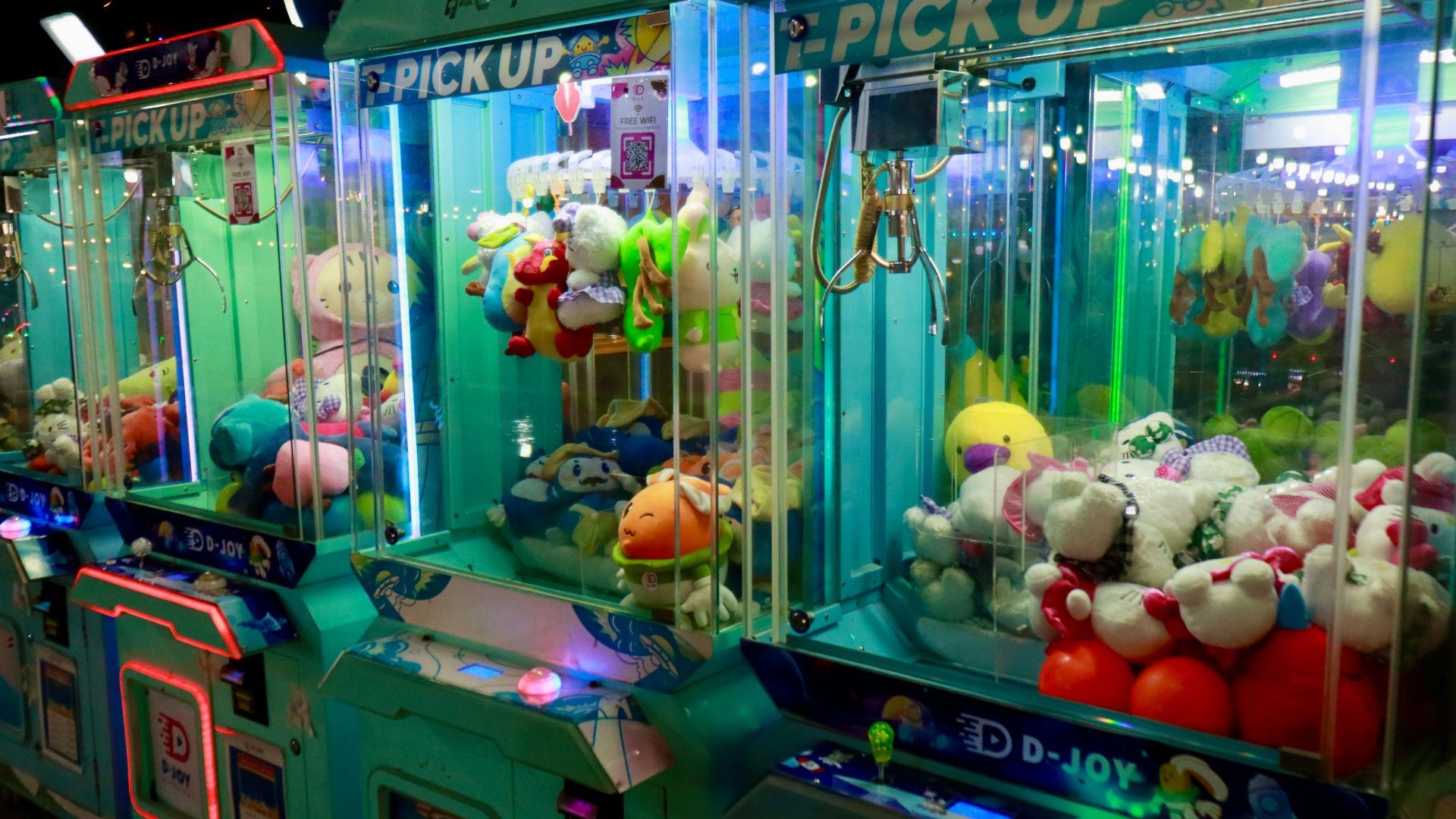
Claw machines aren't testing your skill—they're systematically engineered to drain your wallet while dangling false hope. These deceptive contraptions feature programmed payout rates hovering between just 3–7%, with claws deliberately weakening after the initial grab to drop prizes.
4. Superseded By Superior Home Consoles
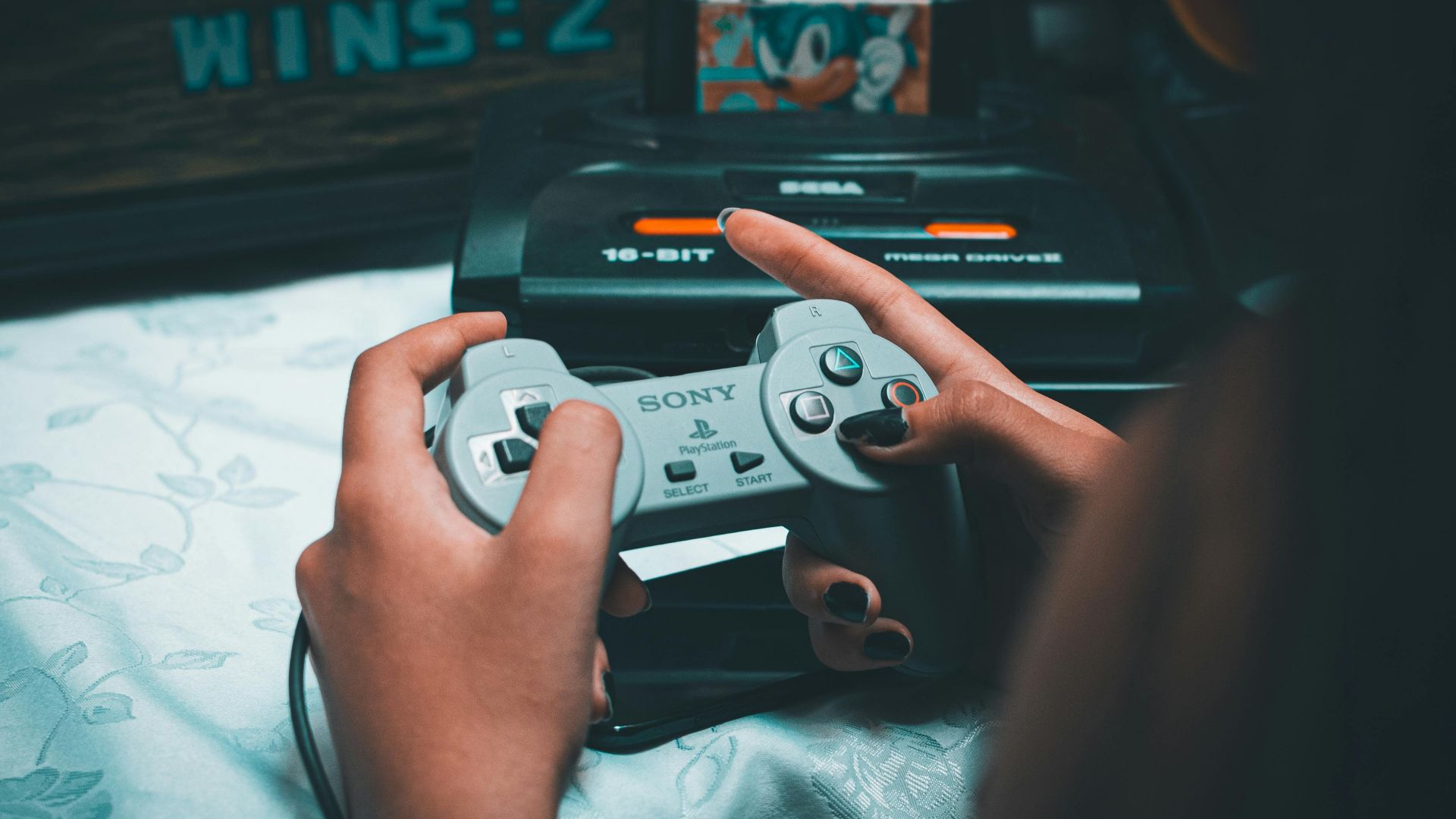
The technological arms race ended decades ago, and arcades lost decisively. Modern arcade cabinets rely on off-the-shelf PC components that emulate PS3 or Xbox 360-era visuals, typically maxing out at 720p–1080p resolution and looking positively archaic compared to home systems.
5. Filthy, Unhygienic Environments
Step onto any arcade floor in a kid-heavy venue, and your shoes will immediately stick to the perpetual coating of soda spills that foster bacteria growth between infrequent deep cleanings. This very complaint is echoed endlessly across Yelp reviews and Reddit threads.

6. Overrun By Screaming Children
Family entertainment chains report that kids outnumber adults on weekends, creating chaotic lines and noise levels that completely disrupt any adult-focused gameplay. What were once havens for serious gamers seeking competitive challenges have turned into what critics call “kid casinos.”

7. Abysmally Short Play Sessions
Contemporary titles last a pathetic 30–90 seconds per credit, costing 2–6 chips (roughly $0.50–$1.50), with artificial difficulty spikes forcing immediate repurchases, unlike home versions offering endless practice modes. Operators deliberately tune session lengths to 45-second averages.

8. Shift To Gambling Over Skill
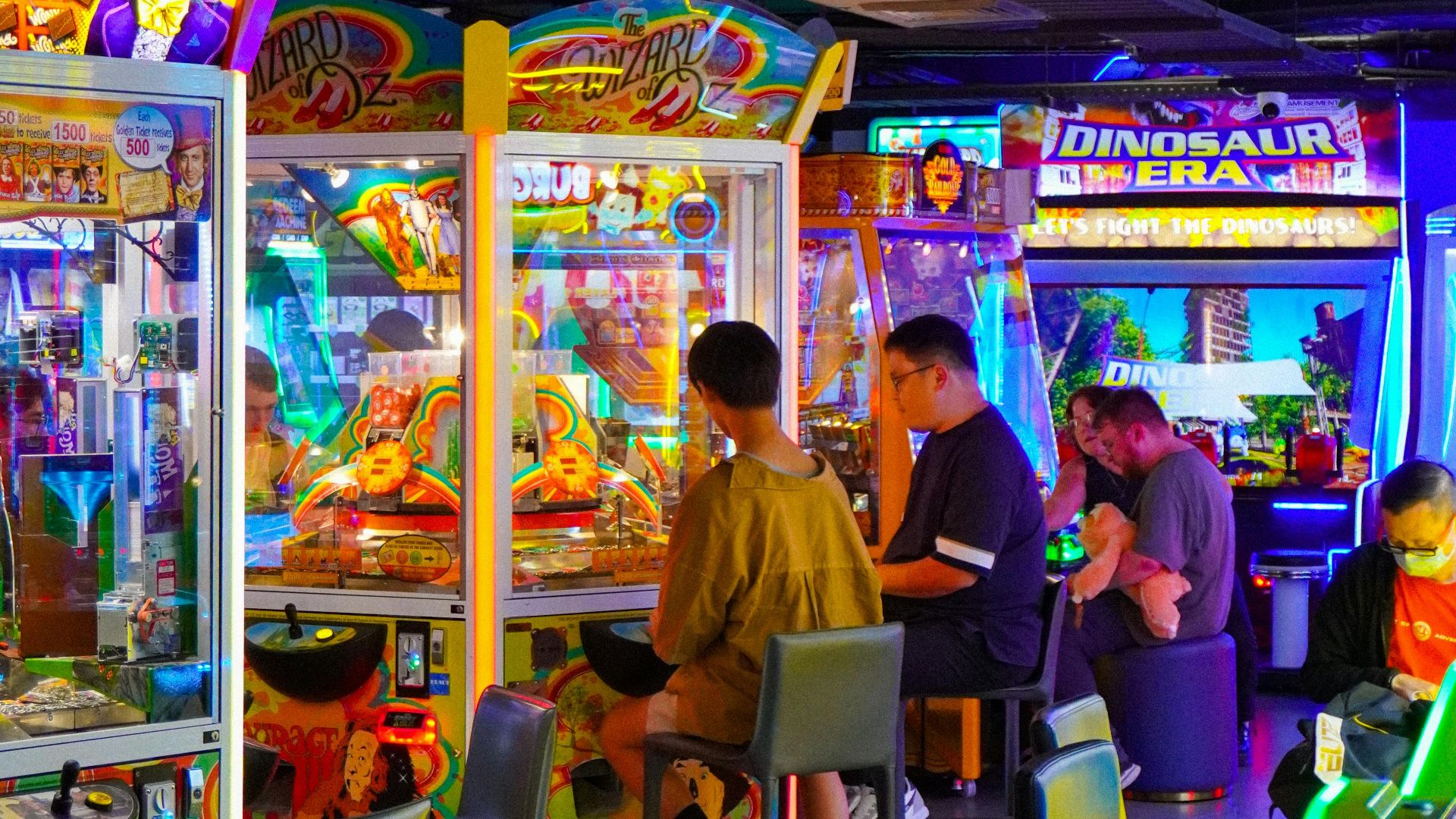
Walking through a modern family entertainment center shows that redemption and crane games now dominate about 60–80% of available floor space. This prioritizes random-number-generation ticket farms over the pattern-based skill titles like Galaga that built the industry's reputation.
9. Scarce And Inconvenient Locations
The 1982 golden age showed off approximately 13,000 dedicated arcade locations across the United States alone, but by 2025, fewer than 1,000 standalone venues remain, concentrated almost exclusively in urban areas as corporate chains. Rural communities average exactly zero arcades.

10. Obsolete Hardware And Parts Shortages
Original 1980s printed circuit boards face chronic shortages of essential components, including capacitors, resistors, and flyback transformers, resulting in 20–50% downtime rates for unrestored cabinets, according to specialized technician forums. Modern cabinets have shifted to LCD screens and PC-based hybrid systems.
1. Irresistible Childhood Memory Triggers
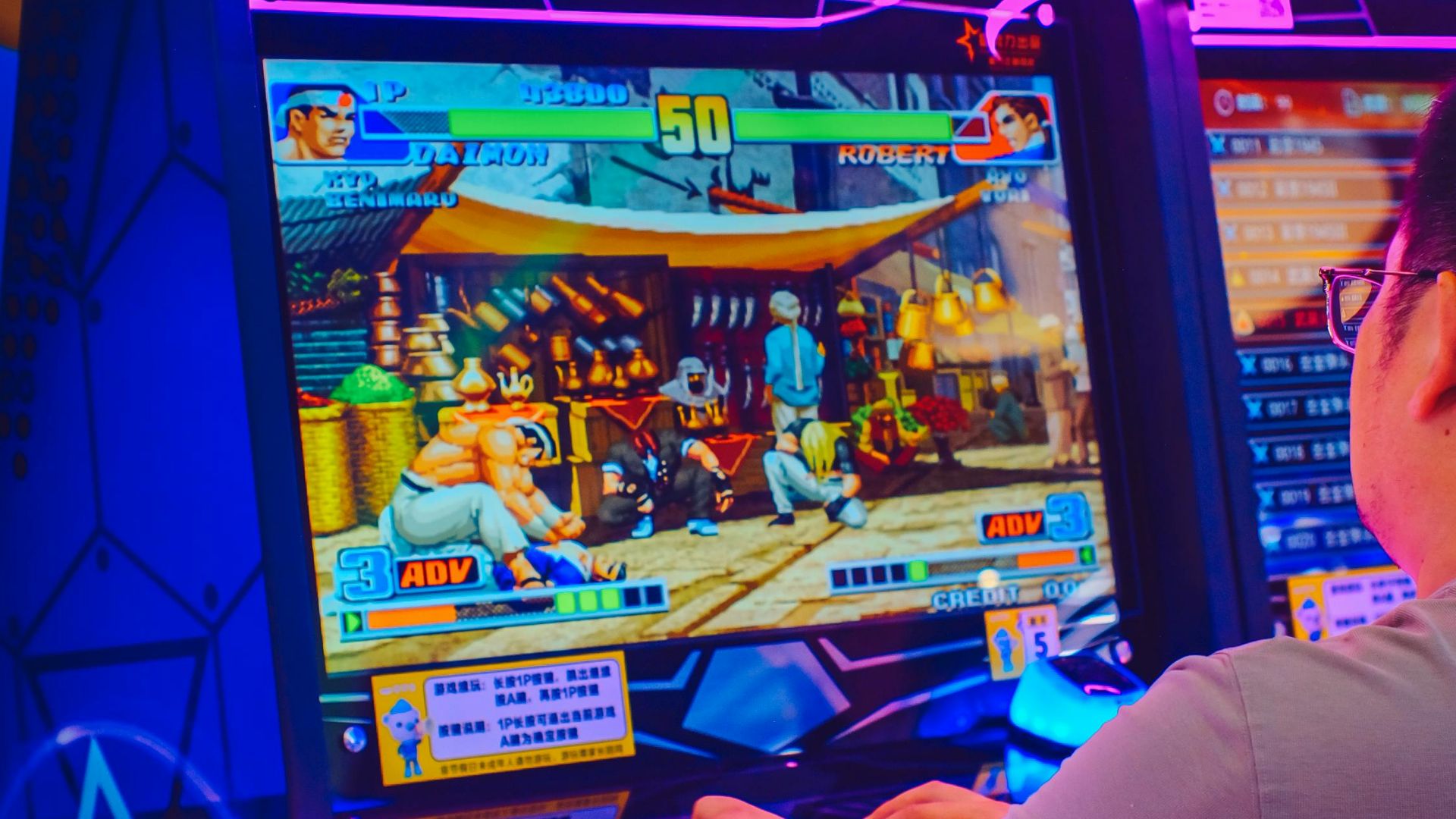
Pac-Man's 1980 US debut sold 400,000 cabinets and grossed a staggering $1 billion in quarters within just one year, embedding the distinctive quarter-drop sounds deep into generational memory. Sensory cues like Pac-Man's iconic munching sound effects activate dopamine-linked nostalgia.
2. Premier Social Hangout Hubs
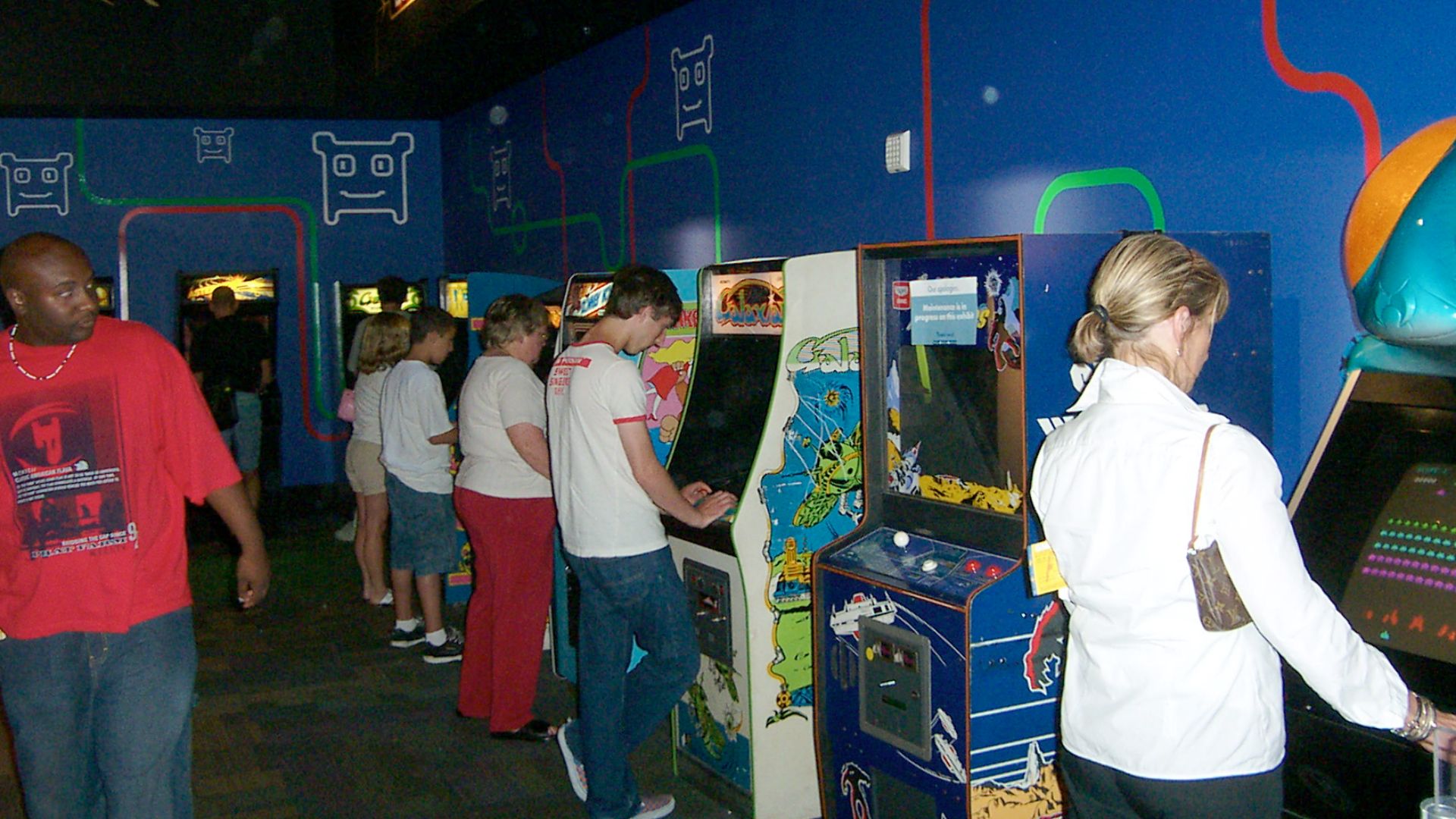
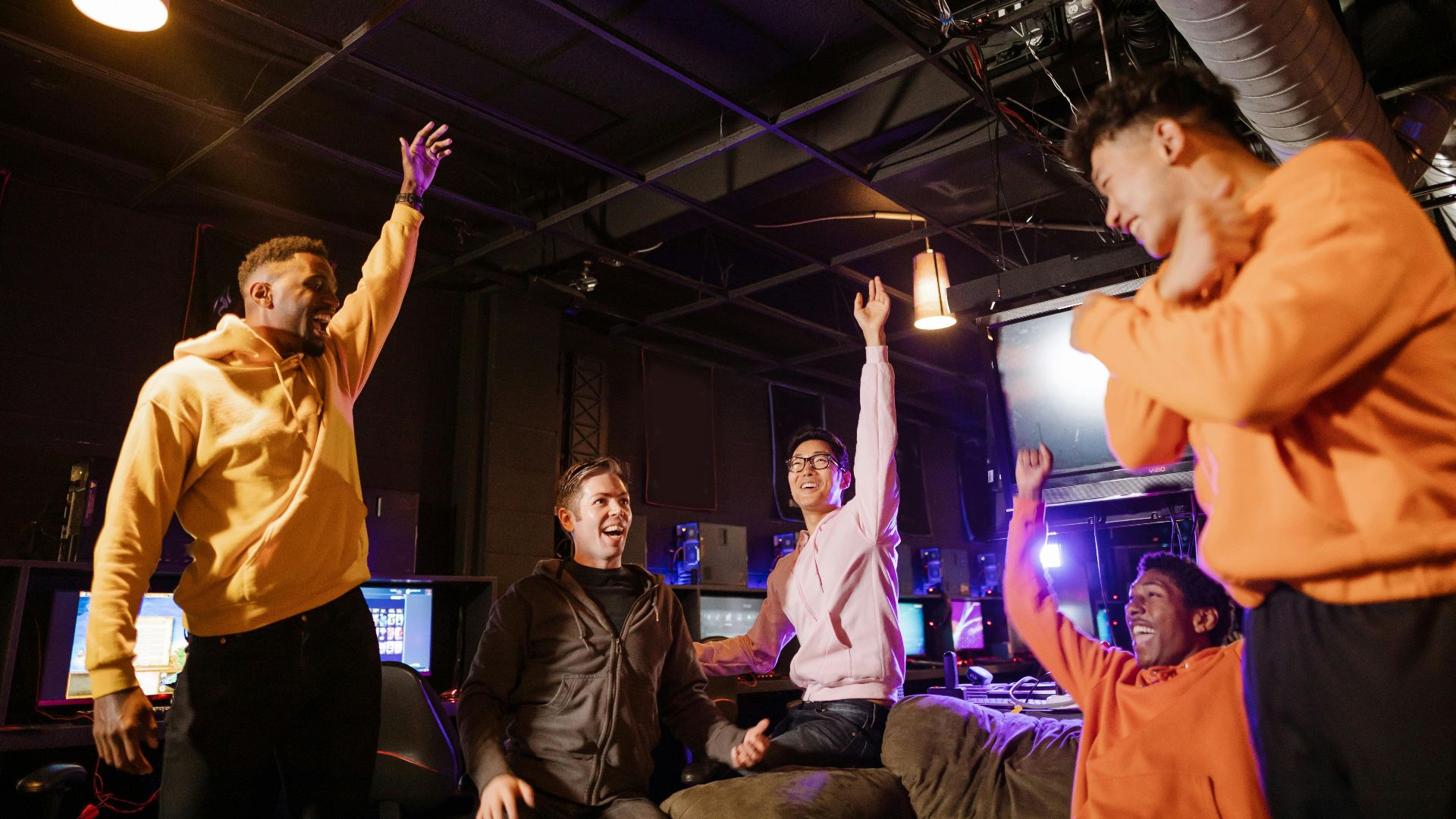
Before the internet connected people digitally, 1980s arcades served as essential pre-internet teen gathering spots. Here, friendships formed organically through side-by-side multiplayer cabinets and shared quarters. Arcades functioned as what enthusiasts now call "TikTok before TikTok".
3. Haptic Joy Of Physical Cabinets
Oversized arcade joysticks and buttons deliver mechanical click and rumble feedback that slim console controllers simply cannot replicate. The innovation traces back to 1978's Moto-Cross, which pioneered force feedback technology in arcades long before home consoles even considered such features.
4. Thrilling High-Score Rivalries
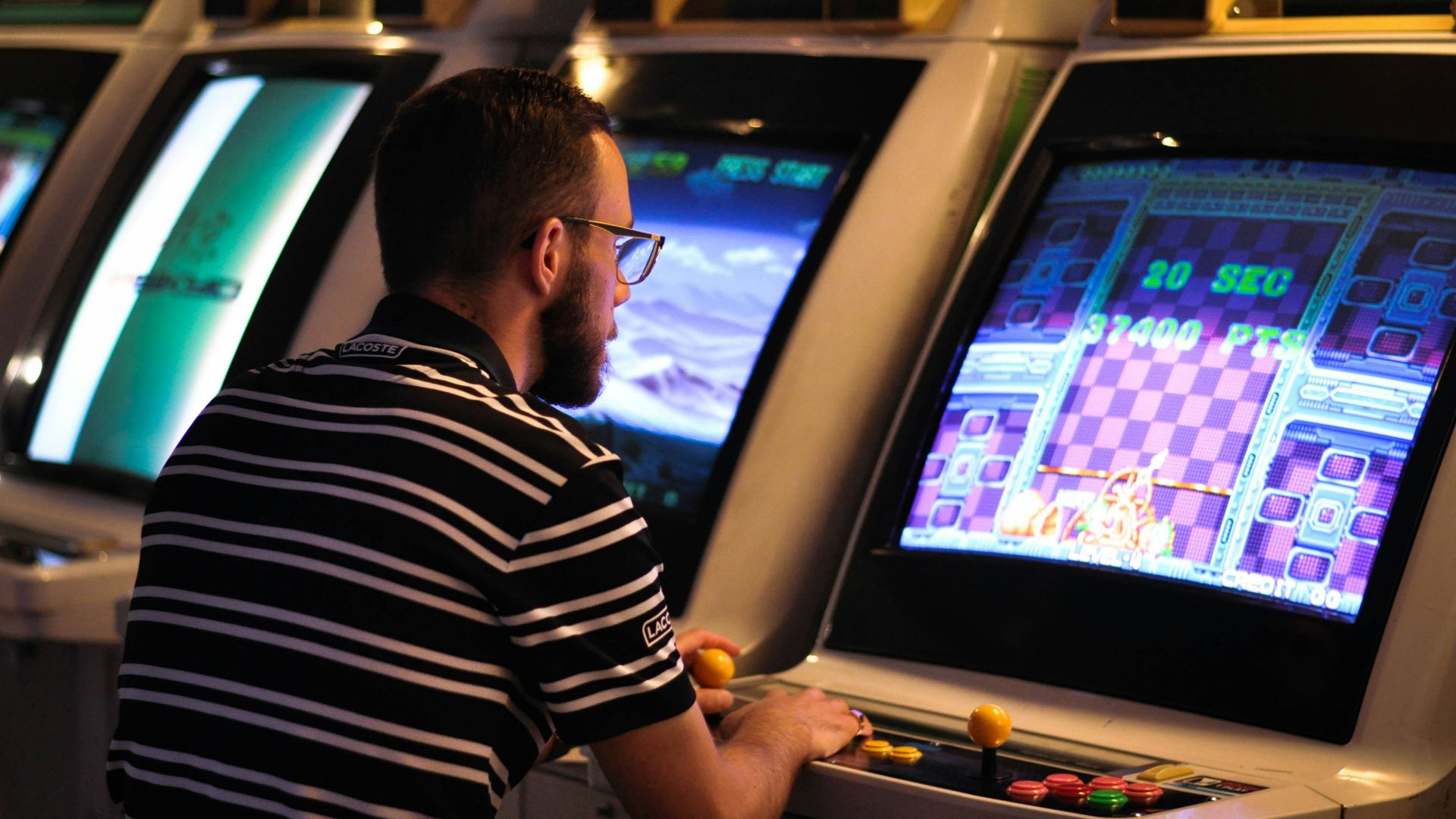
The legendary Donkey Kong feud between Billy Mitchell and Steve Wiebe, with scores peaking at 1.06 million points, became so culturally significant that it inspired the acclaimed documentary The King of Kong, which brought arcade competition to mainstream audiences.

5. Mesmerizing Neon Glow And Ambiance
Buzzing fluorescent lights and strategically placed shadows amplified the excitement in deliberately dimmed rooms. This created an atmosphere that felt like stepping into another dimension entirely separate from the mundane outside world. Flickering neon signs crafted otherworldly escapes.
6. Pure Skill Mastery Challenges
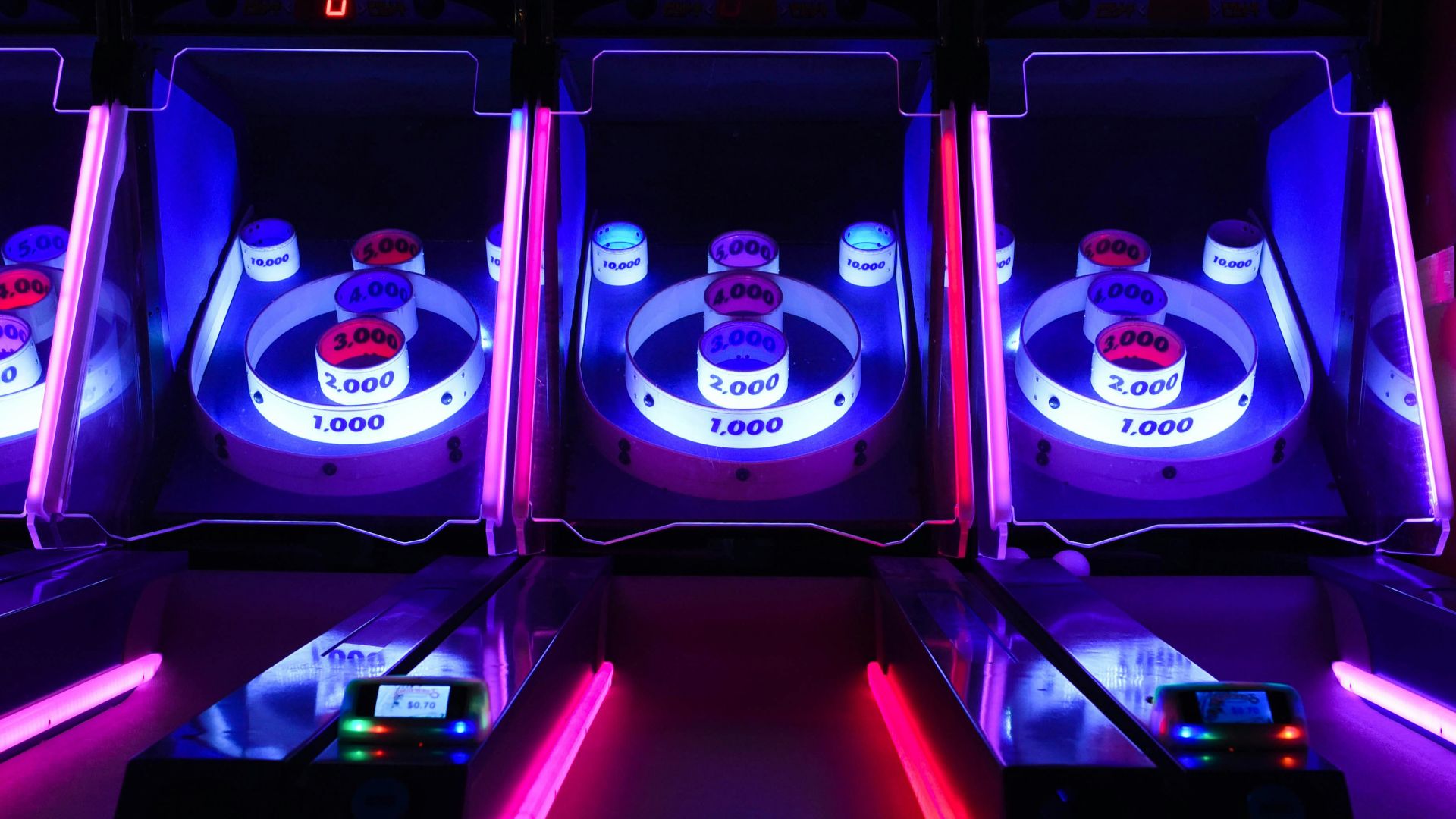
Galaga demands memorizing over 40 distinct enemy patterns and perfecting tractor-beam dodges for flawless runs extending all the way to stage 255. Endless replay value rewards persistent practice with escalating competence highs, that euphoric feeling when muscle memory finally clicks.
7. Co-Op Multiplayer Magic
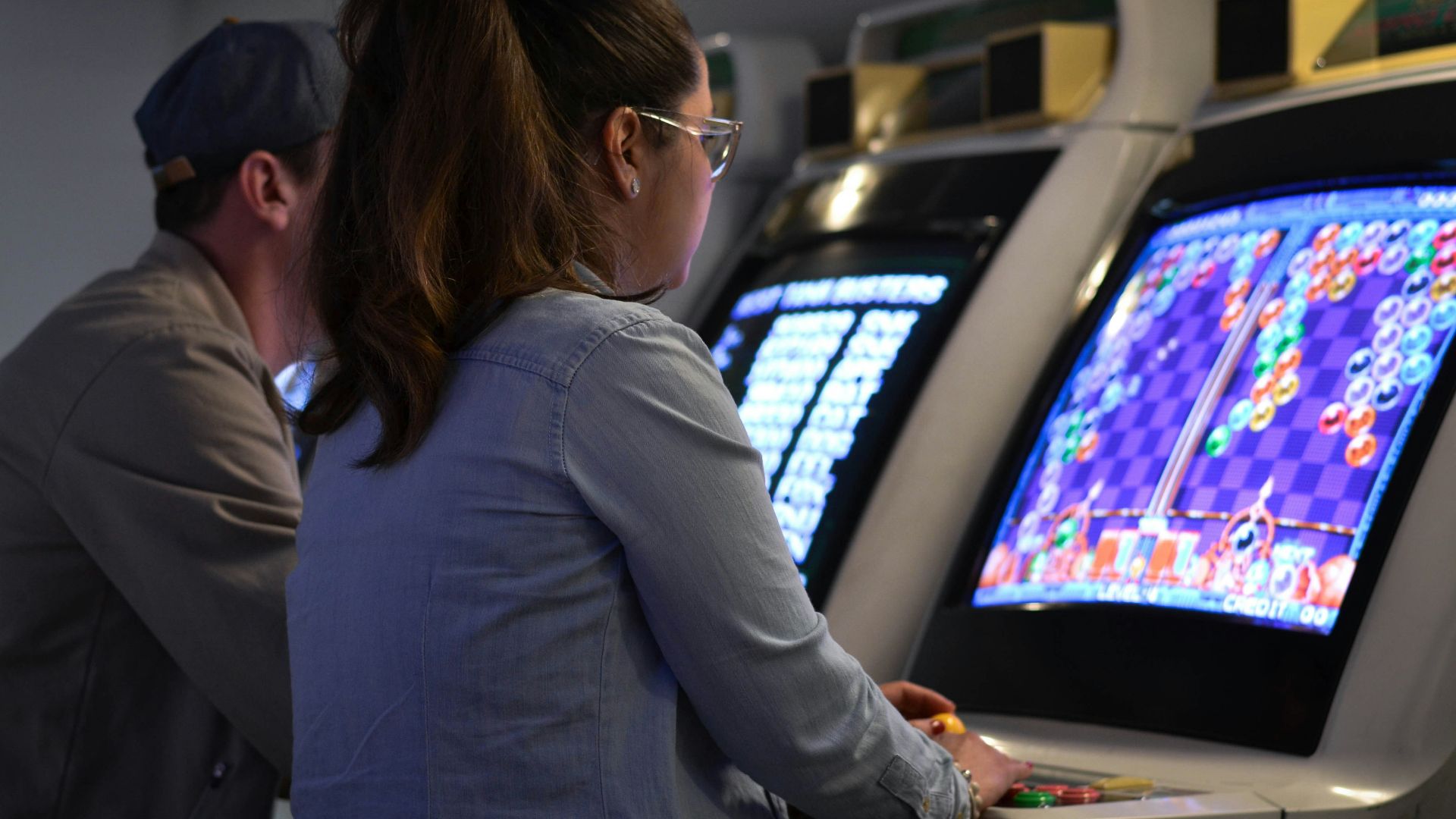
The 1985 release of Gauntlet revolutionized arcades by introducing true 4-player cooperative dungeon crawling that forced real-time teamwork amid absolute chaos. "Warrior needs food badly!" became gaming's first legitimate viral meme, born from the constant food-drain mechanic.
8. Exhilarating Prize Redemption Rush
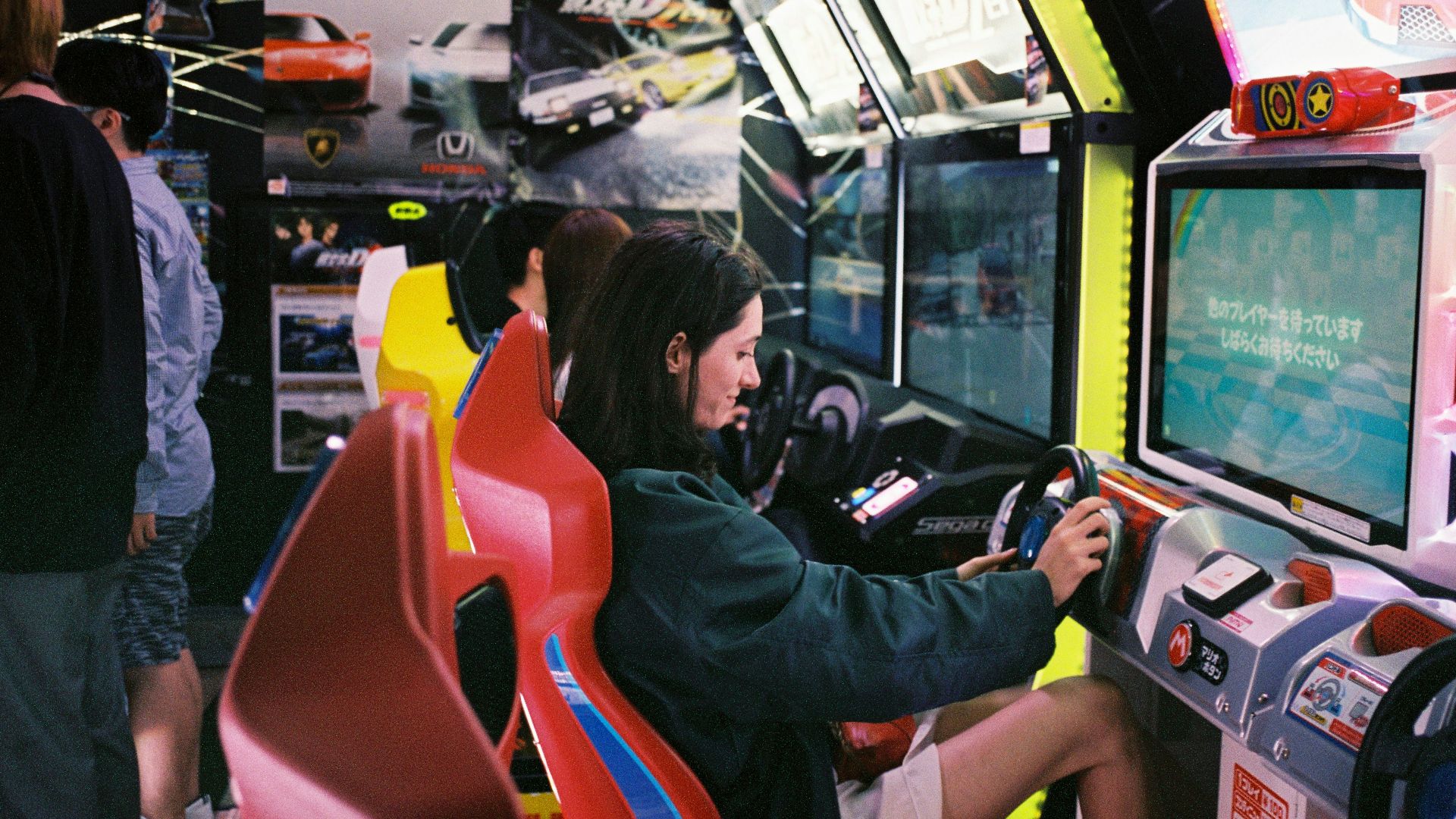
Hoarding tickets for cheap plush toys delivered tangible dopamine rushes from visible, earned efforts during the 1990s redemption boom. The counter redemption ritual persists in modern nostalgia events specifically because something primal activates when exchanging accumulated tickets for prizes.

9. Addictively Simple Gameplay Loops
Drop a quarter for instant action that skipped lengthy tutorials entirely, hooking players within seconds through pure, refined gameplay loops that needed zero explanation for universal accessibility. The complete absence of bloat ensured that anyone, regardless of gaming experience.

10. Birthplace Of Lifelong Gaming Passion
Atari founder Nolan Bushnell essentially cloned 1962's Spacewar! to create Pong in 1972, sparking what would become a $100 billion+ industry empire from humble coin-operated beginnings in bars and bowling alleys. Arcades directly birthed both esports culture and broader industry conventions.