10 Faceless Creator Formats Taking Over & 10 Reasons People Don’t Trust Them
Big Reach, Thin Credibility
The faceless internet used to feel like a niche corner of the feed, full of anonymous quote pages, recycled clips, and those oddly soothing videos where nobody ever spoke directly to you. Now it is everywhere. Entire businesses, media brands, and personal income streams are being built on content that never shows a real face, never reveals much of a personality, and often feels engineered to travel farther than anything more personal ever could. Some of it is clever, some of it is useful, and some of it is obviously built at high speed by people who understand exactly what the algorithm rewards. Here are ten formats taking over, and ten reasons people still keep their guard up when viewing them.

1. Reddit Story Videos
These videos turn forum posts into bite-sized drama, usually with robotic narration over Minecraft, Subway Surfers, or some other footage meant to keep your eyes busy. They are easy to make, weirdly watchable, and built for people who want a whole little scandal while half-paying attention.

2. AI Voice Explainers
This format shows up in history clips, finance videos, productivity breakdowns, and fake-deep life advice, all delivered in the same smooth synthetic tone. It works because it sounds polished and efficient, even when the information underneath is thinner than it first appears.

3. Motivational Quote Reels
A dark background, a dramatic beat, a line about discipline, healing, or outgrowing people, and there you have it. These reels spread because they are emotionally broad enough to fit almost anyone’s mood, which is also why they can feel strangely empty a few seconds later.

4. Clip Mashup Commentary
This is the format where old podcast clips, celebrity interviews, or street videos get chopped up and reframed as instant wisdom or instant outrage. It moves fast and feels current, even when the content itself is recycled from six different places and stripped of context on the way through.
5. Hands-Only Product Demos
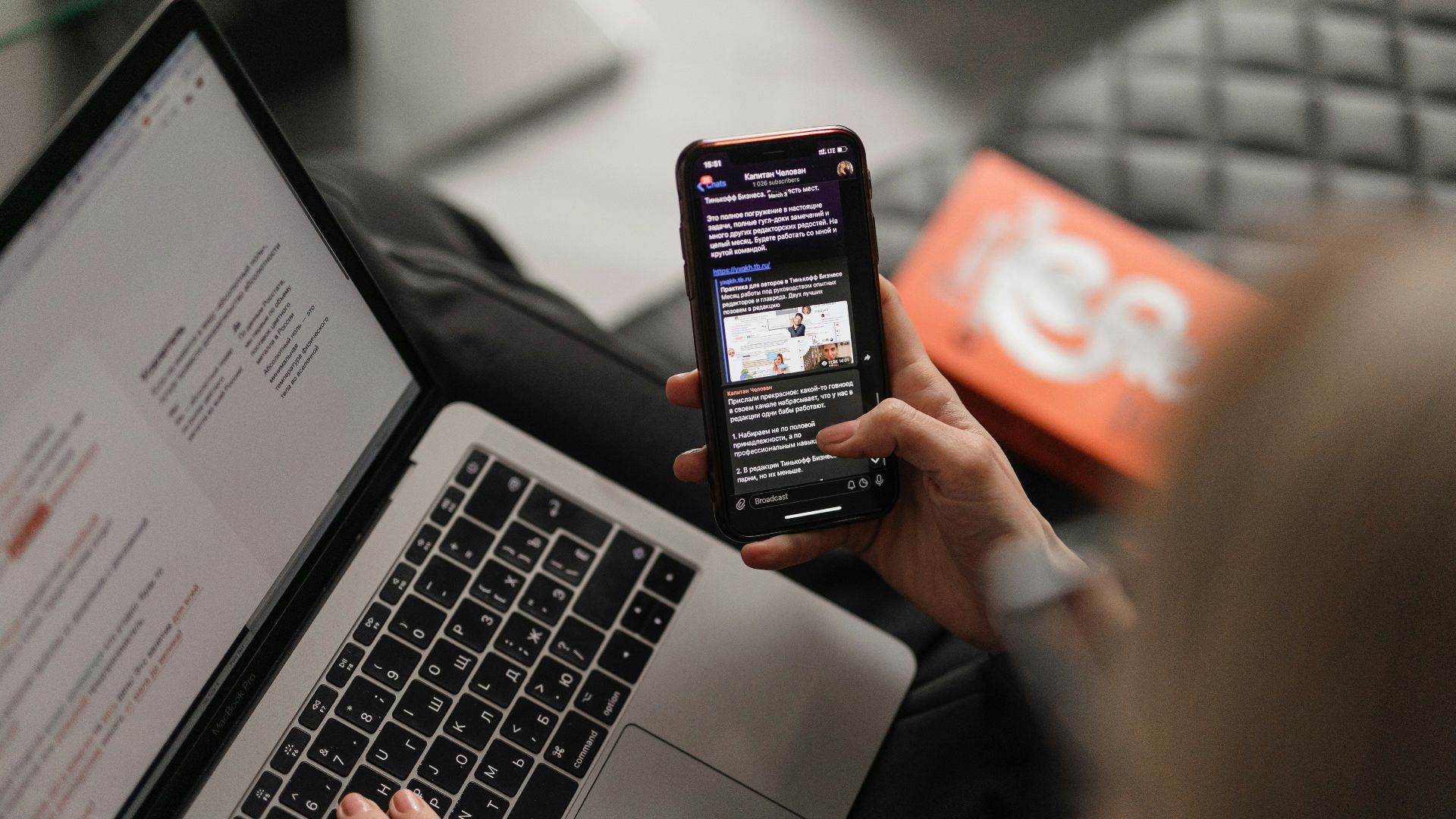
You see the desk, the keyboard, the candle, the coffee, and the perfectly lit hands moving through the frame like they have never once fumbled anything in their lives. The appeal is obvious: it feels clean, aspirational, and low-friction, like shopping without having to deal with a human being.

6. Text-On-Screen Storytelling
This format lives on confession pages, breakup accounts, niche meme pages, and carousel posts that turn ordinary experiences into mini monologues. It thrives because people will read almost anything if the sentences are short, the pacing is right, and the feeling lands fast enough.

7. Faceless Tutorials
Cooking, budgeting, journaling, coding, makeup dupes, apartment cleaning, side hustles—there is now a faceless version of nearly every tutorial category. You get the steps, the visuals, and the illusion of expertise without the messier parts of actual personality.

8. Ambient Work And Study Content
These videos show rain on windows, keyboards clicking, aesthetic desks, and quiet routines unfolding without much direct interaction. They promise calm and focus, which is part of why so many people treat them less like content and more like digital furniture.

9. Anonymous News Recaps
This format packages headlines into fast, confident summaries delivered by text, stock footage, or AI voice, often with no real indication of who wrote them or how carefully they were checked. It is taking off because it feels efficient, especially to people who want to feel informed without stopping long enough to examine the source.
10. Niche Theme Pages
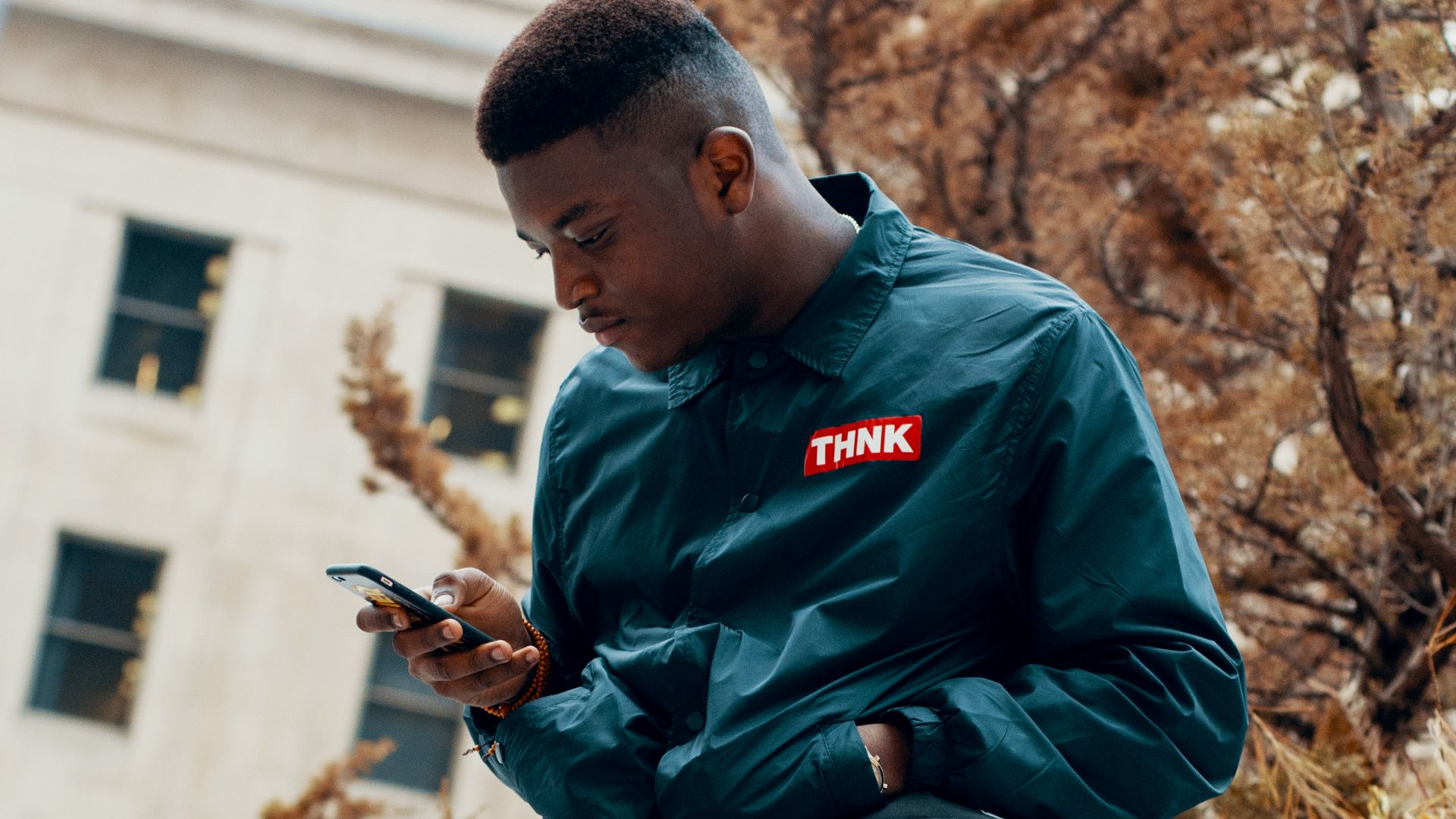
There are faceless pages now for luxury homes, stoic masculinity, soft life routines, startup grind culture, “old money” aesthetics, minimalist parenting, and just about every identity performance the internet can sell back to you. They grow because they give people a repeatable worldview without asking for much scrutiny.
The scale of it makes sense, but so does the skepticism, because once the face disappears, people start looking harder at everything else. Here are ten reasons people are reluctant to trust faceless videos.

1. Nobody Knows Who Is Talking
Trust comes easier when there is at least some sense of a person on the other end. When content arrives with no face, no name, and no meaningful identity, it can feel less like communication and more like output.

2. The Same Voice Is Everywhere
A lot of faceless content sounds eerily identical now, down to the pacing, phrasing, and polished synthetic emphasis. Once people notice that sameness, it becomes harder to believe there is real judgment or lived experience behind the message.

3. Sources Get Blurry Fast
Faceless formats often move information around in a way that makes original sourcing disappear almost immediately. A claim starts to sound true just because it has been packaged cleanly, not because anyone has shown where it came from.

4. Context Gets Stripped Out
A clipped reaction, a stitched anecdote, or a repurposed quote can change meaning fast once it is pulled out of its original setting. People sense that flattening, even when they cannot immediately prove what got lost.

5. It Feels Built To Scale, Not To Help
A lot of faceless content gives off that unmistakable factory smell. Even when it is technically useful, people can tell when something was designed first for volume, reach, and monetization, and only second for actual clarity.
 Aleksandra Sapozhnikova on Unsplash
6. Fake Authority Is Easy To Stage
A calm voice, clean captions, and confident formatting can make almost anything sound informed. That polish can create the appearance of expertise long before anyone has earned it, which makes audiences wary.

7. It Hides Accountability
When a creator never really appears, never stakes a reputation on the work, and can disappear behind a new account tomorrow, the risk feels one-sided. The audience is expected to trust content made by someone who may never have to answer for being wrong.

8. AI Has Made Everything Murkier
People already know that voices, scripts, images, and summaries can now be generated at speed. That knowledge hangs over faceless content in a way that makes even decent work feel suspect, simply because nobody can tell at a glance how much of it was actually made by a person.

9. Emotion Can Be Engineered Too Easily
A lot of these formats are very good at simulating intimacy, urgency, wisdom, or vulnerability without offering much substance underneath. Once viewers feel that manipulation a few times, they start approaching the whole category with their guard up.

10. The Feed Is Full Of Copies
The biggest trust killer may be repetition itself. When ten accounts post the same structure, the same insight, the same story arc, and the same synthetic voice, people stop asking which creator made it and start wondering whether any of them are worth trusting at all.